Category: All News

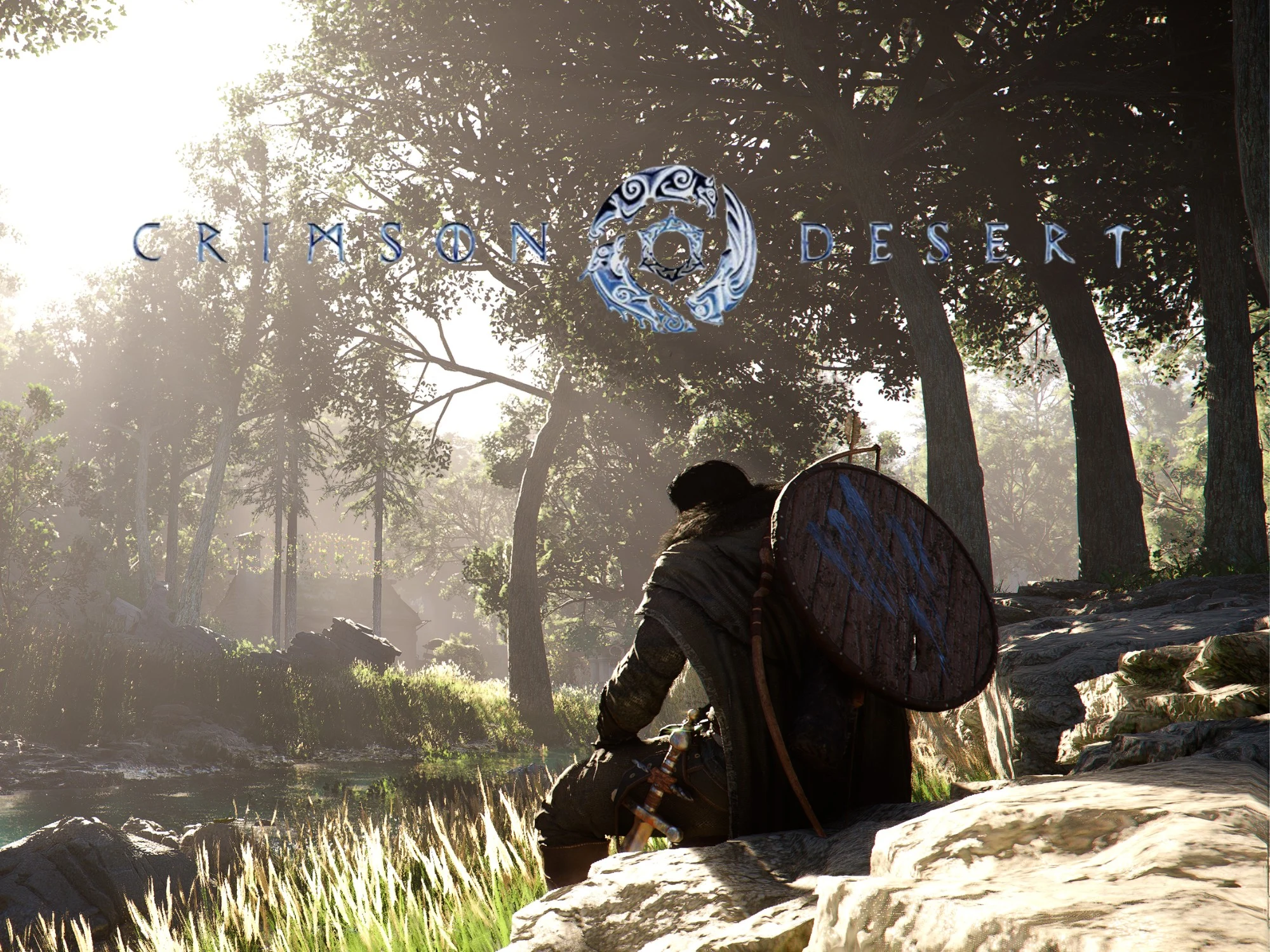
  • Crimson Desert Runs at 50 FPS on MacBook Neo at Low Resolution

    Crimson Desert Runs at 50 FPS on MacBook Neo at Low Resolution

    Key Takeaways

    1. Mixed Reviews for Crimson Desert: While some praise its stunning visuals, others criticize the gameplay mechanics and narrative.

    2. Affordable MacBook Neo: Apple’s new MacBook Neo is designed to be budget-friendly, featuring a last-generation iPhone SoC and 8 GB of RAM.

    3. Performance on MacBook Neo: The game runs natively on Apple Silicon, but only at very low settings, achieving around 50 FPS with upscaling and frame generation.

    4. Playable Experience: With adjustments, players can achieve a steady 30 FPS, making it a somewhat enjoyable experience on lower-end devices.

    5. Optimization for Lower Hardware: Pearl Abyss shows commitment to optimizing Crimson Desert for less powerful hardware, as evidenced by its performance on the MacBook Neo.


    Crimson Desert reviews are mixed, to say the least. Some reviewers rave about the stunning visuals of this expansive open-world game, while others view the gameplay mechanics and narrative as lacking. On the bright side, it performs quite well on lower-end hardware, which is great news for gamers on a budget.

    A New Affordable Option

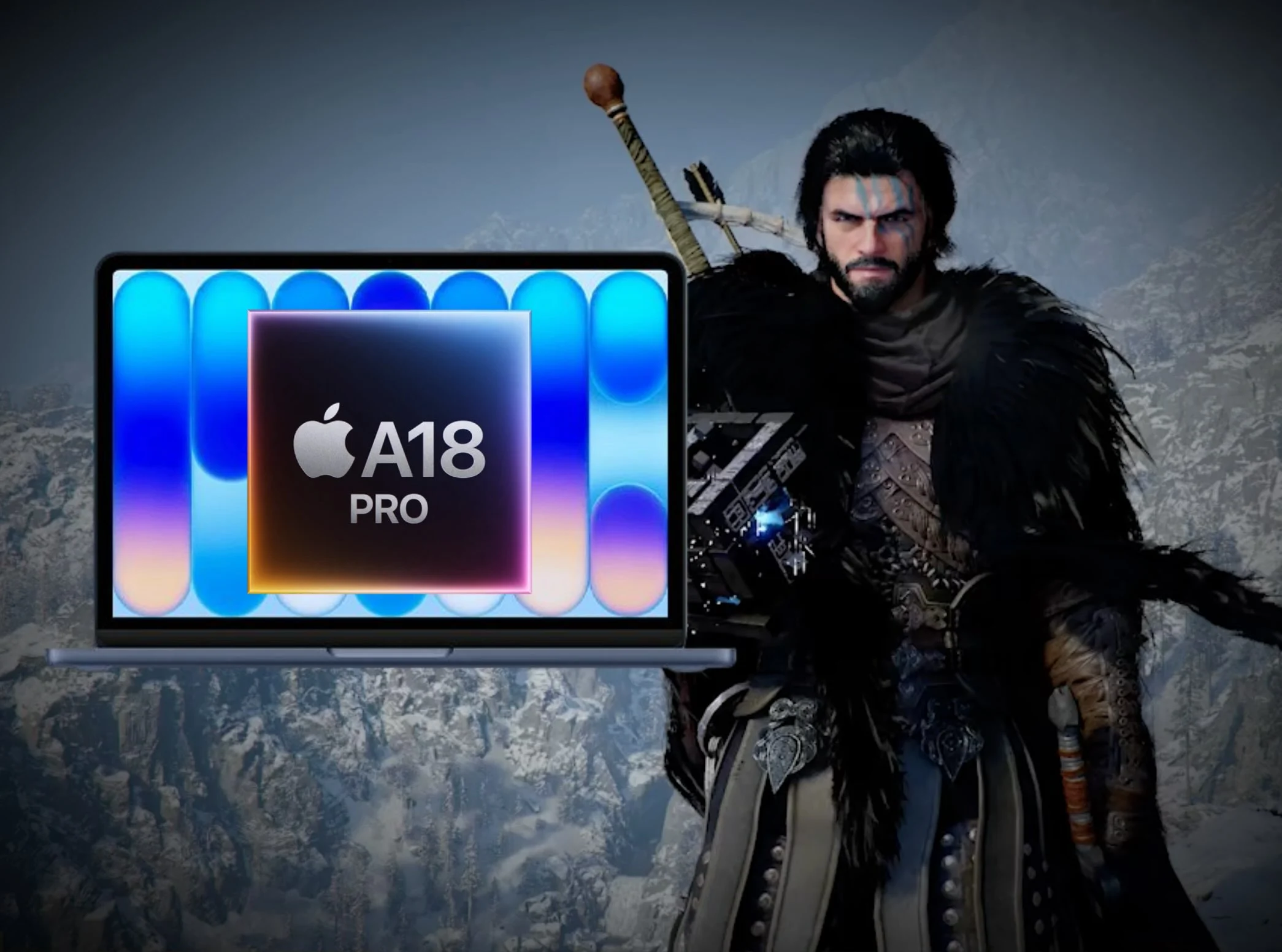
    The MacBook Neo marks Apple’s first laptop designed with affordability in mind. It’s equipped with a last-generation iPhone SoC and has a modest 8 GB of RAM, helping to keep the price down. Interestingly, Crimson Desert runs natively on Apple Silicon, which includes this new MacBook Neo model.

    Testing the Limits

    Popular gaming YouTuber Andrew Tsai took it upon himself to see how well the MacBook Neo handles the game. It turns out that the laptop can run the highly talked-about title, but only at very low settings. This is not surprising, given that the minimum requirements for running Crimson Desert on a Mac are an M2 Pro or M3-class SoC.

    With the game set to its lowest preset, using MetalFX to upscale from a lowly 180p to 540p, and enabling frame generation, the MacBook Neo achieves around 50 FPS while running Crimson Desert. Given that the A18 Pro’s 5-core GPU includes hardware-accelerated mesh shaders, performance is nearly on par with the M1.

    Playable Yet Limited

    With a slightly better resolution, achieving a steady 30 FPS gameplay with the help of frame generation and upscaling seems feasible on this system. Andrew mentioned that playing Crimson Desert with frame generation turned on is a fairly enjoyable experience, which may be the redeeming factor for those using lower-end Apple Silicon devices.

    It’s important to note that the MacBook Neo isn’t designed for gaming, but the fact that it can run Crimson Desert with only 8 GB of shared RAM between the CPU and GPU shows that Pearl Abyss is serious about optimizing for less powerful hardware.

    Andrew Tsai via YouTube

    Source:
    Link


  • PlayStation Network Outage: Servers Down, Games Won’t Launch

    PlayStation Network Outage: Servers Down, Games Won’t Launch

    Key Takeaways

    1. The PlayStation Network (PSN) has experienced outages since 2006, with the current downtime lasting about 2 hours.
    2. Issues began around 9 PM CET on March 21st, with nearly 14,000 reports of problems recorded.
    3. Key services affected include PSN account management, the PS Store, and launching games or apps.
    4. The outage has a global impact, but some players remain connected while others are limited to offline games.
    5. Fans hope to avoid a repeat of the major 2011 outage that lasted over three weeks due to a cyberattack.


    The PlayStation Network has faced several outages since it started in 2006. Although this current downtime is not as serious as some earlier issues, the service essential for multiplayer gaming on the PS5 has been offline for approximately 2 hours. On the official PSN status page, Sony has confirmed that both gaming and social features are currently unavailable.

    Reports of Issues

    According to Down Detector, the problems began shortly after 9 PM CET on March 21st. The site saw its highest activity at 9:52 PM, recording nearly 14,000 reports of issues. Many users on Reddit shared that they had to change their weekend plans due to the outage.

    Services Affected

    At first, the PlayStation Network status page indicated that all services, including PSN account management, the PS Store, and video playback, were down. However, Sony later clarified that the “launching games, apps, or network features” is what is particularly affected. The company is working hard to “resolve the issue as soon as possible.”

    Global Impact

    It seems that this inconvenience is felt worldwide, impacting multiple regions. Interestingly, some players who have been engaged in the same PS4 or PS5 game for several hours have not experienced any disconnections. For others, the only option is to play games that do not require an internet connection, like the newly released Crimson Desert.

    The duration of the PlayStation Network outage remains uncertain. A similar incident happened in February 2025, when PSN was down for nearly 24 hours. Sony later apologized and provided additional subscription time for free. Despite preventing millions from enjoying both single and multiplayer experiences, the company never disclosed the reasons behind the outages.

    Hopes for the Future

    Fans are hoping that a repeat of the disastrous 2011 outage, which was the worst in PSN history, will not occur again. Following a cyberattack, Sony had to keep the network offline for more than three weeks to address the data breach.

    Source:
    Link


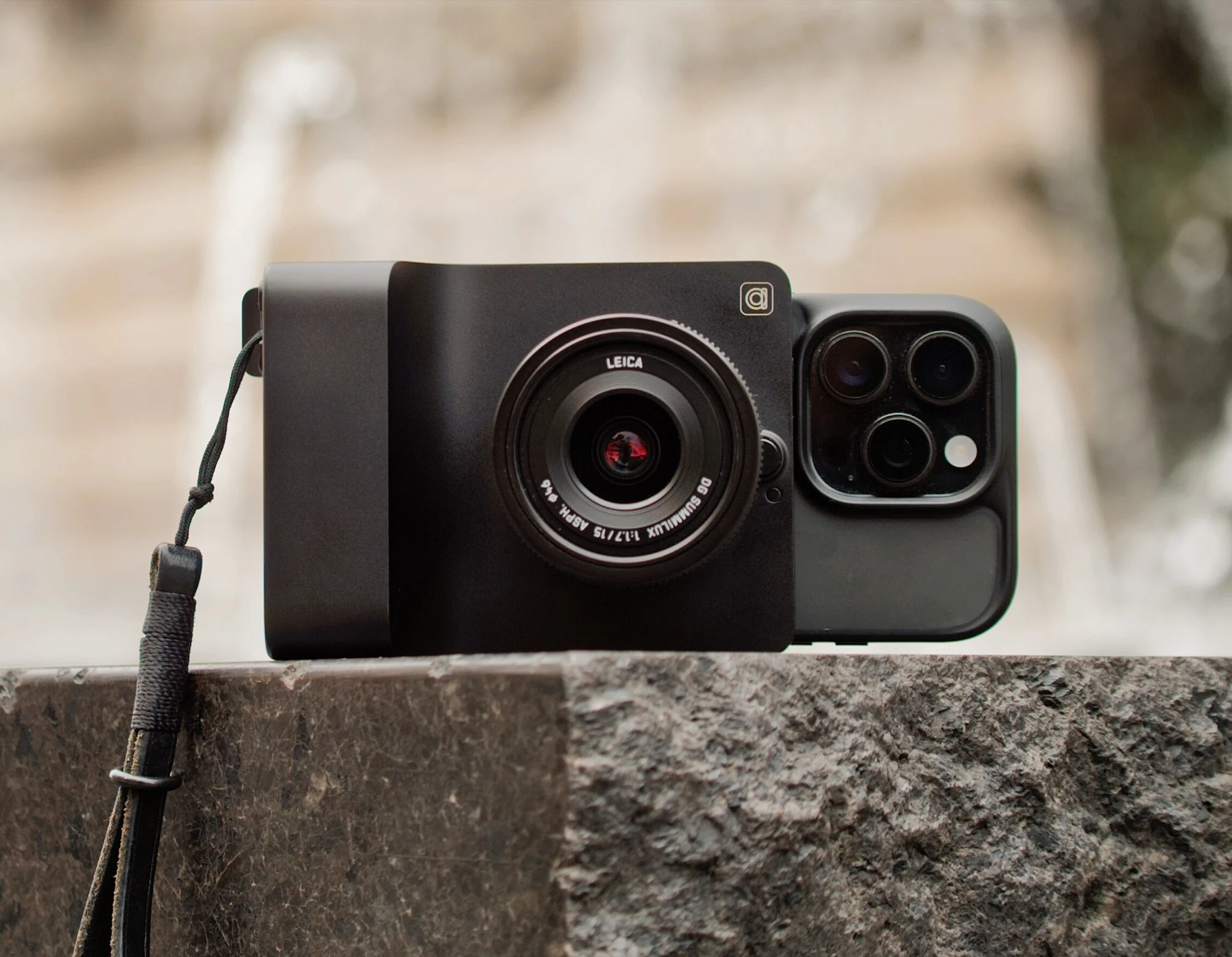
  • Apple Aims to Acquire Camera App from Halide Creators for iPhone

    Apple Aims to Acquire Camera App from Halide Creators for iPhone

    Key Takeaways

    1. Apple was in talks to acquire Lux Optics, creators of the Halide app, to enhance iPhone camera technology.
    2. The negotiations collapsed as Lux Optics’ founders opted to focus on their own growth and future updates.
    3. Apple is shifting to a more aggressive acquisition strategy to accelerate its technology advancements.
    4. The company is looking to integrate professional-grade camera features in upcoming iPhone models, like the iPhone 18 Pro.
    5. Apple aims to strengthen its presence in the “Creator” sector through innovation and acquisitions, possibly increasing its acquisition activity significantly by 2026.


    It appears that Apple has been recently spotted “window shopping” for a significant upgrade in camera technology. Reports indicate that the tech powerhouse was engaged in serious talks to acquire Lux Optics, the creators of the renowned Halide app, along with Kino, Spectre, and Orion, throughout the previous year.

    Apple’s Ambitious Objectives

    The intention behind this move? Apple aimed to infuse some “Pro” elements directly into the iPhone Camera app. However, the negotiations reportedly collapsed in September. The reason? The founders of Lux Optics chose to believe in their own potential, anticipating that future Halide updates would elevate their company’s worth even more. Talk about self-confidence!

    A Shift in Strategy

    This unsuccessful negotiation is a part of a larger trend. Apple seems to be growing weary of slow and steady progress and is utilizing its enormous cash reserves to take “shortcuts.” Instead of developing everything from the ground up, they are opting for a more aggressive approach by attempting to acquire competitors and their technologies, aiming to get ahead of their rivals.

    What’s on Apple’s Radar?

    With speculation about a variable aperture lens debuting in the iPhone 18 Pro this autumn, Apple is eager for software capable of managing such advanced hardware. Acquiring Lux Optics would have provided a straightforward solution for a professional-grade camera interface.

    Even though Halide remains independent, the underlying message is evident: Apple is determined to establish a strong presence in the “Creator” sector, whether it be through innovation or financial acquisitions.

    As we are only a few months into the year, Apple is already making significant moves. With their current “buy first, ask questions later” mentality, could it be possible for Apple’s acquisition list to reach double digits by the end of 2026?


  • Casio A168 Redesigned with Nikon Style, Now Priced at $200

    Casio A168 Redesigned with Nikon Style, Now Priced at $200

    Key Takeaways

    1. The N168 is a custom timepiece from PPP Cameras based on the Casio A168WE, featuring a Nikon camera-inspired design.
    2. The watch retains the original A168 digital module, including an alarm, stopwatch, and backlight, with no new functional improvements.
    3. Available in three styles: Chrome, Black, and Titanium, with prices ranging from £150 (~$200) to £170 (~$226), significantly higher than the standard A168.
    4. The design focuses on aesthetics, especially with a yellow display and black canvas strap resembling camera straps, appealing to Nikon fans.
    5. This pricing trend is unusual for A168 modifications, as most are budget-friendly, making this version more about design than functionality.


    A fresh custom timepiece from PPP Cameras, called the N168, has just appeared online, and it’s based on the well-known Casio A168WE. Keep in mind that this isn’t an official release from Casio. It’s a modified version from a third-party that fully embraces a Nikon camera-inspired aesthetic.

    Features and Design

    The fundamental watch remains unchanged. It continues to use the classic A168 digital module, which includes an alarm, stopwatch, and backlight. There doesn’t seem to be any functional improvements, so the emphasis is clearly on the appearance and style rather than extra features. The display sports a yellow hue, directly referencing Nikon’s signature color. The strap is crafted from black canvas and features yellow stitching, resembling typical camera straps. The shape of the case closely resembles the original, and branding such as “Illuminator” remains visible, indicating that this isn’t a complete redesign.

    Variants and Pricing

    Three different styles are available: Chrome, Black, and Titanium. All of them appear to be minor variations of the same concept instead of unique watches. However, the pricing is the standout feature here. The chrome and titanium models are priced at £150 (~$200), while the black model is priced at £170 (~$226). This is significantly higher than a standard A168WA-1, which is typically around $30 on Amazon, usually falling within the low-cost range of $20-$30. Additionally, as of now, the black version is out of stock on the PPP Cameras website.

    Market Trends

    This pricing trend is quite common. The A168 is frequently modified or customized due to its simple, affordable, and readily available nature. Most of these modifications are generally budget-friendly. However, this one is different—it’s not as inexpensive. Thus, the worth is more about the design itself. You’re essentially paying for the aesthetics, not for new functionalities. For some Nikon fans, this design update may resonate perfectly. For others, it remains the same A168 underneath, just with a much steeper price tag.

    PPP Cameras’

    Source:
    Link


  • Core Ultra 5 325 Benchmarks vs Core Ultra 7 355: Results Similar

    Core Ultra 5 325 Benchmarks vs Core Ultra 7 355: Results Similar

    Key Takeaways

    1. Laptops with Panther Lake Series 3 Core processors are now available, including Core Ultra 5 325, Core Ultra 7 355, and Core Ultra X7 358H models.

    2. The performance difference between Core Ultra 5 325 and Core Ultra 7 355 is minimal, with only a 4% advantage for the more expensive Ultra 7.

    3. Integrated graphics performance is similar for both Core Ultra 5 and Core Ultra 7, with no noticeable difference in everyday applications.

    4. The Core Ultra X7 358H offers significant performance improvements, with multi-thread performance and graphics capabilities up to 75% and 2.5 times faster, respectively.

    5. Core Ultra 5 325 and Core Ultra 7 355 have similar specifications, resulting in comparable performance until upgrading to the Core Ultra X7 358H, which features more cores.


    Laptops featuring the Panther Lake Series 3 Core are now available for purchase, with popular choices such as the Core Ultra 5 325, Core Ultra 7 355, and Core Ultra X7 358H. Following our latest review of the 2026 XPS 16, we now have a representative model for each processor, allowing us to compare the three CPUs. Sadly, the performance differences observed can vary from minimal to significant.

    Performance Comparison

    Benchmarks indicate that the Core Ultra 5 325 and Core Ultra 7 355 show nearly the same performance levels, even though the Core Ultra 7 comes at a higher price. Our tests suggest that the Core Ultra 7 has an average performance edge of about 4 percent, but this small difference is usually not noticeable during daily tasks or in most practical situations.

    Graphics Performance

    In terms of integrated graphics performance, the results are similarly aligned. The Core Ultra 7 manages to secure just a few percentage points ahead of the Core Ultra 5 in 3DMark tests, which again is insufficient to create a noticeable difference in everyday applications.

    The transition from Core Ultra 5 325 to the Ultra 7 355 is rather underwhelming, being effectively a negligible upgrade.

    Upgrading for Better Performance

    For those looking for a more distinct performance enhancement, it is better to opt for the Core Ultra X7 358H model. This configuration offers multi-thread performance and graphics capabilities that can be as much as 75 percent and 2.5 times faster, respectively, compared to the Core Ultra 5 or Ultra 7.

    A glance at the specifications shows why the Core Ultra 5 325 and Core Ultra 7 355 perform so similarly. Both processors have the same amount of cores, cache sizes, integrated Xe3 4 GPU, NPU, and target TGP, which results in comparable performance. It isn’t until you upgrade to the Core Ultra X7 358H that you get a significant increase in cores for both the CPU and GPU, leading to much higher performance levels.

  • Seven Deadly Sins: Origin Launch Faces Major Audio Issues

    Seven Deadly Sins: Origin Launch Faces Major Audio Issues

    Key Takeaways

    1. Netmarble acknowledges various issues with The Seven Deadly Sins: Origin during Early Play on PS5 and Steam and is actively working on solutions.
    2. The game’s Early Play began on March 16, 2026, with a full Grand Launch for mobile platforms set for March 23, 2026.
    3. Audio issues are a significant problem, with players reporting unclear voices and sound effects, despite background music functioning.
    4. Other known issues include difficulties joining parties, and players are advised to contact customer support if problems persist after reconnecting.
    5. Netmarble will regularly update the Version 1.0 known-issues post as they work to stabilize the game before the mobile launch.


    Netmarble has released an official notice regarding Version 1.0 Known Issues for The Seven Deadly Sins: Origin, acknowledging that the newly launched game is facing various issues as Early Play continues on PS5 and Steam. In the Steam announcement, the company mentioned that it is looking into the reasons behind these problems, working on solutions, and will keep updating the notice as more issues are found or fixed.

    Launch Window Details

    The official launch timeline is still staggered across different platforms. Netmarble began Early Play for PlayStation 5 and Steam on March 16, 2026, while the full Grand Launch for iOS, Android, and Google Play Games is set for March 23, 2026. This indicates that the present bug reports are coming in during the game’s initial playable week on console and PC, rather than after the complete mobile launch.

    Audio Issues

    One of the more prominent problems involves sound. A screenshot captured within the game displays a notice stating that “sound may not play properly in certain situations.” This aligns with user complaints that have started to emerge in Steam discussions regarding the launch version.

    In a particular Steam thread, one player noted that while background music was functional, voices and sound effects were unclear, and another mentioned that the game had no audio after the company intro. While these reports do not provide a complete technical analysis, they correlate with the in-game warning and suggest that the audio issue is impacting more than just a single setup.

    Other Known Issues

    Netmarble’s notice on Steam confirms that the list of known issues goes beyond audio problems. The currently indexed version of the announcement reveals that the company is aware of at least one issue where joining a party might fail under specific circumstances. Netmarble advises players who still cannot proceed after reconnecting to reach out to customer support, emphasizing that some issues may not be fixed just by restarting.

    For the moment, Netmarble’s official statement indicates that fixes are underway, and the Version 1.0 known-issues post will serve as the primary source of updates. With the mobile launch only a few days away, the studio has a brief timeframe to stabilize the release before The Seven Deadly Sins: Origin expands to platforms beyond PS5 and Steam.

    Source:
    Link


  • Crimson Desert Developers Reveal Toxic Workplace Impact on Game

    Crimson Desert Developers Reveal Toxic Workplace Impact on Game

    Key Takeaways

    1. Disjointed Storyline: Many reviews criticize the game’s story as feeling random and disconnected, with the main plot not finalized until just before launch.

    2. Dismissal of Feedback: Development leadership at Pearl Abyss reportedly ignored feedback, leading to a culture that discouraged constructive criticism.

    3. Original Story Changes: The initial plot about a young king was discarded after a leadership change, resulting in a lack of cohesive narrative development.

    4. Focus on Graphics Over Innovation: Development shifted towards replicating successful games rather than creating original gameplay, leading to a chaotic development process.

    5. Mixed Reception and Sales: Despite the game’s poor reviews and a drop in the studio’s stock, it sold 2 million copies within the first 24 hours, indicating a complex reception.


    Many reviews of Crimson Desert highlight a story that feels disjointed. The quests often appear random and not linked to any main plot. This doesn’t surprise the developers at Pearl Abyss, as one of them mentioned that the storyline was not finalized until just before the game launched. On the Blind platform, it was also stated that studio leadership dismissed any feedback.

    Insights from Blind

    Blind is a social network where employees can share their experiences about their companies. While users have to verify who they are, it’s best to view the comments from the Korean developers as more of a speculation than concrete truths. Even so, they might have shed some light on why various aspects of the open-world game feel somewhat bolted on.

    Reddit Revelations

    A discussion on Reddit features an account from a former team member now employed at Nexon. This developer shared that the original story for Crimson Desert was about a young king who lost his throne. A character referred to as a “prime minister” helped him, only to later betray him. The plot thickens as the main character tries to stop the traitor from gaining control.

    Before this idea could be fully developed, a director felt the need to step down. The new general manager decided to discard the existing story, acting as a “compliant subordinate.” This behavior seems to be a trend within the company, as confirmed by another developer on Blind. Leadership created a culture that discouraged pushback.

    Development Challenges

    Many within the team noticed that the project was “going off the rails.” Instead of focusing on innovative gameplay, there was a push to replicate successes like The Legend of Zelda: Tears of the Kingdom. Ideas for original stories were sidelined in favor of showcasing impressive graphics.

    The second source describes how the game ended up as a “mess of features thrown together.” Reviews of Crimson Desert point out confusing controls, which this developer attributes to the chaotic development process.

    The Pearl Abyss employee believes it was “inevitable” for Crimson Desert to fail. Criticism has been particularly severe in Korea, where the expectations were notably higher. Following a mediocre score on Metacritic, the studio’s stock dropped. However, calling the game a global failure may not be entirely fair, considering it sold 2 million copies within the first 24 hours after its launch.

    Source:
    Link


  • Injectable Mini Livers: A Promising Alternative for Transplants

    Injectable Mini Livers: A Promising Alternative for Transplants

    Key Takeaways

    1. Chronic liver failure often requires a donor organ, but there is a shortage of available donors and high surgical risks.
    2. MIT scientists developed an injectable system that grows functional “mini livers” inside the body using human liver cells and water-based gel spheres.
    3. The gel spheres can be injected easily and create a stable structure that supports the growth of new blood vessels, supplying oxygen and nutrients.
    4. Laboratory experiments on mice showed that these mini livers produced essential liver proteins and enzymes over a two-month period.
    5. This syringe-based technique could provide a vital alternative for patients awaiting organ transplants, although medications are still needed to prevent cell rejection.


    For individuals suffering from chronic liver failure, obtaining a donor organ often represent the sole solution. Yet, the lack of available donors, along with the significant risks of major surgery, leaves many patients with no acceptable alternatives. A less invasive option is to inject healthy replacement cells into the patient, but these cells usually disperse and perish due to the absence of a structure to keep them in place. To tackle this issue, scientists at the Massachusetts Institute of Technology have created an injectable system that manages to grow functional “mini livers” right inside the body.

    Innovative Mixture

    The research team succeeded by combining crucial human liver cells with tiny, water-based gel spheres. This unique blend moves smoothly like a liquid through a regular syringe, but it quickly compacts into a stable structure once injected into the tissue. By utilizing standard ultrasound tools to guide the needle, physicians can carefully place this mixture in easily reachable spots, like abdominal fat, without harming the sick liver. After being injected, the gel spheres establish a nurturing internal environment that promotes the growth of surrounding blood vessels into the new cell cluster, supplying the necessary oxygen and nutrients for the liver cells to thrive.

    Promising Results

    In laboratory experiments involving mice, these newly created satellite livers flourished, effectively producing essential liver proteins and enzymes throughout the two-month study duration. Although the existing technology still needs medications to avert the body from rejecting the new cells, this straightforward, syringe-based technique could soon become a crucial option for patients awaiting a donor organ, potentially changing the way medicine addresses end-stage organ failure.

  • OnePlus 15T Specs Leak: Display Downgrade Details Revealed

    OnePlus 15T Specs Leak: Display Downgrade Details Revealed

    Key Takeaways

    1. The OnePlus 15T features a 6.32-inch display with a 1.5K resolution and a 165Hz refresh rate, using an LTPS panel instead of LTPO.
    2. It is powered by the Snapdragon 8 Elite Gen 5 processor and includes a 16MP front camera and dual 50MP rear cameras with optical image stabilization.
    3. The device boasts a 7,500mAh battery with 100W wired and 50W wireless charging capabilities, improving significantly over the OnePlus 13T.
    4. The OnePlus 15T has a metal frame, glass front and back, a 3D ultrasonic fingerprint scanner, and an x-axis motor for haptic feedback.
    5. It will run on ColorOS 16 with AI features, but there is no information on an international launch yet.


    In just a few days, OnePlus is set to reveal the next version of its compact flagship smartphone, the OnePlus 13T. The new model, named the OnePlus 15T, has been featured in many leaks along with some official teasers. As the launch approaches, a trusted source has shared the complete technical specifications of this upcoming device.

    Display and Technology

    The OnePlus 15T will sport a 6.32-inch screen, similar to the previous model. However, instead of the LTPO (Low-Temperature Polycrystalline Oxide) panel used in the OnePlus 13T, reports from Digital Chat Station indicate that the OnePlus 15T will adopt an LTPS (Low-Temperature Polycrystalline Silicon) panel. This change is said to be less expensive and not as efficient in terms of power consumption compared to the LTPO panel.

    On a positive note, the display will feature a crisp 1.5K resolution and ultra-slim bezels measuring just 1.1mm. The refresh rate also sees an upgrade to 165Hz, compared to the 120Hz of its predecessor.

    Performance and Camera

    Under the hood, the OnePlus 15T will be powered by the Snapdragon 8 Elite Gen 5, the same processor found in the larger OnePlus 15 flagship (currently listed on Amazon for $899.99). For photography, it includes a 16MP front camera, while the rear boasts two 50MP sensors equipped with optical image stabilization. The primary rear camera features a sensor size of 1/1.56”, and the secondary sensor is a periscope telephoto lens capable of 3.5x optical zoom.

    Battery and Charging Features

    With a substantial 7,500mAh battery, the OnePlus 15T significantly outshines the OnePlus 13T’s 6,260mAh battery. It will also support rapid charging at 100W via wired connections and 50W for wireless charging, a feature absent in the OnePlus 13T, which charges at a maximum of 80W. OnePlus has already introduced various wireless charging options for the new model.

    Additional Features and Specifications

    According to the leaker, the OnePlus 15T will feature a metal frame and glass on both the front and back. Additional specs include a 3D ultrasonic fingerprint scanner, an x-axis motor for haptic feedback, and an impressive quadruple IP rating (IP66, IP68, IP69, and IP69K). The new phone is also heavier at 194 grams, compared to the previous model’s 185 grams.

    The OnePlus 15T will come pre-installed with ColorOS 16, which includes various AI functionalities. Unfortunately, there have been no updates regarding an international launch.

    Source:
    Link


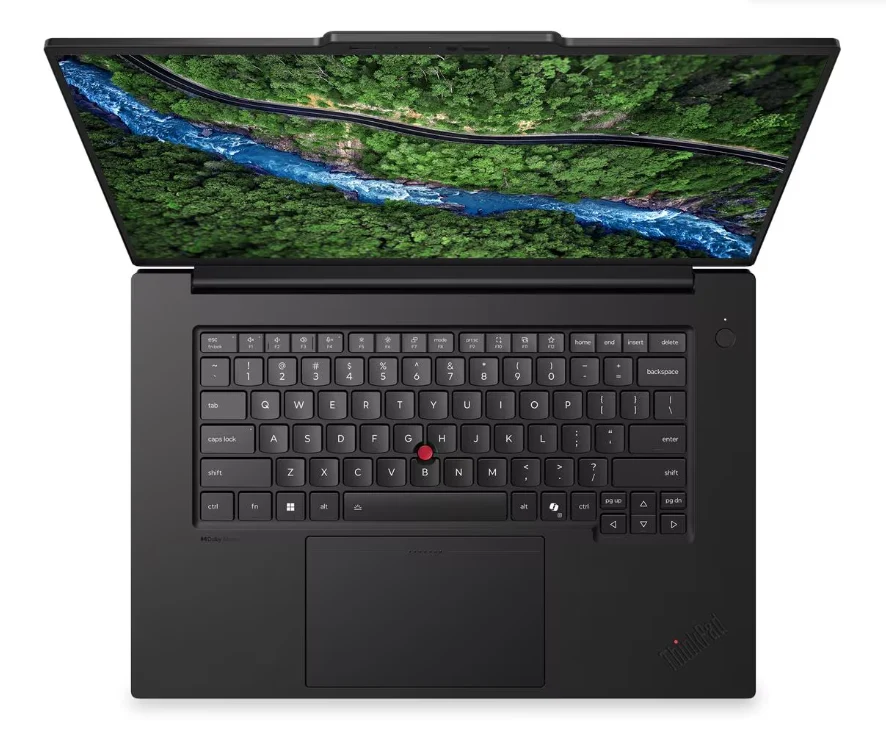
  • Lenovo ThinkPad with Nvidia GeForce RTX 5070 12GB Announced

    Lenovo ThinkPad with Nvidia GeForce RTX 5070 12GB Announced

    Key Takeaways

    1. The Lenovo ThinkPad T1g Gen 9 is a slight update to the T1g Gen 8, debuting shortly after its predecessor and mirroring the ThinkPad P1 Gen 9 design.
    2. Upgrades include Intel Panther Lake processors, with the highest option being the Intel Core Ultra 9 386H, and a maximum RAM capacity increase to 96 GB.
    3. The new model features the upgraded Nvidia GeForce RTX 5070 GPU, which has increased VRAM from eight to twelve gigabytes.
    4. The ThinkPad T1g Gen 9 includes a new 5G option, while SSDs now support PCIe 5.0, improving performance compared to the previous model.
    5. The official launch of the ThinkPad T1g Gen 9 is expected soon, but specific configurations are not yet available in the PSREF database.


    Last year, Lenovo added a new model to its ThinkPad lineup, which is the brand’s line for business users: the ThinkPad T1g. This laptop is a strong, high-end multimedia device and is related to the Lenovo ThinkPad P1. It serves as the spiritual successor to the Lenovo ThinkPad X1 Extreme, maintaining the same look as the ThinkPad P1 Gen 8 but opting for Nvidia GeForce RTX 5000 GPUs in place of the professional Nvidia RTX Pro Blackwell series.

    Launch and Reception

    The ThinkPad T1g Gen 8 made its debut at IFA 2025, receiving positive reviews during our evaluations. Yet, just six months later, its moment in the spotlight has already ended, as Lenovo has discreetly introduced its next version on its PSREF site: the Lenovo ThinkPad T1g Gen 9.

    Upgrades and Specifications

    Even though the Lenovo ThinkPad T1g Gen 9 represents a new generation, it is merely a slight update, mirroring the ThinkPad P1 Gen 9 that was unveiled in March 2026. The design remains unchanged, showcasing a spacious haptic touchpad, a black aluminum body, and a generous array of ports.

    This year’s changes include the Intel Panther Lake processors, with the Intel Core Ultra 9 386H being the highest option. In contrast to the ThinkPad P1 Gen 9, the T1g Gen 9 won’t be offered without a discrete GPU, meaning the Core Ultra X9 option is absent. Additionally, Lenovo is boosting the maximum RAM capacity for the LPCAMM2 memory to 96 GB (up from 64 GB on the T1g Gen 8), and there’s also a new 5G option that the previous version lacked. Moreover, the SSDs are finally utilizing PCIe 5.0, while the earlier model was restricted to PCIe 4.0.

    GPU and Future Expectations

    The standout feature of the ThinkPad T1g Gen 9 is the upgraded Nvidia GeForce RTX 5070, which sees a notable increase in VRAM from eight to twelve gigabytes. This new GPU has also been noted in the specifications of other recent Lenovo laptops.

    With the Lenovo ThinkPad T1g Gen 9 already appearing in the PSREF database, its official launch is likely imminent. However, since there are currently no specific configurations available in the PSREF, it might still take a while before it officially hits the market.

    Source:
    Link