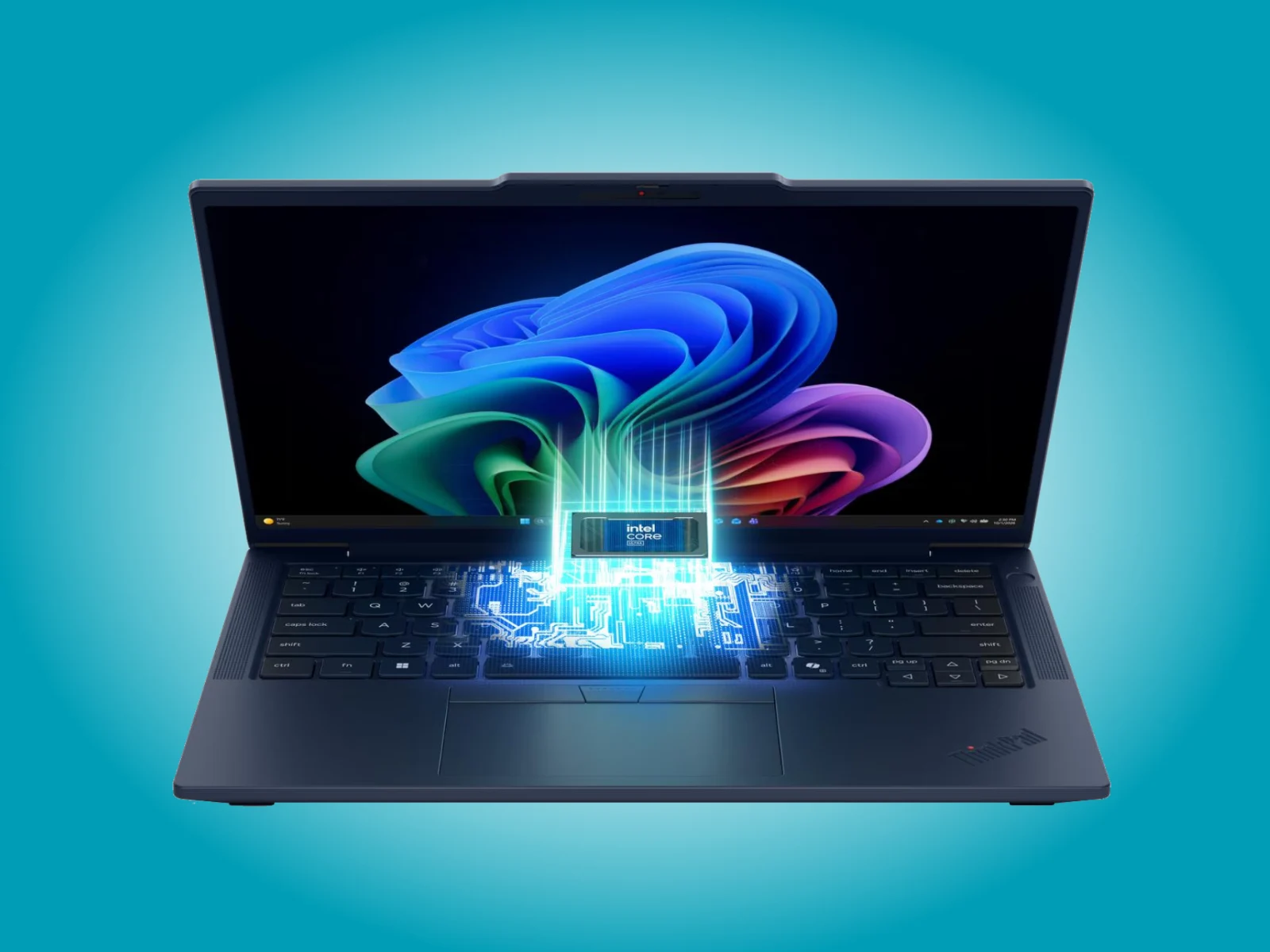
Tag: Core Ultra 5 325

  • Lenovo ThinkPad 14″ Global Launch: 120Hz OLED + Intel Panther Lake

    Lenovo ThinkPad 14″ Global Launch: 120Hz OLED + Intel Panther Lake

    Key Takeaway

    – ThinkPad T14s Gen 7 starts at $1,769 (US), CAD 2,557 (Canada), and AUD 2,477 (Australia).
    – Processor options: Core Ultra 5 325, Ultra 5 335 vPro, Ultra 7 355, Ultra 7 365 vPro.
    – RAM/storage: up to 32 GB LPDDR5X-8533 RAM, up to 1 TB M.2 2280 PCIe 4.0 storage.
    – Display choices: three 1200p 60 Hz IPS panels or one 1800p OLED with 30-120 Hz VRR.
    – All models: 58 Wh battery, Wi-Fi 7; WWAN not available in North America.


    Current Pricing and Configurations

    So the ThinkPad T14s Gen 7 is currently starting at $1,769 in the US with a Core Ultra 5 325 processor and 16 GB of LPDDR5X-8533 RAM. Meanwhile, the same configuration costs CAD 2,557 in Canada and AUD 2,477 in Australia, including a 9% discount. Additionally, the ThinkPad T14s Gen 7 can be configured with Core Ultra 5 335 vPro, Core Ultra 7 355 and Core Ultra 7 365 vPro processors.

    Memory, Storage and Display Options

    Moreover, Lenovo offers the laptop with 32 GB of LPDDR5X-8533 RAM and 256 GB, 512 GB or 1 TB of M.2 2280 storage (PCIe 4.0). On top of that, the ThinkPad T14s Gen 7 comes in a choice of four display options, three of which are 1200p and 60 Hz IPS panels. Alternatively, Lenovo is selling an 1800p OLED panel with a 30-120 Hz variable refresh rate, 500-nit SDR brightness, and an anti-glare coating.

    Connectivity, Battery and Availability

    For some reason, WWAN options have not reached North America, though. Also it is worth noting that all SKUs ship with a 58 Wh battery and Wi-Fi 7 connectivity. The models feature an Intel Core Ultra series processor and the price does include a 9% discount in Australia. Please see Lenovo’s website and our launch article for more details.
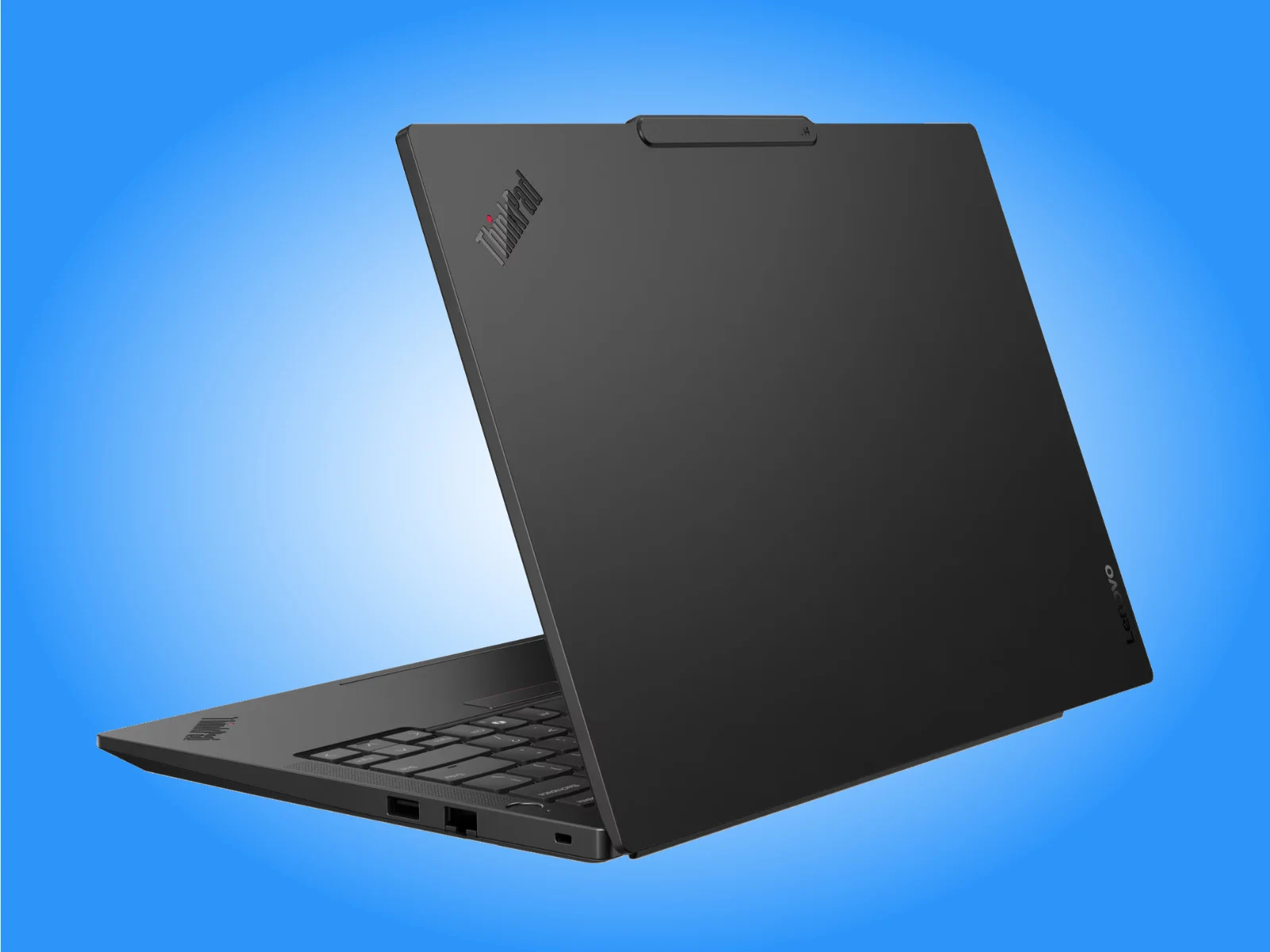
  • Lenovo 14-inch ThinkPad Debuts in North America with Dual SSDs and Upgradable RAM

    Lenovo 14-inch ThinkPad Debuts in North America with Dual SSDs and Upgradable RAM

    Key Takeaway

    – North America now shows the ThinkPad E14 Gen 8 on sale (replacing Gen 7) with a single SKU at $1,399 USD / CAD 1,939, and multiple configurations may come later in NA markets.
    – Core specs: 16 GB DDR5-5600 RAM (upgradable), 512 GB M.2 2242 PCIe 4.0 storage (with a second M.2 2280 slot available).
    – Display and battery: 1200p (1080p-ish) 60 Hz IPS screen up to 400 nit, 45% NTSC color coverage, 48 Wh battery.
    – CPU: 8-core Core Ultra 5 325 (comparable to performance seen in XPS 16 reviews).


    There is word this week that Lenovo rolled out the ThinkPad E14 Gen 8 in East Asia, Southeast Asia and Australia, while in Europe and North America it still hangs as “coming soon.” Yet in North America it has edged onto shelves to take the place of older Gen 7 models, with a current tag around curr. $899 on Amazon, a price point some buyers will compare against other options.

    In North America, the ThinkPad E14 Gen 8 is currently sold as a single SKU, even though Lenovo’s markets in Australia, Hong Kong, Malaysia and Singapore hint that there could be a wider range of configurations down the road. It’s not clear when those additional variants will land for the North American market, leaving early shoppers with limited choices for now.

    Pricing and specs are listed as follows: the model is priced at $1,399 in the US and CAD 1,939 in Canada. The package includes 16 GB of DDR5-5600 SODIMM RAM, which Lenovo notes can be upgraded in the future. Storage starts at 512 GB of M.2 2242, and there is a second M.2 slot to support M.2 2280 PCIe 4.0 SSDs for enthusiasts who want more space or speed.

    The display is a 1200p IPS screen running at 60 Hz, capable of a peak brightness of 400 nits, but it only covers about 45% of the NTSC color space. A 48 Wh battery backs the machine, paired with a Core Ultra 5 325, an 8-core processor that showed solid performance in a previous review of a near sibling model, the XPS 16, earlier this year. This combination paints a picture of balanced performance for everyday tasks and light creative work.

    Lenovo Canada & Lenovo United States


    Sources

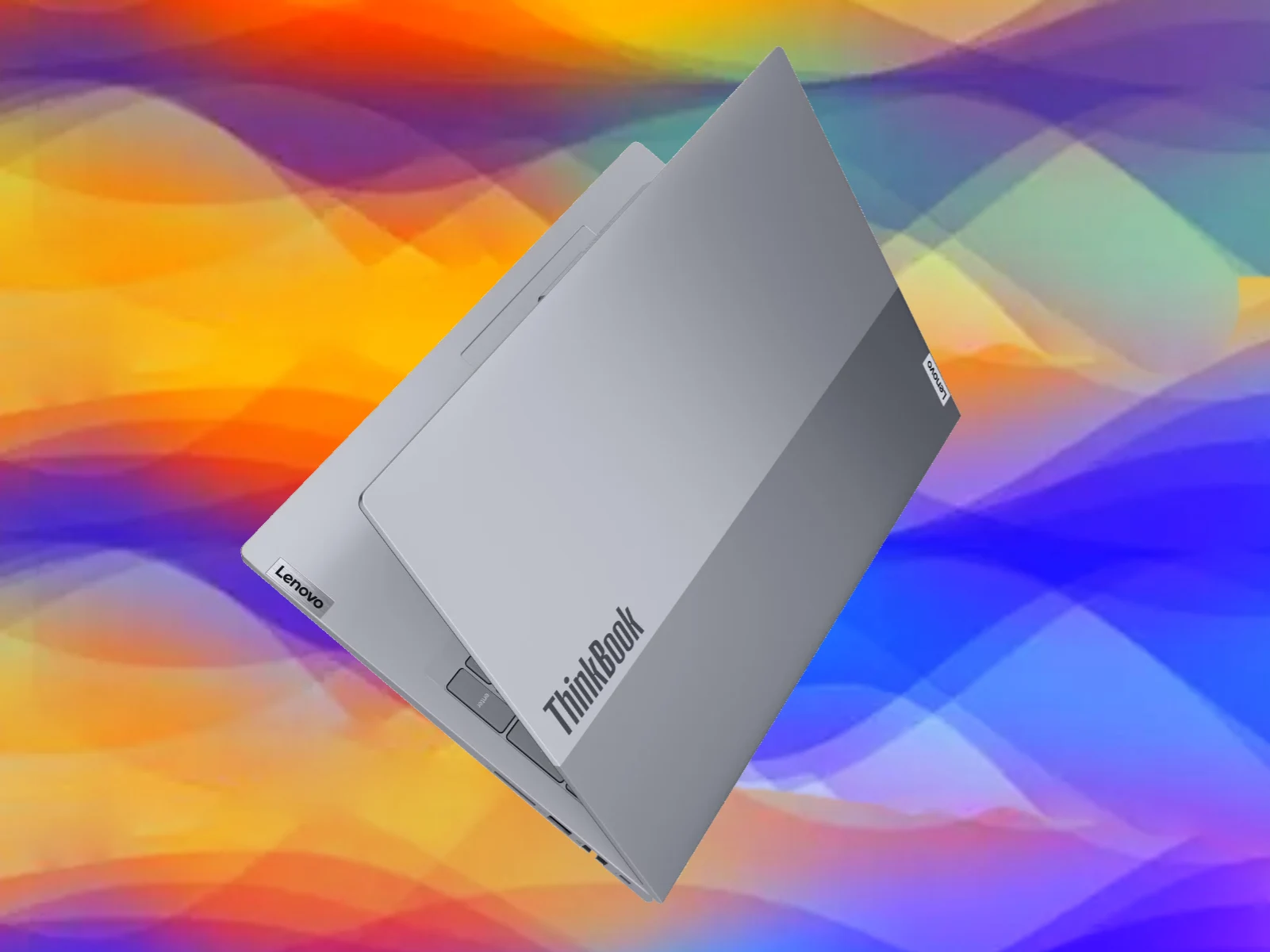
  • Lenovo 16-Inch Laptop: 120Hz Display, 32GB RAM, Intel Panther Lake

    Lenovo 16-Inch Laptop: 120Hz Display, 32GB RAM, Intel Panther Lake

    Key Takeaway

    – The ThinkBook 16 Gen 9 IPL uses Arrow Lake-based Core Ultra 5/7 CPUs and lags behind Gen 8 with Arrow Lake in performance benchmarks; entry variant starts at £1,099.99/€1,288–€1,458 for 16 GB RAM + 256 GB storage.
    – Upgradable RAM and storage: supports 16/32 GB DDR5-5600 and both M.2 2242 and 2280 slots for easy upgrades.
    – Flexible power and display options: 48 Wh or 71 Wh battery, Wi‑Fi 6 or Wi‑Fi 7, with optional fingerprint reader; two display configurations (5 MP webcam standard or upgrade to 1080p with IR, and 60 Hz 400 nit 45% NTSC or 120 Hz 400 nit 100% sRGB).

    Lenovo has finally started selling a new version of the ThinkBook 16 Gen 9. To recap, the company has already launched AMD Hawk Point and Intel Raptor Lake-powered versions of its 16-inch ThinkBook. Then in February, we noticed that the ThinkBook 16 Gen 9 IPL had been added to Lenovo’s PSREF website with newer Panther Lake processors.

    ThinkBook 16 Gen 9 IPL performance and configuration options

    Despite the name, the ThinkBook 16 Gen 9 IPL actually trails older Gen 8 models with Arrow Lake processors (curr. $1,199 on Amazon). In fact, the Core Ultra 5 325 and Core Ultra 7 355 perform worse in our benchmarks than the Core 7 240H with which the ThinkBook 16 Gen 9 IRL is available. Setting that aside, the new ThinkBook 16 can also be configured with 16 GB or 32 GB of DDR5-5600 RAM. This RAM is user-upgradeable, as is storage thanks to the inclusion of M.2 2242 and M.2 2280 slots.

    Hardware choices and display options

    Additionally, Lenovo offers the laptop with 48 Wh or 71 Wh batteries, Wi-Fi 6 or Wi-Fi 7 connectivity and an optional fingerprint reader. The ThinkBook 16 Gen 9 IPL features a 5 MP webcam by default too, although Lenovo allows this to be swapped out for a 1080p equivalent for a small surcharge with infrared for Windows Hello login purposes. Moreover, the 60 Hz, 400 nit and 45% NTSC IPS display can be swapped for a 120 Hz, 400 nit and 100% sRGB equivalent. Both are 1200p and 16:10 IPS panels, though.

    Pricing and availability

    The ThinkBook 16 Gen 9 IPL starts at £1,099.99 in the UK with a Core Ultra 5 325 processor, 16 GB of RAM and 256 GB of storage. Meanwhile, the same configuration retails for between €1,288 and €1,458 in the Eurozone, with pricing set at AUD 1,690 in Australia. Lenovo has not yet revealed when it will begin selling its new 16-inch ThinkBook in North America, nor for how much.


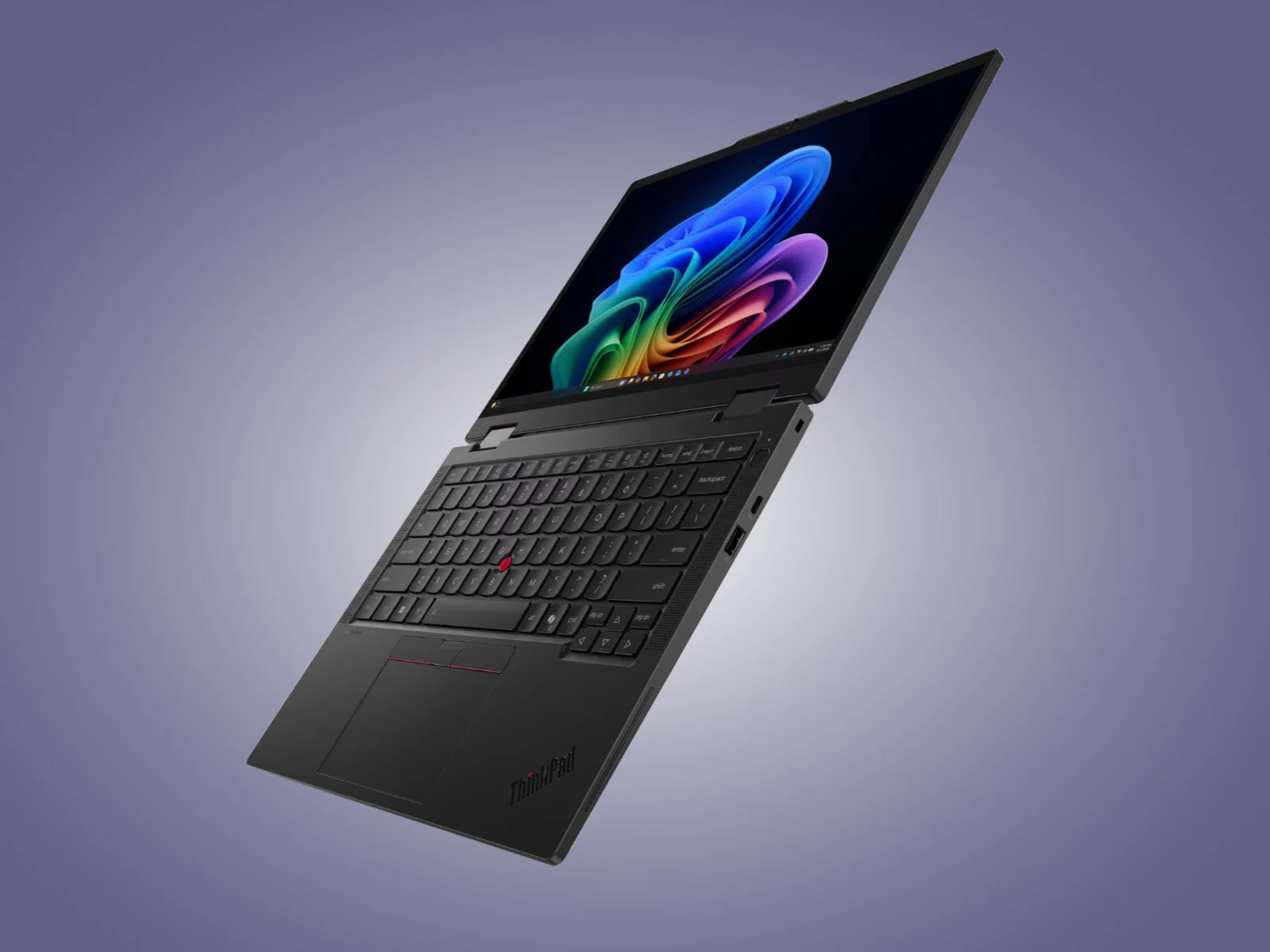
  • Lenovo 14″ ThinkPad with 64GB RAM and Built-in Pen Released

    Lenovo 14″ ThinkPad with 64GB RAM and Built-in Pen Released

    Key Takeaway

    – The ThinkPad T14s 2-in-1 Gen 2 uses Intel Panther Lake, not Arrow Lake, and starts from a high base price with a mid-range display.
    – European and UK pricing far exceed initial projections, landing around €2,079–€2,299 and £1,999, depending on configuration.
    – Australia offers the full range of configurations, with a base AU$3,349 and extreme options up to AU$6,489 for premium specs.

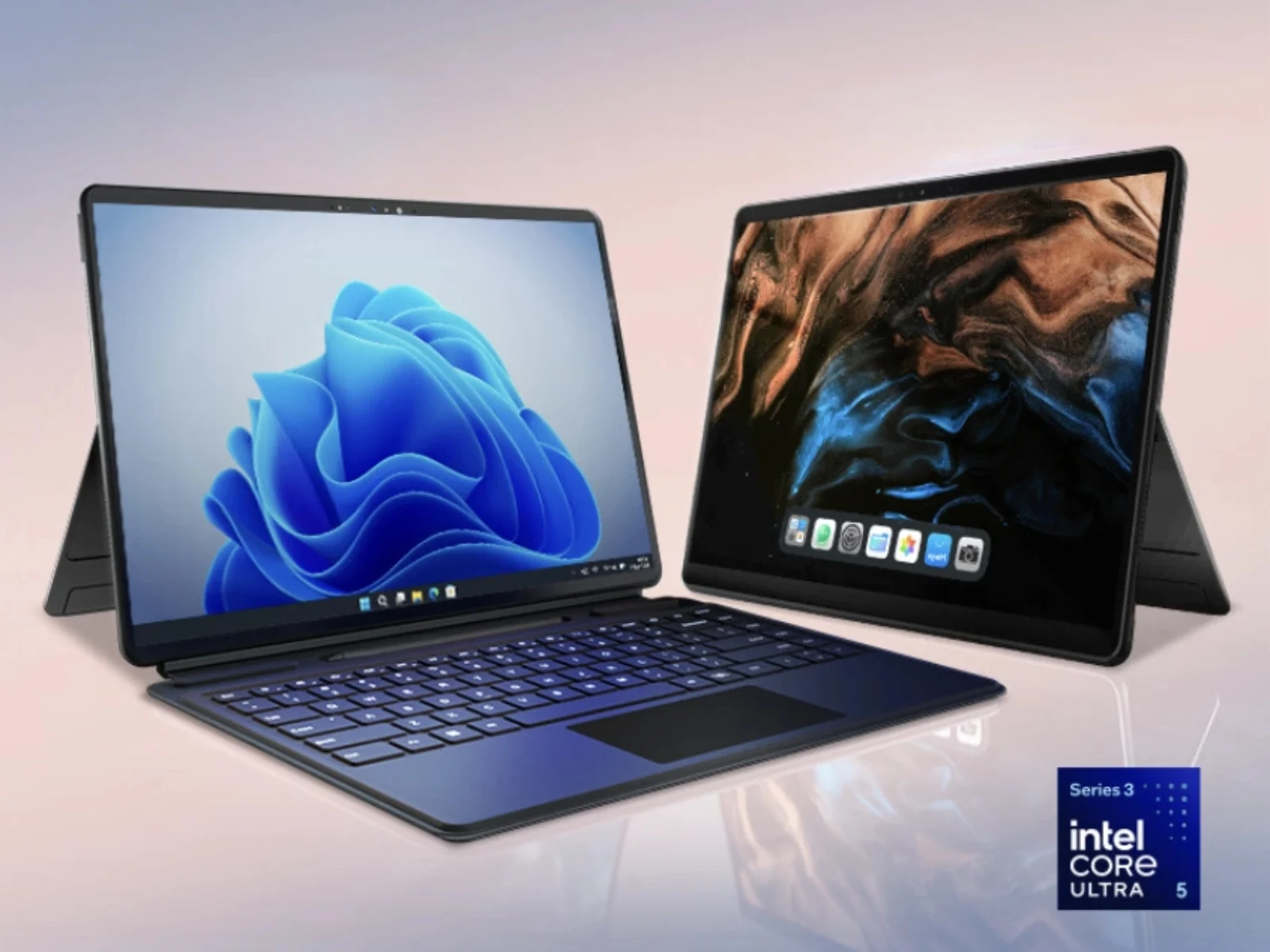
    Lenovo has rolled out its updated 2-in-1 ThinkPad lineup, introducing the ThinkPad T14s 2-in-1 Gen 2. Announced in March, this fresh machine sits alongside the standard ThinkPad T14s, which is now on its Gen 7 iteration. For reference, the ThinkPad T14s 2-in-1 Gen 2 runs on Intel Panther’s Lake platform, a shift from the Intel Arrow Lake processors that powered the Gen 1 model we checked last year (curr. $1,299 on Amazon).

    Pricing shift and market rollout

    Unfortunately, this 2-in-1 is priced higher than Lenovo originally claimed. To recap, the ThinkPad T14s 2-in-1 Gen 2 was slated to land this month starting at €1,750 in the Eurozone. While it has arrived in Europe and other markets, the price now sits between €2,079 and €2,299. The elevated pricing might reflect Lenovo’s chosen starting setup. At present, these base prices include 32 GB RAM, 1 TB SSD, a Core Ultra 5 325 processor, and an IPS display with 1200p resolution, 400 nits peak brightness, 45% NTSC, and a 60 Hz refresh rate. The UK mirrors this with £1,999.

    Regional configurations and options

    In Australia, Lenovo offers full configuration options for the ThinkPad T14s 2-in-1 Gen 2. As of now, it starts at AUD 3,349 (~€2,059/~$2,395) with 16 GB RAM, a 256 GB SSD, and the same Core Ultra 5 325 processor. Beyond that, five other Panther Lake processors are available, expanding the choices for power and efficiency across different needs.

    Performance tiers and upgrade paths

    The laptop can be configured with up to 64 GB RAM, but only with a Core Ultra 7 366H processor. For this high-end setup, Lenovo charges AUD 6,489 (~€3,990/~$4,639), which is nearly 94% more than the base configuration. Lenovo also lists 512 GB, 1 TB, and 2 TB PCIe 5.0 SSDs, plus four 1200p IPS panels. While the more premium options offer brightness up to 500 nits and 100% sRGB coverage, all panels remain at 60 Hz. For complete spec details, please check Lenovo’s site.


  • 2026 Dell XPS 16 Review: Warmer Performance Compared to Previous Model

    2026 Dell XPS 16 Review: Warmer Performance Compared to Previous Model

    Key Takeaways

    1. The 2026 XPS 16 is a major update, being thinner and more attractive without discrete graphics options.
    2. The new model has a smaller cooling system, resulting in some temperature variations compared to previous models.
    3. Under stress tests, the 2026 model showed higher surface and core temperatures than the 2025 Dell 16 Premium.
    4. The CPU in the 2026 model is slightly cooler under stress tests, but overall surface temperatures are higher.
    5. The 2026 model features quieter fan noise compared to its predecessor, despite operating at higher temperatures.


    the 2026 XPS 16 is the most significant update to this series since the original redesign that stirred some debate in 2024. This new model is notably thinner, sleeker, and more attractive, primarily because it does not have discrete graphics options. This change reduces the number of necessary components, including the previously heavy vapor chamber cooler. As a result, the smaller cooling system has caused some temperature variations compared to the previous models.

    Performance Comparisons

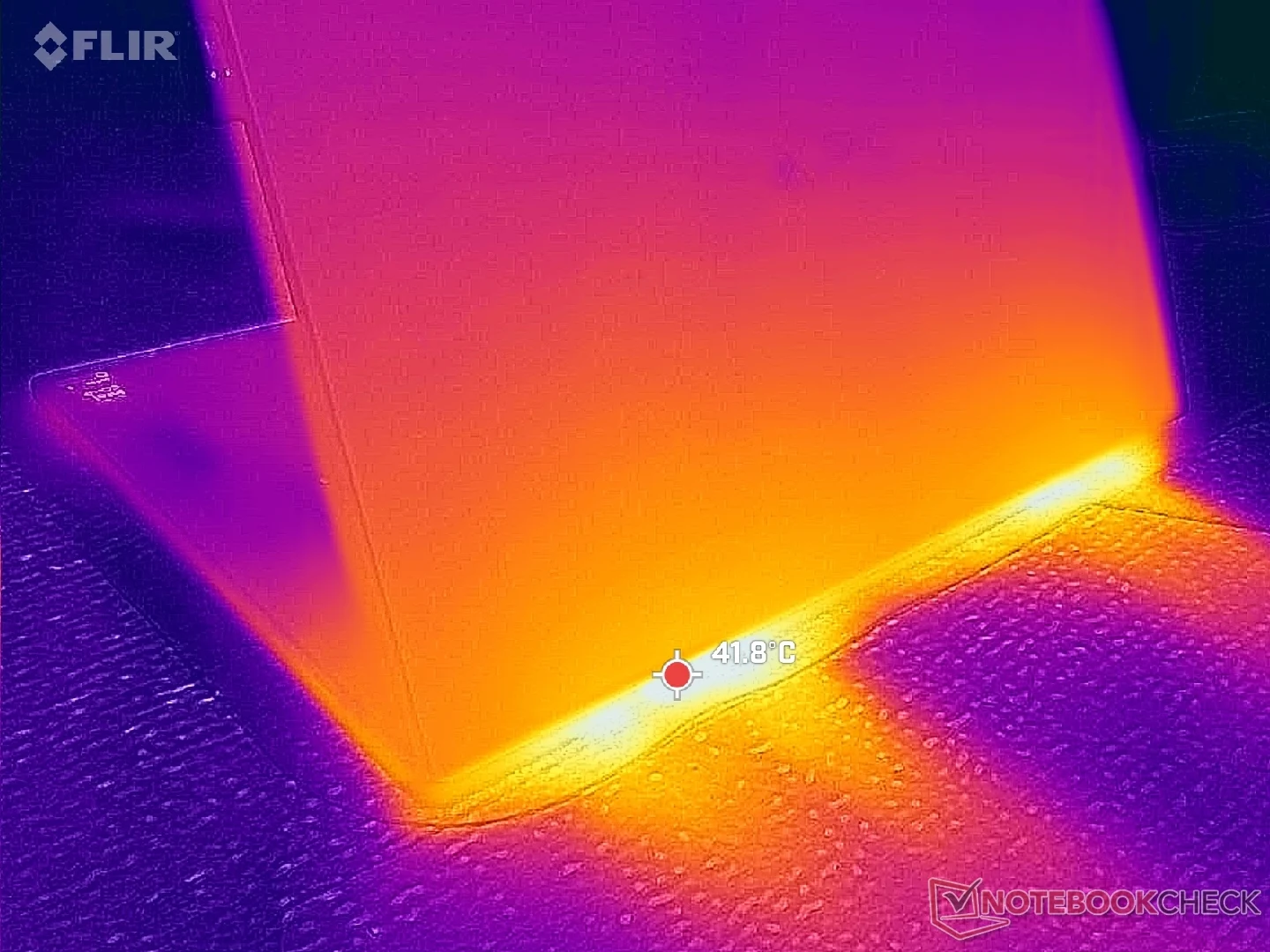
    We compared the temperature maps and performance metrics of the 2025 Dell 16 Premium, which features a Core Ultra 7 255H and discrete GeForce RTX 5070 graphics, with the 2026 Dell XPS 16 that runs on Core Ultra 5 325 Panther Lake. Under similar stress tests, the newer model occasionally runs warmer in both surface and core temperatures. For instance, during gameplay of Cyberpunk 2077, the surface temperature hot spots on the 2026 model reached 43 C on the keyboard deck and bottom cover, while the 2025 Dell 16 Premium, with its more robust graphics, only hit 37 C. The core temperature of the 2026 model peaked at 89 C, compared to just 75 C for the older model.

    CPU Stress Testing

    When we stressed the CPU using Prime95, the processor in the 2026 model managed to reach 86 C, which is about 7 C cooler than the processor in the 2025 model. However, it’s worth noting that the surface temperatures for the newer design were still higher on average, despite the core temperatures being slightly lower in this specific test scenario.

    In addition to the temperature differences, the 2026 model has quieter fan noise compared to its predecessor. So, although the new XPS 16 may typically operate at higher temperatures, it is not as noisy when under stress.


  • Core Ultra 5 325 Benchmarks vs Core Ultra 7 355: Results Similar

    Core Ultra 5 325 Benchmarks vs Core Ultra 7 355: Results Similar

    Key Takeaways

    1. Laptops with Panther Lake Series 3 Core processors are now available, including Core Ultra 5 325, Core Ultra 7 355, and Core Ultra X7 358H models.

    2. The performance difference between Core Ultra 5 325 and Core Ultra 7 355 is minimal, with only a 4% advantage for the more expensive Ultra 7.

    3. Integrated graphics performance is similar for both Core Ultra 5 and Core Ultra 7, with no noticeable difference in everyday applications.

    4. The Core Ultra X7 358H offers significant performance improvements, with multi-thread performance and graphics capabilities up to 75% and 2.5 times faster, respectively.

    5. Core Ultra 5 325 and Core Ultra 7 355 have similar specifications, resulting in comparable performance until upgrading to the Core Ultra X7 358H, which features more cores.


    Laptops featuring the Panther Lake Series 3 Core are now available for purchase, with popular choices such as the Core Ultra 5 325, Core Ultra 7 355, and Core Ultra X7 358H. Following our latest review of the 2026 XPS 16, we now have a representative model for each processor, allowing us to compare the three CPUs. Sadly, the performance differences observed can vary from minimal to significant.

    Performance Comparison

    Benchmarks indicate that the Core Ultra 5 325 and Core Ultra 7 355 show nearly the same performance levels, even though the Core Ultra 7 comes at a higher price. Our tests suggest that the Core Ultra 7 has an average performance edge of about 4 percent, but this small difference is usually not noticeable during daily tasks or in most practical situations.

    Graphics Performance

    In terms of integrated graphics performance, the results are similarly aligned. The Core Ultra 7 manages to secure just a few percentage points ahead of the Core Ultra 5 in 3DMark tests, which again is insufficient to create a noticeable difference in everyday applications.

    The transition from Core Ultra 5 325 to the Ultra 7 355 is rather underwhelming, being effectively a negligible upgrade.

    Upgrading for Better Performance

    For those looking for a more distinct performance enhancement, it is better to opt for the Core Ultra X7 358H model. This configuration offers multi-thread performance and graphics capabilities that can be as much as 75 percent and 2.5 times faster, respectively, compared to the Core Ultra 5 or Ultra 7.

    A glance at the specifications shows why the Core Ultra 5 325 and Core Ultra 7 355 perform so similarly. Both processors have the same amount of cores, cache sizes, integrated Xe3 4 GPU, NPU, and target TGP, which results in comparable performance. It isn’t until you upgrade to the Core Ultra X7 358H that you get a significant increase in cores for both the CPU and GPU, leading to much higher performance levels.

  • 14-Inch MegaBook 2 Launches with 1000 Nit OLED Display

    14-Inch MegaBook 2 Launches with 1000 Nit OLED Display

    Key Takeaways

    1. H3C’s MegaBook 2-in-1 is priced at $1,098 and features a new Intel Panther Lake processor, the Core Ultra 5 325.
    2. The device offers options for 16 GB or 32 GB of LPDDR5x RAM and includes an 8-core processor with a 4-core Xe3 iGPU.
    3. Performance improvements are expected to be modest, but energy efficiency should be better compared to the previous model, despite a 15% smaller battery.
    4. The MegaBook 2 has a 2.8K 120 Hz OLED display with a peak brightness of 1,000 nits and a 14-inch 16:10 aspect ratio.
    5. Sales will start in China on April 11, with no confirmation yet on pricing or availability in other countries.


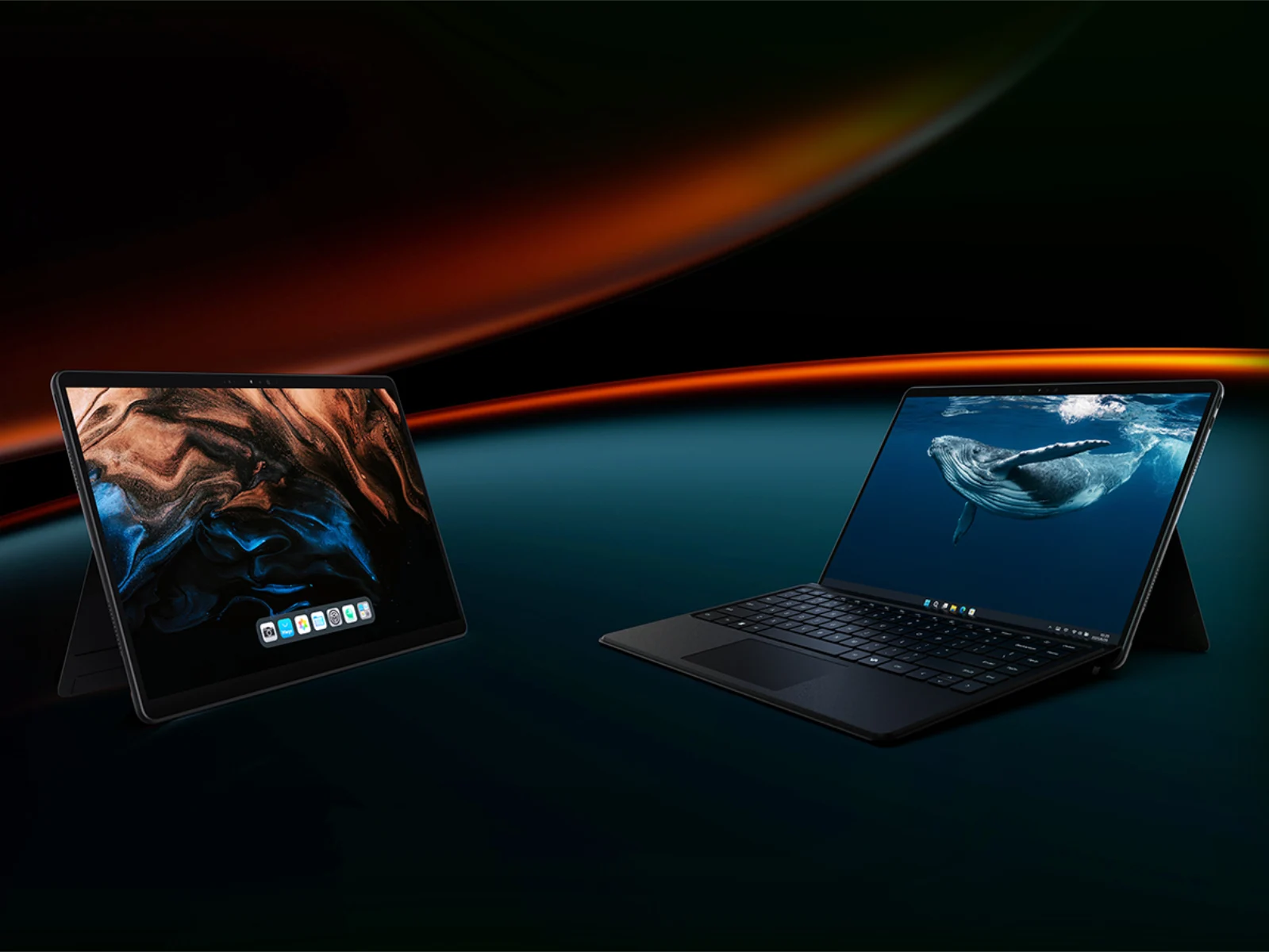
    H3C has officially unveiled its latest MegaBook 2-in-1, joining the ranks of Surface Pro competitors. Currently priced at $1,098 on Amazon, the MegaBook 2 was spotted earlier this month on Geekbench, showcasing a new Intel Panther Lake processor. H3C has now shared more details about the hardware specs and has given us a glimpse of the device’s design.

    Hardware Specifications

    The company has chosen to use the Core Ultra 5 325 along with options for either 16 GB or 32 GB of LPDDR5x RAM. This 8-core processor features 4 Cougar Cove P-cores that run at 4.5 GHz and 4 Darkmont LP E-cores that are capped at 3.4 GHz. Additionally, the Core Ultra 5 325 is equipped with a 4-core Xe3 iGPU, which is slightly less powerful than the Arc 130V found in the original MegaBook.

    Performance Expectations

    While the Core Ultra 5 325 is expected to offer only modest performance improvements based on experiences with the similar Core Ultra 7 355, it should enhance the MegaBook 2’s energy efficiency compared to the previous model. However, it’s worth noting that H3C has opted for a 15% smaller battery, bringing the total to 50 Wh right out of the box.

    Display and Availability

    The device retains a 2.8K 120 Hz OLED screen, now boasting a peak brightness of 1,000 nits. The 14-inch display sports a 16:10 aspect ratio, differing from the familiar 3:2 ratio seen in Surface Pro devices. The MegaBook 2 has a weight of 925 g, though this does not include its detachable keyboard accessory. Sales are set to begin in China on April 11, but H3C has yet to confirm pricing or availability in other countries.

    Source:
    Link


  • H3C MegaBook: New Microsoft Surface Pro Rival with Intel Panther Lake

    H3C MegaBook: New Microsoft Surface Pro Rival with Intel Panther Lake

    Key Takeaways

    1. H3C’s MegaBook competes with Microsoft’s Surface Pro 11 for Business, featuring Intel Core Ultra 5 processors and a 59 Wh battery.
    2. A successor based on Panther Lake technology is expected, with listings for the H3C MegaBook featuring the Intel Core Ultra 5 325 processor.
    3. The new Core Ultra 5 325 processor supports up to 32 GB of RAM and has 4 performance and 4 low power cores, with clock speeds up to 4.5 GHz.
    4. Despite being newer, the Core Ultra 5 325 underperforms compared to its predecessors, showing a decrease in single-core and multi-core performance.
    5. The previous MegaBook model was priced at approximately $869, suggesting that the upcoming model may also have a higher price point.


    Last year, H3C introduced the MegaBook, which competes with the Surface Pro 11 for Business. This device was powered by Intel’s Core Ultra 5 226V or Core Ultra 5 228V processors and boasted a 59 Wh battery, providing an 11% improvement over OLED models and a 25% advantage compared to Microsoft’s IPS versions (current price: $1,049 on Amazon).

    New Panther Lake Model on the Horizon

    It appears that a successor to the H3C MegaBook, based on Panther Lake technology, is on the way. While H3C hasn’t made any official announcements about a new MegaBook yet, Geekbench has numerous listings for the H3C MegaBook that showcase the Intel Core Ultra 5 325 processor. This processor can be combined with up to 32 GB of RAM and includes 4 performance cores and 4 low power cores, achieving peak clock speeds of 4.5 GHz and 3.4 GHz, respectively.

    Performance Comparisons

    Even though the Core Ultra 5 325 is newer, it still falls behind the Core Ultra 5 226V and Core Ultra 5 228V in performance, showing over a 15% decrease in single-core tasks and 8% in multi-core tasks. The GPU performance also appears to be lacking. At this point, it’s uncertain when H3C will officially announce the new 2-in-1 device. The previous year’s model was launched at CNY 5,999 (around $869) and featured a 14-inch, 2.8K, 120 Hz OLED display. Thus, it’s likely that this upcoming Panther Lake version will not be priced low.

    Source:
    Link