
Key Takeaways
1. Chronic liver failure often requires a donor organ, but there is a shortage of available donors and high surgical risks.
2. MIT scientists developed an injectable system that grows functional “mini livers” inside the body using human liver cells and water-based gel spheres.
3. The gel spheres can be injected easily and create a stable structure that supports the growth of new blood vessels, supplying oxygen and nutrients.
4. Laboratory experiments on mice showed that these mini livers produced essential liver proteins and enzymes over a two-month period.
5. This syringe-based technique could provide a vital alternative for patients awaiting organ transplants, although medications are still needed to prevent cell rejection.
For individuals suffering from chronic liver failure, obtaining a donor organ often represent the sole solution. Yet, the lack of available donors, along with the significant risks of major surgery, leaves many patients with no acceptable alternatives. A less invasive option is to inject healthy replacement cells into the patient, but these cells usually disperse and perish due to the absence of a structure to keep them in place. To tackle this issue, scientists at the Massachusetts Institute of Technology have created an injectable system that manages to grow functional “mini livers” right inside the body.
Innovative Mixture
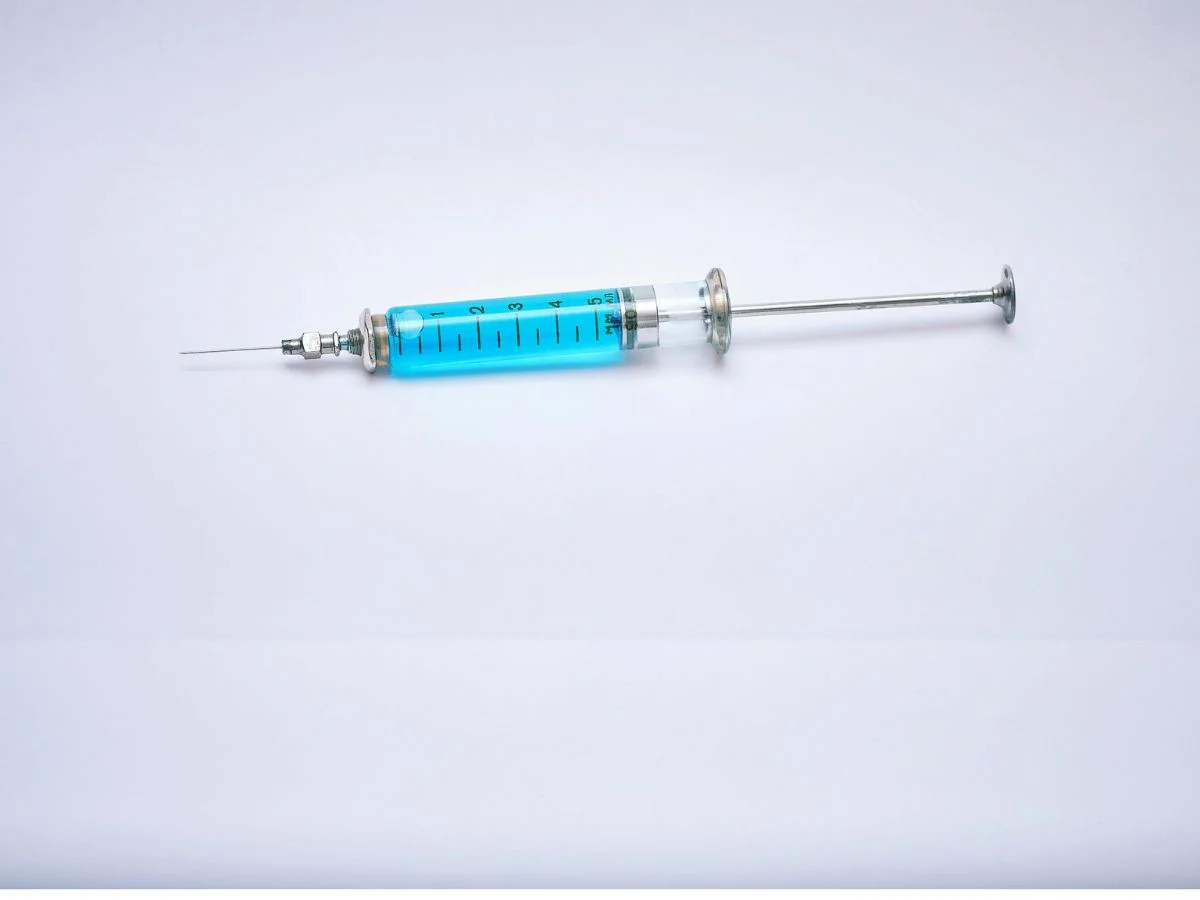
The research team succeeded by combining crucial human liver cells with tiny, water-based gel spheres. This unique blend moves smoothly like a liquid through a regular syringe, but it quickly compacts into a stable structure once injected into the tissue. By utilizing standard ultrasound tools to guide the needle, physicians can carefully place this mixture in easily reachable spots, like abdominal fat, without harming the sick liver. After being injected, the gel spheres establish a nurturing internal environment that promotes the growth of surrounding blood vessels into the new cell cluster, supplying the necessary oxygen and nutrients for the liver cells to thrive.
Promising Results
In laboratory experiments involving mice, these newly created satellite livers flourished, effectively producing essential liver proteins and enzymes throughout the two-month study duration. Although the existing technology still needs medications to avert the body from rejecting the new cells, this straightforward, syringe-based technique could soon become a crucial option for patients awaiting a donor organ, potentially changing the way medicine addresses end-stage organ failure.