Category: All News

  • Anker 10-in-1 Nano USB-C Hub with 240Hz Display Released

    Anker 10-in-1 Nano USB-C Hub with 240Hz Display Released

    Key Takeaway

    – 10-in-1 hub with 240Hz display, HDMI 2.1 and DP 1.4 for up to 4K@144Hz, and remote charging status via app
    – Front: USB-C 7.5W 10 Gbps, SD/microSD slots (up to 104MB/s)
    – Rear: 100W PD USB-C, three USB-A ports (one 10 Gbps, two 5 Gbps), Gigabit Ethernet, integrated 100W power cable; compact 130x56x50 mm, 300 g


    Overview

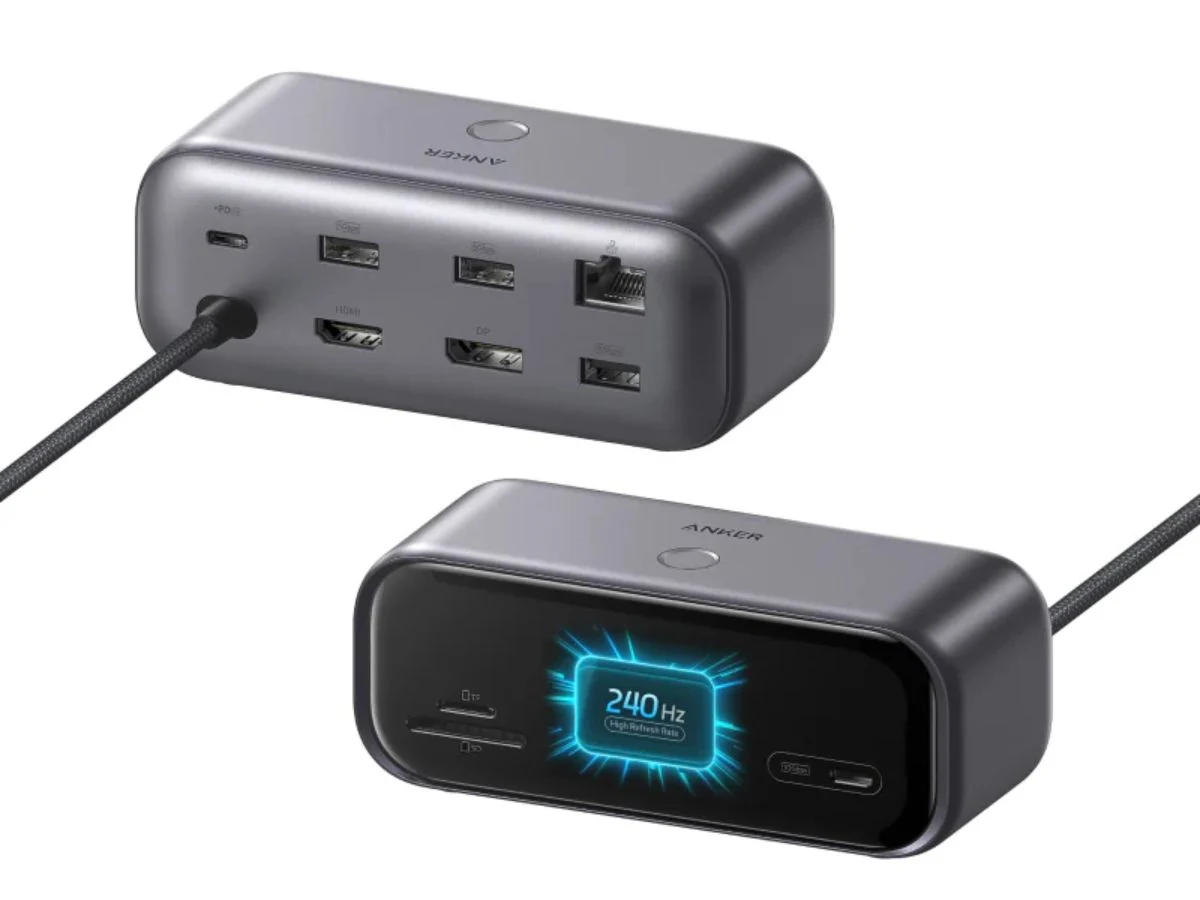
    The Anker Nano USB-C Hub (10-in-1, 240Hz, Display) has been unveiled in Japan. Also referred to with model number A210C, this desktop accessory has a larger display with a 240Hz refresh rate, showing charging information. Plus, users can remotely view the charging status in the Anker smartphone app.

    Front-Panel Features

    Anker’s upcoming Nano USB-C Hub (10-in-1, 240Hz, Display) has several outputs set into the display on its front. The first is a USB-C port, delivering up to 7.5W power and a data transfer rate of 10 Gbps. The other two are SD and microSD card slots, each offering speeds of up to 104MB/s.

    Rear Connectivity

    At the rear of the new Anker Nano USB-C Hub is another USB-C port, supporting up to 100W PD charging. There are also three 7.5W USB-A ports, one with a 10 Gbps data transfer rate, and two with a 5 Gbps data transfer rate. Users can connect displays with an up to 4K@144Hz resolution using the HDMI 2.1 port and the DisplayPort 1.4. Finally, there is a Gigabit Ethernet port, and the accessory is powered at up to 100W via an integrated USB-C power cable. The desktop charger measures 130 x 56 x 50 mm (~5.1 x 2.2 x 2.0 inches) and weighs 300 g (~10.6 oz).

    Release Details

    Anker will release its new Nano USB-C Hub (10-in-1, 240Hz, Display) in Japan in Fall 2026. It will be sold in two colorways – dark gray and silver – at the brand’s online store for ¥16,990 (~$107). Whether or when this model could be released in other countries remains to be seen.
    Sources
  • HP launches 16-inch laptop worldwide with 32GB RAM and 1100-nit OLED display

    HP launches 16-inch laptop worldwide with 32GB RAM and 1100-nit OLED display

    Key Takeaway

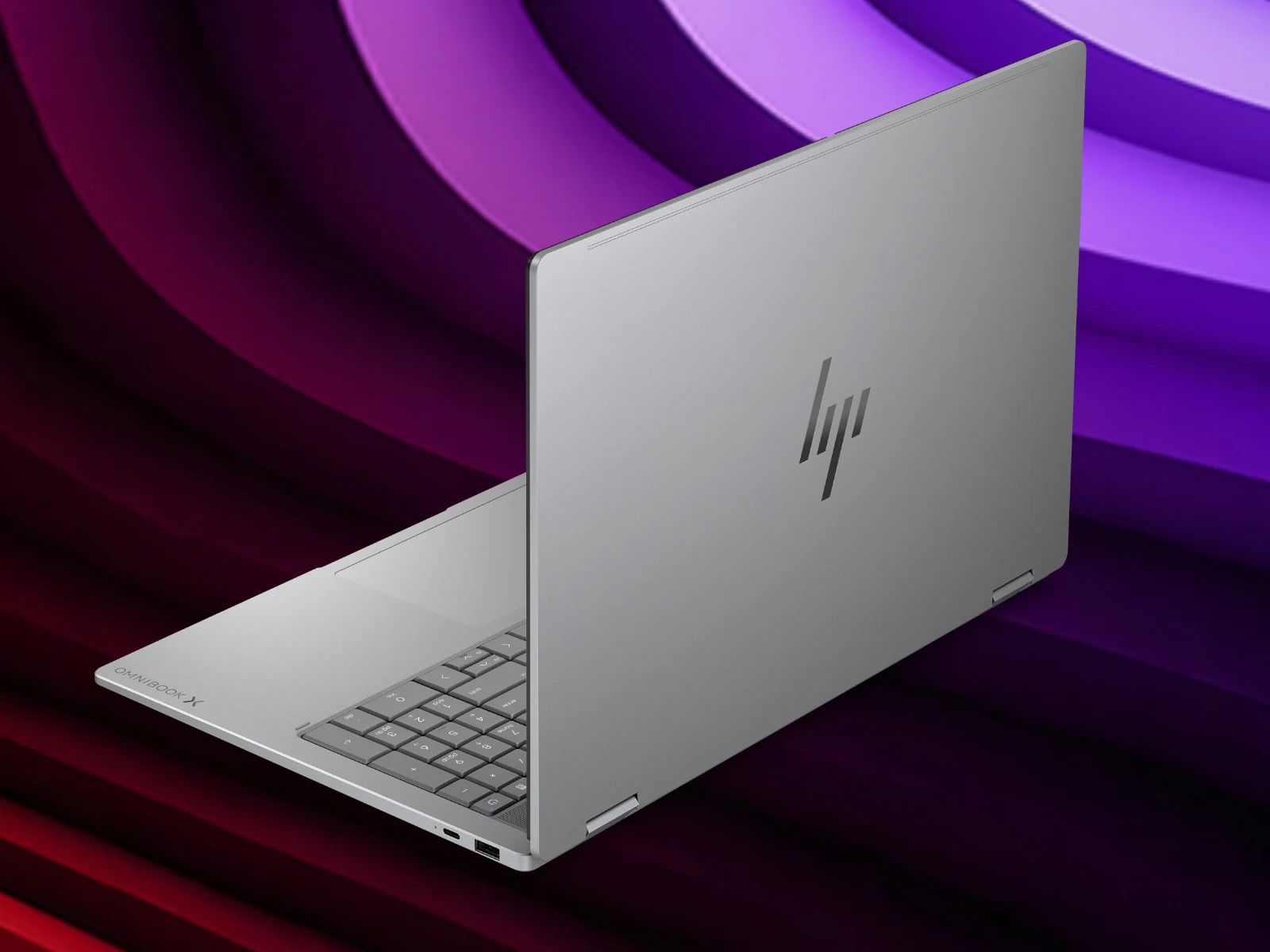
    – The new OmniBook X Flip 16 uses Panther Lake-based CPUs (Intel Core Ultra 5/7/9 or AMD Ryzen AI variants) with 16–32 GB RAM options and PCIe Gen 4/5 SSDs depending on platform.
    – All models include a 70 Wh battery, Wi‑Fi 7, and optional up to a 1800p OLED display (120 Hz, 100% DCI-P3, 500 nits SDR/1100 nits HDR).
    – Price range starts at $1,499 (US) up to $2,709 (Intel top config); European pricing varies (UK €1,299–€2,299; Eurozone €1,798–€2,099 depending on config).


    OmniBook X Flip 16: A Quick Intro

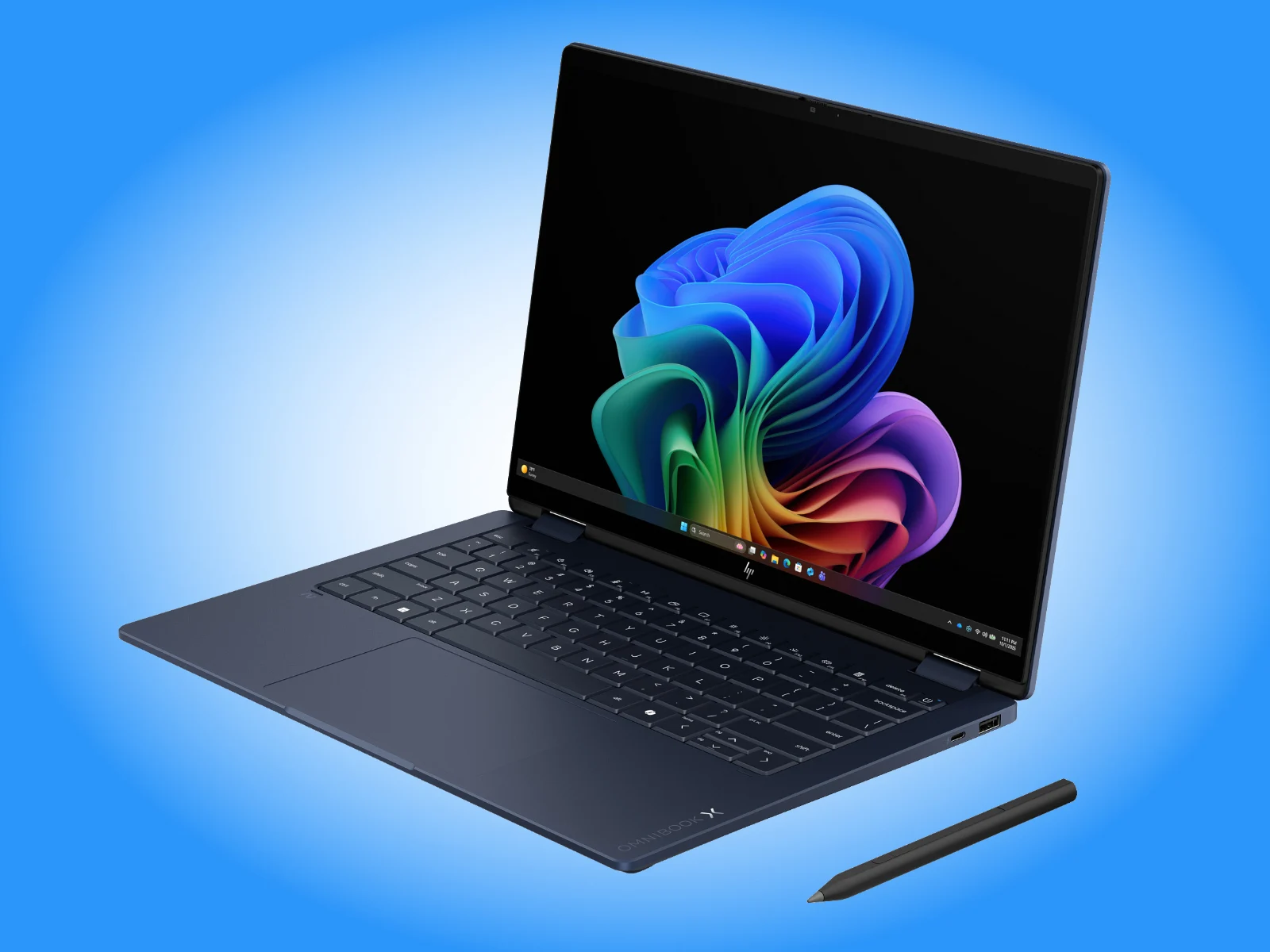
    Almost five months have passed since HP presented a successor to the OmniBook X Flip 16 we reviewed in July 2025 (curr. $749 on Amazon). To recap, that model leveraged Intel’s Panther Lake platform. By contrast, this year’s successor moves the OmniBook X Flip 16 range onto newer Panther Lake-based alternatives. The description keeps it sharp, yet the pace of updates remains brisk, and readers must note pricing as it shifts with configurations and regional availability.

    Processors and RAM Options

    Specifically, the new 16-inch convertible can be configured with the Core Ultra 5 325, Core Ultra 7 355 and the Core Ultra 9 386H, which are joined by 16 GB, 24 GB or 32 GB of RAM. The same is true for new AMD variants, which combine these RAM configurations with the Ryzen AI 5 430, Ryzen AI 5 435, Ryzen AI 7 445, Ryzen AI 7 450 or the Ryzen AI 9 465. Different markets may see nuanced availability, but core choices spotlight a balance between power and memory capacity that enthusiasts will weigh against price points.

    Finishes and Storage

    For some reason, HP reserves Eclipse Grey and Meteor Silver finishes for its Intel and AMD variants, respectively. All versions can be purchased in an Atmospheric Blue finish, though. Also, while the OmniBook X Flip 16 can be optioned with 512 GB, 1 TB and 2 TB of storage, HP includes PCIe Gen 4 SSDs in AMD models and faster PCIe Gen 5 alternatives in Intel models. The mix of finishes and storage tiers is presented with a pragmatic approach, yet the choices might feel uneven across markets and lineups.

    Battery, Display, and Connectivity

    Meanwhile, all versions ship with a 70 Wh battery and Wi-Fi 7 connectivity. Moreover, HP offers up to a 1800p (2.8K) OLED display with AMD or Intel processors. For reference, this display delivers a 120 Hz refresh rate, 100% DCI-P3 colour space coverage and 500 nits SDR/1,100 nits HDR brightness. The combination aims to satisfy both workhorse usability and media-erudite viewing preferences, though real-world brightness can vary with content and thermal limits.

    Pricing Across Regions

    Pricing starts at $1,499 in the US but can rise to $2,579 for AMD models and to $2,709 for their Intel counterparts. Meanwhile, the OmniBook X Flip 16 has reached the UK for £1,299 with a Core Ultra 7 355, 16 GB of RAM and 1 TB of storage. The same SKU sells for €1,699 in the Eurozone too, where pricing stretches to €2,299 for the same top configuration sold in the US. Currently, AMD models start at €1,798 in the Eurozone and rise to €2,099 with a Ryzen AI 9 465, 32 GB RAM, 1 TB SSD and a 1800p display.


  • RedMagic 11S Pro with Fan & Under-Display Camera $849 Global Launch

    RedMagic 11S Pro with Fan & Under-Display Camera $849 Global Launch

    Key Takeaway

    – Global launch and early-bird benefits: RedMagic 11S Pro released worldwide with Europe/UK Early Bird vouchers (€1/£1) to order a day earlier at a €30/£30 discount.
    – Core specs and price tiers: 12–16 GB RAM options with 256–512 GB storage; starting price $849/€799/£709, up to $949/€899/£799 for the 16/512 config.
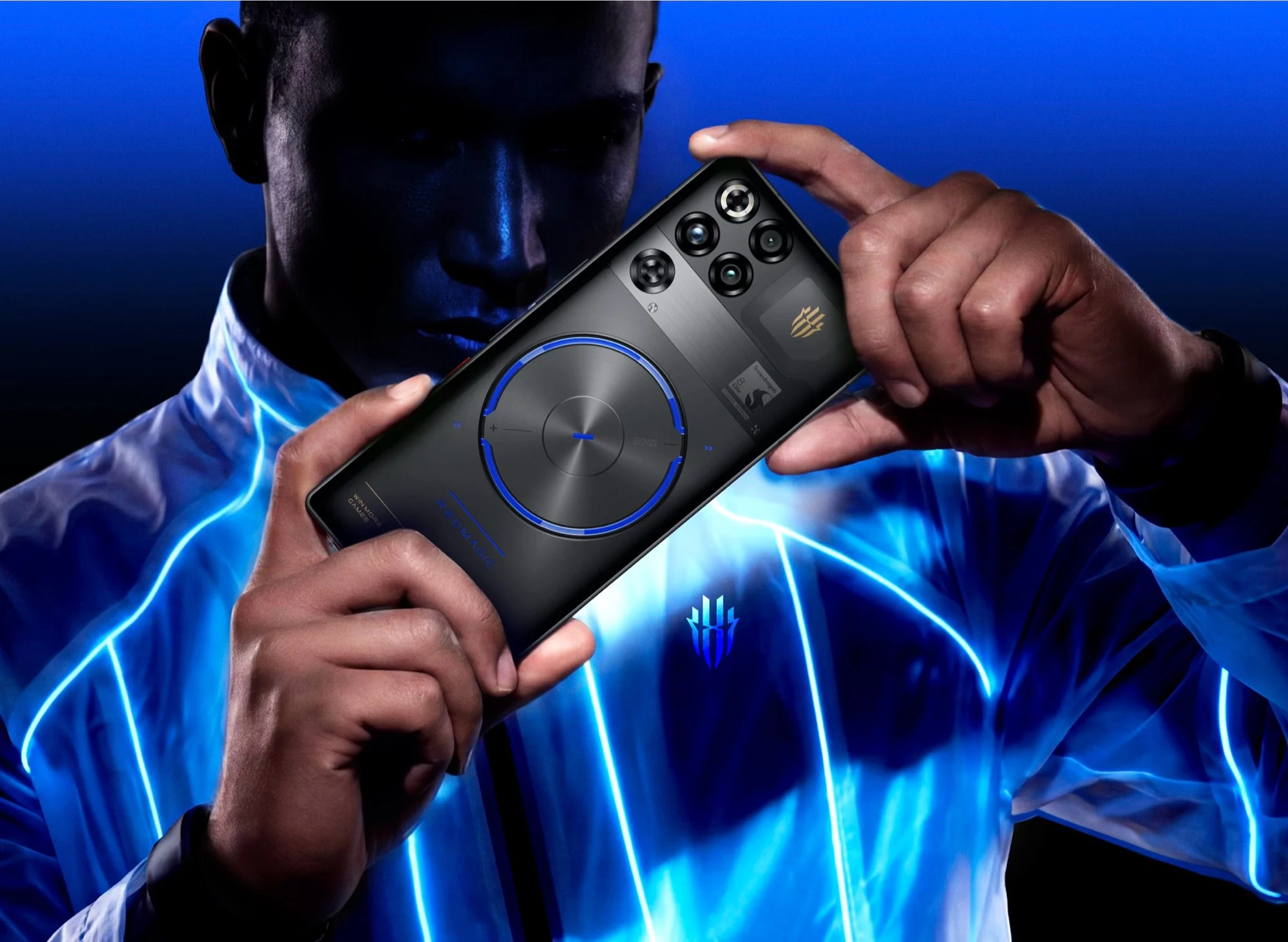
    – High-performance cooling and power: Advanced cooling system (liquid cooling + 24,000 rpm fan + vapor chamber) plus a massive 7,500 mAh battery with 80W wired and wireless charging.
    – Gaming-focused hardware: Snapdragon 8 Elite Gen 5 (slightly faster in 11S Pro up to 4.74 GHz) and a 6.85″ 144 Hz AMOLED display with 1,800 nits brightness; IPX8 water resistance.
    – Camera and sensors: 50 MP main + 50 MP ultra-wide, 16 MP under-display selfie camera, in-display fingerprint sensor, plus touch-sensitive shoulder buttons.


    Overview

    The Nubia RedMagic 11S Pro was only announced in China in mid-May, and now already launches globally. The smartphone can be ordered from June 10, 2026 in the manufacturer’s online store. Customers in Europe and the UK can purchase an “Early Bird” voucher for €1 or £1 from June 3 to 9. This voucher allows customers to order the smartphone a day earlier and €30 or £30 cheaper.

    Pricing

    The base model with 12 GB RAM and 256 GB flash memory costs $849, €799 or £709, respectively. Although this makes the smartphone more expensive than the base model of the RedMagic 11 Pro, even the cheapest version of the RedMagic 11S Pro offers a sophisticated cooling system that combines liquid cooling with a 24,000 rpm fan and a vapor chamber to ensure high performance even during extended gaming sessions. The version with 16 GB RAM and 512 GB storage costs $949, €899 or £799.

    Specifications

    Apart from the cooling system of the base model, there is only one difference between the RedMagic 11 Pro and 11S Pro – the newer model uses a slightly faster variant of the Qualcomm Snapdragon 8 Elite Gen 5 which achieves boost clock rates of up to 4.74 GHz instead of 4.6 GHz. With a gigantic 7,500 mAh battery, which can be charged both via USB-C and wirelessly with 80 watts, as well as a 6.85-inch AMOLED display without a notch or punch hole, the RedMagic 11S Pro is aimed primarily at gaming enthusiasts.

    Display and Camera

    The display achieves a brightness of 1,800 nits and a frame rate of 144 Hz. The 16 MP f/2.0 selfie camera and the fingerprint sensor are invisibly integrated into the display. Despite the fan, the smartphone is IPX8-certified and therefore water-resistant. A 50 MP f/1.9 main camera with 1/1.55 inch sensor, a 50 MP f/2.0 ultra-wide-angle camera and touch-sensitive shoulder buttons complete the features. More details can be found in our detailed review of the almost identical RedMagic 11 Pro.


    Sources

  • Raspberry Pi 6 Launch Plans Delayed Again in 2024 Update

    Raspberry Pi 6 Launch Plans Delayed Again in 2024 Update

    Key Takeaway

    – The Raspberry Pi 6 is not arriving soon; expected around early 2028 or later, with five-year cadence per platform history.
    – Pi 5 will remain the flagship for a longer period, with the Pi 6 delivering quantitative rather than qualitative changes.
    – Pi 6 is expected to keep the same form factor and core functionality as the Pi 5.


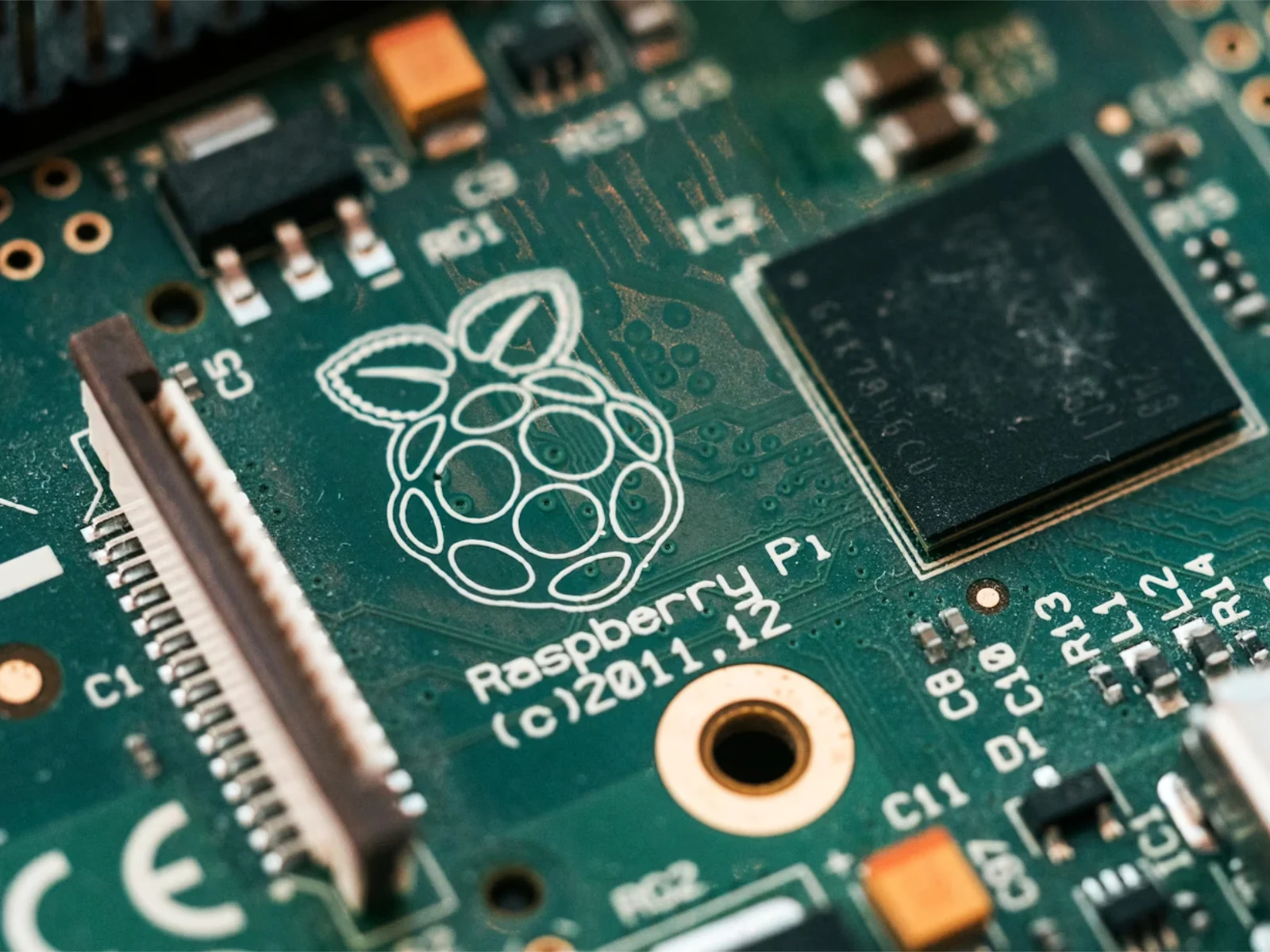
    Raspberry Pi has finally commented on upgrade plans for its popular single-board computer ecosystem. For context, the company released the Raspberry Pi 5 in September 2023. Just over a year later, it repackaged that SBC inside the Raspberry Pi 500 (curr. $159 on Amazon) before introducing a mechanical keyboard alternative in September 2025.

    Pi roadmap and timing

    With all that in mind, it would seem high time for Raspberry Pi to pivot to the Raspberry Pi 6. However, the company has now clarified that the Raspberry Pi 6 is not arriving anytime soon. In a Reddit AMA, the official Raspberry Pi Reddit account explained the following:

    Cadence and launch window

    If you look at the historical cadence of major platform releases, it’s roughly every 4-4.5 years. So not before early 2028 on that basis.

    Platform strategy and expectations

    The company added that the Raspberry Pi ‘really does have legs as platform’, though. Hence, Raspberry Pi suggests that the Pi 5 could be ‘sticking around as the flagship for a little longer’. With that being said, it expects to be shipping Raspberry Pi 6 units in five years’ time.

    Moreover, the Pi 6 is said to retain the same overall form factor and functionality as its predecessor. Raspberry Pi stresses that its next SBC will deliver ‘quantitative changes’ rather than qualitative improvements. Please see the company’s Reddit AMA for more details.

  • Anker unveils safer neo-Li-ion power bank launch

    Anker unveils safer neo-Li-ion power bank launch

    Key Takeaway

    – Dual-charge capability: 15W wireless (Qi2) plus 30W USB-C, with a combined maximum output of 17W (12W USB-C + 5W wireless).
    – Slim, portable design: 10,000 mAh capacity in a slim 15 mm thick form factor, weighing about 215 g.
    – Neo-lithium-ion battery: Enhanced safety features, including improved pressure, fire, and puncture resistance.


    Anker reveals Nano Power Bank (MagGo, Plus) in Japan

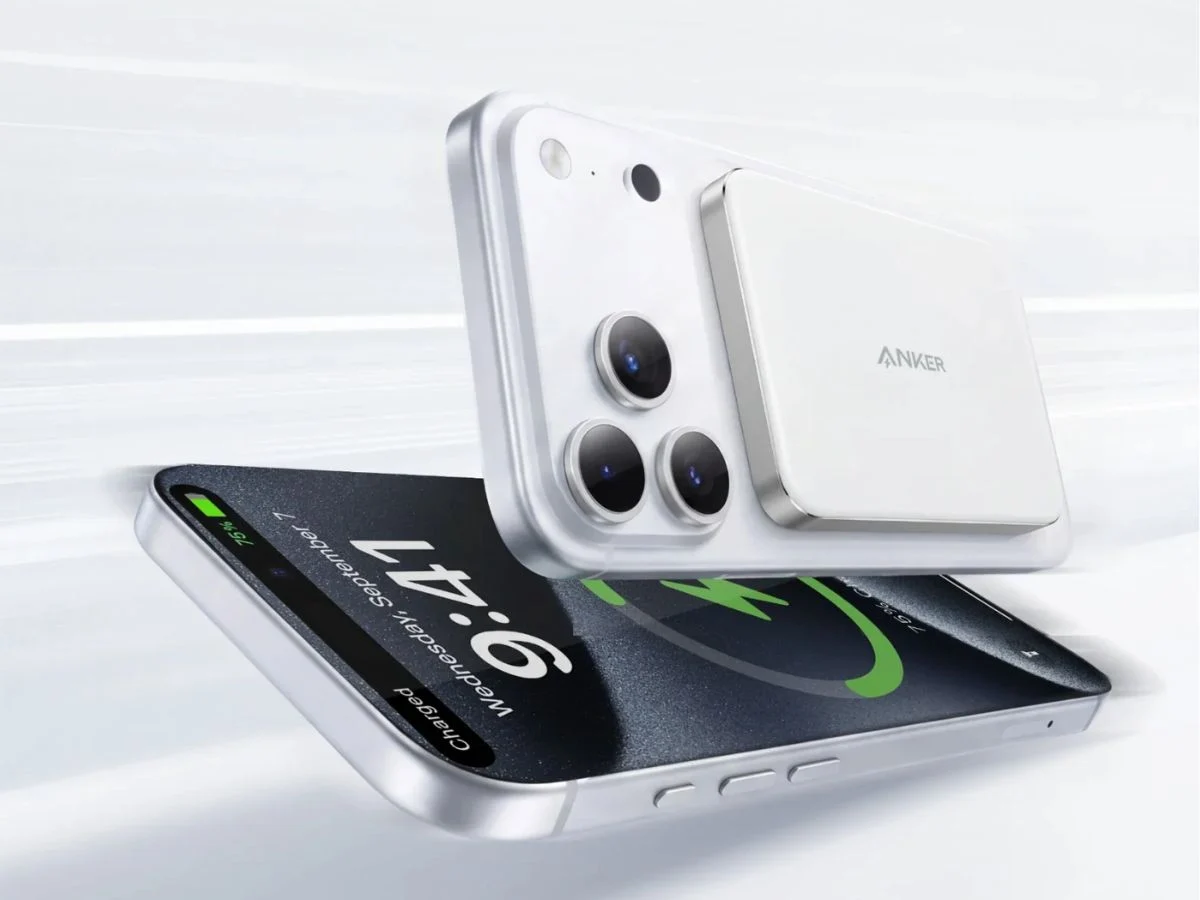
    Anker has revealed the new Nano Power Bank (MagGo, Plus) in Japan. This portable charging accessory was announced at the recent Anker Power Conference 2026 event. Also referred to as model A1113, it was spotted in the Wireless Power Consortium (WPC) database earlier in 2026. The announcement carries details that suggest the device is tailor made for on the go energy needs, with a focus on safety and efficiency across two charging modes.

    Battery tech and safety first

    The Anker Nano Power Bank (MagGo, Plus) uses a neo-lithium-ion battery, which is said to be the safest used in any Anker product to date. Features of the battery include enhanced pressure resistance, fire resistance and puncture resistance, indicating a design emphasis on durability during everyday carry and travel scenarios. This bold claim aims to reassure users who demand rigorous protection for portable power sources in varied environments.

    Dual charging capabilities and outputs

    Anker’s new Nano Power Bank (MagGo, Plus) can be used to charge two gadgets simultaneously. On one side of the accessory is a Qi2 certified wireless charging pad, delivering an up to 15W output to a compatible smartphone. A second device could be charged via the USB-C port, which offers a higher output of 30W. The maximum combined output is 17W, 12W via USB-C and 5W wireless. Despite its 10,000 mAh capacity, the power bank is relatively slim, measuring 15 mm (~0.59 inches) thick; it is 104 mm (~4.1 inches) tall and 71 mm (~2.8 inches) wide, and weighs approximately 215 g (~7.6 oz).

    Availability and color options

    In Japan, you can currently pre-order the Anker Nano Power Bank (MagGo, Plus) at the brand’s online store for ¥11,990 (~$75). It is currently only available in black, with a white colorway set for release in Fall 2026. It is unclear when this new Anker power bank could be released in other markets, leaving international buyers in anticipation.


    Sources

  • Researchers keep human brains alive in shocking Reddit finding

    Researchers keep human brains alive in shocking Reddit finding

    Key Takeaway

    – Bexorg’s BrainEx platform keeps donated human brains partially alive with artificial support to test drugs directly on brain tissue, claiming advantages over animal models and cell cultures.
    – Proponents say it could enable more precise study of neurodegenerative diseases by preserving real human disease history and prior treatments.
    – Critics argue it sits in a grey ethical area between life and death, raises concerns about consciousness/pain perception, and involves for-profit use of donated body parts.


    Article Overview

    This piece discusses a controversial story from Science.org about a US biotech firm named Bexorg and its BrainEx platform. The article notes that brains from deceased human donors are kept partially functional using artificial support systems to test drugs for diseases like Alzheimer’s, Parkinson’s, and ALS under conditions that are claimed to be more realistic. Critics describe the proposal as dystopian and akin to science-fiction, while proponents see potential medical breakthroughs.

    Details of the BrainEx Technology

    Bexorg’s BrainEx system maintains brains alive by substituting for blood with special fluids that deliver oxygen, remove wastes, and sustain metabolic processes. It also uses artificial lung and kidney-like functions. Researchers can administer different drugs and directly observe their effects in human brain tissue. The company claims the method offers significant advantages over animal testing or traditional cell cultures because human brains carry real disease histories, genetic traits, and decades of environmental and drug-treatment influences, enabling more precise drug studies.

    Ethical Considerations

    Ethical questions dominate the discussions, with critics arguing that the brains might not be fully dead nor truly alive, raising concerns about potential rudimentary consciousness or perception. Bexorg counters that coordinated electrical brain activity is largely absent, which they say argues against consciousness or pain, and that anesthetics like Propofol are used to further reduce any activity.

    Public Reaction and Cultural References

    On Reddit, commentators label the project dystopian and liken it to scenarios from RoboCop 2 or I Have No Mouth, and I Must Scream. A recurring worry is that a for-profit company is handling donated body parts, leading some to reconsider donation in general. While some voices acknowledge possible medical benefits, the prevailing sentiment among many observers is that the project raises serious moral questions.

    Sources
  • HP launches 14-inch laptop with 32GB RAM and 120Hz OLED display globally

    HP launches 14-inch laptop with 32GB RAM and 120Hz OLED display globally

    Key Takeaway

    – OmniBook X Flip 14 now globally available with a 14-inch display, featuring both AMD Ryzen AI 400 and Intel Panther Lake options, plus legacy Ryzen AI 300 and Intel Lunar Lake configurations still on sale.
    – Price dynamics show Ryzen AI 400 models cheaper than Panther Lake due to a $250 cut; both typically start around $1,399 in the US with similar 1200p/60 Hz displays, 16 GB RAM, and 512 GB SSD.
    – Config options include up to 32 GB RAM, Ryzen AI 9 465 or Core Ultra 9 386H, with Core Ultra 9 386H leading in CPU performance but Radeon 880M outperforming Panther Lake iGPU in GPU workloads; OLED 2.8K option available with 120 Hz and up to 1,100 nits HDR brightness.


    HP Begins Global Sale of OmniBook X Flip with 14-Inch Screen

    HP has finally started selling its OmniBook X Flip globally with a 14-inch display. To recap, the company unveiled AMD Ryzen AI 400 and Intel Panther Lake models almost five months ago during CES 2026 in Las Vegas. For reference, the company continues to sell the OmniBook X Flip 14 with older AMD Ryzen AI 300 and Intel Lunar Lake processors (curr. $794.99 on Amazon).

    Pricing and Model Variants

    Currently, AMD Ryzen AI 400 models are cheaper than the Intel Panther Lake counterparts thanks to a $250 price drop. However, the pair typically start at $1,399 in the US with the same 1200p and 60 Hz IPS display that peaks at 400 nits. All starting configurations feature 16 GB of RAM and a 512 GB PCIe Gen 4 SSD, too.

    Spec Options and Benchmarks

    Alternatively, the OmniBook X Flip 14 can be configured with up to 32 GB of RAM and the Ryzen AI 9 465 or Core Ultra 9 386H. According to our benchmarks, the Core Ultra 9 386H enjoys a healthy lead over the Ryzen AI 9 465. The reverse is true in GPU workloads though, where the Radeon 880M is significantly faster than Intel’s 4-core Xe3 Panther Lake iGPU.

    Display and Storage Choices

    Setting that aside, the OmniBook X Flip 14 can also be configured with an 1800p (2.8K) OLED display, combining a 120 Hz refresh rate with 500 nits SDR and 1,100 nits HDR peak brightness. Moreover, HP offers its new 14-inch convertible with up to 2 TB of storage. Only Intel models can be configured with PCIe Gen 5 SSDs, though. Likewise, while AMD models contain a 59 Wh battery, Intel alternatives can be configured with 59 Wh or 70 Wh batteries.

    European Pricing and Availability

    By contrast, pricing starts at £1,299 for a Core Ultra 7 355 model with 16 GB of RAM, 1 TB of storage and a 1200p/60 Hz OLED display. Currently, HP Germany is selling its new 14-inch convertible with the same memory configuration, an identical display and the Core Ultra 5 325 or Core Ultra 7 355 for €1,399 and €1,798, respectively.


  • XREAL unveils affordable AR glasses with 1,600-nit display

    XREAL unveils affordable AR glasses with 1,600-nit display

    Key Takeaway

    – Lightweight design at 62 grams with adjustable, swappable front covers and 3D-printable options for customization.
    – High-brightness HDR displays (up to 1,600 nits) and a 50° field of view, delivering a large-imagery AR/video experience.
    – Primarily video/game viewing from connected devices (phones/laptops) rather than AI assistant interactions, positioned as an affordable AR video glasses option.
    – US launch in July priced at $299.


    Overview of the X by Xreal xbx a01+

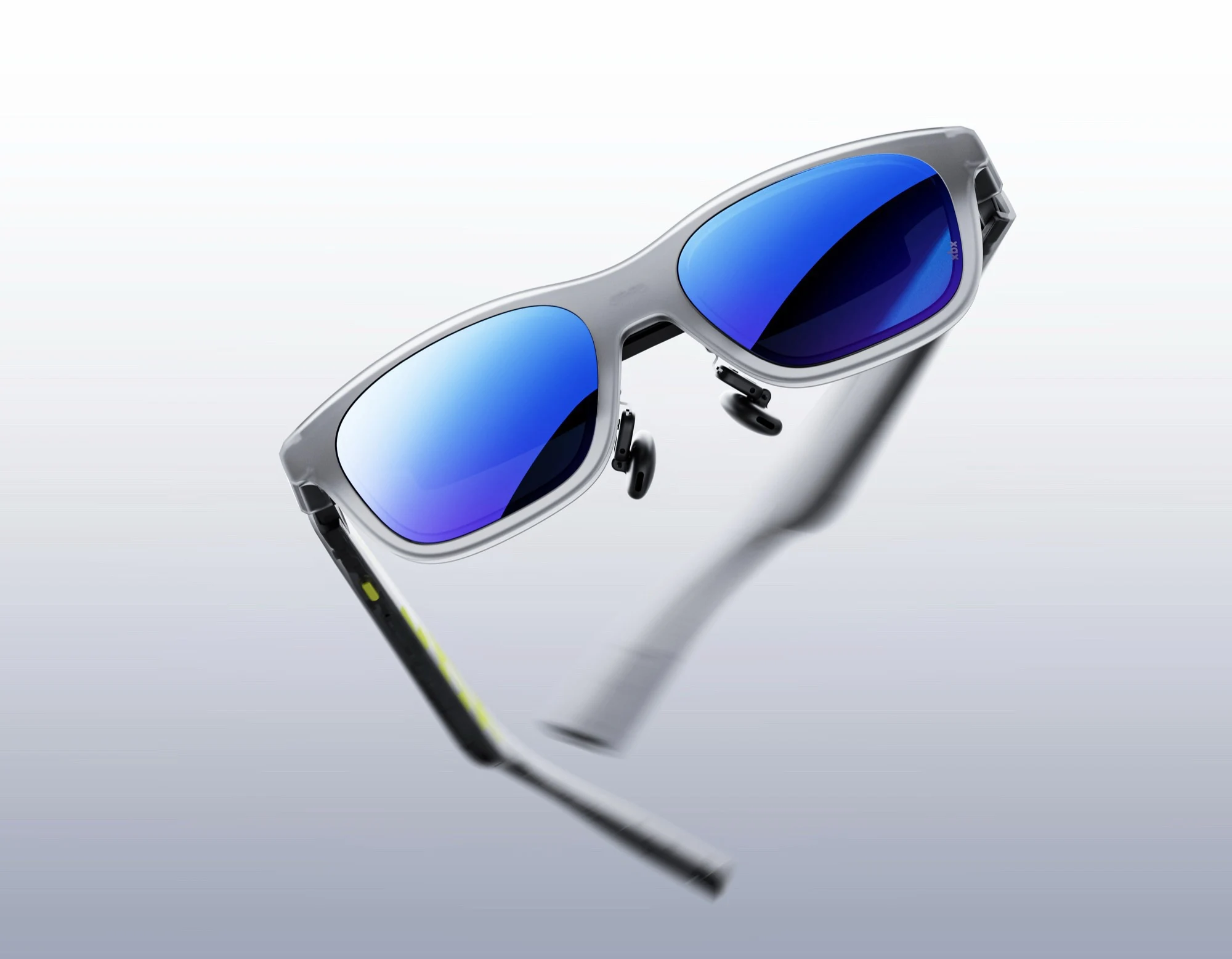
    With X by Xreal, the AR glasses specialist is launching a new subsidiary brand that is intended to stand for hipper, more affordable products. The first of these products is the so-called xbx a01+, AR video glasses that weigh just 62 grams, 20 grams less than the Xreal 1S ($449 on Amazon) and 10 grams less than the Xreal Air 2. This is intended to make them particularly comfortable to wear.

    Design and Build

    The front cover can be changed in a few simple steps to match the shape and color of the glasses to the current outfit. Clever: it is possible to produce front covers using a 3D printer. The temples house speakers. The heart of the xbx a01+, however, are the integrated HDR displays, which should achieve a brightness of 1,600 nits, making them easy to see even in bright daylight.

    Display and Usage

    Xreal advertises a field of view of 50 degrees, which is equivalent to a 147-inch television from a distance of 4 meters. xbx a01+ is more AR video glasses than smart glasses, as the display is primarily intended to show videos or games from a connected smartphone or laptop instead of accessing an AI assistant like the smart glasses from Meta, for example.

    Release and Pricing

    The X by Xreal a01+ AR glasses, also known as xbx a01+ for short, will be launched in the USA in July for $299.


    Sources

  • iPhone theft protection similar to Android features

    iPhone theft protection similar to Android features

    Key Takeaway

    – Theft detection and automatic locking may extend from Android to iPhone, leveraging sensors like the accelerometer.
    – iPhone theft protection could use Apple Watch proximity (Bluetooth) to distinguish intentional use from theft.
    – Additional locks may activate when theft is detected away from trusted Wi‑Fi or known locations to protect data and passwords.


    Overview of Rising Smartphone Theft

    There is a clear trend that the number of smartphone thefts has risen steadily for years, and phone snatching in particular is on the rise. This paragraph keeps the tone casual while noting the core issue: an unlocked phone being grabbed from a user’s hand, such as from a motorcycle, so the thief has direct access to sensitive data and apps. The risk here is real and immediate, because theft can potentially allow access to codes sent by text messages or email during two-factor authentication, which could open doors to accounts and personal information.

    Current Android Defenses and New Apple Prospects

    Android-Smartphones already offer a feature called Theft Detection Lock, which can automatically lock a smartphone if it is snatched from someone’s hand. According to the latest information from 9to5Mac, Apple is currently working on a similar feature for devices such as the iPhone 17 ($787 on Amazon). To recognize when the iPhone is stolen, Apple uses data from several sensors, especially the accelerometer. The writing here shifts to compare ecosystems and to note the potential parity between platforms, while maintaining a practical focus on how sensors contribute to security decisions.

    Watch Proximity and Lock Triggers

    If the user is wearing an Apple watch, the distance between the iPhone and smartwatch can be estimated by the strength of the Bluetooth signal to provide the software with a further clue and prevent accidental locking. The narrative acknowledges that proximity sensing is used as a subtle cue in addition to other signals, aiming to reduce nuisance locks while still protecting data. When theft is detected away from known Wi-Fi networks or stored locations, such as the user’s home or workplace, additional locks come into effect to make it more difficult to access sensitive data and, in particular, to change passwords. The article emphasizes layered defense rather than a single measure, and details remain speculative about rollout timing.

    Timing and Availability Clues

    It is not yet known when these new anti-theft features will be available, but since 9to5Mac has already found clues in the iOS code, a launch as part of iOS 27 in September is conceivable. The narrative keeps a cautious tone, noting that software clues do not guarantee a release date, yet they hint at near-term possibilities and a potential September window for a major update, with ongoing interest from the user community and developers alike.

    Sources
  • Shelly Wall Displays: Multi-Dashboard Support Guide

    Shelly Wall Displays: Multi-Dashboard Support Guide

    Key Takeaway

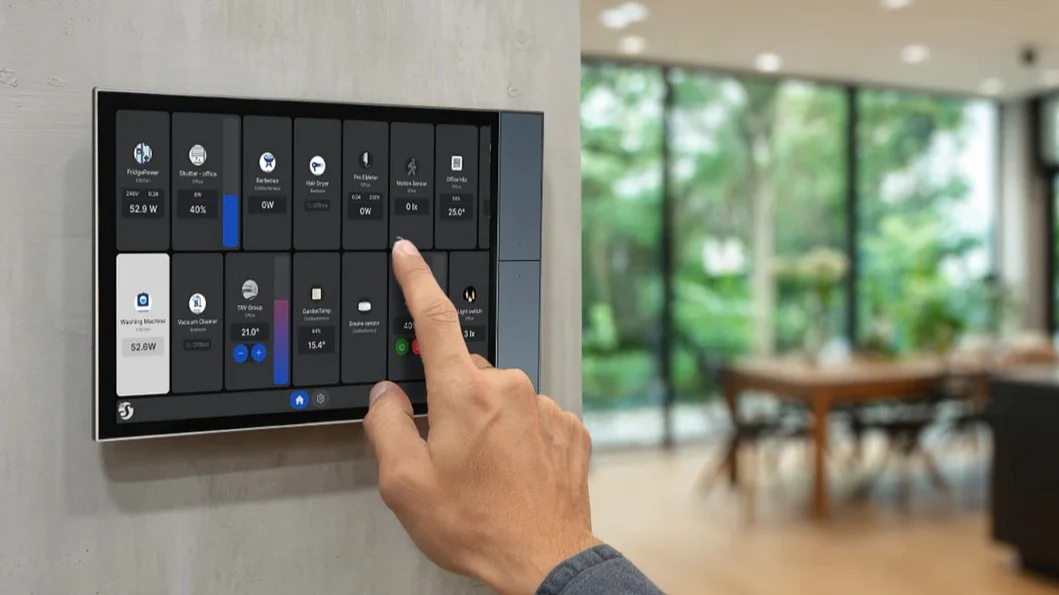
    – Shelly’s Wall Display beta 2.7.0 adds support for up to five separate dashboards (variants) on select models, enabling customizable, widget-free control panels.
    – The feature aims to improve on-device control of lights, sockets, AC, and heating without a smartphone, using integrated switch actuators for direct smart home integration.
    – Only certain models (X2, X2i with 3 dashboards; XL with 5 dashboards) currently support the new views due to hardware limits; others remain on 2.6.x or pending.
    – Performance goals include faster, tidier dashboards to mitigate prior slow responses, especially with Home Assistant, though real-world results may vary.
    – If you’re on the Wall Display beta, you can try the new feature now, but you cannot downgrade back to the previous stable 2.6.2 once you switch to 2.7.0.


    Smart Home Devices And Shelly’s Continued Commitment

    On the one hand, smart home devices are becoming more widespread; on the other hand, many companies have increasingly neglected their smart home divisions in recent years, such as Google with its own voice assistant. At Shelly, however, there is no sign of this: the company is fully committed to the smart living trend. the tone stays casual yet informative as the author notes Shelly’s consistent focus despite market trends.

    Preview Of Wall Display Software Version 2.7.0

    In an announcement, the manufacturer has now provided a preview of the next software version for the Wall Display, which is available immediately in the beta phase as version 2.7.0. It enables the use of additional dashboards. Depending on the specific model, up to five different variants can now be saved. this section emphasizes the beta nature and the new capability to store multiple dashboards for later use.

    What The Dashboards Do For The Smart Home

    In this context, the dashboard serves as the device’s standard display through which the smart home is controlled. Depending on the individual living situation, it allows for the clear and convenient control of lights, sockets, air conditioning units, and heating. The major advantage of a permanently installed control panel: no smartphone is needed to control devices on site. In addition, the Wall Displays feature integrated switch actuators that allow for the direct integration of additional consumers into the smart home. this paragraph explains practical benefits and hardware features in simple terms, though the writing varies in style from the previous paragraph.

    Widget Customization And Model Limitations

    In the past, adapting the dashboard with widgets was possible, but switching between different display variants was not. This is now changing with the new software. A slight downer remains: although the update is generally available, due to limited hardware capabilities, only the X2 (3 dashboards), X2i (3 dashboards), and XL (5 dashboards) models currently support the additional views. the paragraph notes the improvement plus the constraints on certain models.

    Performance Notes And Practical Questions

    Furthermore, there have been repeated reports of slow response times in the past, especially in combination with Home Assistant. Tidy and uncluttered dashboards are supposed to provide a remedy here. How (counter)productive the setup of multiple dashboards will actually be in practice remains to be seen. this section raises concerns and expectations about real-world use and efficiency.

    Pricing And Beta Availability

    The flagship “XL” model is currently priced at around $350. Other models are correspondingly somewhat cheaper. Anyone who already owns a Wall Display can test the new feature immediately by switching to the beta version. Please note, however, that a subsequent switch back to the previous, stable software version (2.6.2) is no longer possible. Those who wish to avoid this risk should be patient for a little longer until the final release. this paragraph gives concrete pricing and testing guidance, while warning about rollback limitations.


    Sources