Category: All News

  • Raspberry Pi Zero 3 W: Affordable, Un-Zero-Like Price Today

    Raspberry Pi Zero 3 W: Affordable, Un-Zero-Like Price Today

    Key Takeaway

    – Zero 3 W is considered feasible but unlikely to follow the historic rapid cadence; price and RAM constraints are delaying the release.
    – A potential Zero 3 W may require a dual-sided board to fit DRAM and a more modern SoC, increasing complexity and cost.
    – Ongoing LPDDR4/LPDDR4X price pressures are the main reason for postponingZero announcements, aiming for a more reasonable price point.


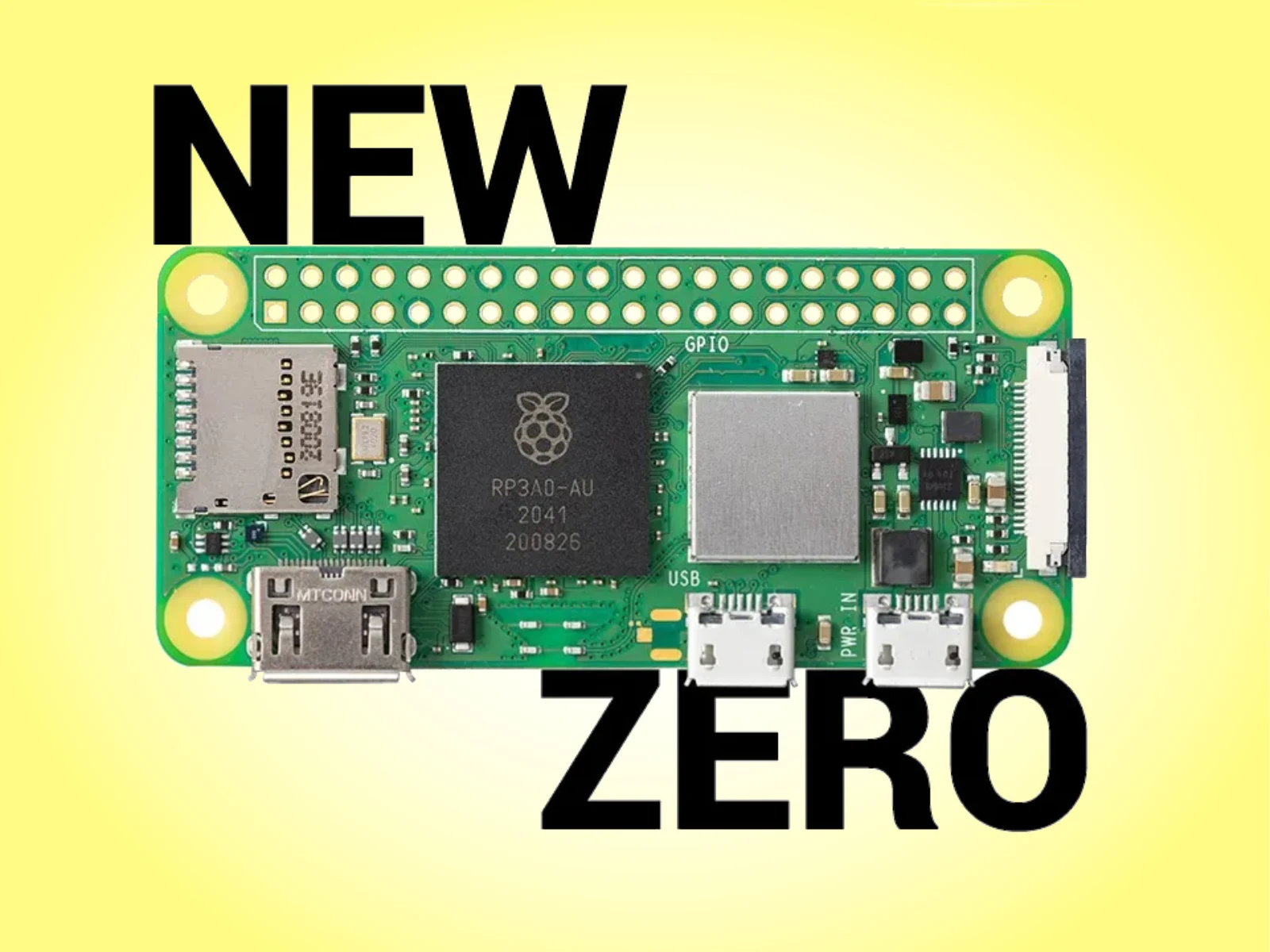
    The Raspberry Pi Zero 2 W is almost half a decade old. Presented in late 2021, the Zero 2 W was originally priced at $15. Additionally, Raspberry Pi complemented its tiny single-board computer (SBC) with a Zero 2 WH variant for those who needed a pre-soldered GPIO header (curr. $36.99 on Amazon).

    Industry Update

    Now, Raspberry Pi CEO Eben Upton has offered early hints about the prospect of it launching a long-awaited Zero 3 W. For context, the company released the original Pi Zero in 2015 at a mere $5. In a Reddit AMA, Upton has indicated that the Zero W series will not follow this release cadence for its third-generation release.

    Feasibility and Hardware Considerations

    Currently, Upton considers a Zero 3 W ‘quite feasible’. However, it stresses that the next Zero-branded SBC may need to adopt a dual-sided SBC to accommodate DRAM and ‘one of the more modern SoCs’. Unfortunately, ongoing LPDDR4 and LPDDR4X price pressures mean that a Zero 3 W would launch with a ‘rather un-Zero-like price point’ today.

    Market Strategy

    As a result, Upton and Raspberry Pi appear to have postponed any new Pi Zero announcements until it can stockpile LPDDR4 and LPDDR4X RAM at more reasonable prices. For reference, Raspberry Pi has also commented on the state of the Raspberry Pi 6, too. Please see our corresponding article for more details about the company’s other anticipated SBC.
    Sources
  • Modular Dock: Qi2, Qi, Apple Watch Chargers & Lamp Battery Powered

    Modular Dock: Qi2, Qi, Apple Watch Chargers & Lamp Battery Powered

    Key Takeaway

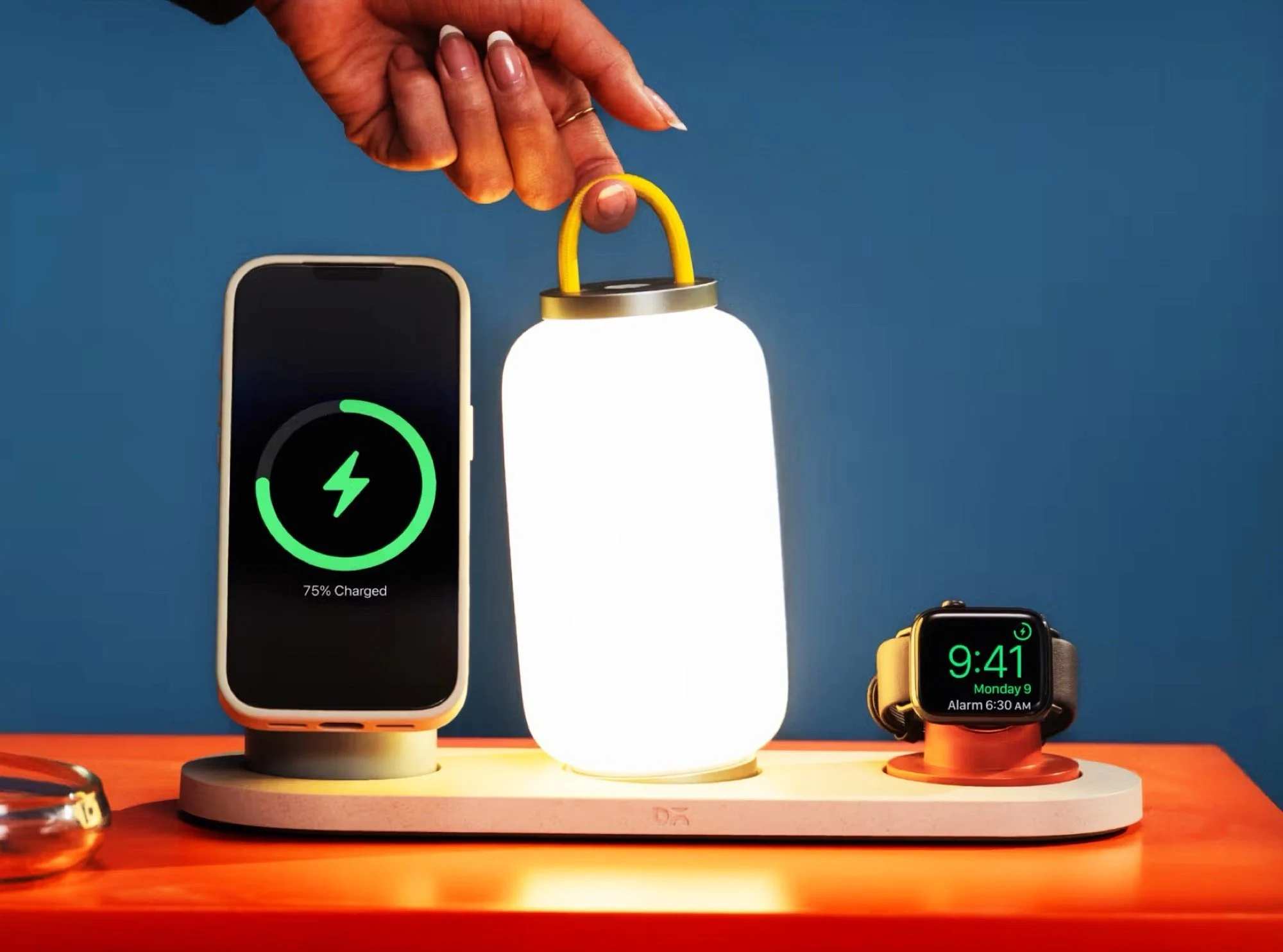
    – Highly modular design: a base that can hold two or three interchangeable charging modules (Qi2, Qi pad, Apple Watch puck) or a mix.
    – Flexible usage: modules can be used on the base or as standalone (Qi2 with 7,800 mAh battery + USB-C passthrough; Qi pad is compact; Watch puck supports all Apple Watch generations up to 5W).
    – Additional lamp option: a 2,600 mAh dimmable lamp module that can be charged on the base, extending runtime up to 8 hours at the lowest brightness.


    DailyObjects Node: A Versatile Multi-Device Charger

    There are already several chargers that can juice up multiple devices at once, yet the DailyObjects Node stands out as one of the most adaptable options around. The design hinges on a base that can hold either two or three modules, letting users tailor how they want to charge their devices. The concept blends flexibility with practicality, though it’s easy to miss the nuanced ways it can be arranged.

    Module Combinations and Configurations

    Users can decide for themselves which modules to combine on the base — you could opt for three Qi2 chargers, three Apple Watch charging pucks, or three Qi charging pads, or mix and match all three kinds. If you only need two modules, there’s also a lamp with a built‑in 2,600 mAh battery that can be charged as a module on the base. The lamp supports dimming across three levels; at the lowest setting, the battery sustains about eight hours of runtime.

    Technical Details and Capabilities

    The Qi2 module magnetically grips compatible smartphones, including the iPhone 17, and can deliver up to 25 watts. It contains a 7,800 mAh internal battery, enabling charging away from the base, and includes a USB-C port for base‑less operation. By contrast, the Qi charging pad is compact and lacks its own battery, yet still charges smartphones at up to 25 watts. The Apple Watch puck handles all generations of the Apple Watch, with a peak output of 5 watts.

    Launch Plans and Pricing

    DailyObjects Node is planned to launch in India first, with international availability details still to come. Buyers can select the base and modules they want to buy together. Pricing notes include a base with two charging points priced around $31, and a base with three modules priced around $37. Individual modules are priced at $31 for the Apple Watch module, $37 for a Qi charging pad, $67 for the magnetic Qi2 module, and $46 for the lamp.

    Additional Considerations

    The overall concept emphasizes modularity and scalability, allowing users to craft a charging station that fits their ecosystem. While the information provided highlights core specifications and price points, potential buyers may want to assess how the mix of modules aligns with their device lineup and daily charging habits.


    Sources

  • Xiaomi Compact iPhone Ultra Rival: 200MP Leica Triple Cameras

    Xiaomi Compact iPhone Ultra Rival: 200MP Leica Triple Cameras

    Key Takeaway

    – Compact, wide foldable form factor is becoming the new norm, with multiple brands aiming for a thin, wide design (Huawei leading, Samsung and others following).
    – Samsung reportedly preparing a thin, wide foldable (Galaxy Z Fold8) to compete with an anticipated iPhone Ultra/ Fold in September.
    – Xiaomi is tipped to join with a Mix Fold 5 (possibly rebranded as the Xiaomi 18 Fold), potentially marking a design shift from the Mix Fold 4, and may feature a 200MP main camera in a prototype.


    Overview and Speculation

    A compact and wide design seems to be the new norm in the foldables space. After Huawei took the lead with the Pura X Max, Samsung is expected to follow suit in July by launching a thin foldable with a wide and compact form factor – reportedly called Galaxy Z Fold8 – in a bid to steal the spotlight from the Apple iPhone Ultra (aka iPhone Fold), rumored for a September debut. The chatter suggests a pivot toward more usable screens that fold gracefully, balancing portability with screen real estate. Some insiders hint at a design language that blends sturdiness with a lighter frame, though concrete specs remain unconfirmed as yet.

    Industry Claims and Naming

    According to a leaker, Xiaomi is set to become the fourth company to join the fray for the best foldable in this emerging form factor. In two X posts, Kartikey Singh emphasized that the much-rumored Xiaomi Mix Fold 5 may not only end up being called the Xiaomi 18 Fold, but also mark a major departure from its predecessors, such as the Mix Fold 4, in terms of design. The rumors point toward a bold rethinking of hinge mechanics and screen layering, suggesting a device that could appeal to users who want both style and practicality in a single package.

    Prototype Details and Camera Rumors

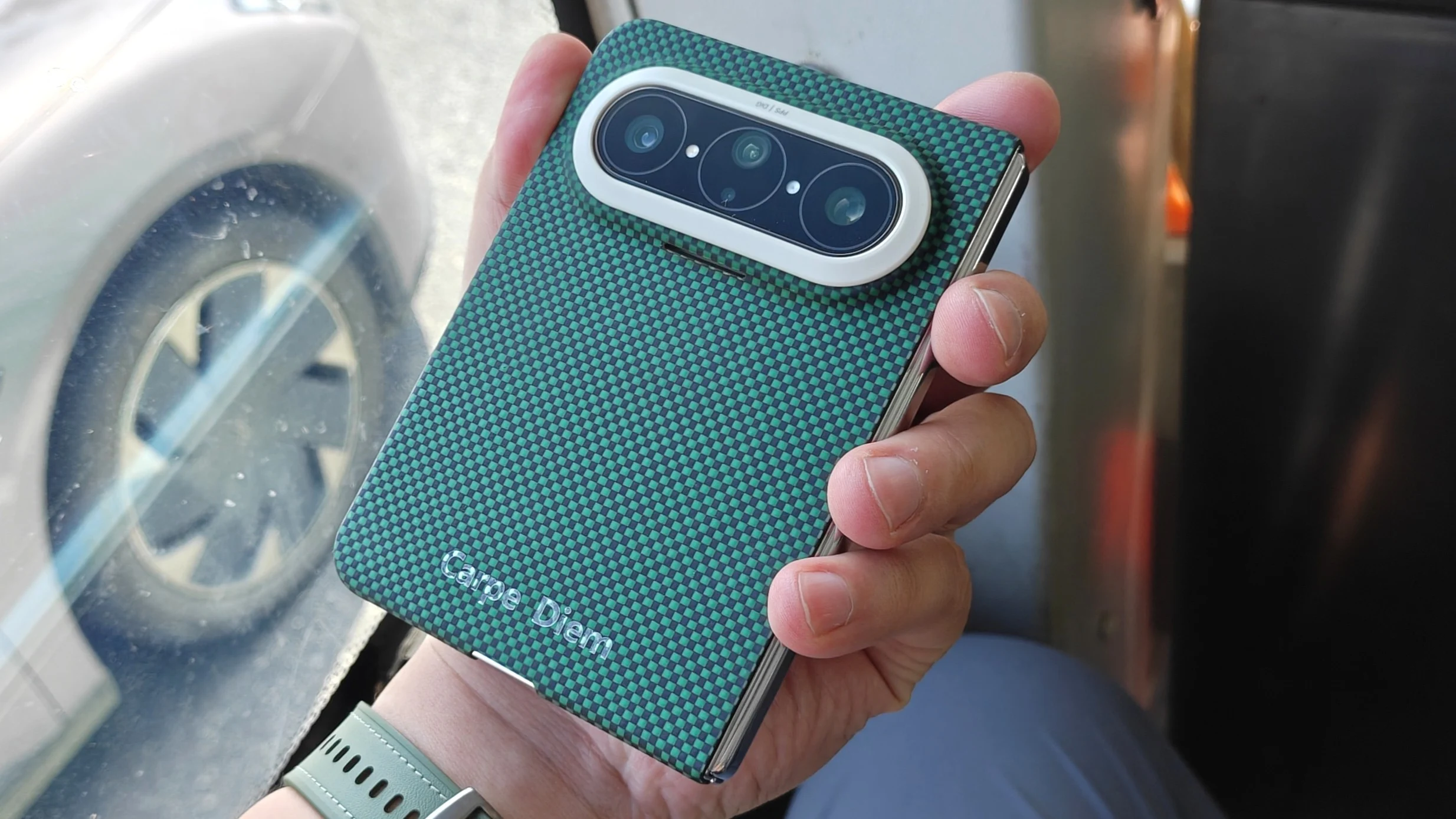
    Aside from the new form factor, the leaker also revealed several spec-related details about a prototype, which won’t necessarily make it into the final product. For now, the upcoming Xiaomi foldable is reportedly being tested with a triple-camera setup, similar to the Huawei Pura X Max. As with the Xiaomi 17 Max, its main camera is said to feature a 200MP sensor. However, it remains unclear whether this Xiaomi foldable will see a global launch, especially given that the compact Xiaomi Mix Flip phones have apparently been discontinued. The information paints a picture of ambitious imaging goals that may or may not survive the product development funnel.

  • Europe Mini PC with Intel Panther Lake and Arc B390 silent

    Europe Mini PC with Intel Panther Lake and Arc B390 silent

    Key Takeaway

    – Upgraded to Intel Core Ultra X7 358H with integrated Arc B390 iGPU for significantly better CPU and gaming performance while remaining fanless.
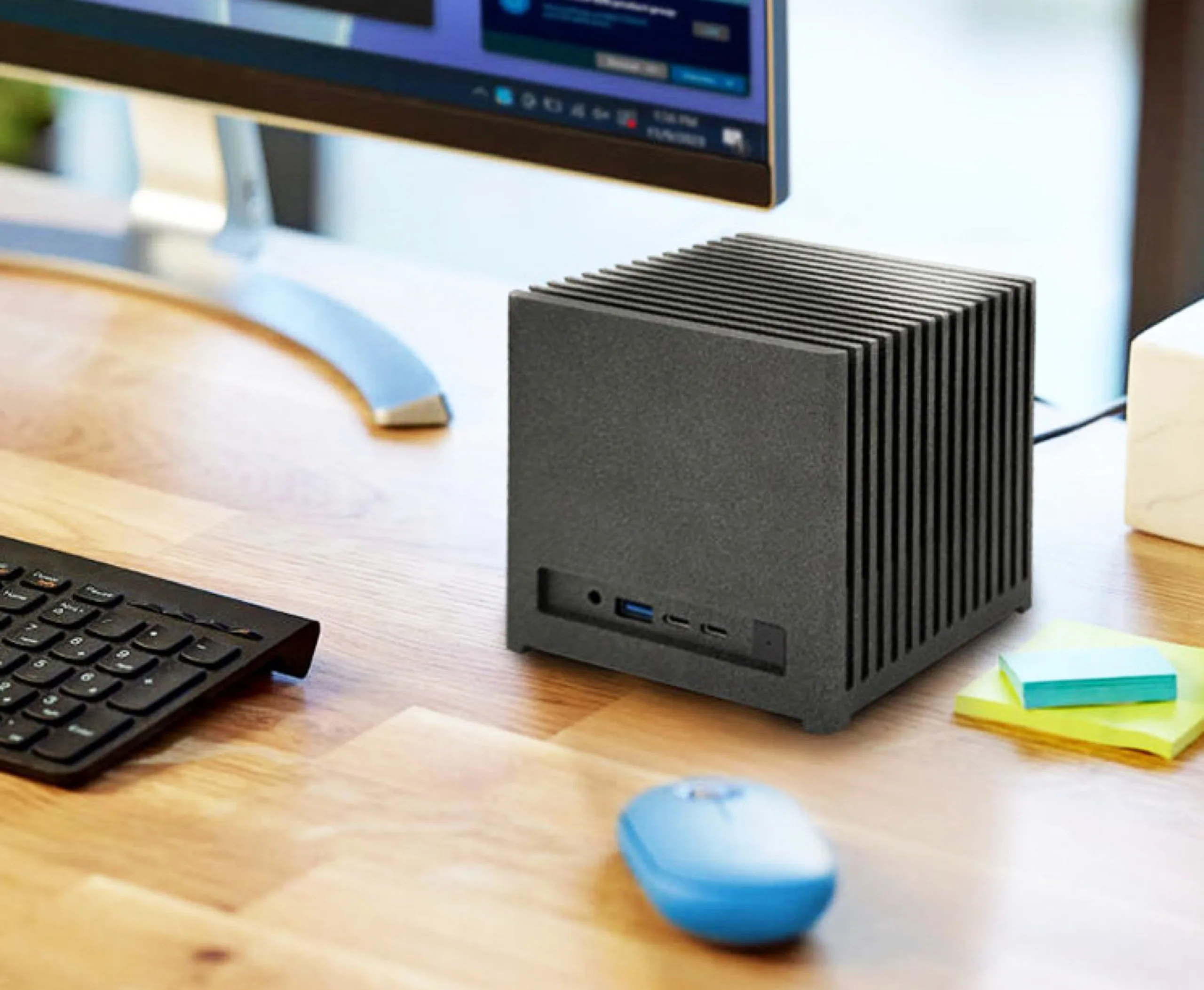
    – Aluminum cube chassis with circumferential cooling fins doubles as a heat sink for silent operation; dimensions: 12 cm edge length.
    – Dual M.2 slots and versatile I/O: 2 USB-A, 2 Ethernet, 2 HDMI 2.1 on rear; front USB-A and 2 USB-C (one with Thunderbolt 4) for expandability.
    – Target price €1,850 (config: 16 GB RAM, 1 TB SSD), positioning as a premium fanless mini PC with strong gaming potential at 1080p.


    Kubb updates its popular mini PC by moving to Intel Panther Lake, promising beefier core performance and stronger graphics thanks to the integrated Arc iGPU.

    New processor and graphics boost

    The Kubb Fanless replaces the Intel Core Ultra 5 225H with the Intel Core Ultra X7 358H, aiming for notably higher CPU power. The built-in Intel Arc B390 iGPU is also said to enhance gaming performance, allowing smoother experiences in lightweight titles at 1080p with mid settings.

    Gaming and pricing

    Intel’s top integrated graphics in this setup are advertised to handle games like Anno 117: Pax Romana, Forza Horizon 6, and The Outer Worlds 2 at 1080p on medium details. The price is listed at €1,850, placing it above several laptops with comparable CPUs, yet the vendor emphasizes silent operation as a key selling point by cooling the chip passively.

    To achieve silent cooling, the case is built from aluminum to act as a large heat sink, with circumferential cooling fins increasing surface area for more efficient thermal management. The compact square form keeps the dimensions small, while still housing two M.2 SSD slots. Back I/O includes two USB-A ports, two Ethernet connectors, and two HDMI 2.1 outputs; the front adds another USB-A and two USB-C ports, one of which supports Thunderbolt 4.

    Availability and configuration

    The Kubb Fanless with Intel Panther Lake is now on sale through Kubb’s online store. A configuration featuring the Intel Core Ultra X7 358H, 16 GB RAM, and 1 TB SSD is priced at €1,850 (about $2,150) not including shipping, continuing the brand’s emphasis on noiseless operation.

    • Two M.2 SSD slots for drives
    • Thunderbolt 4-capable USB-C on the front
    • Passive cooling via a large aluminum chassis

    The compact cube measures roughly 12 cm per side, balancing performance, cooling, and space efficiency in a fanless design.

    Overall, Kubb retains its focus on silent operation and compact size while upgrading to Panther Lake, appealing to buyers seeking a quiet, space-saving mini PC with reasonable gaming capability at 1080p. The €1,850 price tag reflects the premium for passive cooling and improved CPU/GPU performance in a small form factor.


    Sources

  • Oura Ring 5 Launches Thursday: World’s Smallest Smart Ring

    Oura Ring 5 Launches Thursday: World’s Smallest Smart Ring

    Key Takeaway

    – Oura Ring 5 emphasizes compact size and comfort, boasting a smaller form factor with improved sensor sizing for potentially more precise data, plus a one-week battery life and 100-meter water resistance.
    – Prices start at €429 (up to €529 depending on color/finish); a €5.99/month subscription is required to access most features and over 50 health metrics.
    – Launch: officially unveiled May 28 with deliveries beginning June 4; includes USB-C charging and a dock, with a separate charging case sold separately.


    Leak confirms details about the Oura Ring 5

    After a leak recently revealed many details about the Oura Ring 5, Winfuture confirms this leak and provides a range of new information and images. The Oura Ring 5 is to be officially unveiled on Thursday, May 28, with deliveries expected to begin on June 4. The cheapest version of the ring will cost €429, which is €30 more than the list price of the Oura Ring 4 ($349 on Amazon).

    Pricing and color options

    Depending on the color, the ring will cost up to €529 and will be available in silver, black, gold or rose gold with a polished finish, or in silver or black with a matte finish. To use most of the features, a subscription must also be taken out, which costs €5.99 per month. The leaked marketing material advertises the Oura Ring 5 as the “world’s smallest smart ring” – the more compact body is primarily intended to make it more comfortable to wear.

    Battery life and waterproofing

    The battery life increases to one week. The ring is waterproof to a depth of 100 meters. If you take out a subscription, the Oura Ring 5 gives you access to over 50 health metrics, including sleep and workout tracking, a pedometer, round-the-clock heart rate monitoring, stress and cycle tracking and a “symptom radar” that is supposed to be able to detect the first signs of illness at an early stage.

    Included accessories and sensors

    Oura Ring 5 apparently comes with a dock for charging and a USB-C cable, but if you want a charging case for charging while traveling, you will have to buy this separately. Judging by the pictures, the built-in heart rate, SpO2 and skin temperature sensors are larger and could therefore provide more precise data, but Oura is unlikely to be using completely new sensors.

    Winfuture


    Sources

  • First Foldable iPhone Ultra Cases: New Design Renders Revealed Ahead of Launch

    First Foldable iPhone Ultra Cases: New Design Renders Revealed Ahead of Launch

    Key Takeaway

    – The iPhone Ultra is expected to use a Dynamic Island-style selfie cutout (not a small punch-hole) to house Face ID, aligning with CAD leaks rather than early render rumors.
    – Case designs indicate MagSafe will be supported, countering rumors of a stripped-down, ultra-thin chassis.
    – Launch is still anticipated for September alongside the iPhone 18 Pro lineup, with a crease-less foldable design, 2nm A20 Pro chip, dual cameras, and pricing starting around $2,000.


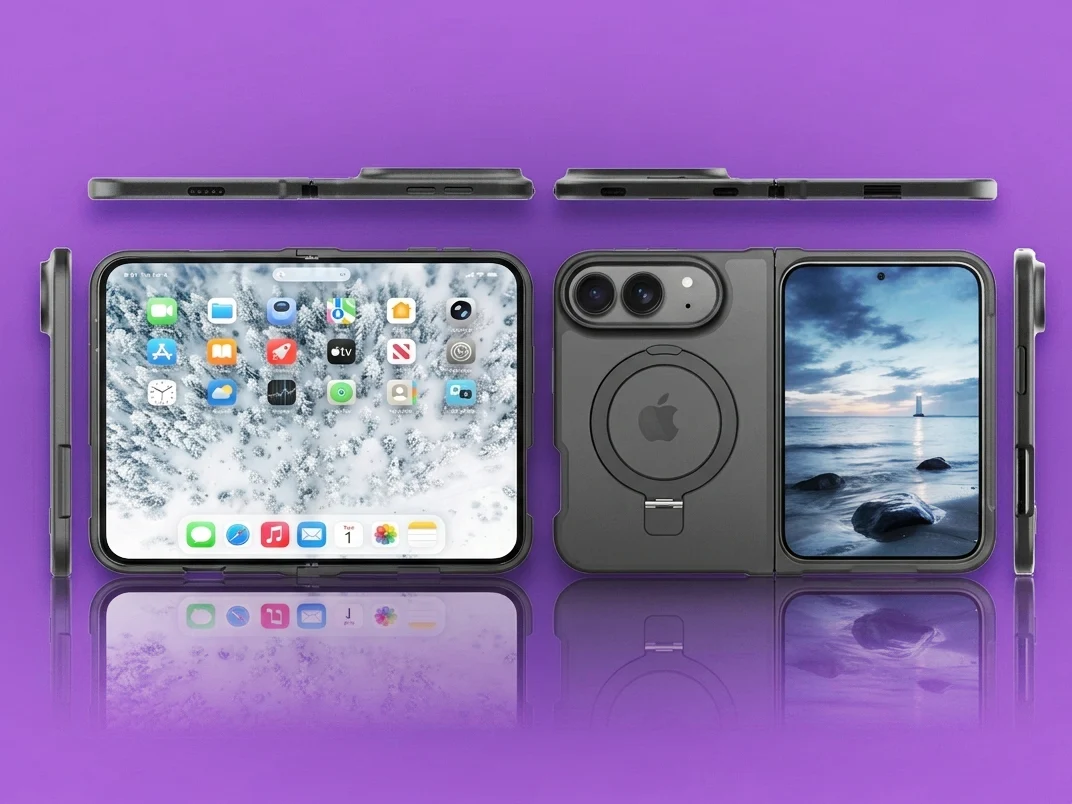
    Freshly leaked cases for Apple’s foldable iPhone Ultra have surfaced on a case-maker’s website, showing what to expect from the design. It’s worth noting that while the renders provide our clearest look at iPhone Ultra accessories yet, they also present a mix of rumors and likely placeholder render images.

    Design hints and camera placement

    For example, the iPhone Ultra renders used for the case design show a tiny, Android-style punch-hole selfie camera on the outer display. However, schematics and design models, including the latest leaked CAD render (you can find below) suggest this might not be accurate. The current visuals hint at a punch-hole approach, yet the reality could differ in the final product, leaving room for changes before release.

    Dynamic Island and display considerations

    Apple’s foldable is instead expected to utilize a Dynamic Island identical to the upcoming iPhone 18 Pro. While notably smaller than the cutout on the iPhone 17 Pro, the selfie camera cutout is expected to remain larger than a standard punch-hole to house Apple’s Face ID array. This balance between features and a clean silhouette remains a subject of wide speculation among enthusiasts.

    MagSafe and chassis thoughts

    Early leaks heavily debated whether the iPhone Ultra would support MagSafe, with some rumors suggesting Apple might drop the feature to achieve an ultra-thin chassis. The latest case designs indicate otherwise, prominently featuring the magnetic ring. This suggests at least some MagSafe compatibility will be preserved, even if the foldable design introduces new constraints.

    Release timing and specs

    Despite reports of supply chain issues and assembly hurdles, the foldable iPhone is (still) anticipated to debut alongside the iPhone 18 Pro lineup in September, bringing a crease-less design, the 2nm A20 Pro chip, 7.8 and 5.5-inch displays, and a dual camera system. Apple’s first foldable is said to start at (at least) $2,000.

    Competitive landscape

    When launched, Cupertino’s most expensive iPhone should go head-to-head with the new Galaxy Z Fold 8 and Z Fold 8 Ultra, as well as the upcoming Pixel 11 Pro Fold. Market rivals are positioning this device as a premium entry in foldables, with emphasis on durability, display quality, and camera versatility that can compete with the latest Android flagships.

    Sources
  • Aurzen Eazze D1R Air Projector with Roku TV OS, 300 Lumen Brightness, Power Bank Compatible

    Aurzen Eazze D1R Air Projector with Roku TV OS, 300 Lumen Brightness, Power Bank Compatible

    Key Takeaway

    – Portable, lightweight 1080p projector with autofocus, auto-keystone, 180° swiveling head, and 150″ image capability, plus external power via 65W+ PD power bank for up to 1.5 hours on a 20,000 mAh pack.
    – 300 ANSI lumens (Vivid mode) with options 250/220 lumens in Standard/Eco; quiet operation (30–35 dB) and compact 25.4 x 13.6 x 11 cm form factor at 1.2 kg.
    – Roku TV OS with Bluetooth 5.2, dual-band Wi‑Fi, and broad smart-home integration (Alexa, AirPlay, Google Home, Roku) plus HDMI, USB-A/C, and 3.5 mm audio outputs.


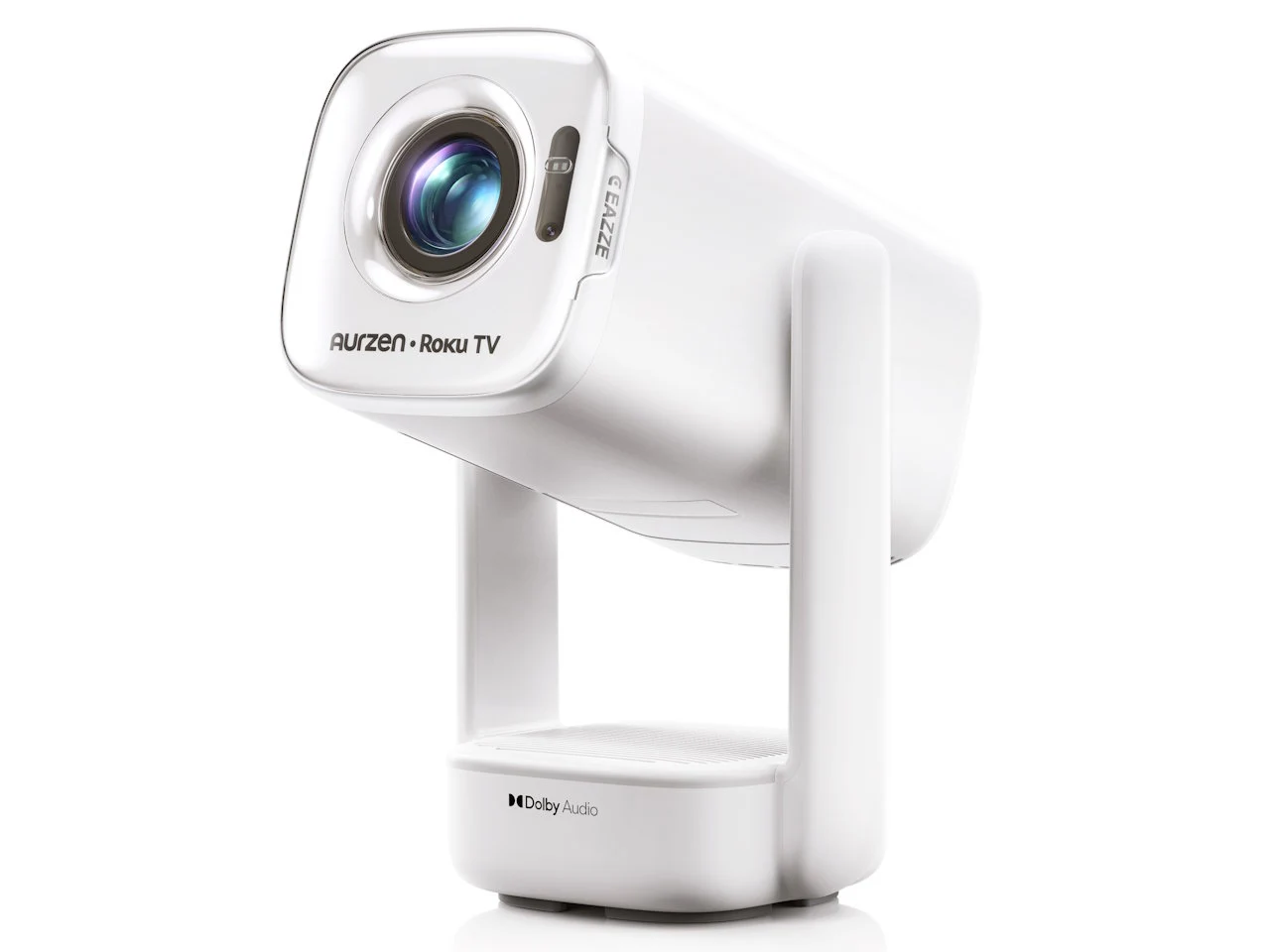
    In a bold move, Aurzen has rolled out the Eazze D1R Air Roku TV smart projector, bringing 300 ANSI-lumen light output, dual 5-watt Dolby Audio speakers, and a swiveling stand that swivels with a mind of its own. The pint-sized device is meant for easy carry and can sip power from an external 65 W+ PD power bank when not plugged into AC, a feature that says portability loud and clear. The projector promises up to 1.5 hours of runtime when hooked to a 20,000 mAh power bank, leaving you with a short window but enough to squeeze in a quick movie under the stars.

    Setup and connectivity

    Setup is said to be a breezy affair thanks to autofocus and auto-keystone on the native 1080p image, though some folks might still fiddle with the alignment to get perfection. An HDMI port flows in, letting this little unit moonlight as an external monitor for PCs and game consoles, a handy trick if you crave big screen vibes. You’ll also find USB-A and USB-C ports as well as a 3.5 mm audio jack, which keeps a few legacy accessories in play. The built-in swivel is a neat twist, allowing the head to turn 180 degrees so walls and ceilings can be filled with images up to about 150 inches across.

    Brightness and acoustics

    The light engine pushes 300 ANSI lumens in Vivid mode, with the cooling fan staying fairly modest at under 35 dB, a detail that matters to light sleepers and noise-sensitive folks. In Standard mode you’ll see 250 lumens at 32 dB, while Eco mode trims brightness down to 220 lumens at a quiet 30 dB, providing a more relaxed option for dimmer environments or longer movie marathons with less energy drag.

    Design and portability

    Its vertical form factor is pitched to save desk space, and the unit dimensions come in at 25.4 x 13.6 x 11 cm (10 x 5.4 x 4.3 in.), with a light footprint and a weight of 1.2 kg (2.6 lbs.), making it decently easy to haul to campsites and other outdoor spots for impromptu movie nights or presentations, even if the terrain tries to beat you.

    Software and smart features

    The Eazze D1R runs Roku TV OS, promising a catalog with hundreds of free TV channels alongside paid streaming services, a mix that could be both gold and clutter depending on your tastes. The projector talks Bluetooth 5.2 and dual-band Wi-Fi to phones and smart home networks. It supports Amazon Alexa, Apple AirPlay, Google Home, and Roku Smart Home integration, promising a reasonably smooth interconnection with your existing smart ecosystem—though you might still spend a little time linking and tinkering to get things perfectly aligned.

    Availability and pricing

    Prices hover around a tempting level with introductory pricing listed at $149.99, a $90 drop from its MSRP of $239.99, a tempting lure for those scouting a Roku-powered portable projector, even if you might want to hunt for deals or bundles elsewhere before finalizing a purchase.


    Sources

  • Why Illegal ROMs Appear on the Lenovo G02 Game Boy-Style Handheld

    Why Illegal ROMs Appear on the Lenovo G02 Game Boy-Style Handheld

    Key Takeaway

    – Lenovo confirms the G02 exists and is produced under a regional brand license for China, not part of Lenovo’s official global lineup.
    – Lenovo disclaims responsibility for ROMs and pre-installed games, stating third-party retailers may add software or content without Lenovo’s control.
    – The alleged pre-installed ROMs have led to embarrassment and skepticism, with retailers on platforms like AliExpress implicated; the device is no longer available there.


    Overview

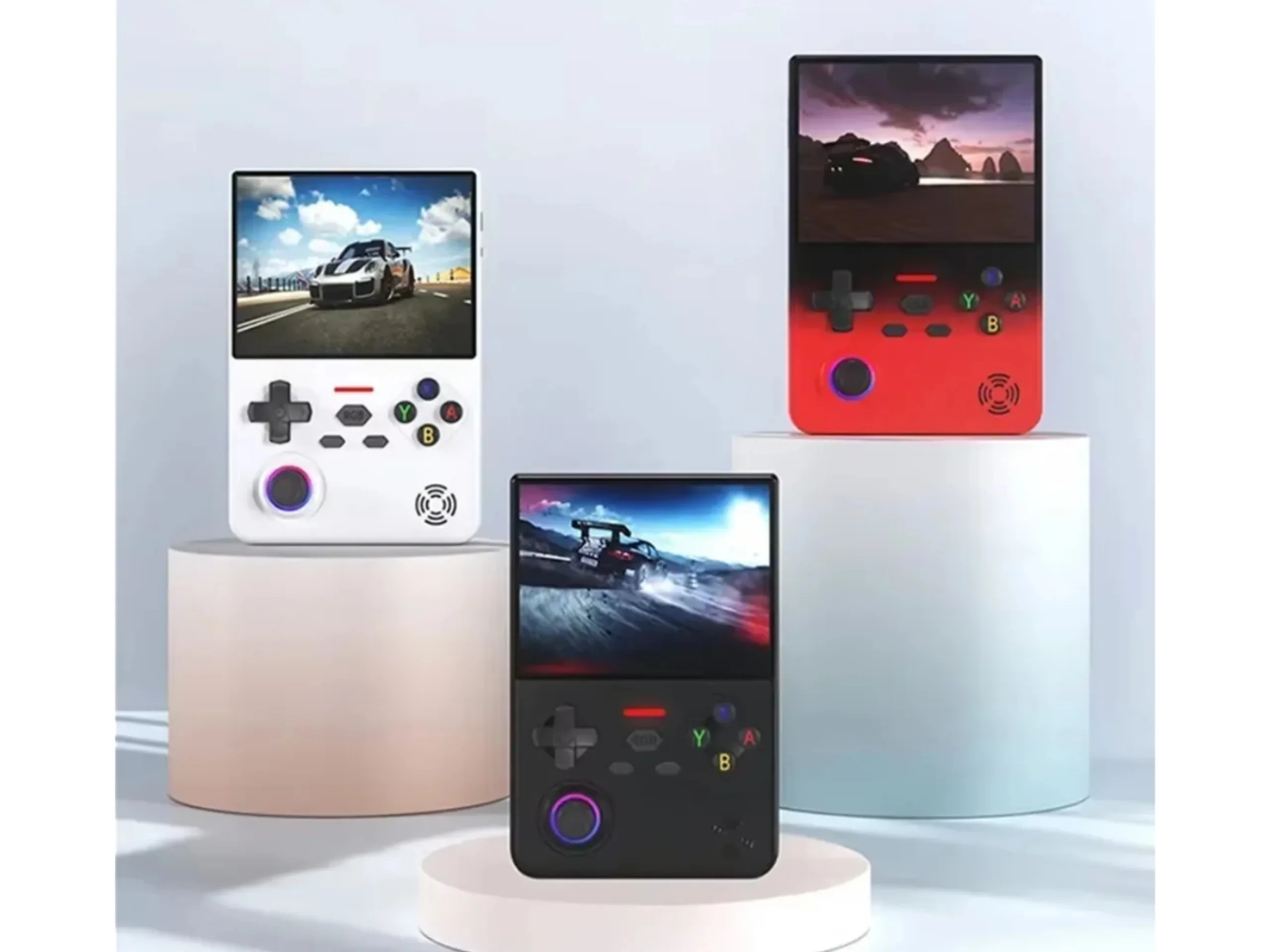
    The G02 is a gaming handheld in a Game Boy-style format and designed for emulation – unlike the Legion Go. At first, it was unclear whether the device actually came from Lenovo or whether a third-party manufacturer had simply copied the Chinese company’s branding. According to reports, the G02 is said to ship with pre-installed ROM collections, including Nintendo games, which would be highly questionable from a legal perspective. Lenovo has since commented on the matter. According to the company, the handheld does indeed come from Lenovo.

    Origin and Licensing

    Speaking to Retro Dodo, Lenovo confirmed that the G02 is not a fake, but was produced under a regional brand license for the Chinese market. Accordingly, the device is not part of Lenovo’s official global portfolio. However, Lenovo rejects responsibility for the ROM allegations: neither Lenovo nor authorized licensees offer devices with memory cards or pre-installed games. Lenovo told Retro Dodo that it has no control over third-party retailers that add software or content. In short, the illegal ROMs must have found their way onto the handhelds through retailers.

    Reception and Community

    In the Reddit community, this explanation has received a lukewarm response. Many users are mocking Lenovo, saying the company apparently merely contributed its name, after which an OEM built a cheap white-label device and retailers on AliExpress added ROM collections as usual. All in all, then, this is not a major scandal, but still a rather embarrassing showing for Lenovo. The Lenovo G02 is currently no longer available on AliExpress or Alibaba. The reasons for this remain unclear.


    Sources
  • Pokémon TCG Pocket Paradox Drive Is Here

    Pokémon TCG Pocket Paradox Drive Is Here

    Key Takeaway

    – Introduction of Ancient and Future subcategories with new deck archetypes centered on their bonuses
    – Headlining ex Pokémon: Koraidon ex (Ancient) and Miraidon ex (Future) anchoring the set
    – Key Supporter pair: Professor Sada enabling ancient energy acceleration and Professor Turo enabling future energy recycling/defense
    – Notable rares: Flutter Mane ex (Ancient Misdreavus) and Iron Bundle ex (Future Delibird) with additional one-star and one-diamond cards rounding the lineup
    – Paradox Drive events calendar: Emblem Event, Community Week trading rewards, Ceruledge ex Drop Event, and Wonder Pick promos mid-June


    Paradox Drive: A Themed Booster Pack for Pokémon TCG Pocket

    Paradox Drive, the latest themed booster pack for Pokémon TCG Pocket, goes live today at 6:00 PM PDT. The pack draws from Pokémon Scarlet and Pokémon Violet’s roster of Paradox Pokémon and introduces Ancient and Future as playable card subcategories in the game for the first time.

    Headlining Legendaries and New Archetypes

    Koraidon ex and Miraidon ex lead the set as the headline four-diamond Legendary cards. Koraidon is the Ancient Paradox Legendary from Pokémon Scarlet, Miraidon is the future counterpart from Pokemon Violet. Both are expected to anchor new deck archetypes built around the subcategory bonuses.

    Ex-Level Power and New Mechanics

    Flutter Mane ex and Iron Bundle ex bring ex-level stats to each side of the mechanic. Flutter Mane is the Ancient Paradox version of Misdreavus; Iron Bundle is the Future variant of Delibird. Raging Bolt and Iron Boulder join as one-star illustration rares, with Iron Hands, Farigiraf, and Scream Tail filling out the one-diamond tier.

    Supporters and Archetype Identity

    Professor Sada and Professor Turo are the Supporter cards that define the competitive identity of each archetype. Sada lets you attach three different energy cards from your discard pile to one of your ancient Pokémon, giving ancient decks a direct acceleration path that bypasses the standard one-energy-per-turn rule. Turo takes the opposite approach, shuffling one of your future Pokémon in play back into your deck as a protection and recycling tool that keeps high-value units out of the knockout zone.

    Event Schedule and Availability

    The Paradox Drive Emblem Event opens in the final days of May and runs into early June, offering emblems, shinedust, and additional items through ranked battles. Community Week follows in early June with a trading focus: trade hourglasses and cosmetic accessories are the primary rewards. A Ceruledge ex Drop Event and a Wonder Pick event featuring Sableye and Floragato promos are both scheduled for mid-June. Paradox Drive is the B3a-themed booster pack in the Pokémon TCG Pocket’s current series. The game is available on Android and iOS.


    Sources
  • Anker 10-in-1 Nano USB-C Hub with 240Hz Display Released

    Anker 10-in-1 Nano USB-C Hub with 240Hz Display Released

    Key Takeaway

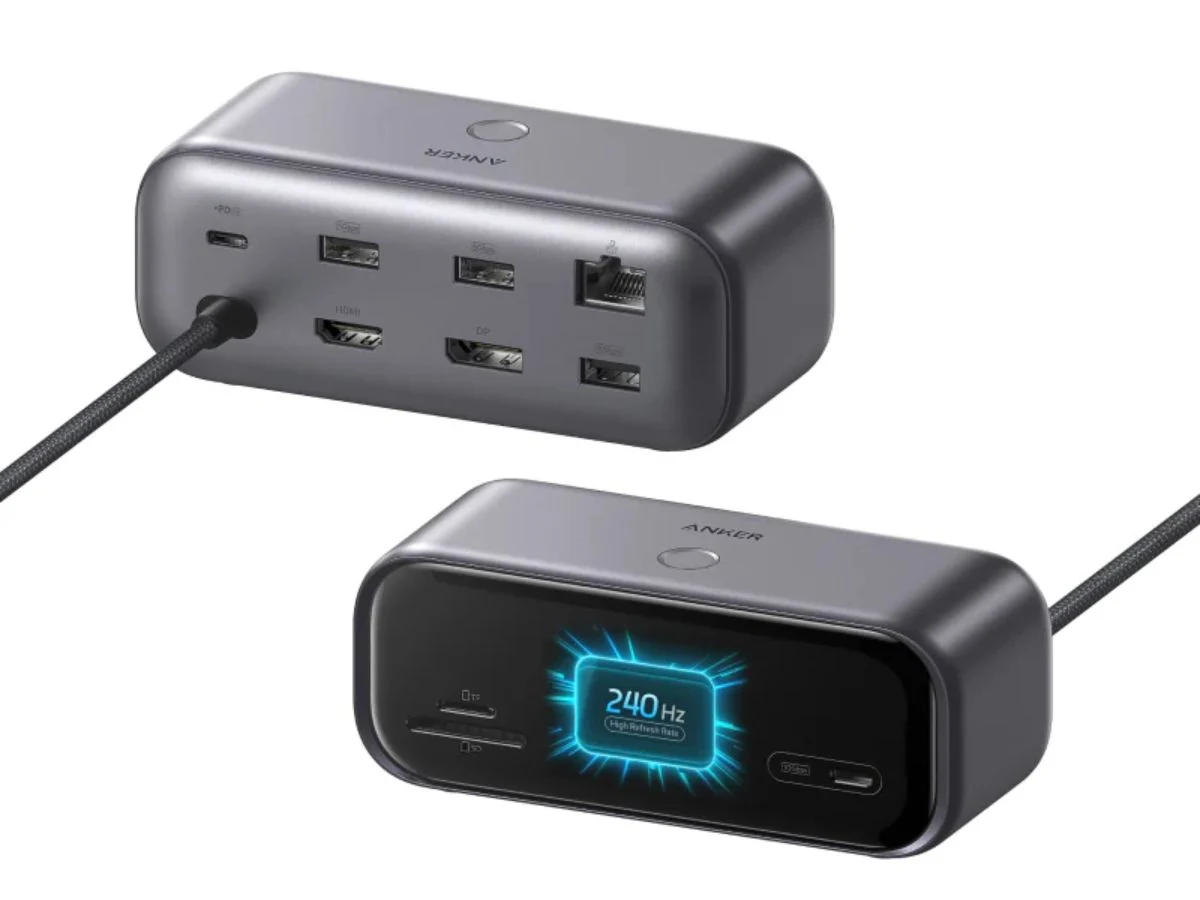
    – 10-in-1 hub with 240Hz display, HDMI 2.1 and DP 1.4 for up to 4K@144Hz, and remote charging status via app
    – Front: USB-C 7.5W 10 Gbps, SD/microSD slots (up to 104MB/s)
    – Rear: 100W PD USB-C, three USB-A ports (one 10 Gbps, two 5 Gbps), Gigabit Ethernet, integrated 100W power cable; compact 130x56x50 mm, 300 g


    Overview

    The Anker Nano USB-C Hub (10-in-1, 240Hz, Display) has been unveiled in Japan. Also referred to with model number A210C, this desktop accessory has a larger display with a 240Hz refresh rate, showing charging information. Plus, users can remotely view the charging status in the Anker smartphone app.

    Front-Panel Features

    Anker’s upcoming Nano USB-C Hub (10-in-1, 240Hz, Display) has several outputs set into the display on its front. The first is a USB-C port, delivering up to 7.5W power and a data transfer rate of 10 Gbps. The other two are SD and microSD card slots, each offering speeds of up to 104MB/s.

    Rear Connectivity

    At the rear of the new Anker Nano USB-C Hub is another USB-C port, supporting up to 100W PD charging. There are also three 7.5W USB-A ports, one with a 10 Gbps data transfer rate, and two with a 5 Gbps data transfer rate. Users can connect displays with an up to 4K@144Hz resolution using the HDMI 2.1 port and the DisplayPort 1.4. Finally, there is a Gigabit Ethernet port, and the accessory is powered at up to 100W via an integrated USB-C power cable. The desktop charger measures 130 x 56 x 50 mm (~5.1 x 2.2 x 2.0 inches) and weighs 300 g (~10.6 oz).

    Release Details

    Anker will release its new Nano USB-C Hub (10-in-1, 240Hz, Display) in Japan in Fall 2026. It will be sold in two colorways – dark gray and silver – at the brand’s online store for ¥16,990 (~$107). Whether or when this model could be released in other countries remains to be seen.

    Sources