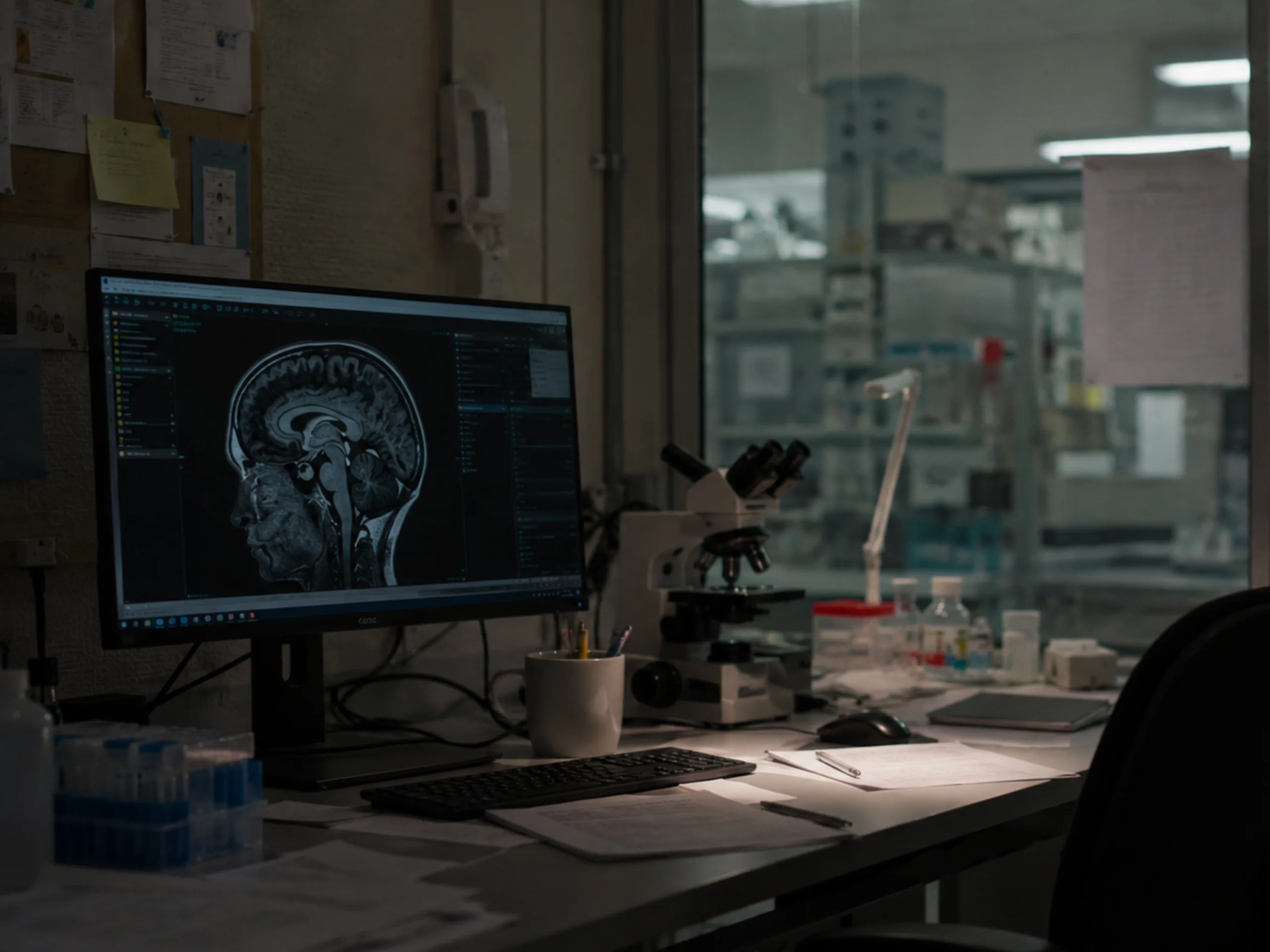
– Bexorg’s BrainEx platform keeps donated human brains partially alive with artificial support to test drugs directly on brain tissue, claiming advantages over animal models and cell cultures.
– Proponents say it could enable more precise study of neurodegenerative diseases by preserving real human disease history and prior treatments.
– Critics argue it sits in a grey ethical area between life and death, raises concerns about consciousness/pain perception, and involves for-profit use of donated body parts.
Article Overview
This piece discusses a controversial story from Science.org about a US biotech firm named Bexorg and its BrainEx platform. The article notes that brains from deceased human donors are kept partially functional using artificial support systems to test drugs for diseases like Alzheimer’s, Parkinson’s, and ALS under conditions that are claimed to be more realistic. Critics describe the proposal as dystopian and akin to science-fiction, while proponents see potential medical breakthroughs.
Details of the BrainEx Technology
Bexorg’s BrainEx system maintains brains alive by substituting for blood with special fluids that deliver oxygen, remove wastes, and sustain metabolic processes. It also uses artificial lung and kidney-like functions. Researchers can administer different drugs and directly observe their effects in human brain tissue. The company claims the method offers significant advantages over animal testing or traditional cell cultures because human brains carry real disease histories, genetic traits, and decades of environmental and drug-treatment influences, enabling more precise drug studies.
Ethical Considerations
Ethical questions dominate the discussions, with critics arguing that the brains might not be fully dead nor truly alive, raising concerns about potential rudimentary consciousness or perception. Bexorg counters that coordinated electrical brain activity is largely absent, which they say argues against consciousness or pain, and that anesthetics like Propofol are used to further reduce any activity.
Public Reaction and Cultural References
On Reddit, commentators label the project dystopian and liken it to scenarios from RoboCop 2 or I Have No Mouth, and I Must Scream. A recurring worry is that a for-profit company is handling donated body parts, leading some to reconsider donation in general. While some voices acknowledge possible medical benefits, the prevailing sentiment among many observers is that the project raises serious moral questions.