
Tag: DRAM prices

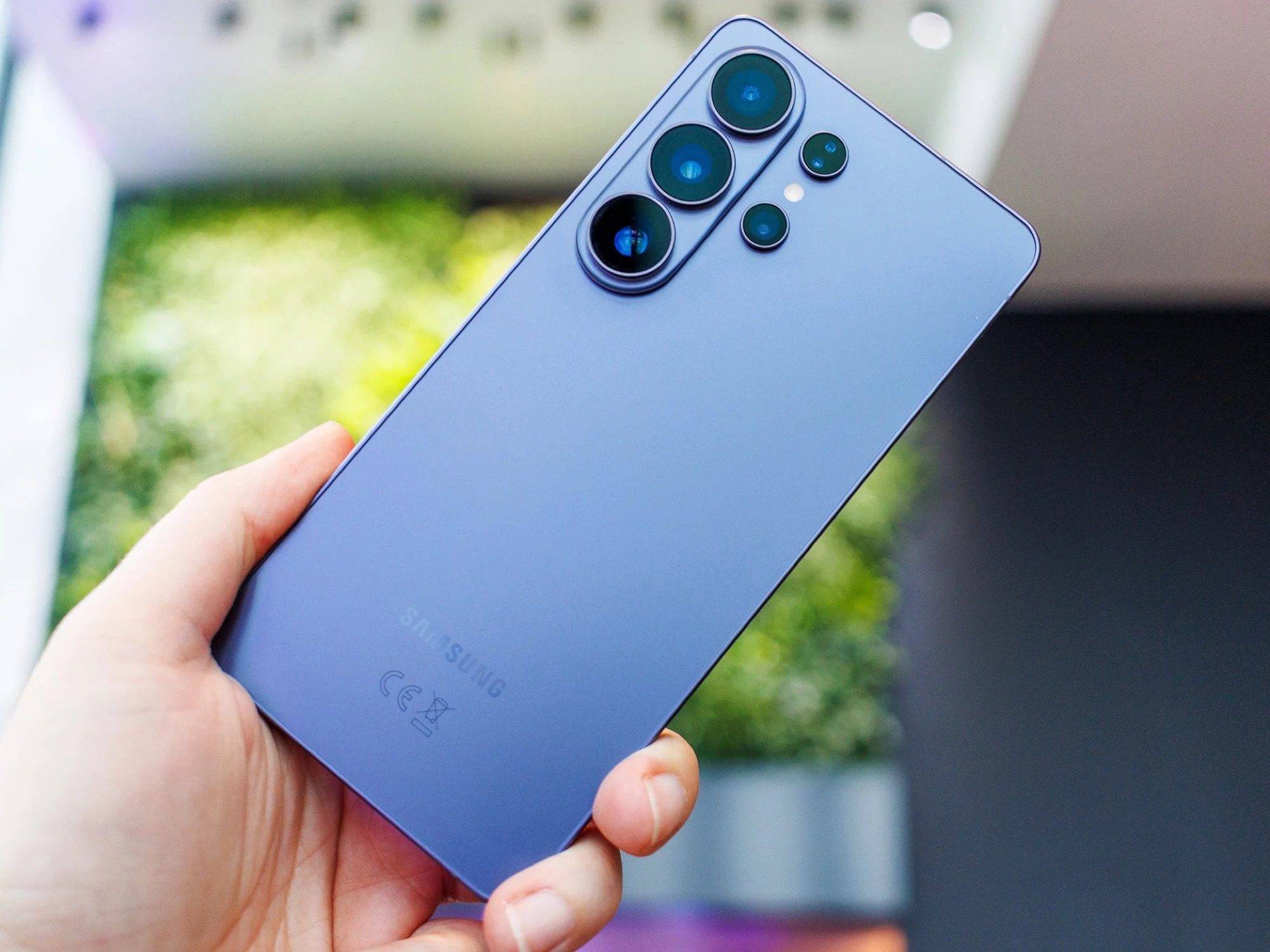
  • Samsung Galaxy S26 and Other Models to Get More Expensive Soon in Europe

    Samsung Galaxy S26 and Other Models to Get More Expensive Soon in Europe

    Key Takeaway

    – DRAM and memory cost increases are driving up smartphone prices, especially for flagship models.
    – Samsung plans price hikes of €100–€200, with larger increases for models with more memory.
    – Independent operations within Samsung (electronics vs. semiconductor) mean the mobile division bears higher memory costs, unlike Apple which may not raise prices.


    DRAM crisis hits pricing and devices

    The DRAM crisis is not only making RAM and SSDs more expensive for end users, smartphone and laptop manufacturers are also currently paying significantly more for the memory required to produce these devices. The situation affects pricing strategies and could ripple through to consumers in various regions, with memory costs influencing final tag prices across different product lines.

    Samsung may raise prices on several smartphones

    According to the latest information from TechManiacs Samsung is now to take action and increase the prices of several smartphones by €100 to €200. The size of the price increase for each model will depend on how much memory the smartphone has – more memory leads to a more drastic price increase. The following smartphones will be more expensive from the beginning of June, at least in Greece, but probably also in other regions:

    Impact primarily on flagship models

    For the time being at least, this price increase is therefore mainly limited to expensive flagship smartphones. This is probably not least due to the fact that the latest models in the Galaxy A series have already been launched on the market at significantly higher prices – the Samsung Galaxy A57, for example, already costs €529 with just 128 GB of storage. The trend suggests a broader shift in pricing strategies as memory costs rise across the board.

    Indirect effects on pricing dynamics

    Although Samsung produces DRAM and flash memory itself, Samsung Electronics and Samsung Semiconductor work independently of each other, meaning that Samsung’s smartphone division still has to pay higher memory prices. The fact that Samsung passes these higher costs on to customers instead of settling for smaller profit margins could give the Apple iPhone 18 Pro an advantage, as Apple is unlikely to increase prices. Such moves reflect the broader tension between supply costs and consumer pricing in a volatile memory market.

    Sources
  • Sales Decline Expected for iPhone, Galaxy Due to Price Hikes

    Sales Decline Expected for iPhone, Galaxy Due to Price Hikes

    Key Takeaways

    1. DRAM prices have increased threefold in the last three months, leading to expected laptop price hikes of at least 20%.
    2. Analysts predict a 2.1% decline in global smartphone market sales due to rising DRAM and NAND costs.
    3. Entry-level smartphones are now 25% more expensive to manufacture, while flagship devices have seen a 10% increase in production costs.
    4. Further cost increases of 10-15% are expected in the first half of 2026.
    5. DRAM prices may rise by 40% by Q2 2026, affecting budget smartphones’ features to avoid steep price increases.


    DRAM prices have surged threefold over the last three months, and additional hikes are anticipated in the upcoming year. This situation is likely to cause laptops to be at least 20% pricier, with many budget smartphones likely to come with just 4 GB of RAM.

    Market Forecast Adjustments

    Analysts from Counterpoint Research have lowered their global smartphone market sales projections due to the increasing costs of DRAM and NAND. Initially, they expected a slight growth; however, the smartphone market is now predicted to decline by 2.1%. The lower price category, where DRAM and NAND make up a large part of the production expenses, is expected to face the biggest challenges.

    Rising Production Costs

    Currently, an entry-level smartphone is reportedly 25% more expensive to manufacture compared to the summer season, while the production costs for a flagship device like the Apple iPhone 17 Pro have increased by 10% thus far. In the first half of 2026, further increases in costs of around 10 to 15% are projected. Counterpoint Research anticipates that Apple and Samsung will continue to lead the market, each holding a 19% share, followed by Xiaomi at 14%, Vivo at 9%, and Oppo at 8%.

    Future Price Expectations

    DRAM is predicted to rise in price by 40% by the second quarter of 2026. Counterpoint Research notes that brands offering higher-end products, like Apple and Samsung, will likely be less impacted by these price hikes. In contrast, manufacturers of budget-friendly mid-range smartphones may need to downgrade features such as RAM, displays, processors, and cameras to prevent steep price increases.

    Source:
    Link