Author: GizNews

  • Samsung Unveils World’s Thinnest Laptop OLED Panel: 240Hz

    Samsung Unveils World’s Thinnest Laptop OLED Panel: 240Hz

    Key Takeaway

    – 20% thinner OLED panel for gaming laptops unveiled at Computex 2026
    – Thickness reduction achieved by etching TFT and encapsulation glass by over 30%
    – Proprietary techniques prevent panel warping despite slimmer design
    – Enables thinner, lighter laptops without sacrificing thermal or component space
    – Not yet in commercial production; no confirmed first adopters


    Record-breaking slim OLED panel

    After announcing the development of the world’s first 4K 360Hz QD-OLED, Samsung Display wants to break another record by unveiling its new “Ultra Slim” OLED panel at Computex 2026. Designed specifically for the high-performance gaming laptop market, this new technology promises to shed bulk without sacrificing the visual fidelity gamers demand. It’s a pretty big deal for folks who care about lugging around a lighter machine but still want those rich colors and deep blacks.

    How they made it so thin

    The new panel achieves a dramatic reduction in thickness, cutting the module’s outer-edge profile by more than 20% compared to Samsung’s current mass-produced displays. To reach this benchmark, Samsung engineers developed a specialized etching process that reduces the thickness of both the Thin Film Transistor (TFT) substrate glass and the encapsulation glass by over 30%. This aproach is quite innovative, and it allows them to shave off millimeters without completely redesigning the whole panel structure from scratch.

    Despite the aggressive physical reduction, Samsung has addressed the common industry challenge of panel warping, utilizing proprietary manufacturing techniques to ensure structural integrity in the thinner form factor. They’ve managed to keep the thing from bending like a wet noodle, which is often a problem when you take away too much material from a display.

    Design flexibility for manufacturers

    While portability is the primary benefit of the Ultra Slim design, Samsung emphasizes that the technology maintains premium visual standards: “The Ultra Slim panel provides device manufacturers with unprecedented design flexibility”, the company says. By reducing the footprint of the display module, manufacturers can develop thinner, lighter laptops that do not compromise on the high-end thermal management or component space required for modern gaming hardware. This means they can still pack in a proper cooling system and a powerful GPU without needing to make the chassis thicker.

    • Reduces module outer-edge profile by over 20%
    • Both TFT substrate and encapsulation glass reduced by over 30%
    • Proprietary anti-warping manufacturing techniques
    • Maintains premium visual standards for gamers

    Status and availability unclear

    It’s worth noting that while Samsung Display is showcasing the technology at Computex to demonstrate its design capabilities, the Ultra Slim panel has not yet reached the commercial manufacturing stage, and it’s unclear which new laptops might be first to utilize it. So, don’t expect to see this in the next Alienware or Razer blade right away; it’s still very much a prototype that needs to go through final testing and production scaling before hitting the streets.



    Sources

    • Hubble Reveals Dwarf Galaxy 23 Million Light-Years Away

      Hubble Reveals Dwarf Galaxy 23 Million Light-Years Away

      Key Takeaway

      – ESO 490-017 is a dwarf irregular galaxy only 12,000 light-years across, significantly smaller and fainter than the Milky Way.
      – Its weak gravity causes stars to be loosely dispersed, resulting in a poorly defined structure.
      – These galaxies contain fewer heavy elements, creating an environment similar to that of the early universe.
      – Studying dwarf galaxies like ESO 490-017 helps scientists better understand the early universe and poorly understood celestial phenomena.


      Hubble’s Latest Cosmic Snapshot

      Since 1990, the Hubble Space Telescope has been staring into the void, letting scientist’s study a whole bunch of celestial objects. Recently, this here telescope managed to capture a real striking image of a dwarf galaxy, which is located about 23 million light-years from our own planet Earth.

      The Odd Little Galaxy Called ESO 490-017

      Known as ESO 490-017, this dwarf irregular galaxy has a composition and structure that’s very interesting, dispite its small size. Indeed, it only measures about 12,000 light-years in diameter, while the Milky Way’s diameter is around 100,000 light-years, and it is also very faint, making it hard to see with normal telescopes.

      • Diameter: 12,000 light-years
      • Distance: 23 million light-years
      • Luminosity: Very low
      • Gravity: Weak

      Why Its Structure Matters

      In addition, the structure of this galaxy is not clearly defined, as you can clearly see in the image that was captured. As a result, its weak gravity allows stars to move around freely inside the galaxy with almost no restriction. Finally, its low luminosty is also directly linked to its gravity, since the stars aren’t concentrated in one single place but are instead dispersed all over the place.

      Unremarkable But Actually Interesting

      However, even though this galaxy might look unremarkable on the surface, it is actually very interesting for astronomers. These kind of structures contain fewer heavy elements then spiral galaxies do, and their environment is quite similar to that of the early universe before everything changed. Thus, by discovering and studdying these celestial objects, researchers will be able to better understand this mysterious period of the universes history.

      A Peek Into the Early Universe

      This will also allow them to better study celestial phenomenons that are still very poorly understood by modern science. The data obtained from such faint galaxies helps us fill in gaps about how stars formed back when the cosmos was young. Every new observation brings us a little bit closer to solving the biggest mysteries of space and time. Its a fascinating field of study that keeps giving us surprises.


      Sources

    • Three New Citizen Open Heart Mechanical Watches Launching

      Three New Citizen Open Heart Mechanical Watches Launching

      Key Takeaway

      – Flower-inspired design with bud-shaped crown and open-heart movement display
      – Three models: pink/rose gold (PR1050-50W), all gold (PR1052-54A), rose gold/silver (PR1054-59A)
      – 6628 automatic movement, 40-hour power reserve, -20 to +40 sec/day accuracy
      – Sapphire glass, 5 ATM water resistance, type 1 magnetic resistance
      – Japan release June 18, prices ¥60,500–¥66,000 (~$379–$413); US availability unclear


      New Citizen Collection Mechanical Watches Unveiled

      The PR1050-50W, the PR1052-54A and the PR1054-59A have an unusual design, which is said to have been inspired by a flower. These three new Citizen Collection mechanical watches have been unveiled in Japan. Each one has a round dial that features a pattern mimicking a blooming flower, with a stainless steel case that is also circular, plus a slim steel bracelet for an elegant look and three analog hands.

      Other design elements include a bud-shaped crown and an ‘open heart’ allowing you to view the movement through the watch face. The PR1050-50W has a pink dial, a rose gold colored crown, and a silver tone casing and strap. The PR1052-54A is all gold, and the PR1054-59A has a rose gold face, bezel and crown, and a silver case and strap.

      Specifications and Pricing Details

      These Citizen collection timepieces use a 6628 caliber, supporting automatic and manual winding. They should remain accurate to within -20 to +40 seconds daily, and have a power reserve of around 40 hours. The watches also offer sapphire glass, 5 ATM water resistance and type 1 magnetic resistance. At the Citizen online store in Japan, the PR1050-50W, PR1052-54A and PR1054-59A watches retail for ¥60,500 (~$379), ¥66,000 (~$413) and ¥62,700 (~$393), respectivly.

      Release Date and Market Availibility

      They are each scheduled for release on June 18th in this market. Whether or when these products could be released in the US is unclear. Citizen Japan has not provided further details on international availability at this time. The watches join Citizens existing collection lineup with these floral-inspired models aimed at domestic buyers.

      Design Inspiration and Innovation

      The bud-shaped crown and open heart movement window are key highlights that set these pieces apart. The blooming flower pattern on the dial is replicated across all three variants, though each has its own colour scheme. The stainless steel bracelet is slimmed down for comfort, while the 5 ATM water resistance ensures daily usability. With a power reserve of 40 hours, these are practical yet artistic timekeepers for collectors and enthusiasts alike.


      Sources

    • Call of Duty MW4 Fluid Movement System Teased

      Call of Duty MW4 Fluid Movement System Teased

      Key Takeaway

      – Movement is being reworked, but is still intuitive with room for optimization.
      – No omnimovement system; instead, a focus on fluid, natural transitions between mechanics.
      – No silly or out-of-place skins, aligning with a grittier tone.
      – This will be the first Call of Duty game to launch on Nintendo Switch 2.
      – Changes are based on player feedback from Modern Warfare 2 and general movement complaints.


      Movement Overhaul in Upcoming Title

      Infinity Ward announced Call of Duty: Modern Warfare 4 last week and also shared quite a bit of detail about the campaign, multiplayer, different modes, and more. They also mentioned changing things up in the movement department, a contentious subject for Call of Duty fans. The developers have stated that they listened to feedback about Modern Warfare 2 and in-game movement in general to make tweaks for the upcoming instalment.

      Gameplay Footage and Mechanics

      As part of the latest ‘From the Ward’ episode, where the team talks about the development process for Call of Duty: Modern Warfare 4, one segment was dedicated to movement. Some short clips of gameplay were showcased, with the disclaimer “assets and gameplay currently in development.” They showed the player sprinting, climbing obstacles, sliding over obstacles, and transitioning from one mechanic to another.

      Designer Comments on Complexity

      Even with all the tweaks, Jacky Reynolds, the multiplayer design lead, states that the movement options are not difficult to wrap your head around, but still offer enough space for optimizations. Infinity Ward has already stated that it’s not using the omnimovement system from the past few Call of Duty games, but there is still a lot of freedom of movement.

      Fan Feedback and Console Exclusivity

      Infinity Ward has also confirmed a few other aspects that irked fans with previous instalments. There will be no silly skins, especially given the grittier setting of the upcoming instalment. It will also be coming to the Nintendo Switch 2, making it the first in the long-running franchise.

      • No omnimovement system used
      • No silly skins included
      • Coming to Nintendo Switch 2
      Sources
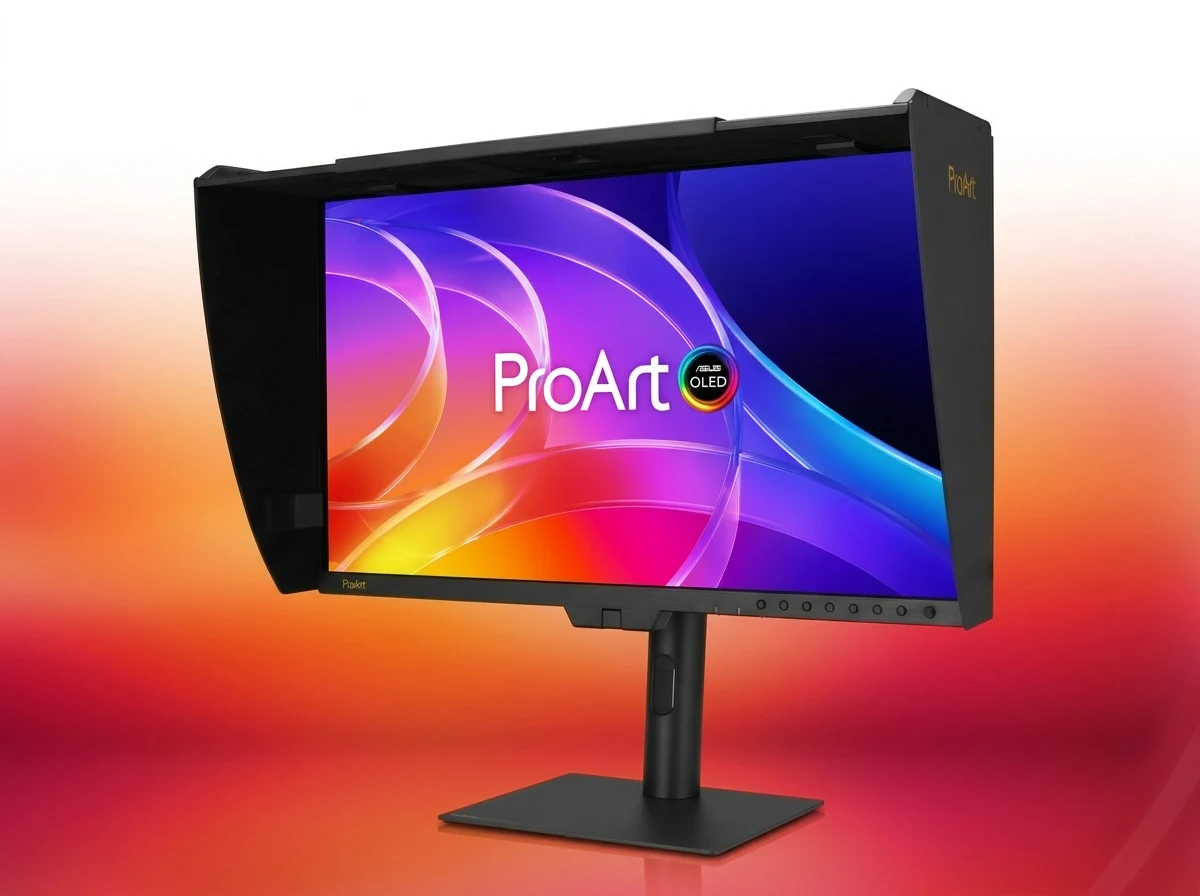
    • Asus ProArt 4K QD-OLED Displays: High-Performance Lineup for Creatives

      Asus ProArt 4K QD-OLED Displays: High-Performance Lineup for Creatives

      – Flagship PA32USD: 31.5-inch 4K QD-OLED, 1000-nit peak brightness, and 240Hz refresh rate.
      – Factory-calibrated for color accuracy: Delta E<1 (PA32USD) or Delta E<1.5, with Calman and Light Illusion ColourSpace CMS support. - Robust connectivity: dual Thunderbolt 4, 12G-SDI inputs, and built-in Auto KVM.[/key]


      ProArt Lineup Gets New Monitors

      Asus has expanded its ProArt professional lineup with the PA32USD, PA329CDV, and PA279CDV. The flagship PA32USD features a 31.5-inch 4K QD-OLED panel with 1000-nits peak brightness and a 240Hz refresh rate, wich is a huge step for creators who demand both colour accuracy and fluid motion for video editing or gaming previews.

      Color Accuracy and Calibration

      Aimed at color-critical workflows, these monitors are factory-calibrated to Delta E<1 (PA32USD) or Delta E<1.5, with support for Calman and Light Illusion ColourSpace CMS. They also feature a wide colour gamut covering 99% DCI-P3, ensuring that your edits look consistent across different devices without needing to re-calibrate every time you switch tasks.

      Connectivity and Productivity Features

      Connectivity is robust, featuring dual Thunderbolt 4 ports, 12G-SDI inputs, and built-in Auto KVM for seamless multitasking across workstations. This means you can daisy-chain high-resolution displays while transfering data at up to 40Gbps, and the Auto KVM function lets you controll two PCs with one keyboard and mouse, wich is a massive time-saver for profesionals juggling multiple systems.

      Additional Monitors and Innovations

      For more information on the other monitors and display innovation announced by Asus at Computex 2026, stay tuned for our coverage of their remaining lineup. Each model also includes a built-in hood to reduce glare, and the OSD menu supports hardware calibration without needing a PC, making it easier to maintain colour consistency in shared studio enviroments.


      Sources

    • MSI Holostage Flagship Gaming Tower with AI Hologram

      MSI Holostage Flagship Gaming Tower with AI Hologram

      Key Takeaway

      – MSI replaces touchscreen with “AI Holostage” hologram display on next-gen MEG Vision tower.
      – Holostage features LuckyClaw, a cartoon dragon AI assistant, but its usefulness is unproven.
      – Display supports virtual pets and other AI assistants, with direct voice interaction via speakers and microphones.
      – Expected high-end specs including possible Nvidia RTX 5090, following predecessor with Intel Core Ultra 9, 64GB RAM, 2TB SSD.
      – Launch date and pricing remain unconfirmed.


      MSI’s Big Gamble

      The MSI MEG Vision series has until now set itself apart from most of its competition with a front panel that has a massive touchscreen. At Computex 2026, MSI announced the next gen of the flagship gaming tower, wich replaces the touchscreen with a hologram display. This so-called “AI Holostage” shows LuckyClaw, MSI’s in-house AI assistant that resembles a cartoon dragon, as standard from the factory.

      Is This Actually Useful?

      How usefull LuckyClaw is remains to be seen – in the video embedded below, the AI assistant can’t even provide any information regarding the weather. However, the Holostage is not limited to only LuckyClaw; it is also possible to show virtual pets or other AI assistants. Speakers and microphones can be used to interact directly with chatbots without needing to use a monitor or any other hardware.

      Hardware Expectations

      Details on the other features of the gaming tower have not yet been confirmed, but the MEG Vision series generally uses high-end hardware after all and will likely be equiped with an Nvidia GeForce RTX 5090 in at least one configuration if not more. The previous model was offered with an Intel Core Ultra 9 285K, 64 GB of RAM and a 2 TB SSD for storage.

      Release and Pricing

      MSI has not yet confirmed when and at what price the MSI MEG Vision X2 AI+ gaming tower will go on sale or launch to the public at this point in time.

      Sources
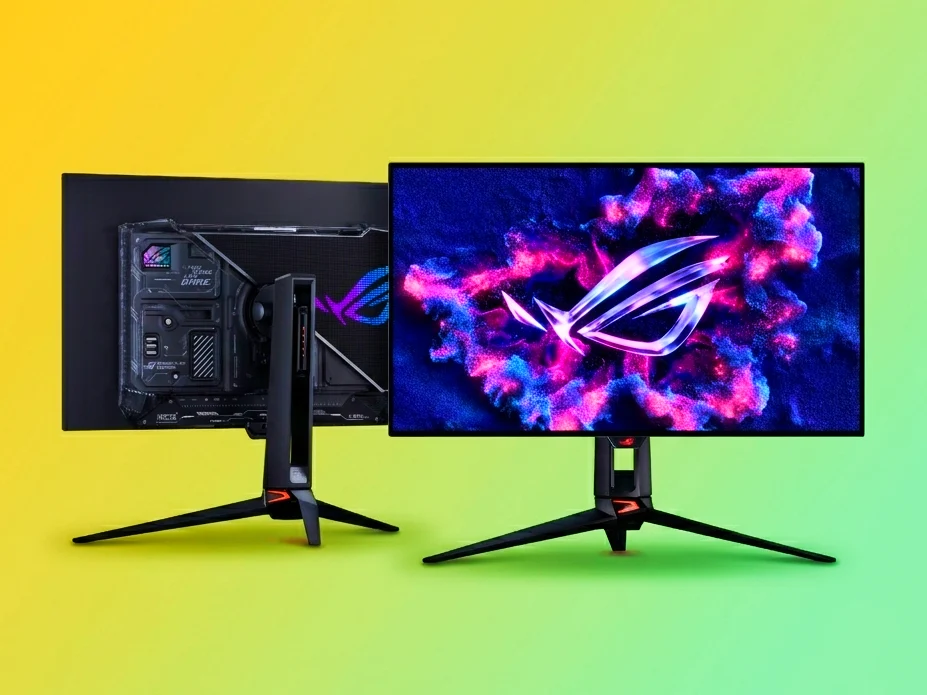
      • Asus Debuts 4K ROG Swift OLED Monitors: 480Hz, Tandem RGB Stripe

        Asus Debuts 4K ROG Swift OLED Monitors: 480Hz, Tandem RGB Stripe

        Key Takeaway

        – ROG’s Tandem RGB Stripe Pixel OLED removes the white subpixel, boosting color volume by 27% over standard WOLED.
        – PG32UCWM offers Dual Mode: 4K at 240Hz for immersion or FHD at 480Hz for competitive play.
        – Supports DisplayPort 2.1a UHBR20 (80Gbps), HDMI 2.1, and 90W USB-C power delivery.
        – Both 32-inch and 27-inch models launch early Q3 2026.


        Asus Pushing PC Gaming Forward

        Asus is pushing PC gaming forward with the new ROG Swift OLED PG32UCWM and PG27UCWM. These monitors debut ROG’s Tandem RGB Stripe Pixel OLED technology, which removes the traditional white subpixel to increase color volume by 27% compared to standard WOLED panels.

        32-Inch Model Specifications

        The 32-inch PG32UCWM features a 4K resolution with “Dual Mode” functionality, allowing users to toggle between 4K at 240Hz for immersive gameplay and FHD at 480Hz for competitive edge. The series includes DisplayPort 2.1a UHBR20 support (80Gbps), HDMI 2.1, and 90W USB-C power delivery. Both the 32 and 27-inch models are expected early in Q3 2026.

        Future Coverage Awaits

        For more information on the other monitors and display innovation announced by Asus at Computex 2026, stay tuned for our coverage of their remaining lineup:

        Sources
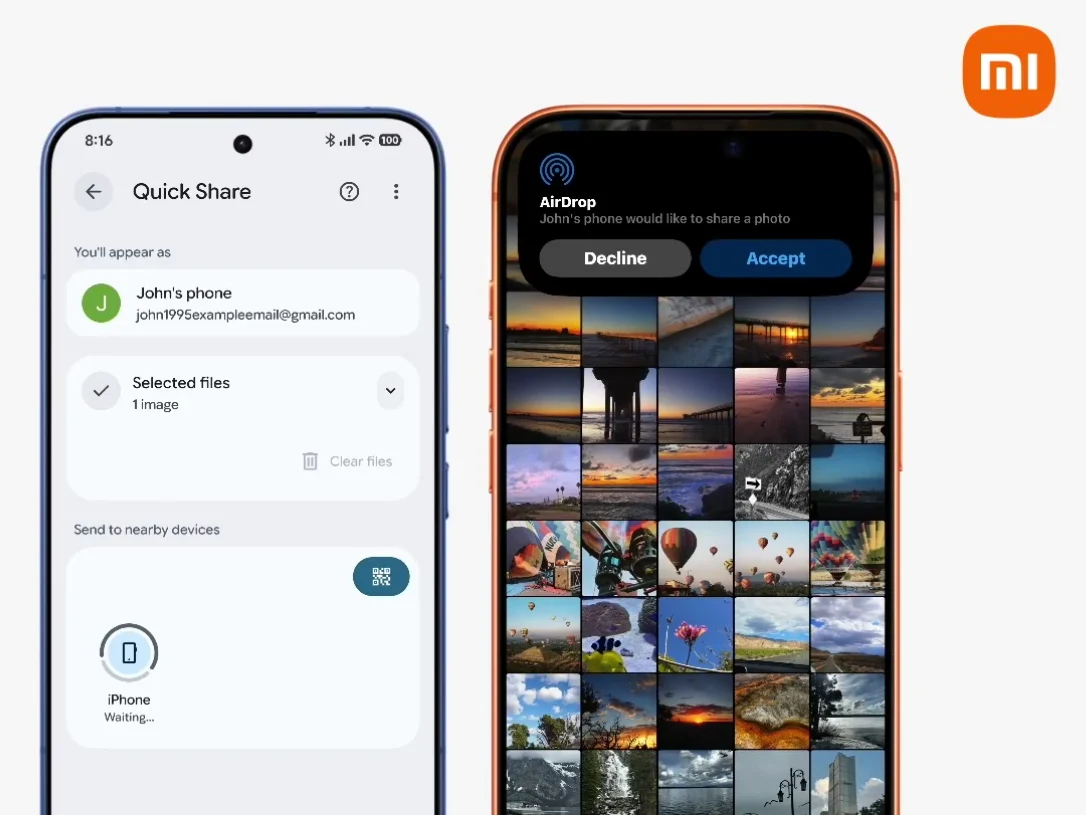
      • Xiaomi Quick Share: Android AirDrop Support Now Available

        Xiaomi Quick Share: Android AirDrop Support Now Available

        Key Takeaway

        – Xiaomi now supports AirDrop via Quick Share on select phones, starting with the Xiaomi 17T Pro.
        – Google Pixel and Samsung Galaxy phones received this update earlier in the year.
        – Google is expanding Quick Share to more Android brands, including expected support from Honor and OnePlus.
        – This update reduces the feature gap between Android and iOS, making cross-platform file sharing easier.
        – By 2026, with RCS and Quick Share improvements, Android no longer forces major compromises in sharing or communication with iPhone users.


        Xiaomi Finally Jumps on the Quick Share Bandwagon

        Xiaomi has joinned the list of Android brands that now support AirDrop over Quick Share. Thier announcement was made on X earlier today. Now users on select Xiaomi phones will be able to share files with iPhone users using Android’s Quick Share tool. Select Google Pixel and Samsung Galaxy phones actually recieved this update earlier in the year.

        AirDrop Was Always a Big Deal

        AirDrop has long been a differentiating feature between Android and iPhones, allowing iPhone users to share files (often photos) and contacts quickly and easely. Even though third-party services existed to give Android phones this functionality, it was with mixed success. Google have been working on bridging the gap between both ecosystems with a more durable system, and the company seems to have finially made it work.

        Which Xiaomi Phones Will Get It First?

        Earlier this year, phones like the Google Pixel 10 series gained access to AirDrop, wich was followed by the Samsung Galaxy S26 series. Now Xiaomi is getting in on the fun, though the company only highlites the Xiaomi 17T Pro as its AirDrop-capable phone. More phones, likely flagship models, can be expected to get access to the feature in the comming weeks, and it is just as likely that new models will support it out of the box.

        Google’s Big Integration Push

        Google has been making steps toward integrating iOS and Android more closely over the past few years. With Android 17 comes increased functionality, which includes a more complete data transfer system allowing users to switch from iPhones to Android with as much ease as an iPhone-to-iPhone switch, at leest on paper anyway.

        More Brands to Follow

        Google also teased that more Android brands would be working to bring AirDrop support to Quick Share. Xiaomi is obviously one of them, but we also expect phones from Honor and OnePlus, among others, to eventualy join the party as well.

        The End of Compromises

        Choosing an Android over an iPhone in the past often meant users would have to make sacrifices when sharing and communicating, with iPhone users benefiting from iMessage and AirDrop support. As Google has built out its RCS platform and done good work with its migration tool and the Quick Share updates as well, that is no longer the case in 2026.

        Xiaomi (X)

        Sources
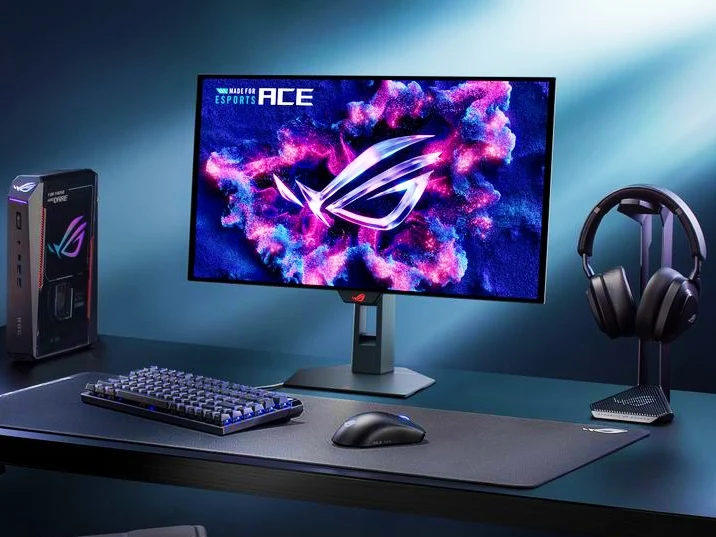
      • Asus Unveils World’s First 540Hz OLED Esports Monitor

        Asus Unveils World’s First 540Hz OLED Esports Monitor

        Key Takeaway

        – 24.5-inch TrueBlack Glossy Tandem WOLED panel designed for professional esports
        – 540Hz refresh rate and 0.2ms response time
        – Developed with feedback from esports organizations like BLAST and PGL
        – Dedicated Esports Color modes and Quick OSD menu for legacy TN panel users
        – VESA DisplayHDR 600 True Black compliant with 99.5% DCI-P3 color gamut


        Performance for Competitive Gamers

        After rolling out there brand new Nvidia RTX Spark laptops and Mini PC, Asus has unveiled the ROG Strix OLED XG259QWPG Ace monitor at Computex 2026. Its a 24.5-inch screen thats built especially for professional esports players. This display aims to give serious gamers every advantage possible in fast-paced matches.

        Stunning Panel Technology

        The new ROG Strix OLED monitor uses a TrueBlack Glossy Tandem WOLED panel technology. This achives a incredible 540Hz refresh rate together with a lightning-fast 0.2ms response time. These specs were developed from feedback with organisations like BLAST and PGL. The stand includes precise measurement markings for setting up consistently at tournaments or events.

        Color Accuracy and Usability

        Youll get a new Quick OSD menu system, plus dedicated Esports Color modes for players moving from older TN panels. The monitor meets VESA DisplayHDR 600 True Black certification requirements and covers up to 99.5% of the DCI-P3 color gamut. This combination delivers both speed and vivid visuals for competitive play.

        Details on the Rest

        We dont have confirmed pricing or release dates yet but expect it to cost a premium given the specs. For more information on other monitors and display innovations announced by Asus at Computex 2026, stay tuned for our coverage of there remaining lineup. The company continues to push boundaries in gaming hardware this year.

        Sources
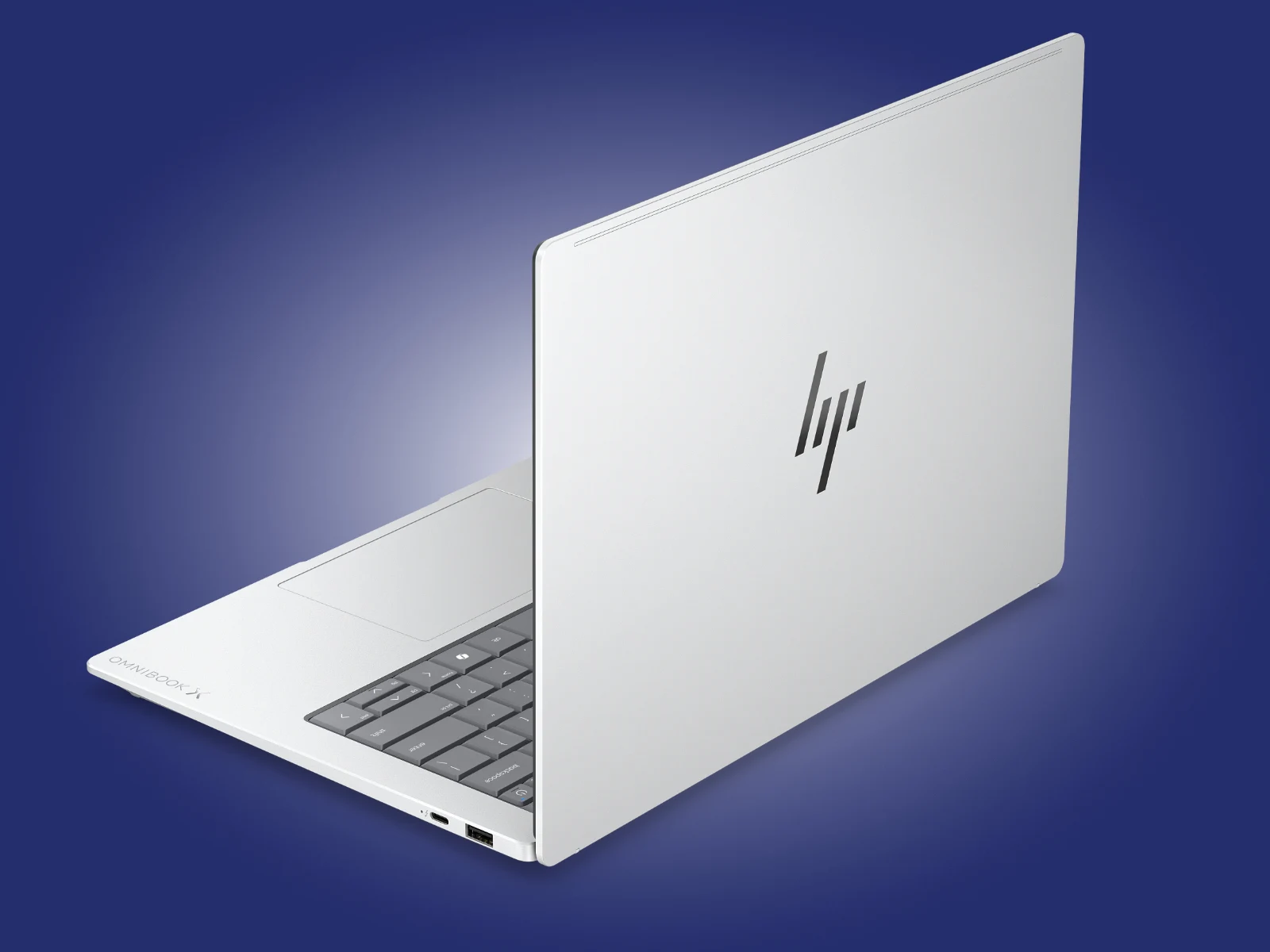
      • HP 14-Inch Laptop Launched Globally with Arc B390 & 1100 Nit OLED

        HP 14-Inch Laptop Launched Globally with Arc B390 & 1100 Nit OLED

        Key Takeaway

        – The OmniBook X 14 is now available globally with Intel Panther Lake processors (Core Ultra 5 through X9 388H).
        – Snapdragon X2 versions were announced but have not yet been released.
        – Base model starts at $1,399 with a Core Ultra 5, 16GB RAM, and a 1200p IPS display.
        – Higher-end configurations offer up to 32GB RAM, 2TB SSD, and a 1800p OLED display with 120Hz.
        – Top SKU costs $2,699 in the US; weight is 1.3 kg, about 70 g more than a MacBook Air 13.


        OmniBook X 14 Global Launch

        The latest 14-inch OmniBook X have now gone on sale globally. Presented in January, the OmniBook X 14 was one of five OmniBook X-branded laptops that graced CES 2026 in Las Vegas. For referance, the OmniBook X Flip 14 and OmniBook X Flip 16 are now available to purchase as well.

        Processor Options and Availability

        Initially, HP claimed that it had created Snapdragon X2 and Intel Panther Lake-powered versions of the OmniBook X. However, only the latter is available in a choice of Core Ultra 5 325, Core Ultra 7 356H, Core Ultra 9 386H and Core Ultra X9 388H processors. At the time of writing, HP has not confirmed when the OmniBook X 14 with Snapdragon X2 processors will be available.

        Pricing and Configuration Details

        In the meantime, the OmniBook X 14 can be purchased for £1,249 with a Core Ultra 7 356H processor, 24 GB of RAM, a 1 TB SSD and a 1200p OLED display that peaks at 60 Hz and 300 nits. Incidentally, a comparable SKU sells for $1,677 in the US but $1,959 on HP’s website. With that being said, the OmniBook X 14 starts at $1,399 in the US and CAD 1,799 in Canada, featuring the Core Ultra 5 325, 16 GB of RAM and a 1200p IPS display.

        Display and Battery Differences

        It is worth noting that the Core Ultra 5 325 can only be configured with a 1200p IPS display and a 59 Wh battery. By contrast, more powerful processors must be optioned with a 1800p OLED display in the US, which outputs at 500 nits in SDR mode, 1,100 nits in HDR mode and offers a 120 Hz variable refresh rate. Selecting an OLED display adds a 70 Wh battery, too.

        • Core Ultra 5 325: 16 GB RAM, 1200p IPS, 59 Wh battery
        • Core Ultra 7 356H / Ultra 9 / X9: 1800p OLED (500/1100 nits), 120 Hz, 70 Wh battery
        • Max config: 32 GB RAM, 2 TB PCIe Gen 5 SSD, Arc B390 graphics

        Weight and Top-Tier Pricing

        Currently, the OmniBook X 14 can be configured with up to 32 GB of RAM, a 2 TB PCIe Gen 5 SSD, a 1800p OLED display and a Core Ultra X9 388H processor containing Arc B390 graphics. Nonetheless, the 14-inch laptop weighs about 70 g more than a MacBook Air 13 at 1.3 kg. Unfortunatly, HP’s top SKU costs $2,699 in the US. Meanwhile, HP Canada tops out at a Core Ultra 7 356H, 32 GB RAM, 1 TB SSD and the same 1800p display for CAD 2,899. Please see the company’s website for more details.