Author: GizNews

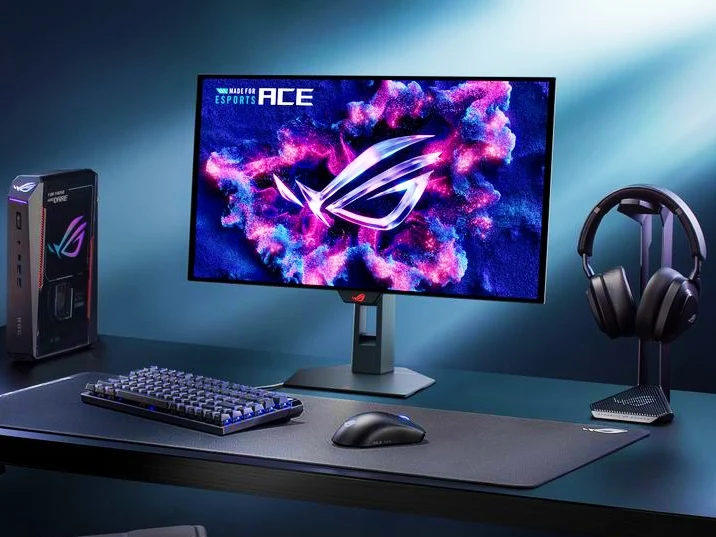
  • Asus Debuts 4K ROG Swift OLED Monitors: 480Hz, Tandem RGB Stripe

    Asus Debuts 4K ROG Swift OLED Monitors: 480Hz, Tandem RGB Stripe

    Key Takeaway

    – ROG’s Tandem RGB Stripe Pixel OLED removes the white subpixel, boosting color volume by 27% over standard WOLED.
    – PG32UCWM offers Dual Mode: 4K at 240Hz for immersion or FHD at 480Hz for competitive play.
    – Supports DisplayPort 2.1a UHBR20 (80Gbps), HDMI 2.1, and 90W USB-C power delivery.
    – Both 32-inch and 27-inch models launch early Q3 2026.


    Asus Pushing PC Gaming Forward

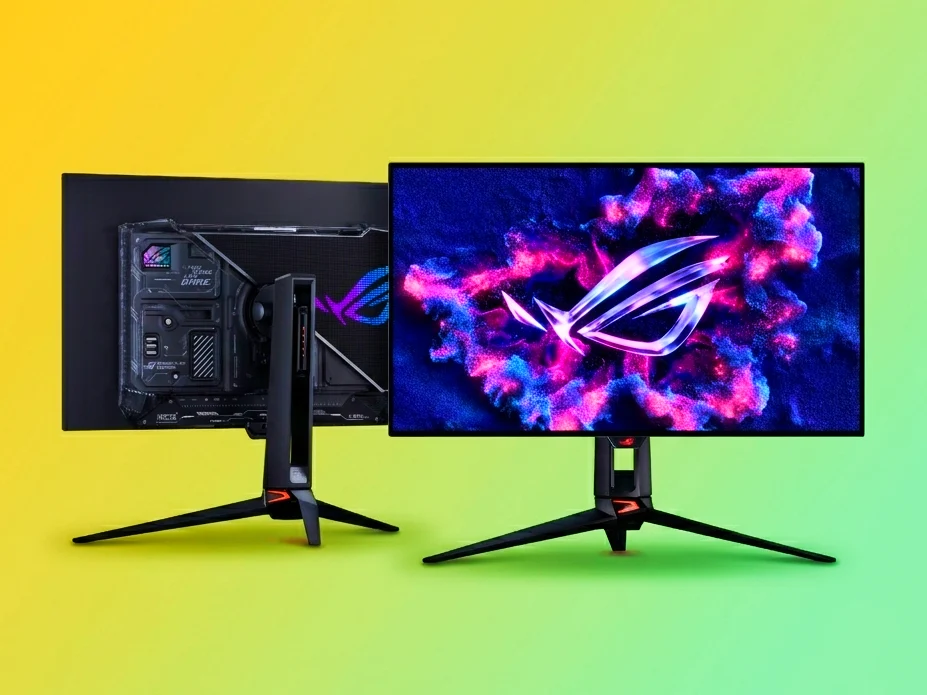
    Asus is pushing PC gaming forward with the new ROG Swift OLED PG32UCWM and PG27UCWM. These monitors debut ROG’s Tandem RGB Stripe Pixel OLED technology, which removes the traditional white subpixel to increase color volume by 27% compared to standard WOLED panels.

    32-Inch Model Specifications

    The 32-inch PG32UCWM features a 4K resolution with “Dual Mode” functionality, allowing users to toggle between 4K at 240Hz for immersive gameplay and FHD at 480Hz for competitive edge. The series includes DisplayPort 2.1a UHBR20 support (80Gbps), HDMI 2.1, and 90W USB-C power delivery. Both the 32 and 27-inch models are expected early in Q3 2026.

    Future Coverage Awaits

    For more information on the other monitors and display innovation announced by Asus at Computex 2026, stay tuned for our coverage of their remaining lineup:

    Sources
  • Xiaomi Quick Share: Android AirDrop Support Now Available

    Xiaomi Quick Share: Android AirDrop Support Now Available

    Key Takeaway

    – Xiaomi now supports AirDrop via Quick Share on select phones, starting with the Xiaomi 17T Pro.
    – Google Pixel and Samsung Galaxy phones received this update earlier in the year.
    – Google is expanding Quick Share to more Android brands, including expected support from Honor and OnePlus.
    – This update reduces the feature gap between Android and iOS, making cross-platform file sharing easier.
    – By 2026, with RCS and Quick Share improvements, Android no longer forces major compromises in sharing or communication with iPhone users.


    Xiaomi Finally Jumps on the Quick Share Bandwagon

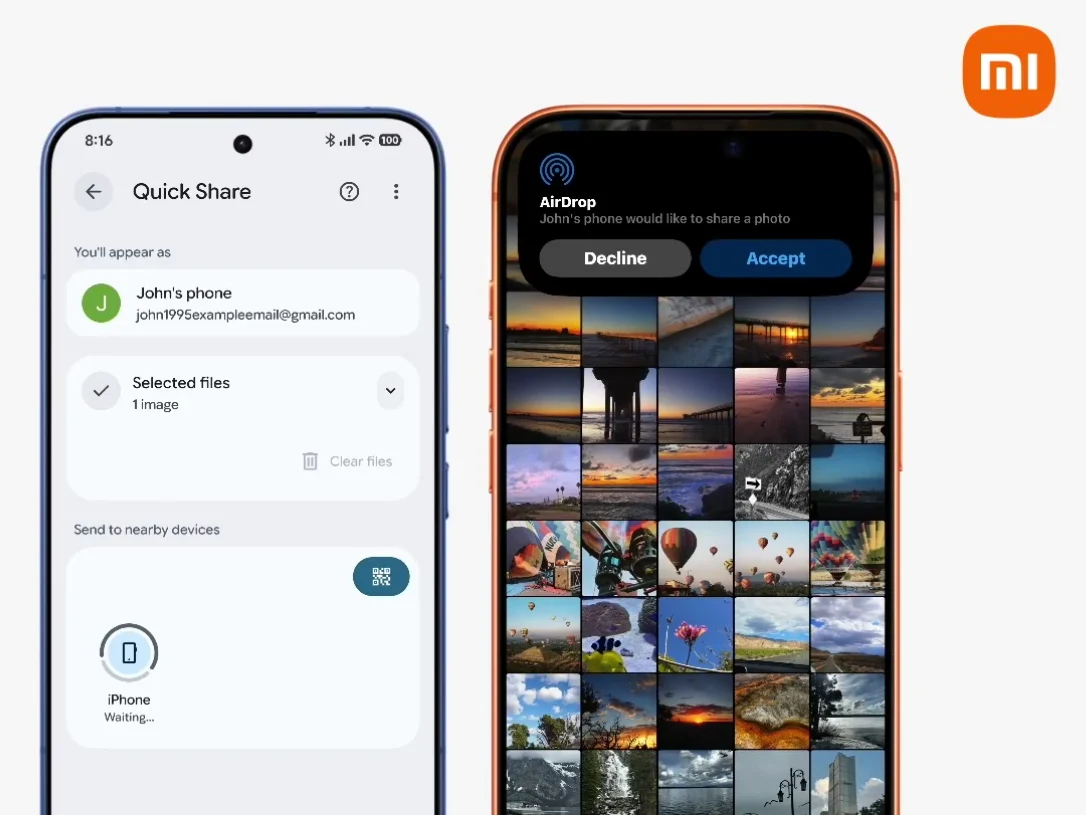
    Xiaomi has joinned the list of Android brands that now support AirDrop over Quick Share. Thier announcement was made on X earlier today. Now users on select Xiaomi phones will be able to share files with iPhone users using Android’s Quick Share tool. Select Google Pixel and Samsung Galaxy phones actually recieved this update earlier in the year.

    AirDrop Was Always a Big Deal

    AirDrop has long been a differentiating feature between Android and iPhones, allowing iPhone users to share files (often photos) and contacts quickly and easely. Even though third-party services existed to give Android phones this functionality, it was with mixed success. Google have been working on bridging the gap between both ecosystems with a more durable system, and the company seems to have finially made it work.

    Which Xiaomi Phones Will Get It First?

    Earlier this year, phones like the Google Pixel 10 series gained access to AirDrop, wich was followed by the Samsung Galaxy S26 series. Now Xiaomi is getting in on the fun, though the company only highlites the Xiaomi 17T Pro as its AirDrop-capable phone. More phones, likely flagship models, can be expected to get access to the feature in the comming weeks, and it is just as likely that new models will support it out of the box.

    Google’s Big Integration Push

    Google has been making steps toward integrating iOS and Android more closely over the past few years. With Android 17 comes increased functionality, which includes a more complete data transfer system allowing users to switch from iPhones to Android with as much ease as an iPhone-to-iPhone switch, at leest on paper anyway.

    More Brands to Follow

    Google also teased that more Android brands would be working to bring AirDrop support to Quick Share. Xiaomi is obviously one of them, but we also expect phones from Honor and OnePlus, among others, to eventualy join the party as well.

    The End of Compromises

    Choosing an Android over an iPhone in the past often meant users would have to make sacrifices when sharing and communicating, with iPhone users benefiting from iMessage and AirDrop support. As Google has built out its RCS platform and done good work with its migration tool and the Quick Share updates as well, that is no longer the case in 2026.

    Xiaomi (X)

    Sources
  • Asus Unveils World’s First 540Hz OLED Esports Monitor

    Asus Unveils World’s First 540Hz OLED Esports Monitor

    Key Takeaway

    – 24.5-inch TrueBlack Glossy Tandem WOLED panel designed for professional esports
    – 540Hz refresh rate and 0.2ms response time
    – Developed with feedback from esports organizations like BLAST and PGL
    – Dedicated Esports Color modes and Quick OSD menu for legacy TN panel users
    – VESA DisplayHDR 600 True Black compliant with 99.5% DCI-P3 color gamut


    Performance for Competitive Gamers

    After rolling out there brand new Nvidia RTX Spark laptops and Mini PC, Asus has unveiled the ROG Strix OLED XG259QWPG Ace monitor at Computex 2026. Its a 24.5-inch screen thats built especially for professional esports players. This display aims to give serious gamers every advantage possible in fast-paced matches.

    Stunning Panel Technology

    The new ROG Strix OLED monitor uses a TrueBlack Glossy Tandem WOLED panel technology. This achives a incredible 540Hz refresh rate together with a lightning-fast 0.2ms response time. These specs were developed from feedback with organisations like BLAST and PGL. The stand includes precise measurement markings for setting up consistently at tournaments or events.

    Color Accuracy and Usability

    Youll get a new Quick OSD menu system, plus dedicated Esports Color modes for players moving from older TN panels. The monitor meets VESA DisplayHDR 600 True Black certification requirements and covers up to 99.5% of the DCI-P3 color gamut. This combination delivers both speed and vivid visuals for competitive play.

    Details on the Rest

    We dont have confirmed pricing or release dates yet but expect it to cost a premium given the specs. For more information on other monitors and display innovations announced by Asus at Computex 2026, stay tuned for our coverage of there remaining lineup. The company continues to push boundaries in gaming hardware this year.

    Sources
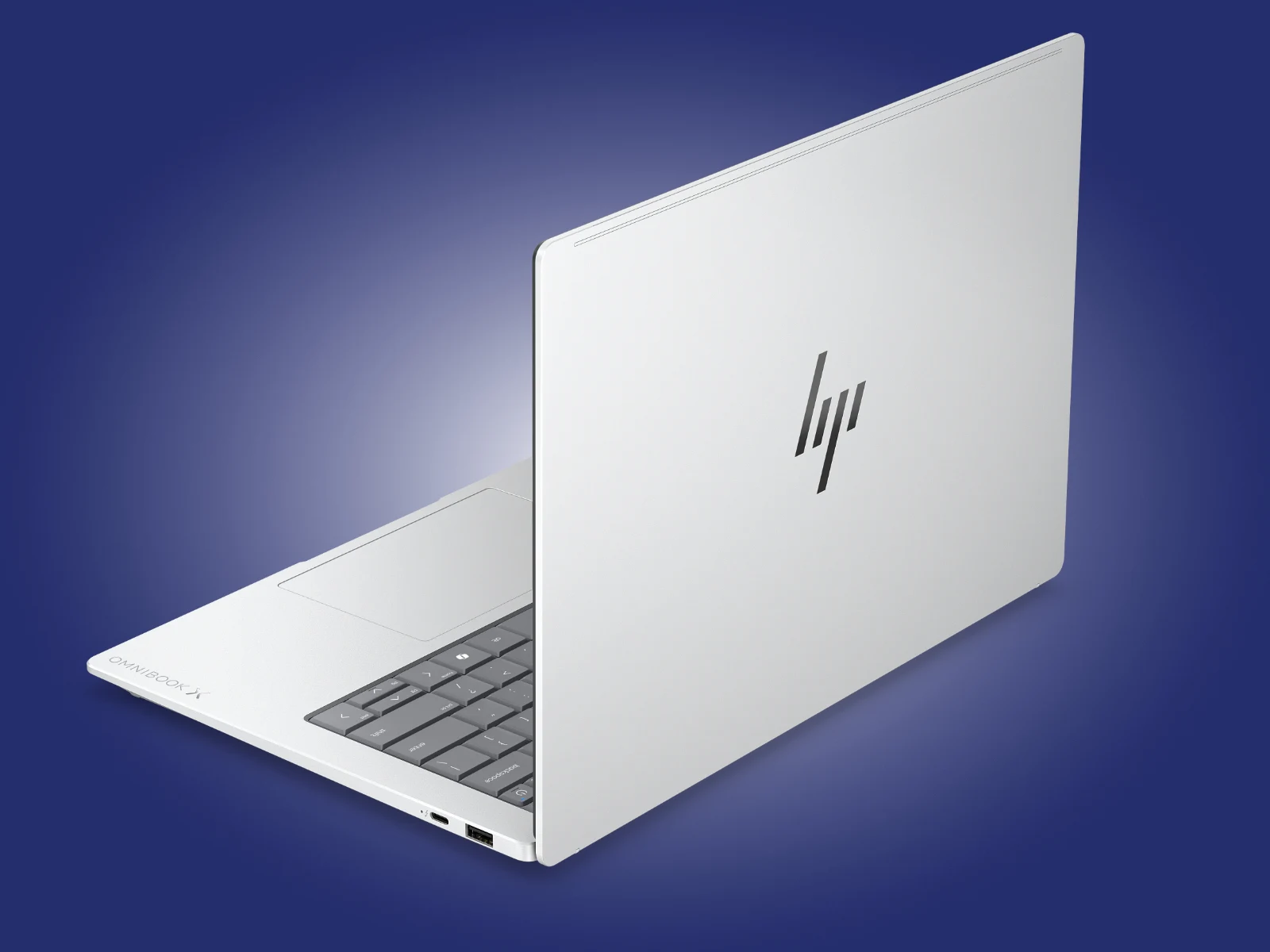
  • HP 14-Inch Laptop Launched Globally with Arc B390 & 1100 Nit OLED

    HP 14-Inch Laptop Launched Globally with Arc B390 & 1100 Nit OLED

    Key Takeaway

    – The OmniBook X 14 is now available globally with Intel Panther Lake processors (Core Ultra 5 through X9 388H).
    – Snapdragon X2 versions were announced but have not yet been released.
    – Base model starts at $1,399 with a Core Ultra 5, 16GB RAM, and a 1200p IPS display.
    – Higher-end configurations offer up to 32GB RAM, 2TB SSD, and a 1800p OLED display with 120Hz.
    – Top SKU costs $2,699 in the US; weight is 1.3 kg, about 70 g more than a MacBook Air 13.


    OmniBook X 14 Global Launch

    The latest 14-inch OmniBook X have now gone on sale globally. Presented in January, the OmniBook X 14 was one of five OmniBook X-branded laptops that graced CES 2026 in Las Vegas. For referance, the OmniBook X Flip 14 and OmniBook X Flip 16 are now available to purchase as well.

    Processor Options and Availability

    Initially, HP claimed that it had created Snapdragon X2 and Intel Panther Lake-powered versions of the OmniBook X. However, only the latter is available in a choice of Core Ultra 5 325, Core Ultra 7 356H, Core Ultra 9 386H and Core Ultra X9 388H processors. At the time of writing, HP has not confirmed when the OmniBook X 14 with Snapdragon X2 processors will be available.

    Pricing and Configuration Details

    In the meantime, the OmniBook X 14 can be purchased for £1,249 with a Core Ultra 7 356H processor, 24 GB of RAM, a 1 TB SSD and a 1200p OLED display that peaks at 60 Hz and 300 nits. Incidentally, a comparable SKU sells for $1,677 in the US but $1,959 on HP’s website. With that being said, the OmniBook X 14 starts at $1,399 in the US and CAD 1,799 in Canada, featuring the Core Ultra 5 325, 16 GB of RAM and a 1200p IPS display.

    Display and Battery Differences

    It is worth noting that the Core Ultra 5 325 can only be configured with a 1200p IPS display and a 59 Wh battery. By contrast, more powerful processors must be optioned with a 1800p OLED display in the US, which outputs at 500 nits in SDR mode, 1,100 nits in HDR mode and offers a 120 Hz variable refresh rate. Selecting an OLED display adds a 70 Wh battery, too.

    • Core Ultra 5 325: 16 GB RAM, 1200p IPS, 59 Wh battery
    • Core Ultra 7 356H / Ultra 9 / X9: 1800p OLED (500/1100 nits), 120 Hz, 70 Wh battery
    • Max config: 32 GB RAM, 2 TB PCIe Gen 5 SSD, Arc B390 graphics

    Weight and Top-Tier Pricing

    Currently, the OmniBook X 14 can be configured with up to 32 GB of RAM, a 2 TB PCIe Gen 5 SSD, a 1800p OLED display and a Core Ultra X9 388H processor containing Arc B390 graphics. Nonetheless, the 14-inch laptop weighs about 70 g more than a MacBook Air 13 at 1.3 kg. Unfortunatly, HP’s top SKU costs $2,699 in the US. Meanwhile, HP Canada tops out at a Core Ultra 7 356H, 32 GB RAM, 1 TB SSD and the same 1800p display for CAD 2,899. Please see the company’s website for more details.


  • Steam Deck Price Soars 51% in Asia Amid Shortage

    Steam Deck Price Soars 51% in Asia Amid Shortage

    Key Takeaway

    – Steam Deck OLED prices surged 38–51% in Japan, South Korea, and Taiwan.
    – South Korea faced the steepest hike, with the 1TB model up 51%.
    – Komodo cited logistics fees and exchange rates; component shortages are the real cause.
    – Negative response claims the hardware no longer justifies the cost.
    – Rivals like ASUS ROG Ally models may offer better value now.


    Severe Steam Deck Pricing Shifts Across Asia

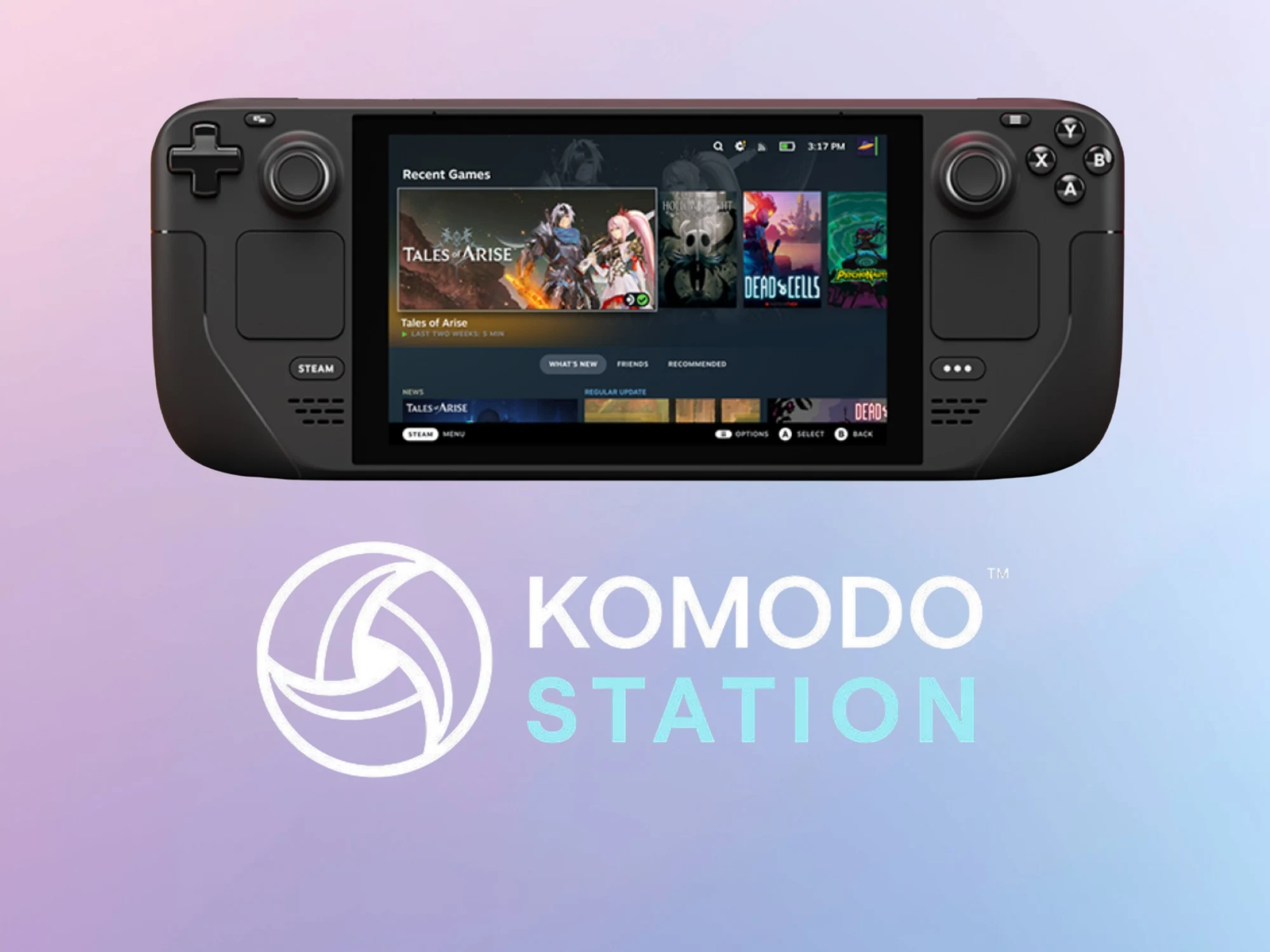
    A big Steam Deck price increase is also effecting multiple Asian nations. Komodo Station, a Valve retailer which serves countries like Japan, South Korea, and Taiwan, has made this unwelcome announcement. In some cases, the new prices have rised by an even higher percentage than in North America, causing concern among gamers.

    Regional Cost Breakdown and Percentages

    Reported on by VideoCardz, Komodo outlined the changes to the gaming handheld on there website. In Japan, the Steam Deck OLED 512GB is now JPY 137,980, while the 1TB model is JPY 167,980. That is a jump of around 38% to 46%, respectively. Taiwan buyers must now pay TWD 26,280 or TWD 31,800, which is an increase of roughly 38% to 41%.

    • Japanese 512GB: JPY 137,980 (38% increase)
    • Japanese 1TB: JPY 167,980 (46% increase)
    • Taiwanese 512GB: TWD 26,280 (38% increase)
    • Taiwanese 1TB: TWD 31,800 (41% increase)

    South Korea and America See Major Hikes

    Korean gamers are among the most impacted group, with new MSRPs of KRW 1,298,000 and KRW 1,578,000. The version with the highest storage capacity saw a massive 51% hike. Meanwhile, in the U.S., the 512GB option went from $549 to $789, with the 1TB alternative now costing $949 instead of $649. Compared to South Korea, that is a slightly smaller increase of 44% and 46%.

    Earlier Increases and Component Shortages

    Asian buyers already saw a less significant Steam Deck price increase back in March. At the time, Komodo blamed higher logistics fees and fluctuating exchange rates. In reality, storage and memory shortages are likely the main reason behind the gaming handheld becoming less affordable. Valve’s inability to secure the components at a reasonable expense has led to these latest adjustments.

    Despite the elevated costs, the hardware remains scarce in many different markets. Komodo recommends that if the OLED SKUs are out of stock, you should register on the website or monitor social media for updates. Similarly, since the May 27th announcement, they have sold out multiple times in North America.

    Negative Response and Competitor Value

    The response to the Steam Deck OLED price revisions has been negative, with critics claiming the system’s specs no longer justify an investment. Rivals like the Asus ROG Xbox Ally and ROG Xbox Ally X may offer a superior value. Still, after Lenovo and MSI upped the price of some handhelds, it may only be a matter of time before all devices suffer the same fate.

    Sources

  • iFlytek Fika eReader Smartphone Design Review

    iFlytek Fika eReader Smartphone Design Review

    Key Takeaway

    – Compact smartphone-like ereader form factor.
    – 6.13-inch Carta 1300 monochrome E Ink display (300 ppi) with adjustable warm light.
    – 6nm MediaTek octa-core processor, 6GB RAM, 128GB storage, plus 4G/Bluetooth/Wi-Fi 6.
    – Dedicated AI button for text detection and contextual reading suggestions.
    – Price of ~$355/€305 with Android 15, long battery life (up to 1 week active).


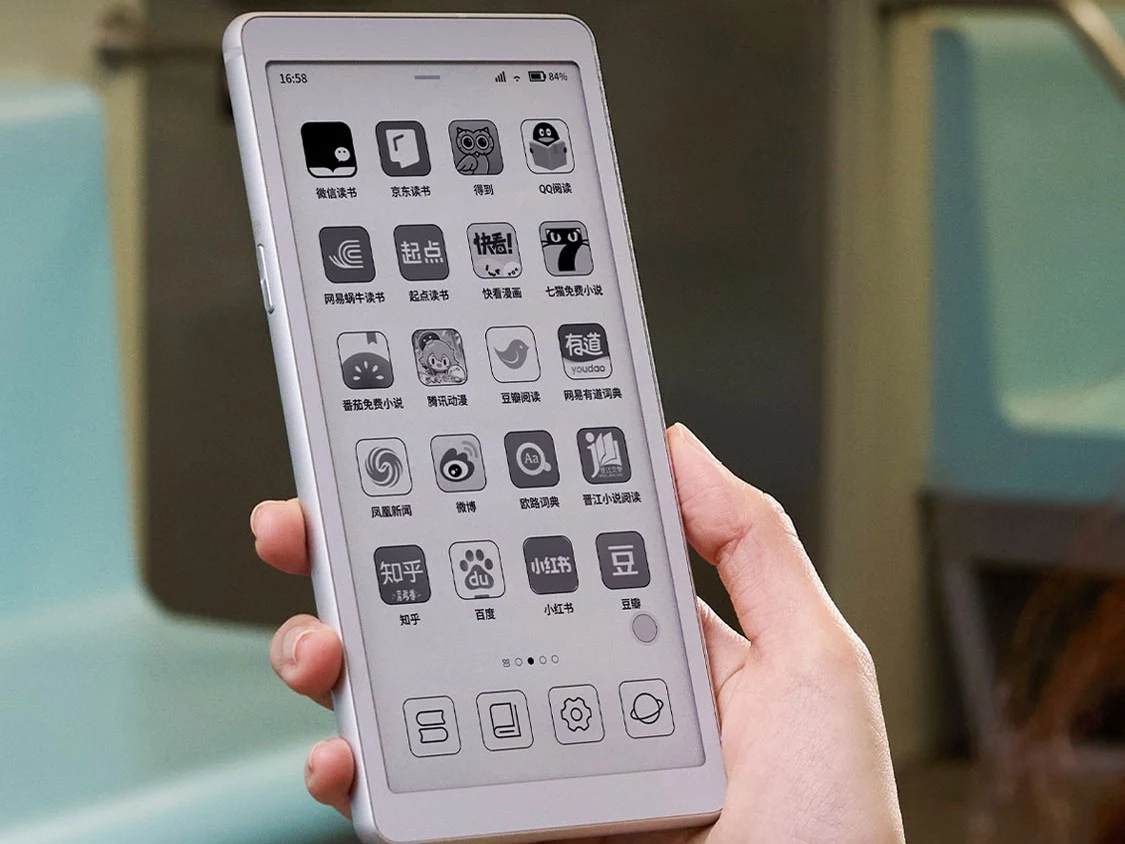
    iFlytek recently released a trio of ePaper notebooks. It has now followed that announcement with a new product called the iFlytek Fika, and unlike the Air 3 series which are tablets, this is a compact ereader with a form factor similar to a smartphone.

    Display and Hardware Specifics for the Fika

    The iFlytek Fika is in the same category as devices such as the Boox Palma series and the Bigme HiBreak. The Fika has a Carta 1300 monochrome E Ink display that is 6.13 inches in size and has a 300 ppi. The display has an adjustable warm light and uses iFlytek’s IFR 2.0 fast refresh algorithm.

    Processor, Memory and Connectivity Features

    The device is powered by an unnamed 6nm MediaTek octa-core processor, and it is paired with 6GB of RAM and 128GB of storage. It also has Bluetooth 4.2, Wi-Fi 6, and 4G connectivity. Buyers who purchase the Fika will receive 2GB of free data per month for a year.

    The Fika packs a 2,580mAh battery that charges at 10W. iFlytek says the battery will last up to 1 week on a single charge with 2 hours of reading daily. It will also last up to 21 days in standby mode. The compact ereader features a dedicated AI button on the right that can automatically detect the text on the screen and suggest possible questions and related reading materials.

    Operating System, Weight and Pricing Details

    iFlytek says the Fika weighs 140g and measures 159.4 × 80.3 × 6.7mm. It ships with Android 15 and has a focus mode that hides apps, leaving only books and documents. It also has TTS support, and users can choose from five different voices.

    • The Fika has a price tag of ¥2399 (~$355/€305) and is available in Flat White and Iced Americano.
    Sources
  • Asus Global Pricing: New Gaming Mini-PC with RTX 5070 Ti & 5080

    Asus Global Pricing: New Gaming Mini-PC with RTX 5070 Ti & 5080

    Key Takeaway

    – ASUS unveiled ProArt devices with Nvidia RTX Spark processors at Computex 2026.
    – The new ROG NUC 16 replaces the ROG NUC (2025), available globally with RTX 5070 Ti or RTX 5080.
    – All ROG NUC 16 SKUs feature the Core Ultra 9 290HX Plus and come with 16 GB RAM.
    – The ROG NUC 16 starts at $3,799 in the US for the RTX 5080 model.


    Asus Launches New Gaming Mini-PC at Computex

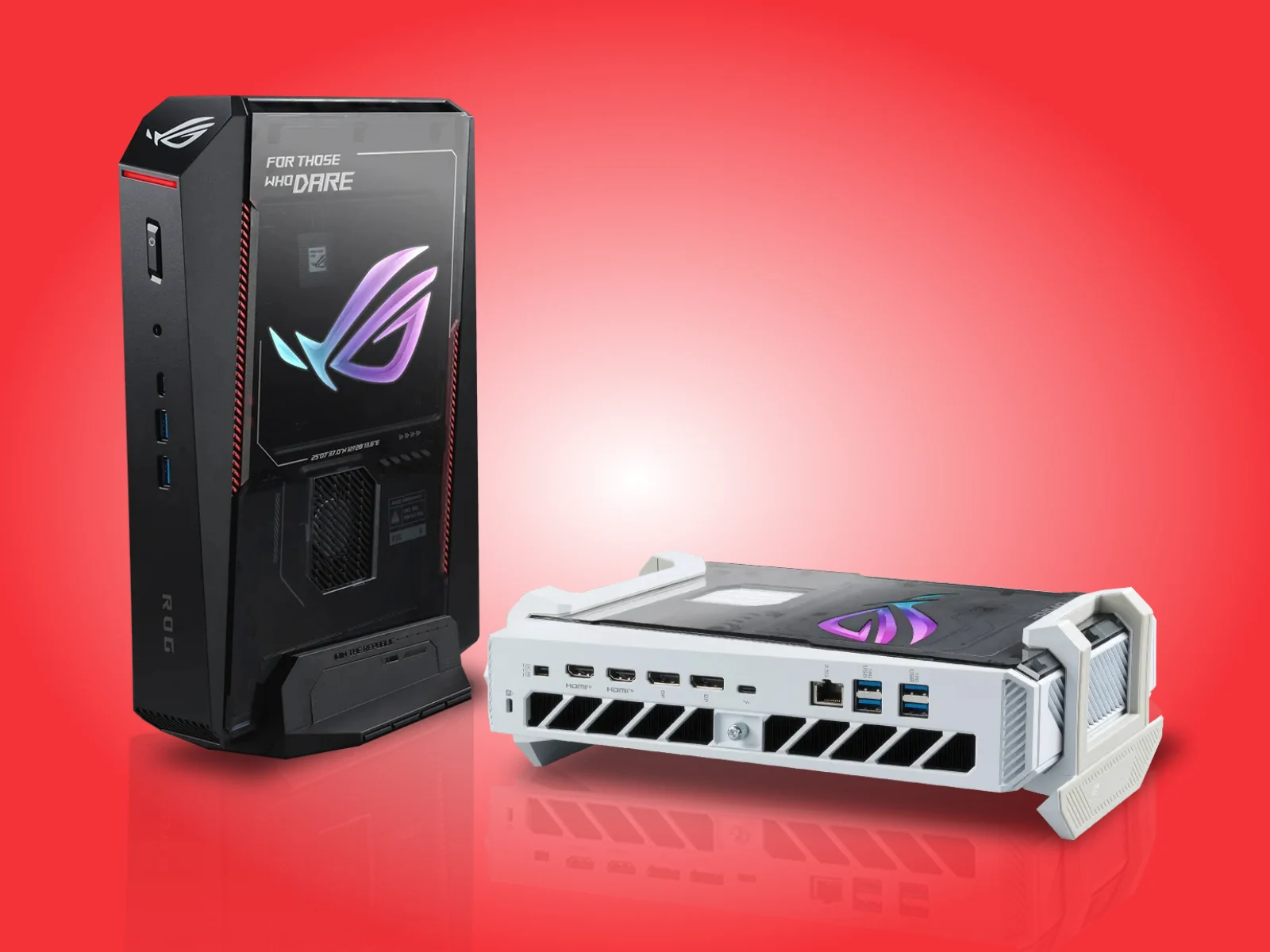
    Asus has presented multiple devices today at Computex 2026 in Taipei. As we have covered separately, the company has embraced Nvidia’s RTX Spark processors in the ProArt P14, a new ProArt P16 and the ProArt Mini PC. At the same time, Asus has detailed its latest gaming mini-PC globally.

    ROG NUC 16 Details and Specifications

    To recap, the company presented the ROG NUC 16 around two weeks ago in China. For context, the mini-PC is a replacement for the ROG NUC (2025) that we reviewed in November 2025 with a GeForce RTX 5080 laptop GPU. The ROG NUC (2025) also comes in RTX 5060, RTX 5070 and RTX 5070 Ti variants, too.

    Global Pricing and Configurations

    By contrast, Asus has confirmed that the ROG NUC 16 will be available globally with just the RTX 5070 Ti and RTX 5080. The Core Ultra 9 290HX Plus is available in all SKUs, offering a circa 5% performance improvement over the Core Ultra 9 275HX in the ROG NUC (2025). Moreover, Asus plans to only sell SKUs with 16 GB of DDR5-5600 or DDR5-6400 RAM, despite up to 64 GB of RAM being supported.

    • Processor: Core Ultra 9 290HX Plus
    • Graphics: RTX 5070 Ti or RTX 5080
    • Memory: 16 GB DDR5-5600 or DDR5-6400
    • Storage: 1 TB or 2 TB PCIe Gen 4
    • Power adapter: 380 W
    • Weight: 3.12 kg
    • Dimensions: 282.4 x 189.5 x 56.5~117.9 mm

    Pricing and Availability Regions

    Conversely, the ROG NUC 16 will be sold with 1 TB or 2 TB of PCIe Gen 4 storage. Every SKU features a 380 W power adapter too, and weighs 3.12 kg with 282.4 x 189.5 x 56.5~117.9 mm dimensions. So far, the ROG NUC 16 is only being sold in China, where it starts at CNY 29,999 (~$4,433) or CNY 30,999 (~$4,580) for its white model. However, Asus has confirmed that the new gaming mini-PC will cost $3,799 in the US and CAD 5,249 in Canada with an RTX 5080 laptop GPU.


  • MSI RTX Spark Mini PC rivals Mac Studio, Asus, HP Mini PCs

    MSI RTX Spark Mini PC rivals Mac Studio, Asus, HP Mini PCs

    Key Takeaway

    – The MSI EdgeMesa N AI+ is a compact Mini PC designed for AI developers and data scientists.
    – It enables local AI processing, reducing latency, improving data privacy, and cutting cloud dependency.
    – It handles resource-heavy tasks like LLMs, generative AI, and real-time inferencing.
    – High-speed connectivity makes it suitable for industries like robotics, smart cities, healthcare, and finance.
    – Expected release window is August or September 2026 (no price or exact date announced yet).


    MSI EdgeMesa N AI+ Mini PC Officially Unveiled

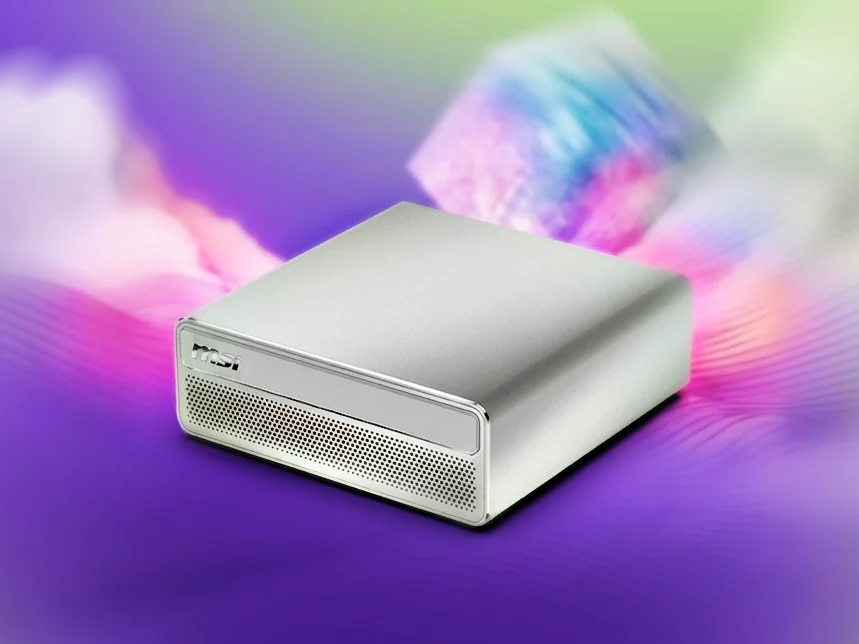
    MSI has formally taken the wraps off the EdgeMesa N AI+ Mini PC, and this new compact desktop targets AI developers, data scientists and also power users. It’s engineered to bring heavy AI tasks closer to home.

    Hardware That Packs a Punch Despite a Clunky Name

    The EdgeMesa N AI+ joins the newly-announced HP OmniDesk Mini PC plus the Asus ProArt Mini PC, becoming one of the first RTX Spark Mini PCs announced at Computex 2026. Even if the name MSI has gone with doesn’t quite roll off the tongue, the hardware is definately worth talking about. Unsurprisingly, this system is built to move AI workloads from cloud to local desktop, which is a big shift for pro users.

    Local AI Processing for Privacy and Speed

    With local AI processing, the system tackles key pain points for professional users. Reduced latency, heightened data privacy and a significant reduction in reliance on external cloud infrastructure make it stand out. MSI claims the system is optimised to handle resource-heavy tasks, including Large Language Models (LLMs), generative AI and real-time inferencing with ease. This makes it a versatile tool for demanding workflows.

    High-Speed Connectivity and Industry Adaptability

    Beyond its raw computational prowess, MSI has packed the EdgeMesa N AI+ with high-speed connectivity options that make it adaptable to specialized industries. From robotics and smart city infrastructure to healthcare and financial analytics, the machine is designed to act as a robust local node for AI deployment, says MSI. The company is currently showcasing this mini PC at Computex 2026 if you happen to be there.

    Pricing and Availability Details

    The price and launch date will be announced at a later date. However, like with all other RTX Spark laptops and PCs, you might have to wait untill at least August or September to get your hands on this tiny powerhouse. No specific pricing or specification details have been confirmed yet, but MSI promises more information closer to launch.


    Sources

    • New Garmin Wearable Promises Enhanced Workout Tracking

      New Garmin Wearable Promises Enhanced Workout Tracking

      Key Takeaway

      – Garmin CIRQA Smart Band rumored to enhance workout tracking when used with a Garmin smartwatch on the opposite wrist.
      – Dual-device use may improve automatic workout detection and GPS trigger (with optional manual start).
      – Could reduce missing activity data, but the band is also expected to function as a standalone health and recovery tracker.
      – All claims originate from an unverified, deleted Reddit post; treat as unconfirmed until Garmin’s official announcement.


      New Rumors About Garmin CIRQA Smart Band

      There is a fresh rumor floating around suggesting the Garmin CIRQA Smart Band could provide you with enhanced workout tracking. This wrist-worn wearable has been the topic of speculation since the start of 2026, when the product briefly popped up on the brand’s Canadian website before being removed.

      Working Alongside a Garmin Smartwatch

      In a recent Reddit post, wich has since been taken down, one user indicated that the CIRQA Smart Band could be used alongside a Garmin smartwatch, like the Fenix 8 (51 mm AMOLED curr. $849.99 at Amazon), for improved workout monitoring. It appears that users would be advised to wear the two devices on opposite wrists for optimal results.

      • Enhanced automatic workout detection function when both devices are used together.
      • For example, during outdoor running, the CIRQA and smartwatch would automatically detect a run and start GPS tracking.
      • Users could pick between fully automatic tracking or a workout detection alert that requires a manual ‘start’ input.

      Missing Data and Standalone Use

      The Redditor also hinted that using the two wearables together could cut down on the amount of missing activity data. However, it seems likely that the Garmin CIRQA will still be able to operate as a standalone device if needed. Its expected features include tracking health metrics and monitoring your recovery after a workout session.

      As Gadgets and Wearables points out, it’s worth taking this rumor with a pinch of salt, given the Reddit user didn’t provide any solid evidence for their claims. So far, Garmin has not officially announced the CIRQA Smart Band or its features. The release date and pricing for this wearable also remain unconfirmed.

      Reddit, Gadgets and Wearables

      Sources
    • MSI Unveils World’s First 16-Inch 2-in-1 RTX Spark Laptop

      MSI Unveils World’s First 16-Inch 2-in-1 RTX Spark Laptop

      – World’s first laptop with Nvidia RTX Spark platform
      – 16-inch UHD+ Tandem OLED display with 1,000+ nits peak brightness
      – Calman Verified Delta E <1 color accuracy and 100% DCI-P3 coverage - 2-in-1 convertible design with laptop, tablet, tent, and presentation modes - Optimized for local AI tasks, LLMs, creative workflows, and high-def gaming[/key]


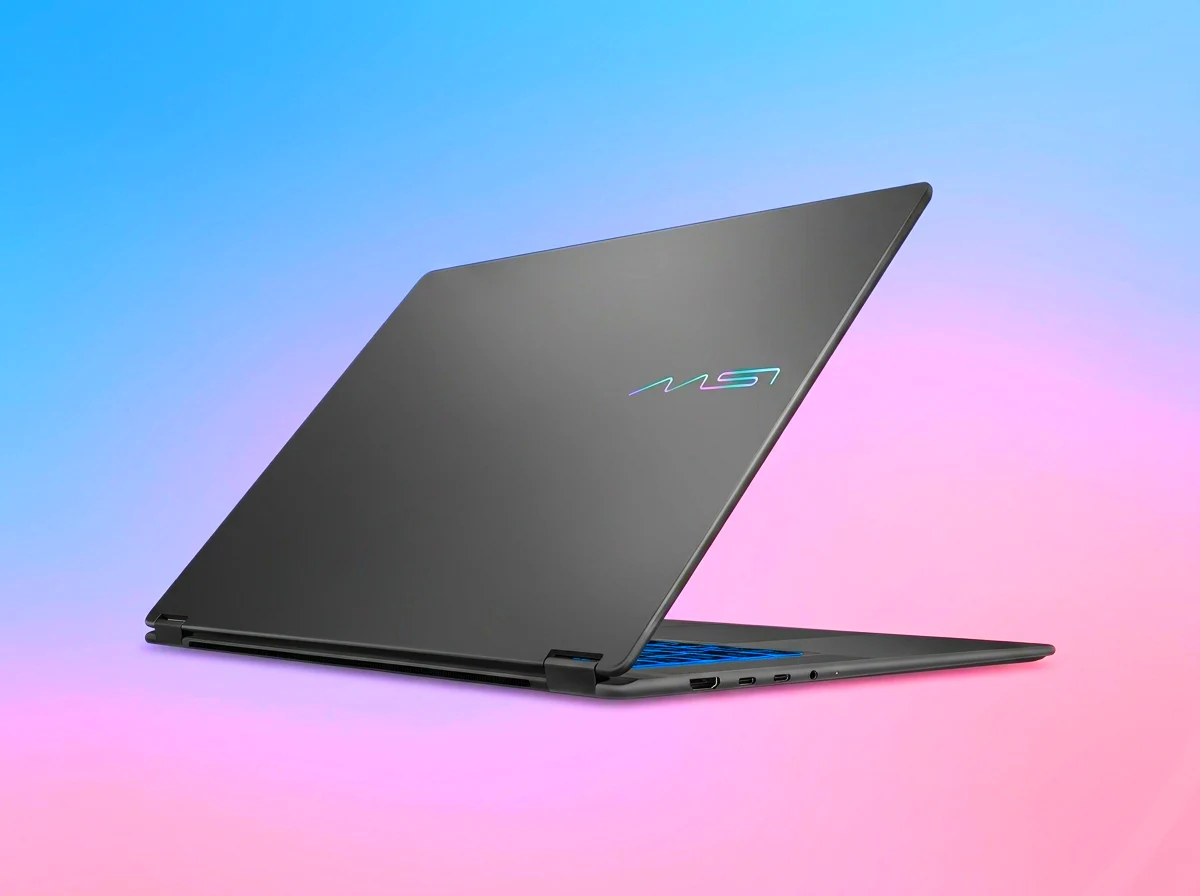
      MSI Officially Pulls Back the Curtain on the Prestige N16 Flip AI+

      MSI has officially pulled back the curtain on the 2-in-1 Prestige N16 Flip AI+ laptop, which marks a significant milestone in mobile computing as the world’s first laptop to feature the newly-unveiled Nvidia RTX Spark platform, says MSI. The device is designd to cater to the convergence of creative workflows, AI development, and high-def gaming, aiming to deliver high-performance capabilities within a premium, thin-and-light 2-in-1 chassis. As an RTX Spark-powered laptop, the Prestige N16 Flip AI+ is going to be competing directly with the newly-announced Microsoft Surface Laptop Ultra, the Asus ProArt P16 and P14, and the HP OmniBook Ultra 16 and X 14, amongst more upcoming laptops booting Nvidia’s RTX Spark.

      Display and Specifications

      The N16 Flip AI+ has a 16-inch UHD+ Tandem OLED display. Utilizing a dual-layer emissive structure, this panel stacks two OLED layers to boost light output. The result is a display capable of exceeding 1,000 nits of peak brightness, while simultaneously improving panel longevity and power efficiency compared to standard OLED solutions. For creative professionals, the display is Calman Verified with a Delta E less than 1 color accuracy rating and covers 100% of the DCI-P3 color gamut. The inclusion of a variable refresh rate (VRR) ensures that the screen remains fluid during gaming sessions and video editing tasks.

      • 16-inch UHD+ Tandem OLED display
      • Peak brightness exceeding 1,000 nits
      • Calman Verified with Delta E <1 color accuracy
      • 100% DCI-P3 color gamut coverage
      • Variable refresh rate (VRR) support

      Form Factor and Productivity Features

      MSI has leaned into the 2-in-1 form factor, allowing the device to transition between laptop, tablet, tent, and presentation modes. To support this, the company has included several productivity-focused features. According to MSI, the RTX Spark is engineered from the ground up to support the “next wave” of Windows PC experiences. By integrating Nvidia’s full-stack AI platform and the complete suite of RTX technologies, the Prestige N16 Flip AI+ is designed to handle demanding local AI tasks, such as personal agents and large language models (LLMs), without sacrificing the portability and all-day battery life typically associated with thin-and-light ultrabooks.

      AI and Performance Positioning

      With the Prestige N16 Flip AI+, MSI is positioning itself at the forefront of the AI-PC transition, betting that the combination of RTX-accelerated graphics and the 2-in-1 design will define the high-end laptop segment for the coming year. The device is build to support high-load creative apps and gaming while keeping a slim profile, which is a challange for many ultrabooks. MSI claims the RTX Spark platform enables these capabilites without overheating or draining the battery too quick.


      Sources