Author: GizNews

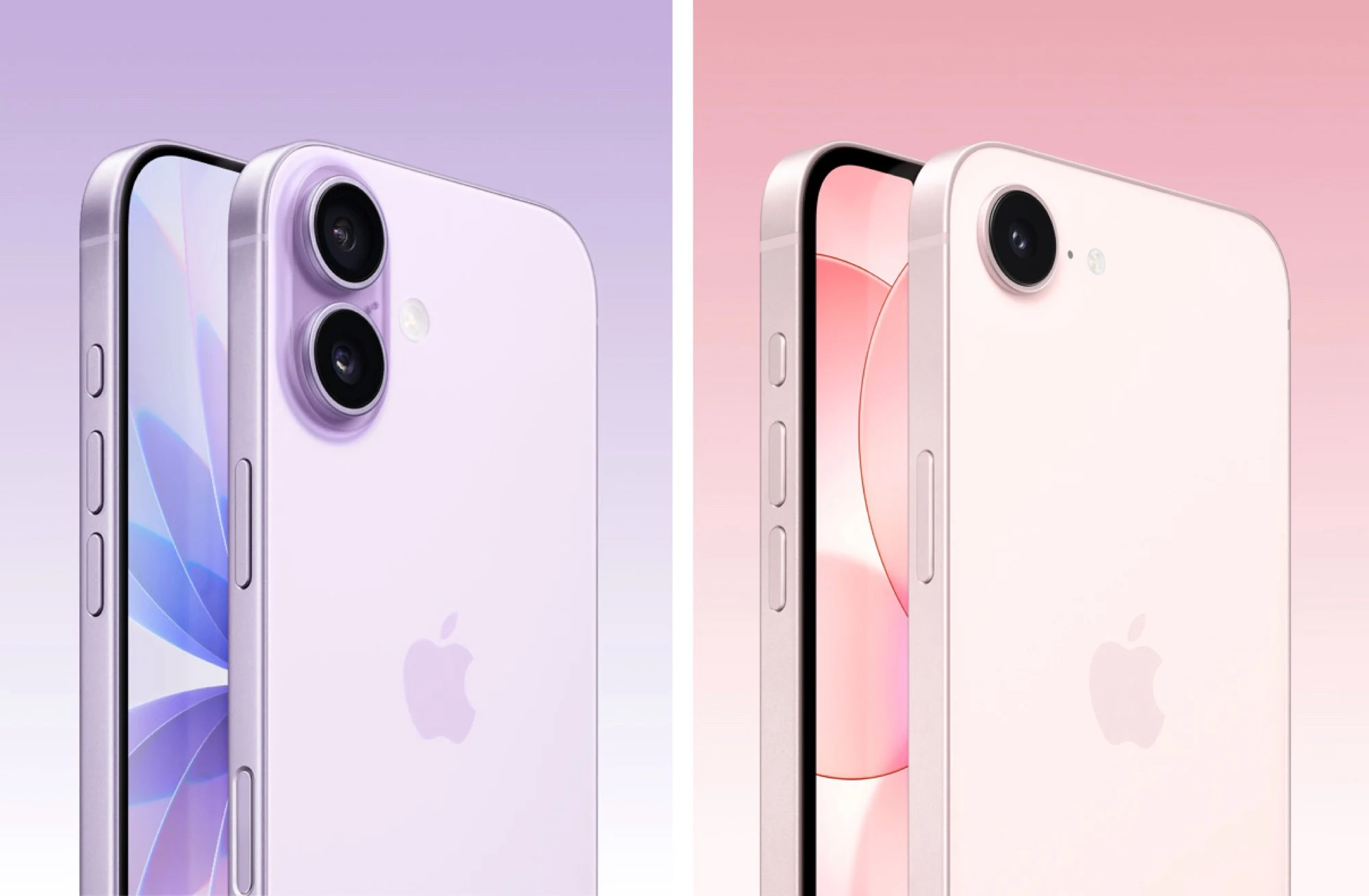
  • iPhone 17e Price Drops Due to Downgrades: 8 Benefits of iPhone 17

    iPhone 17e Price Drops Due to Downgrades: 8 Benefits of iPhone 17

    Key Takeaways

    1. Storage and Charging: The iPhone 17e offers 256 GB of storage and supports MagSafe and 15-watt wireless charging.

    2. Design Compromises: It features a more traditional design with wider bezels and lacks advanced tracking capabilities due to missing Thread and Ultra Wideband chip.

    3. Battery and Display Limitations: While the battery is slightly larger at 4,005 mAh, its battery life is 22% less than the iPhone 17, and the display is an older 6.1-inch OLED with only 800 nits brightness.

    4. Camera and Performance Cuts: The iPhone 17e has a 12 MP front camera (down from 18 MP) and lacks a 48 MP ultra-wide camera. It also has fewer GPU cores, potentially affecting gaming performance.

    5. Overall Value Concerns: With multiple trade-offs to maintain a lower price of $200, many consumers may feel the iPhone 17e does not provide adequate value compared to the iPhone 17.


    The Apple iPhone 17e has been officially revealed, and the company is marketing it with the tagline “All the must-haves. All on iPhone.” On paper, this new entry-level model does provide enhancements over its predecessor, as it now features 256 GB of storage compared to last year’s 128 GB. Additionally, the iPhone 17e includes MagSafe support and allows for wireless charging at a rate of up to 15 watts.

    Major Trade-Offs

    Despite these upgrades, the iPhone 17e compromises more than expected when compared to the iPhone 17. The more traditional look with wider bezels and a notch rather than a punch-hole is quite noticeable. However, the differences extend beyond design. To keep costs down, Apple has omitted the Thread and Ultra Wideband chip, which means users can no longer track an AirTag precisely.

    Battery and Display Issues

    The iPhone 17e boasts a 4,005 mAh battery, which is 8.5% bigger than the battery in the iPhone 17. Nevertheless, its claimed battery life is still 22% less. This could be due to the older screen technology, as Apple seems to have cut corners here. The 6.1-inch OLED display is nearly the same as that of the iPhone 13 from 2021 and shines at only 800 nits, making it hard to see in bright sunlight. In contrast, the iPhone 17’s display can reach up to 3,000 nits, making it significantly brighter.

    Frame Rate and Features Lacking

    Furthermore, the frame rate of just 60 Hz feels outdated. Since it cannot adjust dynamically based on the content, this panel consumes more energy. Also, the iPhone 17e lacks an always-on display feature, which is a key convenience that the iPhone 17 offers.

    Camera Differences

    In terms of photography, the iPhone 17e substitutes the innovative 18 MP selfie camera of the iPhone 17 with a less advanced 12 MP front camera, and it completely removes the 48 MP ultra-wide camera. While the 48 MP f/1.6 main camera remains similar to that of the iPhone 17, the lack of in-body image stabilization could impact photo quality in low-light situations.

    The touch-sensitive camera shutter button has also been done away with. Even the Apple A19 chip has some differences, featuring only four GPU cores in the iPhone 17e compared to five in the iPhone 17, potentially leading to a gaming performance drop of up to 20%. With all these compromises to reach a lower starting price of $200, many customers may find the model does not represent a “good deal.”

    Final Considerations

    The differences concerning the display and camera performance are especially pronounced in real-life use. Beyond the outdated design, consumers should carefully consider the variations between the iPhone 17 and the iPhone 17e across these seven important aspects before making a purchase decision.

    Source:
    Link


  • Reddit User Scores $10,000 DDR5 RAM from $100 Amazon Return

    Reddit User Scores $10,000 DDR5 RAM from $100 Amazon Return

    Key Takeaways

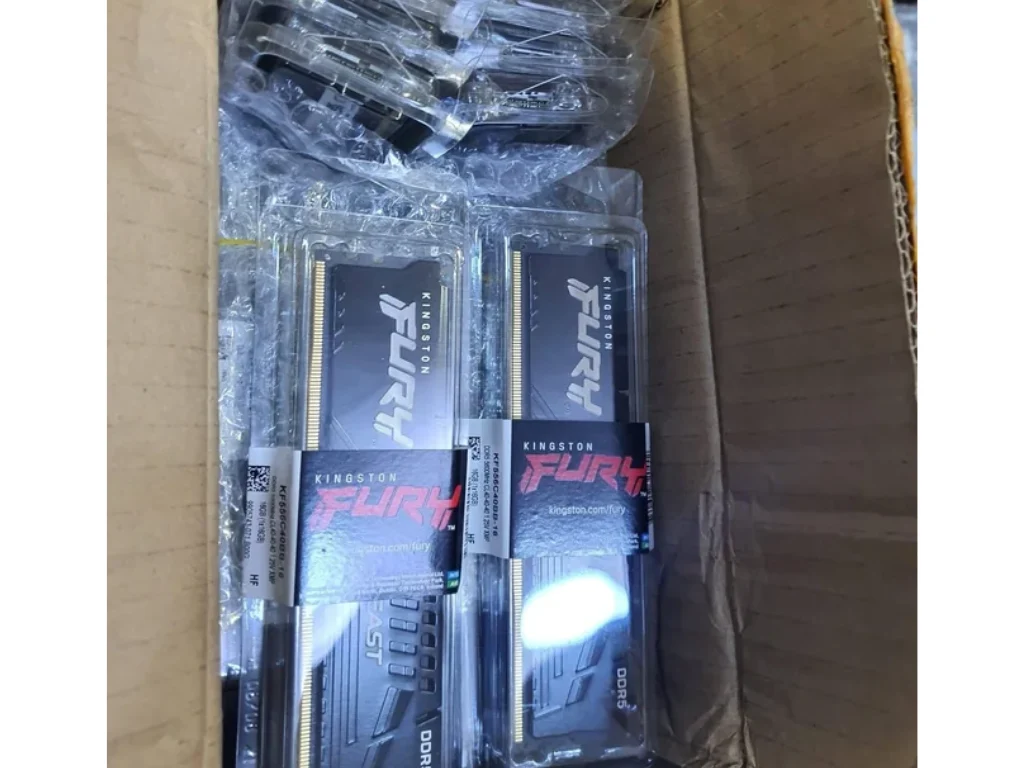
    1. A Reddit user bought Amazon return pallets for $100 and found 40 sticks of valuable 16GB Kingston Fury Beast DDR5 RAM worth around $8,000.
    2. Amazon return pallets contain mixed items, often customer returns or overstock, sold in bulk, creating a gamble for buyers.
    3. The RAM modules discovered operate at 5600 MT/s, highlighting the rising prices of RAM due to inflation and supply shortages.
    4. While the find was impressive, there’s a risk of receiving low-value or counterfeit items in return pallets.
    5. The story inspired others on Reddit to explore purchasing their own return pallets for potential valuable discoveries.


    A user on Reddit has seemingly struck it rich by opening a stash of random Amazon returns. The individual spent only $100 on Amazon return pallets and discovered 40 sticks of 16GB Kingston Fury Beast DDR5 RAM modules operating at 5600 MT/s, which amounts to an impressive value of around $8,000.

    Amazing Discovery Shared

    The Redditor, known as u/Apprehensive-Dig2898, shared their remarkable experience on the r/pcmasterrace subreddit, illustrating their fantastic find with pictures of a box filled with Kingston DDR5 RAM sticks and claimed they “hit the jackpot with Amazon return pallets.”

    For those who aren’t familiar, Amazon return pallets are essentially mystery boxes sold in bulk, often filled with customer returns or items that are overstocked. Buyers purchase these pallets by weight or as a lot, hoping to discover something valuable.

    A Smart Investment

    The Reddit user purchased 25 kilograms at a price of $4 per kilo, which totals around $100. When the package finally showed up, it wasn’t filled with trash. Instead, they came across an incredible find.

    Upon unboxing, they revealed a collection of sealed 16GB Kingston Fury Beast DDR5 RAM modules operating at 5600 MT/s—an amazing stash of hardware given the current rise in RAM prices due to inflation and supply shortages.

    Current Market Value

    To give some context, each 16GB Kingston Fury DDR5 RAM module is currently listed on Amazon for $209 (5200 MT/s) or at Best Buy for $251 (5600 MT/s). Doing the math, the value of this $100 return pallet is estimated to be around $8,000 to $10,000, depending on which retailer you check.

    These pallets may also contain outdated technology or entirely different items, such as clothing and phone cases, which adds an element of risk. Sometimes pallets can be filled with worthless products, and there’s always the chance that counterfeit items sneak in.

    Risks and Rewards

    For instance, some Redditors and Amazon shoppers have recounted horror stories of receiving DDR4 RAM that was labeled as DDR5 memory modules, likely due to scammers pulling a “switcheroo” on returns. However, in this Redditor’s situation, they truly hit the jackpot.

    Even with evidence provided, some users on the subreddit questioned the authenticity of this tale, while others felt motivated by such stories to embark on their own treasure hunts for pallets to potentially find their own gold, or in this instance, 40 sticks of 16GB DDR5 RAM.

    Source:
    Link


  • JMGO N3 Triple-Laser 4K Projector Now Available in Japan

    JMGO N3 Triple-Laser 4K Projector Now Available in Japan

    Key Takeaways

    1. The JMGO N3 Ultimate 4K laser projector features HDR10 capability, projecting images up to 300 inches with a brightness of 5,800 ISO lumens.
    2. It includes dual 12.5 W Dolby Audio and DTS:X certified speakers for enhanced sound quality.
    3. The projector offers advanced image enhancement with AI technology and a dynamic contrast ratio of 3,000,000:1, covering 110% of the BT.2020 color space.
    4. It supports gaming with refresh rates up to 240 Hz in 1080p mode and a pixel refresh rate as low as 1 ms.
    5. User-friendly features include automatic image setup and focus, operating on Google TV 5.0 with a MediaTek MT9679 SoC, 4 GB of RAM, and 64 GB of storage.


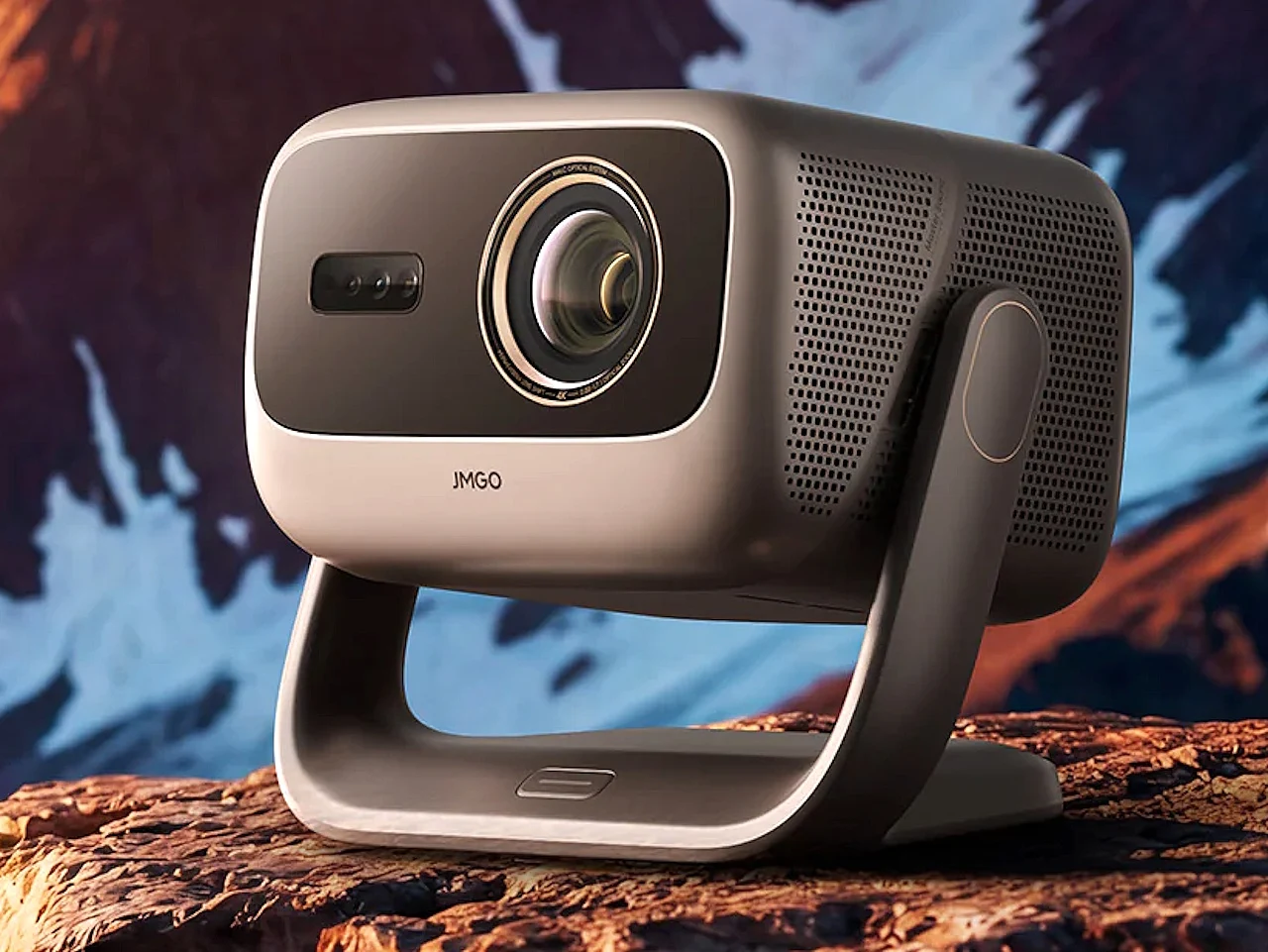
    The JMGO N3 Ultimate 4K laser projector has officially launched in Japan, bringing impressive features to users. It can project HDR10 images up to 300 inches in size, achieving a maximum brightness of 5,800 ISO lumens thanks to its advanced triple-laser engine and Dolby Vision certification. Additionally, the projector is equipped with dual 12.5 W speakers that are certified by Dolby Audio and DTS:X for enhanced sound quality.

    Enhanced Image Quality

    To further enhance the projected image, the N3 Ultimate includes AI image enhancement and a Laser Sparkle Reducer, which minimize unwanted artifacts. Utilizing triple lasers with Japanese Nichia emitters, this projector can cover 110 percent of the BT.2020 color space and boasts a dynamic contrast ratio of 3,000,000:1. For gamers, it supports refresh rates up to 240 Hz in 1080p mode, allowing for pixel refresh rates as low as 1 ms.

    User-Friendly Features

    The projector also features automatic image setup and focus capabilities, such as auto keystoning and object avoidance, which allows for a speedy setup process. Operating on Google TV 5.0, it is powered by a MediaTek MT9679 SoC, paired with 4 GB of RAM and 64 GB of storage.

    The JMGO N3 Ultimate 4K laser projector is available for an MSRP of 499,180 yen (approximately $3,200) through the company’s official website. It can also be pre-ordered via Amazon US for a price of $3,599.

    Source:
    Link


  • Cuktech Unveils 100W Fast Charger with Smart Display

    Cuktech Unveils 100W Fast Charger with Smart Display

    Key Takeaways

    1. The Cuktech No.6 Ultra charger offers a powerful 100W output with a 0.96-inch HD display for real-time charging data.
    2. It features a three-port configuration: one USB-A port (33W) and two USB-C ports (100W each) for versatile device compatibility.
    3. The charger supports various charging protocols, including PPS, PD, and UFCS, making it suitable for a wide range of devices.
    4. Smart dynamic switching technology prioritizes high-power devices when multiple devices are connected for optimal charging.
    5. The charger includes safety features like 24-hour temperature control and is 29% smaller than typical 100W adapters, priced at approximately $24.5 in China.


    Cuktech has introduced a new fast charger equipped with a display. This charger serves as an option for those looking for more power compared to the newly launched Anker Nano 45W (current price $29.99 on Amazon).

    Overview of the Cuktech No.6 Ultra

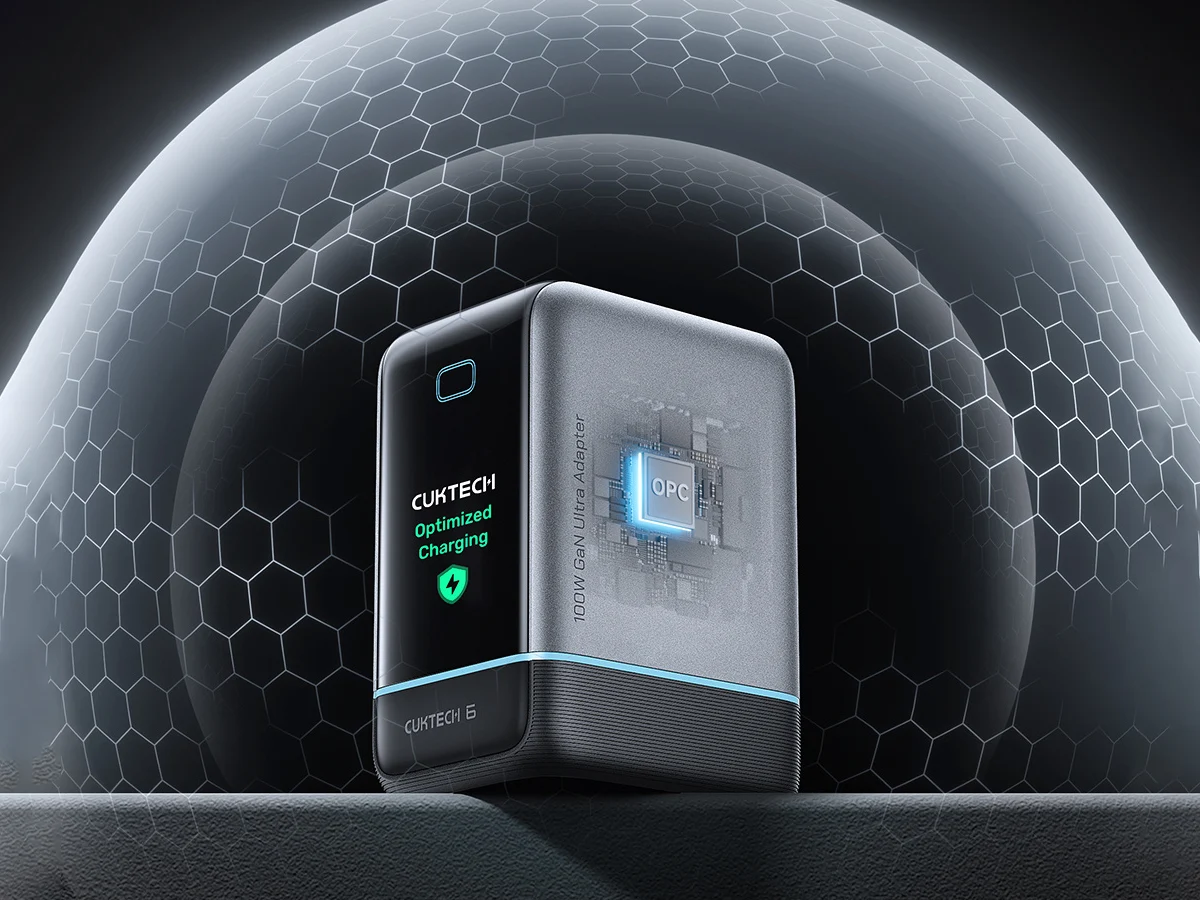
    Named the Cuktech No.6 Ultra, this charger has an impressive output of 100W and features a 0.96-inch HD display. The company points out that this screen provides real-time charging data, like the battery percentage of any connected device. However, the device detection function is somewhat limited, working only with iPhone 15 and newer models.

    Port Configuration and Compatibility

    The charger boasts a three-port setup, containing one USB-A port and two USB-C ports. Among these, the two USB-C ports can deliver up to 100W each, while the USB-A port offers a maximum of 33W. Cuktech emphasizes compatibility with various charging protocols, such as PPS, PD, and UFCS. This means the adapter can power a diverse array of devices.

    Smart Technology and Safety Features

    A key attribute of the Cuktech No.6 Ultra is its smart dynamic switching technology. According to the brand, when three devices are connected to the GaN charger, this tech prioritizes high-power devices for optimal charging.

    Furthermore, the company notes that there are several protective features built in, including 24-hour temperature control. The overall design is also 29% smaller than the typical 100W power adapter. As for pricing, the Cuktech No.6 Ultra is currently priced at CNY 169 in China, which translates to roughly $24.5. Although the company has not announced any global release plans yet, it is expected to arrive on the international market soon.

    Source:
    Link


  • OpenAI Enhances Pentagon Deal Following US Surveillance Concerns

    OpenAI Enhances Pentagon Deal Following US Surveillance Concerns

    Key Takeaways

    1. OpenAI updated its agreement with the U.S. Department of Defense to clarify limitations on domestic surveillance.
    2. The update specifies that OpenAI systems cannot be used for monitoring U.S. individuals or using personal identifiable information.
    3. The agreement aims to address concerns raised after OpenAI’s deal for its models in classified defense settings.
    4. Critics worry that broad language in the agreement could allow for misinterpretation regarding surveillance practices.
    5. OpenAI will work with the Department of War and other AI labs to discuss defense policies and operations.


    OpenAI has recently updated its agreement with the U.S. Department of Defense, which it refers to as the “Department of War.” This update aims to make the limitations regarding domestic surveillance clearer.

    New Terms for Clarity

    According to the update released on March 2, 2026, OpenAI specified that its systems are not to be utilized for monitoring U.S. individuals, which includes obtaining or using commercially sourced personal or identifiable information. The company also noted that the Department of Defense confirmed that its service will not be employed by defense intelligence agencies such as the NSA, and any such usage would need a distinct agreement.

    Response to Concerns

    This update came after some backlash when OpenAI announced a deal to use its models in classified defense settings. Business Insider reported that Sam Altman, the CEO, shared an internal memo detailing that the company was collaborating with the Pentagon to “make some additions” to the agreement in response to worries about potential mass surveillance.

    Before the March 2 update, OpenAI had highlighted three key “red lines” in its public description of the agreement, which included a prohibition on mass domestic surveillance. The contract language allowed for “all lawful purposes,” referencing existing U.S. legal frameworks for intelligence activities.

    Criticism of Broad Language

    Critics have raised concerns that relying on broad “lawful use” language and established surveillance authorities might leave openings for interpretation. Even with OpenAI’s claims that the contract and technical safeguards prevent mass domestic surveillance, doubts remain.

    OpenAI’s public announcement outlines a cloud-only deployment approach and mentions that cleared personnel from the company will be involved. However, important operational information, such as the contract’s monetary value, the specific systems or models included, and the overall scope of the rollout, are not detailed in the company’s published summary.

    OpenAI also stated that the Department of War intends to initiate a working group with leading AI laboratories, cloud service providers, and defense policy and operations leaders, and they expect to be involved in those discussions.


    Source:
    Link


  • Resident Evil Requiem Benchmark: Linux 145 FPS vs Windows 11 129 FPS

    Resident Evil Requiem Benchmark: Linux 145 FPS vs Windows 11 129 FPS

    Key Takeaways

    1. Record Player Count: Resident Evil Requiem achieved a peak of 344,000 concurrent players on Steam, marking a significant success for the game.
    2. PlayStation Upscaling Technology: The game utilizes PlayStation’s new upscaling technology on the PS5 Pro, enhancing gameplay performance.
    3. Linux Performance Comparison: NJ Tech’s YouTube channel compared the game’s performance on Windows 11 and CachyOS Linux, showing similar FPS results.
    4. FSR Impact: Enabling FSR 3.1.5 improved performance significantly, with Linux outperforming Windows in average FPS in certain settings.
    5. 1440p Performance: At 1440p resolution, Linux showed better average FPS compared to Windows when FSR was enabled, but Windows maintained slightly better 1% low frame rates.


    Resident Evil Requim has turned into a big success. It recently achieved a record on Steam with 344,000 peak concurrent players. The game also introduced PlayStation’s new upscaling technology on the PS5 Pro, which led to better gameplay performance.

    Linux Performance Inquiry

    As Linux keeps expanding as a gaming option, one question still stands: How well does the newest Resident Evil game run on Linux? Thankfully, NJ Tech’s YouTube channel provided an answer by comparing the average FPS of Resident Evil Requiem on Windows 11 and CachyOS.

    Setup and Specifications

    The tests were done on a system featuring AMD’s Ryzen 9 7900X processor, configured with Precision Boost Overdrive (PBO) and Curve Optimizer activated. The motherboard was the MSI PRO X670-P WiFi, using AGESA 1.2.0.3g firmware. The system had 32GB of DDR5 memory (2x16GB) running at 6200MHz with CL30 timings, cooled by a Deepcool LD360 AIO liquid cooler. Storage consisted of a 1TB Samsung 980 Pro NVMe SSD along with two 2TB WD Blue SN570 drives. The Corsair RM1000x PSU provided power.

    Software and Performance Testing

    For software, the benchmarks were ran on Windows 11 Pro 25H2 and CachyOS, employing CachyOS-Proton (20260207) for testing compatibility on Linux.

    At a 1080p native resolution with FXAA and TAA turned on, Windows 11 averages 75 FPS, with 1% lows at 60 FPS. Linux on CachyOS averages 74 FPS with 1% lows at 55 FPS. Overall performance is very similar on both platforms; however, Windows shows a bit better frame consistency. VRAM usage is slightly higher on Linux at 8.0 GB compared to 7.6 GB on Windows.

    FSR Impact

    When FSR 3.1.5 in Quality mode is enabled at 1080p, the numbers shift a bit. Windows hits 94 FPS on average with 1% lows at 70 FPS, while Linux records an average of 98 FPS and 69 FPS for 1% lows. Again, Linux shows higher VRAM usage.

    By enabling FSR 3.1.5 Quality and Frame Generation, the performance gap expands. Windows hits 129 FPS on average with 105 FPS for 1% lows, whereas Linux jumps to 145 FPS with 106 FPS for 1% lows. Although 1% lows are closely matched, Linux shows a clear advantage in average frame rate during this setup.

    Performance at 1440p

    At a 1440p native resolution with FXAA and TAA on, both systems yield the same average frame rate of 52 FPS. However, Windows 11 has slightly better 1% lows at 44 FPS, compared to 40 FPS for Linux CachyOS. This indicates a bit more stable frame consistency on Windows at this resolution. VRAM usage is again a bit higher on Linux at 8.0 GB versus 7.5 GB on Windows.

    When switching to 1440p with FSR 3.1.5 set to Quality mode, performance improves on both systems. Windows averages 68 FPS with 54 FPS for 1% lows, while Linux reaches 72 FPS on average and 53 FPS for 1% lows. Linux leads in average performance, although low frame results are almost the same. VRAM usage trends a bit higher on Linux again.

    Final Comparisons

    With FSR 3.1.5 Quality and Frame Generation at 1440p, the performance boost is even more noticeable. Windows sees an average of 101 FPS with 84 FPS for 1% lows, while Linux achieves 107 FPS on average and 83 FPS for 1% lows. Linux shows a marked improvement in average performance while 1% lows are quite similar across both platforms.

    At 1440p native, both Windows 11 and Linux CachyOS average 52 FPS, but once more, Windows has slightly better 1% lows at 44 FPS compared to 40 FPS for Linux.

    Enabling FSR 3.1.5 Quality gives Linux an edge at 72 FPS against 68 FPS on Windows. With Frame Generation added, Windows gets to 101 FPS average while Linux reaches 107 FPS, with 1% lows remaining closely matched on both systems.

    Source:
    Link


  • Volunteers Create First White-Light Eclipse Dataset from 58,837 Images

    Volunteers Create First White-Light Eclipse Dataset from 58,837 Images

    Key Takeaways

    1. NASA’s Eclipse Megamovie project collects amateur photos of total eclipses to create a seamless time-lapse sequence.
    2. A total eclipse reveals the Sun’s corona, the outer layer of its atmosphere, which is usually hidden by its bright surface.
    3. 58,837 pictures were taken at 143 locations, but only 28 could produce calibrated Level 3 images for analysis.
    4. The resulting dataset includes over 1.5 hours of uninterrupted corona observations and is made available to the public in FITS format.
    5. This project exemplifies the value of citizen science, combining amateur and expert efforts to advance research on solar phenomena.


    NASA’s Eclipse Megamovie citizen science project is a cool effort to put together amateur photos from various spots into a seamless time-lapse sequence. They asked volunteers to take pictures of the total eclipse from different areas across the United States. A total eclipse happens when the Moon completely covers the Sun, exposing the corona. The corona is the outer layer of the Sun’s atmosphere, which usually can’t be seen because of the Sun’s bright surface.

    Observational Details

    Typically, an eclipse can last between 2 to 4 minutes at one spot and it moves across the country. Therefore, different people can see the eclipse at different times. A total of 58,837 pictures were taken at 143 volunteer-led locations. However, just 28 of those locations had the necessary tools to produce fully calibrated Level 3 images. These images were then put together to form more than 1.5 hours of uninterrupted corona observations. This marks the first white-light eclipse data set that includes calibration frames, representing a big step forward in eclipse research.

    Data Set Information

    The data set consists of three levels of processing, ranging from raw data to calibrated data, all in the Flexible Image Transport System (FITS) format. The images are available to the public via a centralized searchable database. The photos collected by volunteers create a new model for distributed observational astronomy. This dataset will enhance our understanding of coronal dynamics, which is crucial for predicting events like solar storms and geomagnetic disturbances.

    NASA and Eclipse Megamovie have really made a significant impact with this project, showing how citizen science can contribute to major scientific endeavors. The collaboration between amateurs and experts has opened up new avenues for research and understanding of our Sun.

    Source:
    Link


  • Gartner: Affordable PCs Will Disappear by 2028 Due to Costs

    Gartner: Affordable PCs Will Disappear by 2028 Due to Costs

    Key Takeaways

    1. Gartner predicts the market for PCs under $500 may disappear by 2028 due to rising memory costs.
    2. Overall PC prices could rise by 17% by 2026, making entry-level laptops unsustainable.
    3. Device lifespans are expected to increase, with business PCs lasting 15% longer and consumer devices 20% longer by 2026.
    4. Longer replacement cycles may hinder software adaptation for older hardware and delay AI PC adoption until 2028.
    5. Strategies like regional pricing, refurbished markets, and promotions may help budget laptops, but challenges remain if memory prices stay high.


    Analyst company Gartner predicts that the market for PCs priced under $500 might disappear by 2028, mainly due to rising memory costs. The firm anticipates that prices for DRAM and SSDs will increase significantly by 2026. Specifically, the share of memory in the total bill of materials (BOM) is expected to climb from 16% to around 23%.

    Price Increases Ahead

    In comparison to levels in 2025, overall PC prices could rise by 17%. The entry-level market is already operating on very slim margins. Therefore, Gartner suggests that this cost pressure could make laptops priced under $500 unsustainable. Vendors might start to focus more on profits rather than sales volume, which could lead to a decline in unit sales.

    Longer Device Lifespans

    Gartner’s predictions also indicate that increasing prices will lengthen the lifespan of devices. This is a trend that is being observed in the console industry too. The firm believes that business PCs could experience a 15% increase in their lifespan, and consumer devices might see an extension of up to 20% by the end of 2026.

    Challenges for Software and AI Adoption

    Longer replacement cycles imply that software must adapt to older hardware. Additionally, the widespread adoption of AI PCs may be delayed. Gartner forecasts that the expected 50% market penetration for AI-capable systems could be postponed until 2028.

    While the firm’s analysis highlights ongoing structural pressures, there are some elements that might ease the strain on budget laptops and PCs. Strategies related to regional pricing, the refurbished market, and promotional offers are all factors to consider (1TB WD_Black SN850X SSD curr. $233 on Amazon). Nevertheless, it is very probable that the sub-$500 category for Windows laptops and PCs will encounter difficulties in the upcoming years if memory prices persist at high levels as predicted.

    Source:
    Link


  • Casio G-Shock DW-5600WW-7PR Limited Edition Watch Launching March 10

    Casio G-Shock DW-5600WW-7PR Limited Edition Watch Launching March 10

    Key Takeaways

    1. Casio G-Shock is launching a special edition DW-5600 watch in partnership with Japanese dancer Kyoka on March 10, 2026.
    2. The model number for this collaboration is DW-5600WW-7PR, featuring a white resin square design and standard DW-5600 specs.
    3. The watch includes traditional features like shock resistance, 200-meter water resistance, EL backlight, stopwatch, countdown timer, multiple alarms, and auto-calendar.
    4. Unique packaging for the collaboration features bold G-Shock graphics and the phrase “Never Give Up,” along with Kyoka’s branding.
    5. Pricing information has not yet been released, and the appeal lies in the branding and collectibility of the watch rather than technical upgrades.


    Casio G-Shock has announced a fresh partnership model with Japanese hip hop dancer Kyoka, centered on the iconic DW-5600 square watch. This exclusive edition is set to hit the market on March 10, 2026.

    Model Details

    The model number is DW-5600WW-7PR. From the images and information available, it seems the watch is based on the existing DW-5600WW-7 design, featuring a white resin square and sticking to the standard specs of the DW-5600. Buyers can expect the traditional DW-5600 features: shock resistance, 200-meter water resistance, an EL backlight, a stopwatch, a countdown timer, multiple alarms, and a complete auto-calendar. No new upgrades are mentioned in the provided information.

    Special Packaging

    The collaboration set comes with unique packaging that includes what looks like a custom outer box flaunting bold G-Shock graphics. The promotional materials display the phrase “Never Give Up,” along with Kyoka’s branding and signature. Visually, the watch closely resembles the standard white DW-5600WW-7 model, without any noticeable dial redesign or changes to the module as seen in the photos.

    Pricing Information

    Currently, pricing details have not been disclosed in the available material. Like many collaborations with artists, the draw seems to lie in the branding and “collectibility” rather than any technical improvements. More information is likely to emerge as we approach the launch date on March 10.

    Source:
    Link


  • Motorola Razr Fold: A Unique Alternative to Galaxy Z Fold 7

    Motorola Razr Fold: A Unique Alternative to Galaxy Z Fold 7

    Key Takeaways

    1. Motorola has entered the book-style foldable phone market with the new Moto Razr Fold, expanding beyond its clamshell designs.
    2. The Moto Razr Fold features an 8.1-inch main display and a 6.6-inch cover display, which is the first to use Corning Gorilla Glass 3 for protection.
    3. It has a large 6,000 mAh battery, outperforming competitors like the Galaxy Z Fold7 and Oppo Find N5.
    4. The camera system includes a 50 MP main camera, a 50 MP periscope camera, a 50 MP ultra-wide lens, and a 20 MP front-facing camera, powered by the Snapdragon 8 Gen 5 chip.
    5. The device offers 16 GB of RAM, up to 1 TB of storage, supports fast charging, promises seven years of Android updates, and retails for €1,999.


    While Motorola entered the foldable phone market early with the first-gen Moto Razr in 2020, they have mostly focused on the clamshell design. This changes now with the introduction of the new Moto Razr Fold, marking the company’s first effort in the book-style foldable segment.

    Moto Razr Fold Unveiled

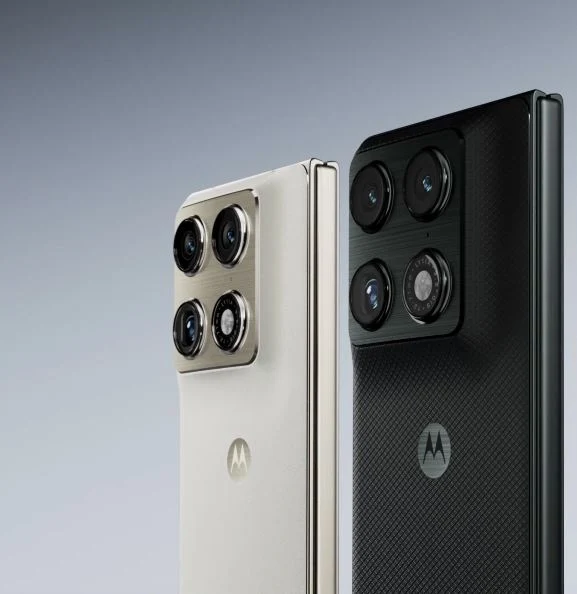
    The Moto Razr Fold was initially showcased at the beginning of the year but has officially launched now. It aims to compete with devices like the Galaxy Z Fold7. When opened, the Razr Fold features an 8.1-inch display and a 6.6-inch cover display. This cover display is unique as it is the first smartphone to use Corning Gorilla Glass 3 for protection.

    Size and Battery Life

    In terms of thickness, it doesn’t quite set any records for 2026. When unfolded, it measures 4.6mm and 9.9mm when folded, making it thicker than other models like the Galaxy Z Fold7 and Oppo Find N5. Nonetheless, it boasts a 6,000 mAh battery, which surpasses the 4,400 mAh and 5,600 mAh batteries found in its competitors.

    Impressive Camera Features

    On the camera front, the Razr Fold is well-equipped. It includes a 50 MP main camera, a 50 MP periscope camera with 3x zoom, a 50 MP ultra-wide lens, and a 20 MP front-facing camera. Powering this device is Qualcomm’s Snapdragon 8 Gen 5 chip, which is different from the Snapdragon 8 Elite Gen 5 found in many flagship phones this year. The Snapdragon 8 Gen 5 is a bit less powerful but performs similarly to last year’s Snapdragon 8 Elite.

    Specifications and Availability

    Additional features of the Moto Razr Fold are impressive, with 16 GB of RAM and options for up to 1 TB of storage. It supports 80 W wired charging and 50 W wireless charging, along with the Moto Pen Ultra and promises of up to seven years of Android upgrades and security patches. The foldable will come in three colors: Pantone Blackened Blue, Pantone Lily White, and a special FIFA World Cup 26™ Collection. It will be available globally, will ship with the Moto Pen Ultra, and has a retail price of €1,999. Pre-orders are already open.

    Source:
    Link