
Key Takeaways
1. NASA’s Eclipse Megamovie project collects amateur photos of total eclipses to create a seamless time-lapse sequence.
2. A total eclipse reveals the Sun’s corona, the outer layer of its atmosphere, which is usually hidden by its bright surface.
3. 58,837 pictures were taken at 143 locations, but only 28 could produce calibrated Level 3 images for analysis.
4. The resulting dataset includes over 1.5 hours of uninterrupted corona observations and is made available to the public in FITS format.
5. This project exemplifies the value of citizen science, combining amateur and expert efforts to advance research on solar phenomena.
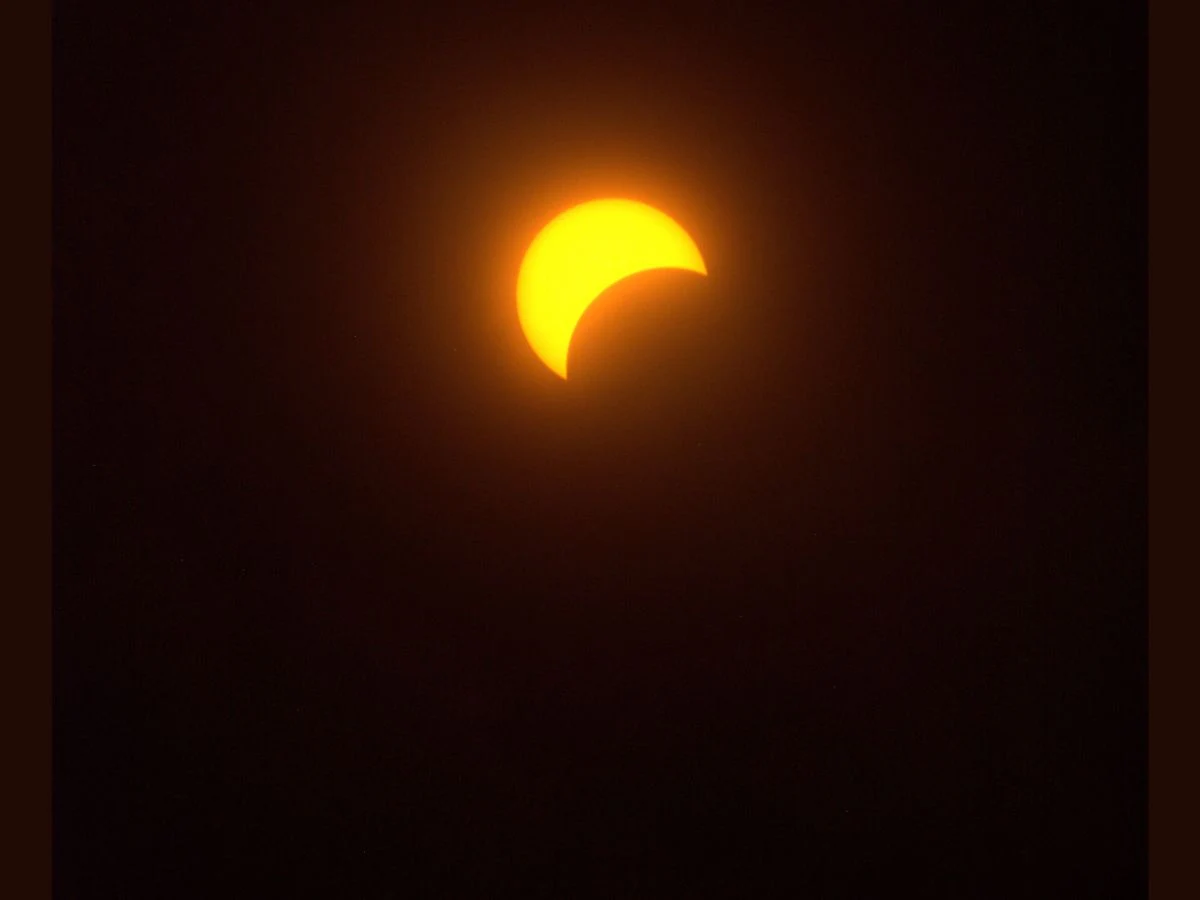
NASA’s Eclipse Megamovie citizen science project is a cool effort to put together amateur photos from various spots into a seamless time-lapse sequence. They asked volunteers to take pictures of the total eclipse from different areas across the United States. A total eclipse happens when the Moon completely covers the Sun, exposing the corona. The corona is the outer layer of the Sun’s atmosphere, which usually can’t be seen because of the Sun’s bright surface.
Observational Details
Typically, an eclipse can last between 2 to 4 minutes at one spot and it moves across the country. Therefore, different people can see the eclipse at different times. A total of 58,837 pictures were taken at 143 volunteer-led locations. However, just 28 of those locations had the necessary tools to produce fully calibrated Level 3 images. These images were then put together to form more than 1.5 hours of uninterrupted corona observations. This marks the first white-light eclipse data set that includes calibration frames, representing a big step forward in eclipse research.
Data Set Information
The data set consists of three levels of processing, ranging from raw data to calibrated data, all in the Flexible Image Transport System (FITS) format. The images are available to the public via a centralized searchable database. The photos collected by volunteers create a new model for distributed observational astronomy. This dataset will enhance our understanding of coronal dynamics, which is crucial for predicting events like solar storms and geomagnetic disturbances.
NASA and Eclipse Megamovie have really made a significant impact with this project, showing how citizen science can contribute to major scientific endeavors. The collaboration between amateurs and experts has opened up new avenues for research and understanding of our Sun.
Source:
Link