Author: GizNews

  • New Moons Discovered Orbiting Jupiter and Saturn: Exciting Findings

    New Moons Discovered Orbiting Jupiter and Saturn: Exciting Findings

    Key Takeaways

    1. Jupiter and Saturn are the largest planets in our solar system and have many moons orbiting them.
    2. Recently, four new moons were discovered around Jupiter and eleven around Saturn, as announced by the Minor Planet Center.
    3. These new moons are small, averaging about 3 km in diameter, and have broad orbits and low brightness.
    4. Powerful telescopes, including Magellan, CFHT, and Subaru, are needed to observe these new moons, as they cannot be seen with amateur telescopes.
    5. Jupiter currently has 101 moons, while Saturn has 285, but these numbers may change with future discoveries from ongoing spacecraft missions.


    Jupiter and Saturn are the biggest planets in our solar system, each with many moons orbiting them. Recently, astronomers have found new moons by studying these gas giants. In fact, four new natural satellites have been discovered around Jupiter, while eleven have been found orbiting Saturn.

    Recent Discoveries

    The Minor Planet Center made this announcement. However, these new celestial bodies are not very big, averaging about 3 km in diameter. Other interesting features have also been noted, such as their broad orbits and very low brightness, which falls between magnitudes 25 and 27.

    Observational Challenges

    Consequently, it’s impossible to view these new moons using an amateur telescope. To spot them, astronomers Scott Sheppard from the Carnegie Institution for Science, David Tholen from the University of Hawaii, and Edward Ashton utilized powerful telescopes like the Magellan, Canada-France-Hawaii (CFHT), and Subaru.

    Current Moon Counts

    As of now, Jupiter has 101 moons, while Saturn boasts 285. However, these figures may change in the future. Several spacecraft are currently on their way to Jupiter, which could lead to more discoveries. It’s also important to mention that moons can form rapidly, especially in chaotic conditions where celestial collisions are common. Under gravitational influence, fragments can merge and settle into orbit around the planet.

    Source:
    Link


  • Musk Proposes Terafab 2nm Foundry for SpaceX and Tesla AI Chips

    Musk Proposes Terafab 2nm Foundry for SpaceX and Tesla AI Chips

    Key Takeaways

    1. Terafab Chip Foundry Ambition: Elon Musk’s Terafab aims to be a major player in semiconductor production, targeting one terawatt of computing power annually through collaboration among Tesla, SpaceX, and xAI.

    2. Dependence on Established Manufacturers: Tesla currently relies on TSMC and Samsung for chips, highlighting the challenge of entering a market dominated by established companies with decades of expertise.

    3. Financial Concerns: Tesla’s budgeting and financial projections are uncertain, with a projected $25 billion cost for Terafab and a history of missed targets, such as in the 4680 battery cell program.

    4. Complexity of Chip Manufacturing: The challenges of chip production are significantly greater than those of battery manufacturing, raising doubts about Musk’s ability to overcome engineering and financial obstacles.

    5. Long-term Outlook: The success of the Terafab initiative and its impact on Tesla and SpaceX will take considerable time to materialize, given the complexities involved in modern semiconductor production.


    Elon Musk has unveiled yet another ambitious project just before the SpaceX IPO, all while Tesla’s stock has dropped 16% since the start of this year.

    Terafab Chip Foundry

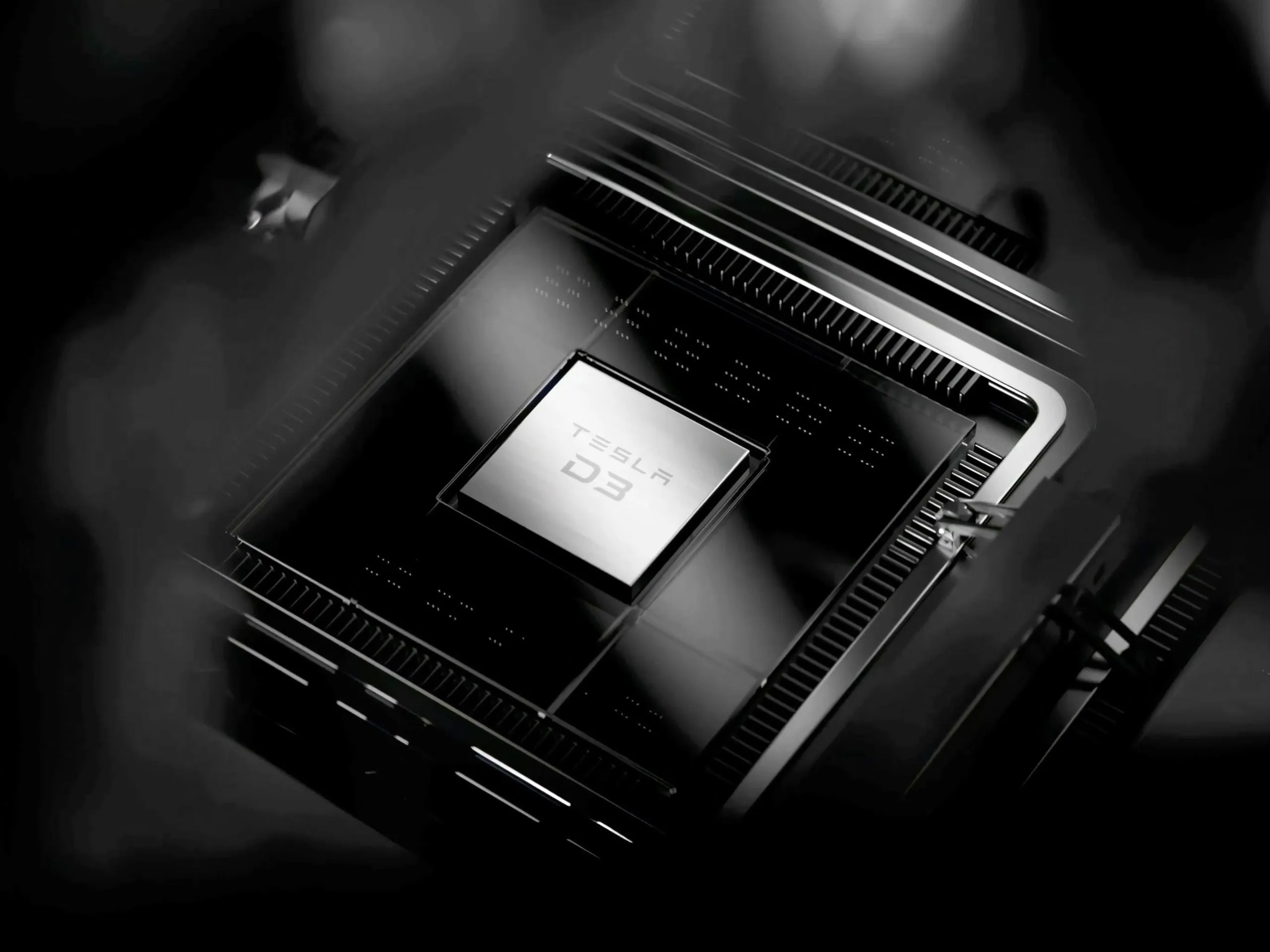
    He referred to the Terafab chip foundry as “the most epic chip-building exercise in history by far,” aiming to link the fortunes of SpaceX and Tesla ahead of their IPO. This collaboration among Tesla, SpaceX, and xAI aims to generate one terawatt of computing power each year, streamlining all aspects of semiconductor production including logic, memory, packaging, and testing.

    Challenges Ahead

    Currently, Tesla depends on TSMC and Samsung for its chips, while the Terafab is aiming for the cutting-edge 2 nm process technology. This announcement carries a hefty dose of confidence, as TSMC has invested decades and hundreds of billions of dollars to reach this level, developing expertise and supply relationships that cannot be quickly replicated.

    Tesla lacks a solid foundation in semiconductor manufacturing, and the necessary machinery has a waitlist spanning multiple years. Musk dreams of launching 100 million tons of solar energy capture devices into space each year to power AI satellites, with Optimus robots alone needing 100–200 GW of chips, and satellite arrays requiring terawatts that surpass the combined output of all current and future chip manufacturers up to 2030.

    Financial Uncertainties

    The financial aspects are also unclear, with Tesla’s budget of $20 billion this year being its largest ever, despite making less than $4 billion in profit in 2025. The Terafab facility is expected to cost $25 billion, not including the usual overruns that seem to accompany Musk’s grand visions. A notable example is Tesla’s 4680 battery cell program; Musk had promised 10 GWh of production within a year of Battery Day in 2020, along with a 50% cost reduction. In reality, Tesla is currently reaching only about 2% of that initial volume target, and the 4680 battery continues to face issues with pricing and performance, such as the slow charging curve of the Cybertruck.

    The Road Ahead

    Manufacturing chips is far more complicated than producing battery cells, so whether Musk can navigate the substantial engineering and financial obstacles of modern semiconductor production will determine the success of this initiative. This is a challenge that has defeated many seasoned players, so while the Terafab and orbital data centers may represent a promising future, it will take a considerable amount of time to fulfill Musk’s ambitious declarations.

    Source:
    Link


  • Pearl Abyss Reveals Generative AI Assets in Crimson Desert on Steam

    Pearl Abyss Reveals Generative AI Assets in Crimson Desert on Steam

    Key Takeaways

    1. Pearl Abyss used generative AI to create temporary 2D visual props during early development of Crimson Desert, which were not replaced by launch.
    2. The studio acknowledged their mistake and is reviewing all assets to ensure no other generative AI results are present in the game.
    3. A disclaimer has been added to the game’s Steam page, noting the use of generative AI in creating some 2D prop assets.
    4. Community reactions include criticism over odd artwork and concerns about AI translation errors in the game’s dialogues.
    5. The situation reflects a growing trend of controversies regarding AI usage in game development, with other games facing similar scrutiny.


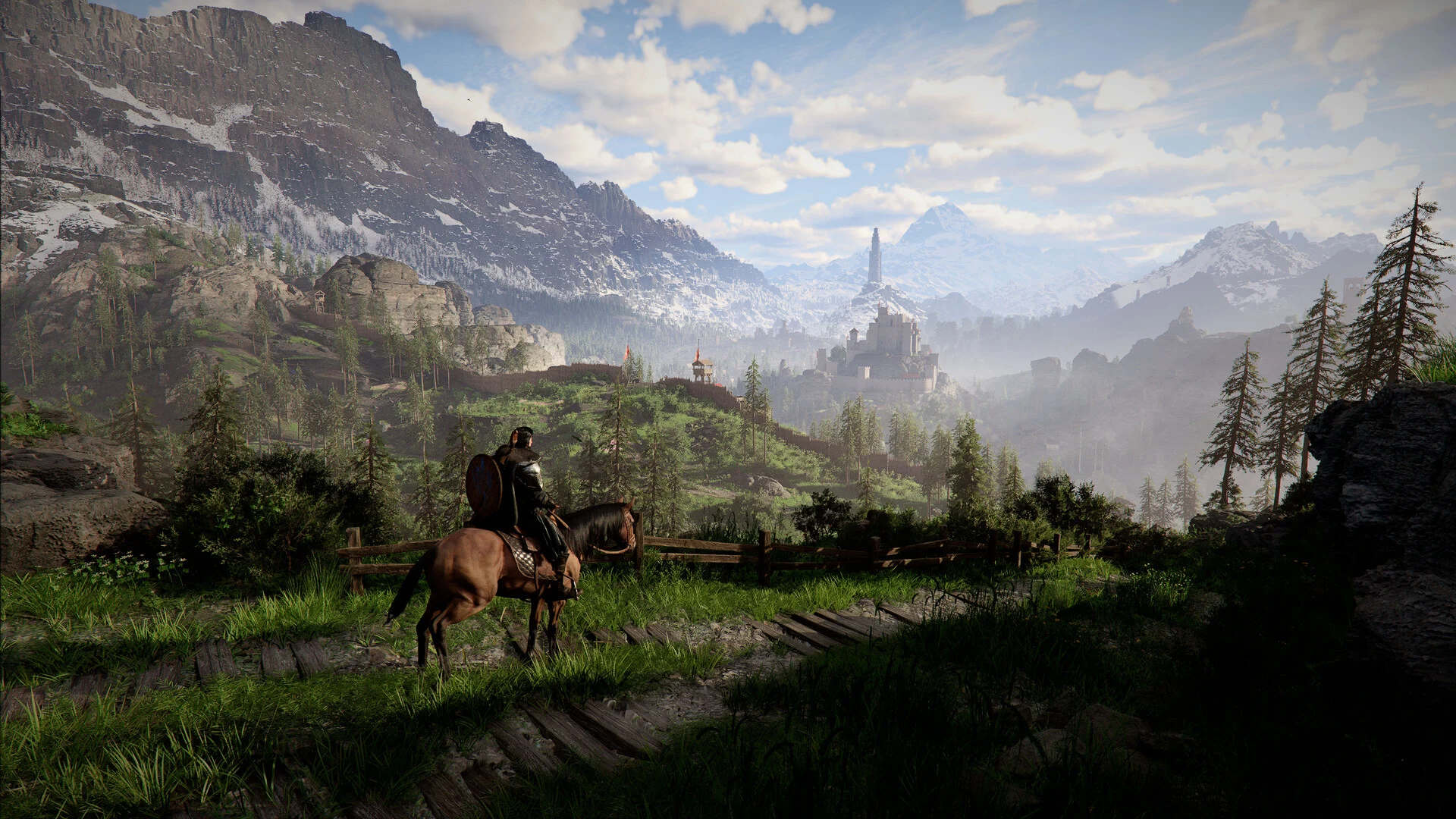
    After players noticed strange images in Crimson Desert, they accused Pearl Abyss of cutting corners. The developer has responded on social media, stating that it utilized generative AI. It admitted that it did not remove the placeholder images from earlier versions of the open-world game.

    Clarification from Pearl Abyss

    Pearl Abyss explained that the “2D visual props were created during the early stages of development using experimental AI generative tools.” These temporary assets were crucial for the team to experiment with the “tone and atmosphere” of the massive game world. The artists had planned to replace these images by the game’s launch date, but that clearly failed to happen.

    Acknowledgment of Mistake

    The studio has expressed regret over what it describes as a mistake. It is currently reviewing all assets to confirm that no other results from the debated technology were missed. Gamers can expect forthcoming updates to erase any problematic artwork.

    The Steam page for Crimson Desert now includes a disclaimer, as mandated by Valve. It states, “Generative AI technology is used in a supplementary capacity during the creation of some 2D prop assets.” Like the statement on social media, Pearl Abyss points out that these placeholder images were supposed to be temporary.

    Community Reactions

    Reddit users highlighted several instances of framed artwork showing people with limbs in odd positions. There were also suspicions that AI tools had translated dialogues into German and other languages, leading to numerous errors.

    While this explanation might silence some critics, others observe that these types of apologies are becoming quite frequent. A notable case is Clair Obscur: Expedition 33, which, after being awarded Game of the Year, was disqualified by Indie Game Awards when players found proof of AI usage. Similarly, Sandfall also employed placeholders during its development before removing them from the final retail version.

    Crimson Desert is a significant project, with reports suggesting that around 250 developers were involved. Building Pywel was a monumental task, yet some gamers argue that the studio has enough resources to avoid such shortcuts.

    Source:
    Link


  • UK Gamers Join Lawsuit Against Valve: Opt-Out Now

    UK Gamers Join Lawsuit Against Valve: Opt-Out Now

    Key Takeaways

    1. UK Steam users are automatically included in a lawsuit against Valve unless they opt out by June 11, 2026.
    2. The lawsuit, led by Vicki Shotbolt, challenges Valve’s game distribution and pricing methods for purchases made between 2018 and 2024.
    3. Scottish users have an extended claim period dating back to 2010.
    4. Individuals can opt out through an online form, email, or mail, but must provide basic information.
    5. If users do not opt out, they risk losing eligibility for compensation if the lawsuit is successful, but there is no financial risk if the claim fails.


    A lengthy legal battle involving Valve and its Steam service has now reached a point where it directly impacts users in the UK. UK Steam customers are automatically included in a lawsuit as the opt-out period begins until June.

    Details of the Case

    The lawsuit, initiated by consumer rights advocate Vicki Shotbolt on behalf of consumers in the UK, challenges Valve’s methods regarding game distribution and pricing on Steam. It encompasses game and add-on purchases made between 2018 and 2024 for UK users. Additionally, there is an extended timeframe that goes back to 2010 for Scottish users.

    Latest Developments

    The most recent update follows the approval of a Collective Proceedings Order (CPO) on March 11, 2026. This order officially allows the case to move forward on an opt-out basis. In simple terms, eligible users are automatically part of the lawsuit unless they decide to exclude themselves. An opt-out process is now available. Individuals who wish not to be included must send a request by June 11, 2026. This can be completed through an online form, via email, or by mail, and it requires basic information like name, address, and a clear indication of the decision to opt out.

    Implications for Users

    If users don’t take any steps, they will automatically be included in the claim. However, opting out means they lose eligibility for any compensation if the lawsuit is successful. According to the FAQ, participants won’t face any financial risk if the claim fails. It’s important to note that the lawsuit is not new; it was first submitted in June 2024 and was allowed to proceed as a collective action in January 2026.

    The discussion around this recent update has already begun to intensify in online forums, particularly in r/Steam. Users are actively sharing opt-out links and clarifying what information is needed. Much of the talk revolves around who needs to act and what details need to be provided. You can keep up with the conversation through the post embedded below:

    Steam You Owe US

    Source:
    Link


  • Honor’s Compact Flagship Phone: A Threat to Galaxy S27 and Xiaomi 18

    Honor’s Compact Flagship Phone: A Threat to Galaxy S27 and Xiaomi 18

    Key Takeaways

    1. The Honor Magic 9 will replace the Magic 8 as the company’s entry-level flagship smartphone.
    2. It features a more compact 6.36-inch display, smaller than the 6.58-inch screen of the Magic 8.
    3. The Magic 9 will include a larger 8,000 mAh battery, an upgrade from the Magic 8’s 7,000 mAh battery.
    4. It is expected to have a 200 MP main camera, a 64 MP periscope zoom lens, and a 50 MP ultra-wide camera.
    5. The Magic 9 is set to compete with upcoming models like the Xiaomi 18 and Samsung Galaxy S27.


    After unveiling the Magic V6 last month, Honor is already looking ahead to its next premium smartphone, as news about the Honor Magic 9 begins to emerge.

    New Flagship Model

    According to tipster RODENT950, the Honor Magic 9 will take over from the Magic 8 as the company’s entry-level flagship. It is set to compete with upcoming models like the Xiaomi 18 and Samsung Galaxy S27. The Magic 9 is said to be more compact than the Magic 8, featuring a 6.36-inch display compared to the 6.58-inch screen of the previous version.

    Bigger Battery Surprise

    In an interesting twist, the Honor Magic 9 will reportedly include a bigger battery despite its smaller size. The claim is that it will house an 8,000 mAh battery, an upgrade from the 7,000 mAh battery found in the Magic 8.

    Impressive Camera Features

    When it comes to photography, the Magic 9 might be the strongest contender in its category. It’s rumored to be equipped with a 1/1.28-inch 200 MP main camera, alongside a 64 MP OV64B with a periscope zoom lens, and a 50 MP ultra-wide camera. These features suggest that, at least in terms of hardware, the Magic 9 could be a very appealing choice in its market segment.

    Source:
    Link


  • Seven Deadly Sins: Origin March 22 Hotfix Fixes Sound Issues

    Seven Deadly Sins: Origin March 22 Hotfix Fixes Sound Issues

    Key Takeaways

    1. Sound Issue Resolved: A bug causing improper sound playback has been fixed shortly after being identified.

    2. Gameplay Improvements: The patch addresses several gameplay issues, including shortcut settings, progress loss during boss fights, and tutorial problems.

    3. Patch Details and Compensation: Players will receive rewards (Star Fragment x300 and Large Cube Key Bundle x1) for the inconveniences caused by the issues.

    4. Timing and Importance: The hotfix is released just before the game’s grand launch on March 23, focusing on stability and gameplay issues rather than new content.

    5. In-game Announcement: An in-game notice will offer updates and experiences for players regarding the maintenance.


    Netmarble has announced a temporary maintenance update on March 22 for The Seven Deadly Sins: Origin, which is more than just a simple backend update. The official statement indicates that this hotfix resolves a bug that caused sound issues in specific situations, modifies the [New Clothes, New Beginnings] quest to allow completion after engraving equipment, even if the earlier equip mission wasn’t finished, and corrects a problem where Cube Keys could recharge after being used if players rejoined the game. Additionally, Netmarble mentioned they are looking into data related to the repeated misuse of the Cube Key error and will provide more information later.

    Sound Issue Resolved

    The sound fix is particularly noteworthy because Netmarble had previously identified improper sound playback as a known problem on March 20. Just two days later, this issue is reported as resolved in the March 22 maintenance update, suggesting that the team quickly addressed at least some of the audio concerns raised by players after the game’s launch.

    Focus on Gameplay Improvements

    The remainder of the patch primarily targets gameplay progression, controls, and event logic. According to Netmarble, they have fixed the resetting of shortcut settings after reconnecting on PC, an issue where progress could be lost if a player died during the Orgot boss fight and the encounter didn’t reset, problems with tutorial character switch key recognition, and two Albion-related concerns regarding respawn locations and boss behavior in areas with restricted movement.

    Patch Details and Compensation

    Furthermore, the update corrects Elaine’s Wand Skill Special Attack “Whirlwind Veil” to ensure its damage-over-time effect activates every second as expected, alongside a Knighthood approval bug and an error with purchasing the Meliodas Growth Mission Bundle for PlayStation 5 controllers.

    To compensate for the inconveniences, players will receive Star Fragment x300 and an additional Large Cube Key Bundle x1, both available for collection from the in-game mailbox until April 5 at 14:59 UTC. Netmarble also cautions that PlayStation 5 users might encounter a large update file following maintenance, which aligns with the significant patch sizes reported by some users during the release week.

    Timing and Importance

    The timing of this hotfix is significant as it arrives just before the game’s grand launch window on March 23. Netmarble previously stated in Developer Notes #6 that they were focusing on crashes, gameplay blockers, and other player-related issues for prompt resolution. Therefore, the March 22 patch appears to be another update aimed at improving stability rather than introducing new content.

    Source:
    Link


  • Death Stranding 2 PC: New ‘To the Wilder’ Mode for Extreme Challenge

    Death Stranding 2 PC: New ‘To the Wilder’ Mode for Extreme Challenge

    Key Takeaways

    1. Game Launch and Difficulty: Death Stranding 2 was perceived as relatively easy by many players at launch, even on its “Brutal” difficulty setting.

    2. Introduction of “To the Wilder” Mode: In response to player feedback, Kojima Productions released the “To the Wilder” mode, designed for those seeking a more challenging experience.

    3. Developer Insights: Lead level designer Hiroaki Yoshiike explained that “To the Wilder” mode was developed to enhance mission difficulty and provide a more realistic gameplay experience.

    4. Significant Changes in Gameplay: The new mode introduces harsher Timefall effects, faster gear degradation, and emphasizes resource management, requiring players to plan more carefully.

    5. Mystery Items: Yoshiike hinted at the importance of previously overlooked items in “To the Wilder,” encouraging players to discover their value through gameplay.


    Death Stranding 2: On the Beach has made its debut on PC, inviting players to dive into the second chapter of Hideo Kojima’s unique and captivating storytelling in this action-oriented delivery simulator. Nonetheless, numerous players discovered the game to be relatively easy upon its launch. The “Brutal” difficulty setting did not provide the challenge many were seeking, prompting Kojima Productions to introduce the “To the Wilder” mode for those craving more intensity.

    Engaging Yet Easy

    While Death Stranding 2 has garnered accolades for its rich characters and immersive narrative, a significant number of gamers still perceive the game as lacking difficulty, even on standard settings. Players can always opt for foot deliveries, yet the option to use vehicles, secure upgrades, and follow user-generated paths makes the task seem nearly too simple.

    New Challenges Ahead

    In response to player input, Kojima Productions introduced a new challenge with the PC version of Death Stranding 2—the “To the Wilder” setting. This update is also available for PS5 users, granting them the chance to experience Death Stranding 2 in a mode that many describe as “hardcore.”

    Interestingly, “To the Wilder” wasn’t part of the original plan for the game’s release. Kojima Productions anticipated that the “Brutal” mode would be sufficient to challenge players. However, as it turned out, many players still felt the game was not quite demanding enough, leading the studio to elevate the challenge with this new mode.

    Insights from the Developer

    In an interview with PC Gamer, lead level designer Hiroaki Yoshiike shared his thoughts on the “To the Wilder” mode, stating:

    “‘To the Wilder,’ as a design idea, was created to offer more difficult methods for completing missions amid harsh conditions. Initially, we thought that the Brutal setting was adequate.

    However, it became clear that some players believed we could push it further. So ‘To the Wilder’ represents the maximum challenge we can offer: a gameplay experience that balances difficulty with enjoyment. We think it allows players to explore the world of Death Stranding 2 in a much more realistic manner.”

    What’s Different?

    The “To the Wilder” mode brings significant changes, like enhanced Timefall effects that now wear down gear more quickly and age characters at a faster rate. Managing resources is now a crucial part of the game rather than an afterthought, compelling players to meticulously plan their routes and select appropriate gear for their delivery tasks.

    Yoshiike added, “For those who have already completed the game, there might be instances where they think, ‘I never use that item.’ But in ‘To the Wilder,’ those items can become vital.”

    When asked for concrete examples of these items, Yoshiike remained somewhat vague, mentioning, “Some were delivery items, others were weapons, and still others were miscellaneous items, but we prefer to keep it a mystery. We want players to discover those details on their own.”

    Source:
    Link


  • Crimson Desert Launch: Intel Arc Users Face Graphics Error on Steam

    Crimson Desert Launch: Intel Arc Users Face Graphics Error on Steam

    Key Takeaways

    1. Release and Player Response: Crimson Desert was released on March 19 and quickly attracted hundreds of thousands of players on Steam.

    2. Incompatibility with Intel Arc GPUs: Players using Intel’s Arc graphics cards were unable to play the game due to lack of support, leading to disappointment.

    3. Refund Recommendations: Pearl Abyss advised Intel Arc users to seek refunds for the game purchase after confirming the incompatibility.

    4. Communication Issues: The compatibility problem was not disclosed before the game’s launch, leaving players frustrated and unprepared.

    5. Growing Intel Arc Popularity: Despite initial driver issues, Intel’s Arc GPUs have been improving and gaining popularity, yet still lack support for this particular game.


    Crimson Desert was released on March 19 and attracted hundreds of thousands of players on Steam. Yet, players with older graphics processing units (GPUs) faced an unpleasant surprise. Specifically, those using Intel’s Arc graphics cards found themselves unable to play the game since it does not offer support for these GPUs. In a surprising twist, Pearl Abyss, the game’s developer, is even advising Intel Arc users to seek refunds for their purchases.

    Intel Arc’s Growing Popularity

    Intel’s Arc series of dedicated gaming GPUs has been gradually gaining traction since it launched in 2022. Although the initial release faced difficulties due to driver problems, the newer Intel graphics cards, particularly the Arc B580, have been showing improvement. They can provide a decent gaming experience at native 1080p and 1440p resolutions, featuring 12 GB of GDDR6 memory, 20 Xe cores, and 20 ray tracing units.

    Incompatibility Issues Persist

    Despite the impressive specs of Intel Arc GPUs, they are not compatible with Crimson Desert. Pearl Abyss confirmed this incompatibility shortly after the game’s release in their official FAQ, stating:

    “No, Crimson Desert currently does not support Intel Arc graphics cards. If you purchased the game expecting Intel Arc support, please refer to the platform’s refund policy for available options. We apologize for any inconvenience this may cause.”

    Currently, there is no word from the studio on potential updates or a schedule for when Intel Arc graphics cards might be supported in the future. Attempting to start Crimson Desert with an Intel Arc card simply results in an error message: “The graphics device is currently not supported.”

    Frustration Over Communication

    What adds to the frustration is the fact that Pearl Abyss did not mention this compatibility issue before the game’s launch. They had provided detailed, specification-heavy PC requirements and discussed the game’s optimization efforts, yet the Intel Arc GPU problem was not highlighted.

    Although general PC specifications were disclosed just a week prior to the game’s launch, the Intel-specific FAQ was only updated after the game was already available. This left many players feeling disappointed and caught off guard, as they had anticipated wider hardware compatibility.

    On the Intel Arc subreddit, one user suggested that the lack of information seemed intentional, stating, “The studio seems pretty adamant about wanting their game to perform well on all kinds of hardware configurations. They literally posted configurations and requirements for the ROG Ally. The fact that they’re releasing Crimson Desert on macOS also confirms this. I’m very disappointed, and I was looking forward to playing.”

    Source:
    Link


  • Firefox Launches Free VPN with 50GB Data Limit in Latest Update

    Firefox Launches Free VPN with 50GB Data Limit in Latest Update

    Key Takeaways

    1. Firefox 149 will include a built-in free VPN, providing 50 GB of data monthly, initially available in the US, France, Germany, and the UK.
    2. This built-in VPN eliminates the need for users to download separate VPN apps or extensions, aligning with Mozilla’s privacy policies.
    3. Firefox 148 introduced new AI controls, allowing users to manage AI-related functionalities in response to mixed opinions on AI features.
    4. Firefox 149 will offer a Split View option, enabling users to open two tabs side-by-side in one window.
    5. Additional updates in Firefox 149 include privacy and security interface improvements and enhanced accessibility features, like better screen reader support for PDFs.


    Mozilla has recently shared information about the upcoming features in its Firefox 148 and 149 updates, highlighting a significant addition: a built-in VPN. While we were already aware that Firefox 148 would include AI controls, the latest details from Mozilla shed light on more enhancements coming with Firefox 149.

    Built-in VPN for Users

    The company has confirmed that a free VPN will be embedded directly in the browser, eliminating the need for users to download a separate VPN or any extensions. Mozilla emphasizes that this VPN aligns with its established data principles and privacy policies. As per the announcement, users will receive 50 GB of data each month on the free plan. The initial rollout will be restricted to users located in the United States, France, Germany, and the United Kingdom, and will launch on March 24 as part of Firefox 149.

    Previous VPN Offerings

    This is not Mozilla’s first attempt at providing VPN services. The company already has a paid VPN solution, but this new update offers a built-in, limited free option directly integrated into the browser.

    In February, Firefox 148 introduced new AI controls within settings, allowing users to disable or manage AI-related functionalities. Given that a large portion of internet users remains divided on the integration of AI features, this move should be appreciated by many. The company asserts that this applies to both current and forthcoming AI features.

    New Viewing Options and Improvements

    Firefox 149 will also feature a Split View option, akin to functionalities found in browsers like Zen. This allows users to open two tabs side-by-side in one window. Other updates include modifications to privacy and security interfaces, as well as enhancements to accessibility features, such as improved screen reader support for PDFs.

    Mozilla’s blog

    Source:
    Link


  • Intel CPU Prices to Rise 10% Due to Memory Cost Surge

    Intel CPU Prices to Rise 10% Due to Memory Cost Surge

    Key Takeaways

    1. Intel is set to raise prices on PC CPUs by about 10% starting later this month, affecting various mainstream processors.
    2. The price increase is attributed to rising expenses in the semiconductor supply chain, particularly due to high demand for AI infrastructure.
    3. Intel holds about 70% of the PC CPU market share, meaning their price changes will significantly impact OEM profit margins.
    4. Memory prices have surged, with increases up to 180% quarter-over-quarter, impacting overall laptop manufacturing costs.
    5. Higher component costs may lead to tighter profit margins for PC manufacturers and potentially higher prices for end-users, especially in the notebook market.


    Intel has been quite busy lately with announcements of new Core Ultra processors for both laptops and desktops. In addition to these new releases, the company is said to be planning a price increase for its existing PC CPU range. As reported by the Korean news source ETNews, Intel has notified its major clients that it will raise prices on PC CPUs by about 10% starting later this month. This change will affect a broad spectrum of its mainstream processors, not just one specific area. The price hike will take place at the OEM level, meaning that PC makers will incur higher costs for CPUs, but there has not been any confirmation regarding changes to retail or MSRP prices yet.

    Reasons Behind the Increase

    The price increase is reportedly linked to the rising expenses in the semiconductor supply chain. Memory prices have seen a significant surge in the past few months, driven by higher demand associated with AI infrastructure and the expansion of data centers. This situation has led to imbalances in supply across various sectors of the industry. More resources are being allocated to AI-related components instead of consumer PC parts.

    Market Dynamics

    Pricing for CPUs is crucial for the total manufacturing costs of PCs. According to industry sources mentioned in the report, Intel holds approximately 70% of the PC CPU market share, meaning any change in prices will have a direct and noticeable effect on OEM profit margins. Companies like AMD and Qualcomm are also growing their presence in this market, but Intel remains the leading provider.

    Impact on Manufacturers

    Moreover, the financial strain isn’t just confined to processors. Memory prices are climbing at an extraordinary rate, with market data showing increases of up to 180% quarter-over-quarter. Other research indicates that combined CPU and memory costs could represent as much as 58% of a laptop’s total materials cost, especially for mainstream laptops priced around $900, as per TrendForce.

    Consequently, PC manufacturers might encounter tighter profit margins as input costs rise. The report also suggests that ongoing inflation in component prices may result in higher prices for end-users, particularly in the notebook market, depending on how much of the cost increase is passed down.

    Source:
    Link