Tag: Subaru telescope

  • Astronomers Find Lowest Density Super-Neptune Ever

    Astronomers Find Lowest Density Super-Neptune Ever

    Key Takeaway

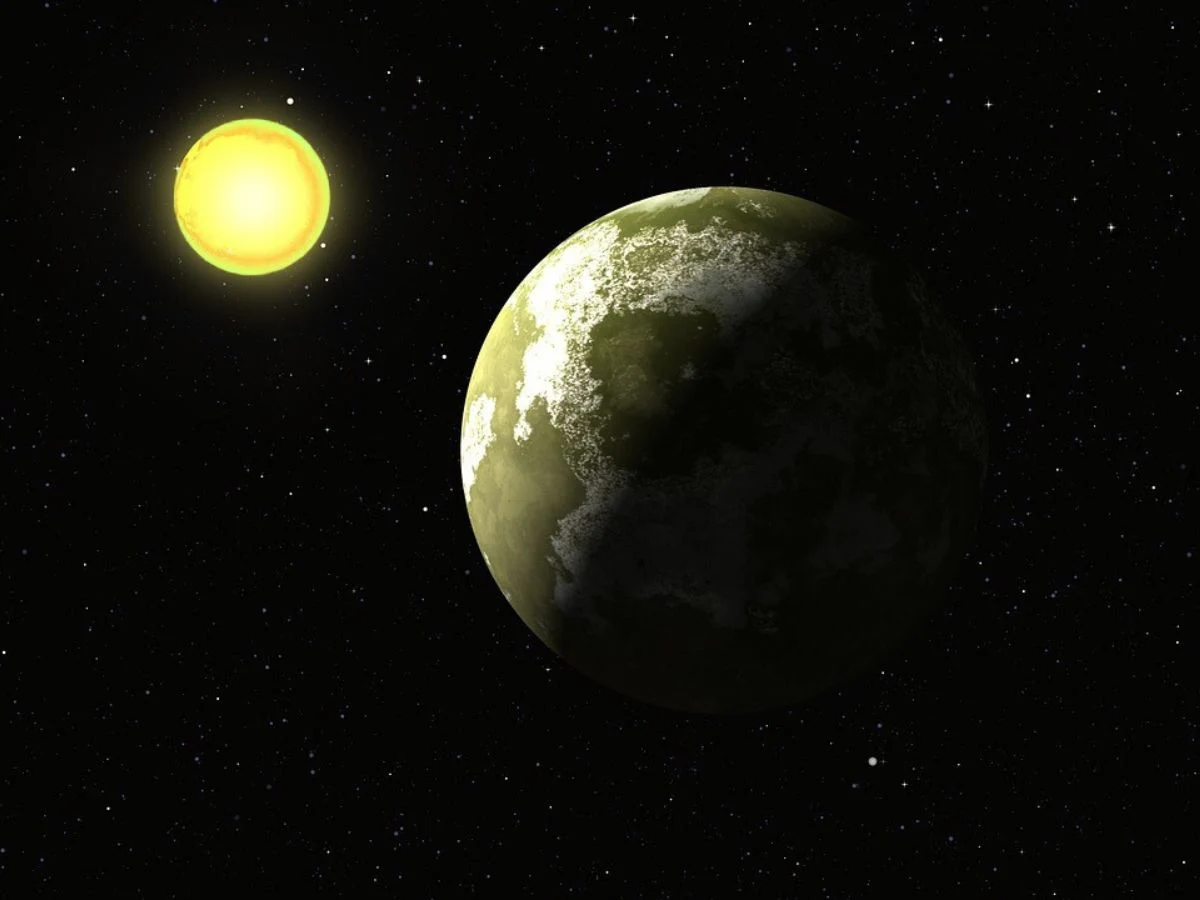
    – TOI-1883 b is a super-Neptune exoplanet with one of the lowest densities ever recorded (0.4 g/cm³).
    – Its mass is 13.7 times Earth’s, and its radius is 5.7 times Earth’s.
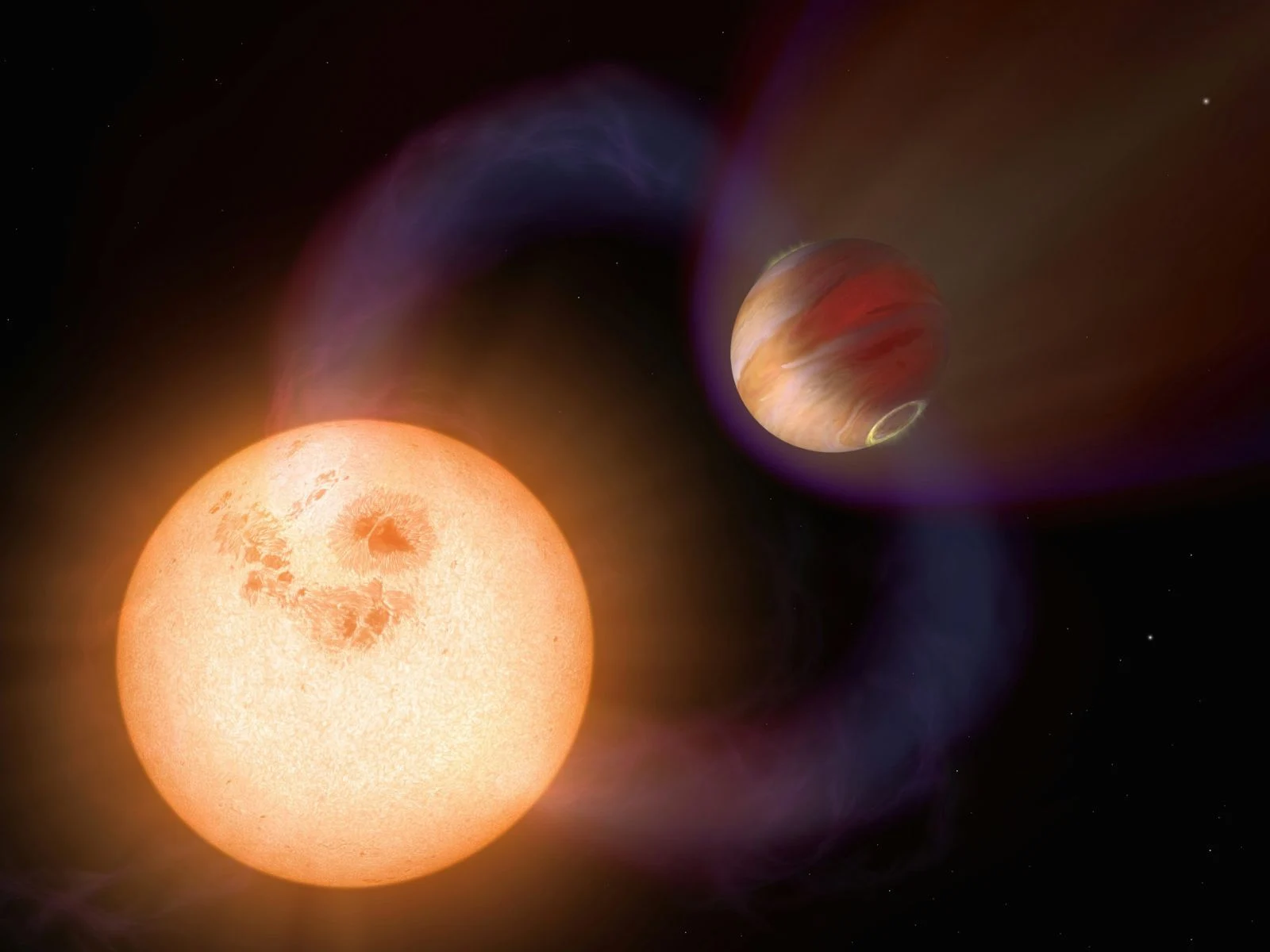
    – It orbits a red dwarf every 4.5 days, making it a puffy planet extremely close to its star.
    – The planet likely migrated inward and lost mass due to ultraviolet radiation from its star.
    – Further observations are needed to resolve the mysteries of its origin.


    Discovering a Strange New World

    There is many planets in the universe, each with there own different compositions and shapes. This is the case for TOI-1883 b, a super-Neptune that was discovered in 2024 by some astronomers. Located about 383 light-years distant from Earth, this exoplanet orbits a red dwarf that is named TOI-1883 every 4.5 days. But uncertainties still remained regarding exactly what its mass was.

    Observing With the Subaru Telescope

    As a result, a team that Izuru Fukuda of the University of Tokyo in Japan leaded decided to observe and study this very exoplanet using the Infrared Doppler (IRD) instrument on the Subaru Telescope. As a reminder, that telescope is located over in Hawaii and it has seven instruments that can observe the universe across many different wavelenghts. So they used this tool to get precise data about its size and weight.

    Key Specifications and Density Findings

    Thus, the mass of TOI-1883 b is estimated to be about 13.7 times that of Earths mass, and its radius is approximately 5.7 times larger then our planet. Therefore, its density is calculated to be only 0.4 g/cm³, which is one of the lowest values ever discovered among exoplanets. For context, water has a density of 1 g/cm³, so this planet is extremely puffy.

    • Mass: 13.7 Earth masses
    • Radius: 5.7 Earth radii
    • Density: 0.4 g/cm³
    • Orbital Period: 4.5 days
    • Distance from Earth: 383 light-years

    Possible Puffy Planet Migration

    In addition, it could be a puffy exoplanet that is located extremly close to its star. Indeed, according to the astronomers, this celestial object may have migrated toward its host star in the past and lost a significant amount of its mass due to the stars ultraviolet radiation. This process would explain why its so inflated and low-density compared to other planets.

    Mysteries Left to Explore

    However, many mysteries still surrounds the origin of TOI-1883 b. Therefore, further observations and studies are going to be necessary so we can better understand this strange world and how it formed. The team plans to continue monitoring it with the IRD instrument to confirm its structure and composition.

    Sources

  • Distant Galaxy Lost 95% Brightness in Under 20 Years

    Distant Galaxy Lost 95% Brightness in Under 20 Years

    Key Takeaway

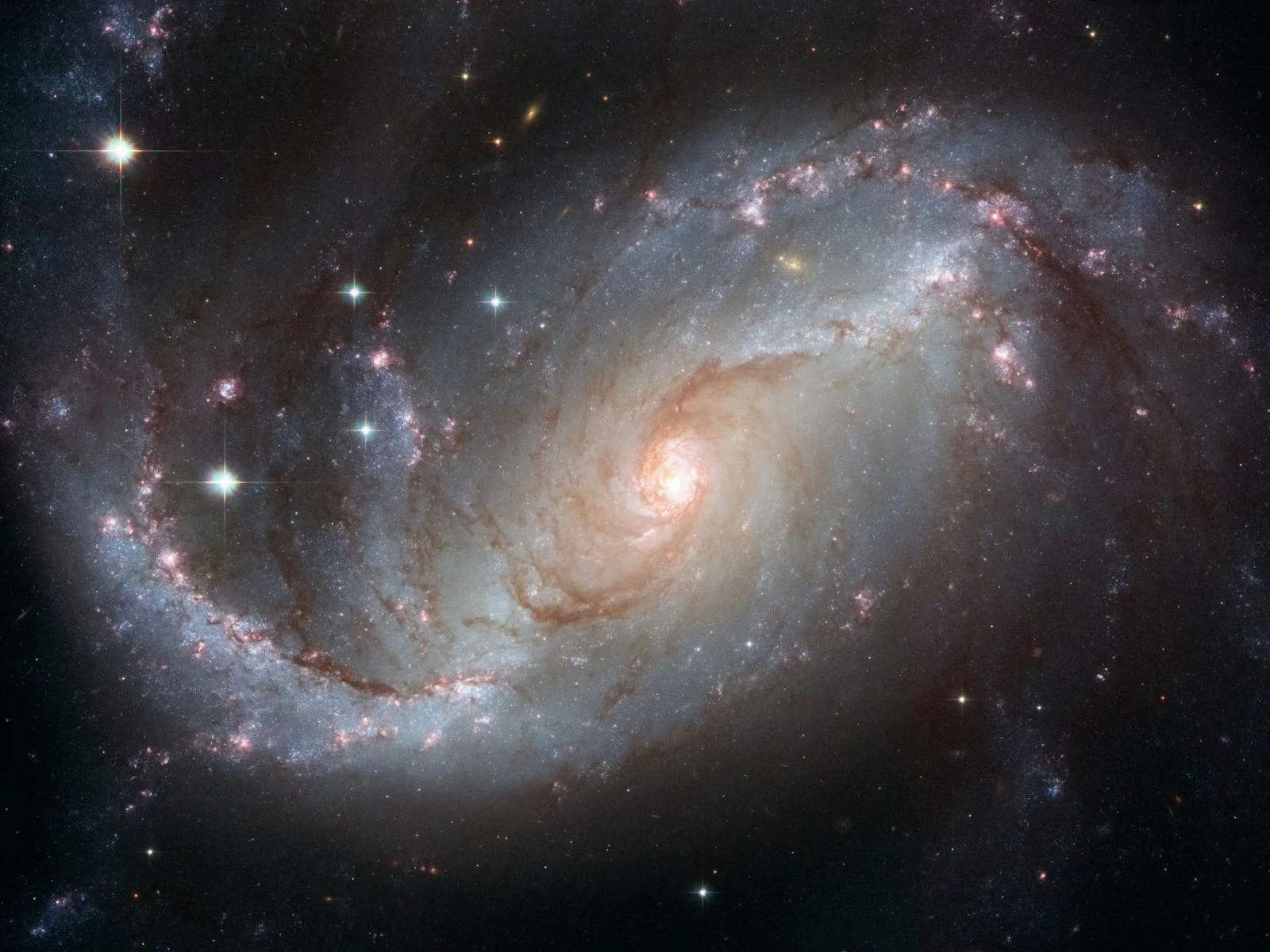
    1. A galaxy located 10 billion light-years away is rapidly fading, losing 95% of its brightness in less than 20 years.
    2. The decline in brightness is attributed to the black hole at its center no longer being fed by gas and dust.
    3. This rapid change challenges existing understanding of active galactic nuclei and indicates recent, significant alterations in the black hole’s accretion activity.

    Discovery of a Dimming Galaxy

    The universe in the endless cosmos still got many surprises for astronomers. Recently, they found a galaxy that is moving away from us, approximately 10 billion light-years far. This galaxy, known as J0218−0036, is suddenly starting to fade, and its light is diminishing quickly. This is a rare phenomenon and makes scientists want to uncover why things like this happen in space.

    Black Holes and Accretion Disks

    Most galaxies, including ours, host a supermassive black hole at their center. When the black hole is surrounded by gases and dust, it forms a bright accretion disk because of strong gravity pulling everything inward. These disks glow brightly because of high-energy processes taking place right around the black hole.

    An Unexpected Reaction

    But the case of J0218−0036 is different. What the researchers observe is that this galaxy has lost about 95% of its brightness within less than two decades. And the decrease in light started way back in the early 2000s. This rapid change shocks the scientists as it’s unusual for such massive objects to fade so suddenly.

    Black Hole’s Fuel Supply Disappears

    Scientists believe the reason behind this sudden fade is that the black hole no longer gets gas or dust to feed on. Without fuel, it can’t produce its usual bright accretion disk, causing the galaxy’s brightness to fade significantly. Tomoki Morokuma from the Chiba Institute of Technology described this as an extraordinary event, noting that the black hole’s activity changed very quickly over just a few years.

    Alternative Theories and Ongoing Research

    Initially, some astronomers thought that a large gas cloud might have temporarily blocked light from the galaxy, making it appear dimmer. However, new findings suggest otherwise. They are now planning further research to really understand what caused this galaxy to disappear so fast, as the current mystery leaves many questions unanswered.

    Observational Tools and Collaborations

    • The Subaru Telescope, which captures deep images of the universe, was crucial in this discovery.
    • Data from SDSS and HSC-SSP, along with NASA’s Hubble Space Telescope, helped astronomers analyze the galaxy’s light over time.


    Sources

  • New Moons Discovered Orbiting Jupiter and Saturn: Exciting Findings

    New Moons Discovered Orbiting Jupiter and Saturn: Exciting Findings

    Key Takeaways

    1. Jupiter and Saturn are the largest planets in our solar system and have many moons orbiting them.
    2. Recently, four new moons were discovered around Jupiter and eleven around Saturn, as announced by the Minor Planet Center.
    3. These new moons are small, averaging about 3 km in diameter, and have broad orbits and low brightness.
    4. Powerful telescopes, including Magellan, CFHT, and Subaru, are needed to observe these new moons, as they cannot be seen with amateur telescopes.
    5. Jupiter currently has 101 moons, while Saturn has 285, but these numbers may change with future discoveries from ongoing spacecraft missions.


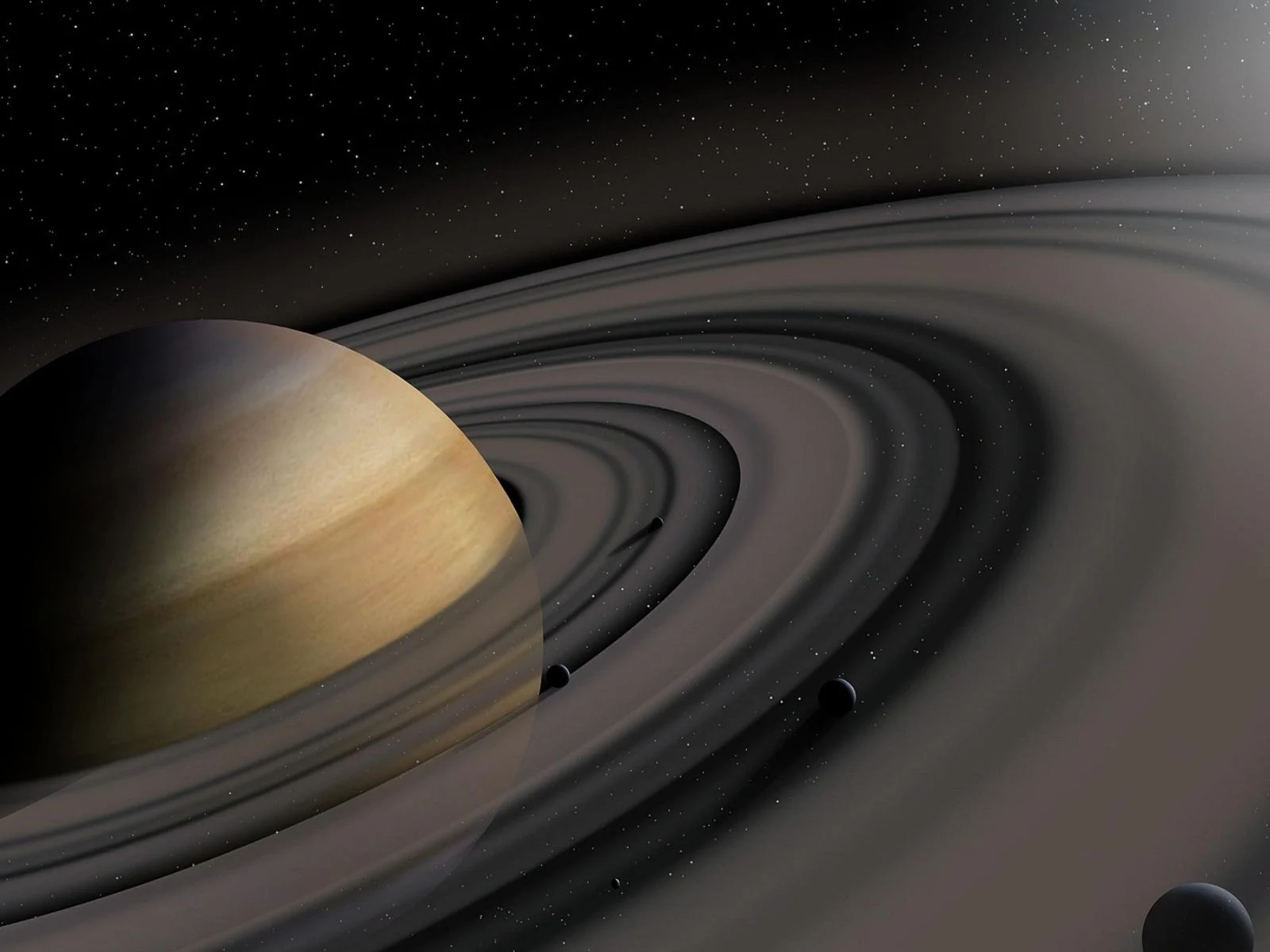
    Jupiter and Saturn are the biggest planets in our solar system, each with many moons orbiting them. Recently, astronomers have found new moons by studying these gas giants. In fact, four new natural satellites have been discovered around Jupiter, while eleven have been found orbiting Saturn.

    Recent Discoveries

    The Minor Planet Center made this announcement. However, these new celestial bodies are not very big, averaging about 3 km in diameter. Other interesting features have also been noted, such as their broad orbits and very low brightness, which falls between magnitudes 25 and 27.

    Observational Challenges

    Consequently, it’s impossible to view these new moons using an amateur telescope. To spot them, astronomers Scott Sheppard from the Carnegie Institution for Science, David Tholen from the University of Hawaii, and Edward Ashton utilized powerful telescopes like the Magellan, Canada-France-Hawaii (CFHT), and Subaru.

    Current Moon Counts

    As of now, Jupiter has 101 moons, while Saturn boasts 285. However, these figures may change in the future. Several spacecraft are currently on their way to Jupiter, which could lead to more discoveries. It’s also important to mention that moons can form rapidly, especially in chaotic conditions where celestial collisions are common. Under gravitational influence, fragments can merge and settle into orbit around the planet.

    Source:
    Link


  • Subaru Telescope Discovers New Exoplanet and Brown Dwarf

    Subaru Telescope Discovers New Exoplanet and Brown Dwarf

    Key Takeaways

    1. The Subaru telescope in Hawaii has made significant discoveries, including a brown dwarf and an exoplanet, as part of the OASIS program.
    2. The exoplanet, HIP 54515 b, is located about 271 light-years away and is 18 times the mass of Jupiter.
    3. The brown dwarf, HIP 71618 B, is approximately 169 light-years from Earth and has a mass 60 times that of Jupiter.
    4. The OASIS program utilizes data from the European Space Agency missions, Hipparcos and Gaia, to study stars influenced by hidden companions.
    5. These discoveries may lead to new observations and help answer important questions about the universe.


    Located in Hawaii, the Subaru telescope has been working since 1999, and recently it made its initial findings with a fresh program. These findings are not just any ordinary ones; it spotted a brown dwarf and an exoplanet, giving astronomers a chance to learn more about the cosmos around us.

    Significance of Discoveries

    Although these findings might appear minor, especially when considering that other telescopes are changing our perception of the universe, they mark the first results from the OASIS program (Observing Accelerators with SCExAO Imaging Survey). But there’s more to it! A representative from the National Astronomical Observatory of Japan stated:

    “The program utilizes data from two European Space Agency missions, Hipparcos and Gaia, to detect stars being influenced by the gravity of hidden companions.”

    Details on Celestial Objects

    The discoveries made by the Subaru telescope include an exoplanet and a brown dwarf. The exoplanet, named HIP 54515 b, is situated around 271 light-years away from Earth. Its size is quite remarkable, as it measures 18 times the mass of Jupiter, while being at a distance comparable to Neptune’s distance from the Sun.

    In terms of the brown dwarf, HIP 71618 B, it lies roughly 169 light-years from Earth and boasts a mass that is 60 times greater than Jupiter. This kind of celestial body remains enigmatic, and astronomers aspire to investigate them more thoroughly in the future with advanced tools.

    Future Implications

    These findings from the Subaru telescope could provide a foundation for new observations. Furthermore, they might assist in resolving numerous inquiries regarding our universe.

    National Astronomical Observatory of Japan.

    Source:
    Link