
Tag: Jupiter

  • New Moons Discovered Orbiting Jupiter and Saturn: Exciting Findings

    New Moons Discovered Orbiting Jupiter and Saturn: Exciting Findings

    Key Takeaways

    1. Jupiter and Saturn are the largest planets in our solar system and have many moons orbiting them.
    2. Recently, four new moons were discovered around Jupiter and eleven around Saturn, as announced by the Minor Planet Center.
    3. These new moons are small, averaging about 3 km in diameter, and have broad orbits and low brightness.
    4. Powerful telescopes, including Magellan, CFHT, and Subaru, are needed to observe these new moons, as they cannot be seen with amateur telescopes.
    5. Jupiter currently has 101 moons, while Saturn has 285, but these numbers may change with future discoveries from ongoing spacecraft missions.


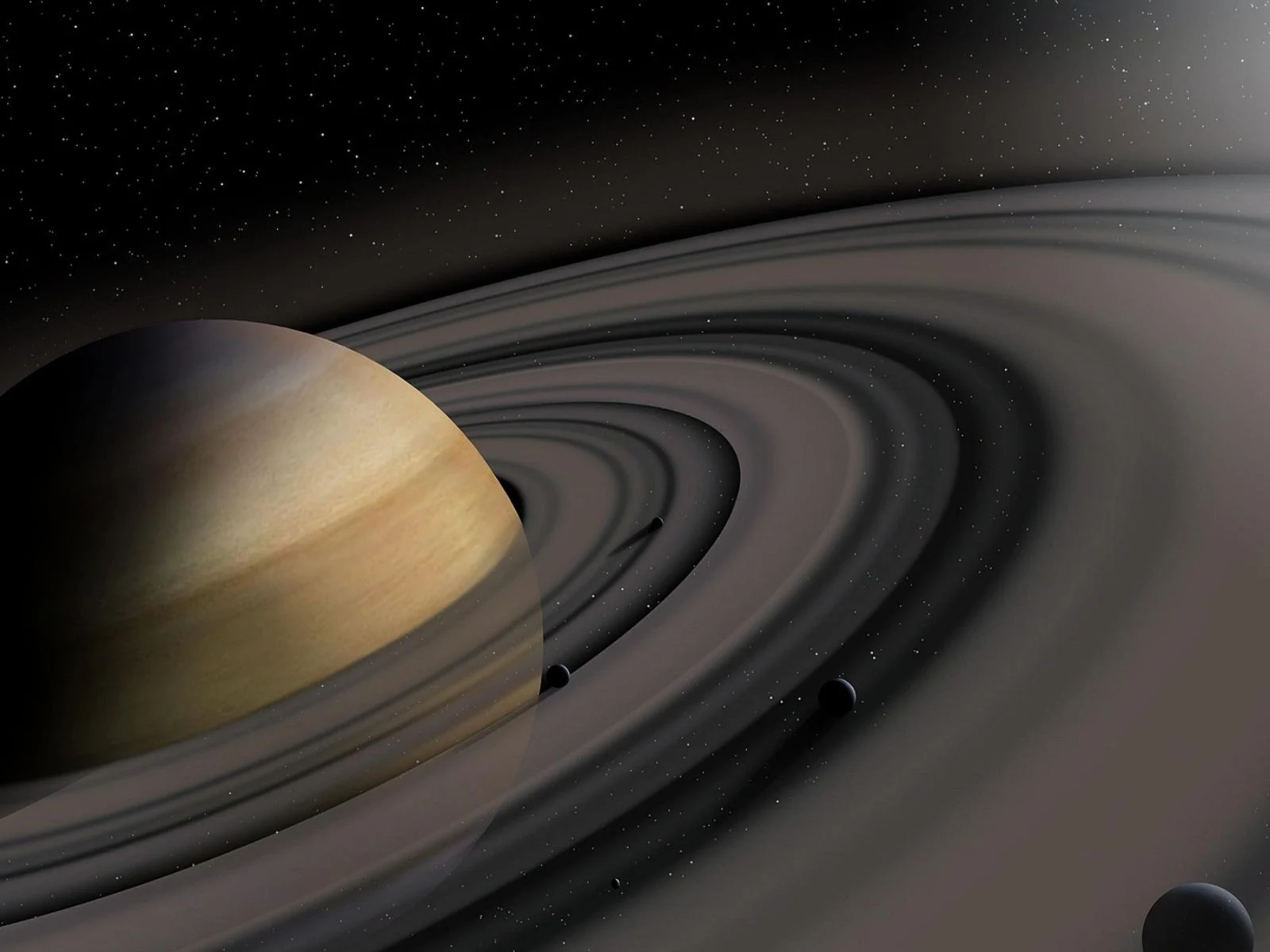
    Jupiter and Saturn are the biggest planets in our solar system, each with many moons orbiting them. Recently, astronomers have found new moons by studying these gas giants. In fact, four new natural satellites have been discovered around Jupiter, while eleven have been found orbiting Saturn.

    Recent Discoveries

    The Minor Planet Center made this announcement. However, these new celestial bodies are not very big, averaging about 3 km in diameter. Other interesting features have also been noted, such as their broad orbits and very low brightness, which falls between magnitudes 25 and 27.

    Observational Challenges

    Consequently, it’s impossible to view these new moons using an amateur telescope. To spot them, astronomers Scott Sheppard from the Carnegie Institution for Science, David Tholen from the University of Hawaii, and Edward Ashton utilized powerful telescopes like the Magellan, Canada-France-Hawaii (CFHT), and Subaru.

    Current Moon Counts

    As of now, Jupiter has 101 moons, while Saturn boasts 285. However, these figures may change in the future. Several spacecraft are currently on their way to Jupiter, which could lead to more discoveries. It’s also important to mention that moons can form rapidly, especially in chaotic conditions where celestial collisions are common. Under gravitational influence, fragments can merge and settle into orbit around the planet.

    Source:
    Link


  • Jupiter Smaller Than Expected: New Observations Reveal Surprising Facts

    Jupiter Smaller Than Expected: New Observations Reveal Surprising Facts

    Key Takeaways

    1. New measurements from NASA’s Juno probe indicate that Jupiter is smaller than previously thought.
    2. Jupiter’s diameter is now estimated to be 8 kilometers smaller at the equator and 24 kilometers smaller at the poles.
    3. Accurate measurements of Jupiter are essential for understanding other gas giants in the solar system.
    4. Adjusting Jupiter’s size helps align models of its interior with gravity and atmospheric data.
    5. The Juno probe provided 26 additional measurements that will aid future astronomical studies.


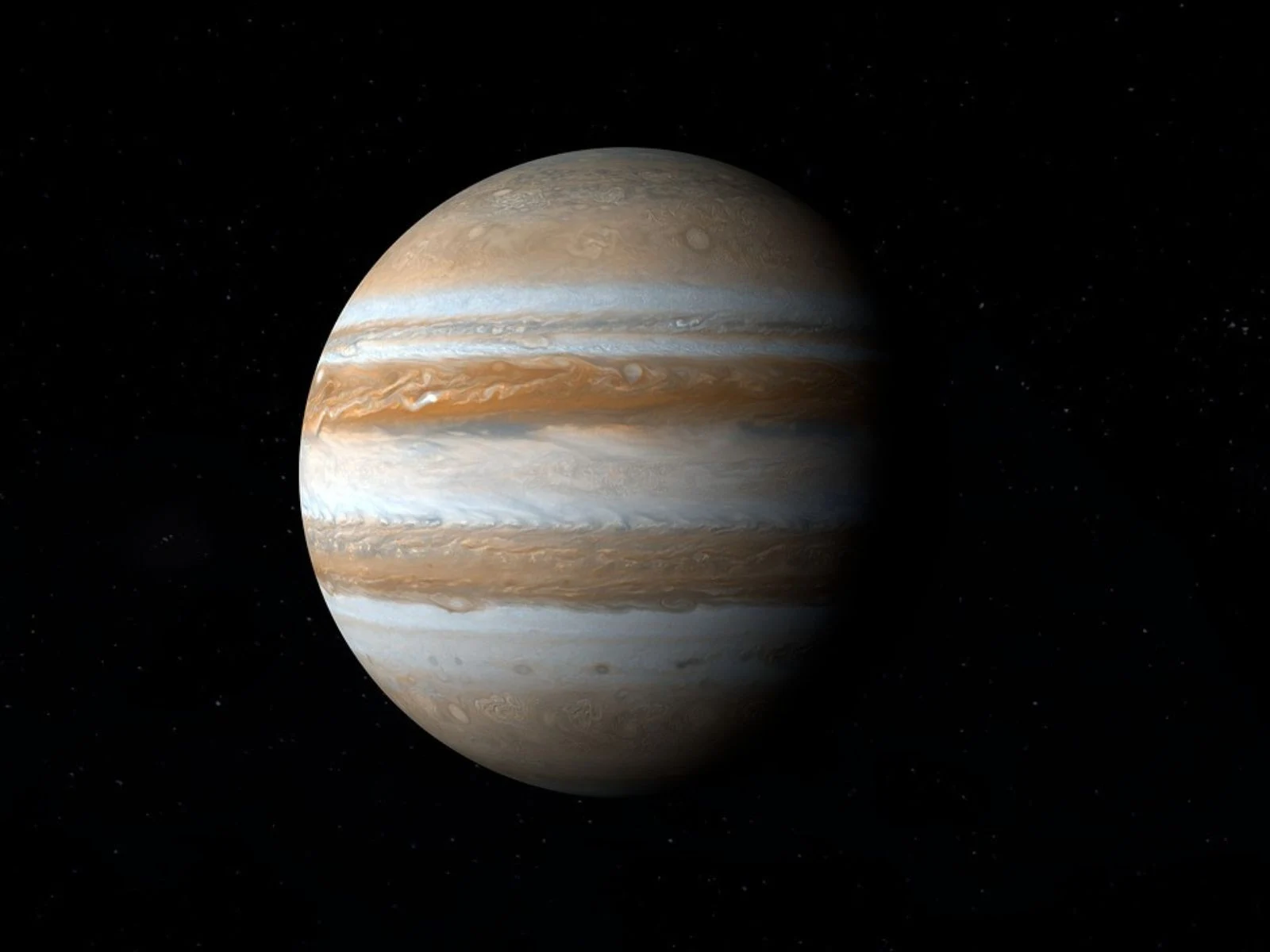
    The biggest planet in our solar system might be smaller than what we thought. Recent measurements by NASA’s Juno probe indicate a change from earlier estimates. Until now, Jupiter was believed to have a diameter of 142,984 kilometers at the equator and 133,708 kilometers from pole to pole.

    New Measurements Show Differences

    However, the latest data from the Juno probe, which is currently orbiting Jupiter, reveals a difference of 8 kilometers at the equator and 24 kilometers at the poles. While this may appear minor, it is crucial to note that Jupiter serves as a key reference point for studying other gas giants.

    In simpler terms, if astronomers can grasp a more precise understanding of Jupiter, their research will become more accurate, especially concerning the composition of these planets. Eli Galanti, who led the study shared in the journal Nature Astronomy, comments on this matter:

    Importance of Accurate Measurements

    “These few kilometers are important. Adjusting the radius by just a little allows our models of Jupiter’s interior to align better with both the gravity data and atmospheric measurements.”

    To achieve these improved results, the Juno probe maneuvered behind Jupiter while transmitting radio waves back to Earth. Astronomers were then able to determine its size based on where the signals were deflected or interrupted. Furthermore, this probe has collected 26 additional measurements, providing accurate data that will inform future studies.

    Nature Astronomy

    Source:
    Link