
Key Takeaways
1. Pearl Abyss used generative AI to create temporary 2D visual props during early development of Crimson Desert, which were not replaced by launch.
2. The studio acknowledged their mistake and is reviewing all assets to ensure no other generative AI results are present in the game.
3. A disclaimer has been added to the game’s Steam page, noting the use of generative AI in creating some 2D prop assets.
4. Community reactions include criticism over odd artwork and concerns about AI translation errors in the game’s dialogues.
5. The situation reflects a growing trend of controversies regarding AI usage in game development, with other games facing similar scrutiny.
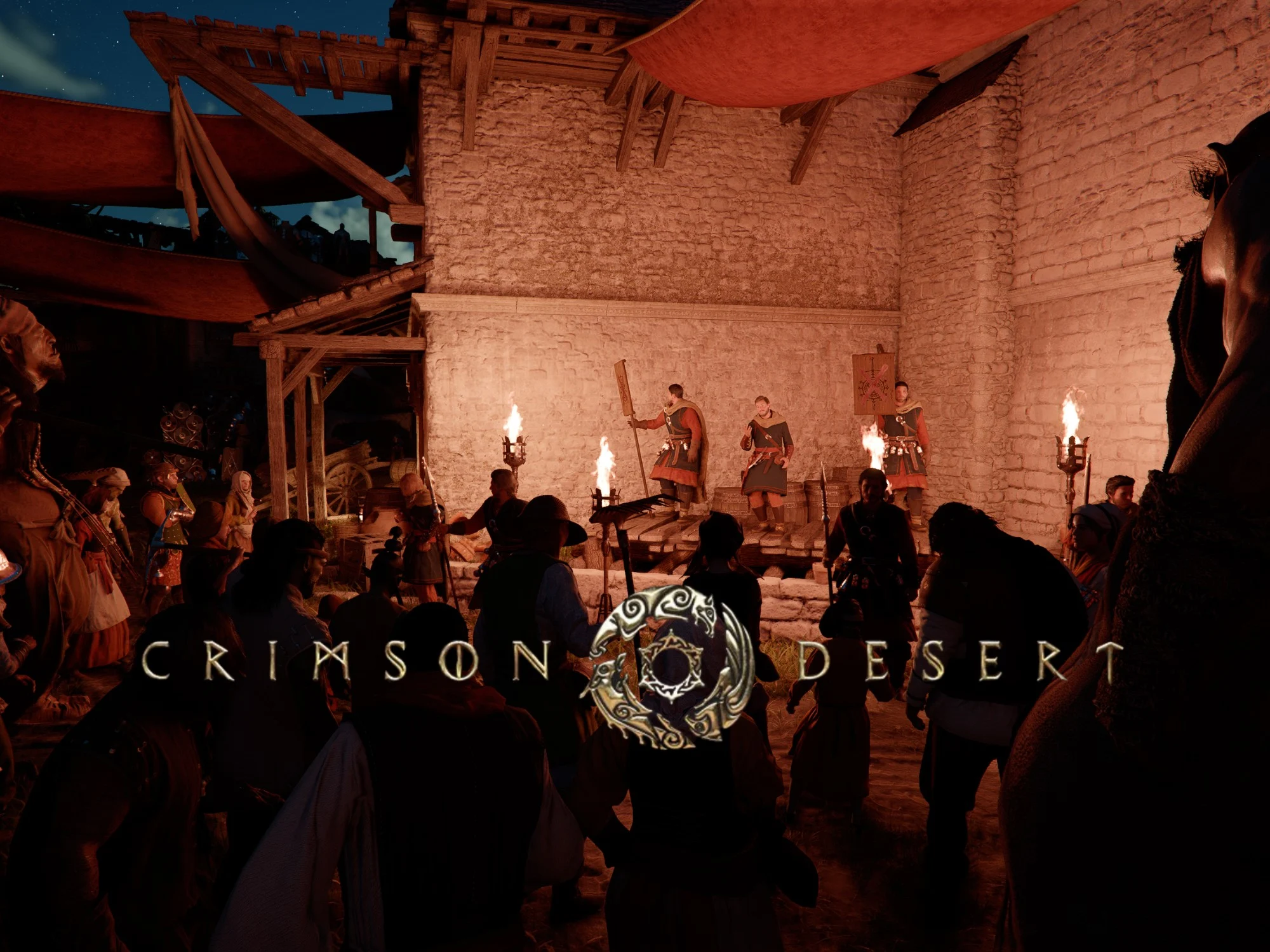
After players noticed strange images in Crimson Desert, they accused Pearl Abyss of cutting corners. The developer has responded on social media, stating that it utilized generative AI. It admitted that it did not remove the placeholder images from earlier versions of the open-world game.
Clarification from Pearl Abyss
Pearl Abyss explained that the “2D visual props were created during the early stages of development using experimental AI generative tools.” These temporary assets were crucial for the team to experiment with the “tone and atmosphere” of the massive game world. The artists had planned to replace these images by the game’s launch date, but that clearly failed to happen.
Acknowledgment of Mistake
The studio has expressed regret over what it describes as a mistake. It is currently reviewing all assets to confirm that no other results from the debated technology were missed. Gamers can expect forthcoming updates to erase any problematic artwork.
The Steam page for Crimson Desert now includes a disclaimer, as mandated by Valve. It states, “Generative AI technology is used in a supplementary capacity during the creation of some 2D prop assets.” Like the statement on social media, Pearl Abyss points out that these placeholder images were supposed to be temporary.
Community Reactions
Reddit users highlighted several instances of framed artwork showing people with limbs in odd positions. There were also suspicions that AI tools had translated dialogues into German and other languages, leading to numerous errors.
While this explanation might silence some critics, others observe that these types of apologies are becoming quite frequent. A notable case is Clair Obscur: Expedition 33, which, after being awarded Game of the Year, was disqualified by Indie Game Awards when players found proof of AI usage. Similarly, Sandfall also employed placeholders during its development before removing them from the final retail version.
Crimson Desert is a significant project, with reports suggesting that around 250 developers were involved. Building Pywel was a monumental task, yet some gamers argue that the studio has enough resources to avoid such shortcuts.
Source:
Link
Leave a Reply