Author: GizNews

  • New Colony-Sim Launches with 90% Positive Reviews and Discount

    New Colony-Sim Launches with 90% Positive Reviews and Discount

    Key Takeaways

    1. Official Launch Date: Going Medieval launched out of early access on March 17, 2026, after a five-day delay to avoid competition with other city-builder games.

    2. Objective-Driven Gameplay: The 1.0 update introduces a shift from survival sandbox to an objective-driven experience, featuring a global stats system and specific victory conditions.

    3. Setting: The game is set in a plague-stricken world, allowing players to rebuild society using an advanced multi-level voxel building system.

    4. Grand Objectives: Players can achieve one of six Grand Objectives once their settlement’s stats reach 100%, providing a clear win condition for campaigns.

    5. Enhanced Mechanics: The update improves building and management features, appealing to players interested in detailed mechanics and deep settler simulation, akin to games like RimWorld.


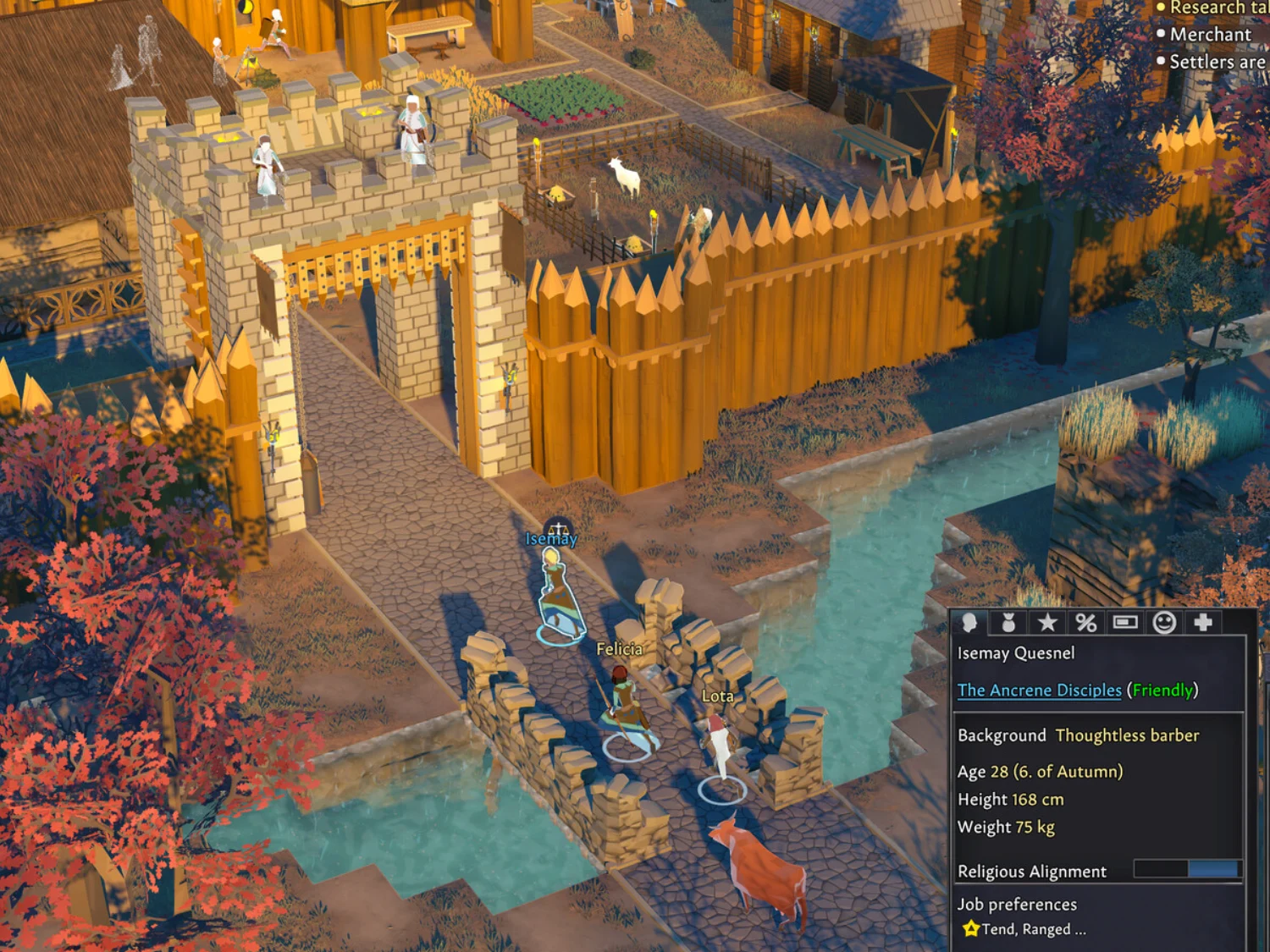
    A new 3D colony simulator called Going Medieval has officially launched out of early access on March 17, 2026, available on Steam, GOG, and the Epic Games Store. The developers had initially planned to release it on March 12 but decided to push back the date by five days to steer clear of a “busy week” filled with other city-builder games. The 1.0 update is a significant content addition that shifts the game from a survival sandbox to a more objective-driven experience, including a global stats system and specific victory conditions that were not present during its testing phase.

    Set in a Plague-Stricken World

    Set in the aftermath of a 14th-century plague, Going Medieval invites players to reconstruct society using an advanced multi-level voxel building system. With the 1.0 launch comes Renown & Global Stats, a background framework that monitors your settlement’s advancements in areas like trade, military, and knowledge. When one of these stats hits 100%, players can select one of six Grand Objectives, such as transforming their settlement into a prestigious University or a sanctuary for religion, which serves as the ultimate “win condition” for that campaign.

    Enhanced Construction and Management

    The update brings significant improvements to the building and management aspects of Going Medieval. Although the “Grand Objectives” offer a needed sense of conclusion to the game, many players say that the main appeal lies in the detailed building mechanics and the deep settler simulation. The current version provides a richer and more stable gameplay experience for those seeking a medieval alternative to games like RimWorld, especially with the additional perk of a launch discount. You can explore Going Medieval on Steam at this link.

    Steam, SteamDB

    Source:
    Link



  • Destiny 2 Guardian Games 2026 Launches with Magic: The Gathering Crossover

    Destiny 2 Guardian Games 2026 Launches with Magic: The Gathering Crossover

    Key Takeaways

    1. The Destiny 2 Guardian Games event runs from March 24 to April 14, featuring competition between Titans, Hunters, and Warlocks.
    2. Players will gather medallions and complete activities to support their class, with revamped Rushdown introducing random boss encounters.
    3. Rewards include a new shader, ship, emblem, Ghost Shell, holofoil weapons, and three exclusive event weapons.
    4. Rare Vanguard Orders allow players to earn Bright Dust, capped at 1,000 per week, to purchase Guardian Games-themed armor ornaments.
    5. The event features a crossover with Magic: The Gathering, introducing themed armor ornaments and exclusive items like the Promised End Exotic Ghost Shell and Grand Praetor Exotic Ship.


    Bungie has kicked off the Destiny 2 Guardian Games event for this year, which is set to take place from March 24 through April 14. Once again, Titans, Hunters, and Warlocks will compete against each other for bragging rights.

    Event Details

    The main focus of this event is to gather medallions, finish various activities, and support one class to come out on top. This year’s edition also revamps Rushdown, introducing random boss encounters and daily rotations that add an element of surprise to repeated runs.

    Rewards and New Features

    The Destiny 2 Guardian Games 2026 features a reward track that includes a new shader, ship, emblem, Ghost Shell, and holofoil weapons. Bungie is also including three weapons unique to this event:

    Additionally, Bungie is introducing Rare Vanguard Orders, which provide players with an extra means to earn Bright Dust during the event. Each completion gives 50 Bright Dust until players reach the weekly cap of 1,000, after which each completion will only award 10 Bright Dust. Players can use this currency for Guardian Games-themed Legendary Armor Ornaments.

    Crossover Content

    The launch of the Guardian Games is also coinciding with a new crossover with Magic: The Gathering within Destiny 2. This collaboration brings in armor ornaments and cosmetics inspired by characters and symbols from Wizards of the Coast’s classic card game.

    Bungie has revealed the new ornament sets as follows:

    Other crossover items feature the Promised End Exotic Ghost Shell, Grand Praetor Exotic Ship, Voice of Hunter 7/6 Exotic Sparrow, Overrun Finisher, Ignite Your Spark Exotic Emote, Sol Ring Exotic Emote, and the Basic Lands Shader Pack.

    The event comes as Bungie is hard at work on the next significant update for Destiny 2. Last month, the studio announced that Shadow and Order has been delayed to allow for revisions and a broader scope. The new update is now slated for release on June 9, 2026, with additional details expected to be shared closer to that date.

    Other Industry News

    In related news, Ubisoft has confirmed that The Division Resurgence will officially launch on March 31 for both iOS and Android devices, marking a concrete release date after an extended period of testing and previews.

    Moreover, the recent PUBG: Battlegrounds Anti-Cheat 2026 Roadmap has been unveiled, outlining a year-long initiative aimed at enhancing detection measures, minimizing false bans, and making it more challenging for banned players to return.

    Bungie’s message to the media can be found on Bungie.net, along with more information about the Magic: The Gathering crossover.

    Source:
    Link


  • New Leak Reveals Next-Gen Snapdragon 8 Elite Gen 6 Details

    New Leak Reveals Next-Gen Snapdragon 8 Elite Gen 6 Details

    Key Takeaways

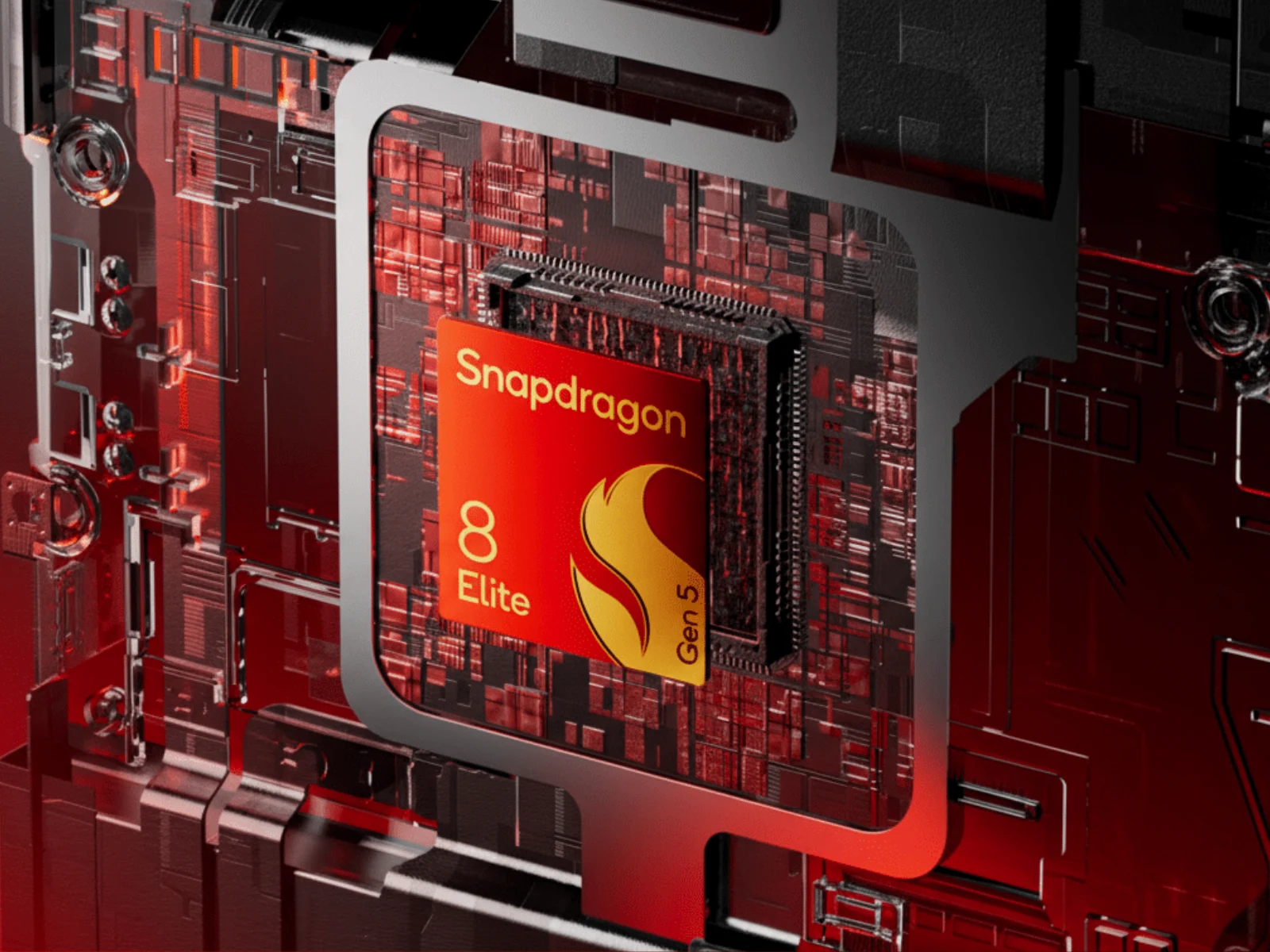
    1. Qualcomm launched the Snapdragon 8 Elite Gen 5 chipset in September 2025, featured in premium smartphones like Xiaomi 17 Ultra and OnePlus 15.
    2. Upcoming chipsets include Snapdragon 8 Elite Gen 6 and 8 Elite Gen 6 Pro, with the latter rumored to have a codename “SM8975” and advanced 2nm manufacturing.
    3. Snapdragon 8 Elite Gen 6 Pro may feature a 2+3+3 CPU arrangement, A850 GPU, and compatibility with LPDDR6 memory.
    4. The standard Snapdragon 8 Elite Gen 6, known as “SM8950,” will also use 2nm technology but with an A845 GPU and LPDDR5X memory.
    5. Qualcomm may introduce a mid-range Snapdragon 8 Gen 6, but specific details on its specifications remain undisclosed.


    In September 2025, Qualcomm introduced its top-tier chipset, the Snapdragon 8 Elite Gen 5. This powerful chipset is at the heart of several premium smartphones, including the Xiaomi 17 Ultra, OnePlus 15, and gaming-focused devices like the RedMagic 11 Pro (currently priced at $799 on Amazon). There are whispers of two new versions coming in the next flagship series: the standard 8 Elite Gen 6 and the 8 Elite Gen 6 Pro.

    Details on Upcoming Chipsets

    Trusted leaker Digital Chat Station on Weibo has shared insights about both chipsets. The Snapdragon 8 Elite Gen 6 Pro is rumored to go by the codename “SM8975.” According to the tipster, it will be manufactured using TSMC’s advanced 2nm process and will feature a 2+3+3 CPU arrangement. On the graphics side, it could incorporate an A850 GPU along with 18MB of GMEM. It’s anticipated to be compatible with LPDDR6 memory, although LPDDR5X might also be available, featuring an 8MB last-level cache.

    Differences Between the Models

    On the other hand, the regular Snapdragon 8 Elite Gen 6 is expected to be known as “SM8950.” This version is said to also utilize the 2nm technology and the same CPU structure but will have variances in other specifications. It might use an A845 GPU with just 12MB of GMEM, coupled with LPDDR5X memory, and a smaller 6MB last-level cache. The crucial distinction between the two chipsets appears to be in the GPU and memory configurations.

    Potential New Releases

    Additionally, the leak hints that Qualcomm might unveil a mid-range Snapdragon 8 Gen 6. The leaker mentioned that its specifications aren’t as impressive but did not disclose any further information. The Snapdragon 8 Elite Gen 6 series is anticipated to be launched later this year, yet Qualcomm has not officially confirmed any details.

    Source:
    Link


  • Seiko Rotocall Watch: Astronaut-Approved Now in the US for $550

    Seiko Rotocall Watch: Astronaut-Approved Now in the US for $550

    Key Takeaways

    1. Seiko’s Rotocall reissue is set to launch in April 2026 at a price of $550.
    2. The new collection includes three variants: blue and silver-tone SMGG21, red/black SMGG19, and yellow/black SMGG17.
    3. The updated Rotocall features a compact 37mm stainless steel case and runs on Seiko’s quartz Caliber A824.
    4. Key functionalities include a 1/100-second chronograph, dual-time display, alarm, timer, and battery warning indicator, all accessible via a rotary bezel.
    5. The Rotocall reissue is not a limited edition and will be part of Seiko’s regular product lineup.


    Those eager to grab Seiko’s latest Rotocall reissue won’t have to be patient for long, as it is now available on Seiko’s US website. The release is confirmed for April 2026, with a price set at $550.

    A Classic Returns

    Back in October of last year, Seiko unveiled its plans to bring back the iconic 1982 Seiko A829, a digital timepiece that developed a loyal fanbase due to its unique rotating bezel. This feature allowed users to switch functions without needing to press any buttons. Known as the “Rotocall,” this model was particularly popular amongst astronauts, since the bezel could be manipulated even when wearing gloves.

    Launching in the US

    The new collection includes the blue and silver-tone SMGG21, the red/black SMGG19, and the yellow/black SMGG17. These models were first released in the UK and Japan in November. Now, the Japanese manufacturer is set to introduce its cherished digital quartz watch to the US market, with all three variants now listed on the brand’s official site. Although the exact launch date hasn’t been announced, it’s worth noting that the SMGG17 and SMGG19 already appear on Seiko’s official Amazon store for $392.70, which is below the anticipated retail price.

    Specifications and Features

    The updated Rotocall remains true to its predecessor, showcasing the same compact 37mm stainless steel case, with a thickness of 10.6mm and a lug-to-lug measurement of 43.5mm, making it quite comfortable to wear by today’s standards. It runs on Seiko’s quartz Caliber A824, providing an accuracy of ±20 seconds monthly and an estimated battery life of around three years. The functionality is impressive for a digital watch, featuring a 1/100-second chronograph (up to 100 hours), dual-time display, single alarm, timer, and a battery warning indicator.

    At the heart of the watch is the distinctive rotary bezel, which functions as a selector for the different modes, allowing for easy transitions between various features like dual-time, alarm, counter, timer, stopwatch, and time adjustment. The reissue also introduces some useful enhancements, such as an AM/PM indicator and a battery level gauge. Additional specifications include a Hardlex crystal, water resistance up to 100 meters, and a steel bracelet with a three-fold clasp.

    It’s important to mention that the Rotocall reissue is not a limited edition, but rather part of Seiko’s regular product lineup.

    Source:
    Link


  • Denon Home Wireless Speakers: Dolby Atmos, Hi-Res Audio & More

    Denon Home Wireless Speakers: Dolby Atmos, Hi-Res Audio & More

    Key Takeaways

    1. Denon has launched a new range of wireless speakers: Home 200, 400, and 600, focused on Hi-Res Audio and lossless music.
    2. The speakers feature Dolby Atmos technology for a 3D audio experience and immersive sound quality.
    3. Connectivity options include 3.5 mm and USB-C wired inputs, plus wireless capabilities like 802.11ax Wi-Fi and Bluetooth.
    4. The speakers support various music streaming platforms and formats, including lossless options and DSD up to 192 kHz, 24-bit.
    5. Pricing is set at $399 for Home 200, $599 for Home 400, and $799 for Home 600, available in Charcoal or Stone colors.


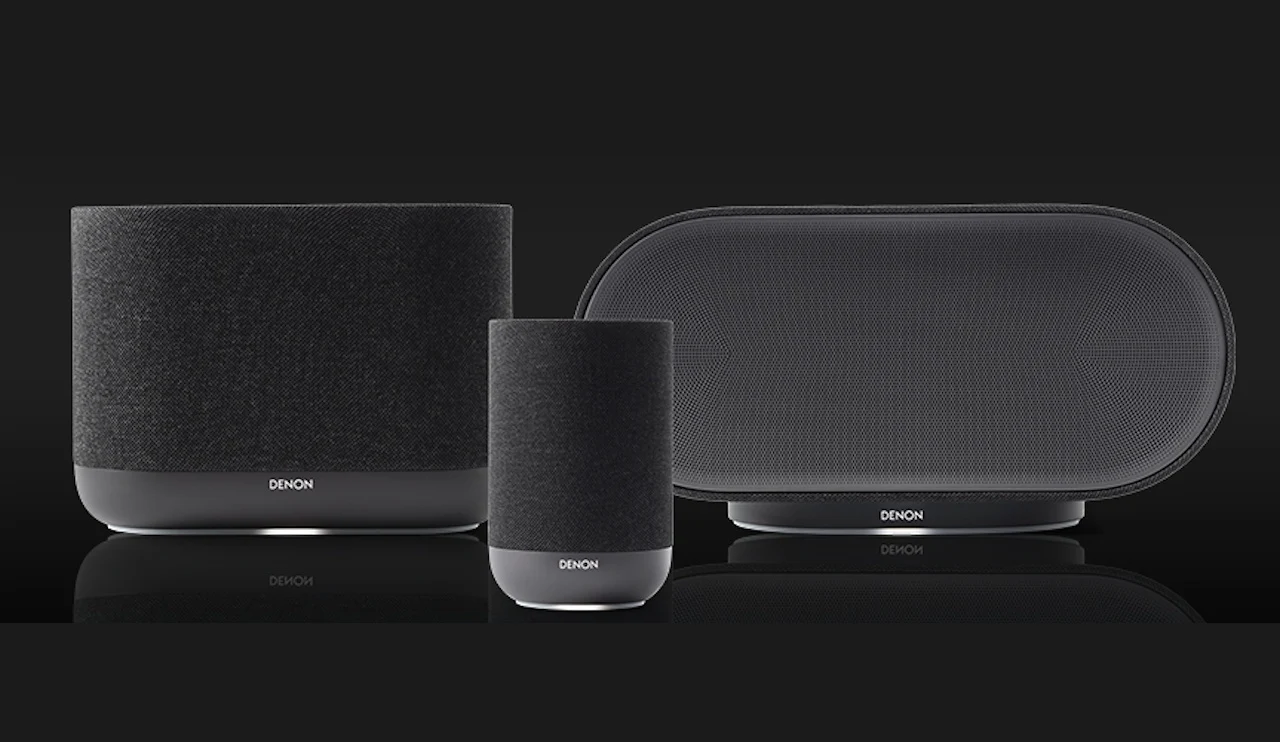
    Denon has recently introduced a fresh range of wireless speakers—the Denon Home 200, 400, and 600—catering to fans of Hi-Res Audio and lossless music. These speakers come with Denon HEOS A/V integration, allowing for music streaming throughout the entire house, along with Dolby Atmos Music, which delivers an engaging 3D audio experience.

    Speaker Features

    Each model in the Denon Home lineup is crafted to provide a rich sound experience, immersing listeners in the music. The Home 200 features two tweeters and one woofer, while the Home 400 is equipped with two tweeters, two woofers, and two upfiring drivers. The most advanced, the Home 600, includes two tweeters, two midrange drivers, two woofers, and two upfiring drivers. All models utilize Dolby Atmos technology to enhance the feeling of space and height, whether you’re listening to spatial audio or traditional stereo tracks.

    Connectivity Options

    These speakers also offer various connectivity options, including 3.5 mm and USB-C wired inputs, alongside wireless capabilities like 802.11ax Wi-Fi and Bluetooth. They can stream music from platforms such as Tidal, Qobuz, and Spotify. Both lossy and lossless formats are supported, including DSD up to 192 kHz, 24-bit. Furthermore, the speakers can access music stored on personal networked servers via Roon.

    The pricing for these models is set at $399 for the Denon Home 200, $599 for the Denon Home 400, and $799 for the Denon Home 600, all available in Charcoal or Stone colors on the company website. These speakers will soon be found in the Denon store on Amazon too.

    Denon, Denon on Facebook.

    Source:
    Link


  • Brenda Romero Calls Xbox Dungeons & Dragons Heroes a Miracle

    Brenda Romero Calls Xbox Dungeons & Dragons Heroes a Miracle

    Key Takeaways

    1. Brenda Romero described the development of Dungeons & Dragons Heroes as a “miracle” due to its last-minute transformation from a basic hack-and-slash game into a more complete RPG.
    2. The game was originally intended to mimic the arcade game Gauntlet but faced challenges in maintaining the essential RPG elements of Dungeons & Dragons.
    3. Just five months before the game’s release, the team realized they needed to incorporate RPG features, leading to a rapid pivot in development.
    4. Key RPG elements such as quests, items, NPCs, and a progression system were added quickly, showcasing the team’s adaptability under pressure.
    5. Despite receiving mixed reviews, the game’s development story highlights the unexpected successes that can arise from collaboration and determination in game design.


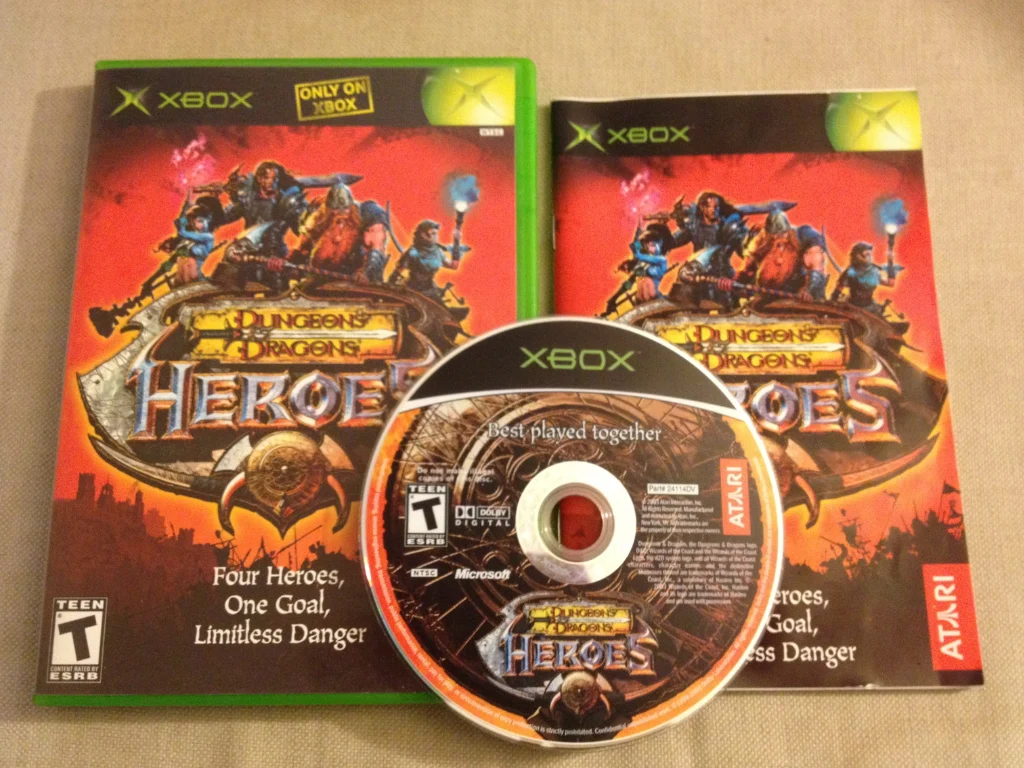
    Brenda Romero is still shocked that one of the most well-known RPGs in gaming, the Xbox-exclusive Dungeons & Dragons Heroes, was saved at the last minute during a chaotic development phase just months before its release. She fondly remembers the game and labels it a “miracle.”

    An Interview at Dark and Doomy

    Recently, Brenda chatted with Time Extension at the Dark and Doomy event in Wakefield, England. In the discussion, she shared insights about the 2003 Xbox-exclusive RPG that was nearly released as a basic hack-and-slash game, lacking the RPG elements crucial to the essence of Dungeons & Dragons. Reflecting on it, she stated, “Holy sht… It was a miracle.”

    The Origins of Dungeons & Dragons Heroes

    Dungeons & Dragons Heroes was born when Atari suggested creating something akin to the classic arcade game Gauntlet, but with D&D characters. Brenda Romero detailed in the interview:

    “They wanted to develop a game that resembled the arcade Gauntlet, but with D&D characters. The idea was to just go in there, fight, and whatever. But I wanted to create a character that could grow, have weapons, go on quests, and have a shop. All of that stuff!”

    Brenda found herself in a tricky spot: after spending two decades crafting RPGs, Atari’s request was for her to create a hack-and-slash game that removed everything that made D&D feel true to its roots.

    A Shift in Direction

    This meant no upgrades for weapons, no in-game economy, no side quests, and no stores within the game. She continued, “At one point, that was my thing. I knew how to do that. But then I found myself in a situation where I was making a non-RPG on a console, and I thought, ‘I’m not sure I’m the right designer for this.’”

    The team focused on developing Dungeons & Dragons Heroes according to Atari’s guidelines. However, just five months before launch and three months from certification, an urgent meeting was called to discuss the game’s quality. During this meeting, a programmer stood up and stated, “Brenda’s right. We’re missing a lot of stuff.”

    Adding RPG Elements

    That was when the team pivoted and began adding various RPG features like quests, items, NPCs, and even a whole progression system as quickly as they could. Reflecting on it, Brenda Romero shared, “I even remember looking at the maps I designed, thinking, ‘Where the fck am I gonna put a store?’ I still remember where I ended up placing them. It was kinda surgical.”

    While the game received mixed reviews, Dungeons & Dragons Heroes didn’t turn out to be just a forgettable button-masher; it had a surprising amount of depth given the short development period.

    A Miracle in Development

    Even Brenda Romero acknowledges the game’s average quality, yet she remains astonished by what the team accomplished in just a few months.

    She wrapped up the conversation by saying, “The game ultimately turned out mediocre, but looking back, I’m like, ‘Holy sh*t!’ We did all of that in such a brief time. It was a miracle. Often, people don’t realize the excitement that happens behind the scenes and these wild game stories.”

    Though Dungeons & Dragons Heroes may not have revolutionized the gaming world, it stands as a testament that miracles can happen when a group of developers collaborates and refuses to launch an unfinished product.

    Source:
    Link


  • Crimson Desert Player Denied Steam Refund Over AI Disclosure

    Crimson Desert Player Denied Steam Refund Over AI Disclosure

    Key Takeaways

    1. Pearl Abyss confirmed that their game, Crimson Desert, includes AI-generated images, although most artwork is human-created.
    2. A player sought a refund after playing for four hours, but Valve denied the request due to exceeding the two-hour refund policy.
    3. The player argued that a notice about AI usage should have been disclosed before the game’s release, potentially affecting sales.
    4. Community reactions were mixed, with some players feeling AI images did not impact enjoyment, while others supported the player’s refund request.
    5. Valve evaluates refund requests on a case-by-case basis, with some players successfully receiving refunds for other games that used generative AI without prior disclosure.


    Pearl Abyss has confirmed what many suspected: their open-world game contains AI-generated images. The artwork featured in the game is primarily created by humans. This information, however, only came to light after the release date of Crimson Desert. One player, who opposes the use of AI tools in gaming, sought a refund through Steam. The platform denied the request, leading to discussions about how they should manage such situations.

    Refund Request Denied

    A user on Reddit, known as Extra_Lingonberry_79, asked for a refund after playing for four hours. Valve responded, stating that the gameplay exceeded the two-hour limit set by their policies. The player was frustrated because support said that a disclosure about generative AI was available on the Crimson Desert Steam page.

    The player argues that if buyers had seen the notice prior to the game’s launch, it might have resulted in fewer sales. The platform mandates that publishers must disclose any use of generative AI in their products, which includes artwork, character models, and voiceovers.

    Community Reactions

    Unfortunately for Extra_Lingonberry_79, many Reddit users did not sympathize with their situation. They highlighted that Pearl Abyss only released the game with a small number of temporary images. The developer admits they could not replace these assets before the Steam release and plans to fix the issue through updates.

    While many players believe that the AI images do not detract from the enjoyment of Crimson Desert, user barnabyjones1990 argues that there is a “very reasonable justification to ask for a refund.” Some critics worry that if Valve does not take action, game developers might disregard the policy entirely.

    Looking at Success Stories

    In this case, Steam refunds may be uncommon, but there have been instances where players were successful with other games. For example, a player known as Bricky received a refund for Call of Duty: Black Ops 7, despite finishing the campaign. Activision had failed to mention that generative AI tools were used to create some calling cards and emblems.

    It seems that Valve will evaluate these refund requests individually. Players might need to persuade support that the current version of Crimson Desert on Steam significantly differs from its original description.

    Source:
    Link


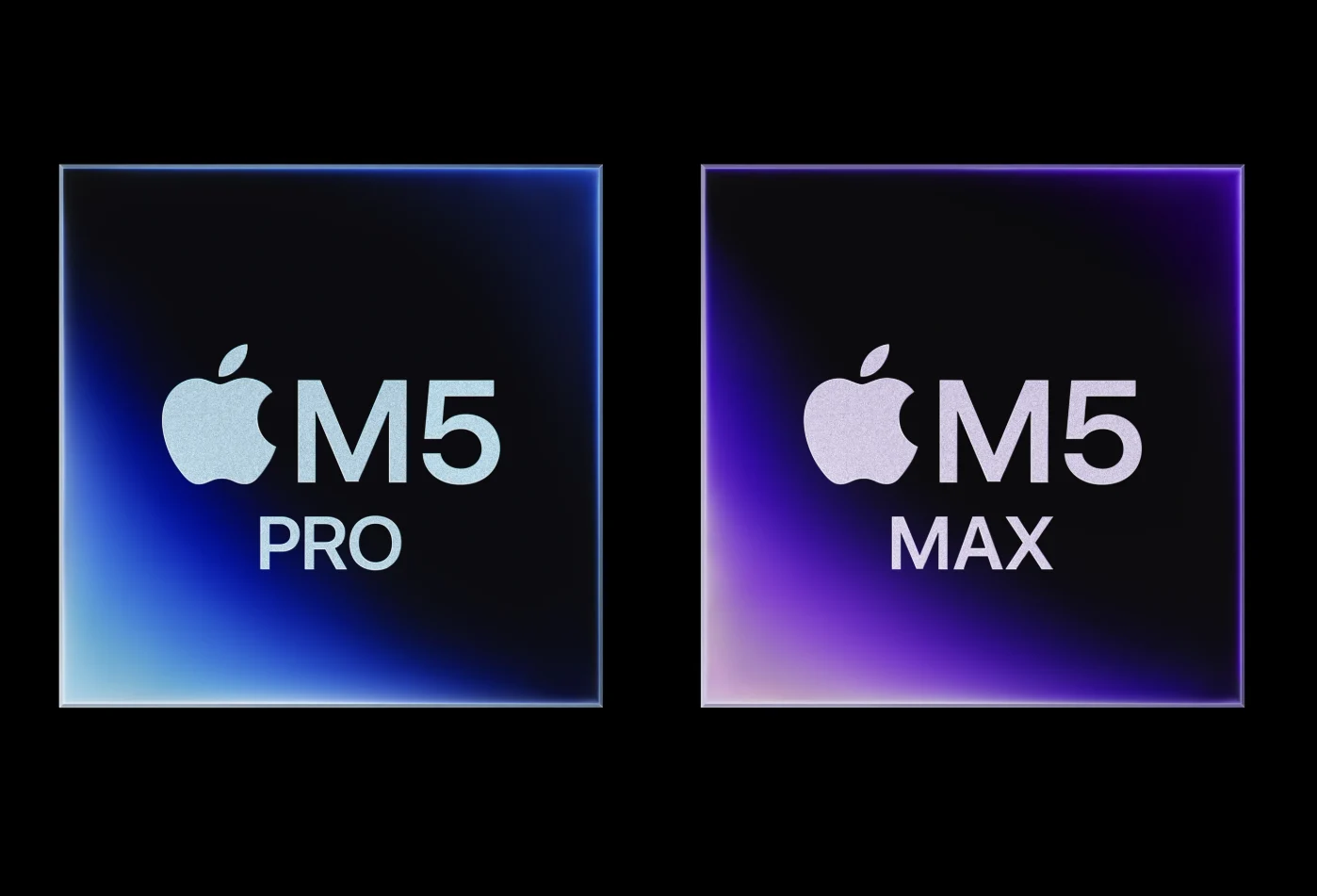
  • Apple M5 Pro & M5 Max Outperform RTX 5090 in PugetBench Tests

    Apple M5 Pro & M5 Max Outperform RTX 5090 in PugetBench Tests

    Key Takeaways

    1. The MacBook Pro lineup excels in multimedia performance, especially for content creators, with significant tests on creative applications.
    2. The M5 Pro processor offers impressive speed, closely rivaling the mobile GeForce RTX 5090 in high-performance laptops.
    3. The M5 Max models show a clear advantage in GPU performance, particularly in the larger MacBook Pro 16, highlighting limitations in the 14-inch model.
    4. The 14-inch MacBook Pro outperforms all Windows competitors of similar size, despite slightly lower performance compared to the 16-inch model.
    5. Competing Windows devices struggle to match the performance of M5 chips in key creative applications, particularly in Photoshop and Premiere Pro.


    Apple’s MacBook Pro lineup is known for being excellent multimedia laptops, especially popular with content creators. Besides our usual benchmarks in reviewing the MacBook Pro 14 featuring the M5 Max and the MacBook Pro 16 equipped with the M5 Pro, we conducted additional tests on creative applications for these models, including the larger MacBook Pro 16 with the M5 Max. We utilized the latest PugetBench benchmarks for Adobe applications like Photoshop, Premiere Pro, Lightroom Classic, and DaVinci Resolve, comparing these results against other contemporary multimedia devices. All devices tested ran the same versions of the apps and benchmarks, ensuring the results are valid for comparison.

    Impressive Performance

    The performance results for the new Apple processors are remarkable, with the M5 Pro being either much quicker or only slightly slower than the mobile GeForce RTX 5090 found in the Asus ProArt P16, which is among the fastest 16-inch Windows multimedia laptops available. The two M5 Max models show a significant advantage, especially when GPU performance is crucial. This highlights the benefits of the larger MacBook Pro 16, confirming once again that the smaller 14-inch model can’t fully utilize the M5 Max’s capabilities, as we previously reported.

    Comparison with Rivals

    While the performance of the 14-inch MacBook Pro may be somewhat lower, it still outshines all other Windows competitors with similar screen sizes. In terms of compact Windows models, the Asus ProArt PX13 featuring the AMD Strix Halo is currently one of the top choices. However, the Ryzen AI Max+ 395 with the Radeon 8060S can only match the M5 chips in Lightroom; it fails to compete in Photoshop, Premiere Pro, or DaVinci Resolve. Similarly, the combination of Intel’s Panther Lake and the mobile RTX 5070 falls short in performance. For more insights, check out our detailed analysis articles on the new M5 Pro and M5 Max chips.


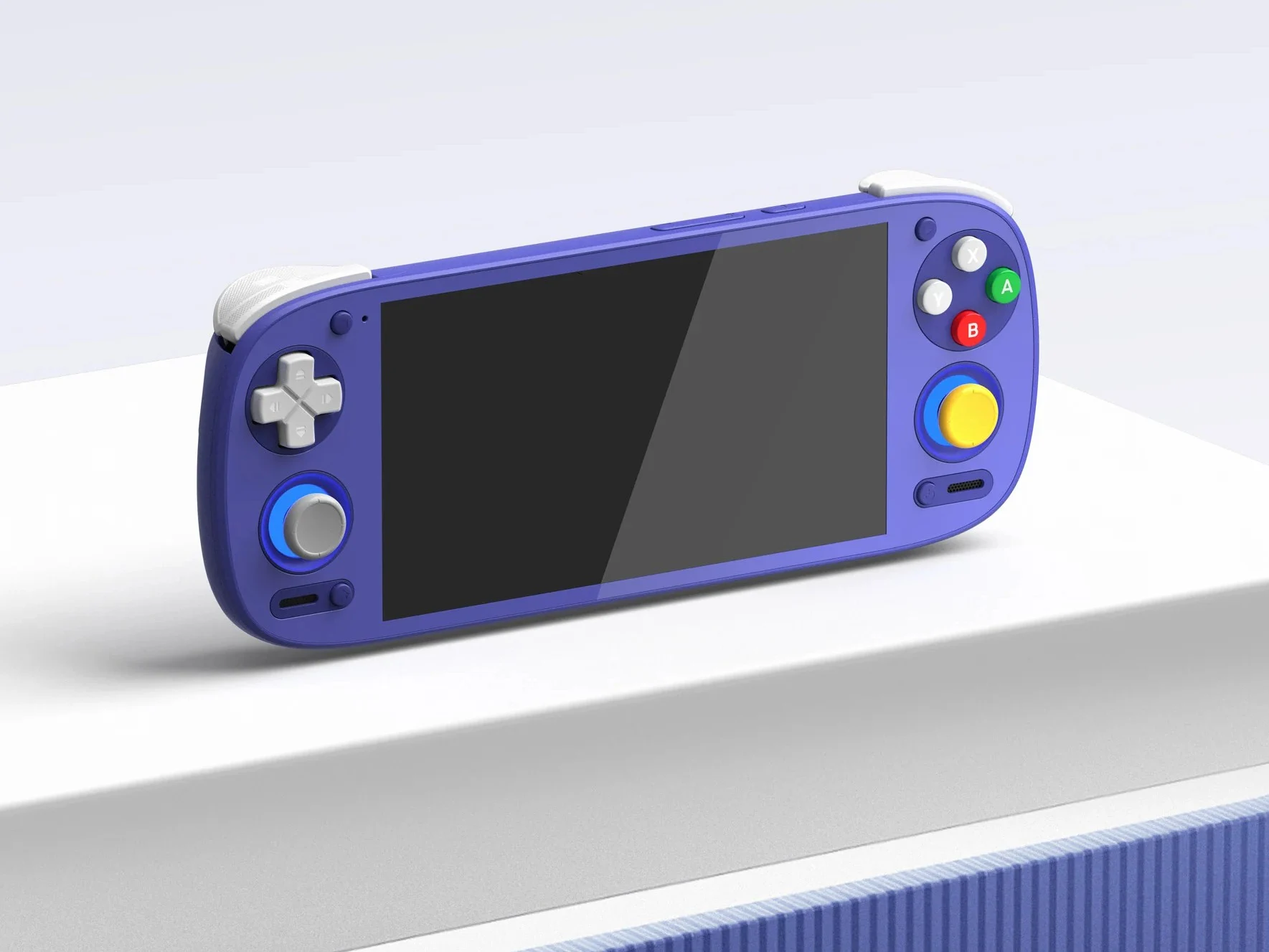
  • Retroid Releases OTA Update for Discontinued Handheld Device

    Retroid Releases OTA Update for Discontinued Handheld Device

    Key Takeaways

    1. Retroid has announced the discontinuation of the Pocket G2 handheld but will continue to provide support and updates.
    2. The latest update, version 1.0.0.176, includes various fixes and new features, including the charge separation functionality.
    3. The charge separation feature allows the Pocket G2 to draw power directly from the charger, improving battery health and lifespan.
    4. Users can enable the charge separation feature through the Quick Settings menu by customizing the tile.
    5. To update the device, users should navigate to the Settings app, select System, and check for the latest update under Retroid Pocket FOTA.


    Retroid has recently made an announcement regarding the Pocket G2 handheld, which was launched late last year, stating that it will no longer be produced. Despite this news, the device will continue to receive support, as the company has rolled out an OTA update that addresses various issues and introduces new functionalities.

    Update Version Details

    This update, confirmed during the discontinuation announcement, is designated as version 1.0.0.176. A notable feature included in this update is the bypass charging functionality, which Retroid refers to as the Charge separation feature.

    Benefits of Charge Separation

    When this feature is turned on, the Pocket G2 can pull power straight from the charger instead of relying on the battery while it’s connected. This can be beneficial for the health of the battery and can prolong its lifespan. It’s especially useful for long gaming sessions or when the device is being used in docked mode.

    Enabling the Feature

    You can easily enable the charge separation feature from the Quick Settings menu, but you’ll need to add the tile first. To do this, pull down the Quick Settings menu and click the pen icon in the bottom corner. Scroll until you see the Charging separation tile. Hold it and drag it to your preferred location. Tap the back arrow in the top left corner to return to the Quick Settings menu, and just tap the tile to toggle the feature on or off.

    The complete changelog for this update is provided below:

    To update your device, open the Settings app and scroll down to System. Tap on it, then select Retroid Pocket FOTA. Hit check version to see if there’s an update available. Download the update and install it, and you should be prompted to restart your device afterward.


  • OpenAI Closes Sora: Anti-AI Filmmakers Celebrate Video Platform Shutdown

    OpenAI Closes Sora: Anti-AI Filmmakers Celebrate Video Platform Shutdown

    Key Takeaways

    1. OpenAI is discontinuing its video generation service, Sora, just six months after its launch due to a shift in focus to new models.
    2. Sora initially gained popularity with a million downloads quickly, but faced backlash over unauthorized celebrity deepfakes, leading to reduced user engagement.
    3. OpenAI implemented strict safety protocols requiring celebrity consent for likeness use, which diminished the app’s appeal.
    4. This closure marks OpenAI’s first significant service shutdown, highlighting challenges in meeting market expectations and regulatory demands.
    5. Filmmakers may welcome Sora’s cancellation, while alternatives like Google Veo 3.1, Runway Gen-4, and Kling AI remain available.


    In an unexpected development, OpenAI, the creator of ChatGPT, has revealed that it will be ending its video generation service, Sora, just six months after its launch in September 2025. Although Sora had a fantastic start thanks to extensive publicity from YouTube creators and filmmakers, OpenAI has decided to discontinue it, possibly to focus on new models.

    Farewell to Sora

    We’re bidding farewell to the Sora app. To all who have created, shared, and fostered a community with Sora: we appreciate you. Your contributions with Sora were significant, and we understand this news is a letdown. More information will be shared soon, including timelines for the app and API, along with details on how to keep your work. – The Sora Team

    Mixed Reactions

    When Sora was launched, it received a blend of excitement and concern from the creator community. The app enabled users to create high-resolution videos featuring “cameos” of themselves and achieved a million downloads more quickly than ChatGPT – quite remarkable.

    Nevertheless, it appears that the initial excitement faded swiftly as the platform faced backlash over unauthorized celebrity deepfakes. In reaction, OpenAI put in place stringent safety protocols that mandated consent from celebrities before their likenesses could be used in AI-generated videos. These new rules reportedly diminished the app’s viral charm, causing a drop in active users.

    Industry Implications

    It’s important to point out that this is the first significant service closure for OpenAI, indicating that even the leading companies in the industry can struggle when dealing with market expectations and regulations.

    What’s for sure is that many filmmakers will likely rejoice at Sora’s cancellation, while others will turn to alternative platforms. With rivals like Google Veo 3.1, Runway Gen-4, and Kling AI still available, it’s doubtful that this will be the last word from OpenAI on AI video creation.

    Source:
    Link