Author: GizNews

  • Tinder’s AI Update Revolutionizes Online Dating Rules

    Tinder’s AI Update Revolutionizes Online Dating Rules

    Key Takeaways

    1. Tinder is shifting from shallow swiping to fostering real connections using AI technology.
    2. The new Tinder Sparks 2026 program features curated matches and personalized insights from users’ photo libraries.
    3. Enhanced communication tools will use AI to monitor chat context and tone, blurring inappropriate content in real time.
    4. New initiatives encourage users to meet in person, including linking to local events and introducing video speed dating.
    5. The online dating industry is facing challenges, with declining user engagement and revenue prompting major changes from leading companies like Tinder.


    Tinder is making major changes to its online dating service. A big update is set to tackle the shallow nature of online matching by using artificial intelligence (AI) to help decide who gets paired with whom.

    Market Challenges

    The worldwide online dating industry is facing significant challenges. The stock prices of big companies have been dropping for months, and users everywhere are expressing their feelings of digital fatigue. Competitors like Bumble are seeing a decrease in downloads by double digits. This crisis was already visible at Match Group last year, as the company fell short of its profit goals for the last quarter and reported lower revenues. Back then, they introduced some emergency measures to handle the rising “swipe” fatigue among singles. Now, the top player in the market is finally pulling the emergency brake. During a recent keynote speech in Los Angeles, Tinder’s management revealed a total change in approach. The focus on purely visual and shallow swiping is being replaced with an emphasis on real connections and genuine interest.

    New Features on Tinder

    The revamped program is named Tinder Sparks 2026, and it mainly relies on AI. The new “Chemistry” feature dives deep into analyzing singles. Users now get curated matches rather than a never-ending list of profiles. An optional scan of the private photo library on their phones gives the AI valuable insights into the user’s lifestyle. The system also learns from user actions in the app in real time. For those who believe in cosmic influences, there’s a new Astrology Mode. Music preferences are also much more important now due to an update in Music Mode. The sister app, Hinge, is reportedly thriving with similar algorithm-driven systems.

    Enhancing User Communication

    In the near future, the AI’s language models will oversee direct chats. The technology will no longer just look for banned words but will evaluate the whole context and tone of conversations using algorithms and can block disrespectful messages in real time. Inappropriate content will be automatically blurred on screens. Simultaneously, Tinder is trying to lead initiatives that encourage people to “get out of the digital realm.” For instance, a new beta program links users to local events for face-to-face meetups (IRL). For those who would rather make that first connection from the comfort of their own homes, the brand-new video speed dating feature is there to help.

    Source:
    Link


  • Kali Linux 2026.1: New Tools and Classic Desktop Theme Update

    Kali Linux 2026.1: New Tools and Classic Desktop Theme Update

    Key Takeaways

    1. Visual Updates: Kali Linux 2026.1 features a yearly theme refresh, updating the boot animation, login screen, boot menu, and adding new desktop wallpapers.

    2. BackTrack Linux Tribute: A new mode called kali-undercover allows users to switch the interface to resemble BackTrack 5, celebrating its upcoming 20th anniversary.

    3. Ongoing Anniversary Celebration: Kali Linux is celebrating its 13th anniversary, with events ongoing and prizes available through their Discord channel.

    4. New Applications: The update introduces eight new tools, including AdaptixC2, Atomic-Operator, and MetasploitMCP, enhancing the functionality of the system.

    5. Kernel Update: The kernel has been updated to version 6.18, featuring 25 new packages, 9 removed packages, and 183 updates overall.


    Unleashed yesterday, Kali Linux 2026.1 is here as a special anniversary edition featuring visual updates. It introduces a new mode that brings back its predecessor, BackTrack Linux, alongside a unique anniversary celebration, the annual theme refresh, and eight new applications.

    Annual Theme Refresh

    As is tradition, this new 20xx.1 version of Kali Linux arrives with its yearly theme update. The official blog describes this as “a long-standing tradition that keeps the Kali Linux interface as modern and innovative,” featuring modifications to the boot animation, login screen, and boot menu. Additionally, a new selection of desktop wallpapers is included.

    BackTrack Linux Tribute

    BackTrack Linux, which became Kali Linux in March 2013, remains fondly remembered. Originally released in late May 2006, its anniversary is approaching as it turns 20 soon. To honor this milestone, Kali Linux 2026.1 includes a special mode in kali-undercover that visually transforms the system to resemble BackTrack 5, complete with the original wallpaper, colors, and window themes. Users can access this mode through the menu or by running the command kali-undercover –backtrack in the terminal.

    Ongoing Anniversary Celebration

    The 13th anniversary event for Kali Linux is still ongoing, although the top three prizes are no longer available. For those who haven’t participated yet, additional details can be found on Kali’s Discord channel.

    The latest update brings several new tools to Kali Linux, including AdaptixC2, Atomic-Operator, Fluxion, GEF, MetasploitMCP, SSTImap, WPProbe, and XSStrike. The kernel has been updated to version 6.18, with the changes encompassing 25 new packages, 9 removed ones, and an impressive 183 updates. As always, downloads can be accessed from this page, offering a wide range of options.

    Kali Linux Blog

    Source:
    Link


  • SpaceX Boosts Starlink Internet Speeds Ahead of Spring IPO

    SpaceX Boosts Starlink Internet Speeds Ahead of Spring IPO

    Key Takeaways

    1. SpaceX is seeking more spectrum access from the FCC to boost Starlink upload speeds significantly beyond the current 10-30 Mbps.

    2. The company aims to operate in additional frequency bands (13.75-14.0 GHz and 14.5-14.8 GHz) to achieve symmetrical download and upload speeds, providing services comparable to fiber optics.

    3. SpaceX argues that current regulatory rules hinder satellite operations and favor older systems, despite competition concerns from companies like Viasat regarding potential interference.

    4. The request for increased spectrum access coincides with SpaceX’s plans to file for an IPO, potentially raising over $75 billion and attracting public investors with improved Starlink services.

    5. SpaceX’s IPO could be the largest ever, valued at approximately $1.75 trillion, with enhanced upload speeds seen as an appealing factor for investors.


    SpaceX is trying to boost the upload speeds of its Starlink dishes by asking the FCC for more spectrum access. This move could increase the uplink speeds significantly from the current 10-30 Mbps.

    Expanding Frequency Bands

    The company is looking for waivers to operate in additional frequency bands within the 13.75 – 14.0 GHz and 14.5 – 14.8 GHz ranges. SpaceX is appealing to the FCC by highlighting its goal for symmetrical download and upload speeds. This would provide rural consumers and businesses in America with a service that is similar to fiber optics but from space.

    Regulatory Challenges

    In a filing made during the week of March 16, SpaceX claimed that the existing regulatory rules “shackle next-generation satellite operations,” which it argues favors outdated geostationary systems at the cost of millions of broadband users. Meanwhile, competition has been fierce, with Viasat arguing that SpaceX’s quest for increased transmission power poses an unacceptable risk of interference. However, the FCC has so far approved all of SpaceX’s requests.

    SpaceX had previously been given clearance to operate across five frequencies, with potential speeds reaching gigabit levels when the larger V3 satellites are launched. Nonetheless, Starlink’s upload speeds have consistently fallen short compared to download rates. This has been a major irritation for video creators, remote workers, and anyone who does more than just watch content from their satellite.

    IPO Timing and Market Impact

    The spectrum request comes at a crucial time for SpaceX. Reports suggest that the company intends to file its initial public offering (IPO) prospectus with regulators soon, potentially this week or the next. Analysts estimate that SpaceX could aim to raise over $75 billion. The prediction platform Kalshi has seen more than $950,000 wagered on when the IPO announcement will occur, and it now suggests a higher chance that it may happen shortly. Enhanced Starlink service with better and more equal upload speeds could serve as an attractive pitch to public investors. SpaceX’s IPO could possibly become the largest ever, valued at around $1.75 trillion.

    Get the Standard Kit on Amazon

    FCC via PCMag & Kalshi

    Source:
    Link


  • Intel’s Core Ultra 5 250K Plus and 7 270K Plus Challenge AMD Ryzen

    Intel’s Core Ultra 5 250K Plus and 7 270K Plus Challenge AMD Ryzen

    Key Takeaways

    1. The Intel Core Ultra 200S Plus Arrow Lake Refresh CPUs, specifically the Core Ultra 5 250K Plus and Core Ultra 7 270K Plus, show significant performance improvements over previous models and AMD competitors.

    2. The Core Ultra 5 250K Plus offers excellent productivity performance, outperforming the Ryzen 5 9600X in multi-core tasks by 85% in Cinebench 2026.

    3. Gaming performance varies, with the Ryzen 5 9600X leading by 18% in some games, highlighting the importance of checking multiple reviews before purchasing.

    4. The Core Ultra 7 270K Plus competes closely with the Ryzen 9 9950X in application performance while being priced at $299 compared to the Ryzen’s $649.

    5. Both the Core Ultra 5 250K Plus and Core Ultra 7 270K Plus are recommended as budget-friendly options for users seeking versatile CPUs.


    Pre-launch leaks regarding the Intel Arrow Lake Refresh Core Ultra 200S Plus CPUs were not very thrilling. Nevertheless, Intel has seemingly excelled with the introduction of the new Core Ultra 200S Plus Arrow Lake Refresh CPUs. Both the Core Ultra 5 250K Plus and the Core Ultra 7 270K Plus show significant enhancements compared to the standard Core Ultra 5 and Core Ultra 7 Arrow Lake CPUs, proving to be better options than their AMD Ryzen rivals.

    Performance Highlights

    In our evaluation of the Core Ultra 5 250K Plus and the Core Ultra 7 270K Plus, we observed that these new Intel processors excel in productivity tasks, deliver improved gaming performance over the standard Core Ultra 200 CPUs, and are incredibly efficient in terms of power consumption. We commended the CPUs for their excellent price/performance ratio, as the Core Ultra 5 250K Plus and the Core Ultra 7 270K Plus are priced at $199 and $299, respectively.

    Various tech outlets, such as TechPowerUp and Hardware Unboxed, echo our views. For example, TechPowerUp indicates that the Core Ultra 5 250K Plus has effectively bridged the gaming performance gap that separated the Core Ultra 5 245K from the Ryzen 5 9600X. Now, the Ryzen 5 9600X and the Core Ultra 5 250K Plus perform similarly.

    Application Performance Gains

    Moreover, the Core Ultra 5 250K Plus outpaces the Ryzen 5 9600X in application performance. Tests conducted by Hardware Unboxed reveal an impressive 85% increase in multi-core performance for the Core Ultra 5 250K Plus compared to the Ryzen 5 9600X in Cinebench 2026, along with smaller yet significant performance improvements in other cases. It’s worth noting that the Cinebench 2026 result represents an optimal scenario where the software efficiently utilizes all available cores and threads.

    Thus, with the Intel Core Ultra 5 250K Plus, you’re acquiring a CPU that is competitively priced and comparable in gaming performance to the Ryzen 5 9600X, but it significantly outshines it in productivity tasks.

    Gaming Performance Variability

    However, in the games we tested using the Core Ultra 5 250K Plus, the Ryzen 5 9600X held a 18% performance lead. This highlights that CPU performance can vary greatly depending on the game. Therefore, it’s crucial to check multiple reviews before making a final buying decision.

    Similarly, the Core Ultra 7 270K Plus has also exhibited substantial improvements in gaming and application performance over the Core Ultra 7 265K. According to TechPowerUp, the Core Ultra 7 270K Plus now reportedly rivals the Ryzen 7 9700X in gaming scenarios.

    Competitive Pricing

    In terms of application performance, the Core Ultra 7 270K Plus is almost on the same level as the far pricier Ryzen 9 9950X. For instance, during our tests in Blender, both the Core Ultra 7 270K Plus and Ryzen 9 9950X delivered identical performance.

    In simpler terms, the $299 Core Ultra 7 270K Plus matches the performance of the Ryzen 9 9950X, which debuted at $649. Given these findings, it’s disappointing that Intel is supposedly not launching the flagship Core Ultra 9 290K Plus. Recent leaks suggest that this CPU significantly surpasses the Ryzen 9 9950X in both single-core and multi-core performance.

    To sum it up, if you’re working within a limited budget and searching for a versatile CPU, both the Core Ultra 5 250K Plus and the Core Ultra 7 270K Plus seem to be ideal choices.

    Buy the Intel Core Ultra 5 245K | Ryzen 5 9600X on Amazon

    Notebookcheck, TechPowerUp (1,2), Hardware Unboxed on YouTube, Teaser image source: Sebastian Bade for Notebookcheck, geralt on Pixabay, edited

    Source:
    Link


  • PlayStation Plus April 2026 Free Games Leaked: What to Expect

    PlayStation Plus April 2026 Free Games Leaked: What to Expect

    Key Takeaways

    1. Sony will announce the April 2026 free games for PlayStation Plus soon.
    2. Lords of the Fallen is leaked to be included in the lineup.
    3. The game is an action RPG set in a dark fantasy universe with two parallel worlds.
    4. It features fast-paced combat, different classes, and online co-op play.
    5. Lords of the Fallen will be available from April 7 to May 5 for Essential, Extra, and Premium members.


    Sony is likely to soon announce the next set of free games for PlayStation Plus in April 2026. Interestingly, it seems that one game has already been revealed ahead of the official announcement.

    Leak Details

    This information comes from Billbil-kun, who is known for accurately predicting PS Plus game lineups prior to their official release. Based on their recent report, it appears that Lords of the Fallen will be included in the lineup for April 2026.

    Game Overview

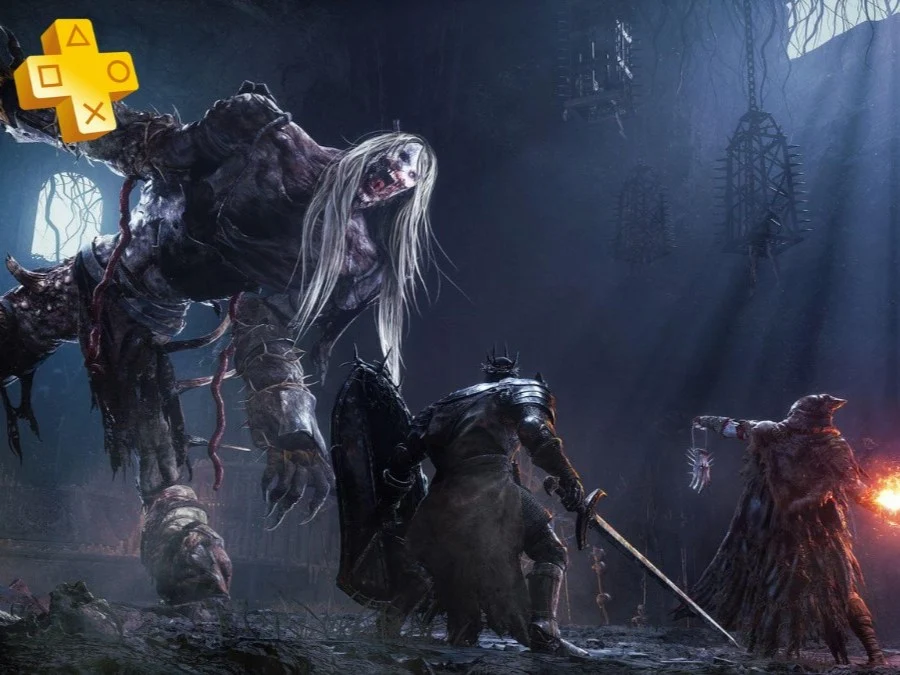
    For those unfamiliar, Lords of the Fallen is an action RPG set in a dark fantasy universe, featuring a vast and interconnected world. Players can delve into two parallel worlds: the realm of the living and the realm of the dead, both filled with unique enemies, pathways, and hidden treasures.

    The combat is quick-paced and demanding, offering a variety of weapons and magic skills. Players have the option to choose from different classes, allowing them to customize their playstyle by enhancing their stats and equipment. The game includes epic boss battles and enables online co-op play, so players can tackle the campaign together.

    Availability Information

    As per the leak, Lords of the Fallen will be available for Essential, Extra, and Premium members starting on April 7, and players can claim it until May 5. Currently, Billbil-kun has not disclosed the other titles that will be included in the lineup. Nevertheless, Sony is anticipated to officially unveil the complete list next week, so we should expect more information soon.

    Billbil-kun via X

    Source:
    Link


  • New Colony-Sim Launches with 90% Positive Reviews and Discount

    New Colony-Sim Launches with 90% Positive Reviews and Discount

    Key Takeaways

    1. Official Launch Date: Going Medieval launched out of early access on March 17, 2026, after a five-day delay to avoid competition with other city-builder games.

    2. Objective-Driven Gameplay: The 1.0 update introduces a shift from survival sandbox to an objective-driven experience, featuring a global stats system and specific victory conditions.

    3. Setting: The game is set in a plague-stricken world, allowing players to rebuild society using an advanced multi-level voxel building system.

    4. Grand Objectives: Players can achieve one of six Grand Objectives once their settlement’s stats reach 100%, providing a clear win condition for campaigns.

    5. Enhanced Mechanics: The update improves building and management features, appealing to players interested in detailed mechanics and deep settler simulation, akin to games like RimWorld.


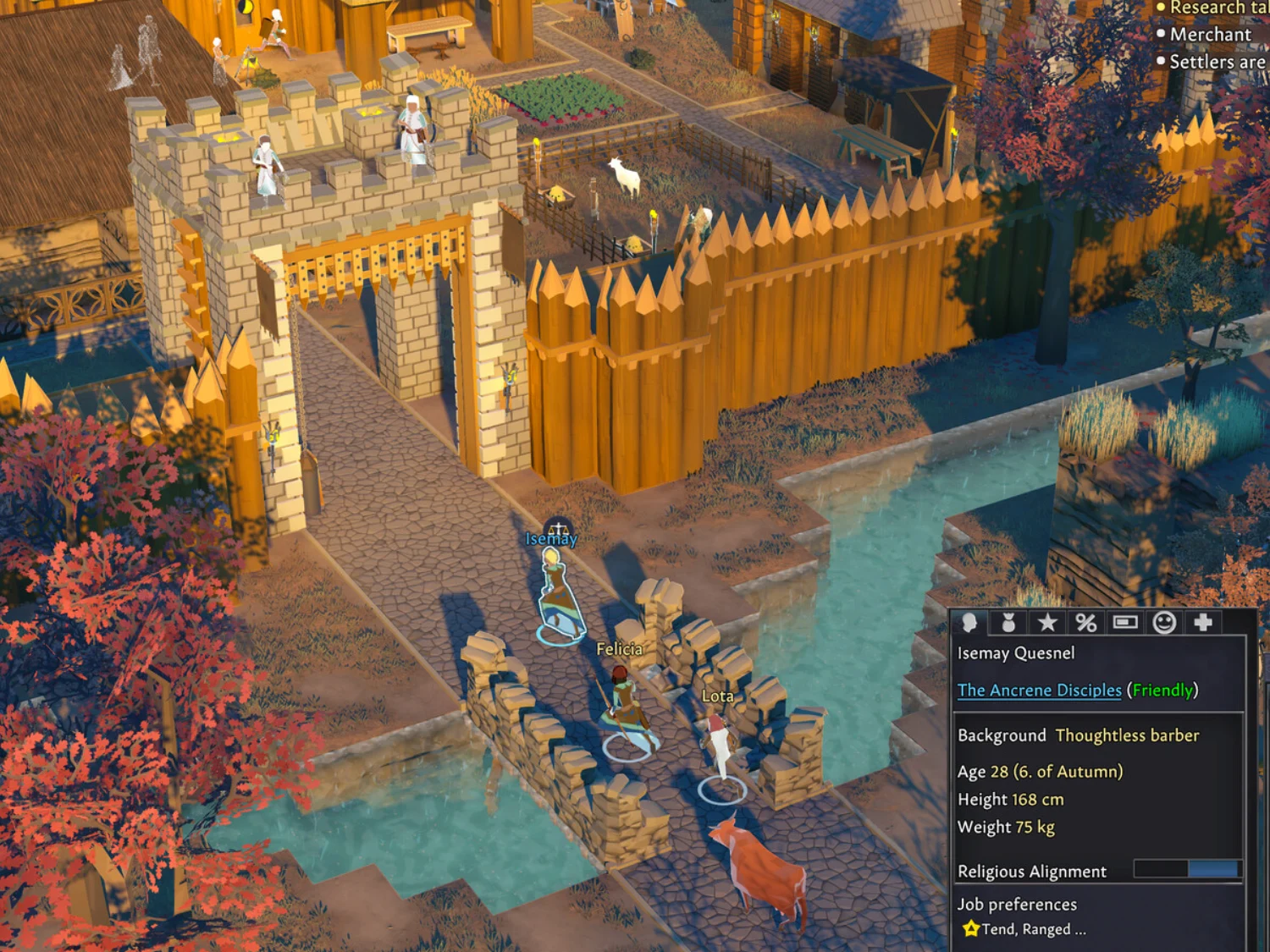
    A new 3D colony simulator called Going Medieval has officially launched out of early access on March 17, 2026, available on Steam, GOG, and the Epic Games Store. The developers had initially planned to release it on March 12 but decided to push back the date by five days to steer clear of a “busy week” filled with other city-builder games. The 1.0 update is a significant content addition that shifts the game from a survival sandbox to a more objective-driven experience, including a global stats system and specific victory conditions that were not present during its testing phase.

    Set in a Plague-Stricken World

    Set in the aftermath of a 14th-century plague, Going Medieval invites players to reconstruct society using an advanced multi-level voxel building system. With the 1.0 launch comes Renown & Global Stats, a background framework that monitors your settlement’s advancements in areas like trade, military, and knowledge. When one of these stats hits 100%, players can select one of six Grand Objectives, such as transforming their settlement into a prestigious University or a sanctuary for religion, which serves as the ultimate “win condition” for that campaign.

    Enhanced Construction and Management

    The update brings significant improvements to the building and management aspects of Going Medieval. Although the “Grand Objectives” offer a needed sense of conclusion to the game, many players say that the main appeal lies in the detailed building mechanics and the deep settler simulation. The current version provides a richer and more stable gameplay experience for those seeking a medieval alternative to games like RimWorld, especially with the additional perk of a launch discount. You can explore Going Medieval on Steam at this link.

    Steam, SteamDB

    Source:
    Link


  • Destiny 2 Guardian Games 2026 Launches with Magic: The Gathering Crossover

    Destiny 2 Guardian Games 2026 Launches with Magic: The Gathering Crossover

    Key Takeaways

    1. The Destiny 2 Guardian Games event runs from March 24 to April 14, featuring competition between Titans, Hunters, and Warlocks.
    2. Players will gather medallions and complete activities to support their class, with revamped Rushdown introducing random boss encounters.
    3. Rewards include a new shader, ship, emblem, Ghost Shell, holofoil weapons, and three exclusive event weapons.
    4. Rare Vanguard Orders allow players to earn Bright Dust, capped at 1,000 per week, to purchase Guardian Games-themed armor ornaments.
    5. The event features a crossover with Magic: The Gathering, introducing themed armor ornaments and exclusive items like the Promised End Exotic Ghost Shell and Grand Praetor Exotic Ship.


    Bungie has kicked off the Destiny 2 Guardian Games event for this year, which is set to take place from March 24 through April 14. Once again, Titans, Hunters, and Warlocks will compete against each other for bragging rights.

    Event Details

    The main focus of this event is to gather medallions, finish various activities, and support one class to come out on top. This year’s edition also revamps Rushdown, introducing random boss encounters and daily rotations that add an element of surprise to repeated runs.

    Rewards and New Features

    The Destiny 2 Guardian Games 2026 features a reward track that includes a new shader, ship, emblem, Ghost Shell, and holofoil weapons. Bungie is also including three weapons unique to this event:

    Additionally, Bungie is introducing Rare Vanguard Orders, which provide players with an extra means to earn Bright Dust during the event. Each completion gives 50 Bright Dust until players reach the weekly cap of 1,000, after which each completion will only award 10 Bright Dust. Players can use this currency for Guardian Games-themed Legendary Armor Ornaments.

    Crossover Content

    The launch of the Guardian Games is also coinciding with a new crossover with Magic: The Gathering within Destiny 2. This collaboration brings in armor ornaments and cosmetics inspired by characters and symbols from Wizards of the Coast’s classic card game.

    Bungie has revealed the new ornament sets as follows:

    Other crossover items feature the Promised End Exotic Ghost Shell, Grand Praetor Exotic Ship, Voice of Hunter 7/6 Exotic Sparrow, Overrun Finisher, Ignite Your Spark Exotic Emote, Sol Ring Exotic Emote, and the Basic Lands Shader Pack.

    The event comes as Bungie is hard at work on the next significant update for Destiny 2. Last month, the studio announced that Shadow and Order has been delayed to allow for revisions and a broader scope. The new update is now slated for release on June 9, 2026, with additional details expected to be shared closer to that date.

    Other Industry News

    In related news, Ubisoft has confirmed that The Division Resurgence will officially launch on March 31 for both iOS and Android devices, marking a concrete release date after an extended period of testing and previews.

    Moreover, the recent PUBG: Battlegrounds Anti-Cheat 2026 Roadmap has been unveiled, outlining a year-long initiative aimed at enhancing detection measures, minimizing false bans, and making it more challenging for banned players to return.

    Bungie’s message to the media can be found on Bungie.net, along with more information about the Magic: The Gathering crossover.

    Source:
    Link


  • New Leak Reveals Next-Gen Snapdragon 8 Elite Gen 6 Details

    New Leak Reveals Next-Gen Snapdragon 8 Elite Gen 6 Details

    Key Takeaways

    1. Qualcomm launched the Snapdragon 8 Elite Gen 5 chipset in September 2025, featured in premium smartphones like Xiaomi 17 Ultra and OnePlus 15.
    2. Upcoming chipsets include Snapdragon 8 Elite Gen 6 and 8 Elite Gen 6 Pro, with the latter rumored to have a codename “SM8975” and advanced 2nm manufacturing.
    3. Snapdragon 8 Elite Gen 6 Pro may feature a 2+3+3 CPU arrangement, A850 GPU, and compatibility with LPDDR6 memory.
    4. The standard Snapdragon 8 Elite Gen 6, known as “SM8950,” will also use 2nm technology but with an A845 GPU and LPDDR5X memory.
    5. Qualcomm may introduce a mid-range Snapdragon 8 Gen 6, but specific details on its specifications remain undisclosed.


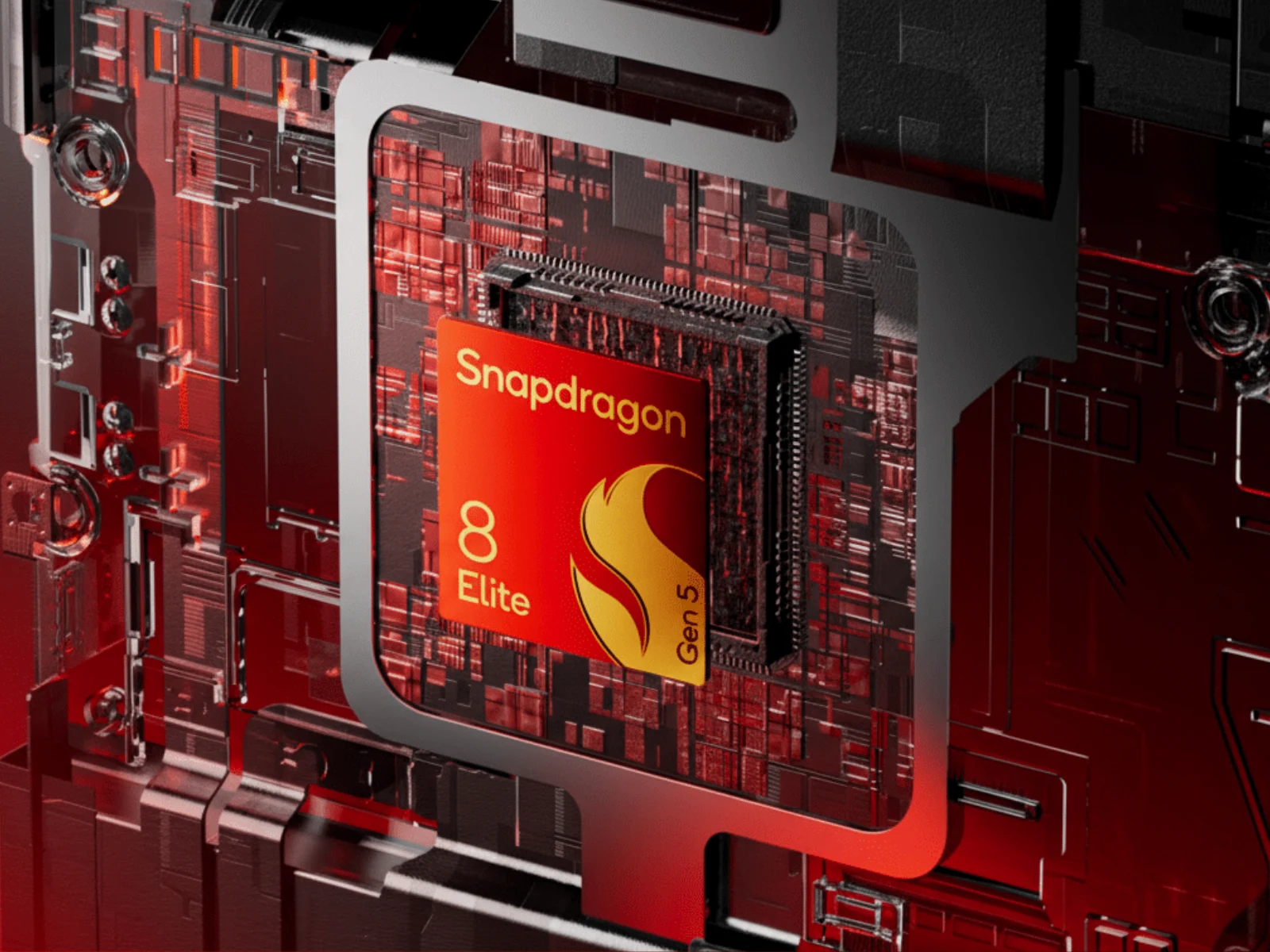
    In September 2025, Qualcomm introduced its top-tier chipset, the Snapdragon 8 Elite Gen 5. This powerful chipset is at the heart of several premium smartphones, including the Xiaomi 17 Ultra, OnePlus 15, and gaming-focused devices like the RedMagic 11 Pro (currently priced at $799 on Amazon). There are whispers of two new versions coming in the next flagship series: the standard 8 Elite Gen 6 and the 8 Elite Gen 6 Pro.

    Details on Upcoming Chipsets

    Trusted leaker Digital Chat Station on Weibo has shared insights about both chipsets. The Snapdragon 8 Elite Gen 6 Pro is rumored to go by the codename “SM8975.” According to the tipster, it will be manufactured using TSMC’s advanced 2nm process and will feature a 2+3+3 CPU arrangement. On the graphics side, it could incorporate an A850 GPU along with 18MB of GMEM. It’s anticipated to be compatible with LPDDR6 memory, although LPDDR5X might also be available, featuring an 8MB last-level cache.

    Differences Between the Models

    On the other hand, the regular Snapdragon 8 Elite Gen 6 is expected to be known as “SM8950.” This version is said to also utilize the 2nm technology and the same CPU structure but will have variances in other specifications. It might use an A845 GPU with just 12MB of GMEM, coupled with LPDDR5X memory, and a smaller 6MB last-level cache. The crucial distinction between the two chipsets appears to be in the GPU and memory configurations.

    Potential New Releases

    Additionally, the leak hints that Qualcomm might unveil a mid-range Snapdragon 8 Gen 6. The leaker mentioned that its specifications aren’t as impressive but did not disclose any further information. The Snapdragon 8 Elite Gen 6 series is anticipated to be launched later this year, yet Qualcomm has not officially confirmed any details.

    Source:
    Link


  • Seiko Rotocall Watch: Astronaut-Approved Now in the US for $550

    Seiko Rotocall Watch: Astronaut-Approved Now in the US for $550

    Key Takeaways

    1. Seiko’s Rotocall reissue is set to launch in April 2026 at a price of $550.
    2. The new collection includes three variants: blue and silver-tone SMGG21, red/black SMGG19, and yellow/black SMGG17.
    3. The updated Rotocall features a compact 37mm stainless steel case and runs on Seiko’s quartz Caliber A824.
    4. Key functionalities include a 1/100-second chronograph, dual-time display, alarm, timer, and battery warning indicator, all accessible via a rotary bezel.
    5. The Rotocall reissue is not a limited edition and will be part of Seiko’s regular product lineup.


    Those eager to grab Seiko’s latest Rotocall reissue won’t have to be patient for long, as it is now available on Seiko’s US website. The release is confirmed for April 2026, with a price set at $550.

    A Classic Returns

    Back in October of last year, Seiko unveiled its plans to bring back the iconic 1982 Seiko A829, a digital timepiece that developed a loyal fanbase due to its unique rotating bezel. This feature allowed users to switch functions without needing to press any buttons. Known as the “Rotocall,” this model was particularly popular amongst astronauts, since the bezel could be manipulated even when wearing gloves.

    Launching in the US

    The new collection includes the blue and silver-tone SMGG21, the red/black SMGG19, and the yellow/black SMGG17. These models were first released in the UK and Japan in November. Now, the Japanese manufacturer is set to introduce its cherished digital quartz watch to the US market, with all three variants now listed on the brand’s official site. Although the exact launch date hasn’t been announced, it’s worth noting that the SMGG17 and SMGG19 already appear on Seiko’s official Amazon store for $392.70, which is below the anticipated retail price.

    Specifications and Features

    The updated Rotocall remains true to its predecessor, showcasing the same compact 37mm stainless steel case, with a thickness of 10.6mm and a lug-to-lug measurement of 43.5mm, making it quite comfortable to wear by today’s standards. It runs on Seiko’s quartz Caliber A824, providing an accuracy of ±20 seconds monthly and an estimated battery life of around three years. The functionality is impressive for a digital watch, featuring a 1/100-second chronograph (up to 100 hours), dual-time display, single alarm, timer, and a battery warning indicator.

    At the heart of the watch is the distinctive rotary bezel, which functions as a selector for the different modes, allowing for easy transitions between various features like dual-time, alarm, counter, timer, stopwatch, and time adjustment. The reissue also introduces some useful enhancements, such as an AM/PM indicator and a battery level gauge. Additional specifications include a Hardlex crystal, water resistance up to 100 meters, and a steel bracelet with a three-fold clasp.

    It’s important to mention that the Rotocall reissue is not a limited edition, but rather part of Seiko’s regular product lineup.

    Source:
    Link


  • Denon Home Wireless Speakers: Dolby Atmos, Hi-Res Audio & More

    Denon Home Wireless Speakers: Dolby Atmos, Hi-Res Audio & More

    Key Takeaways

    1. Denon has launched a new range of wireless speakers: Home 200, 400, and 600, focused on Hi-Res Audio and lossless music.
    2. The speakers feature Dolby Atmos technology for a 3D audio experience and immersive sound quality.
    3. Connectivity options include 3.5 mm and USB-C wired inputs, plus wireless capabilities like 802.11ax Wi-Fi and Bluetooth.
    4. The speakers support various music streaming platforms and formats, including lossless options and DSD up to 192 kHz, 24-bit.
    5. Pricing is set at $399 for Home 200, $599 for Home 400, and $799 for Home 600, available in Charcoal or Stone colors.


    Denon has recently introduced a fresh range of wireless speakers—the Denon Home 200, 400, and 600—catering to fans of Hi-Res Audio and lossless music. These speakers come with Denon HEOS A/V integration, allowing for music streaming throughout the entire house, along with Dolby Atmos Music, which delivers an engaging 3D audio experience.

    Speaker Features

    Each model in the Denon Home lineup is crafted to provide a rich sound experience, immersing listeners in the music. The Home 200 features two tweeters and one woofer, while the Home 400 is equipped with two tweeters, two woofers, and two upfiring drivers. The most advanced, the Home 600, includes two tweeters, two midrange drivers, two woofers, and two upfiring drivers. All models utilize Dolby Atmos technology to enhance the feeling of space and height, whether you’re listening to spatial audio or traditional stereo tracks.

    Connectivity Options

    These speakers also offer various connectivity options, including 3.5 mm and USB-C wired inputs, alongside wireless capabilities like 802.11ax Wi-Fi and Bluetooth. They can stream music from platforms such as Tidal, Qobuz, and Spotify. Both lossy and lossless formats are supported, including DSD up to 192 kHz, 24-bit. Furthermore, the speakers can access music stored on personal networked servers via Roon.

    The pricing for these models is set at $399 for the Denon Home 200, $599 for the Denon Home 400, and $799 for the Denon Home 600, all available in Charcoal or Stone colors on the company website. These speakers will soon be found in the Denon store on Amazon too.

    Denon, Denon on Facebook.

    Source:
    Link