Tag: Samsung

  • Samsung Galaxy A57 Price Could Hit €799 in Some Markets

    Samsung Galaxy A57 Price Could Hit €799 in Some Markets

    Key Takeaways

    1. Samsung will launch the Galaxy A37 and A57 smartphones next month, on April 10.
    2. The Galaxy A57 may be priced between €700 and €750, with a 512 GB storage option possibly costing up to €799 in France.
    3. The Galaxy A57 will have 128 GB and 256 GB versions priced at €549 and €599, respectively, all with 8 GB of RAM.
    4. The Galaxy A37 will have a maximum storage of 256 GB and is expected to be priced at €529, with a base model (128 GB) around €449.
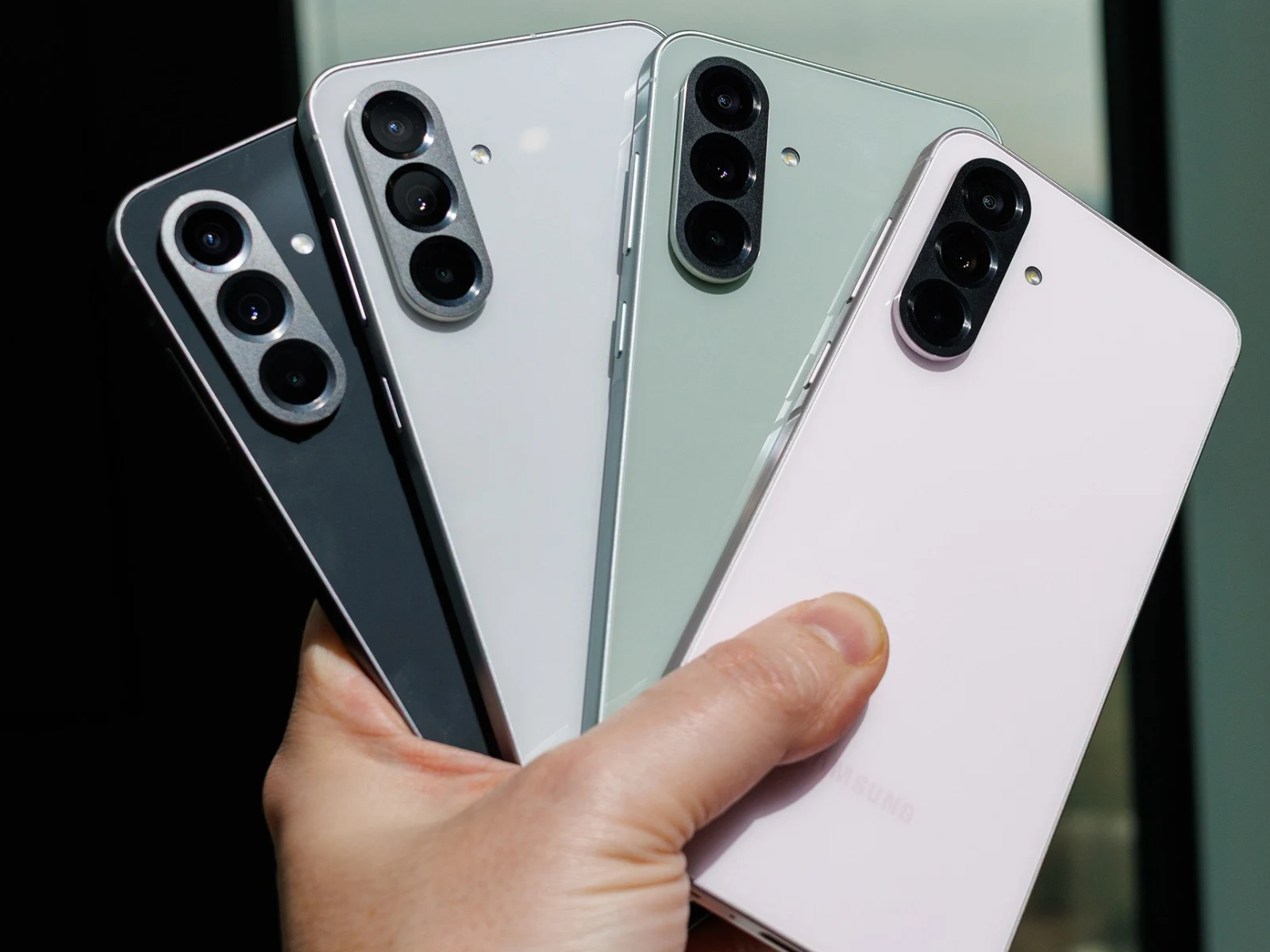
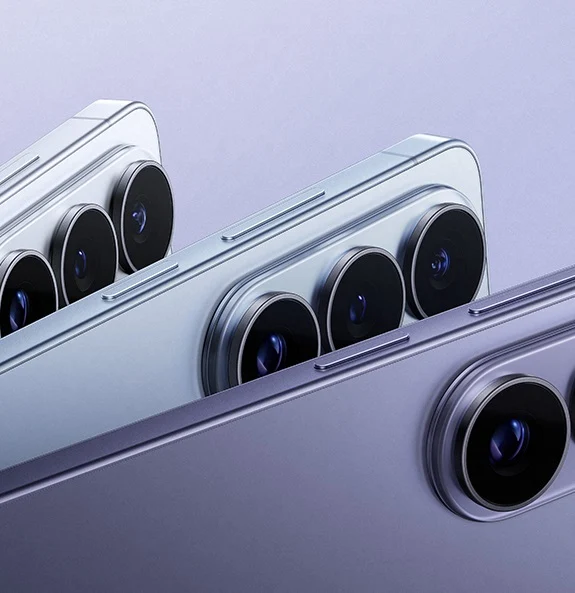
    5. Both models will be available in four color options: A57 in Light Blue, Blue, Grey, and Lavender; A37 in Dark Green, White, Graphite, and Lavender.


    Samsung is set to launch its key mid-range smartphones for this year, the Galaxy A37 and A57, next month. Recently, full details about both devices have leaked, and additional information has emerged regarding their pricing in Europe.

    Galaxy A57 Pricing Details

    According to Roland Quandt, the Galaxy A57 may be priced as high as €750 in certain markets. More specifically, the leaker indicates that the successor to the Galaxy A56 will feature a 512 GB storage option—a first for this series. This particular model is expected to retail between €700 and €750.

    Additional Insights on Pricing

    However, the well-known leaker Billbil_kun has gone even further, suggesting that the 512 GB version of the Galaxy A57 could be priced at an impressive €799 in France. For the other variants, the 128 GB and 256 GB models are believed to be priced at €549 and €599, respectively, with all models featuring 8 GB of RAM. The A57 is rumored to come in four colors: Light Blue, Blue, Grey, and Lavender.

    Galaxy A37 Specifications

    In contrast, the Galaxy A37 will only offer a maximum of 256 GB for storage. This model includes 8 GB of RAM and is expected to be priced at €529 in France. The base model with 128 GB will have 6 GB of memory and may be available for around €449. Similar to its counterpart, the A37 is also anticipated to be available in four colors: Dark Green, White, Graphite, and Lavender. Both smartphones are likely to be launched on April 10.

    Source:
    Link


  • Samsung GDC 2026: Focus on Games Beyond Just Hardware

    Samsung GDC 2026: Focus on Games Beyond Just Hardware

    Key Takeaways

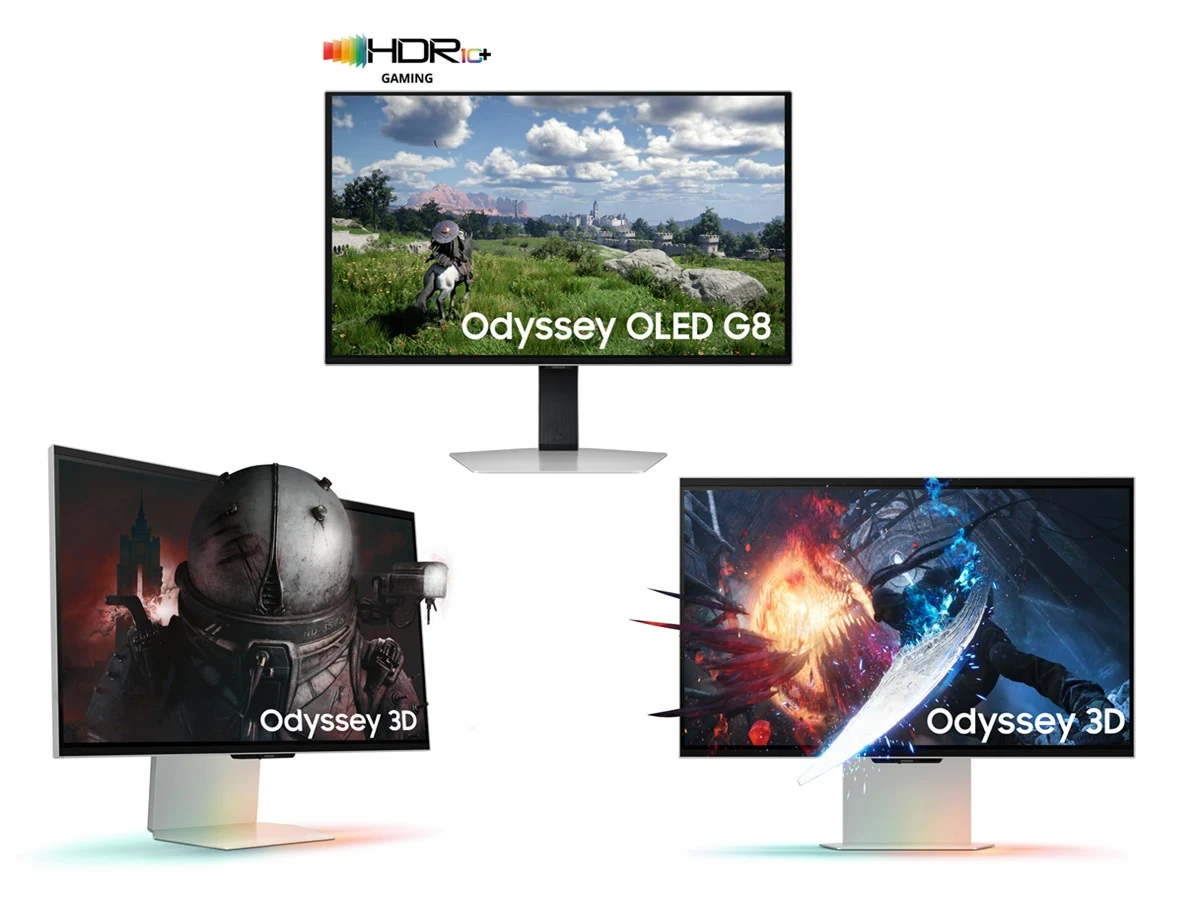
    1. Samsung plans to double the game library for the glasses-free Odyssey 3D platform from over 60 to more than 120 titles by the end of 2026.
    2. The company is positioning Odyssey 3D as a full gaming platform, emphasizing partnerships with developers and support for new games.
    3. Notable titles coming to the platform include Hell Is Us and Cronos: The New Dawn, along with enhancements for Cyberpunk 2077 and Crimson Desert using HDR10+ Gaming.
    4. The 3D technology uses eye-tracking and view-mapping to create a real-time depth effect, enhancing the gaming experience.
    5. Samsung showcased a commitment to hardware development with a new 32-inch model expected by the end of the year, alongside the existing 27-inch Odyssey 3D.


    Samsung highlighted its commitment to content expansion for the glasses-free Odyssey 3D platform during GDC 2026. The company announced that its library for 3D gaming is expected to increase from over 60 titles currently available to more than 120 by the end of 2026. In addition, Samsung revealed that the game Hell Is Us will be added to the platform in March, followed by Cronos: The New Dawn later in the year via the Odyssey 3D Hub.

    A New Gaming Platform

    This change in direction is significant as Samsung is positioning Odyssey 3D as a comprehensive gaming platform, rather than just a feature of its monitors. The announcement from the company focuses on partnerships with developers, support for new games, and the Odyssey 3D Hub, emphasizing the content aspect alongside the display technology.

    Expanding Game Titles

    In the GDC update, Samsung linked the platform to several well-known titles. Besides Hell Is Us and Cronos: The New Dawn, Samsung is collaborating with CD PROJEKT RED to implement HDR10+ Gaming into Cyberpunk 2077. Furthermore, the game Crimson Desert will also utilize HDR10+ Gaming due to its extended partnership with Pearl Abyss.

    Samsung claims that HDR10+ Gaming can automatically assess scenes and frames to enhance HDR performance during gameplay. On the 3D front, the current library includes games like The First Berserker: Khazan, Stellar Blade, Lies of P: Overture, and Mongil: Star Dive.

    Future of the Hardware

    The demo lineup presented at GDC also indicates Samsung’s future hardware aspirations. Attendees will have the opportunity to experience Hell Is Us in 3D on the existing 27-inch Odyssey 3D, and a 32-inch model is anticipated by year’s end. The glasses-free effect of the monitor relies on eye-tracking and view-mapping technology, which adapts depth in real-time based on the viewer’s location.

    Earlier, Samsung unveiled the larger 32-inch 6K Odyssey 3D as part of its 2026 monitor offerings, but the latest GDC announcement provides a more defined software strategy for it. If Samsung continues to bring well-known PC games to the Odyssey 3D Hub, the platform will be more compelling than being viewed solely as a gimmick of a monitor.

    Samsung Newsroom

    Source:
    Link


  • Samsung Galaxy Book 6 Ultra: Improved OLED Panel vs. Competition

    Samsung Galaxy Book 6 Ultra: Improved OLED Panel vs. Competition

    Key Takeaways

    1. Samsung’s Galaxy Book5 models had OLED screens with limited brightness, capped at 400 nits for SDR and 550 nits for HDR.
    2. The new Galaxy Book6 Ultra features an upgraded 16-inch OLED touchscreen with improved brightness, reaching 500 nits for SDR and over 1100 nits for HDR.
    3. While Samsung’s brightness has improved, competitors like Asus and Lenovo offer higher peak brightness levels, reaching up to 1600 nits.
    4. The Apple MacBook Pro 16 surpasses Samsung’s brightness performance with up to 1000 nits SDR and 1600 nits HDR using Mini-LED technology.
    5. Questions arise about Samsung’s decision not to use a tandem OLED screen in its flagship laptop, even with its excellent image quality.


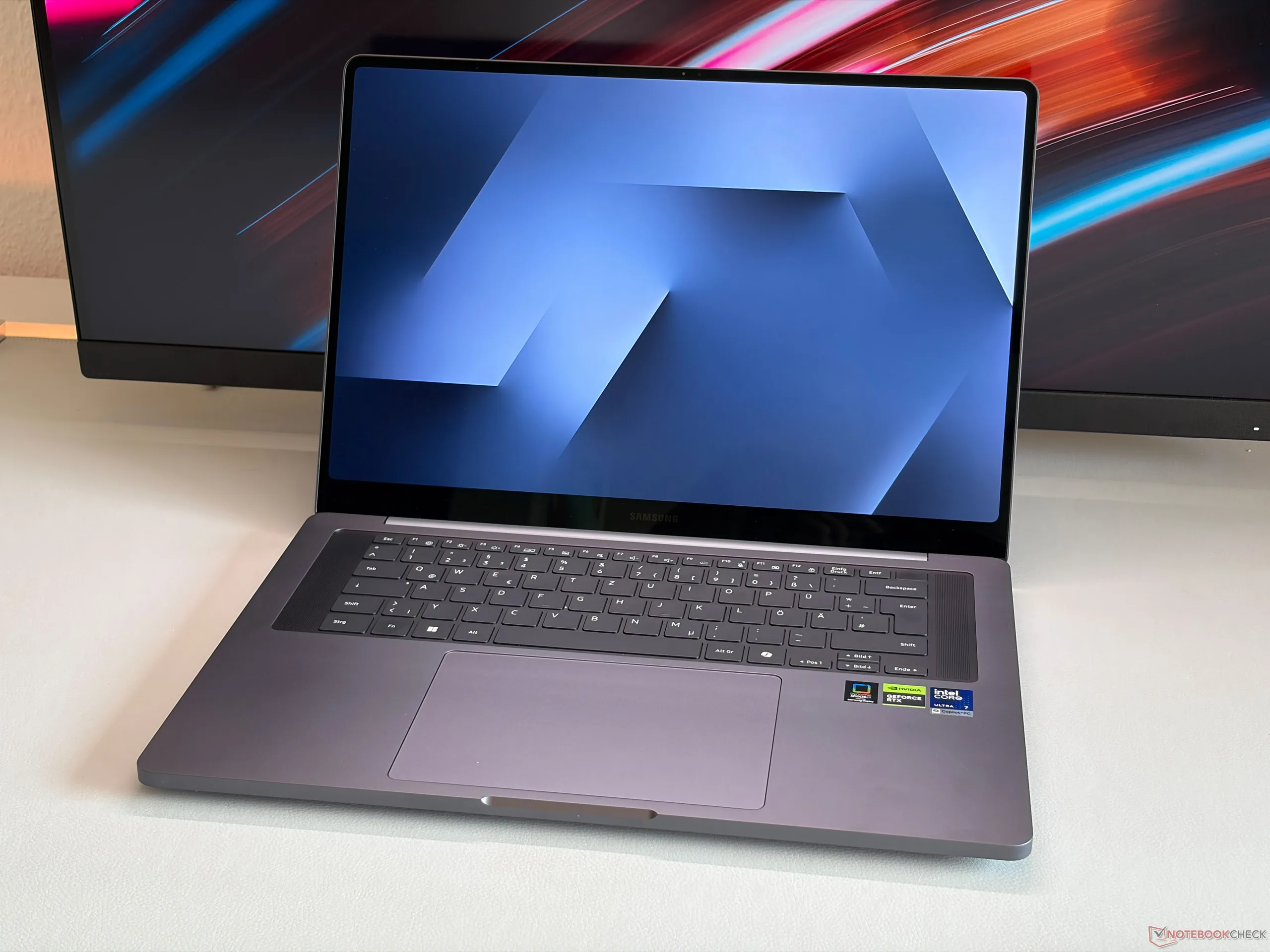
    Even though Samsung is a major provider of OLED displays, their recent laptop screens haven’t really stood out in brightness. Taking a look at last year’s Galaxy Book5 models, the OLED panels delivered a great visual experience when paired with a 120 Hz refresh rate. However, the brightness was capped at about 400 nits for SDR and around 550 nits for HDR, as seen with the Galaxy Book5 Pro 360.

    Improvements in the Galaxy Book6 Ultra

    We just checked out the new Galaxy Book6 Ultra, and Samsung has finally upgraded to a better 16-inch OLED touchscreen. The resolution remains at 2880 x 1800 pixels with a 120 Hz refresh rate, but brightness has seen a boost. Now, we’re measuring roughly 500 nits for SDR content and over 1100 nits at peak brightness for HDR content. This is a clear upgrade, making HDR media, like films and games, look significantly enhanced.

    Competing with the Best

    When looking at what others offer, it’s clear that Samsung has narrowed the gap, but they still fall short against the peak brightness levels of the latest tandem OLED displays. These competitors can achieve higher SDR and especially HDR brightness, reaching up to 1600 nits, as seen in the Asus ProArt P16 or the Lenovo Yoga Pro 9i 16. The Apple MacBook Pro 16, with its well-known Mini-LED display, also surpasses Samsung’s brightness performance (up to 1000 nits SDR and 1600 nits HDR).

    Questions About Future Choices

    This brings up the question of why Samsung opted not to include a tandem OLED screen in its 2026 flagship multimedia laptop, which could have been more efficient. The current panel still offers excellent image quality, with no grainy look despite the touch layer. However, given the high cost, competitors are simply a step ahead. For more details, be sure to check out our in-depth review of the new Galaxy Book6 Ultra.


  • Samsung Exynos 2700 Chip Enters Production with 2nm Technology

    Samsung Exynos 2700 Chip Enters Production with 2nm Technology

    Key Takeaways

    1. Samsung is testing its new Exynos 2700 chip, with design completion expected by late 2025.
    2. Production-ready samples of the Exynos 2700 are anticipated between May and June, ahead of the next Galaxy S series launch.
    3. Samsung aims to regain market share from Qualcomm, which currently supplies 75% of the Galaxy S26 chipsets.
    4. The Exynos 2700 is expected to improve heat management and reduce Samsung’s reliance on Qualcomm chips to 50% for the Galaxy S27 series.
    5. There is limited evidence of the Exynos 2700’s performance, as current benchmarks show a prototype with low OpenCL scores.


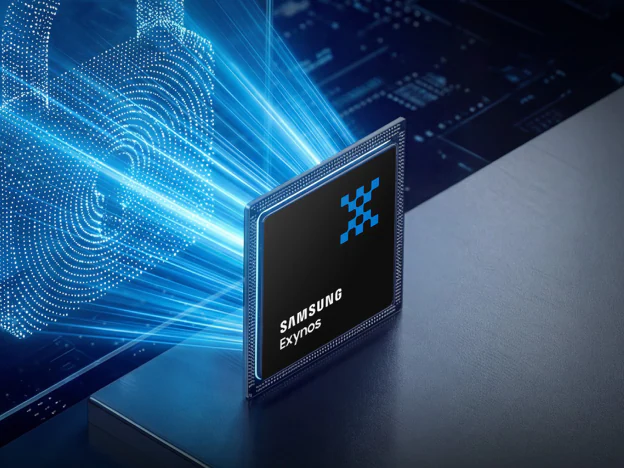
    As early as January of this year, a listing on Geekbench from a well-known tipster suggested that Samsung had started testing its upcoming Exynos chip. While many were doubtful about this leak, new updates seem to lend it some credibility.

    Development Progress

    Per the Yonhap News Agency, the design of the Exynos 2700 was reportedly completed by late 2025. Samsung MX is currently in the testing phase, with production-ready samples anticipated between May and June, which is well in advance of the launch of the next Galaxy S series.

    Market Strategy

    Currently, it is widely known that Samsung is aiming to regain market share from Qualcomm’s Snapdragon processors, which currently power about 75% of the Galaxy S26 lineup.

    To achieve projected cost savings of over $7.8 billion (11 trillion won), Samsung is relying on the second-gen Samsung Foundry 2nm process (SF2P) to provide the yield and efficiency that companies like TSMC are recognized for. The Exynos 2700 is expected to enhance the heat management technology seen in its predecessor. Thus, Kiwoom Securities analyst Park Yu-ak predicts that Samsung’s reliance on Qualcomm chipsets will decrease to 50% in the Galaxy S27 series.

    Evidence and Expectations

    These financial goals are just one aspect of the project. The only tangible proof of this chip’s existence appears to be an ERD board on Geekbench, which features a peculiar 10-core prototype with lackluster OpenCL scores. While it could be a falsified listing, the burden of proof remains on Samsung until further leaks arise that show the Exynos 2700 achieving competitive clock speeds. As things stand, Qualcomm seems to have no immediate cause for concern.

    The Korea Herald, Yonhap News’

    Source:
    Link


  • Samsung Set for AI6 Chip Revenue Surge as Tesla Secures Wafers

    Samsung Set for AI6 Chip Revenue Surge as Tesla Secures Wafers

    Key Takeaways

    1. Tesla plans to invest $20 billion in 2026 to stay competitive in electric vehicles, robotics, and energy storage, doubling its usual spending.
    2. A significant portion of this investment will go to Samsung, with Tesla potentially paying $5 billion annually for custom chips and 5G modems.
    3. Tesla’s contract with Samsung covers 16,000 wafers monthly, but it seeks to increase this to 40,000 wafers due to rising production needs.
    4. The new AI6 chips will use Samsung’s 2nm technology, but they won’t be ready for Tesla vehicles or robots until 2028.
    5. There is uncertainty about Samsung’s ability to meet Tesla’s wafer demands and the pricing, amid high demand for AI chips affecting market dynamics.


    Faced with increasing costs of parts like AI chips and batteries, Tesla announced its largest ever capital expenditure figure during the most recent quarterly earnings call.

    Major Investment in 2026

    The company plans to invest $20 billion just to remain competitive in the electric vehicle, robotics, and energy storage markets in 2026, which is double its usual spending. A significant portion of this funding will go toward Samsung.

    Reports indicate that Tesla is seeking to secure more AI6 wafers from its Texas facility and may pay Samsung as much as $5 billion each year for chips and 5G modems that are specifically designed for Tesla’s products.

    Expanding Production Capacity

    Last year’s contract with Samsung for its foundry is worth around $2 billion annually, covering 16,000 wafers each month. However, Tesla believes it will require 40,000 wafers, leading to current discussions with Samsung to obtain the extra capacity.

    Tesla’s AI6 silicon is set to be produced using Samsung’s cutting-edge 2nm technology, and the chip manufacturer has also created a 5G modem for Tesla, which is expected to be available later this year. For reference, the current AI4 chip used in the 2026 Model Y is made with a 5nm process. However, the AI6 processor is not anticipated to be integrated into Tesla vehicles or robots until 2028, and Samsung may not be prepared with its Taylor fab in Texas this year as initially scheduled.

    Uncertain Future

    It is still unclear whether Samsung will be able to fulfill Tesla’s request and what the pricing will be. Notably, the company has been able to charge Nvidia double for its upcoming HBM4 memory due to the surge in demand for AI chips, which has driven its stock price to unprecedented levels.


    Source:
    Link


  • Galaxy S26 Ultra Lacks Upgrade After Display Misinformation

    Galaxy S26 Ultra Lacks Upgrade After Display Misinformation

    Key Takeaways

    1. Samsung misled consumers about the Galaxy S26 Ultra’s display, claiming 10-bit color depth while using an 8-bit panel with Frame Rate Control (FRC).
    2. The Galaxy S26 Ultra features older UFS 4.0 storage technology instead of the expected UFS 4.1 or UFS 5.0.
    3. Competitors like OnePlus, Xiaomi, Vivo, and iQOO have upgraded to UFS 4.1 in their flagship models.
    4. While UFS 4.1 offers some benefits, the difference in everyday performance between UFS 4.0 and UFS 4.1 is expected to be minimal.
    5. Samsung may have saved costs by not upgrading storage technology, leading to higher prices for the Galaxy S26 Ultra and its product lineup.


    Samsung has recently been criticized for providing misleading information about the display of the Galaxy S26 Ultra. The company claimed that the phone features a 10-bit color depth, but it actually utilizes an 8-bit panel and probably relies on Frame Rate Control (FRC) to create the appearance of 10-bit color. Furthermore, it’s been noted that the phone lacks another anticipated upgrade, but fortunately, Samsung has not given any false information regarding this aspect.

    Storage Specifications

    As reported by Phonearena, the Galaxy S26 Ultra is equipped with the older UFS 4.0 storage technology instead of the more advanced UFS 4.1 version. This is yet another feature where Samsung hasn’t made any improvements compared to the Galaxy S25 Ultra (buy on Amazon). Although the company didn’t promote the latest standard for its new flagship model, many expected that UFS 4.1 would be included, if not UFS 5.0. In contrast, the OnePlus 15 (buy on Amazon) comes with UFS 4.1 storage, and even the more affordable OnePlus Turbo 6 offers it. Other leading brands like Xiaomi, Vivo, and iQOO also feature this upgrade in their flagships.

    Performance Insights

    While UFS 4.1 is merely a slight enhancement over UFS 4.0, it does offer benefits such as swifter data access, improved memory management, and enhancements to WireBooster Buffer Resize, among other things. However, in everyday use, the difference between UFS 4.0 and UFS 4.1 will likely be minimal. The Galaxy S26 Ultra should perform as quickly, if not quicker, when transferring data compared to the Galaxy S25 Ultra.

    By sticking with the same UFS storage standard, Samsung may have cut costs while producing the Galaxy S26 Ultra. Nonetheless, some other components have seen price increases, contributing to a rise in the overall prices of the entire product lineup.

    Source:
    Link


  • Samsung Galaxy A37 and A57 Specs Leak: Key Features Revealed

    Samsung Galaxy A37 and A57 Specs Leak: Key Features Revealed

    Key Takeaways

    1. Display and Performance: Both Galaxy A37 and A57 feature a 6.7-inch Super AMOLED display with a resolution of 2340 × 1080 and a 120Hz refresh rate.

    2. Processors: The Galaxy A37 runs on the Exynos 1480 processor, while the more powerful Galaxy A57 uses the Exynos 1680 processor.

    3. Camera System: Both models include a rear camera setup of 50MP main, 12MP ultrawide, and 5MP macro, along with a 12MP front camera.

    4. Battery and Charging: Both devices are equipped with a 5,000mAh battery that supports 45W fast charging, but neither model offers wireless charging.

    5. Design and Colors: The Galaxy A37 and A57 have different dimensions and weights, and will be available in multiple color options, though availability may vary by region.


    While we wait for Samsung to give a clear release date for their upcoming Galaxy A37 and Galaxy A57 smartphones, some leaked information has come to light detailing the full specifications for both devices. This information was shared by Steve Hemmerstoffer, known as OnLeaks, who collaborated with Android Headlines for this scoop.

    Galaxy A37 Overview

    The Galaxy A37 will feature a 6.7-inch Super AMOLED screen with a refresh rate of 120Hz and a resolution of 2340 × 1080. It will run on the Exynos 1480 processor, and customers will have the choice between 6GB or 8GB of RAM, depending on the market, along with 128GB or 256GB of storage that cannot be expanded.

    In terms of camera capabilities, the Galaxy A37 includes a 50MP main sensor at the back, paired with a 12MP ultrawide camera and a 5MP macro lens. On the front, a 12MP f/2.2 sensor is positioned in the hole punch. Samsung will include One UI 8.5 based on Android 16 with this phone, and it houses a 5,000mAh battery that supports charging speeds of up to 45W.

    Features and Design

    The Galaxy A37 will also support Wi-Fi 6, Bluetooth 5.3, and dual SIM with optional eSIM. According to the leak, this model has a weight of 196 grams and dimensions of 162.9 x 78.2 x 7.4 mm. When it finally launches, it will come in colors such as Awesome Charcoal, Awesome Graygreen, Awesome Lavender, and Awesome White, but it’s possible that not all color options will be available in every region, as is often the case with Samsung.

    Galaxy A57 Specs

    On the other hand, the Galaxy A57 will also sport a 6.7-inch display with a resolution of 2340 × 1080 and a 120Hz refresh rate. However, it will feature the more powerful Exynos 1680 processor instead of the Exynos 1480. Interestingly, it’s reported that Samsung will only offer this device in an 8GB RAM option. This is a change from the Galaxy A56 that launched with RAM options of 6GB, 8GB, and 12GB, but it’s unclear if this is due to ongoing RAM supply issues. Buyers can still select between 128GB or 256GB of storage, which, like the A37, is also non-expandable.

    The camera arrangement remains unchanged, featuring the same 50MP + 12MP ultrawide + 5MP macro setup on the back and a 12MP camera on the front. The battery is also rated at 5,000mAh with fast charging up to 45W. Unlike the Pixel 10a (which is priced at $499 available on Amazon), there is no wireless charging support, which is a bit surprising since the Galaxy A56 didn’t include it either.

    Dimensions and Availability

    The Galaxy A57 will measure 161.5 x 76.9 x 6.9 mm and weigh 192 grams. It will ship with One UI 8.5 based on Android 16, and be offered in Awesome Gray, Awesome Icyblue, Awesome Lilac, and Awesome Navy.

    Samsung has not yet confirmed a release date for the Galaxy A smartphones, but previous reports suggest they could launch this month. It is also anticipated that these new models will be priced higher than their previous versions.

    Source:
    Link


  • Samsung Misled Media on Galaxy S26 Ultra AMOLED Color Depth

    Samsung Misled Media on Galaxy S26 Ultra AMOLED Color Depth

    Key Takeaways

    1. The Galaxy S26 Ultra has been revealed to use an 8-bit AMOLED display instead of the advertised 10-bit panel.
    2. Samsung may be utilizing Frame Rate Control (FRC) to simulate 10-bit color on the 8-bit screen.
    3. The display issue raises concerns about transparency, as Samsung did not clarify the display specs to journalists.
    4. The decision to use an 8-bit panel is part of Samsung’s cost-cutting measures to keep prices affordable for the Galaxy S26 series.
    5. There are potential implications for customer loyalty as Samsung’s financial strategies may disappoint some users expecting higher quality features.


    Less than a fortnight after its debut, the Galaxy S26 Ultra is caught up in yet another display issue. Following complaints about supposed quality problems with the new Privacy Display, it’s now been revealed that Samsung may have misled journalists about the actual color depth of the AMOLED display on the Galaxy S26 Ultra.

    Reports of Display Specs

    At the time of its launch, many outlets claimed that the Galaxy S26 Ultra featured a 6.9-inch Dynamic AMOLED display that was a 10-bit panel, marking an improvement over the 8-bit display on the Galaxy S25 Ultra. However, recent findings from SamMobile indicate that, contrary to initial media claims, the Galaxy S26 Ultra actually sports an 8-bit panel. Some have suggested that Samsung might be employing Frame Rate Control (FRC) to simulate 10-bit color on this 8-bit screen.

    FRC and Its Implications

    Even though FRC does enhance an 8-bit panel by minimizing color banding and expanding the color range, it is somewhat disappointing that Samsung did not clarify this to the press. Arun Maini, who is also known as Mrwhosetheboss, has now shared that Samsung has acknowledged the Galaxy S26 Ultra indeed uses an 8-bit AMOLED display. While this doesn’t necessarily downgrade the quality of the AMOLED panel, it does imply that the latest Galaxy flagship falls short compared to the iPhone 17 Pro Max, as Apple is utilizing 10-bit OLED panels for its iPhone 17 series.

    Cost-Cutting Measures

    This is significant because it suggests Samsung is providing a superior panel to Apple while opting for a lower quality display in the Galaxy S26 Ultra. There seems to be a logical reason for this choice, though. Prior to the launch of the Galaxy S26 series, it was widely discussed that Samsung was making budget cuts wherever possible to keep the prices of the Galaxy S26 devices affordable. Consequently, the Galaxy S26 series largely mirrors the Galaxy S25 models with few hardware updates this year.

    For example, the Galaxy S26 Ultra still comes with the same 5,000 mAh battery as its predecessor, the Galaxy S25 Ultra. Nonetheless, Samsung has managed to optimize the performance. The decision to use an 8-bit panel in the Galaxy S26 Ultra instead of a pricier 10-bit alternative aligns with Samsung’s reported efforts to cut costs.

    In conclusion, we should hold off on making any final opinions until we have the chance to test the Galaxy S26 Ultra and see how its Dynamic AMOLED display compares with the latest iPhones. However, one thing is certain: Samsung’s financial strategies could risk alienating some of its loyal customers.

    Source:
    Link


  • Samsung Galaxy S26 Ultra Battery Drain Test Fails Against Rivals

    Samsung Galaxy S26 Ultra Battery Drain Test Fails Against Rivals

    Key Takeaways

    1. The Galaxy S26 Ultra features a 5,000 mAh battery, similar to its predecessors, but recent tests show it may need a larger battery for better performance.

    2. In battery drain tests, the Galaxy S26 Ultra achieved 9 hours and 8 minutes, ranking near the bottom compared to competitors.

    3. Competing flagship phones outperformed the Galaxy S26 Ultra, with the iPhone 17 Pro Max at 9 hours and 41 minutes, the Xiaomi 17 Pro Max at 10 hours and 3 minutes, and the OnePlus 15 at 12 hours and 31 minutes.

    4. The previous model, Galaxy S25 Ultra, had a better performance at 8 hours and 40 minutes, placing it between the Pixel 10 Pro XL and the new S26 Ultra.

    5. Samsung is considering larger batteries for future devices and plans to implement Silicon-Carbon chemistry, following trends set by rival companies.


    Samsung has just launched the Galaxy S26 Ultra, marking it as their seventh “Ultra” smartphone. This new model carries a 5,000 mAh battery, just like its predecessors. However, despite improvements in efficiency each year, a recent battery drain test shows that Samsung should consider using larger batteries in future devices.

    Battery Performance Compared

    According to a test conducted by Tech Droider, the Galaxy S26 Ultra ranks near the bottom when compared to other current flagship phones. Specifically, it only outperforms the Google Pixel 10 Pro XL, which recorded a time of 8 hours and 22 minutes. The Galaxy S26 Ultra, in contrast, achieved a run time of 9 hours and 8 minutes.

    Competing Models

    Unfortunately for the Galaxy S26 Ultra, it falls short against several competitors. The iPhone 17 Pro Max managed 9 hours and 41 minutes, the Xiaomi 17 Pro Max reached 10 hours and 3 minutes, and the OnePlus 15 topped the list with a remarkable 12 hours and 31 minutes. For some context, last year’s Galaxy S25 Ultra had a performance of 8 hours and 40 minutes, landing it between the Pixel 10 Pro XL and the Galaxy S26 Ultra.

    The Need for Larger Batteries

    While one battery drain test is not definitive, the results suggest that Samsung needs to include larger batteries to stay competitive. For instance, the Xiaomi 17 Pro Max boasts a 7,500 mAh battery, while the OnePlus 15 is equipped with a 7,300 mAh unit. Fortunately, it seems Samsung is already considering this move, as there’s been recent acknowledgment that they will be implementing Silicon-Carbon chemistry, a trend that rival companies are already embracing.

    Source:
    Link


  • Samsung’s Plan for Humanoid Robots and AI in Factories by 2030

    Samsung’s Plan for Humanoid Robots and AI in Factories by 2030

    Key Takeaways

    1. Samsung is focusing on humanoid robots, investing in firms like Rainbow Robotics to enhance its production lines.
    2. The company’s strategy includes using agentic AI to improve quality and efficiency in manufacturing by 2030.
    3. AI will be implemented to enhance workplace safety and create a healthier environment.
    4. Samsung will share more details about its AI plans at the Mobile World Congress in March.
    5. Competitors like Foxconn and Hyundai are also investing in humanoid robots for their manufacturing processes.


    Samsung Electronics has shared its vision for global production. The South Korean tech giant plans to utilize two major disruptive technologies to change how it introduces products to the market: humanoid robots and agentic AI.

    Focus on Humanoid Robots

    While Samsung has been working on robot technology, it has mainly focused on commercial items like vacuum cleaners. Recently, the company has been investing in firms that are creating humanoid robots, such as Rainbow Robotics. Samsung aims to use the RB-Y1 robot from Rainbow Robotics on its production lines.

    Prioritizing AI in Manufacturing

    The second key element of Samsung’s strategy for transforming manufacturing by 2030 is AI. According to Samsung, it will boost both quality and efficiency at every stage of production—ranging from material storage to shipping—by using agentic AI. AI tools will also be introduced to enhance workplace safety and promote a healthier environment.

    Samsung is set to disclose further details about its AI plans at the Mobile World Congress (MWC) in Barcelona this coming March. The company is planning a side event to also explain its governance approach for managing AI implementation.

    Competition in Humanoid Robotics

    Samsung is not the only company looking to incorporate humanoid robots into factories. Foxconn, a major supplier for Apple, declared in October 2025 that it would start using Nvidia-powered bipedal robots to assemble AI servers within a span of 6 months. Additionally, Hyundai has placed an order for 30,000 Atlas robots, each standing 6 feet 2 inches tall, from its subsidiary, Boston Dynamics. These humanoid robots will be deployed across Hyundai’s automotive plants in the United States.

    Source:
    Link