Key Takeaways
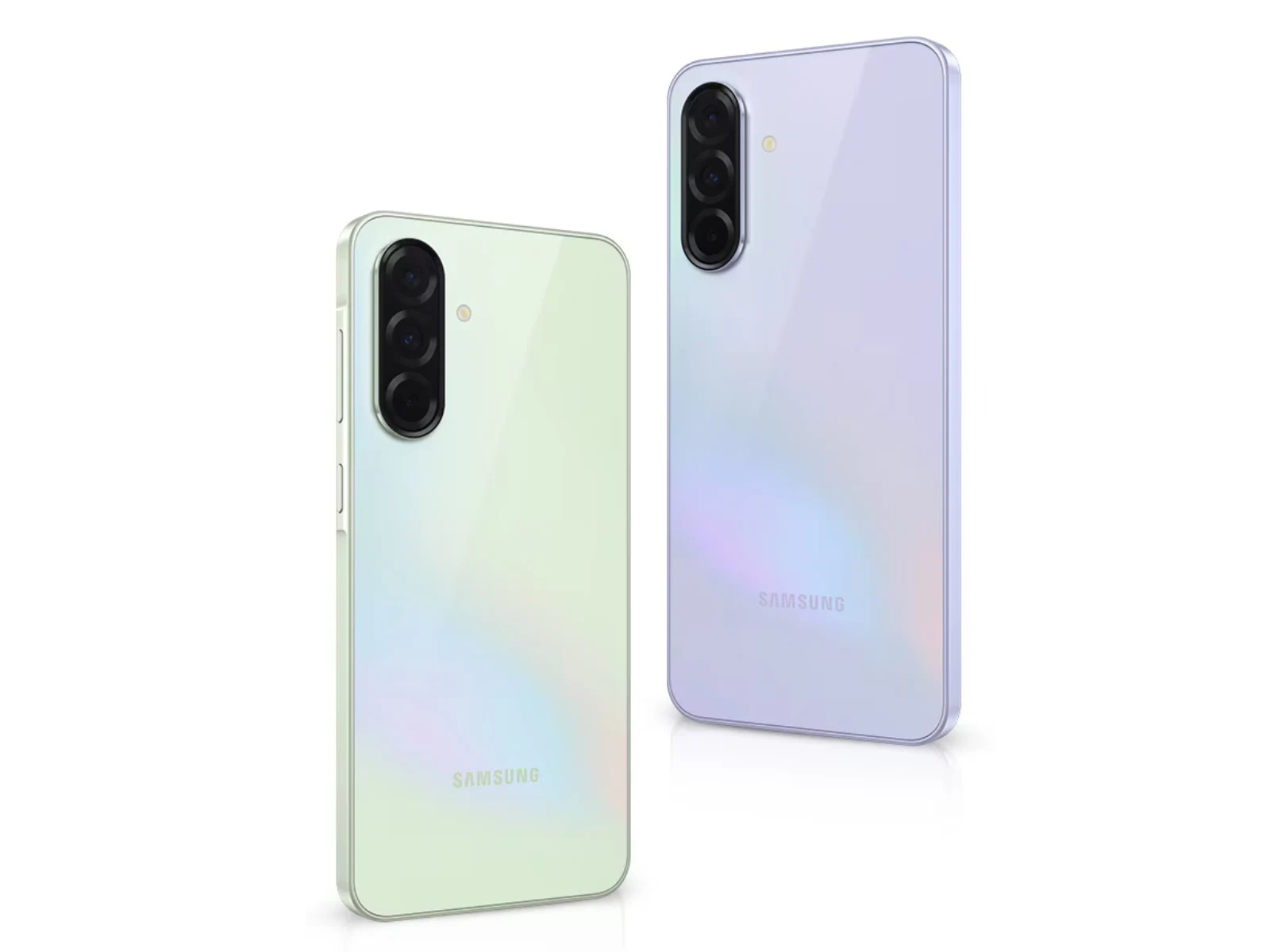
1. Samsung will launch the Galaxy A37 and Galaxy A57 on March 25 at 5:30 pm IST (12:00 pm GMT).
2. The Galaxy A57 features a 6.6-inch AMOLED display, 120Hz refresh rate, Exynos 1680 processor, and improved camera specs.
3. The A57 includes a 50 MP main camera, a 12 MP ultrawide, a 5 MP macro lens, and supports 45W wired charging.
4. The Galaxy A37 has a 6.7-inch AMOLED display, 120Hz refresh rate, and will run on the older Exynos 1480 chip with an 8 MP ultrawide camera.
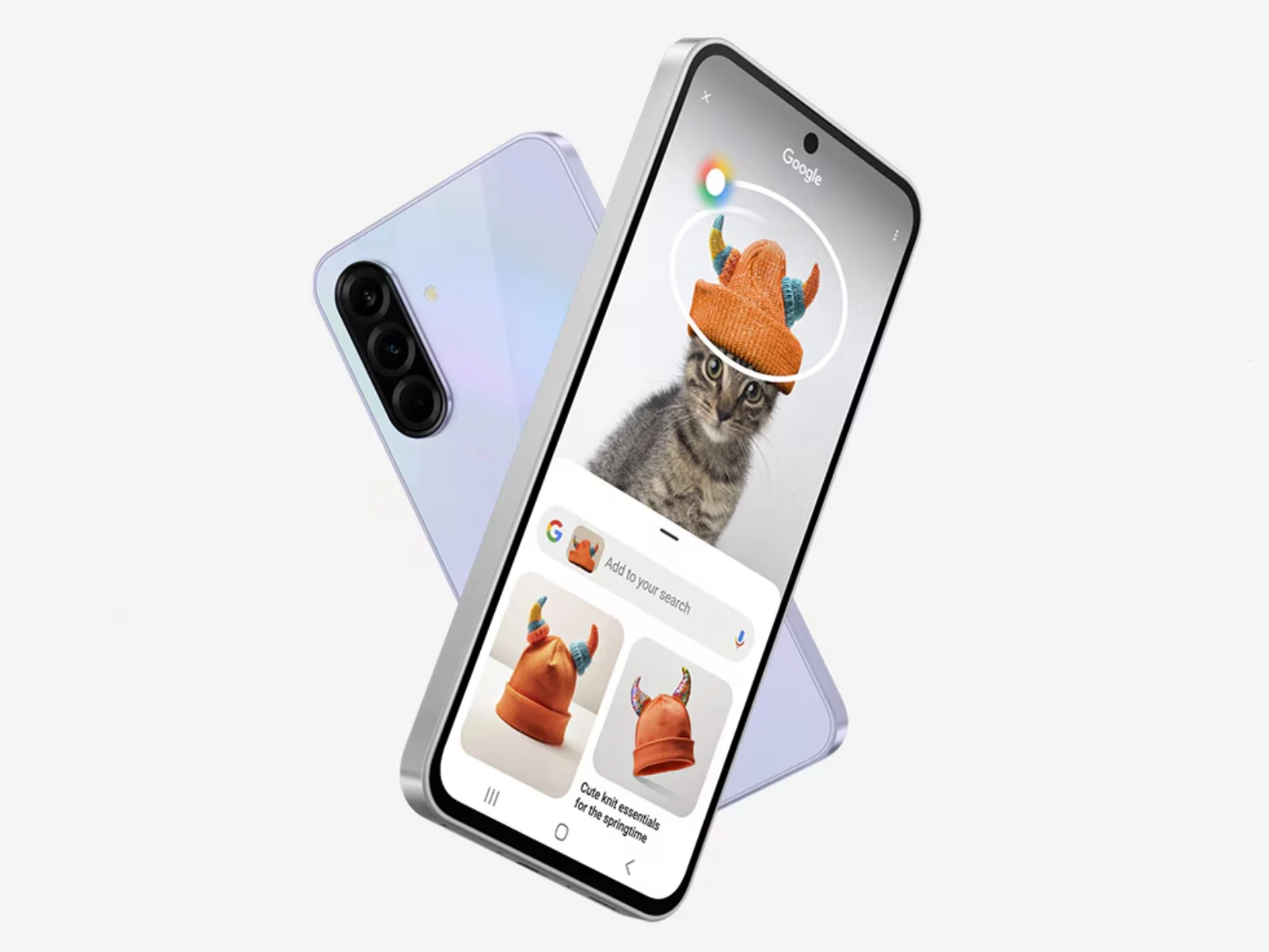
5. Both models will come with Android 16, One UI 8.5, and six years of software updates, targeting the mid-range market against competitors.
Samsung has (at last) revealed when it will launch its new mid-range smartphones. In a statement from Samsung India, it was announced that the Galaxy A37 and Galaxy A57 will be unveiled on March 25 at 5:30 pm IST (12:00 pm GMT).
Upgrades in the A57
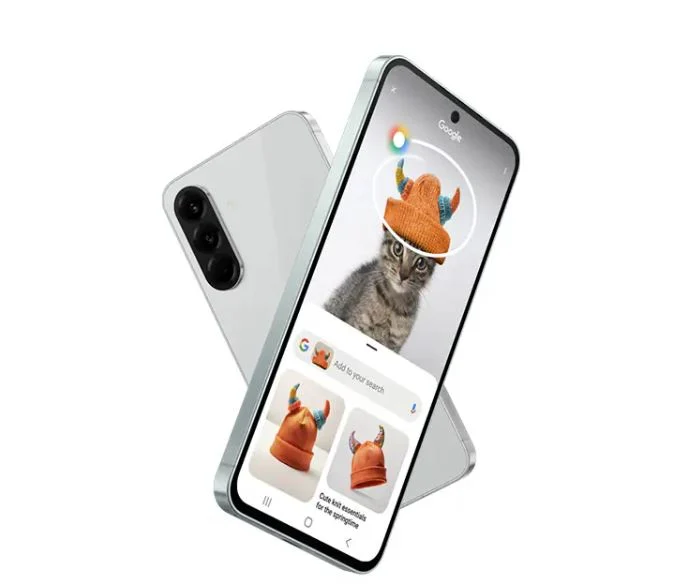
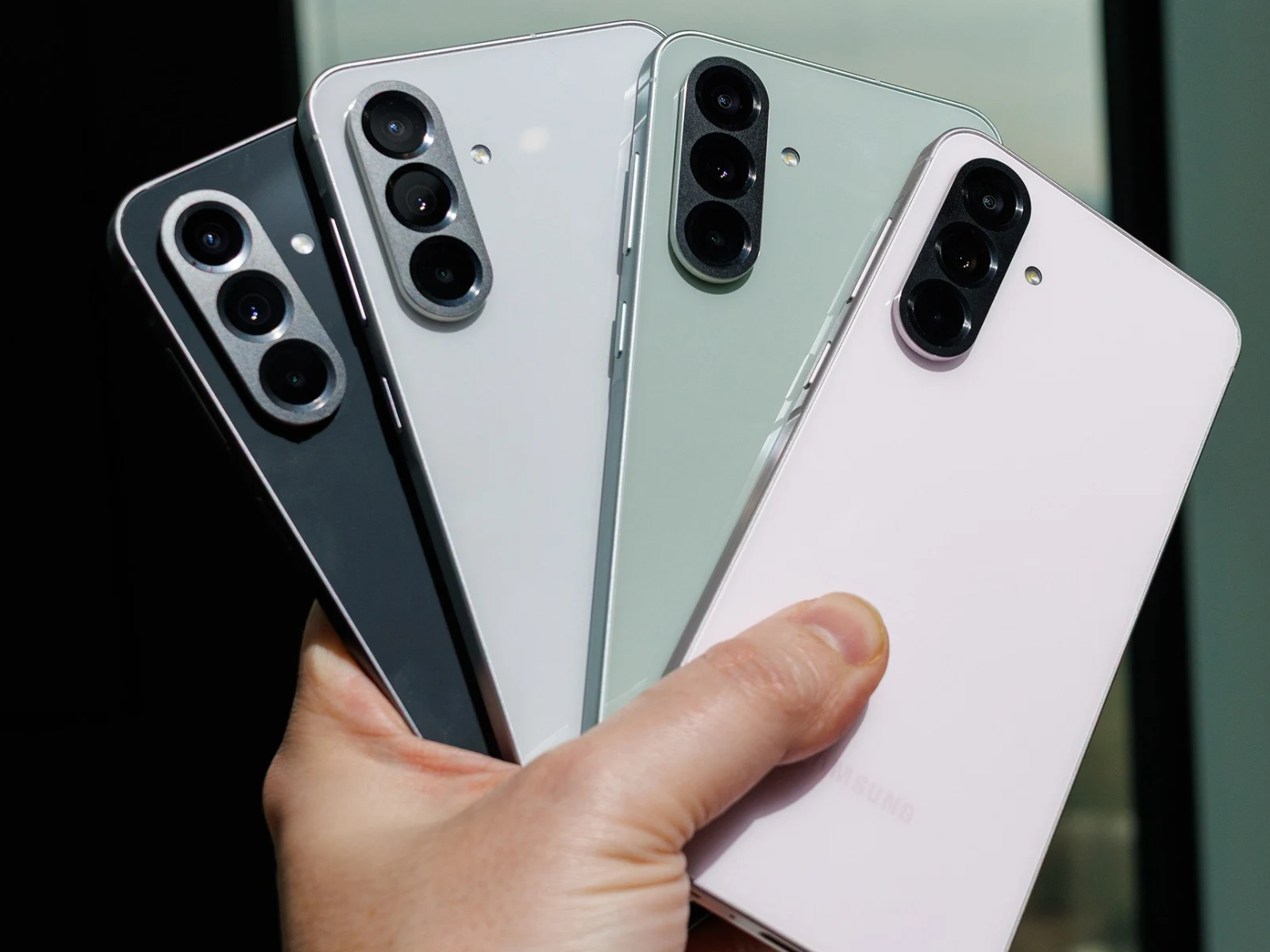
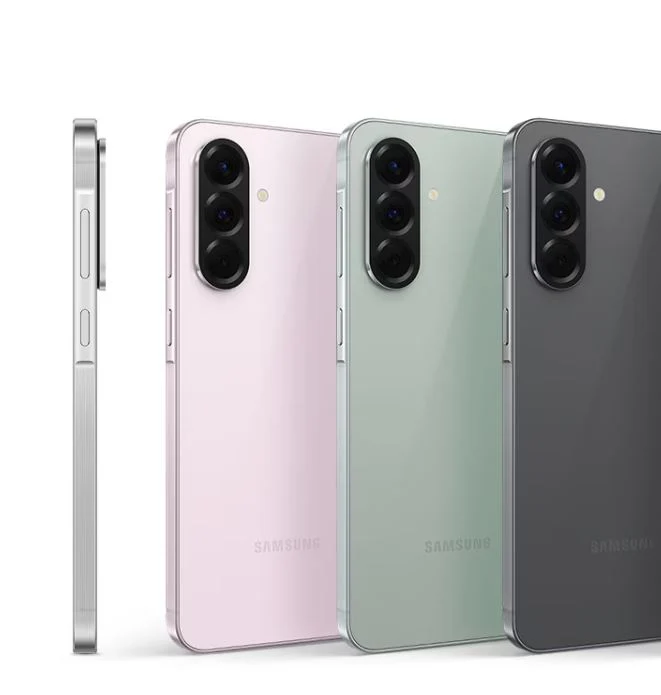
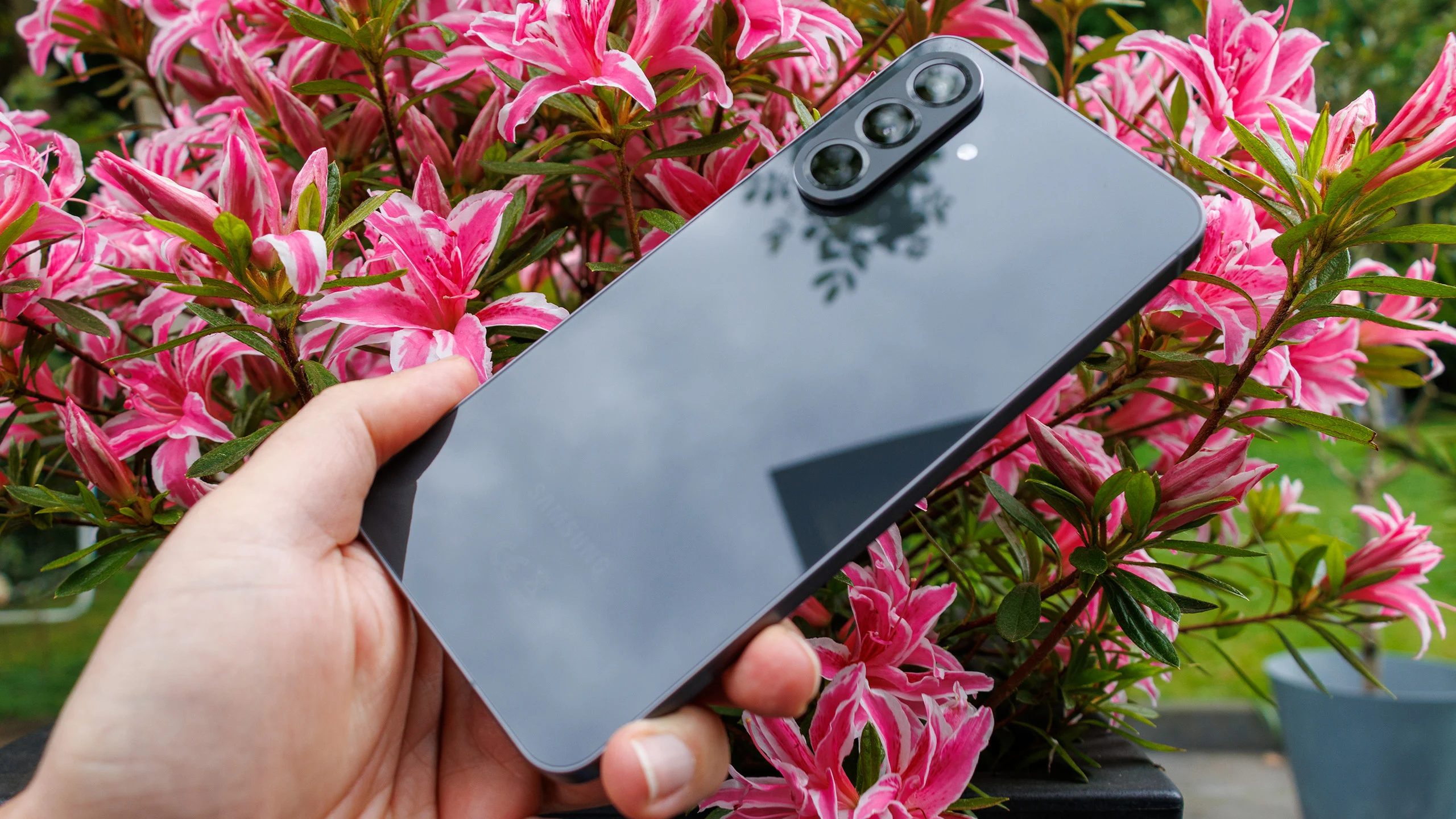
The Galaxy A57 is likely to come with a number of hardware improvements compared to the previous Galaxy A56. Reports indicate that this device will sport a 6.6-inch AMOLED screen with a 120Hz refresh rate and will utilize the new Exynos 1680 processor. Camera specifications are said to include a 50 MP main sensor, a 12 MP ultrawide, and a 5 MP macro lens. Interestingly, while the battery will still have a capacity of 5,000 mAh, it will now support quicker 45W wired charging.
Features of the A37
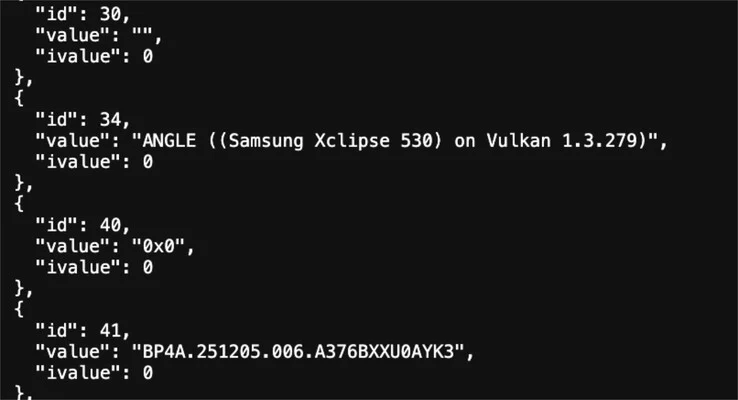
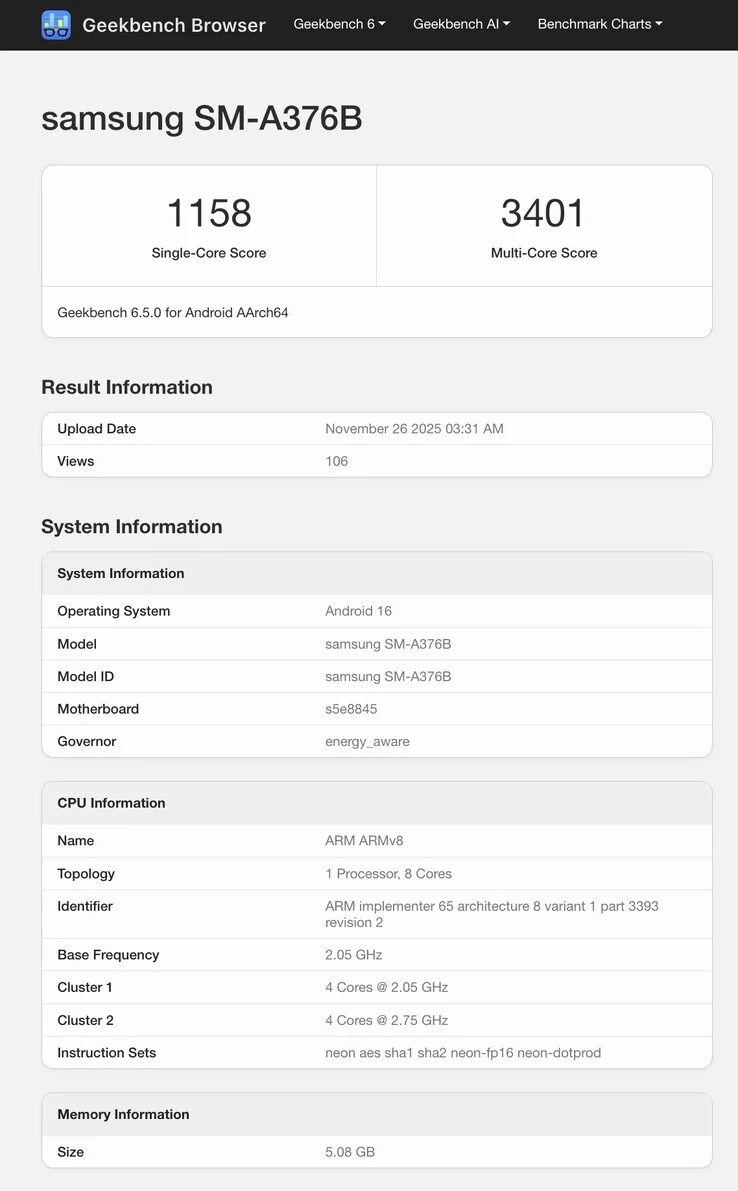
On the other hand, the Galaxy A37 is expected to include a 6.7-inch AMOLED display with a 120Hz refresh rate and a similarly sized battery as its more premium counterpart, but it will probably run on the older Exynos 1480 chip and come with an 8 MP ultrawide camera. Both models are anticipated to come pre-installed with Android 16 and One UI 8.5, along with six years of software updates.
A Significant Release
Even if they don’t have a grand launch event, these new A-series devices are important for Samsung due to their impressive sales. Upon their release, the Galaxy A37 and A57 will go head-to-head in the mid-range market against competitors like the iPhone 17e, Google Pixel 10a, and the Nothing Phone 4a series.
Source:
Link