Tag: Samsung

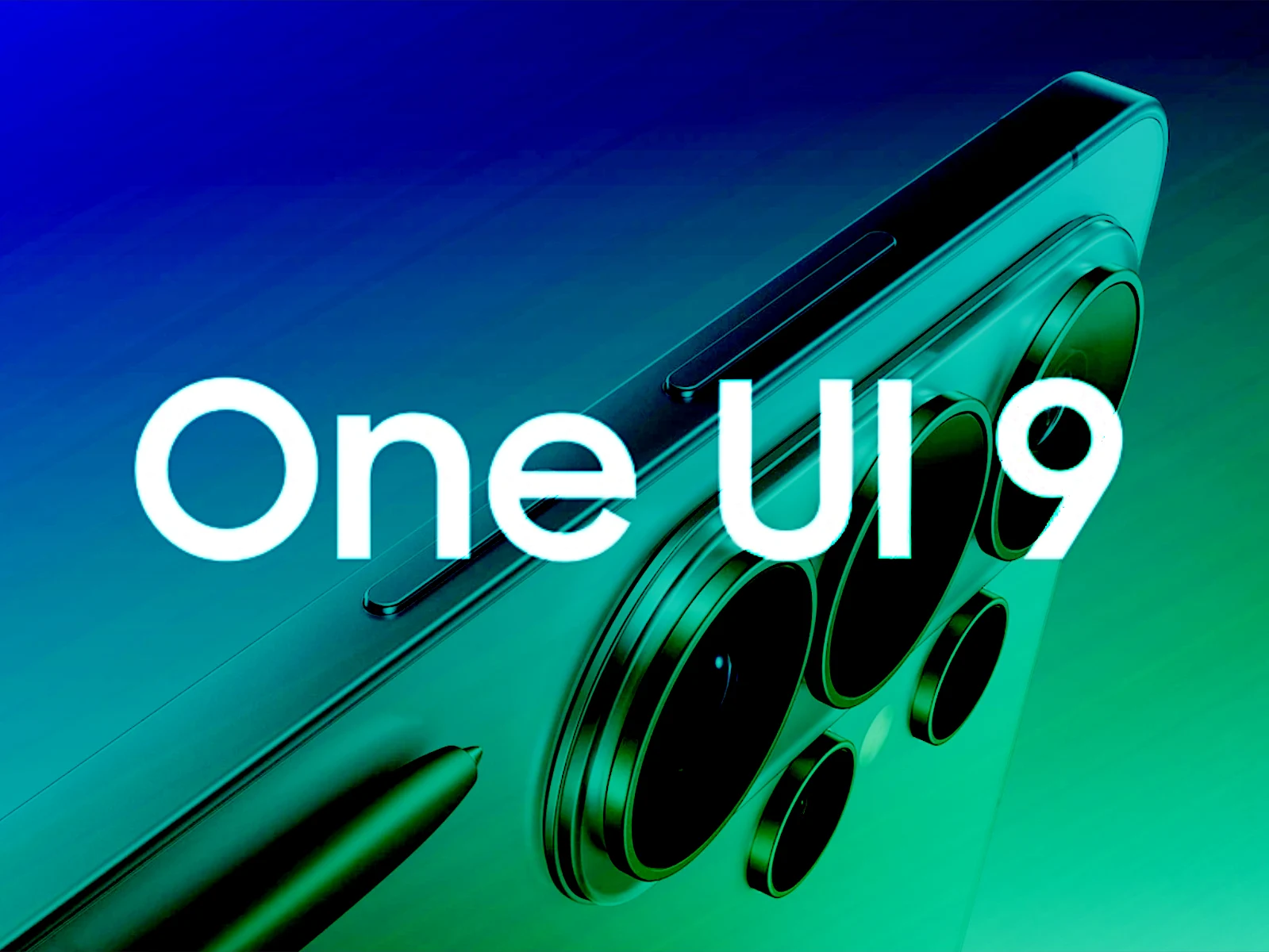
  • Samsung launches One UI 9 Beta 1 with 12 major updates

    Samsung launches One UI 9 Beta 1 with 12 major updates

    Key Takeaway

    1. Samsung has begun rolling out One UI 9 Beta, starting with Galaxy S26 Ultra in select countries.
    2. The beta build is approximately 3.6 GB and includes security patches from May 5, 2026.
    3. Focus areas for improvement include enhancing Samsung DeX and adding more Quick Panel customization options.

    Samsung Unveils One UI 9 Beta for Galaxy Devices

    Yesterday, Samsung announced the latest beta program for its popular One UI interface, named One UI 9 Beta. This is just the newest in a string of beta releases set for various smartphones over recent years. The company’s initial statement indicated that the first beta, based on Android 17, would be available ‘starting this week’ for users of Galaxy S26 series in countries like Germany, India, Poland, South Korea, the UK, and the US. However, no specific dates were communicated at that time.

    Global Rollout of One UI 9 Beta Begins

    Despite the lack of concrete timelines, the rollout of One UI 9 Beta builds has now commenced across different regions. As per reports from Reddit, Beta 1 has already started to arrive in Germany and the United States. Interestingly, the Galaxy S26 Ultra (which is priced at around $1,099) seems to be getting priority over its smaller counterparts, including the Galaxy S26 and Galaxy S26 Plus, at this stage. The focus appears to be on delivering the new software first on the Ultra model.

    Details & Features of the Beta Build

    The latest beta build, known as One UI 9 Beta 1, weighs in at approximately 3.6 GB and comes with the security patches dated May 5, 2026. Samsung’s current efforts aim at refining its software in around twelve different areas for this release. For example, the update enhances Samsung DeX functionality, providing users with improved desktop previews. Moreover, the beta version introduces more options for customizing the Quick Panel, a feature that was somewhat limited in the previous One UI 8. Users can see a summary of these updates in the screenshots included with the official release.
    Sources

  • Apple A21 SoC May Replace TSMC with Intel or Samsung, Boosting Fate

    Apple A21 SoC May Replace TSMC with Intel or Samsung, Boosting Fate

    Key Takeaway

    1. Apple is in early-stage talks with Intel and Samsung to potentially produce its next-generation processors, diversifying from its primary partner, TSMC.
    2. Intel and Samsung are advancing their 2 nm and 18A process nodes, with Intel aiming to attract external customers, including Apple.
    3. Intel’s upcoming 18A-P node offers improved performance and efficiency, and may produce Apple’s A-series SoCs for future iPhones as early as 2027.
    4. Apple’s mobile chips might be divided between TSMC for higher-end models and Intel/Samsung for standard models, depending on production capabilities.

    Rumors About Apple and Foundry Collaborations

    Across the tech world, there has been lot of buzz about Apple testing out the process nodes from Intel Foundry for their upcoming iPhone and MacBook chips. Recently, Bloomberg has confirmed that Apple have been having “exploratory” talks with both Intel and Samsung about developing Apple silicon together. Though these discussions are still in early stages, some experts like Mark Gurman believe there is no immediate plans, but it shows Intel and Samsung are trying to catch up with TSMC which have been leading lately.

    Current Progress in Chip Manufacturing

    Both Samsung and Intel are now producing chips on their latest advanced nodes, 2 nm SF2 for Samsung and Intel’s 18A for Intel, showing real progress. Their focus is also on attracting external customers, which is very important especially for Intel. The company’s CEO, Lip-Bu Tan, is trying to revive Intel by securing outside clients for its advanced manufacturing process. This strategy is key to making Intel regain some competitive edge in the global chip market.

    Implications for Apple and Future Chips

    With the news that Apple considers adding Intel and Samsung as secondary suppliers to TSMC, it seems Intel’s efforts are headed in a good direction. Reports suggest Intel has improved yields on its 2 nm and 18A nodes, and the upcoming 18A-P version is expected to be even better. The 18A-P offers a 9% boost in performance or similar performance at 18% reduced power, aiming to be a significant upgrade.

    Potential Production Plans for Apple

    There are rumors that Intel might start manufacturing Apple’s M-series SoCs on the 18A-P node by 2027, starting with lower-end Macbook Air models. However, instead of M-series, the chips Apple might send to Intel for manufacturing could be the A-series, designed for their 20th-anniversary iPhones.

    Possible Hardware Divisions Between Foundries

    Sources on X speculate that Intel or Samsung could produce the upcoming Apple A21 SoC, which might power the 2027’s 20th-anniversary iPhones. Currently, the iPhone 18 and 18 Pro will feature A20 and A20 Pro chips, so the A21 could be used for the next big milestone.

    Strategic Manufacturing Arrangements

    All this suggests Apple might split mobile chip production—using TSMC for the high-end models like the Pro versions, while Intel and Samsung could supply for the standard models. The success of this plan will depend on whether Intel and Samsung can deliver the needed performance, efficiency, and affordability that Apple demands.

    Uncertainty and Future Outlook

    Of course, no one can be totally sure about Apple’s exact plans, so it’s best to take these rumors with a bit of skepticism. Apple’s manufacturing decisions remain secretive, and these developments are still in the rumor stage, so we should wait for official announcements to truly understand what’s coming next.

  • New OnePlus Flagship Phone with Enhanced Battery and Smooth Gaming

    New OnePlus Flagship Phone with Enhanced Battery and Smooth Gaming

    Key Takeaway

    1. The OnePlus Ace 6 Ultra features an 8,600mAh battery with 120W fast charging, enabling up to 2 hours of gaming with just 10 minutes of charge.
    2. It is equipped with the “Glacier Battery” chipset for improved power efficiency and performance at low battery levels, alongside the G2 Pro gaming chip.
    3. The phone boasts advanced connectivity features, including lower WiFi latency and better signal reception.
    4. Camera-wise, it has a 50MP primary sensor with OIS and a flagship ISP from Oppo, supporting detailed daylight shots.
    5. Additional features include a 3D ultrasonic fingerprint sensor, dual speakers, and high IP ratings (IP66/68/69/69K).

    Upcoming Launch of OnePlus Ace 6 Ultra in China

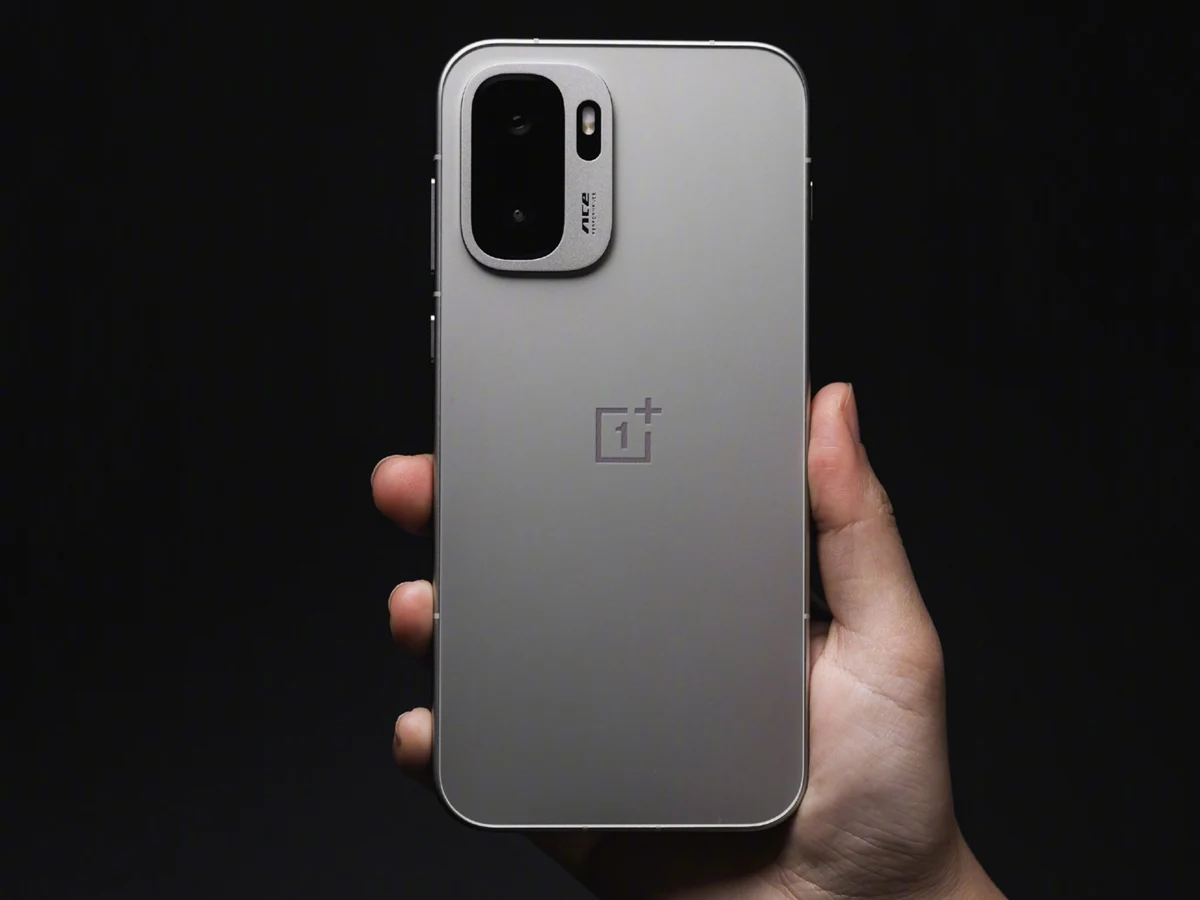
    OnePlus gonna introduce their new gaming phone—the Ace 6 Ultra—on April 28, 2026, in China. The company has already reveal some features like a gaming accessory that can turn into a handheld, which is pretty cool. Fans are eagerly waiting for the official release, as more specifications getting leaked out. It looks like OnePlus really focusing on longer battery life and better connectivity for this model.

    Battery and Charging Capabilities

    The phone is gonna sport a mighty 8600mAh battery, which is quite bigger than the Redmi K90 Max, promising up to 7 hours of continuous gaming. An impressive feat, especially for mobile gamers who need long-lasting power. This device supports a rapid 120W charging system, and fast enough that just ten minutes of charge can give around two hours of playing time. But interestingly, there’s no clear mention about bypass charging, unlike some competitors like the Redmi K90 Max or RedMagic 11 Pro that support it for better gaming sessions.

    Processor and Connectivity Features

    Moving to the internals, the Ace 6 Ultra is expected to contain the “Glacier Battery” chipset – a name hinting at high efficiency. This chip ensures smooth game performance even as the battery levels drop, which is crucial for gamers. Furthermore, the device is confirmed to include the G2 Pro gaming chip, aiming to deliver more powerful connectivity. Users should experience stronger signals, decreased WiFi latency, and better handling in low-network zones, making gaming smooth everywhere.

    Camera and Design Details

    The teaser images revealing the cameras show that the Ace 6 Ultra will feature a 50MP primary sensor, which is notably large at 1/1.55 inches, and it supports Optical Image Stabilization (OIS). While details about the secondary sensor are still not disclosed, it’s confirmed that the camera system will leverage a flagship ISP from Oppo. Early sample shots indicate it can shoot detailed photos especially in daylight, but people should view them cautiously as these might not fully represent the final camera quality. Additional features include a 3D ultrasonic fingerprint scanner, dual stereo speakers, and impressive IP66/68/69/69K ratings for water and dust resistance. It is likely more specs will be unveiled closer to the launch date.


  • Budget OLED iPad Air Launches at $599 with Single-Stack Panel

    Budget OLED iPad Air Launches at $599 with Single-Stack Panel

    Key Takeaway

    1. Apple plans to introduce an OLED display to the iPad Air, starting mass production with Samsung by the end of 2023.
    2. The OLED iPad Air will feature cost-saving specifications, including a single-stack emissive layer and hybrid substrate, to maintain an affordable price.
    3. The transition to OLED aims to expand the iPad market, with demand projected to grow significantly, especially for the iPad Air, benefiting suppliers like Samsung and LG.
    4. The iPad Air’s OLED upgrade is part of a broader shift from LCD to OLED across multiple Apple products, with the iPad Mini and iPad Pro also expected to adopt OLED technology.

    Apple moving to OLED tech in next iPad Air

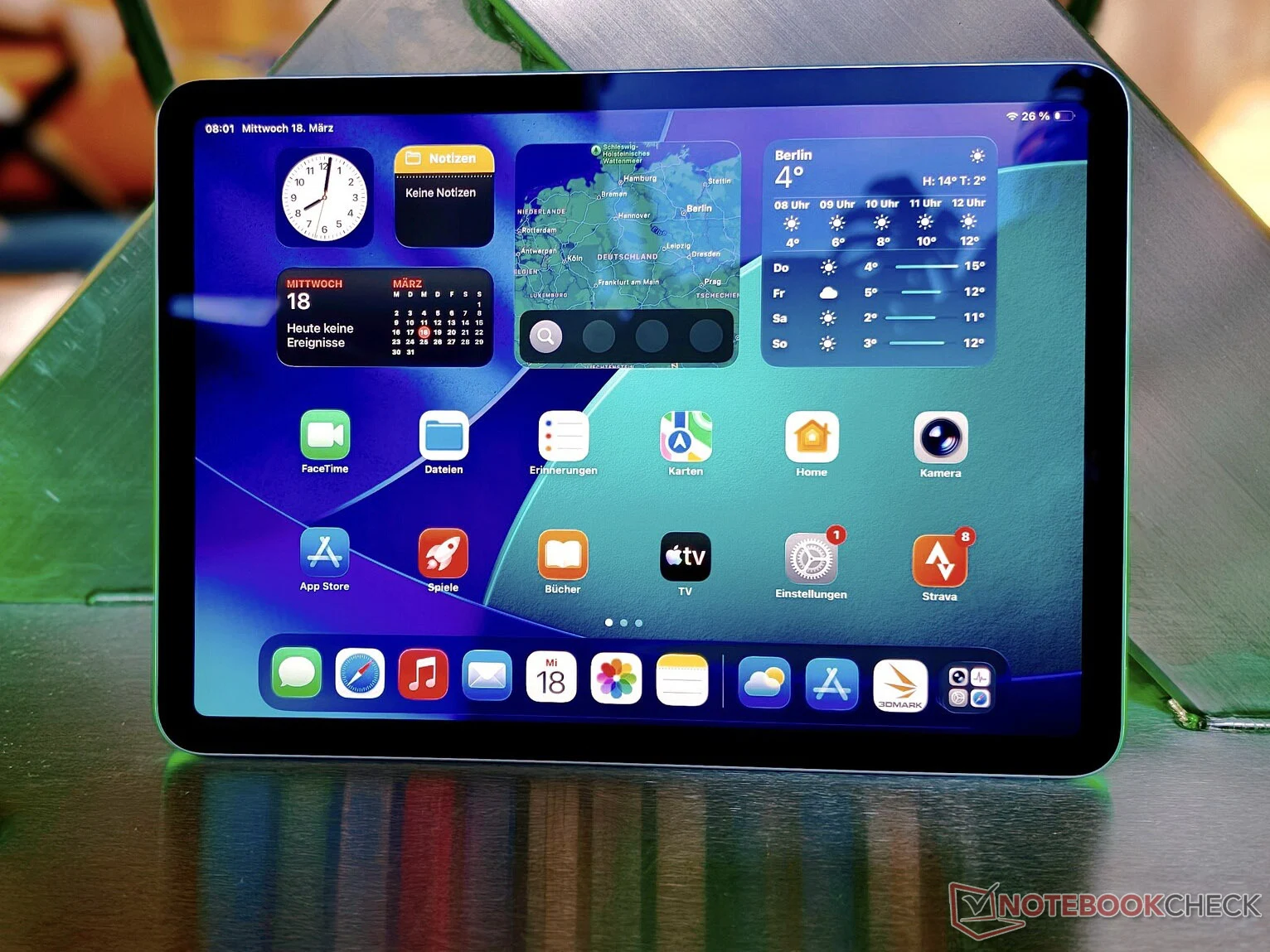
    Based on recent reports, apple seems to be moving forward with its plan to upgrade its iPad Air with OLED screens, carrying out their display roadmap. Samsung, the display giant, is said to be preparing for mass production of these OLED panels sometime later this year, possibly setting the stage for an early next year release of the new iPad Air 2027 edition. According to source from south Korea, this transition marks a significant step for apple’s portfolio.

    Expected Specifications and Pricing

    The move to OLED isn’t just about the technology but also about keeping cost under control. The new iPad Air will reportedly feature a single-stack emissive layer, an LTPS TFT backplane, along with a hybrid substrate. These simplifications are meant to minimize manufacturing expenses, making it more affordable than the iPad Pro, which has seen mixed market reactions. Currently, the price for the current iPad Air starts at around $599 in stores and discounts are sometimes available through online retailers. The switch to OLED is expected to encourage more sales because the price point should remain friendly to consumers.

    Market Impact and Future Outlook

    The introduction of OLED technology into the iPad Air aims to boost its competitiveness, especially since more premium models like the iPad Pro have prices that could deter some buyers. Demand for the OLED iPad Pro has already faced some challenges, which is why Apple likely prefers to allocate OLED displays first to the more popular Air series. Apple’s dominant share is projected to increase in the OLED tablet market, which analysts predict could hit 13 million units sold in 2026; with the new OLED iPad Air entering the mix, that number could climb to 21 million units. Both LG and Samsung are currently sharing the OLED supply, and this expansion will benefit both display makers as Apple’s minimal specs for the Air allow for a more streamlined supply chain and lower costs overall.

    Sources
  • Samsung Galaxy Z Fold7 Introduces Unique New Camera Mode

    Samsung Galaxy Z Fold7 Introduces Unique New Camera Mode

    Key Takeaway

    1. Samsung Expert RAW 5.0.08.2 introduces Ocean Mode, a new camera feature for the Galaxy Z Fold7, S24 Ultra, S25 Ultra, and S26 Ultra.
    2. Ocean Mode simplifies underwater photography by automatically adjusting settings and offering interval photography, reducing the need for technical skills.
    3. The feature was initially developed for coral reef research and is now accessible to end users across multiple Galaxy devices.

    Introduction of Ocean Mode in Samsung Devices

    Samsung has launch a new feature called Ocean Mode in their Expert RAW 5.0.08.2 app, which you can find now in the Galaxy Store. This new camera mode is specially designed for underwater photography and is available on the Galaxy Z Fold7, which costs bout $1,719 according to Amazon listings. The interesting part, is that this mode was originally created for the Galaxy S24 Ultra, a device aimed mainly at photographers and tech fans.

    History and Accessibility of Ocean Mode

    Initially, Ocean Mode was developped for research purposes, mainly to monitor coral reefs and to generate 3D models from thousands of underwater photos. It was only accessible by researchers using special tools, but Samsung then made it available to regular users with the Galaxy S26 Ultra. Now, with the beta release of One UI 8.5, users of the Galaxy S25 Ultra are also able to use Ocean Mode. Good news for Galaxy Z Fold7 owners, because this makes it the third model in Samsung’s lineup that can freely access this underwater feature.

    Features and Functionalities of Ocean Mode

    Ocean Mode is design to simplify underwater photography, allowing users to take high-quality photos and videos without being pro at underwater shooting. However, it’s recommended to use an underwater housing if you’re going to shoot in salt water environments to protect the device. This mode also include an interval recording feature, which automatically capture a photo every 2, 5, or 10 seconds, making it easier to record time-lapse style videos.

    Automatic Corrections and Enhancements

    Samsung’s software takes care of the technical aspects, automatically correcting white balance, colors, contrast, and even motion blur. It intelligently select a faster shutter speed if it detects user movement underwater, which helps to keep images sharp. For more information, users are encouraged to visit Samsung’s official website for detailed insights into how Ocean Mode works and its capabilities.


  • Samsung Galaxy Z Fold 8 and More: Leaked Launch Date for Three Foldables

    Samsung Galaxy Z Fold 8 and More: Leaked Launch Date for Three Foldables

    Key Takeaway

    1. Samsung’s 2026 foldables, including the Galaxy Z Wide Fold, are already leaked, hinting at early competition with Apple’s anticipated iPhone Fold.
    2. The next Galaxy Unpacked is expected on July 22 in London, with official details yet to be confirmed.
    3. The Galaxy Z Wide Fold may feature a 7.6-inch AMOLED display and a smaller 5.4-inch cover screen, with a slim design and dual-camera setup.

    Leaks and Rumors About Samsung’s 2026 Foldables

    Lately, there have been some leaks showing what Samsung might be working on for their 2026 foldables. The models shown include the Galaxy Z Fold8 and Galaxy Z Flip8, but the most talked about seems to be the Galaxy Z Wide Fold. This new device is seen as Samsung’s move to compete with Apple’s upcoming iPhone Fold, which everyone expects to launch in September along with the iPhone 18 Pro series.

    Upcoming Launch Details and Event Plans

    Samsung’s next big event, known as Galaxy Unpacked, is usually held in the summer, and this year is no different. According to Korean sources, the event could happen on July 22, in London. This has not been officially confirmed yet, but underneath all the rumors, it seems quite likely. Fans are eagerly watching to see if this date holds true and what devices Samsung will unveil.

    Designs and Specifications of the New Foldable

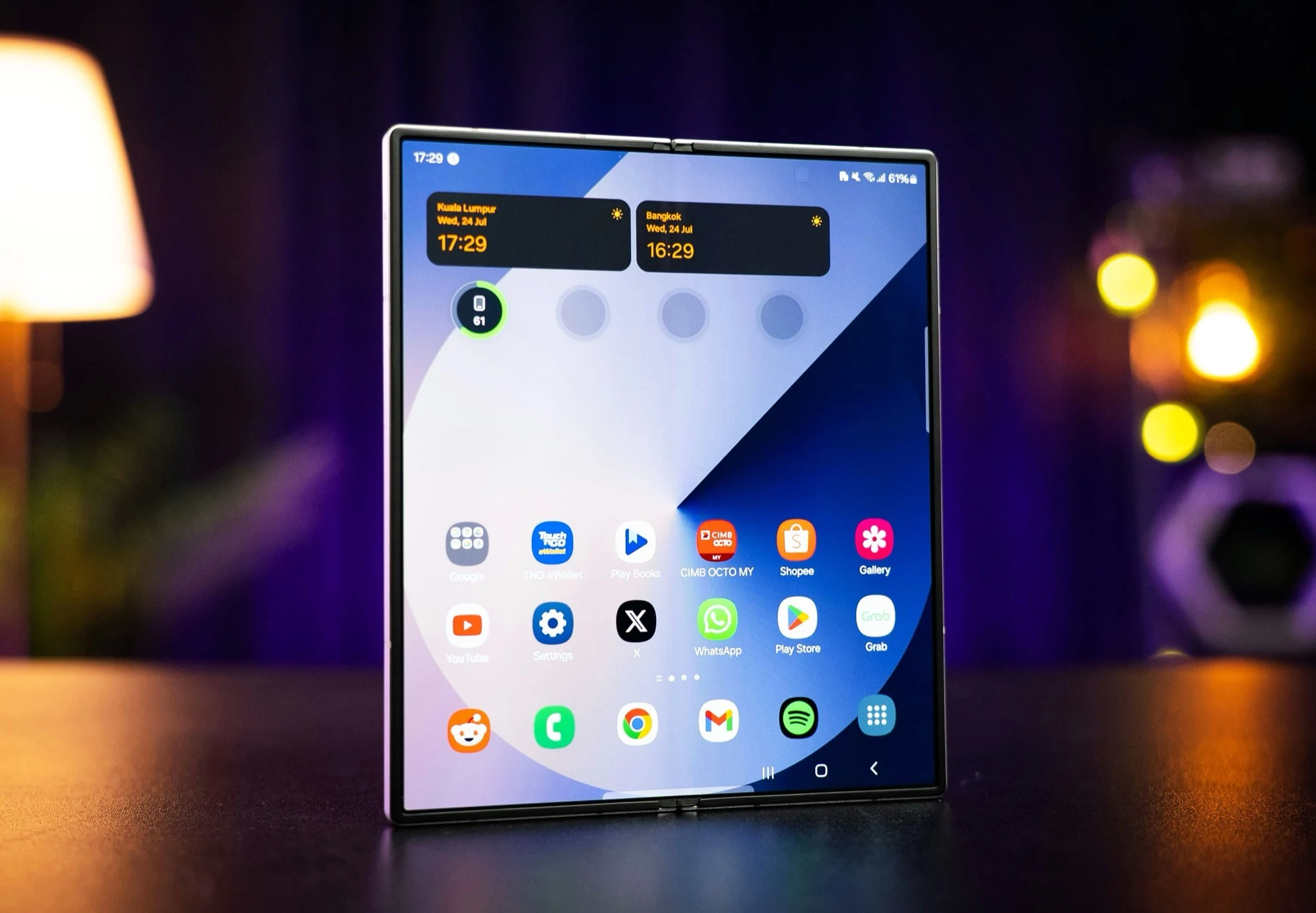
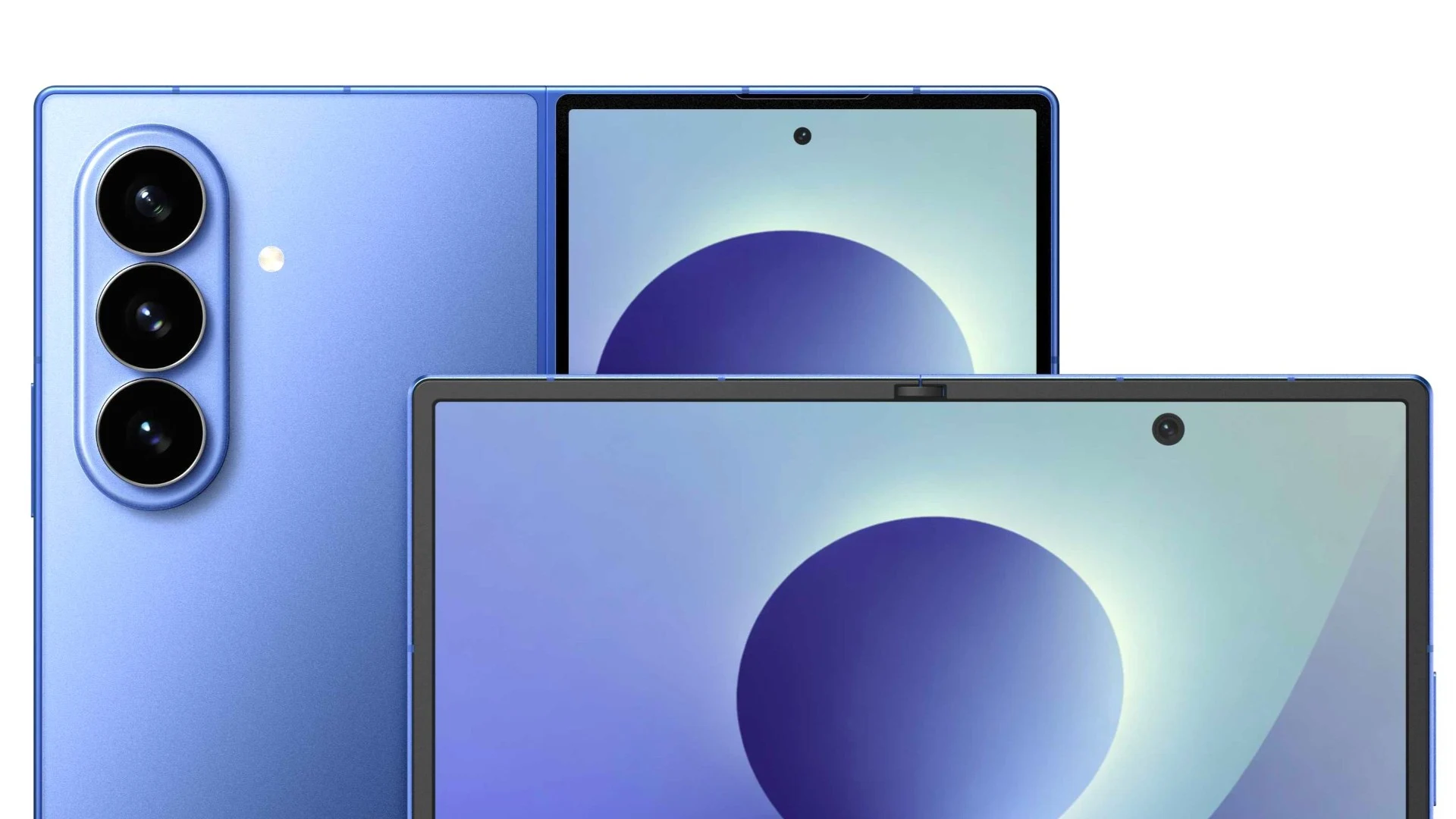
    From CAD renders leaked online, it looks like the Galaxy Z Fold7 and Galaxy Z Flip7 will not see many design updates. But the mention of a new foldable, potentially called the Galaxy Z Wide Fold, suggests Samsung might be trying something slightly different. When fully unfolded, it shows a 7.6-inch AMOLED screen with a 4:3 aspect ratio. Its cover display will only be 5.4 inches, smaller than the previous models. The device is estimated to be 0.39 inches thick and powered by the Snapdragon 8 Elite Gen 5 chip, but it will only include a dual-camera setup.

    Sources
  • Samsung Galaxy Watch Ultra 2 May Miss Snapdragon Wear Elite in Some Regions

    Samsung Galaxy Watch Ultra 2 May Miss Snapdragon Wear Elite in Some Regions

    Key Takeaway

    1. The Galaxy Watch Ultra 2 will have different models for the USA (5G capable with Snapdragon chip) and Europe (4G with Exynos chip).
    2. The US version is expected to feature the Qualcomm Snapdragon Wear Elite, offering better performance and modern connectivity features.
    3. The European version may have only minor upgrades with the Exynos W1000, possibly providing limited new features.

    Upcoming Samsung Galaxy Watch Ultra 2

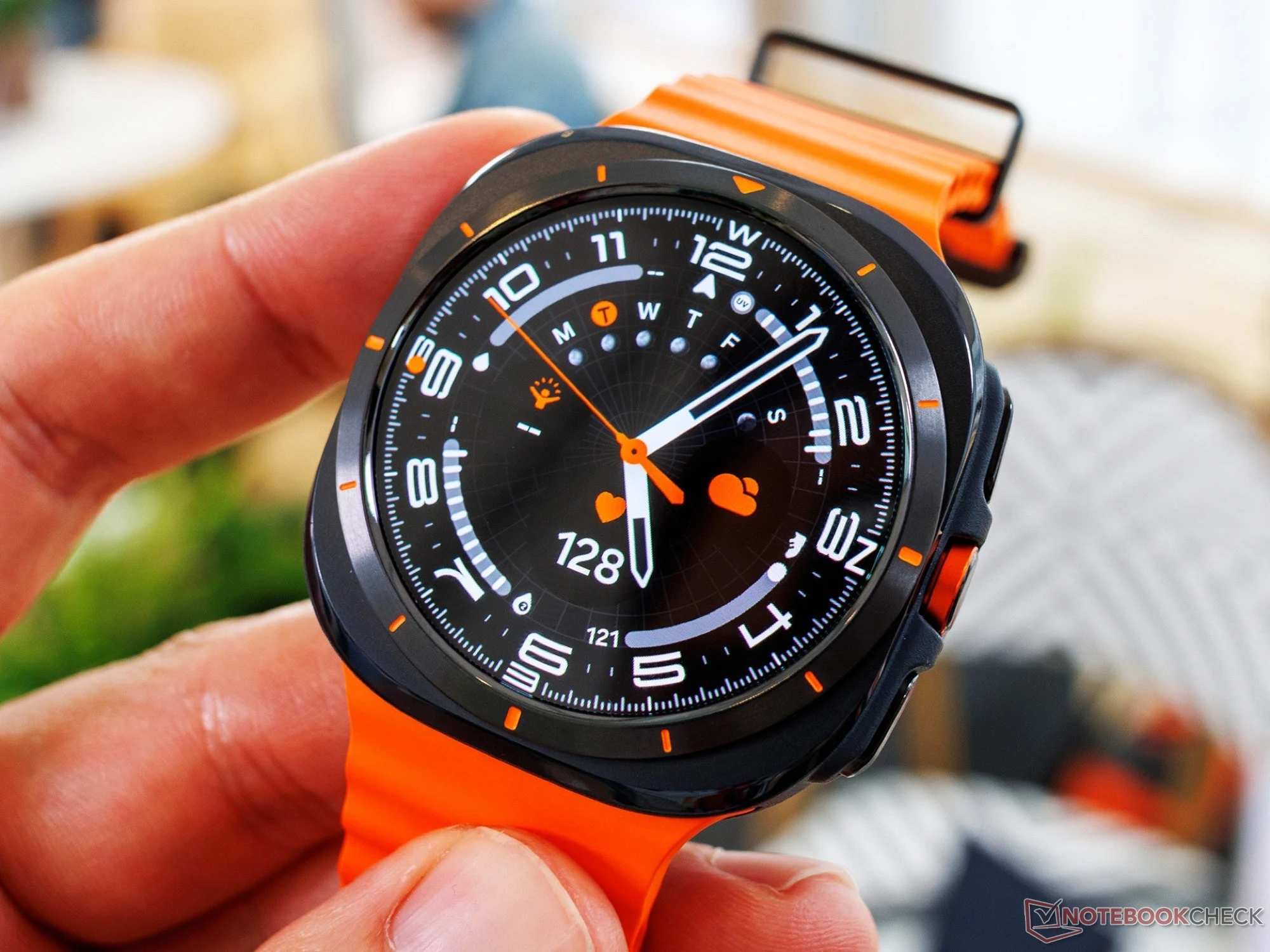
    Samsung’s Galaxy Watch Ultra was initially introduced back in July 2024, retailing at around $649, and didn’t see many updates till about 2025. Now, after two years, the brand is finally ready to drop a successor. But, there’s a catch, especially for folks in Europe, who might not find the Galaxy Watch Ultra 2 as exciting as Americans do. That’s because some insider info from GalaxyClub points out that beta firmware for this new smartwatch has already been spotted on Samsung’s servers.

    Regional Models and Modem Differences

    It’s pretty interesting how Samsung numbers their models. The watch for the US is listed as SM-L716, whereas in Europe, the model is SM-L715F. Typically, models ending in a “5” are LTE-enabled, meaning they only support 4G networks, whereas those ending in a “6” are 5G compatible. What this suggests is that the US version of the Galaxy Watch Ultra 2 will likely pack a Qualcomm Snapdragon Wear Elite processor with a built-in 5G modem. Meanwhile, the European version might stick with Samsung’s older Exynos W1000 chip with a 4G connection, making it less advanced.

    Specs and Performance Insights

    Both chips share similar CPU architecture, featuring an ARM Cortex-A78 performance core and four Cortex-A55 cores for efficiency. However, the Snapdragon Wear Elite pushes ahead with higher clock speeds and boasts support for current connectivity tech like Wi-Fi 6 and ultra-wideband (UWB). Qualcomm also claims better energy efficiency and GPU performance, which could make a noticeable difference in daily use. If Samsung opts to stick with the Exynos W1000 in Europe, don’t expect a huge leap forward—it may just be a modest upgrade from the previous model, leaving European users with less cutting-edge hardware.

    Sources
  • Samsung Discontinues Messages App: What You Need to Know

    Samsung Discontinues Messages App: What You Need to Know

    Key Takeaway

    1. Samsung is discontinuing its Samsung Messages app in July 2026, urging users to switch to Google Messages.
    2. Devices running Android 11 and older will not be affected by the discontinuation.
    3. After switching, Samsung smartwatch users will lose the ability to view full message history via Tizen OS but can still send and read messages.

    Samsung’s App Discontinuation Notification

    Samsung has officially announced that it will be discontinuing its Samsung Messages app starting from July 2026. The company has informed users through its website, indicating that once the app is no longer supported, it will be impossible to send messages via the app, except for emergencies and contacts marked as emergency contacts. Additionally, users will not be able to download or update the app from the Galaxy Store anymore. Interestingly, devices running Android 11 and earlier versions are stated to be unaffected by this change, which might help older models continue using the app for a longer period.

    Features of Google Messages and Transition Advice

    • The company recommends users to switch to Google Messages as their main messaging application, highlighting its enhanced features.
    • Google Messages incorporates AI-driven scam detection, advanced spam filtering, and supports Rich Communication Services (RCS) messaging for richer interactions.
    • Additional features include expressive AI capabilities and multi-device connectivity, making it a more versatile messaging platform.

    Samsung has suggested that some users could receive a notification directly within the app, guiding them how to transition smoothly to Google Messages. For users who may not receive such a notification, a manual guide is provided to assist with the switch. The announcement also warns about potential temporary disruptions of ongoing RCS messaging sessions particularly on devices launched before 2022, which can often be fixed by switching both parties to Google Messages.

    Impact on Smartwatch Users & Final Notes

    After the changeover, users of Samsung smartwatches running Tizen OS face limitations, as these devices will no longer support viewing the full conversation history of messages. This limitation stems from the fact that Tizen OS does not support Google Messages. Despite this, users will still be able to read and send text messages via their smartwatches but with reduced functionality. Overall, this move signifies Samsung’s shift in their messaging ecosystem, emphasizing Google’s messaging platform moving forward.

    Sources
  • Samsung’s US Foldable Market Share Drops as iPhone Fold Arrives

    Samsung’s US Foldable Market Share Drops as iPhone Fold Arrives

    Key Takeaways

    1. Samsung’s Market Share Decline: Samsung’s share in North America’s foldable smartphone market dropped from 65% in 2024 to 51% in 2025, losing ground in the clamshell segment.

    2. Motorola’s Rise: Motorola gained significant market share, reaching 44% due to competitive pricing and strong carrier partnerships, driven by the success of the Razr Fold 2025 series.

    3. Google’s Growth: Google saw a 52% increase in shipments, largely due to the release of the Pixel 10 Pro Fold, although it still holds only 5% of the market.

    4. Apple’s Strategic Delay: Apple’s decision to delay the launch of its foldable iPhone until late 2026 could strategically position it to avoid early adopter issues faced by competitors.

    5. Upcoming Competition: The anticipated iPhone Fold is set to launch alongside the iPhone 18 series, with Samsung preparing a rival device featuring a larger main display.


    The North American foldable smartphone market is seeing some significant changes, as per the latest insights from Counterpoint Research. In 2025, this segment experienced a growth of 28% YoY, but the more interesting narrative revolves around Samsung’s drop and the fierce competition rising, especially from Motorola.

    Samsung’s Market Share Decline

    Samsung has held a strong position in the foldable market for a long time, nearly monopolizing it. However, Counterpoint indicates that 2025 was a pivotal year. Samsung’s share in North America plunged to 51%, down from 65% in 2024. While the company still leads in book-style foldables, it has lost its stronghold in the increasingly popular clamshell segment.

    Motorola’s Rise

    The major victor in this scenario is Motorola. Thanks to the Razr Fold 2025 series, Motorola has snagged an impressive 44% market share, propelled by competitive pricing and robust partnerships with carriers. Google also witnessed a surge, with shipments increasing by 52% YoY, aided by the release of the Pixel 10 Pro Fold in October; however, it still holds just 5% of the market.

    Apple’s Strategic Delay

    Interestingly, the biggest potential winner might be Apple’s anticipated iPhone Fold. The choice to postpone the launch of its first foldable iPhone seems to have been a strategic decision, and the reasons are becoming clearer now.

    While competitors like Samsung and Huawei debuted their foldable devices back in 2019, Apple’s decision to wait until late 2026 has allowed it to bypass the issues faced by early adopters. This positions Apple to enter a marketplace where Motorola and Samsung have already set the stage for foldable designs.

    With Samsung’s dominance fading, the iPhone Fold could deliver the “final blow” in a now well-established and fiercely competitive market. It appears that Apple might have had this plan in motion all along.

    Regarding the iPhone Fold, it’s anticipated to launch alongside the iPhone 18 series this fall, although it could be available later. Meanwhile, Samsung is gearing up to introduce a direct rival to the iPhone Fold, featuring a broader main display.

    Counterpoint, Thumbnail by Mika Baumeister

    Source:
    Link


  • Samsung Galaxy S26 Gains AirDrop Support in US and Europe

    Samsung Galaxy S26 Gains AirDrop Support in US and Europe

    Key Takeaways

    1. Samsung is rolling out a significant software update (build AZCF) for Galaxy S26 series users in Europe, India, and the U.S.
    2. The update introduces native AirDrop support to Samsung’s Quick Share feature, allowing file sharing with iPhones, iPads, and Macs.
    3. This functionality enables users to share files directly without needing third-party applications.
    4. Currently, AirDrop support is limited to the S26 series, but Samsung plans to extend it to more devices with the upcoming One UI 8.5 update.
    5. Apple’s lack of official response suggests they may be considering easing restrictions due to regulatory pressure from the European Commission.


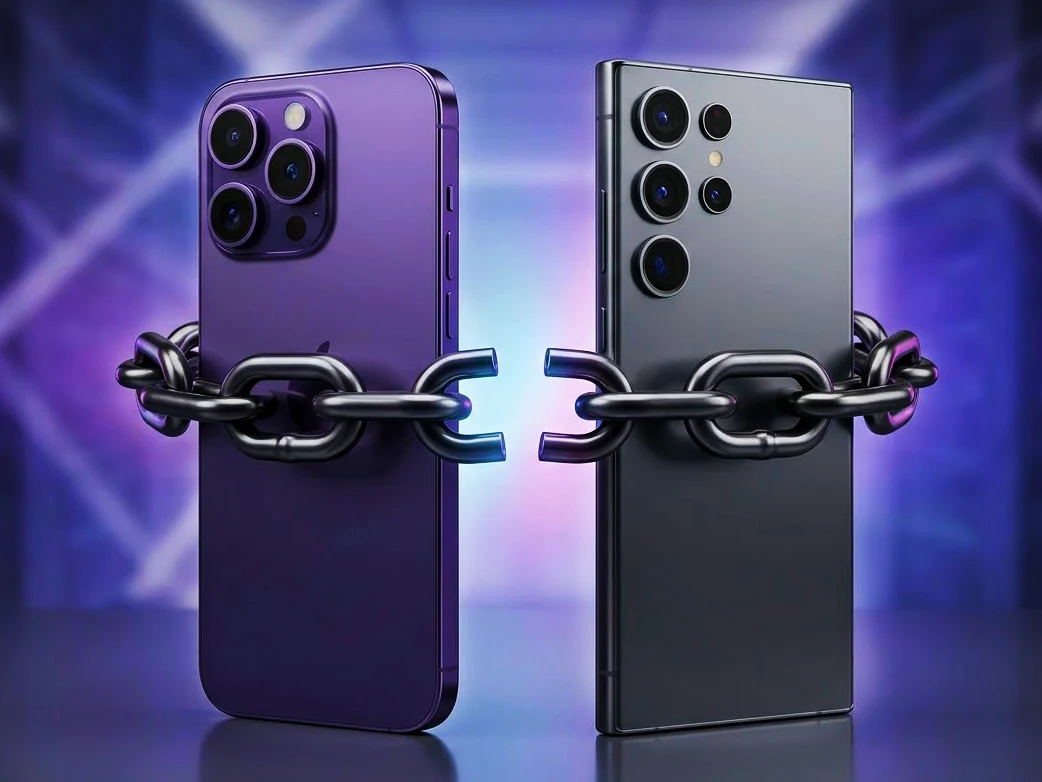
    This is a significant moment! Samsung is closing one of the biggest divides between Android and iOS.

    Major Update Rolling Out

    After launching in South Korea, Samsung is now distributing a substantial software update (build AZCF) to Galaxy S26, S26+, and S26 Ultra users in Europe, India, and the United States, according to the latest reports. This update, which is about 900 MB in size, introduces native AirDrop support to Samsung’s Quick Share feature.

    New Sharing Capabilities

    With this new functionality, Galaxy users can easily share files directly with iPhones, iPads, and Macs without the need for any third-party applications. Although this feature was first seen on the Pixel 10 (thanks to Google’s initiative to enable AirDrop cross-compatibility), Samsung is now the latest brand to implement this standard.

    Getting Started with AirDrop

    To enable “AirDrop” on your Samsung device using Quick Share:

    Currently, this feature is only available for the S26 series, but Samsung intends to extend support to additional devices, likely with the forthcoming One UI 8.5 update.

    It should be mentioned that Apple hasn’t made any official statements regarding the “AirDrop on Android” situation. The feature seems to be a reverse-engineered solution rather than a collaboration between the two companies, at least based on what is known publicly. Nonetheless, the absence of any blocks indicates that Apple might be gearing up to relax their strict policies in response to growing regulatory demands from the European Commission.

    Source:
    Link