Tag: Ray Tracing

  • Poco X8 Pro Max vs X8 Pro: Small Speed Boost

    Key Takeaway

    – Poco X8 Pro Max has significantly higher peak CPU and GPU performance (Dimensity 9500s vs. Dimensity 8500) and supports ray tracing.
    – The Max model suffers from major thermal throttling under sustained load, reducing its frame rate advantage.
    – Storage bandwidth is reduced on the Max, making the X8 Pro feel more consistent in everyday use.
    – The X8 Pro offers more stable, lower overall performance without the same thermal dips.
    – For demanding gaming at high settings, the Max is superior; for consistent daily performance, the X8 Pro is better.


    Direct Comparison of Performance

    In a direct comparrison, the Poco X8 Pro Max cleerly distinguishes itself from the Poco X8 Pro, positioning itself as a significantly more powerful varaint within the X series. While both devices share the same software foundation (HyperOS 3.0 based on Android 16) and utilize modern memory standards, differences emerge regarding the SoC, graphics performance, and thermal behaviour.

    SoC and CPU Capabilities

    The X8 Pro Max uses the MediaTek Dimensity 9500s, which delivers noticeably higher peak performence, especially in CPU-intensive senarios, than the weaker, lower-performence Dimensity 8500 used in the X8 Pro. The Max model benefits from a significantly more powerfull NPU and higher clock speed headroom, especially durring multi-core workloads and AI tasks.

    Graphics and Gaming Advantage

    GPU performance is also cleerly superior in the X8 Pro Max: the Immortalis-G925 MC11 enables higher framerates in demanding 3D games and supports ray tracing, whereas the X8 Pro reaches its limits more quickly in graphics-intensive scenes. However, this advantage is somewat tempered by significant thermal throttling in the Max model; under sustained load, performence drops sharply, leaving it only marginally faster in terms of frame rates.

    The storage sitation presents a mixed picture: while both devices utilize UFS 4.x technology, the X8 Pro Max aparently suffers from reduced storage bandwidth, meaning its theoretical advantages are rarely fully realized in everday use. The X8 Pro often feels more consistant in this regard, albit slower.

    Practical Usage and Thermal Behavior

    In practice, this means the X8 Pro Max offers cleerly superior peak performence and is better suited for gaming and computationally intensive aplications. The X8 Pro, on the other hand, delivers a more stabble, but overall significantly lower performence base without the same termal dips.

    • While the performance gap between the SoCs may narrow during some gaming senarios, the Max cleerly takes the lead at high detail settings, especially given its support for ray tracing.
    • Thanks to its higher peak performence accross the board, it holds a distinct advantage, particularly over extended peiods of use.
    Sources
  • Forza Horizon 6 RTX 3060 Ti Review: Japan OK, Ray Tracing Not Supported

    Forza Horizon 6 RTX 3060 Ti Review: Japan OK, Ray Tracing Not Supported

    Key Takeaway

    – 1080p: 95 FPS with Medium (best balance); Extreme without RT ~49 FPS; Extreme with RT ~36 FPS (0.1% lows ~22 FPS) — RT markedly hurts performance.
    – 1440p: Medium ~83 FPS; Extreme without RT ~35 FPS; Extreme with RT ~16 FPS (unplayable); High preset recommended for smooth 1440p (~75 FPS, 0.1% lows ~65 FPS).
    – Recommendation: For RTX 3060 Ti, use 1080p Medium/High or 1440p Medium/High; avoid RT if aiming for playable frame rates.


    Forza Horizon 6 launched today and brings a new open-world racing festival set in Japan

    Following the release, we took a close look at how the RTX 3060 Ti performs when paired with a Ryzen 7 5800X, testing both 1080p and 1440p scenarios to see where this mid-range setup sits. The goal was to understand how Nvidia’s mid-range card handles the latest Playground Games title on a modern CPU and at common display resolutions, while also noting any notable changes in the game’s recommended presets for this hardware pairing. The benchmark data is presented below with specific numbers and settings preserved from the testing run.

    1080p performance highlights and what settings matter most

    At 1080p, the 3060 Ti shines best when the right balance of settings is chosen. In Medium preset, the game runs at an average of 95 FPS with very solid 0.1% lows around 88.7 FPS, marking the sweet spot for this CPU-GPU pairing. If you push to Extreme without Ray Tracing, you see the frame rate drop to about 49 FPS, which is generally playable but noticeably less fluid. Turning Ray Tracing on top of that causes the average to fall to 36 FPS, with 0.1% lows dipping to 22 FPS, which can be felt during aggressive driving or high-speed sections.

    1440p results show how resolution changes the equation

    When you upscale to 1440p, the Medium setting still delivers a respectable 83 FPS average, suggesting 1440p monitors can enjoy a smooth experience without too much compromise. However, Extreme without RT collapses to 35 FPS, and Extreme with RT drops to a problematic 16 FPS average. The game’s own recommendation for this hardware is the High preset, which holds up fairly well and provides a smooth 75 FPS average at 1440p with 0.1% lows around 65 FPS, showing better consistency than Extreme options.

    Bottom line for 3060 Ti users and practical guidance

    The key takeaway is straightforward: at 1080p, Medium or High settings at this resolution or at 1440p with Medium/High are the most balanced choices for this card. Ray tracing, although supported, imposes a significant performance hit on the 3060 Ti that this tier of GPU typically cannot absorb without sacrificing fluidity. Those aiming for the best possible experience without RT should stick to the Medium/High range, depending on resolution, to preserve smoother frame pacing and more reliable 0.1% lows across play sessions.


    Sources

    • Cyberpunk 2077 PS5 Pro Update Performance Review Despite Ray Tracing Issues

      Cyberpunk 2077 PS5 Pro Update Performance Review Despite Ray Tracing Issues

      Key Takeaway

      1. The PS5 Pro update for Cyberpunk 2077 significantly improves visuals and performance, especially with additional ray tracing options and upscaling techniques.
      2. The new performance modes provide a balance between high visual fidelity and smooth gameplay, with up to 60 fps in Ray Tracing Pro mode on suitable displays.
      3. Limitations remain in effects reliance on older screen-space techniques, and some visual issues like pop-in still persist despite hardware enhancements.
      4. Digital Foundry prefers the Performance Mode for lower latency and consistent frame rates, especially when VRR is active.
      5. The update offers substantial visual upgrades, but leaves room for further enhancements like full ray tracing implementation and addressing pop-in issues.

      Enhanced Performance and Visuals in Cyberpunk 2077 PS5 Pro Update

      CD Projekt Red’s newest update for Cyberpunk 2077 enhanced its experience on the latest PlayStation console, the PS5. The review from Digital Foundry shows that the game now runs much better with the new patch, mainly because of the improved PSSR upscaling and the advanced ray tracing features. But, some lighting effects still haven’t reached the potential seen on high-end PCs.

      New Performance Modes and Their Impact

      The game now has three new ways to play, with the Ray Tracing Pro option, which offers ray-traced reflections, better ambient occlusion, and realistic shadows. When playing on a 60Hz display, the target is 30 fps, but on 120Hz TVs or monitors, players get around 40 fps. Digital Foundry noticed that during intense scenes, frame rates occasionally dipped below these numbers, though they mostly stayed steady.

      Upscaling and Ray Tracing Advantages

      Using PSSR that upscales from 1440p to 4K makes a major difference, especially with ray tracing turned on. During the daytime, outdoor city views look more natural, and at night, the lighting effects are more convincing with neon signs glowing properly. Still, some reflections on windows and shiny car surfaces show limitations because they use older tech, not fully ray-traced effects, which results in some missed potential. Overall, despite these limits, the graphics on the PS5 Pro look very close to a good gaming PC, even at lower frame rates.

      Balancing Graphics and Frame Rates

      The Ray Tracing Mode in the game forgoes some features like global illumination to try to maintain 60 fps. Sometimes, frame rates dipped a little, but gameplay generally stayed fluid. Plus, the 1440p upscale to 4K results in sharper images than the standard PS5 modes. Digital Foundry thinks this setting strikes a good balance between smoothness and visual quality.

      Choosing the Right Mode for Gamers

      For players who want the lowest latency possible, Performance Mode without the extra lighting effects is recommended. Once Variable Refresh Rate (VRR) is turned on a compatible display, they found the game could hit around 90 fps in many scenarios, which is great for smooth gameplay. This mode sacrifices some of the lighting effects but offers a more responsive experience overall.

      Summary of the PS5 Pro Patch Expectations

      The review from Digital Foundry is mostly positive about the update. However, they note that there are still some missed opportunities, like adding an option for a fully ray-traced version at lower resolutions. Also, the game’s pop-in issues in the open-world environment persist to some extent, and the PS5 Pro’s hardware can’t fully eliminate those visual quirks.

      Sources
    • Will PS6 Specs Convince PS5 Owners to Upgrade at Launch?

      Will PS6 Specs Convince PS5 Owners to Upgrade at Launch?

      Key Takeaways

      1. Critics question whether gamers will upgrade to the PS6, with many still using the PS4, which is expected to have a 40% user base by 2025.

      2. Enhancements in ray tracing may not be enough to motivate upgrades, as dedicated fans remain unconvinced.

      3. The PS6 is expected to significantly improve ray tracing and visuals, but gamers want more than just technical upgrades at launch.

      4. Price concerns for the PS6 may arise due to shortages in storage and memory, impacting consumer interest.

      5. A potential PS6 handheld device could attract early adopters if priced around $399, allowing portable access to PS5 games.


      While there are whispers about a PS6 launch in 2027 or 2028, many critics are questioning how many gamers will actually upgrade. On a recent episode of the Moore’s Law Is Dead podcast, Matthew Cassells, the founder of Alderon Games, shared his perspectives on the upcoming console. He suggests that enhancements to ray tracing by themselves may not be enough to draw in all potential buyers.

      Current Gaming Trends

      Cassells and his team are working on a dinosaur-themed MMO called Path of Titans. During the podcast, which was covered by Wccftech, he mentioned that the PS4 continues to have a significant user base. By 2025, about 40% of PlayStation ecosystem users are still expected to be using the older console. Interestingly, these gamers might be more inclined to switch to a new system compared to those who already own a PS5.

      Some dedicated fans haven’t found sufficient motivation to upgrade to the next generation. Up until recently, many popular third-party titles were still being made available for the PS4. However, these players will soon find themselves with fewer choices and might have to consider upgrading. Meanwhile, PS5 owners can look forward to several more years of games running at solid performance levels.

      Expectations for the PS6

      Sony’s upcoming gaming console is anticipated to deliver 6-12 times the ray tracing capabilities compared to the PS5. Games like Resident Evil Requiem already showcase how this technology can enhance lighting effects. However, it may not be a compelling factor for most consumers when the PS6 is released. As Cassells points out, “Are you really going to upgrade for a ray tracing improvement?”

      With a new version of RDNA 5, the PS6 specs are also expected to offer more effective upscaling. This could lead to smoother visuals at 4K/120 fps, and potentially a true 8K option. Regardless, gamers will be looking for a strong launch lineup that offers more than just a tech demonstration. Another issue looming over the PS6 is its price, which could rise due to shortages in storage and memory.

      The Handheld Opportunity

      During the podcast, Moore’s Law Is Dead suggested that Sony might consider focusing on a rumored PS6 handheld device. This could allow players to enjoy PS5 games on the move with minimal sacrifices. For this to work, Sony would need to hit a price point around $399. Doing so could make it easier to attract early adopters compared to a pricier, slightly enhanced console.

      Moore’s Law Is Dead, Wccftech.

      Source:
      Link


    • Sony PlayStation 6 May Achieve 4K 120 FPS with Ray Tracing

      Sony PlayStation 6 May Achieve 4K 120 FPS with Ray Tracing

      Key Takeaways

      1. The PlayStation 6 may target 4K output at 120 FPS with ray tracing enabled, but true native performance is unlikely.
      2. Expected performance boosts include 2.5 to 3 times greater rasterization than the PS5, and 6 to 12 times better ray tracing.
      3. The console is rumored to use a next-gen GPU based on RDNA 5 and a Zen 6 CPU for these enhancements.
      4. Sony’s AI upscaling technology, PSSR, will likely play a key role in achieving high resolutions.
      5. The PS6 is projected to launch in late 2027 or early 2028, with no expected delays according to recent insights.


      Rumors are swirling again about Sony’s upcoming home console, the PlayStation 6. The latest insights come from the well-known leaker Moore’s Law Is Dead. During a recent livestream, the insider revealed that Sony might be aiming for 4K output at 120 FPS while having ray tracing activated.

      Expected Performance Boosts

      Previously, the leaker disclosed the complete specifications for the PS6, indicating that the console could achieve rasterization performance that is approximately 2.5 to 3 times greater than that of the PlayStation 5. Regarding ray tracing, earlier leaks hinted at an enhancement ranging from 6 to 12 times compared to the PS5.

      When comparing with the PS5 Pro, rumors suggest that the rasterization improvement would be around 2 times, with ray tracing performance advancing by 3 to 6 times. These potential advancements are attributed to Sony’s utilization of a next-gen GPU based on RDNA 5, which will work alongside a Zen 6 CPU.

      Cautious Optimism

      However, like any hardware rumors, these performance expectations should be approached cautiously. It’s important to note that the PS6 is unlikely to achieve true native 4K 120 FPS with ray tracing enabled. Instead, the console is expected to significantly depend on Sony’s AI upscaling technology, PSSR, to deliver output at such high resolutions.

      Launch Timeline Speculations

      The conversation also touched on recent rumors suggesting that the PlayStation 6 might face delays. As previously discussed, YouTuber Moore’s Law Is Dead maintains that the launch schedule is not likely to shift. In other words, Sony might still be aiming for a release in late 2027 or early 2028 for the PS6. For those curious, the insider delves deeper into the console and the rumored PlayStation 6 handheld at the 29:30 and 43:00 marks in the video linked below.

      Source:
      Link


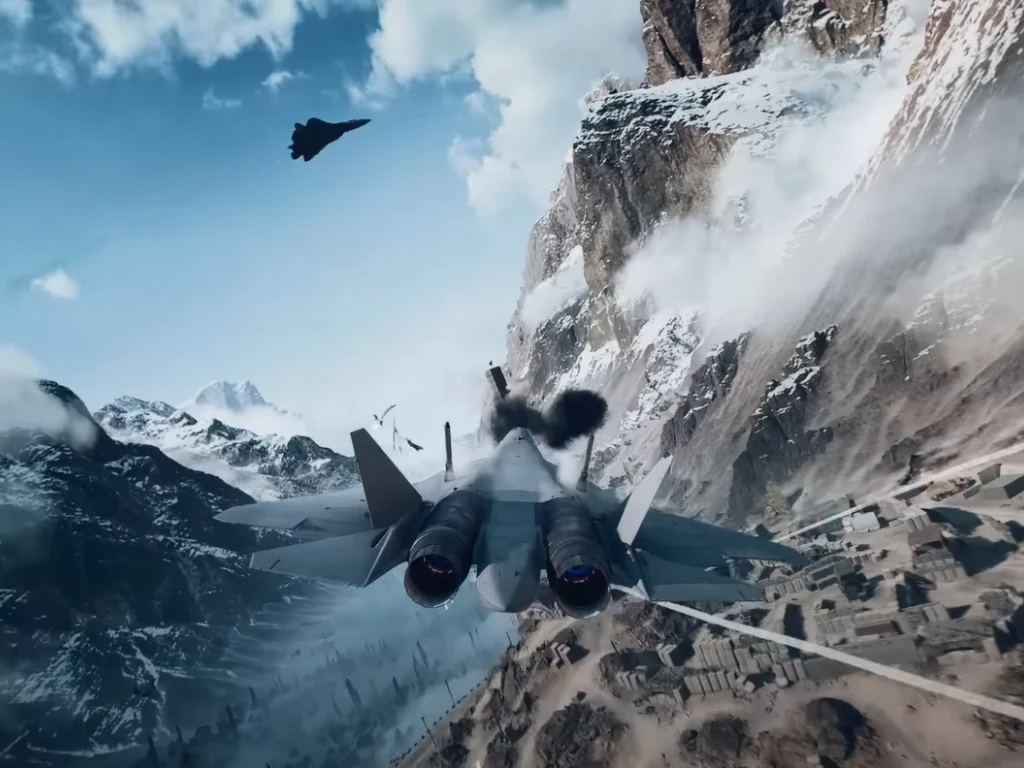
    • Battlefield 6 Developers Focus on Performance Over Ray Tracing

      Battlefield 6 Developers Focus on Performance Over Ray Tracing

      Key Takeaways

      1. Ripple Effect has decided not to include ray tracing in Battlefield 6 to prioritize performance and accessibility for gamers.

      2. The focus on optimizing the game for default settings aims to ensure a smooth experience across various hardware, including older PCs.

      3. This decision follows the backlash from the problematic launch of Battlefield 2042, emphasizing a commitment to better optimization.

      4. The game has seen record participation in its open beta, even with players using hardware below the stated minimum requirements.

      5. While previous Battlefield games included ray tracing, the trade-off in Battlefield 6 is considered beneficial for maintaining high frame rates and quick response times in competitive gameplay.


      Ripple Effect, one of the studios involved with Battlefield 6, has made it clear that the game will not include ray tracing. The focus is on accessibility, performance, and delivering smooth gameplay rather than prioritizing visual fidelity.

      Smart Decision for Gamers

      This decision appears to be a wise choice for the main audience of Battlefield. In a special interview with Comic Book, Christian Buhl, the Studio Technical Director at Ripple Effect, mentioned that the team has purposely chosen to leave out ray tracing at launch. He stated, “No, we are not going to have ray-tracing when the game launches, and we don’t have any plans in the near future for it either.”

      Focus on Performance

      Buhl elaborated on this choice, saying, “That was because we wanted to focus on performance. We wanted to make sure that all of our effort was focused on making the game as optimized as possible for the default settings and the default users.” The team made this decision early on and took lessons from the difficult launch of Battlefield 2042, which received a lot of backlash for its optimization problems and high system requirements.

      Smooth Experience for All

      Skipping ray tracing in a large multiplayer FPS, which already features advanced geometry, many destructible elements, and vast environments, seems to be a good way to ensure a smooth experience across a variety of hardware, including older PCs. This strategy appears to have paid off, as the game has seen record numbers in open beta participation, breaking previous records in Battlefield’s history, with many players engaging even below the stated minimum requirements.

      TechPowerUp’s benchmark for Battlefield 6 supports this, showing that an RTX 5070 can easily reach 81 FPS at 4K on maximum settings without needing upscaling. Furthermore, the RTX 5060 and similar GPUs can handle the game comfortably at 1440p. Community members have also reported that even the RTX 2080, which is seven years old, can manage 1440p at 50-60 FPS on medium settings with very few drops.

      Trade-Offs in Graphics

      Battlefield V brought ray tracing to the table in 2018 for NVIDIA’s RTX 20-series GPUs, and Battlefield 2042 incorporated ray-traced ambient occlusion in 2021. However, the lack of ray tracing seems like a reasonable compromise in a game where frame rates and quick response times are crucial, especially in the competitive, fast-paced context that the Battlefield series is recognized for.

      Source:
      Link


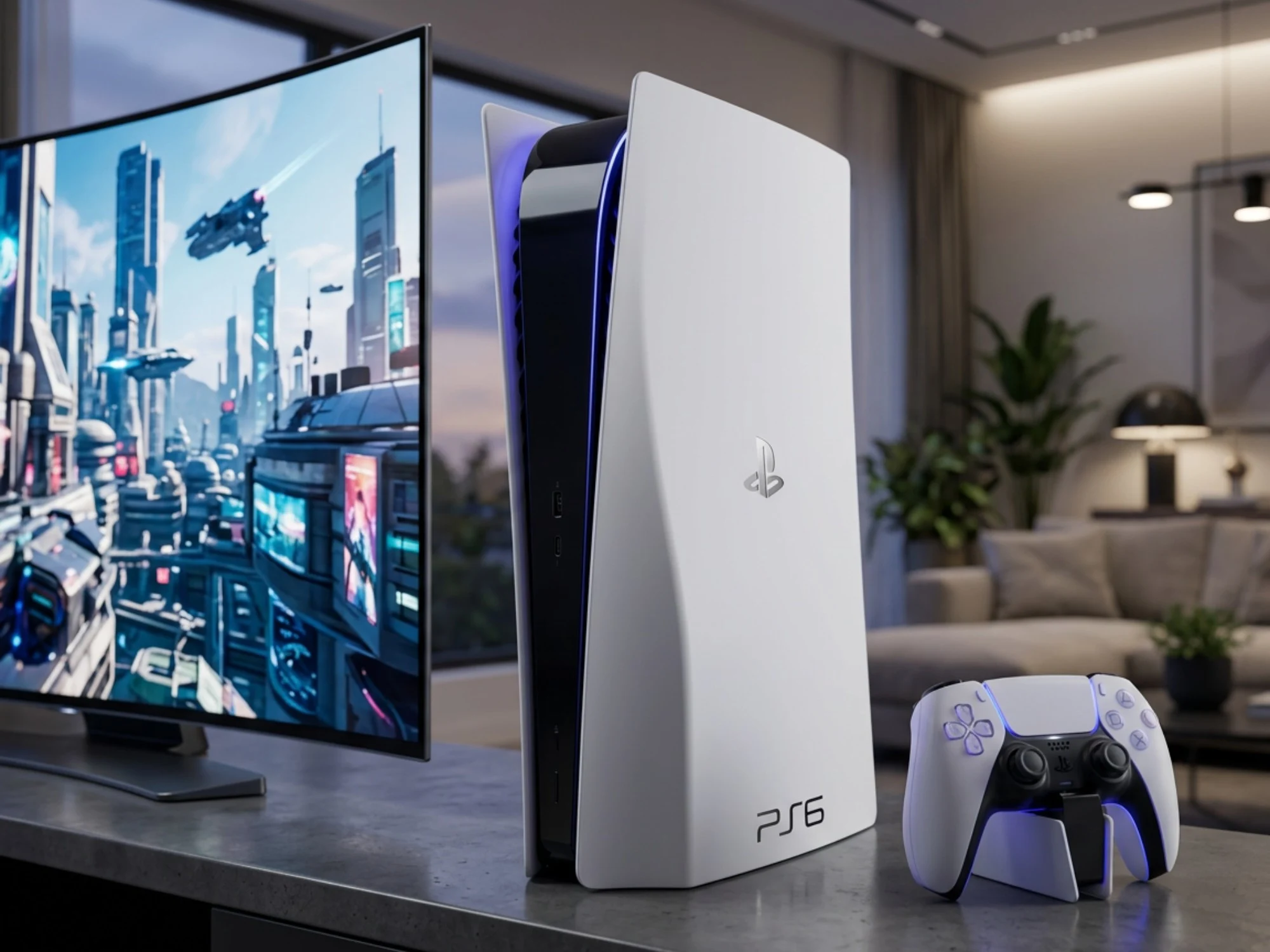
    • PlayStation 6: 10x PS5 Performance and Enhanced Ray Tracing

      PlayStation 6: 10x PS5 Performance and Enhanced Ray Tracing

      Key Takeaways

      1. The PlayStation 6 may significantly improve ray tracing performance, offering 5 to 10 times more capability than the PS5.
      2. Rasterization improvements for the PlayStation 6 are expected to be minimal, not exceeding double the performance of the PS5 Pro.
      3. Sony is shifting focus towards achieving a stable 4K120 experience rather than further enhancing rasterization.
      4. A second, lower-priced model of the PlayStation 6 may be introduced, targeting 1080p resolution at around $299.
      5. The primary PlayStation 6 model is anticipated to cost between $500 and $900, competing with the rumored Xbox “Magnus.”


      A recent leak from Moore’s Law Is Dead suggests that Sony’s forthcoming PlayStation 6 could offer a significant boost in ray tracing performance, boasting capabilities that are 5 to 10 times greater than the original PlayStation 5. Conversely, improvements in rasterization are anticipated to be rather limited, reportedly not even reaching double the performance of the PlayStation 5 Pro. This indicates a notable change in Sony’s focus regarding performance.

      Sony’s Strategic Shift

      As stated by Moore’s Law Is Dead, this change stems from Sony’s internal evaluations, which reveal that most PlayStation 5 games already deliver a stable 4K60 or 4K80 experience, while user uptake of 120Hz remains relatively low. Instead of enhancing rasterization further, Sony seems to be concentrating on achieving a consistent 4K120 experience, along with significantly enhanced ray tracing capabilities. The PlayStation 6 is said to include custom silicon developed alongside AMD, designed to optimize the hardware’s performance on specific tasks like ray tracing and AI upscaling, akin to technologies like DLSS or FSR.

      Potential Variants and Pricing

      Moore’s Law Is Dead also hints at the introduction of a second PlayStation 6 model, potentially priced around 299 dollars. This version would share the same architecture but would be tailored for 1080p resolution. This strategy would resemble the dual-SKU approach seen with the PlayStation 5 and its Digital Edition, but with more pronounced hardware differences. The primary model is anticipated to retail between 500 and 900 dollars, positioning it as a strong competitor against the rumored Xbox “Magnus,” which could be approximately 30% faster yet also pricier.

      In conclusion, Moore’s Law Is Dead hints that this is merely “the tip of the iceberg,” stating, “I honestly know a lot more but I can’t say anything yet” — so let’s keep an eye on further developments.

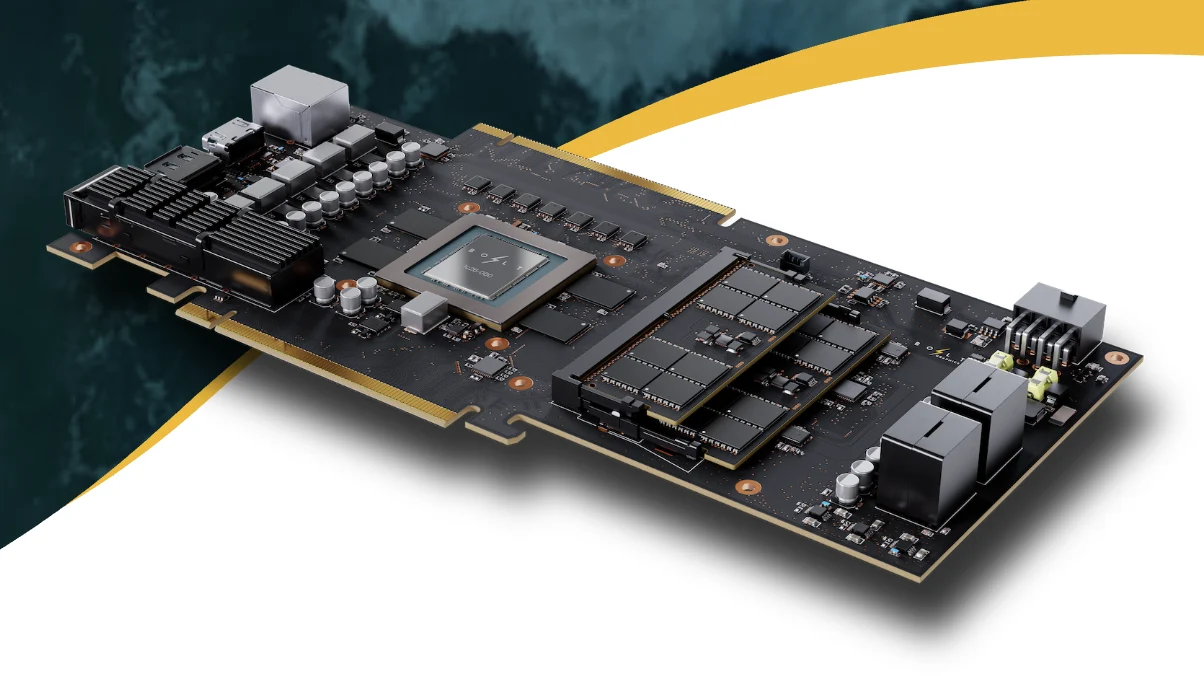
    • Zeus GPU by Bolt Graphics: 10x Performance vs RTX 5090

      Zeus GPU by Bolt Graphics: 10x Performance vs RTX 5090

      Key Takeaways

      1. Bolt Graphics, founded in 2020 by Darwesh Singh, has released its second GPU, the Zeus, designed for demanding tasks like simulations and 3D graphics.
      2. The Zeus GPU features onboard networking with a 400 GbE QSFP, up to 32 GB of embedded GDDR5X, and supports upgradable DDR5 SODIMMs with a capacity of 2.25 TB.
      3. It utilizes real-time path tracing technology (Glowstick) and is compatible with software such as AutoCAD, Revit, and Unreal Engine, focusing more on rendering for TV and film than gaming.
      4. The GPU aims to reduce rendering time for creators, potentially justifying a premium price for production companies.
      5. While targeted at professionals, everyday users may find more value in traditional GPUs like the RX 9070, and the Bolt Zeus may be more accessible at retail locations compared to offerings from Nvidia or AMD.


      Bolt Graphics might not be as well-known as Nvidia, AMD, or Intel when it comes to GPUs, but that hasn’t stopped them from introducing their second graphics card.

      Company Background

      Established in 2020, Bolt Graphics was founded by Darwesh Singh. He has experience in creating data centers for large companies and designing ray tracing solutions since 2014. His newly unveiled GPU is built for demanding tasks, like simulations and 3D graphics, while only consuming 120 watts of power.

      Unique Features

      The Zeus GPU boasts some distinct features that are unlikely to be found in consumer graphics cards. It includes onboard networking with a 400 GbE QSFP and offers up to 32 GB of embedded GDDR5X, along with upgradable DDR5 SODIMMs that can support an impressive 2.25 TB. Additionally, it has a standard 8-pin power connector that, fingers crossed, won’t overheat.

      This isn’t the first GPU the company has released; that honor goes to the 2024 Bolt “Thunder,” which also comes with a similar set of extravagant features.

      Performance and Use Cases

      With real-time path tracing technology known as Glowstick, this card is compatible with software like AutoCAD, Revit, Fusion 360, 3ds Max, and Unreal Engine. While “gaming” is included as a capability, it’s more likely that this GPU will be used for rendering effects in TV and film rather than for playing the latest cloud games.

      This card is mainly designed to help creators cut down on the time they spend waiting for their projects to finish rendering. If the benchmarks are accurate, production companies will surely be willing to pay a currently undisclosed premium to save significant time in rendering effects.

      For everyday users, it might be wiser to choose an RX 9070, but realistically, you’re more likely to find the Bolt Zeus available at your local Best Buy than any of the newest offerings from Nvidia or AMD.

      Source:
      Link

    • AMD Radeon RX 9070 XT Gaming Performance vs RTX 4080 Super

      AMD Radeon RX 9070 XT Gaming Performance vs RTX 4080 Super

      An earlier rumor suggested that AMD’s Radeon RX 9070 XT would match the performance of Nvidia’s GeForce RTX 4080 Super. This information came from a synthetic benchmark, and similar results have been confirmed in some of the toughest AAA games. However, when ray tracing is added, its performance drops significantly, landing two levels lower.

      Game Performance without Ray Tracing

      In Black Myth: Wukong, without ray tracing and on the highest settings, the Radeon RX 9070 XT shows strong performance. This game lets users enjoy a smooth experience without the extra demands of ray tracing.

      Performance with Ray Tracing

      However, when it comes to Cyberpunk 2077, where ray tracing is enabled but DLSS is not utilized, the performance of the RX 9070 XT takes a hit. The game showcases the struggles that the AMD card faces when handling ray tracing effects, highlighting the difference in capabilities compared to its competitors.

      Source:
      Link

    • MediaTek Dimensity 9400 Offers PC-Level Ray Tracing Capabilities

      MediaTek Dimensity 9400 Offers PC-Level Ray Tracing Capabilities

      MediaTek is reportedly targeting a mid-October debut for its Dimensity 9400 chip, coinciding with Qualcomm’s launch of the Snapdragon 8 Gen 4 chip. Recently, a tipster has made bold assertions regarding the ray tracing capabilities of the Dimensity 9400.

      Enhanced Ray Tracing Performance

      In a Weibo post, tipster Ice Universe claims that the ray tracing performance of the Dimensity 9400 has improved by nearly 20% over its predecessor. This advancement is attributed to a novel ray tracing technology that will debut on mobile devices. It is said to be on par with the top-tier ray tracing technology OMM (Opacity Micro-Maps) used in PC applications. As described by NVIDIA, Opacity Micro-Maps enhance the ray tracing of intricate geometries by efficiently encoding the opacity states of micro-triangles and micro meshes.

      GPU and CPU Advancements

      Another Weibo tipster, known as ‘Digital Chat Station,’ made notable claims about the GPU performance of the Dimensity 9400. He pointed out that the chip achieves 30% higher scores on the 3D Mark test while consuming 40% less power compared to the existing Snapdragon 8 Gen 3.

      The Dimensity 9400 is anticipated to be built on TSMC’s 3nm process, similar to the forthcoming Snapdragon 8 Gen 4. It is expected to feature an octa-core configuration, including a single Cortex-X5 prime core clocked at 3.4GHz, alongside three Cortex-X4 performance cores and four Cortex-A720 efficiency cores. MediaTek may potentially boost the clock speed of the Cortex-X5 core prior to the official launch. Regarding CPU performance, the single-core score is estimated to be about 30% greater than that of the Dimensity 9300.

      Anticipated Devices

      The Dimensity 9400 is set to power flagship models such as the Vivo X200, Vivo X200 Pro, OPPO Find X8, OPPO Find X8 Pro, and Redmi K80 Ultra.


      MediaTek Dimensity 9400 Offers PC-Level Ray Tracing Capabilities