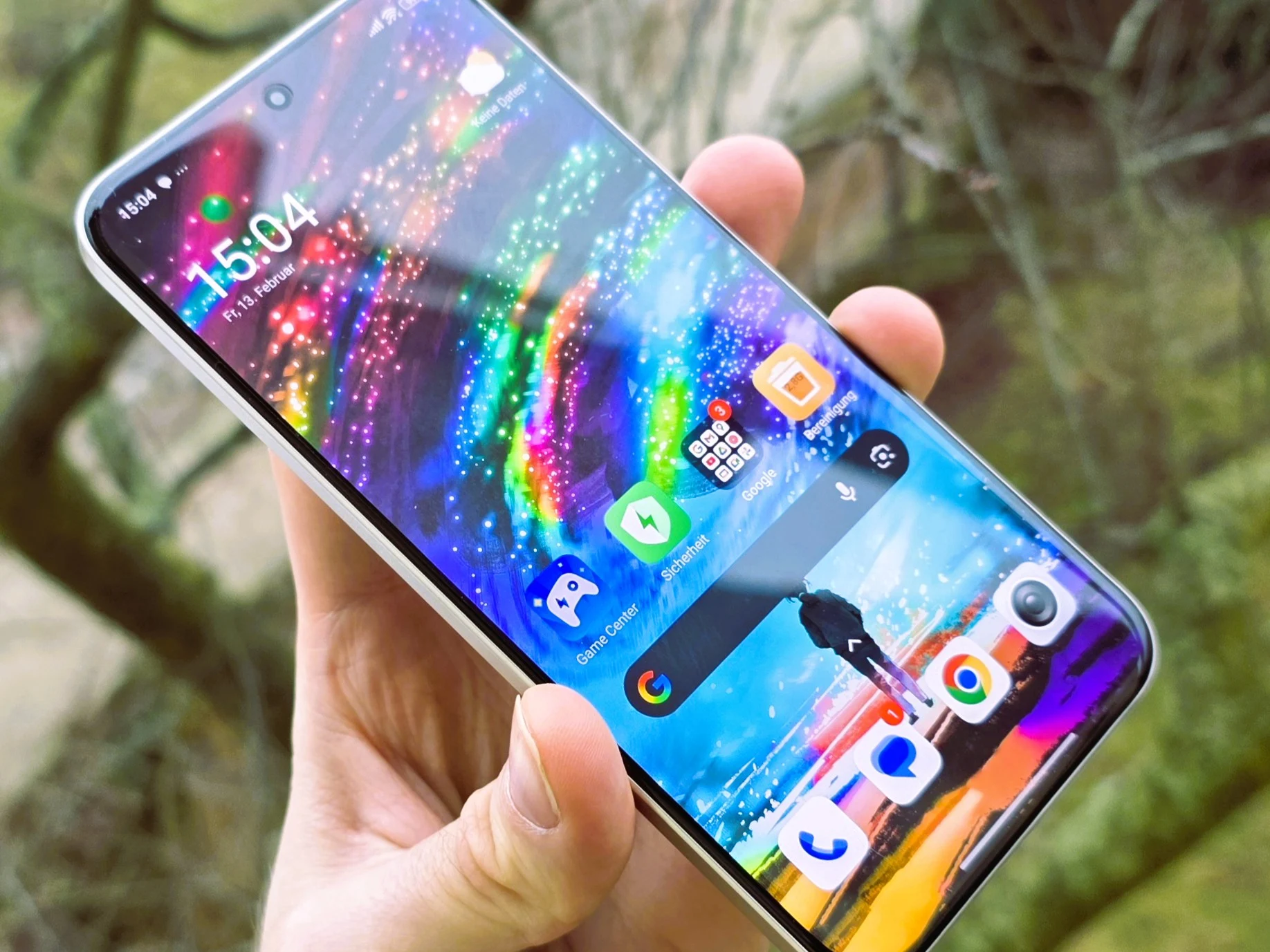
Tag: OLED display

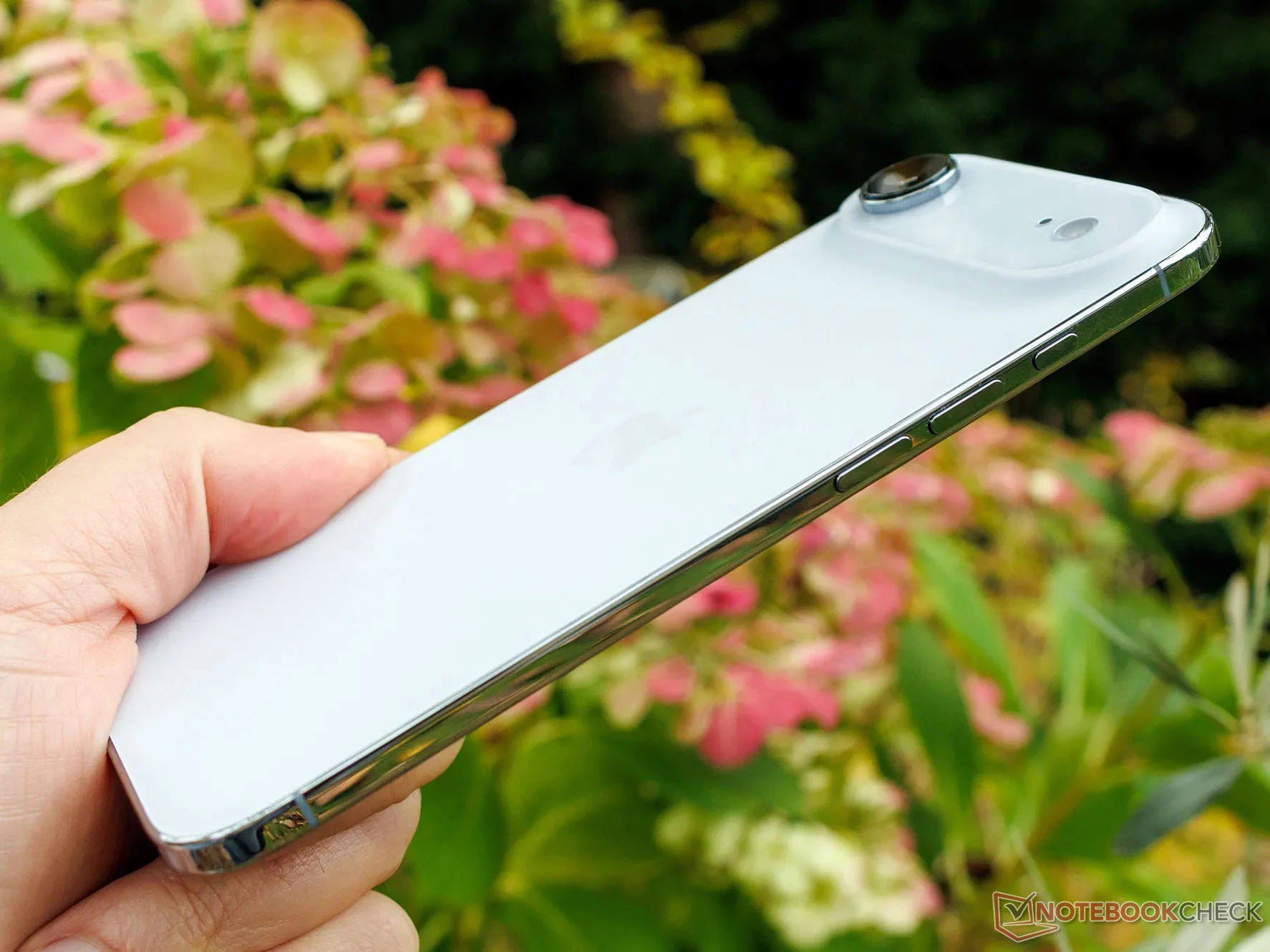
  • iPhone Air 2 Anniversary Edition Inspired by Samsung Galaxy S26 Ultra

    iPhone Air 2 Anniversary Edition Inspired by Samsung Galaxy S26 Ultra

    Key Takeaways

    1. Advanced OLED Display: The iPhone Air 2 will use new OLED technology to improve brightness, reduce power consumption, and create a thinner display by eliminating the polarizing layer.

    2. Innovative Display Design: Apple is moving away from traditional LCD screens by using embedded filters (CoE technology) to enhance contrast without polarizer plates.

    3. Samsung’s CoE Technology: Apple plans to adopt Samsung’s On-Cell Film (OCF) technology, which has been proven in Samsung’s foldable phones, aiming for better performance and efficiency.

    4. Future of the Air Series: The iPhone Air may not have a successor by 2026, but advancements by 2027 could lead to a thinner display, larger battery, and improved camera features.

    5. Upcoming Developments: Apple is exploring complex LTPO panel technologies for future models, promising exciting innovations for the iPhone’s 20th anniversary in 2027.


    Apple is all set to launch a sleeker iPhone Air 2 just in time for the 20th anniversary of the original iPhone, which debuted back in 2007.

    Advanced Display Technology

    With the help of new OLED display technology from suppliers like Samsung and LG, the iPhone Air 2 will reportedly eliminate the polarizing layer. This change is expected to boost display brightness, decrease power consumption, and make the assembly of the display even thinner. This move is part of Apple’s strategy to further reduce the thickness of the iPhone Air 2.

    OLED vs LCD

    Unlike traditional LCD screens that require a backlight to showcase colors, OLED displays use a polarizer to minimize glare and enhance contrast. Apple is looking at a new approach for the iPhone Air 2 by getting rid of the polarizer plates. Instead, they aim to utilize embedded filters known as Color Filter on Encapsulation (CoE) technology, which includes a completely black Pixel Define Layer (PDL) to maintain the high contrast that OLED displays are known for.

    Samsung’s Innovations

    Samsung’s adaptation of the CoE technology is termed On-Cell Film (OCF), and it’s already featured in their foldable phones, which need to be both lightweight and bright while consuming less power, due to their smaller batteries. Reports suggest that Apple will also incorporate CoE technology in its foldable iPhone set for 2026.

    The first “rigid” device to utilize OLED displays with OCF technology is expected to be a thinner Galaxy S26 Ultra. Apple will be closely observing how this technology performs on Samsung’s upcoming 2026 flagship and how well it is received in the market. If things go smoothly, Samsung may increase its investment in CoE equipment in the fourth quarter to gear up for the iPhone Air 2 launch.

    Future of the Air Series

    The original iPhone Air, which came out with the iPhone 17 series, may not have a successor by 2026. Despite its stylish design, Apple enthusiasts criticized the number of compromises made to achieve its size when compared to the Pro models. However, by 2027, advancements in technology might enable Apple to make the Air 2 display even thinner, allowing for a larger battery with higher silicon content to extend its battery life, in addition to an extra camera, which could enhance its market appeal.

    New Developments Ahead

    Apple is also working on advanced and “complex” LTPO panel technologies for the iPhone 19 (or whatever it decides to name it) in 2027, according to insider sources. This means that the year marking the iPhone’s 20th anniversary will be filled with exciting surprises in its lineup.

    Source:
    Link


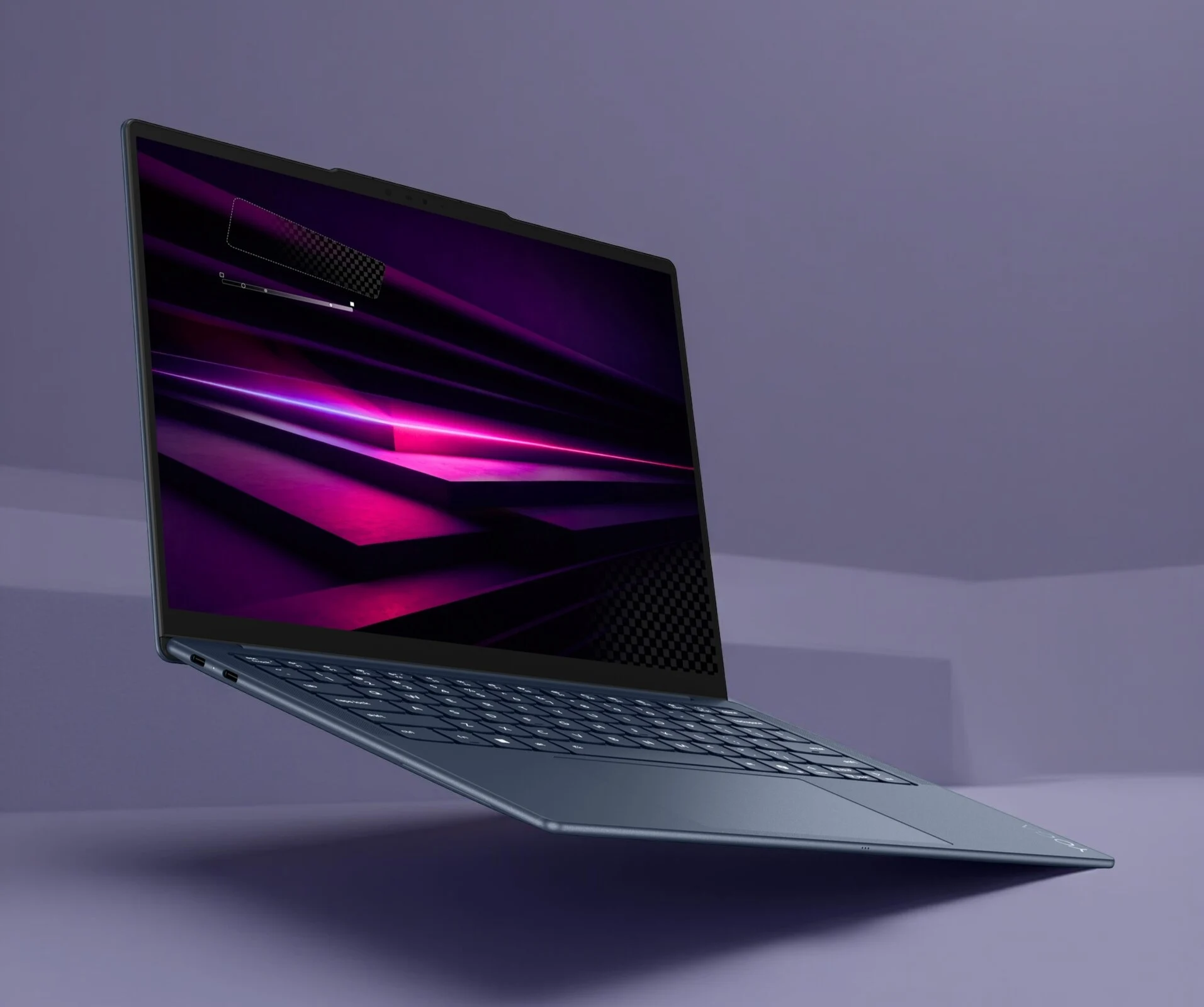
  • Lenovo Yoga Slim 7x: Snapdragon X2 Elite, 18-Core CPU, 2.8K OLED

    Lenovo Yoga Slim 7x: Snapdragon X2 Elite, 18-Core CPU, 2.8K OLED

    Key Takeaways

    1. The Yoga Slim 7x features Qualcomm Snapdragon X2 Elite ARM processors with significant performance upgrades, including up to 18 cores.
    2. Software compatibility is crucial for optimal performance, especially for users relying on ARM-supported workflows.
    3. The laptop has a 14-inch OLED display with a resolution of 2880 x 1800, 120 Hz refresh rate, and peak brightness of 1,100 nits, making it highly color accurate.
    4. The Yoga Slim 7x offers an impressive battery life of up to 29 hours and supports up to 32 GB of RAM and 2 TB of storage.
    5. Weighing under 2.6 pounds and measuring 1.39 cm thick, the laptop is lightweight and portable, priced starting at $949.99.


    Lenovo has unveiled a wide range of updates to nearly its entire product lineup, staying true to tradition. Among the refreshed laptops is the Yoga Slim 7x (11th gen), which is equipped with ARM processors.

    Enhanced Performance with ARM Processors

    Continuing from its predecessor, the new Yoga Slim 7x is powered by the Qualcomm Snapdragon X2 Elite series of high-performance ARM SoCs. The X2 Elite brings significant performance upgrades over the X1 Elite. For example, the top model, the X2E-96-100, will feature a remarkable 18 cores, an increase from the previous 12 cores. With the generational improvements in instructions per cycle (IPC), users can expect a notable boost in overall performance.

    Software Compatibility Matters

    It’s essential to consider that software compatibility will play a vital role in how well the platform performs. However, users with workflows that are directly supported on ARM with Windows should have a fantastic experience on this machine, similar to what was offered by the earlier version.

    Stunning Display and Battery Life

    The Yoga Slim 7x comes with a stunning 14-inch OLED display that boasts a resolution of 2880 x 1800 and a refresh rate of 120 Hz. Lenovo claims the display can achieve a peak brightness of 1,100 nits, ensuring 100% coverage of the DCI-P3 color space and a Delta E of under 1, which makes it incredibly color accurate for creative tasks.

    With a 70 Wh battery and the efficiency of the X2 Elite, the Yoga Slim 7x can deliver an impressive 29 hours of usage without needing to be plugged in. The laptop can be equipped with up to 32 GB of soldered LPDDR5X-9600 RAM and can house up to 2 TB of flash storage (with the 2 TB T705 currently priced at $240 on Amazon).

    Lightweight and Portable

    Measuring just 1.39 cm at its thinnest point, the 14-inch Yoga Slim 7x weighs under 2.6 pounds (1.13 kgs), making it easy to carry around. The connectivity options include three USB4 ports, while WiFi 7 and Bluetooth 5.4 manage the wireless connections. Additionally, the laptop comes with a 9 MP front camera, a four-speaker system, and a trackpad of 108 cm².

    The starting price for the Lenovo Yoga Slim 7x is set at $949.99, with availability anticipated in the upcoming quarter.

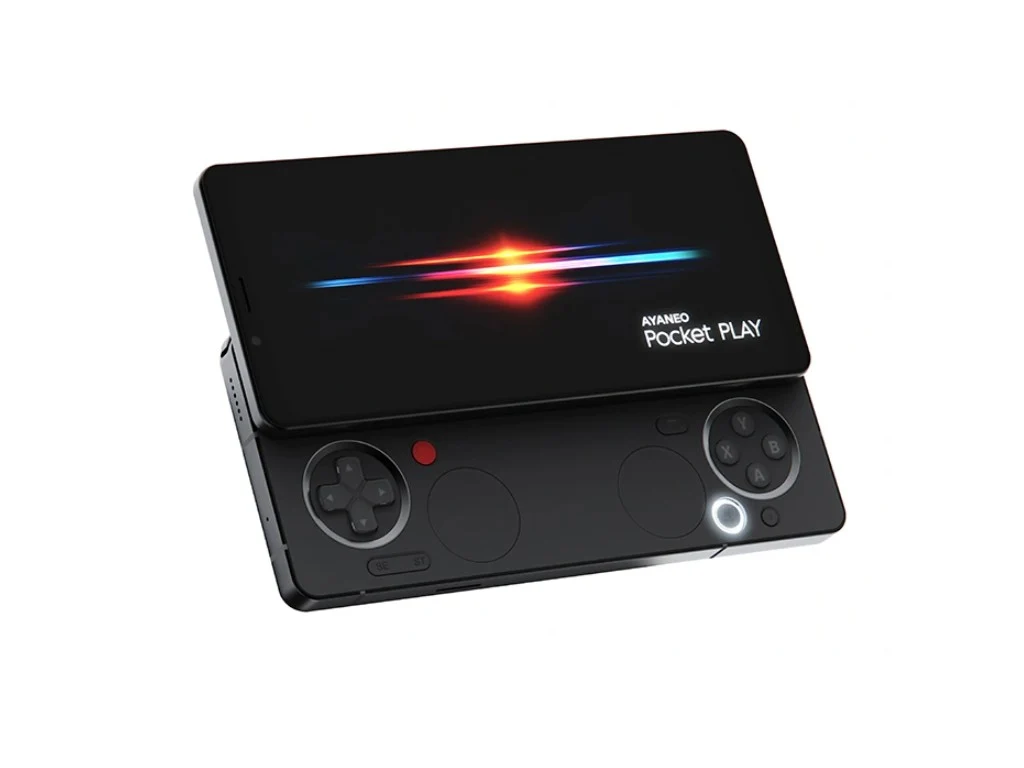
  • Ayaneo Unveils Pocket Play Display Specs and Launches Kickstarter

    Ayaneo Unveils Pocket Play Display Specs and Launches Kickstarter

    Key Takeaways

    1. Ayaneo’s Pocket Play is the brand’s first gaming smartphone, inspired by the Sony Xperia Play.
    2. The smartphone features a 6.8-inch OLED display with a resolution of 2400 x 1080.
    3. It boasts a high refresh rate of 165Hz, surpassing competitors like the RedMagic 11 Pro.
    4. The design includes a thicker chin and a top bezel for the front camera and speaker, avoiding a punch hole.
    5. A Kickstarter campaign for the Pocket Play is upcoming, and Ayaneo is also developing a gaming tablet called the Ayaneo Gaming Pad.


    The Pocket Play is on its way as Ayaneo’s new gaming smartphone. This marks the brand’s first venture into smartphones, having earned recognition for its Android gaming handhelds. Recently, Ayaneo has shared more information about the phone, drawing inspiration from the Sony Xperia Play.

    Display Details

    After revealing the design a few weeks back, Ayaneo has provided significant insights regarding the phone’s display. A poster shared on their social media indicates that the Ayaneo Pocket Play will feature a 6.8-inch OLED display with a resolution of 2400 x 1080. This screen size is slightly larger than that of the ASUS ROG Phone 9 Pro, though both share the same resolution.

    Gaming Performance

    As one would expect from a gaming smartphone, the Ayaneo Pocket Play boasts a high refresh rate of 165Hz. This gives it an advantage over the RedMagic 11 Pro, which can be found on Amazon.de for €829 and has a refresh rate of only 144Hz.

    Design Insights

    In addition to display specs, Ayaneo has also shown an image of the phone during use, revealing a notable design aspect. In the image, the Ayaneo Pocket Play appears to have a thicker chin compared to modern smartphones. It also shows that the display lacks a punch hole for the front camera; instead, Ayaneo has chosen to have a thicker top bezel that accommodates the camera and speaker.

    Although the Pocket Play is not expected to be released until next year, Ayaneo has set up a Kickstarter page for this gaming smartphone. This is not unexpected, since Ayaneo has always relied on crowdfunding for their products. The campaign is not live just yet, but it should be soon.

    Future Projects

    In addition to this smartphone, Ayaneo is also working on a gaming tablet named the Ayaneo Gaming Pad. However, no new information about this device has been disclosed in some time.

    Source:
    Link


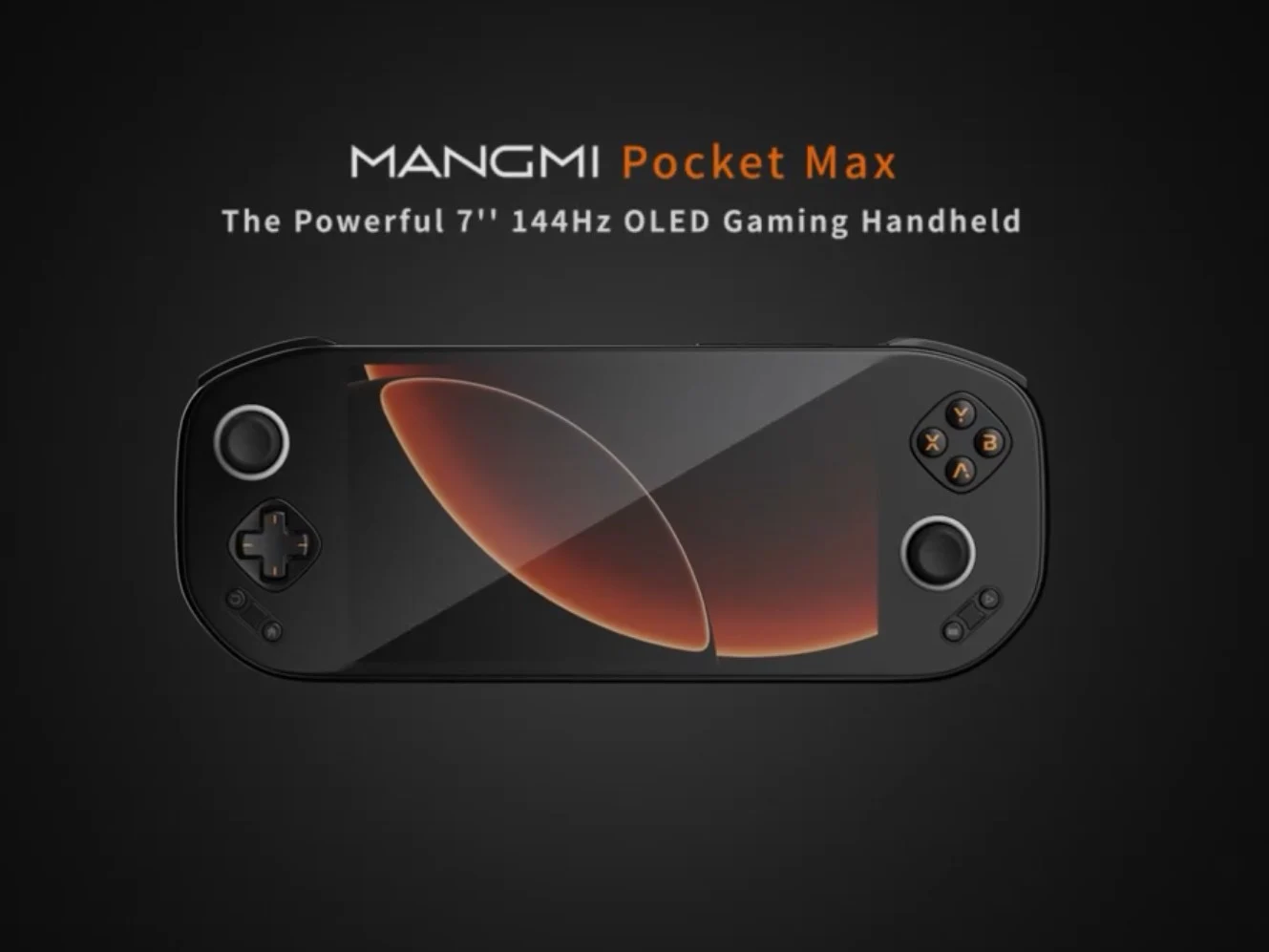
  • Mangmi Pocket Max Design and Display Specs Revealed in Teaser

    Mangmi Pocket Max Design and Display Specs Revealed in Teaser

    Key Takeaways

    1. The Mangmi Pocket Max features a black design with potential for other colors, asymmetrical joysticks with LED rings, and a diamond-shaped D-pad.
    2. The button layout includes stacked shoulder buttons, back buttons, and cooling vents, but lacks a trigger lock and extra shoulder buttons.
    3. It boasts a 7-inch OLED display with a 144Hz refresh rate, larger than the AYN Odin 3’s 6-inch 120Hz AMOLED display.
    4. The device supports a 5V and 9V power input with a maximum of 27W, promising quick charging, though battery capacity is not yet revealed.
    5. Mangmi plans to release more information about the Pocket Max in the future.


    After giving a sneak peek of a new handheld device last week, Mangmi has now unveiled the design along with some important specifications for the upcoming Mangmi Pocket Max.

    Design Features

    The 23-second teaser video reveals that the Pocket Max will come in black, although there may be other colors introduced later on. The device features asymmetrical joysticks that include LED rings, and has a D-pad resembling that of the Mangmi Air X, but with a diamond shape. This diamond design can also be found on the right side of the device. Additionally, dual speakers are located between the Android navigation buttons.

    Button Layout and Connectivity

    The video showcases stacked shoulder buttons, two back buttons, and a sizable intake vent for the cooling fan located at the back. There is also a vent at the top, opposite to the volume and power buttons. At the bottom of the Pocket Max, you will find a USB-C port, an audio jack, and a TF card slot. However, it’s important to note that the handheld does not include a trigger lock to switch modes, nor does it have extra shoulder buttons like the Konkr Pocket Fit.

    Specifications

    In terms of specifications, Mangmi has disclosed that the Pocket Max will feature a 7-inch OLED display with a 144Hz refresh rate. This display is larger than the AYN Odin 3, which offers a 6-inch 120Hz AMOLED display. While the resolution hasn’t been specified, many are speculating it could be a 1080p panel.

    Another significant detail observed from the video is the power input of the device. As indicated by the text on the back, the Mangmi Pocket Max supports a 5V and 9V input, with a maximum power input of 27W. Unfortunately, the battery capacity hasn’t been disclosed yet, but it is expected to charge quickly at 27W.

    Source:
    Link


  • Apple iPhone 17e Set for Two Exciting Design Upgrades

    Apple iPhone 17e Set for Two Exciting Design Upgrades

    Key Takeaways

    1. The Apple iPhone 16e is expected to launch in spring 2026, with an announcement potentially in February.
    2. The iPhone 17e will likely feature an OLED display measuring 6.1 inches, with a resolution of 2,532 x 1,170 and a peak brightness of 1,200 nits.
    3. The design of the iPhone 17e may include slimmer bezels, making it appear more modern and slightly smaller.
    4. Possible upgrades for the iPhone 17e include Dynamic Island technology and the new Apple A19 ARM chip.
    5. There is uncertainty about the inclusion of an 18 MP front camera and support for MagSafe technology in the iPhone 17e.


    The next version of the Apple iPhone 16e is anticipated to make its debut in the spring of 2026. If Apple keeps to its usual timeline like this year, we can look forward to an announcement in February. Recent reports from The Elec indicate that Apple’s display suppliers, BOE, Samsung Display, and LG Display, are gearing up to deliver 8 million screens for the first half of 2026, specifically for the iPhone 17e.

    Expected Specifications

    Sources say that Apple is likely to stick with a panel that has similar features to the iPhone 14 screen. This “budget iPhone” is expected to come with an OLED display that measures 6.1 inches diagonally, a resolution of 2,532 x 1,170, and a peak brightness of 1,200 nits, while still maintaining a refresh rate of 60 Hz. However, the iPhone 17e is anticipated to have slimmer bezels, giving it a more contemporary appearance and slightly reducing the overall case size.

    Potential Upgrades

    There are whispers that the iPhone 17e might get an upgrade to Dynamic Island, which would replace the outdated notch featured on the iPhone 16e. In addition to the display enhancements, the next basic model iPhone is expected to include the Apple A19 ARM chip that will be used in the iPhone 17. It’s still uncertain if the iPhone 17e will come with the new 18 MP front camera that has a square sensor, as seen in the iPhone 17. It’s also possible that this upcoming budget-friendly iPhone will support MagSafe technology.

    The Elec

    Source:
    Link


  • ViewSonic XG273F-2K-OLED: New 1440p OLED Gaming Monitor with 720Hz

    ViewSonic XG273F-2K-OLED: New 1440p OLED Gaming Monitor with 720Hz

    Key Takeaways

    1. Advanced Panel Technology: The ViewSonic XG273F-2K-OLED features a 27-inch 1440p display using LG’s 4th-generation WOLED panel, offering improved brightness and speed over older models.

    2. High Brightness and Color Accuracy: The monitor achieves up to 1,500 nits in HDR and 335 nits in SDR, with 99.5% DCI-P3 color gamut coverage, enhancing both HDR and general viewing experiences.

    3. Exceptional Refresh Rate: It supports a maximum refresh rate of 720 Hz at 720p, making it one of the fastest gaming monitors, with a 0.02 ms response time for excellent motion clarity.

    4. Limited Connectivity Options: Lacks DisplayPort 2.1 and requires Display Stream Compression to achieve high refresh rates; features dual DisplayPort 1.4 and HDMI 2.1 ports, but no built-in speakers.

    5. Ergonomic Design: The monitor’s stand allows for tilt, height, pivot, and swivel adjustments, enhancing user comfort during use. Availability and pricing details are still pending outside of China.


    The ViewSonic XG273F-2K-OLED is a brand new 27-inch gaming monitor with a resolution of 1440p. It promises to give gamers a quicker and brighter experience thanks to LG’s latest 4th-generation WOLED panel. This panel is also known as “Primary RGB Tandem,” and it is the same high-end panel used in the Asus ROG Swift OLED PG27AQWP-W. This monitor brings significant improvements over older 3rd-generation models, particularly in terms of brightness and speed, with a maximum refresh rate of 720 Hz.

    Impressive Brightness and Color

    The ViewSonic XG273F-2K-OLED can reach brightness levels of up to 1,500 nits in HDR and 335 nits in SDR. This means it can provide a more dynamic HDR experience as well as a better overall viewing experience in brightly lit spaces. Color accuracy has also been enhanced, achieving 99.5% coverage of the DCI-P3 color gamut. However, it’s important to note that currently, ViewSonic only mentions support for HDR10, and it’s still unknown if the monitor will support VESA DisplayHDR True Black 500 like other Tandem OLED monitors.

    Refresh Rate and Features

    Similar to the ROG Swift OLED PG27AQWP-W, the standout feature of the ViewSonic XG273F-2K-OLED is its refresh rate. It starts at 540 Hz when set to 1440p, but can go up to 720 Hz at 720p resolution, making it one of the fastest gaming monitors available. It holds a VESA ClearMR 21000 certification and boasts a 0.02 ms (GTG) response time, which ensures excellent motion clarity. Additionally, ViewSonic has included support for VRR and various in-game features like black boost and night vision.

    Connectivity and Ergonomics

    One downside is that the monitor does not have DisplayPort 2.1, which means Display Stream Compression (DSC) is necessary to reach its top refresh rate. For connectivity, it offers dual DisplayPort 1.4 and HDMI 2.1 ports; however, it lacks built-in speakers. On the plus side, ViewSonic provides a headphone jack, and the stand allows for standard ergonomic adjustments such as tilt, height, pivot, and swivel.

    As for availability, the XG273F-2K-OLED is listed on ViewSonic’s website in China, but they haven’t shared any information about pricing or launch dates for other countries yet.

    Source:
    Link


  • OneXPlayer Super X vs ROG Flow Z13: Display Comparison Guide

    OneXPlayer Super X vs ROG Flow Z13: Display Comparison Guide

    Key Takeaways

    1. OneXPlayer is set to launch the Super X, which will compete with the 2025 ROG Flow Z13.
    2. The Super X features an OLED display with a resolution of 2880×1800 pixels, providing more vibrant colors compared to the IPS screen of the ROG Flow Z13 (2560×1600 pixels).
    3. There will be two versions of the Super X, with one variant featuring water cooling for potentially better performance.
    4. The Super X includes a solid port configuration, an 83.5 Wh battery, and HDR support.
    5. The price of the Super X is not yet announced but is expected to be similar to the ROG Flow Z13, which retails for $2,169 for the 32 GB model.


    OneXPlayer has been hinting at the launch of the Super X for some time now, and recent hints indicate that the Chinese release is imminent. When it finally debuts, it will compete directly with the 2025 ROG Flow Z13. In a newly released video, the company has showcased the display benefits of its forthcoming AMD Strix Halo gaming tablet.

    Display Comparison

    In this comparison video, OneXPlayer placed the 2025 ROG Flow Z13 alongside the Super X, playing the same video on both devices. The Asus convertible Windows tablet features an IPS screen, which results in lower contrast and shallower blacks compared to the OLED panel used in the Super X.

    The OLED display of the OneXPlayer Super X seems to deliver more vibrant colors, and the company emphasizes that it has a higher resolution too. Specifically, it boasts a 14-inch display with a resolution of 2880×1800 pixels, whereas the ROG Flow Z13 offers a 13.4-inch screen with a resolution of 2560×1600 pixels.

    Performance and Specifications

    Earlier, OneXPlayer announced that there will be two versions of the Super X available. One variant will come with water cooling, potentially allowing it to outperform the 2025 ROG Flow Z13 in terms of performance.

    Other confirmed specifications include a solid port configuration, an 83.5 Wh battery, and support for HDR. While OneXPlayer has not disclosed the price of the Super X yet, it is anticipated to be in a similar price range as the Asus ROG Z13 2025, which currently retails for $2,169 on Amazon for the 32 GB model.

    Source:
    Link


  • Ayaneo Next II Livestream: 115Wh Battery, 8-Way D-Pad & More

    Ayaneo Next II Livestream: 115Wh Battery, 8-Way D-Pad & More

    Key Takeaways

    1. The Ayaneo Next II features a 9.06-inch OLED display with a resolution of 2400 × 1504, peak brightness of 1100 nits, and a refresh rate up to 165Hz.
    2. It is powered by the AMD Ryzen AI Max+ 395 processor with a maximum TDP of 85W, but RAM and storage options have not been revealed yet.
    3. The handheld has dual fans for improved heat dissipation and a larger 115Wh battery, which is a significant upgrade from previous models.
    4. Additional features include TMR joysticks, a floating 8-way D-Pad, dual circular smart touchpads, customizable buttons, and a magnetic levitation motor.
    5. Pricing and release date for the Ayaneo Next II have not been announced despite the extensive livestream presentation.


    Just a few days after presenting the Pocket Vert, Ayaneo has hosted another sharing session for its new flagship Windows handheld, the Next II, which was first teased back in 2022. This latest event, similar to previous ones, was broadcasted live on YouTube, where Ayaneo shared new information about the device.

    Display and Performance

    The Ayaneo Next II is set to come with a 9.06-inch OLED screen that boasts a resolution of 2400 × 1504. It can hit a peak brightness of 1100 nits and offers a refresh rate of 165Hz. Ayaneo indicated that the display can switch between various refresh rates including 60Hz, 90Hz, 120Hz, 144Hz, and 165Hz. Additionally, it will feature 5280Hz PWM dimming for better visibility in different lighting conditions.

    Processor and Specs

    As previously disclosed, the Ayaneo Next II will rely on AMD’s Ryzen AI Max+ 395 for its processing power. This processor has a maximum TDP of 85W and appears to be the sole processor option for the Next II. That said, the RAM and storage options have yet to be announced.

    The handheld will come equipped with dual fans that have high-efficiency fins aimed at improving heat dissipation and regulating voltage. Moreover, it will boast a sizable 115Wh battery, which is a 53.3% upgrade from the 75Wh battery found in the Ayaneo Kun, and significantly larger than the 55.5Whr capacity of the Lenovo Legion Go S (currently priced at $579.99 on Amazon).

    Additional Features

    Among the other features of the Ayaneo Next II are TMR joysticks, a floating 8-way D-Pad, dual circular smart touchpads similar to those on the Kun, stereo front-facing speakers, and Hall Effect triggers complete with trigger locks.

    Furthermore, the handheld includes four geometric buttons at the back, customizable LC and RC shoulder buttons, and a magnetic levitation motor that can work with both linear and rotor motor modes. An Ayaneo RGB nameplate will be present at the top, with air vents on either side. It will also have Dual USB-C ports and an audio jack.

    Even though the livestream was over two and a half hours long, Ayaneo did not disclose the pricing or release date for the Next II.

    Source:
    Link


  • Apple iPad Mini 8 Upgrades and Ongoing Issues with Older Models

    Apple iPad Mini 8 Upgrades and Ongoing Issues with Older Models

    Key Takeaways

    1. Apple is expected to launch the iPad mini 8 with an OLED display, following its plans to replace the iPad mini 7.
    2. The anticipated release date for the iPad mini 8 is in Q3 2026, while the iPad Air’s release is uncertain.
    3. The iPad mini 8 is rumored to feature an A19 Pro chipset, used in the iPhone 17 Pro models.
    4. The display size of the iPad mini 8 is expected to increase from 8.3 inches to 8.5 inches.
    5. The iPad mini 8 will maintain a 60 Hz refresh rate, which may result in a less impressive display experience compared to the iPhone 17.


    New information about Apple’s anticipated iPad mini 8 has surfaced online. This comes about a month after Bloomberg talked about Apple’s intentions to create a replacement for the iPad mini 7, which currently sells for $399 on Amazon. In essence, the article hinted that Apple would be introducing OLED display enhancements not only to the iPad mini but also to the larger iPad Air.

    Release Timeline

    As per the leaker Instant Digital on Weibo, Apple is likely to launch the iPad mini OLED first. Naver blogger yeux1122 claims this could happen in Q3 2026. On the other hand, Instant Digital mentions that there has been ‘no movement yet’ regarding the iPad Air. Therefore, it appears that the two devices won’t be released at the same time for now.

    Specifications and Features

    Additionally, yeux1122 points out that the iPad mini 8 will feature an A19 Pro chipset, which was introduced earlier this year in the iPhone 17 Pro and iPhone 17 Pro Max. Furthermore, the display size of the mini is rumored to increase from 8.3 inches to 8.5 inches when transitioning from the seventh to the eighth generation model.

    Sadly, even with the adoption of an LTPS OLED display, a 60 Hz refresh rate is expected to stay the same. This means that the iPad mini 8 may offer a somewhat less impressive display experience compared to the standard iPhone 17. Also, it remains uncertain whether Apple has decided on using native portrait or landscape orientations for its upcoming iPad mini as well.

    Source:
    Link


  • Apple’s iPad Air and iPad Mini to Feature OLED Displays

    Apple’s iPad Air and iPad Mini to Feature OLED Displays

    Key Takeaways

    1. Apple is upgrading the displays of mid-range devices like the MacBook Air, iPad Air, and iPad Mini to high-contrast OLED technology for better visuals.
    2. The iPad Mini is expected to be the first to feature the new OLED display, possibly launching next year.
    3. Apple is exploring a water-resistant design for the new iPad Mini, enhancing durability with a speaker system that reduces water damage risk.
    4. The introduction of OLED screens may raise device prices by up to $100, despite improved visual quality.
    5. This move aims to keep Apple competitive in the market as more Android tablets adopt OLED technology in the mid-range segment.


    Apple is said to be working on a significant upgrade for the displays of its mid-range and portable devices, aiming to introduce high-contrast OLED screen technology to the MacBook Air, iPad Air, and iPad Mini series. Moreover, the company might also make the iPad Mini resistant to water.

    OLED Technology Upgrade

    With the OLED enhancement, users can expect richer colors and deeper blacks than what the older LCD screens provide in these gadgets. The iPad Pro has already transitioned to this technology back in 2024. Hence, this move would extend a premium display experience to a broader range of customers.

    iPad Mini’s New Features

    As per Bloomberg’s report, the iPad Mini is likely to be the first device to receive this new display tech. An OLED version of the iPad Mini could be released as soon as next year.

    Design Innovations

    Alongside the display enhancements, Apple is also considering modifications to the design of this new “budget-friendly” tablet, codenamed J510. Reports suggest that Apple is testing a water-resistant shell for the iPad Mini, which would make it more durable, similar to the latest iPhone models. To accomplish this, the engineers are looking into a speaker system that employs vibration technology, allowing for the elimination of speaker holes that are susceptible to water damage.

    Cost Implications

    However, the rollout of OLED displays will not be instant across all devices. Although customers will benefit from improved visuals, this upgrade is likely to come with a steeper price. The more expensive OLED screens might increase the cost of the devices by up to $100, according to the source.

    Market Positioning

    With more Android tablets adopting OLED displays, even within the mid-range category, introducing this technology to the iPad Air, iPad Mini, and MacBook Air appears to be a wise strategy for Apple to maintain its competitive edge in the market.

    Source:
    Link