
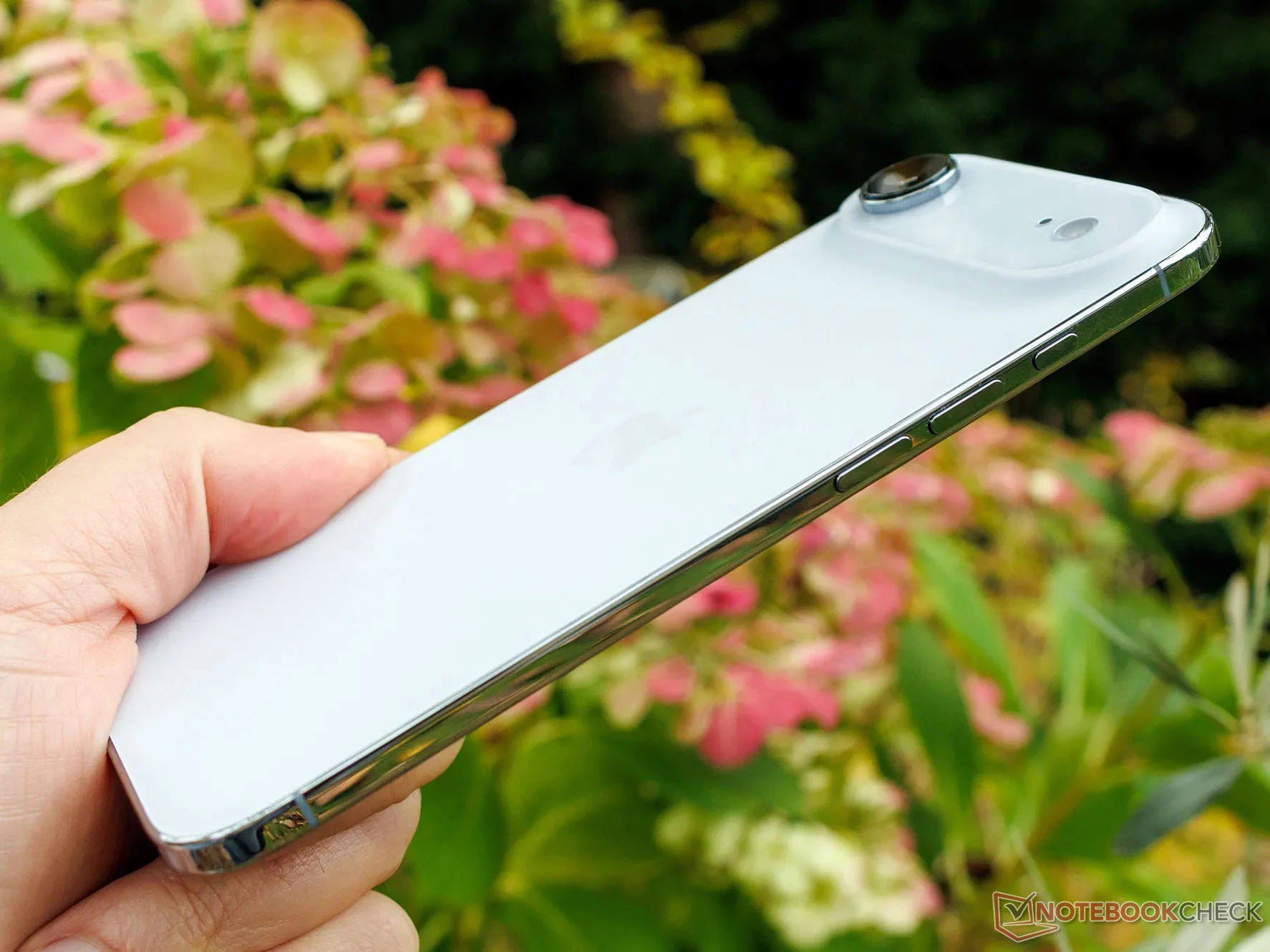
Key Takeaways
1. Advanced OLED Display: The iPhone Air 2 will use new OLED technology to improve brightness, reduce power consumption, and create a thinner display by eliminating the polarizing layer.
2. Innovative Display Design: Apple is moving away from traditional LCD screens by using embedded filters (CoE technology) to enhance contrast without polarizer plates.
3. Samsung’s CoE Technology: Apple plans to adopt Samsung’s On-Cell Film (OCF) technology, which has been proven in Samsung’s foldable phones, aiming for better performance and efficiency.
4. Future of the Air Series: The iPhone Air may not have a successor by 2026, but advancements by 2027 could lead to a thinner display, larger battery, and improved camera features.
5. Upcoming Developments: Apple is exploring complex LTPO panel technologies for future models, promising exciting innovations for the iPhone’s 20th anniversary in 2027.
Apple is all set to launch a sleeker iPhone Air 2 just in time for the 20th anniversary of the original iPhone, which debuted back in 2007.
Advanced Display Technology
With the help of new OLED display technology from suppliers like Samsung and LG, the iPhone Air 2 will reportedly eliminate the polarizing layer. This change is expected to boost display brightness, decrease power consumption, and make the assembly of the display even thinner. This move is part of Apple’s strategy to further reduce the thickness of the iPhone Air 2.
OLED vs LCD
Unlike traditional LCD screens that require a backlight to showcase colors, OLED displays use a polarizer to minimize glare and enhance contrast. Apple is looking at a new approach for the iPhone Air 2 by getting rid of the polarizer plates. Instead, they aim to utilize embedded filters known as Color Filter on Encapsulation (CoE) technology, which includes a completely black Pixel Define Layer (PDL) to maintain the high contrast that OLED displays are known for.
Samsung’s Innovations
Samsung’s adaptation of the CoE technology is termed On-Cell Film (OCF), and it’s already featured in their foldable phones, which need to be both lightweight and bright while consuming less power, due to their smaller batteries. Reports suggest that Apple will also incorporate CoE technology in its foldable iPhone set for 2026.
The first “rigid” device to utilize OLED displays with OCF technology is expected to be a thinner Galaxy S26 Ultra. Apple will be closely observing how this technology performs on Samsung’s upcoming 2026 flagship and how well it is received in the market. If things go smoothly, Samsung may increase its investment in CoE equipment in the fourth quarter to gear up for the iPhone Air 2 launch.
Future of the Air Series
The original iPhone Air, which came out with the iPhone 17 series, may not have a successor by 2026. Despite its stylish design, Apple enthusiasts criticized the number of compromises made to achieve its size when compared to the Pro models. However, by 2027, advancements in technology might enable Apple to make the Air 2 display even thinner, allowing for a larger battery with higher silicon content to extend its battery life, in addition to an extra camera, which could enhance its market appeal.
New Developments Ahead
Apple is also working on advanced and “complex” LTPO panel technologies for the iPhone 19 (or whatever it decides to name it) in 2027, according to insider sources. This means that the year marking the iPhone’s 20th anniversary will be filled with exciting surprises in its lineup.
Source:
Link

Leave a Reply