
Key Takeaways
1. The Redmi Note 15 Pro+ features high-end specs, including an IP68 rating, Gorilla Glass Victus 2, a large silicon-carbon battery with 100-watt fast charging, and a 200 MP Samsung camera.
2. Performance issues arise with the Snapdragon 7s Gen 4 chip, leading to noticeable stuttering and lag during daily use.
3. The OLED display, while capable of high peak brightness, suffers from rapid brightness drops, affecting visibility in bright conditions.
4. Alternatives like the Redmi Note 15 Pro and Poco M8 Pro offer appealing mid-range options starting around $470.
5. For users prioritizing durability and battery life, the Redmi Note 15 Pro+ remains a viable choice despite its performance and display drawbacks.
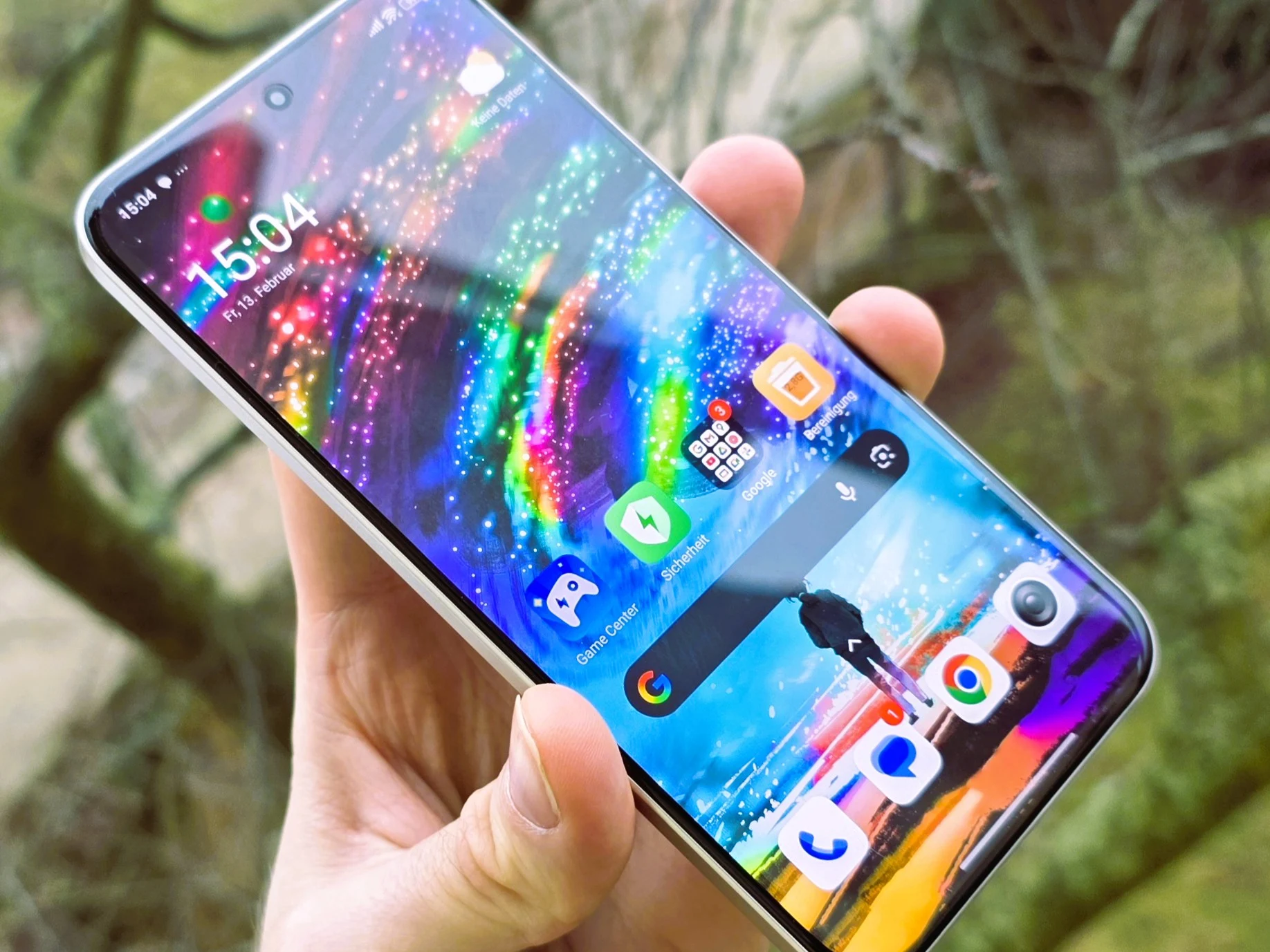
The Redmi Note 15 Pro+ comes packed with high-end features like an IP68 rating, Gorilla Glass Victus 2, a big silicon-carbon battery that supports 100-watt fast charging, and a 200 MP Samsung camera. However, there are several important reasons to think twice before buying this device. The closely related models, the Redmi Note 15 Pro and Poco M8 Pro, offer appealing mid-range options starting at about $470 on Amazon.
Key Complaints
We have two main issues with the Redmi Note 15 Pro+. Still, for those who value durability and extensive battery life, this device could remain a solid choice. Be sure to check our detailed review for a comprehensive look at its positive aspects.
Performance Concerns
Although the Qualcomm Snapdragon 7s Gen 4 chip in the phone is a slight upgrade from its earlier version, Xiaomi has not taken the opportunity to significantly enhance the system’s performance in this mid-range device. In daily usage, the Note 15 Pro+ often shows frustrating stuttering and lag. The Snapdragon 7s Gen 4 simply doesn’t have enough power for the relatively high-resolution OLED screen.
More potent options can be found for around $600 RRP, like the Poco F7.
Display Issues
Even though the phone’s OLED display achieved a peak brightness of nearly 3,000 nits (APL18: 3,146 nits) during our tests, it didn’t leave a lasting impression in regular use. This is due to a rapid drop in brightness after a brief period, falling below 990 nits according to our readings, and is significantly lower in manual mode.
This major decrease in brightness might impact how well the screen is visible outside. Especially during summer, reflections on the glass could make it hard to see the content on the screen.
Leave a Reply