
Key Takeaways
1. Sleek Design: The Honor Magic8 Pro has a slim profile of 8.3 mm, a premium matte frame, and IP69K certification for durability.
2. High-Quality Display: It features a 6.71-inch LTPO OLED screen with 1.5K resolution, adaptive refresh rate from 1 to 120 Hz, HDR support, and peak brightness over 6,000 cd/m².
3. Eye Comfort Technology: The HONOR AI Eye Comfort Display includes an integrated flicker scanner that analyzes surrounding light flicker in real time.
4. Flicker Assessment: The device uses the IEEE 1789-2015 chart to categorize light sources, helping users identify flicker that may cause discomfort.
5. Testing Comparisons: In tests, the flicker sensor showed similar results to a professional light meter, though it still has limitations in display measurement reliability.
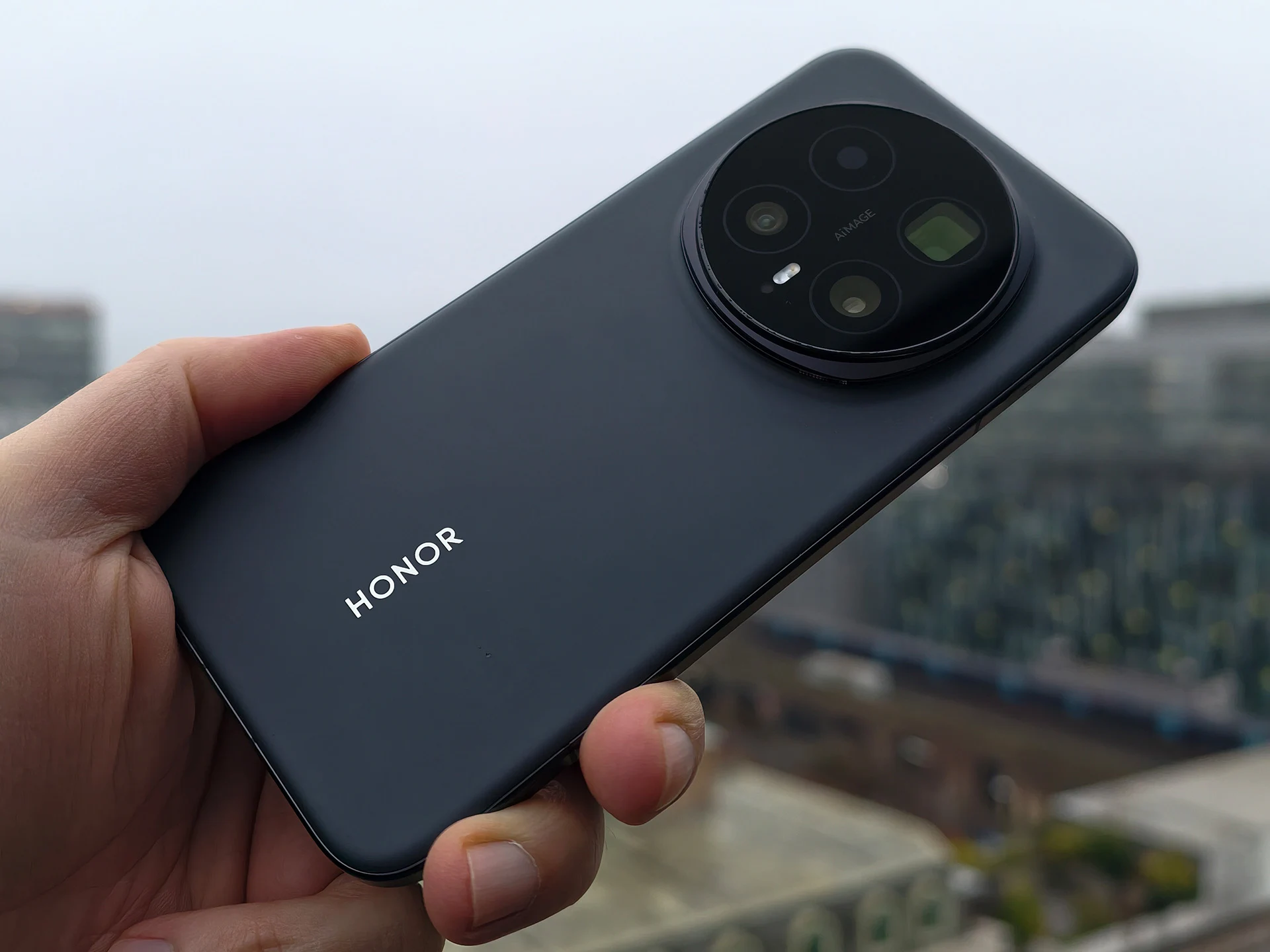
The Honor Magic8 Pro stands out as a sleek and powerful Android flagship device. With a thickness of only 8.3 mm (actually 8.45 mm), it gives off a strong and premium feel, thanks to its matte frame and IP69K certification. In the UK, it will be available exclusively in the tested storage option for around £1,100. The phone features a 6.71-inch LTPO OLED screen boasting a 1.5K resolution, an adaptive refresh rate ranging from 1 to 120 Hz, full HDR support, and an impressive peak brightness exceeding 6,000 cd/m² for HDR content or small areas (APL18: 3,233 cd/m²).
Eye Comfort Technology
One of the most impressive features is the HONOR AI Eye Comfort Display, which employs advanced technologies to promote eye-friendly usage (find out more here). At its heart lies an integrated flicker scanner, the first of its kind in smartphones, allowing real-time analysis of flicker in surrounding light. This tool is equipped with a high-precision HDR flicker sensor from ams OSRAM, capable of sampling rates up to 20,000 Hz. It identifies flicker frequency, depth, and specific characteristics of light sources, regardless of their brightness or lighting conditions.
Understanding Flicker
The assessment is conducted using a standardised IEEE 1789-2015 chart, which color-codes light sources as ‘good’, “moderate” or ‘poor’. This helps users pinpoint hidden flicker sources that might lead to headaches or visual fatigue, particularly for those sensitive to PWM. The flicker scanner works harmoniously with the OLED panel’s 4,320 Hz PWM dimming frequency, offering circularly polarised light to reduce reflections and blue light filters that can even help with motion sickness.
In our tests, we compared the flicker sensor with the Opple Light Master IV, and both devices showed comparable frequency and modulation depth when assessing lamps. However, the smartphone still lacks reliability when it comes to measuring displays.
Source:
Link

Leave a Reply