Tag: OLED display

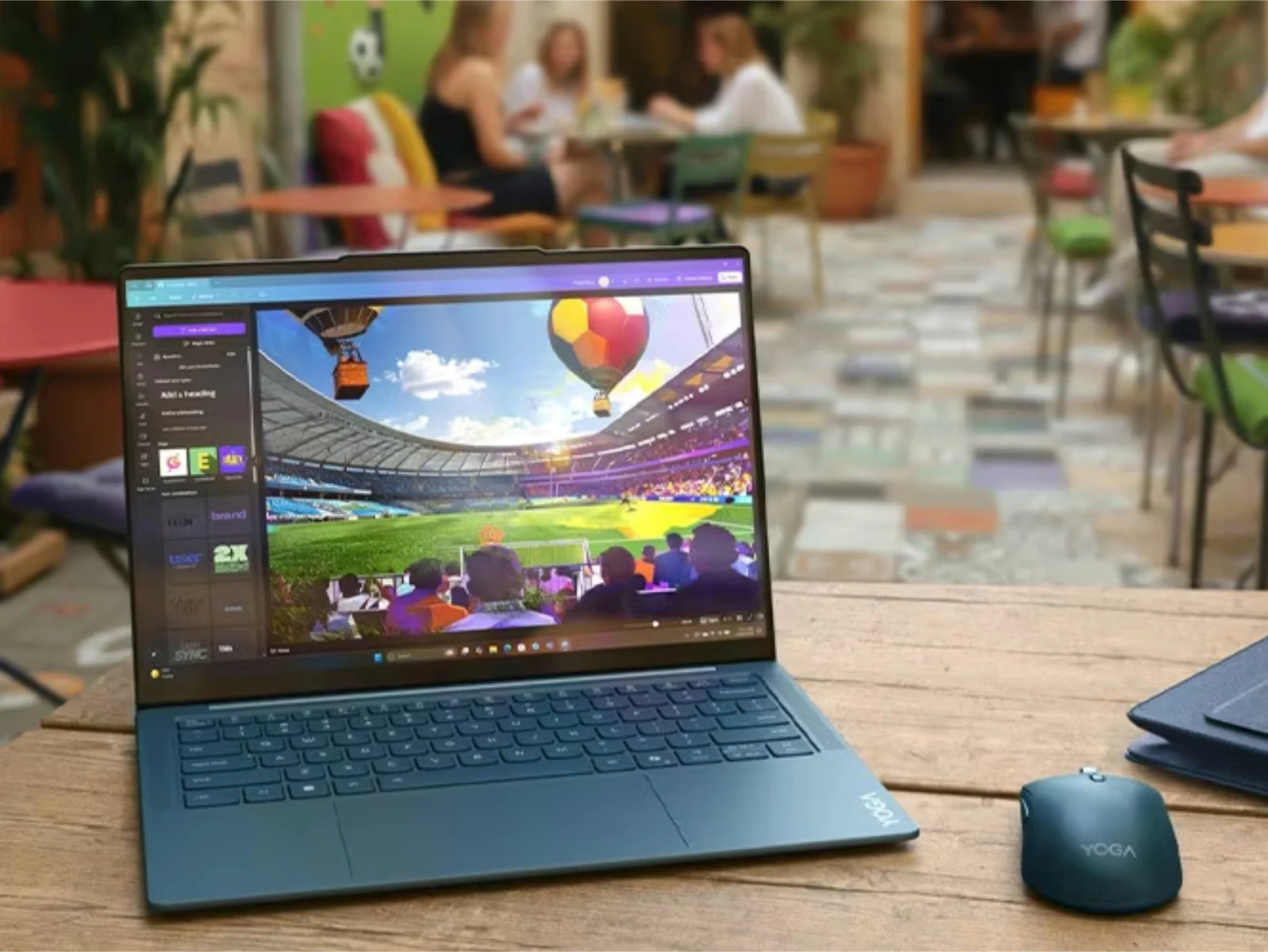
  • Lenovo Yoga Slim 7a: New 14-inch AMD Laptop with 1,100 nit OLED

    Lenovo Yoga Slim 7a: New 14-inch AMD Laptop with 1,100 nit OLED

    Key Takeaways

    1. Lenovo launched the Yoga Slim 7i Aura Edition with Intel’s energy-efficient Panther Lake processors and expanded the Yoga Slim 7i Ultra Aura Edition globally.
    2. The Yoga Slim 7a Gen 11 features AMD’s Ryzen AI 5 430 or Ryzen AI 7 445 processors, with options for 16 GB or 32 GB of LPDDR5X RAM.
    3. The new laptop comes with up to 2 TB of PCIe 4.0 storage, Wi-Fi 7 capability, and a 70 Wh battery.
    4. Customers can choose from three OLED display options, including a 2.8K, 120 Hz display with 1,100 nits peak brightness. Starting prices are €1,160 in the Eurozone, £1,000 in the UK, and AUD 2,379.
    5. Shipments are expected to start between March 23 and March 25 in the Eurozone and UK, with a lead time of over 8 weeks for Australia. No details on North American availability have been provided.


    Lenovo has unveiled the Yoga Slim 7i Aura Edition globally, featuring one of Intel’s energy-efficient Panther Lake processors. Earlier this week, the company also broadened the reach of the premium Yoga Slim 7i Ultra Aura Edition. Now, Lenovo is presenting AMD-based options under the Yoga Slim 7a Gen 11 label.

    Changes in Processor Options

    The most notable shift from Lenovo’s Intel versions is the switch to AMD’s Ryzen AI 5 430 or Ryzen AI 7 445 APUs. These Gorgon Point processors can be set up with either 16 GB or 32 GB of LPDDR5X RAM operating at a speed of 8,000 MT/s. Additionally, the Yoga Slim 7a Gen 11 comes with the option of up to 2 TB of M.2 2242 PCIe 4.0 storage, Wi-Fi 7 capability, and a robust 70 Wh battery.

    Display and Pricing Details

    Furthermore, the new laptop, which has a 14-inch size, can be customized with one of three OLED screens, including a stunning 2.8K option that boasts a 120 Hz refresh rate and peak brightness of 1,100 nits in HDR mode, similar to the Yoga Slim 7X (currently priced at $899 on Amazon). By default, Lenovo provides a 60 Hz, 1200p display with a brightness of 400 nits. Presently, the starting prices are set at €1,160 in the Eurozone, £1,000 in the UK, and AUD 2,379 depending on the default configurations chosen.

    Availability Timeline

    Lenovo anticipates that shipments will commence between March 23 and March 25 for customers in the Eurozone and the UK. In comparison, the company has indicated a lead time of over 8 weeks for deliveries in Australia. For now, Lenovo has not disclosed any information regarding pricing and availability in North America.

    Source:
    Link


  • Honor MagicBook Pro 14 2026 Launches with Intel Panther Lake Chips

    Honor MagicBook Pro 14 2026 Launches with Intel Panther Lake Chips

    Key Takeaways

    1. The Honor MagicBook Pro 14 2026 features upgraded Intel Core Ultra Series 3 processors, offering improved performance.
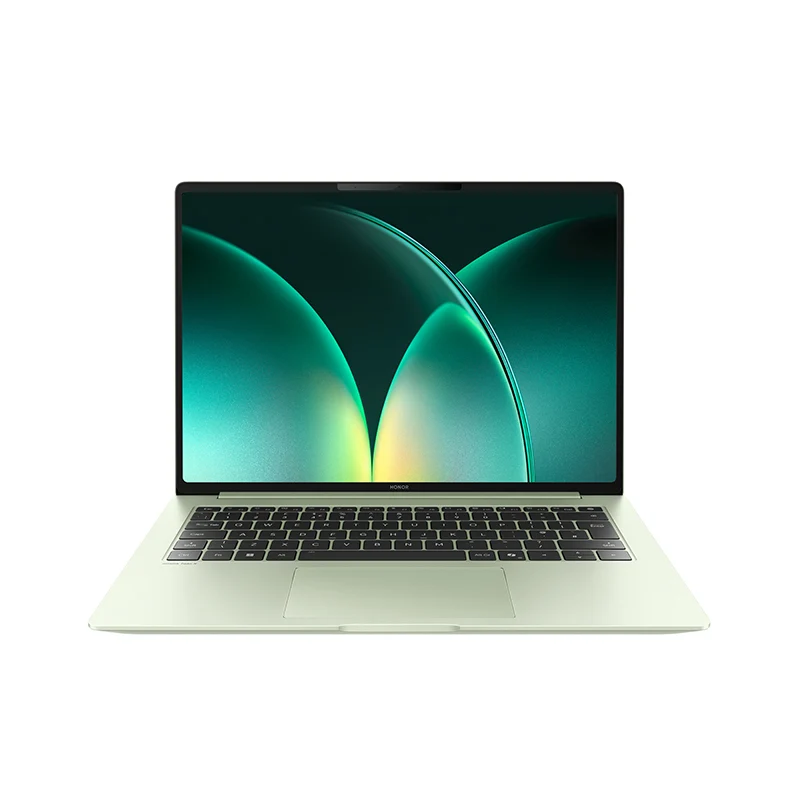
    2. It has a 14.6-inch OLED touchscreen with a resolution of 3120 × 2080, a 120Hz refresh rate, and enhanced eye protection features.
    3. Available configurations include options for 24GB or 32GB of LPDDR5X RAM and 1TB of storage, with dual-SSD M.2 slots for expansion.
    4. Connectivity options include Thunderbolt 4, USB-C, USB-A, HDMI 2.1, and Wi-Fi 6, but it lacks NFC compared to the previous model.
    5. The laptop weighs 1.37kg, supports 100W fast charging, and promises up to 15 hours of battery life, with new software features for file transfers and data migration.


    Honor has announced the updated MagicBook Pro 14 laptop for 2026 at MWC 2026. While it retains many specs from last year’s version, the most significant upgrade is the introduction of the Intel Core Ultra Series 3 processors.

    Display Features

    The MagicBook Pro 14 boasts a 14.6-inch OLED touchscreen with a resolution of 3120 × 2080 and a 3:2 aspect ratio. It has a refresh rate of 120Hz and delivers True 10-bit color depth, covering a 100% DCI-P3 color gamut, with an impressive color accuracy of ΔE < 0.5. The brightness level is set at 500 nits, with the potential to reach 700 nits for HDR content.

    Additionally, the 2026 model enhances eye protection features commonly found in Honor devices, and introduces a special E-book mode that makes reading documents on the display more comfortable than on a glossy OLED tablet.

    Performance and Storage

    At the core of the MagicBook Pro 14 2026 are the Intel Core Ultra Series 3 processors. There will be three configurations available: one with an Intel Core Ultra 5 336H Processor, another with an Intel Core Ultra 5 338H, and a high-end model featuring an Intel Core Ultra X9 388H. Customers can pick between a version with 24GB or 32GB of LPDDR5X RAM, both offering 1TB of storage. Furthermore, the laptop comes equipped with dual-SSD M.2 2280 slots for additional storage options.

    Connectivity Options

    In terms of connectivity, the MagicBook Pro 14 2026 includes 1x Thunderbolt 4 port, 1x full-function USB-C 3.2 Gen 2 port, 2x USB-A 3.2 Gen 1 ports, 1x HDMI 2.1 port, and a 3.5mm microphone/headphone combo jack. It also comes with stereo speakers, 3 microphones, Wi-Fi 6, and Bluetooth 5.1, although NFC, which was featured in the 2025 model, is not present this time.

    Camera and Features

    Equipped with a 1080p HD webcam, the MagicBook 14 Pro offers a choice between a force-sensing haptic touchpad or a glass pressure-sensitive touchpad, along with a 1.5mm full-size backlit keyboard. Like its predecessor, it includes a 92Wh battery that promises up to 15 hours of use, supports 100W fast charging (which takes about 68 minutes for a full charge), and can fast charge other devices like a phone or tablet at up to 80W.

    The updated MagicBook Pro 14 is now slightly lighter at 1.37kg, compared to the previous model’s 1.39kg. It comes pre-installed with Windows 11 Home and features helpful software like Honor Share for easy file transfers between iPhones and iPads, and Honor Device Clone for moving data from an old device to a new one.

    The Honor MagicBook Pro 14 2026 will be available in Starry Gray, Green, and White, but details regarding pricing and release dates are not yet available.


  • OLED MacBook Pro to Feature Touchscreen Displays and New UI

    OLED MacBook Pro to Feature Touchscreen Displays and New UI

    Key Takeaways

    1. Significant design update and new M6-era SoCs expected for the upcoming MacBook Pro series.
    2. Introduction of an OLED display and Apple’s first touchscreen laptop, featuring specialized user interfaces.
    3. Standard touch actions will be available, but traditional keyboard and trackpad interactions will remain central.
    4. Integration of the Dynamic Island feature from iPhone, but without Face ID and with a single-camera module.
    5. No specific design leaks available yet, but efficient Apple Silicon may enable a sleek design without thermal issues.


    It’s widely known that Apple is getting ready to launch a new MacBook Pro series later this year, probably in October, if they keep to their usual schedule. Thanks to various leakers and insiders, we have a solid idea of what to expect from the upcoming MacBook Pro lineup.

    Major Upgrades Ahead

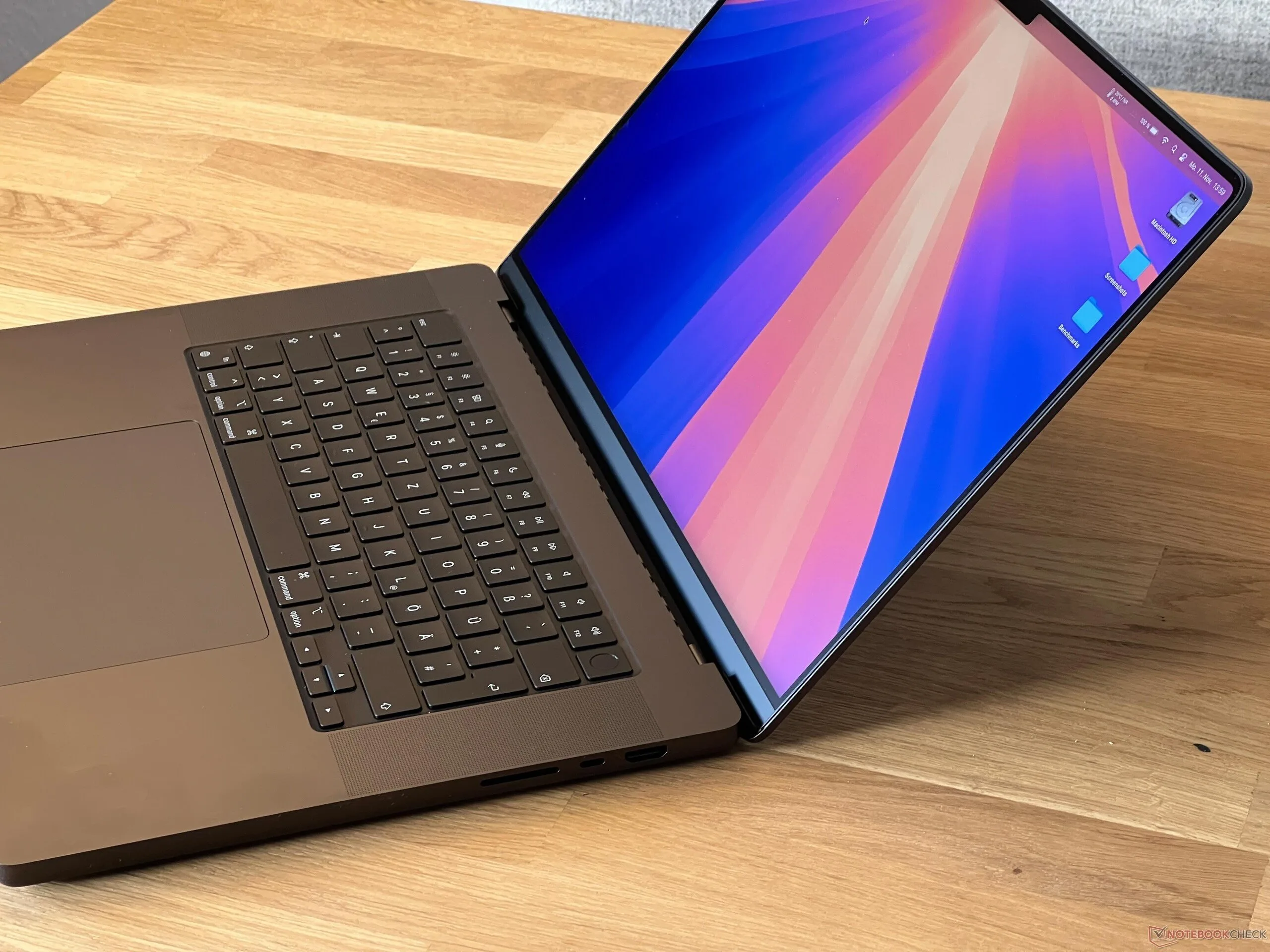
    Firstly, it’s clear that the MacBook Pro series will receive a significant design update, along with new M6-era SoCs and an OLED display. Additionally, a recent report from Mark Gurman at Bloomberg suggests that this will be Apple’s first attempt at a touchscreen laptop.

    Apple’s approach is likely to be quite distinctive, which is typical for a company that emphasizes software design, for better or worse. Mark notes that these touch-enabled MacBooks will feature specialized user interfaces, enabling unique menu options to appear when a user interacts with specific buttons or elements on screen. The macOS will also adapt to user habits and suggest menu items based on behavior.

    Touch Features and Familiarity

    Naturally, standard touch actions like scrolling and zooming will still be available, but the Mac will remain optimized for traditional point-and-click interactions. In simpler terms, the classic keyboard and trackpad setup isn’t going anywhere anytime soon. Unlike the iPad Pro, priced at $1,100 on Amazon, the MacBook Pros won’t be promoted as touch-first devices.

    As previously reported, the Dynamic Island feature will also be integrated into the Mac, arriving four years after its debut on the iPhone, much like the notch made its way to the Mac after a similar time frame. However, Face ID won’t be included, and only a single-camera module will be placed within the “Dynamic Island”.

    Uncertain Design Details

    Currently, we don’t have any specific leaks that show how the redesigned MacBook Pro series will appear or how slim Apple plans to make them.

    Given the efficiency improvements brought by Apple Silicon in recent years, it seems very probable that the company will successfully create a sleek MacBook Pro without facing significant thermal and performance challenges.

    Mark Gurman via Bloomberg

    Source:
    Link


  • Apple iPhone 17e Launching Soon: Exciting Features for Budget Phones

    Apple iPhone 17e Launching Soon: Exciting Features for Budget Phones

    Key Takeaways

    1. The iPhone 17e will feature a 6.1-inch OLED display with slimmer bezels and a Dynamic Island cutout for the camera area.
    2. MagSafe technology will be introduced, enabling users to access a variety of accessories, along with support for 25W fast charging.
    3. Camera upgrades include an 18 MP front camera, while the 48 MP rear camera is expected to remain unchanged; battery capacity is likely to be around 4,000 mAh.
    4. The iPhone 17e will include a faster SoC, with 8 GB of memory and enhanced connectivity features, including support for WiFi 7 and ultra-bandwidth capabilities.
    5. The iPhone 17e is expected to be priced similarly to the iPhone 16e, around $599, and may introduce a new color option alongside the classic choices.


    Apple’s iPhone 16e has introduced a range of features typically seen in high-end smartphones, making it appealing for those who seek budget-friendly options. Its upcoming successor, the iPhone 17e, is expected to follow in its footsteps. Apple is set to host an “Apple Experience” event in three major cities during the first week of March, where they will unveil a host of new products, including the much-anticipated iPhone 17e.

    Display Enhancements

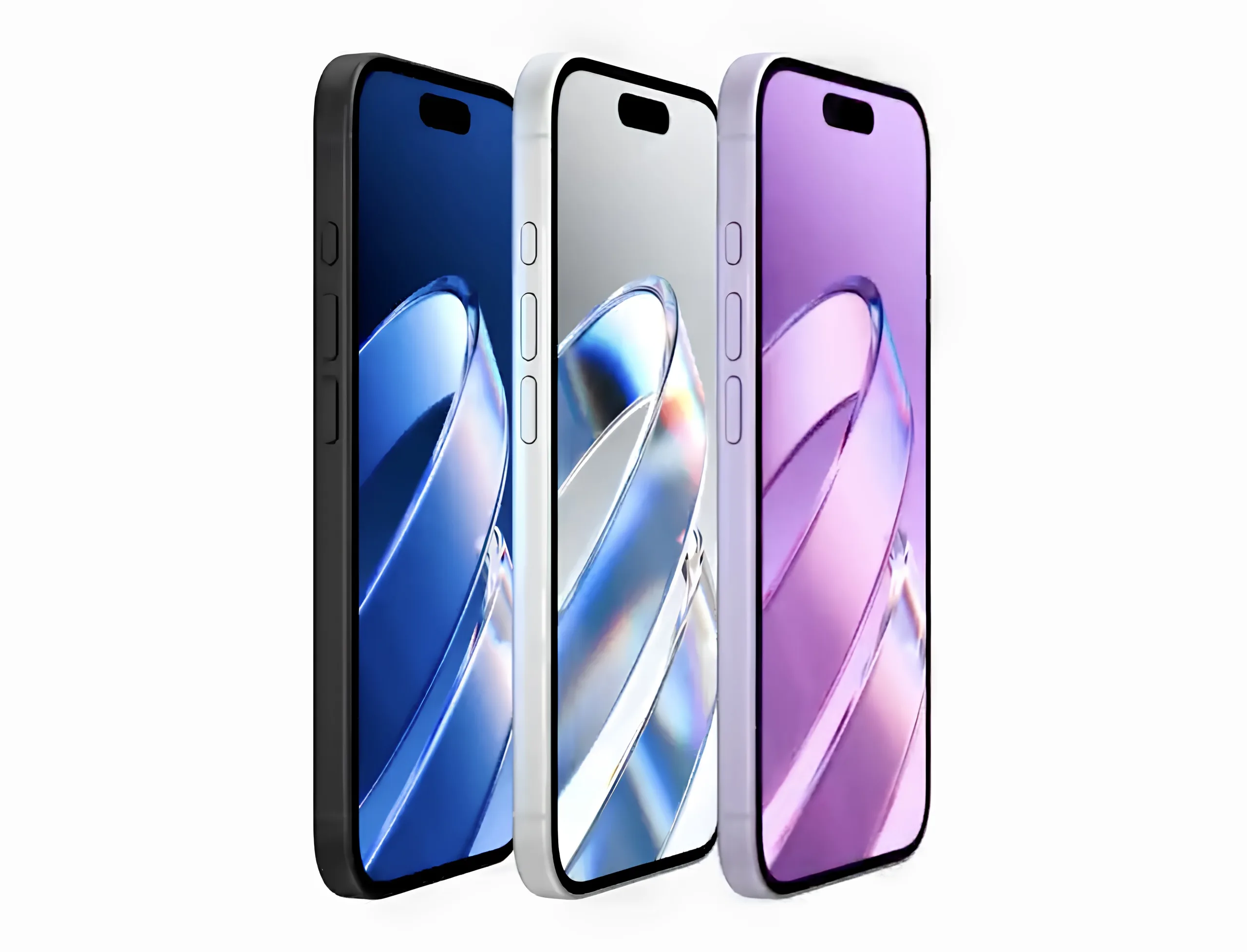
    One of the most significant updates anticipated for the iPhone 17e is its display. While the core specifications are likely to remain unchanged, featuring the familiar 6.1-inch OLED panel with a resolution of 2532 x 1170 and a refresh rate of 60 Hz, this may feel outdated in 2026. Nevertheless, the bezels are expected to be slimmer and the camera area will adopt the Dynamic Island cutout shape, replacing the traditional notch. This change will enable many software features that have become standard on iPhones over recent years.

    New Features and Upgrades

    Another major upgrade for the iPhone 17e is the introduction of MagSafe, which was missing from the iPhone 16e. This absence meant that users couldn’t access a wide range of accessories, like power banks and holders, that utilize Apple’s magnetic technology. With the 17e, users can look forward to being part of this accessory ecosystem. Additionally, the device will offer support for 25W fast charging, a notable increase from the current maximum of just 7.5 watts.

    Camera improvements are also on the horizon. The front camera is likely to feature an 18 MP square sensor similar to that of the iPhone 17, which has received positive reviews for its versatility. However, the 48 MP rear camera may stay the same. Leaked information suggests a battery capacity of around 4,000 mAh, matching that of the iPhone 16e. For comparison, the Galaxy S25 FE currently retails at $449 and comes with a 4,900 mAh battery.

    Performance and Design

    As with most yearly updates, the iPhone 17e should come equipped with a faster SoC. It will likely include a lower-tier version of the Apple A19 SoC, paired with 8 GB of memory, and upgraded C1X and N1 chips for cellular and WiFi 7 connectivity. There’s also an ultra-bandwidth (UWB) chip that will enhance precision for the Find My network, making it easier to locate devices.

    Finally, a new color option is expected to be added alongside the classic black and white choices, possibly in lavender or another shade of purple. This addition would introduce a fun and vibrant choice, especially given that the existing options are somewhat mundane.

    Interestingly, it appears that Apple will keep the initial pricing for the iPhone 17e similar to that of its predecessor. The iPhone 16e is currently priced at $599, and the iPhone 17e is expected to remain in the same price range.

    Source:
    Link


  • Xiaomi Redmi Note 15 Pro+ Review: Why We Don’t Recommend It

    Xiaomi Redmi Note 15 Pro+ Review: Why We Don’t Recommend It

    Key Takeaways

    1. The Redmi Note 15 Pro+ features high-end specs, including an IP68 rating, Gorilla Glass Victus 2, a large silicon-carbon battery with 100-watt fast charging, and a 200 MP Samsung camera.
    2. Performance issues arise with the Snapdragon 7s Gen 4 chip, leading to noticeable stuttering and lag during daily use.
    3. The OLED display, while capable of high peak brightness, suffers from rapid brightness drops, affecting visibility in bright conditions.
    4. Alternatives like the Redmi Note 15 Pro and Poco M8 Pro offer appealing mid-range options starting around $470.
    5. For users prioritizing durability and battery life, the Redmi Note 15 Pro+ remains a viable choice despite its performance and display drawbacks.


    The Redmi Note 15 Pro+ comes packed with high-end features like an IP68 rating, Gorilla Glass Victus 2, a big silicon-carbon battery that supports 100-watt fast charging, and a 200 MP Samsung camera. However, there are several important reasons to think twice before buying this device. The closely related models, the Redmi Note 15 Pro and Poco M8 Pro, offer appealing mid-range options starting at about $470 on Amazon.

    Key Complaints

    We have two main issues with the Redmi Note 15 Pro+. Still, for those who value durability and extensive battery life, this device could remain a solid choice. Be sure to check our detailed review for a comprehensive look at its positive aspects.

    Performance Concerns

    Although the Qualcomm Snapdragon 7s Gen 4 chip in the phone is a slight upgrade from its earlier version, Xiaomi has not taken the opportunity to significantly enhance the system’s performance in this mid-range device. In daily usage, the Note 15 Pro+ often shows frustrating stuttering and lag. The Snapdragon 7s Gen 4 simply doesn’t have enough power for the relatively high-resolution OLED screen.

    More potent options can be found for around $600 RRP, like the Poco F7.

    Display Issues

    Even though the phone’s OLED display achieved a peak brightness of nearly 3,000 nits (APL18: 3,146 nits) during our tests, it didn’t leave a lasting impression in regular use. This is due to a rapid drop in brightness after a brief period, falling below 990 nits according to our readings, and is significantly lower in manual mode.

    This major decrease in brightness might impact how well the screen is visible outside. Especially during summer, reflections on the glass could make it hard to see the content on the screen.

  • Asus Zenbook S16: Sleek Design & Perfect for Daily Tasks

    Asus Zenbook S16: Sleek Design & Perfect for Daily Tasks

    Key Takeaways

    1. Sleek and Durable Design: The Asus Zenbook S16 features a slim design (1.1-1.3 cm thick, 1.5 kg) with a durable metal-ceramic chassis available in dark grey and white.

    2. Enhanced Performance: Powered by the AMD Ryzen AI 9 465, the laptop provides improved performance, but fan noise can be an issue when using full power.

    3. Upgraded OLED Display: The new touch-capable OLED display offers bright visuals (up to 1100 nits in HDR) and precise color profiles, suitable for photo editing.

    4. Battery Life: The laptop has an enlarged battery, providing impressive runtimes of around 13 hours, although competitors may offer longer battery life.

    5. Pricing: Priced at €1799, the Zenbook S16 is a premium option that delivers high quality for daily tasks, though it may not be the most affordable choice.


    If you value the aesthetics of your new laptop, the latest Asus Zenbook S16 is worth considering. This 16-inch laptop features a sleek design, measuring just 1.1-1.3 cm in thickness and weighing 1.5 kg, making it comparable to the slightly smaller Apple MacBook Air 15. You won’t have to sacrifice quality, as the durability of the metal-ceramic chassis is remarkable and pleasing to the touch. Our review model comes in a dark grey hue, which looks fantastic, but there is also a white option available. Even with a key travel of only 1.1 mm, the keyboard provides a surprisingly comfortable typing experience.

    Enhanced Performance

    This laptop is powered by the new AMD Ryzen AI 9 465, which is only a minor upgrade from last year’s version. However, with faster memory and increased power limits, the performance is marginally improved. If you need full power, be aware that the fans can get quite noisy. For everyday use, we suggest opting for one of the quieter power profiles, where the fan noise is significantly reduced.

    Improved Visuals

    Asus has also upgraded the OLED display, which now supports touch capabilities. While bright surfaces may appear slightly grainy when viewed closely, this shouldn’t be a major concern at a typical viewing distance. The brightness has been enhanced, reaching about 1100 nits in HDR mode, more than doubling the previous level. As usual, Asus provides precise color profiles for sRGB and P3, making it suitable for photo editing. However, we would appreciate a quick SD-Express card reader.

    In terms of other features, it’s tough to find significant drawbacks. The memory remains soldered, and only one SSD can be installed, a limitation due to the slim design. On the plus side, the battery has been slightly enlarged, offering impressive runtimes (13 hours in our Wi-Fi test). While there are competitors with Intel’s Lunar Lake platform that boast even longer battery life, the performance should meet the needs of most users.

    Pricing and Value

    With a price tag of €1799, the Zenbook S16 isn’t the most affordable option, but it delivers an excellent, high-quality device for all your daily activities. For more in-depth details, check out our full review of the new Asus Zenbook S16.

  • Asus Launches New AMD Zenbook S16 with Bright OLED Display

    Asus Launches New AMD Zenbook S16 with Bright OLED Display

    Key Takeaways

    1. Powerful Performance: The Zenbook 16 Air 2026 features a Ryzen AI 9 H 465 processor with a 10-core setup and Radeon 880M integrated GPU for smooth AAA gaming at FHD resolution.

    2. Stunning Display: It has a vibrant 16-inch OLED screen with a peak brightness of 1,100 nits, a 120Hz refresh rate, and a resolution of 2880×1800 pixels.

    3. Similar Design: The laptop closely resembles the S16, measuring 1.1cm thick and weighing 1.5kg, while housing a robust 83Wh battery.

    4. Impressive Features: Includes WiFi 7, a spacious touchpad, Dolby Atmos speakers, and a 1080p webcam with 3DNR.

    5. Pricing and Availability: Launch price is CNY 9,999 (around $1,434), but global availability is uncertain, especially for the non-H Ryzen AI 9 465H version.


    Asus has unveiled several new gadgets in China, and among them is the Zenbook 16 Air 2026. This laptop is basically a slightly altered version of the S16 that was revealed at CES 2026, with the main distinction being its display.

    Powerful Performance

    The freshly launched Zenbook 16 Air 2026 is equipped with the Ryzen AI 9 H 465, a new Strix Point Zen 5 APU that includes a 10-core setup, along with the Radeon 880M integrated GPU. This built-in GPU allows the laptop to run AAA games smoothly at FHD resolution. For comparison, the S16 offers additional CPU choices beyond the AI 9 465.

    Stunning Display

    One of the standout features of the 2026 Zenbook 16 Air is its vibrant OLED screen. The 16-inch display boasts a peak brightness of 1,100 nits, a refresh rate of 120Hz, and a resolution of 2880×1800 pixels. In contrast, the S16 also features a 16-inch OLED display, but its peak brightness is slightly lower at 1,000 nits.

    Similar Design

    In terms of design, the Zenbook 16 Air appears almost identical to the S16. Asus mentions that this laptop is just 1.1cm thick when closed and weighs 1.5kg. Despite being lightweight, it houses a robust 83Wh battery and includes a reasonable selection of ports, such as:

    Other impressive features include WiFi 7, a spacious touchpad, Dolby Atmos speakers, and a 1080p webcam with 3DNR. Asus is offering the 2026 Zenbook 16 Air with 32GB of LPDDR5X RAM and 1 TB of PCIe 4.0 storage, with a launch price of CNY 9,999, which is around $1,434. It remains uncertain whether this version will be available globally, particularly with the non-H Ryzen AI 9 465H.

    Source:
    Link


  • Honor Magic8 Pro: Features Osram Integrated Flicker Scanner

    Honor Magic8 Pro: Features Osram Integrated Flicker Scanner

    Key Takeaways

    1. Sleek Design: The Honor Magic8 Pro has a slim profile of 8.3 mm, a premium matte frame, and IP69K certification for durability.

    2. High-Quality Display: It features a 6.71-inch LTPO OLED screen with 1.5K resolution, adaptive refresh rate from 1 to 120 Hz, HDR support, and peak brightness over 6,000 cd/m².

    3. Eye Comfort Technology: The HONOR AI Eye Comfort Display includes an integrated flicker scanner that analyzes surrounding light flicker in real time.

    4. Flicker Assessment: The device uses the IEEE 1789-2015 chart to categorize light sources, helping users identify flicker that may cause discomfort.

    5. Testing Comparisons: In tests, the flicker sensor showed similar results to a professional light meter, though it still has limitations in display measurement reliability.


    The Honor Magic8 Pro stands out as a sleek and powerful Android flagship device. With a thickness of only 8.3 mm (actually 8.45 mm), it gives off a strong and premium feel, thanks to its matte frame and IP69K certification. In the UK, it will be available exclusively in the tested storage option for around £1,100. The phone features a 6.71-inch LTPO OLED screen boasting a 1.5K resolution, an adaptive refresh rate ranging from 1 to 120 Hz, full HDR support, and an impressive peak brightness exceeding 6,000 cd/m² for HDR content or small areas (APL18: 3,233 cd/m²).

    Eye Comfort Technology

    One of the most impressive features is the HONOR AI Eye Comfort Display, which employs advanced technologies to promote eye-friendly usage (find out more here). At its heart lies an integrated flicker scanner, the first of its kind in smartphones, allowing real-time analysis of flicker in surrounding light. This tool is equipped with a high-precision HDR flicker sensor from ams OSRAM, capable of sampling rates up to 20,000 Hz. It identifies flicker frequency, depth, and specific characteristics of light sources, regardless of their brightness or lighting conditions.

    Understanding Flicker

    The assessment is conducted using a standardised IEEE 1789-2015 chart, which color-codes light sources as ‘good’, “moderate” or ‘poor’. This helps users pinpoint hidden flicker sources that might lead to headaches or visual fatigue, particularly for those sensitive to PWM. The flicker scanner works harmoniously with the OLED panel’s 4,320 Hz PWM dimming frequency, offering circularly polarised light to reduce reflections and blue light filters that can even help with motion sickness.

    In our tests, we compared the flicker sensor with the Opple Light Master IV, and both devices showed comparable frequency and modulation depth when assessing lamps. However, the smartphone still lacks reliability when it comes to measuring displays.

    Source:
    Link


  • Apple Shifts Five Products to OLED Displays, MacBook Pro Panels Start Production

    Apple Shifts Five Products to OLED Displays, MacBook Pro Panels Start Production

    Key Takeaways

    1. Samsung Display has started production of OLED displays for the upcoming MacBook Pro models.
    2. The MacBook Pro with OLED is expected to launch around late 2026 or early 2027, featuring a touchscreen and a slimmer design.
    3. Apple plans to transition four more product lines to OLED displays in the next three years, including the iPad mini, iPad Air, iMac, and MacBook Air.
    4. OLED technology offers improved HDR brightness, deeper blacks, and quicker response times compared to LCDs.
    5. Apple is expanding its use of OLED screens across major products, building anticipation for future releases.


    Rumors about the Apple MacBook Pro getting an OLED display have been around for quite a while. Recently, insider leaker yeux1122 shared news that Samsung Display has started up the factory meant to make these displays for Apple’s upcoming top-tier laptops.

    Timeline of Release

    This development suggests that the display is now ahead of what Apple had planned. But, this doesn’t mean the MacBook Pro featuring the Apple M6 Pro and M6 Max will hit the market sooner than we thought. Speculations suggest that it might launch around late 2026 or early 2027. Along with this upgrade, it looks like the MacBook Pro will finally come with a touchscreen. Furthermore, Apple is said to be making significant changes to the flagship laptop, aiming for a slimmer and lighter design, as well as a screen that has thinner bezels and a punch-hole camera instead of the usual notch.

    Future Product Plans

    In addition, DigiTimes reports that the MacBook Pro is just the first step. Over the next three years, Apple plans to transition four more product lines from LCDs to OLED displays. This includes the iPad mini, which is expected to get an OLED display later this year, the iPad Air, and iMac set for 2027, and the MacBook Air, which should also get an OLED upgrade in 2028. Apple already incorporates OLED screens in the iPhone, iPad Pro, Apple Watch, and Vision Pro VR headset. OLED technology usually provides improved HDR peak brightness, deeper blacks, and quicker response times.

    Conclusion

    With these advancements, it is clear that Apple is moving towards a future with OLED screens across its major products. The anticipation for these new features and designs has been building, and it looks like consumers will have much to look forward to in the coming years.

    Source:
    Link


  • PlayStation Portal May Receive OLED Upgrade in Next Refresh

    PlayStation Portal May Receive OLED Upgrade in Next Refresh

    Key Takeaways

    1. Sony may be planning an update for the PlayStation Portal, potentially introducing a new version with an OLED display.
    2. The rumored device, referred to as the PlayStation Portal Pro, could feature a 120Hz refresh rate.
    3. Switching to an OLED panel would significantly improve display quality with better blacks, contrast, and colors compared to the current LCD.
    4. The rumor follows a recent major update that added cloud streaming capabilities for PlayStation Plus Premium subscribers.
    5. There are currently no official confirmations from Sony regarding the new device, its release date, or pricing.


    A recent rumor has surfaced indicating that Sony might be considering an update for its handheld remote play gadget, the PlayStation Portal. An online post from Zuby_Tech on X suggests that the company is possibly working on a new version that would come equipped with an OLED display.

    Exciting Speculations

    The leak also mentions that this new screen could feature a 120Hz refresh rate. Zuby_Tech has dubbed this rumored enhancement as the PlayStation Portal Pro, although Sony hasn’t officially verified the name or the existence of the device itself.

    Major Upgrade Potential

    If this rumor holds any weight, switching to an OLED panel would mark a significant improvement over the current LCD display. OLED screens are renowned for offering deeper blacks, superior contrast, and more vivid colors, which may greatly enhance the visual experience while streaming PS5 games.

    Timing and Updates

    It’s worth noting that this rumor comes at a curious time, as the PlayStation Portal recently underwent one of its most substantial updates since its release. Sony has added native cloud streaming capabilities for PlayStation Plus Premium subscribers, enabling them to stream select PS5 games directly without needing to have a console turned on at home.

    The PlayStation Portal seems to fit into Sony’s broader strategy for a sustainable ecosystem rather than being a fleeting project. Last year, Sony also refreshed the device by adding a new color option as part of its Midnight Black Collection. For now, the OLED version remains in the realm of speculation. There are no additional leaks concerning its potential release date or pricing.

    Zuby_Tech via X

    Source:
    Link