Tag: NVIDIA

  • Nvidia CES 2025 Keynote: RTX 50 Series Unveiling Expected

    Nvidia CES 2025 Keynote: RTX 50 Series Unveiling Expected

    Nvidia has announced that it will be attending CES 2025. CEO Jensen Huang is set to give a keynote speech on Monday, January 6, at 18:30 local time, just one day before the CES exhibition opens to visitors on January 7. This announcement seems to confirm prior speculation about the company planning to introduce something major during the event.

    Potential New Graphics Cards

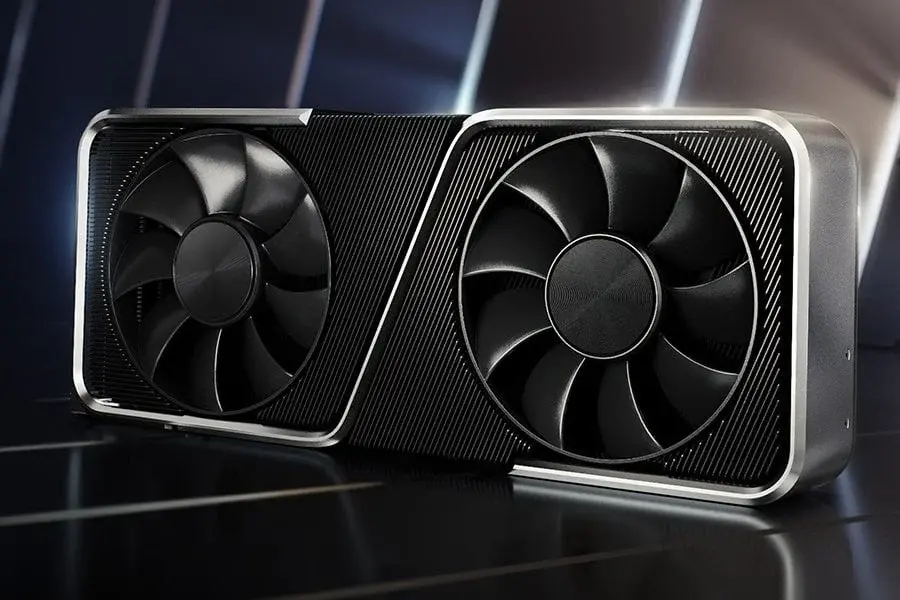
    It’s likely that Nvidia could reveal the next-generation Blackwell-based GeForce RTX 5090 and RTX 5080 (and let’s hope there won’t be a RTX 5080 12 GB this time). The RTX 5090 is rumored to get a significant spec boost with 32 GB of 28 Gbps GDDR6 VRAM on a 512-bit bus, while the RTX 5080 is expected to retain 16 GB. Since the flagship models have been postponed, Nvidia might also showcase some more affordable options alongside these high-end cards.

    Laptop Variants on the Horizon?

    As for their laptop versions, Nvidia traditionally launches these at CES, and it will be curious to see if this trend continues. However, the likelihood seems diminished because Nvidia has time to refine its products, especially with limited competition from AMD. Nevertheless, Team Red is expected to present some mid to upper-mid range RDNA 4-based Radeon RX 8000 series models at the event.

  • GeForce Game Ready: RTX HDR & Multi-Monitor Support Update

    GeForce Game Ready: RTX HDR & Multi-Monitor Support Update

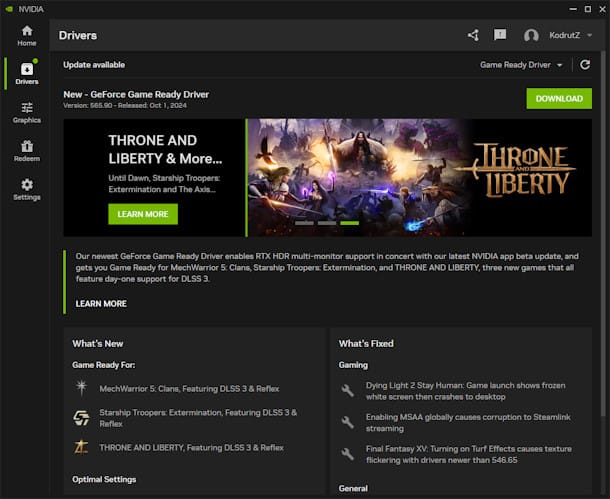
    Yesterday, Nvidia announced two important updates for users of its GPUs on Windows platforms. The Nvidia app is nearing its first stable version and has introduced a new beta update that includes G-Sync controls, support for RTX HDR on multiple monitors, and the ability to roll back drivers. The 565.90 driver package also supports the new titles Throne and Liberty, MechWarrior 5: Clans, and Starship Troopers: Extermination.

    Game Optimizations and Releases

    All three games mentioned will benefit from DLSS 3 enhancements, while the first two will also feature Reflex support. Throne and Liberty was released yesterday, while MechWarrior 5: Clans is scheduled for launch on October 17th. Starship Troopers: Extermination will be available on October 11th. The new driver also includes optimal settings presets for Frostpunk 2, God of War Ragnarok, and EA Sports FC 25.

    Fixed Issues

    The update addresses several issues, including the corruption in Streamlink streaming when MSAA is enabled globally, crashes of Dying Light 2 Stay Human on startup, texture flickering in Final Fantasy XV, and the sub-60 FPS flickering that affected desktop use, streaming, and gaming scenarios.

    Special Offers

    For those interested in spending more, the Throne and Liberty Celebration Pack: Gold (PC code) is available on Amazon for $99.99. This package includes a digital game license, 6,000 Lucent, the Amarian Ferthur Flight Morph, and the Traveler of the Brilliant Night Outfit and Helm.

  • Nvidia Discontinues Popular RTX 3060 GPU

    Nvidia Discontinues Popular RTX 3060 GPU

    It appears that the graphics card that introduced numerous gamers to ray tracing and high-definition visuals is approaching its end. A recent rumor suggests that Nvidia is planning to halt production of the highly popular RTX 3060, a top performer in the Steam Hardware Survey.

    The information emerged from a post on the Chinese tech forum Bobantang, renowned for insider news within the hardware industry. Although Nvidia has not officially confirmed this, Board Channels has a credible history, having previously predicted the discontinuation of the RTX 3060 Ti.

    Final Orders for RTX 3060

    The forum post indicates that Nvidia has informed its manufacturing partners to submit final orders for the RTX 3060. This doesn’t imply that the card will disappear immediately. Existing stock will continue to be available through retailer channels for the coming months, providing gamers with a final opportunity to purchase this reliable GPU.

    Launch and Market Impact

    Launched in February 2021 during a period when crypto-mining and chip shortages caused GPU prices to skyrocket, the RTX 3060 initially came in a 12GB GDDR6 version, with an 8GB variant introduced later. Both versions offered a good balance between price and performance. Despite early buyers facing inflated prices, the 3060 eventually became an affordable option for gamers eager to experience Nvidia’s Ampere architecture.

    Currently, the RTX 3060 leads the Steam Hardware Survey with a 5.71% market share. It provided a considerable performance upgrade over its predecessor, the GTX 1660 Ti, ensuring smooth gameplay at 1080p and decent performance at 1440p with some graphical tweaks. The inclusion of ray tracing, even at a limited capacity, further enhanced its attractiveness.

    Transition to RTX 40 Series

    With Nvidia’s new RTX 40 series on the horizon, the landscape is shifting. The RTX 4060, set to succeed the RTX 3060, offers superior performance at a comparable price. While the 3060 will likely remain available in the used market, the 4060 presents a more appealing option for new buyers.

  • Nvidia Surpasses Microsoft as World’s Most Valuable Company

    Nvidia Surpasses Microsoft as World’s Most Valuable Company

    Nvidia (NVDA) has overtaken Microsoft (MSFT) to become the most valuable company in the world by market capitalization. This remarkable rise is driven by Nvidia’s leadership in the artificial intelligence (AI) hardware sector. Nvidia’s stock price surged 3.5% to $135.58, bringing its market cap to an astonishing $3.335 trillion. This move edged out Microsoft’s $3.317 trillion market cap and Apple’s $3.286 trillion valuation. Over the past year, Nvidia’s stock has nearly tripled, highlighting the soaring demand for its AI processors.

    Rapid AI Growth

    The past few years have seen rapid AI growth, significantly contributing to Nvidia’s expansion. This upward trend mirrors widespread investor optimism about the future of AI technology. Nonetheless, some analysts caution that this enthusiasm might diminish if there are indications of a slowdown in AI technology spending.

    A key driver of Nvidia’s success is its dominance in the AI hardware market. Their processors are renowned for being superior to those of their competitors, resulting in a situation where demand far exceeds supply. Consequently, Nvidia has become the most traded company on Wall Street, with an average daily turnover of a staggering $50 billion.

    Record-High Stock Price

    Recently, Nvidia’s stock price reached an all-time high, adding over $110 billion to its market cap—equivalent to the entire value of Lockheed Martin. The company’s market value has expanded dramatically, escalating from $1 trillion to $2 trillion in just nine months, and hitting $3 trillion in a little over three months.

    Nvidia has consistently surpassed Wall Street’s revenue and profit expectations, driven by the booming demand for its graphics processors as businesses rush to integrate AI applications. The company recently executed a 10-for-one stock split, potentially making its shares more appealing to individual investors. Despite the stock’s appreciable gains, the company’s earnings valuation has actually decreased due to rising analyst predictions for future earnings.

  • Nvidia and MediaTek to Develop ARM-based AI SoC, Rumors Suggest

    Nvidia and MediaTek to Develop ARM-based AI SoC, Rumors Suggest

    Nvidia and MediaTek's potential collaboration has stirred excitement in the tech world. A recent leak hints at a surprising partnership between these two giants, suggesting they are co-developing an ARM-based system-on-chip (SoC) tailored for artificial intelligence applications. But there's more! The whistleblower, XpeaGPU, has added another thrilling detail: Nvidia might be targeting the handheld gaming market with its own ARM-based SoC.

    The Upcoming Switch 2 May Feature an Enhanced Tegra CPU

    XpeaGPU reveals that MediaTek is working on a next-gen gaming handheld SoC that will incorporate Nvidia’s powerful graphics processing capabilities. This revelation has already caught the attention of several Chinese manufacturers, who have shown interest in the chip. XpeaGPU clarifies that this SoC is a distinct project, separate from other collaborations between the two companies.

    Nvidia has prior experience in the handheld gaming space. They previously entered the market with the Tegra SoC-powered Shield console. Interestingly, the widely popular Nintendo Switch also uses the same Nvidia chipset. Currently, AMD dominates the home console market, with their chips powering most handheld devices, including the Steam Deck.

    Rumors of a New Switch 2

    Speculation suggests that a potential Switch 2 might feature an upgraded Tegra SoC, offering graphics performance comparable to the GeForce RTX 2050. However, the real game-changer would be Nvidia developing an entirely new SoC specifically for handheld gaming.

    The most fascinating aspect of this rumor is Nvidia’s choice of partner. Instead of collaborating with the usual high-end SoC leader, Qualcomm, they have chosen MediaTek. This unexpected alliance has gamers and tech enthusiasts eagerly anticipating further developments and Nvidia’s potential comeback in the handheld gaming market.

  • Meta Reveals Next-Gen AI Chip “Artemis”

    Meta Reveals Next-Gen AI Chip “Artemis”

    Meta Platforms recently unveiled details about its forthcoming artificial intelligence chip dubbed Artemis, designed to meet growing processing power demands for running AI features across their social media platforms such as Facebook, Instagram and WhatsApp.

    Addressing Dependency On External Suppliers

    Artemis represents Meta’s move away from external suppliers like Nvidia for AI chip production and toward in-house chip development, in an effort to take back control over their hardware infrastructure while cutting energy consumption costs.

    Optimize Architecture For Improved Functionality

    Meta has designed Artemis with its dual objectives in mind. First, Artemis’ architecture was carefully engineered to balance computing power, memory bandwidth and capacity efficiently – thus making Artemis ideal for improving ranking and recommendation systems that form integral parts of social media platforms’ operations.

    Future Growth And Collaboration Strategies

    Meta has not shied away from its partnership with Nvidia since Artemis debuted, with CEO Mark Zuckerberg affirming their intentions of purchasing significant quantities of Nvidia H100 flagship chips throughout 2019. Meta plans on amassing over 600k AI chips by 2024 from various providers other than just Nvidia alone.

    Artemis was developed using Taiwan Semiconductor Manufacturing Co’s (TSMC) cutting-edge 5nm process and boasts an incredible threefold increase in performance when compared with Meta’s initial AI processor. Artemis is now deployed within Meta data centers worldwide supporting an array of AI applications while Meta plans on expanding Artemis to accommodate generative AI workloads in near future.

  • NVIDIA RTX 50 Series Cards Unveiling Sooner Than Expected

    NVIDIA RTX 50 Series Cards Unveiling Sooner Than Expected

    NVIDIA originally planned for their GeForce RTX 5090 card to debut at Consumer Electronics Show 2025; however, recent rumors indicate an earlier introduction during fourth quarter 2024 instead. NVIDIA partners anticipate both cards, the 5080 and RTX 5090 to debut during 2024.

    Unveil of RTX 50 Series in Fourth Quarter 2024.

    Recent speculation indicates that RTX 50 series cards could debut by late-2024; this timeline adjustment suggests a possible earlier launch date of these powerful graphics cards.

    Anticipated Models: RTX 5080 And 5090

    Tech fans eagerly anticipate the arrival of NVIDIA RTX 5080 and 5090 graphics cards, expected to offer significant performance upgrades and innovative features, making for an exciting advancement in graphics processing technology.

  • NVIDIA chip supply stable despite Taiwan 7.5-magnitude quake

    NVIDIA chip supply stable despite Taiwan 7.5-magnitude quake

    After the recent 7.5-magnitude earthquake near Taiwan, concerns have arisen about potential disruptions to the global chip supply chain. Taiwan plays a significant role in semiconductor manufacturing, leading to speculations about the status of semiconductor factories post-earthquake. However, NVIDIA, a prominent player in the AI industry, has reassured stakeholders that its chip supply remains unaffected.

    NVIDIA Confirms Unharmed Chip Supply

    US-based NVIDIA, a company heavily dependent on Taiwan Semiconductor Manufacturing Co. (TSMC) for chip production, has stated that the earthquake did not impact its supply chain in Taiwan. TSMC, known for producing chips for tech giants like Apple, AMD, Qualcomm, and NVIDIA, has reported no damage to crucial chip-making equipment, including the Extreme Ultraviolet Lithography machines.

    Despite some tools being affected at specific TSMC facilities, the core machinery remains unscathed. As a precautionary measure, TSMC temporarily evacuated certain production facilities to ensure employee safety. However, operations resumed at 70-80% capacity within just 10 hours after the earthquake.

    TSMC's Preparedness and Resilience

    TSMC attributes its quick operational recovery to preparedness for such incidents. Utilizing building dampers and conducting regular earthquake drills, TSMC mitigates seismic activity's impact on semiconductor production.

    Semiconductor manufacturing demands precise, uninterrupted processes in controlled settings. Even minor disruptions can lead to significant losses, such as discarding entire silicon wafers. TSMC's earthquake readiness and protective measures have proven vital in safeguarding its production line.

    Importance of TSMC to NVIDIA

    TSMC serves as NVIDIA's primary chip manufacturer, providing cutting-edge semiconductor technology. NVIDIA relies on TSMC's advanced manufacturing processes for high-performance GPUs, including the latest Blackwell architecture models.

    The collaboration between NVIDIA and TSMC ensures efficient chip designs and supply. Beyond GPUs, TSMC contributes essential semiconductor technologies crucial for NVIDIA's products. This partnership guarantees a dependable chip supply, essential for meeting market demands and sustaining NVIDIA's competitive edge.

    TSMC holds the largest global market share in chip manufacturing. Any disruption to TSMC would not only impact NVIDIA but also other top AI and tech firms, potentially disrupting their chip production and supply chains. Any threat to TSMC poses a concern for NVIDIA and the broader tech industry, potentially hampering global technological advancements.

  • Nvidia Introduces Eos Supercomputer, Advancing the Frontiers of Artificial Intelligence

    Nvidia Introduces Eos Supercomputer, Advancing the Frontiers of Artificial Intelligence

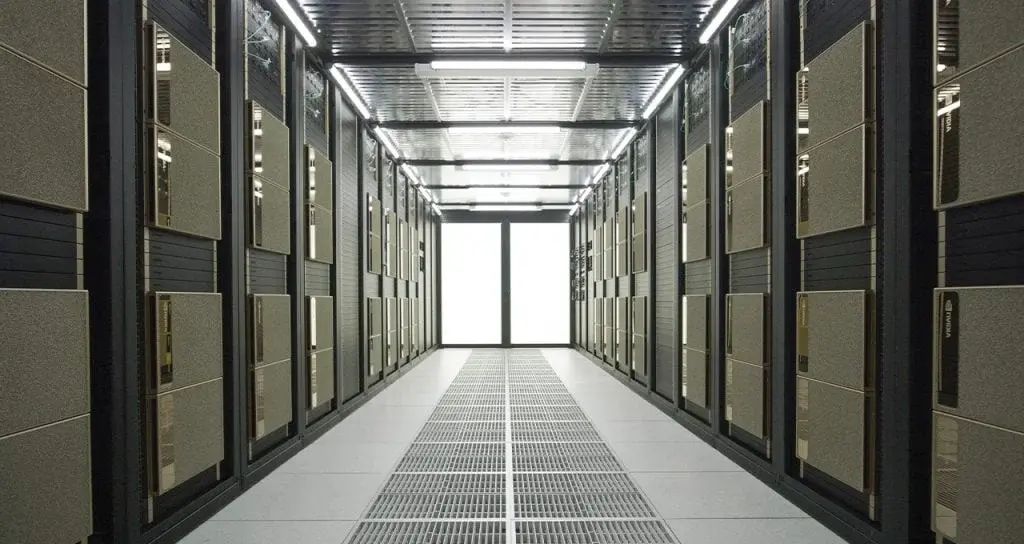
    Nvidia has unveiled Eos, a revolutionary supercomputer for data centers, at the Supercomputing 2023 trade show. This supercomputer, known as an “AI factory,” is designed to push the boundaries of artificial intelligence development. Eos represents a new era in AI acceleration and has been named after the Greek goddess of dawn.

    Impressive Performance

    Eos is powered by 576 Nvidia DGX H100 systems, which are integrated with Quantum-2 InfiniBand networking and specialized software. This impressive setup enables Eos to achieve a remarkable 18.4 exaflops of FP8 AI performance. It is a significant advancement from Nvidia’s previous supercomputing projects, SaturnV and Selene, showcasing the advanced DGX SuperPOD architecture. This architecture allows for the rapid scaling of AI data center solutions to meet high-performance demands.

    Hardware Configuration

    At the core of Eos are 4,608 H100 GPUs, distributed across each DGX H100 system’s eight H100 Tensor Core APUs. This hardware configuration is specifically designed to handle extensive workloads, including training large language models, running AI recommenders, conducting large-scale analytics, performing quantum simulations, and more.

    Optimized for AI Tasks

    Eos’s architecture is finely tuned for AI tasks that require ultra-low latency and high throughput in massive computing clusters. The supercomputer’s networking capabilities, with speeds reaching up to 400GB/s, are crucial for handling the large datasets necessary for training AI models.

    Specialized Software Integration

    Eos also integrates specialized software to enhance AI development and deployment. Base Command facilitates AI workflow, cluster management, and provides libraries for compute, storage, and network acceleration. AI Enterprise, a cloud-native platform, aims to expedite AI application development and positions itself as the “operating system” for enterprise-level AI. Eos’s capabilities have earned it the ninth position on the TOP500 list of the world’s fastest supercomputers.

  • Nvidia’s AI Potential: Surpassing Google as Leading Chipmaker?

    Nvidia’s AI Potential: Surpassing Google as Leading Chipmaker?

    Nvidia Rises to Become Third-Largest US Corporation Due to AI Demand

    Performance of Nvidia’s Stocks

    Nvidia, a prominent provider of AI computing chips, has achieved a significant feat by ascending to the position of the third-largest company in the United States based on market capitalization. This milestone comes just prior to the unveiling of its highly awaited fourth-quarter earnings report, which is anticipated to highlight the substantial demand for its AI technology.

    Noteworthy Stock Performance

    The stock price of Nvidia has witnessed a remarkable upsurge of 231% in the past year, a surge mainly propelled by the escalating demand for its AI chips. Consequently, the company’s market capitalization has soared to a remarkable $1.812 trillion, surpassing Alphabet, the parent company of Google, which currently boasts a market capitalization of $1.814 trillion.

    Acknowledged for Exceptional Performance

    Nvidia’s exceptional performance has earned it a place among the "Magnificent Seven" stocks, which exemplify the top performers on the S&P 500 this year. By outperforming the retail giant Amazon, Nvidia has solidified its status as a key player in the tech industry.

    High Anticipation for Earnings Report

    Analysts hold high expectations for Nvidia’s upcoming earnings report, forecasting a notable 400% surge in profit compared to the preceding year. Moreover, there is an anticipation of a substantial revenue leap, with estimates projecting a remarkable $20.37 billion, reflecting the robust demand for the company’s AI technology.

    Future Prospects and Cautions

    Despite the optimistic projections, some experts warn that Nvidia’s stock may already be pricing in its future potential. Presently, the company is trading at a higher price-to-earnings ratio in comparison to the industry average, indicating that its future growth may already be factored into its valuation. However, given the nascent stage of the AI market, Nvidia is well-equipped for sustained success.

    Launch of AI Chatbot and New GPU

    Nvidia has recently demonstrated its commitment to AI by introducing its own AI Chatbot and a new GPU. These unveilings underscore the company’s dedication to innovation and its capability to remain at the vanguard of the swiftly progressing AI domain.

    Nvidia’s Ascendancy in the AI Chip Market

    While Alphabet remains a formidable contender, Nvidia’s supremacy in the AI Chip market showcases the vast potential of this rapidly evolving sector. The endurance of Nvidia’s third-place standing remains uncertain, but its triumph stands as a testament to the transformative influence of artificial intelligence.