Tag: NVIDIA

  • Nvidia to Launch First Consumer CPU in 2025 for High-End PCs

    Nvidia to Launch First Consumer CPU in 2025 for High-End PCs

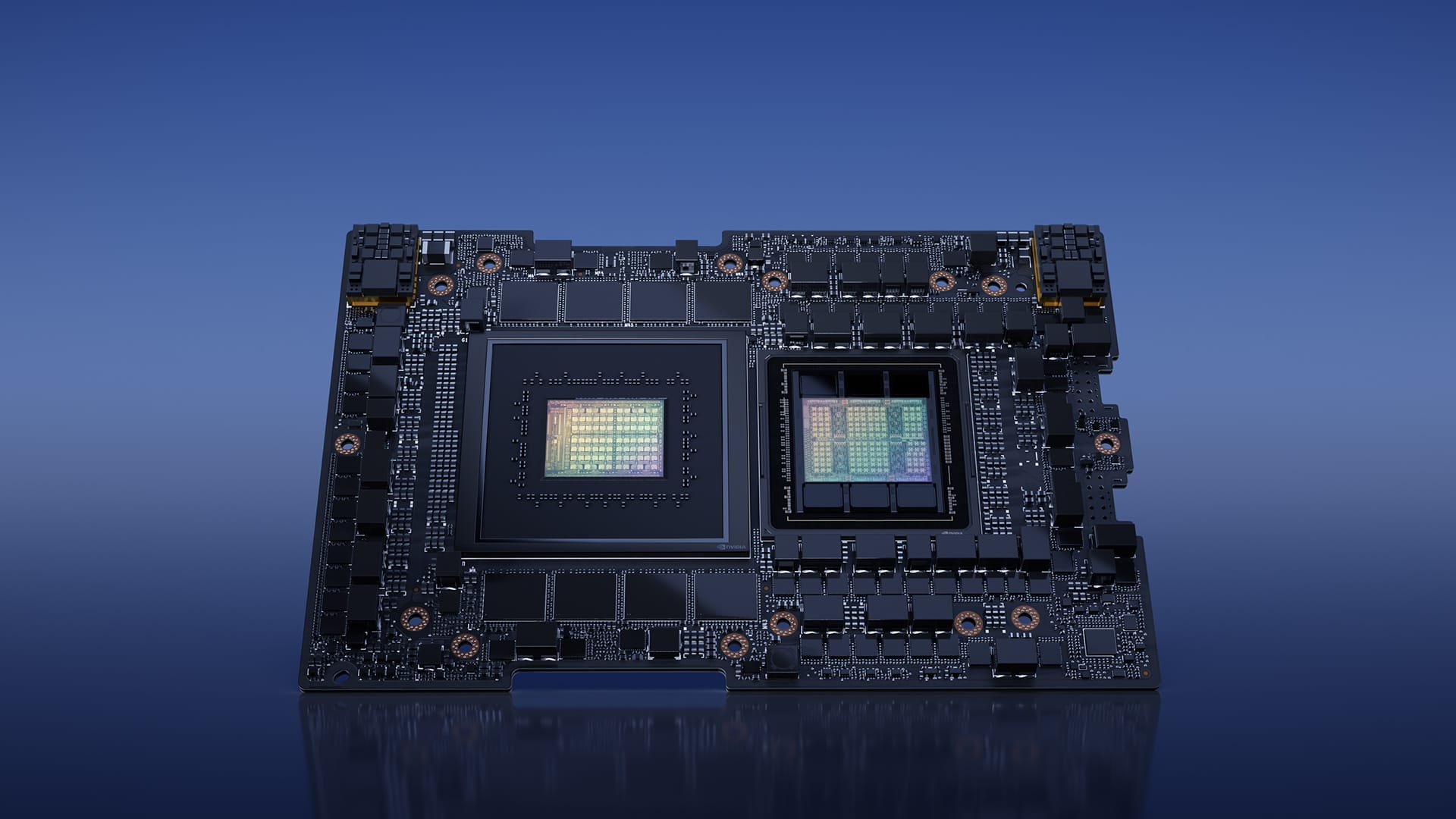
    Nvidia is preparing to introduce an Arm-based platform for consumer PCs in September 2025, marking a significant step in the company’s bold venture into the CPU sector. This initiative combines Nvidia’s CPU and GPU technologies, targeting high-end devices, with a broader launch anticipated around March 2026.

    Nvidia’s Expertise in the CPU Market

    Nvidia is drawing on its experience from developing Grace CPUs and Tegra processors, as well as its dominance in the AI server and graphics card markets. Experts in the industry believe that this background provides Nvidia with a strong advantage as it enters the consumer PC arena.

    Timing and Competition

    The timing is particularly notable, coinciding with the likely conclusion of Qualcomm’s exclusive agreement for Windows on Arm devices. This opens the field for new competitors and is expected to increase rivalry in the Arm-based Windows PC market.

    Nvidia’s strategy could go in two directions: it might create a more mainstream chip featuring integrated graphics to rival AMD, Intel, and Qualcomm, or it could develop a high-performance CPU focused on gaming, paired with a separate GPU. The second option could challenge the traditional x86 gaming landscape.

    Gaming Performance and Past Efforts

    For Nvidia to succeed in the gaming sector, it must ensure that contemporary games perform well, but its established relationships with game developers may facilitate this process. Nvidia previously attempted to enter the PC market during the launch of Windows RT in 2011, but that effort didn’t work out as hoped back then.

  • RTX 5090 Price Leaks and Potential January Release Date

    RTX 5090 Price Leaks and Potential January Release Date

    Nvidia is set to introduce the initial series of RTX 50 “Blackwell” graphics cards at CES 2025. This debut lineup is likely to feature the top-tier RTX 5090 alongside the RTX 5080, which will be powered by the GB203 and GB202 GPUs, respectively. However, a recent leak suggests that buyers may need to shell out a significant amount for the premium performance of the RTX 5090.

    Pricing Insights

    As per @I_Leak_VN on X, the anticipated price for the RTX 5090 is around $2,000, with a release date expected on or near January 20, 2025. Setting aside the cost for a moment, this timing aligns well since Nvidia is scheduled to hold an event at CES 2025, where they could officially announce the RTX 50 series with the launch following shortly after.

    Historical Context

    Discussing the pricing, the figure of $2,000 for the RTX 5090 isn’t surprising given Nvidia’s trend of pricing their flagship models at a premium. For example, the RTX 2080 Ti was introduced in 2018 at a price of $999, while the RTX Titan, aimed at ultra-enthusiasts, launched at an eye-watering $2,499. In the RTX 30 series, Nvidia priced the RTX 3090 at $1,499 and the RTX 3090 Ti at $1,999.

    Although there was no direct successor to the RTX 3090 Ti, Nvidia increased the MSRP of the RTX 4090 by $100 compared to its predecessor, with the Founders Edition priced at $1,599. Unfortunately, finding the RTX 4090 at this MSRP is nearly impossible, as the lowest listed price available is $2,130 on Amazon and $1,950 on Newegg.

    Performance Expectations

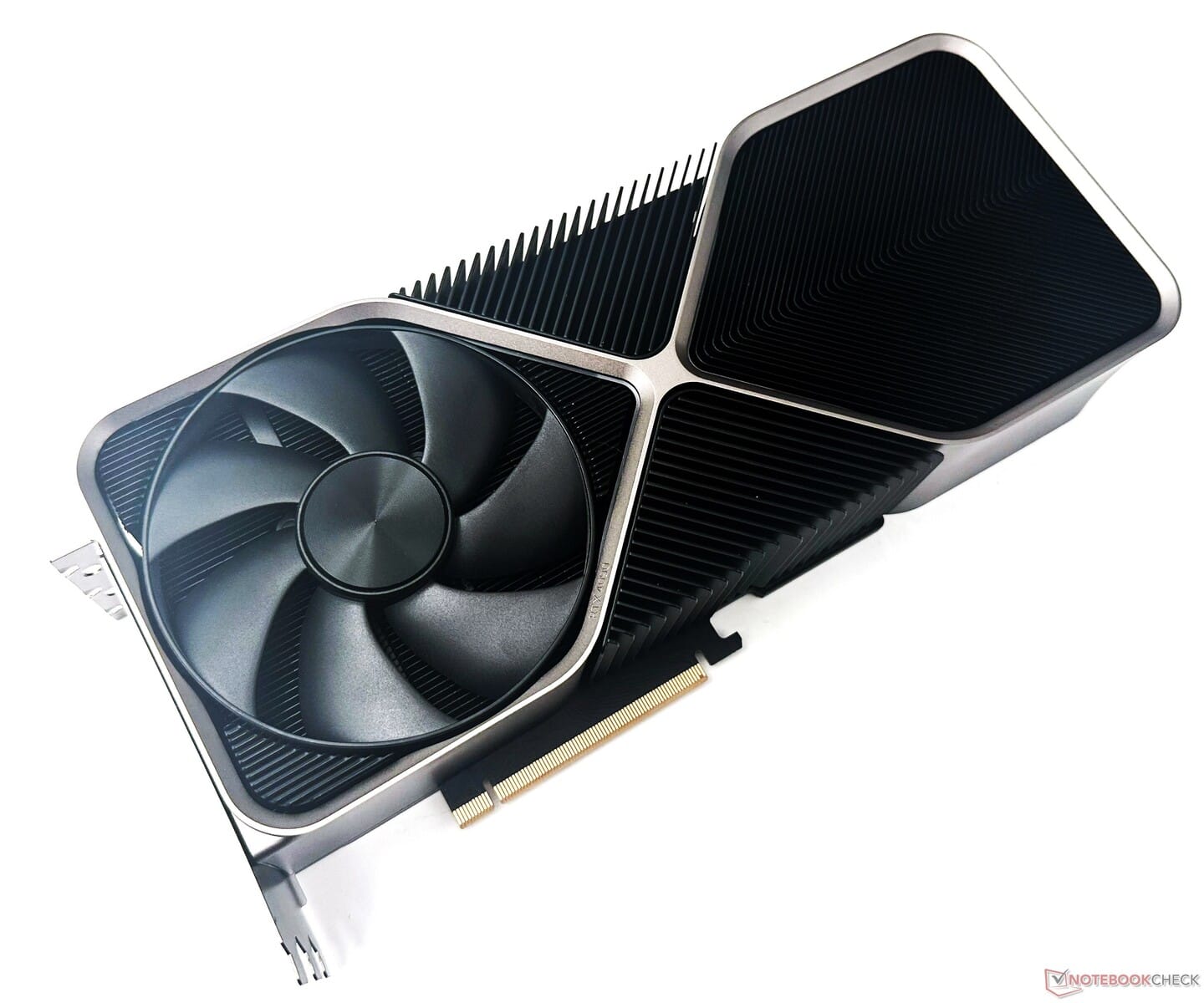
    Considering these factors, it’s reasonable to anticipate that Nvidia will elevate the price of the RTX 5090 compared to the RTX 4090. The upcoming GPU is expected to offer greater performance and will reportedly include an impressive 32 GB of VRAM.

    It’s important to note that GPU prices aren’t set in stone until Nvidia officially confirms the MSRP. Therefore, treat the leaked price of the RTX 5090 with a healthy amount of skepticism.

    Technical Upgrades

    As previously mentioned, the RTX 5090 is expected to feature considerable enhancements over the RTX 4090. Current leaks suggest a significant 33% rise in CUDA cores, an additional 8 GB of VRAM, and a 512-bit memory bus compared to the 384-bit used in the RTX 4090. Moreover, reports indicate that the GDDR7 memory in the RTX 5090 will operate at a much faster speed of 28 Gbps, compared to the 21 Gbps GDDR6X of the RTX 4090.

    Unfortunately, these upgrades may also bring about a Total Graphics Power of 650 W, which is a 150 W increase from the previous generation.

    @I_Leak_VN on X, Newegg, Teaser image: Alexander Grey on Unsplash, edited


  • Nvidia GeForce RTX 50 Mobile GPUs Listed Online with Device IDs

    Nvidia GeForce RTX 50 Mobile GPUs Listed Online with Device IDs

    It looks like we’ll have to wait a bit longer to see the new Nvidia GPUs, known as the GeForce RTX 50 series or the Blackwell GPUs. If the rumors floating around online are true, we could catch a glimpse of these graphics cards early next year.

    Details and Speculations

    Currently, there isn’t a lot of information about these upcoming GPUs, apart from some whispers that suggest the Blackwell models may consume more power compared to the Ada Lovelace generation.

    Adding fuel to the fire, user @harukaze5719 discovered a list of Nvidia’s new RTX 50 mobile GPUs on the PCI database.

    Expected Models

    The information shared indicates that the forthcoming Blackwell laptop GPUs will likely include models such as RTX 5050, 5060, 5070, 5070Ti, 5080, and 5090. Additionally, the post refers to RTX 5080 and RTX 5090 desktop graphics cards. A recent YouTube video from Moore’s Law Is Dead even displayed the RTX 5080, while the RTX 5090 was supposedly spotted in a testing clip.

    Now, keep in mind that the PCI database is updated by various users, and while it is considered a trustworthy source, details can still change as the launch date approaches—so make sure to look out for more news.

    Timeline for Release

    As previously stated, the RTX 50 series GPUs are not anticipated to launch until early 2025. Nvidia has confirmed that it will participate in CES 2025, where it is expected to unveil the RTX 50 series.

    harukaze5719’s post on X, PCI


    Image 1
  • Reliance and Nvidia Join Forces for AI Infrastructure in India

    Reliance and Nvidia Join Forces for AI Infrastructure in India

    First revealed in September 2023, Nvidia has reaffirmed its dedication to establishing a foundation for AI infrastructure in India. They have teamed up with Reliance Industries, a major conglomerate based in Mumbai.

    A Great Moment for India

    During Nvidia’s AI Summit in Mumbai, Mukesh Ambani, the Chairman of Reliance, stated, “This presents a fantastic chance for India” to leverage its “large pool of computer engineers.” Together, the two firms will work towards creating a scalable power infrastructure, which will have a capacity of 1 gigawatt and utilize green energy sources.

    Building AI Infrastructure

    “To lead in artificial intelligence, it’s crucial to have AI tech that India possesses, data, and finally, an AI infrastructure,” Huang noted, as reported by Mint. He announced the partnership between Reliance and Nvidia to construct this AI infrastructure in India.

    Previous Collaborations

    In the previous year, the two companies had pledged to develop AI supercomputers in India, aiming to create extensive LLMs that are trained in local languages. Nvidia will supply the necessary technology while Reliance will oversee the infrastructure’s maintenance. In addition to Reliance, Nvidia has also disclosed collaborations with several Indian IT companies, such as Tata Consultancy Services (TCS), Tech Mahindra, Infosys, and Wipro.

    Nvidia, Mint

  • RTX 5080 Laptop vs Desktop: Core Count vs VRAM Comparison

    RTX 5080 Laptop vs Desktop: Core Count vs VRAM Comparison

    We shared some news back in May through Moore’s Law Is Dead, suggesting that Nvidia might equip the RTX 5080 and RTX 5070 laptop versions with more memory than the RTX 40 series. Rumors indicated that the RTX 5080 laptop could feature 16 GB of VRAM, while the RTX 5070 laptop was expected to have 12 GB.

    Updated VRAM Information

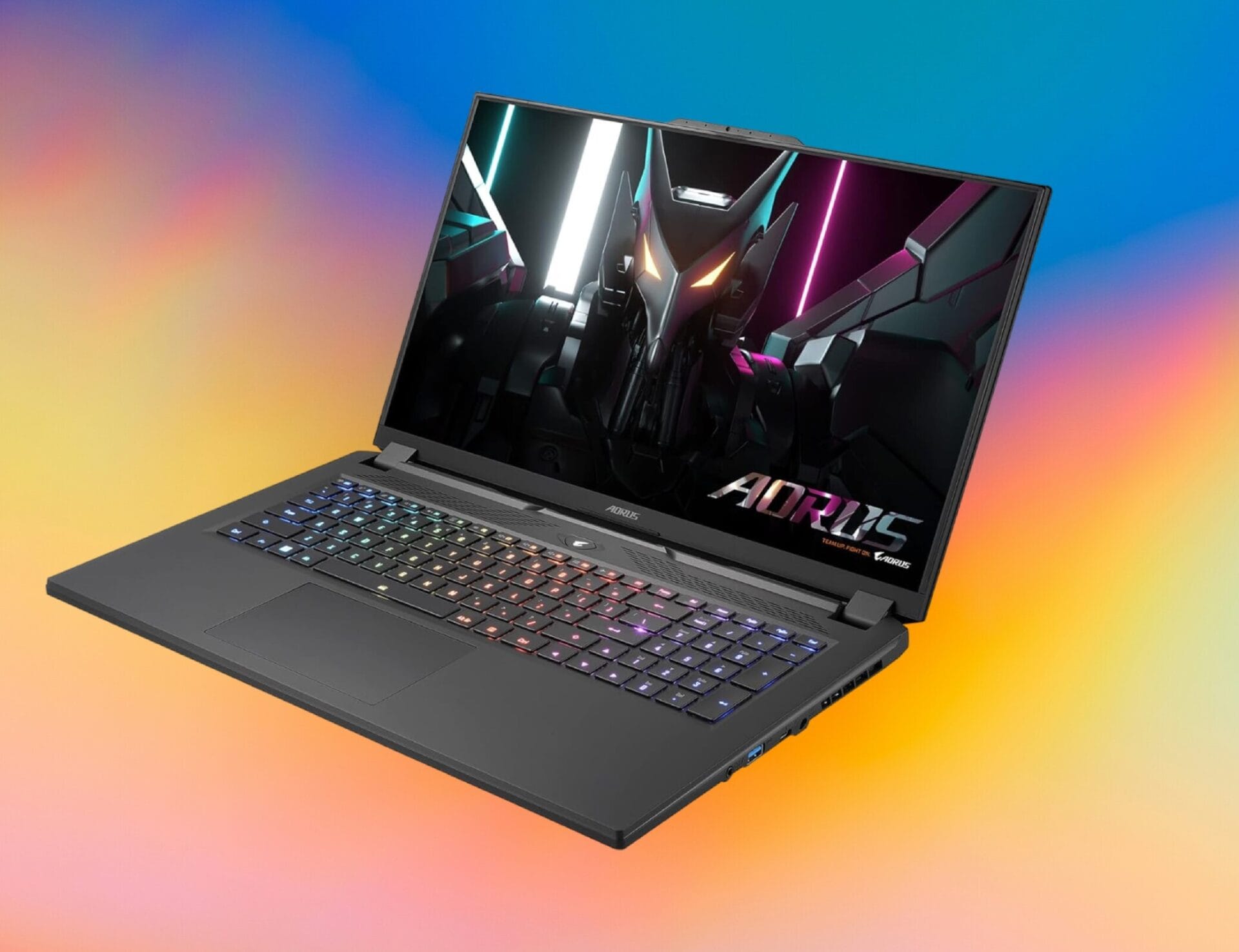
    MLID has reinforced his previous leak about the RTX 5080 laptop’s VRAM and has disclosed potential CUDA core counts for the anticipated GB203 GPU that is set to drive the device. The RTX 5080 laptop is said to use a GB203 GPU, which also powers the RTX 5090 laptop and the RTX 5080 desktop variants. It’s likely that the laptop’s GB203 will be a less powerful version, featuring fewer CUDA cores compared to the desktop variant. MLID suggests a possible configuration for the RTX 5080 laptop could include 8,192 CUDA cores along with 16 GB of GDDR7 memory. This marks a notable decrease in the number of cores available on the GB203.

    Comparison with Desktop Variants

    Earlier leaks have indicated that the desktop RTX 5080, using the GB203-400-A1, consists of a total of 10,752 CUDA cores and has 16 GB of memory operating at 28 Gbps over a 256-bit bus. This means the RTX 5080 laptop is experiencing a significant drop of 24% in the CUDA core count.

    Despite this substantial reduction in specs, MLID has put forward some ambitious predictions regarding the performance of the RTX 5080 laptop. He estimates that, with 16 GB of 28 Gbps VRAM and the corresponding bandwidth, the RTX 5080 laptop may be 45 to 65% faster than the RTX 4080 laptop. This advantage could enable the mobile GPU to compete with the desktop RTX 4070 Ti Super and even the RTX 4080 (available on Amazon).

    Performance Predictions and Future Outlook

    However, it’s important to note that these performance estimates are merely the result of the leaker’s “napkin math.” Therefore, they should be viewed as educated guesses rather than confirmed leaks.

    powerful 1440p/4K gaming machine

    Moore’s Law Is Dead, Teaser image: Gigabyte, Sean Sinclair on Unsplash, edited.


    Image 1
    Image 1
  • Nvidia Collaborates with Indian IT Firms for AI Development Boost

    Nvidia Collaborates with Indian IT Firms for AI Development Boost

    Nvidia is teaming up with Indian IT companies like Infosys, TCS, Tech Mahindra, and Wipro to boost AI development in India. The firm believes this "great upskill" initiative will pave the way for "a new wave of opportunity."

    New Job Creation and Training

    The goal is to generate fresh job opportunities while preparing the next generation of AI developers. Tech Mahindra has set up a Center of Excellence (CoE) that will leverage Nvidia’s AI enterprise solutions to embed generative AI into business applications. They are working on Project Indus 2.0, which is a specialized AI model aimed at understanding Hindi and its various dialects. This model utilizes Nvidia’s Nemotron-4-Mini-Hindi-4B, a four-billion-parameter linguistic small-language model, trained with "real-world Hindi data, synthetic Hindi data and an equal amount of English data."

    Expanding AI Solutions

    In addition to Tech Mahindra’s efforts, Tata Consultancy Services (TCS) has rolled out enterprise solutions targeting the automotive, manufacturing, telecommunications, financial, and retail sectors. They have successfully trained "50,000+ AI associates" to assist clients in enhancing their skills and executing AI strategies.

    Wipro has developed a generative AI studio that employs Nvidia AI enterprise solutions to speed up applications in supply chains, user agents, retail, and beyond. Meanwhile, Infosys Topaz is designed to aid companies in weaving generative AI into their daily operations. Companies like Reliance and Ola Electric have also shared their plans to utilize Nvidia’s Omniverse simulation technology for testing factory layouts prior to their implementation.

    A Promising Future for AI in India

    According to a report by Reuters, during his speech at the Nvidia AI Summit currently happening in Mumbai, CEO Jensen Huang mentioned that by the end of this year, India is expected to possess "20 times more compute power than just a little over a year ago."

    Nvidia, Tech Mahindra, Project Indus, Tata Consultancy Services, Wipro, Reuters, Image Source

  • Baidu CEO: 99% of AI Companies Likely to Fail Despite Boom

    Baidu CEO: 99% of AI Companies Likely to Fail Despite Boom

    Baidu’s CEO, Robin Li, believes that the AI sector is on the verge of a significant market correction, similar to the dot-com bubble of the late 1990s. Speaking at the Future of Business conference hosted by Harvard Business Review, he expressed his opinion that maybe only one percent of the current AI firms will endure and provide genuine value to society.

    The Rapid Rise of AI

    Recently, the AI industry has been experiencing explosive growth. Nvidia’s market capitalization soared from $300 billion to an astonishing $3.4 trillion within a mere two years. Major players like Google, Microsoft, and Apple are heavily investing in AI initiatives, pouring vast sums into these projects. Chip manufacturers such as AMD and Intel have also revamped their server-grade products to cater to the demands of AI computing.

    AI’s Journey Towards Accuracy

    Li highlighted the remarkable progress AI has made, particularly in addressing its previous inaccuracies. "I think over the past 18 months, that problem has pretty much been solved—meaning when you talk to a frontier model-based chatbot, you can basically trust the answer," Li remarked during the conference.

    A Cautious Outlook on the Future

    Despite the current excitement surrounding AI, Li cautioned that this trend is likely to lead to a bubble. He believes the industry must streamline itself, cutting out products that fail to meet customer needs. However, he is not overly concerned about AI significantly displacing jobs in the near future. Li estimates that it could take anywhere from 10 to 30 years before we see substantial changes in the workplace due to AI advancements.

    TomsHardware (in English) via Baidu (in English)

  • Nvidia and India Discuss AI Chip Development Collaboration

    Nvidia and India Discuss AI Chip Development Collaboration

    Nvidia has put forward a plan to work with India on an AI chip production project, as mentioned by The Economic Times.

    Preliminary Discussions

    Aswini Vaishnaw, India’s Electronics and IT Minister, shared with The Economic Times that discussions are "at a preliminary stage" regarding "the development of an AI chip."

    Custom Solutions for India

    Nvidia aims to tap into India’s talent for chip design to create a specialized AI chip tailored for various applications in the country. This includes potential uses in security systems and could also support Indian startups in developing their own applications.

    Earlier in March, The Register highlighted that the Indian government approved a significant fund of ₹10,300 Crore ($1.24 billion) to enhance the country’s AI infrastructure.

    New Educational Initiatives

    The initiative will also establish a new academic center named "IndiaAI Innovation Centre," which will focus on the development, training, and deployment of foundational AI models.

    If everything proceeds smoothly, Nvidia could oversee the main design of the chip, while India’s Centre for Development of Advanced Computing (C-DAC) would adapt and tailor it to meet local requirements. Alternatively, customization might be taken care of by private companies.

    A government official mentioned to The Economic Times, “India is the top choice due to the sheer size of the talent available in chip design, which no other country has.”

    The source further explained, "The government is currently thrashing out the details such as costing, benefits, and use cases of such a co-developed chip."

    @narendramodi on X, The Economic Times, The Register

  • Leaked Video Shows Alleged RTX 5090 in Testing

    Leaked Video Shows Alleged RTX 5090 in Testing

    The Nvidia GeForce RTX 50-series graphics cards are anticipated to launch next year. Recently, the RTX 5090, a premium desktop graphics card, was reportedly spotted in a factory during its early testing phase.

    Factory Footage Emerges

    A video has surfaced from a newly built factory in Indonesia. For those who may not know, U.S. chip export regulations block the sale of high-performance graphics cards to mainland China, especially models that can compete with or surpass the RTX 4090. This has led manufacturers to establish operations in Indonesia to guarantee the RTX 5090 is available for the Chinese market.

    Video Details

    The leaked footage appeared on BiliBili, a popular Chinese video-sharing site. The video’s description explicitly mentions that the graphics card featured is the RTX 5090. It captures the first unit rolling off the assembly line being tested for any potential problems. Additionally, it highlights workers celebrating after the RTX 5090 successfully boots up.

    Card Specifications

    As per VideoCardz, the graphics card in the video comes from Zotac. Notably, it is shown to be powered by a single cable, putting to rest prior speculations about the need for dual 16-pin cables to operate the card.

    Rumors have indicated that the RTX 5090 will come with 32 GB of GDDR7 memory on a 512-bit bus. It is expected to make its official appearance at CES 2025, which is scheduled for January.


    Image 1
  • Nvidia GeForce RTX 5070 and 5060 Release Date Leaked Early

    Nvidia GeForce RTX 5070 and 5060 Release Date Leaked Early

    Nvidia is all set for CES 2025, where it is expected to showcase the upcoming GeForce RTX 50 series graphics cards. Earlier, it was said that the GeForce RTX 5080 would be the first to launch, with the top-tier RTX 5090 following closely. A fresh report from ITHome provides clarity on when additional Blackwell models will be revealed.

    Initial Launch Models

    The first models to hit the market will be the GeForce RTX 5090D and RTX 5080. It’s important to mention that the ‘D’ denotes this version as exclusive to China, not the standard GeForce RTX 5090. In the following month, Nvidia plans to introduce the GeForce RTX 5070 Ti and RTX 5070, which are designed for the upper mid-range market. Finally, the GeForce RTX 5060 and RTX 5060 Ti are set to be announced in March. While the specific sale dates for these GPUs are still unclear, it’s fair to think they will be available a few weeks after their announcements.

    The Missing RTX 5090

    This leaves us wondering about the top-tier GeForce RTX 5090 global model, which currently lacks a release timeline. Its absence from Nvidia’s CES presentation is curious, considering it’s one of the most powerful graphics cards ever produced, featuring 32 GB of 27 Gbps VRAM on a 512-bit bus and a total graphics power of 600 Watts. However, Nvidia may not feel the need to hurry its release, especially since AMD and Intel have yet to provide a competitive response with their RDNA 4 and Battlemage architectures.

    ITHome

    via @harukaze5719 on X