Tag: NVIDIA

  • Nvidia Continues to Impress with ‘Chat with RTX’—Introducing a New AI Chatbot

    Nvidia Continues to Impress with ‘Chat with RTX’—Introducing a New AI Chatbot

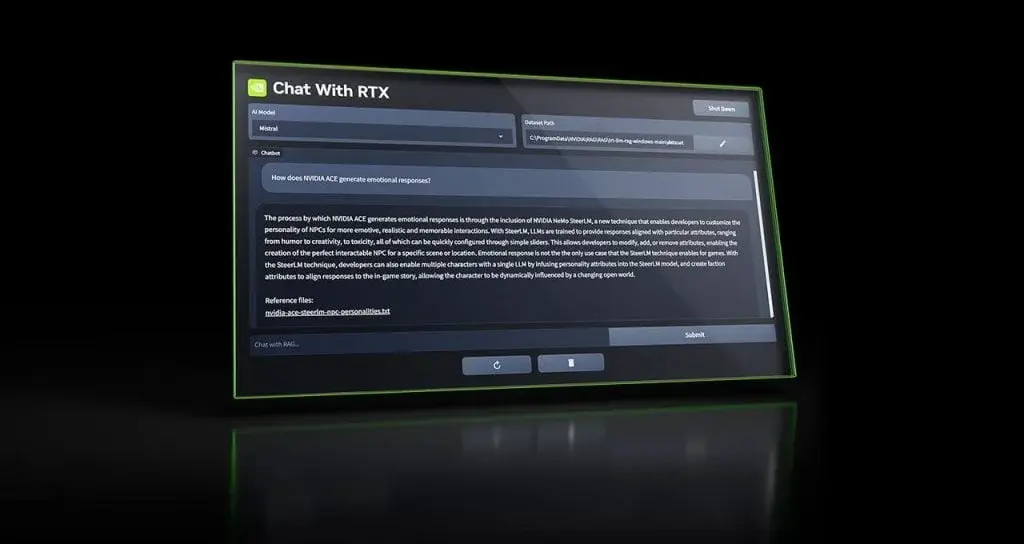
    Nvidia is making waves in the tech world with its latest releases. After unveiling the new RTX 2000 Ada GPU just yesterday, the company has now introduced an early version of an exciting new app called Chat with RTX. This app is designed to leverage the power of Nvidia graphics cards to assist with AI-related tasks. With Chat with RTX, users can easily analyze YouTube videos and documents right on their own machines, making sense of complex information with ease. The best part? You only need an Nvidia RTX 30- or 40-series GPU to get started.

    Empowering Users with Local AI Assistance

    Chat with RTX is a powerful tool that can save users a significant amount of time, particularly when dealing with large volumes of information. Imagine being able to quickly grasp the main points of a video or easily find specific details in a stack of documents. This is precisely what Chat with RTX aims to deliver. Similar to existing chatbots like Google’s Gemini or OpenAI’s ChatGPT, this app provides a convenient way to navigate and comprehend various forms of content.

    Optimizing Document Analysis

    While Chat with RTX is not flawless, it truly shines when it comes to working with documents. It can swiftly scan through PDFs and other file types, instantly extracting the most important information. This feature has the potential to greatly benefit individuals who often find themselves overwhelmed by the amount of reading required for work or school.

    Room for Improvement

    It’s important to note that Chat with RTX is still a work in progress. Setting it up may require some patience, and it can be demanding on system resources. Additionally, there are still some minor issues that need to be addressed. For example, the app doesn’t have strong memory recall, so each question must be approached from scratch. However, given Nvidia’s leading position in the AI revolution, these limitations are likely to be swiftly resolved.
  • NVIDIA Introduces the Non-Traditional Graphics Card RTX 2000 Ada

    NVIDIA Introduces the Non-Traditional Graphics Card RTX 2000 Ada

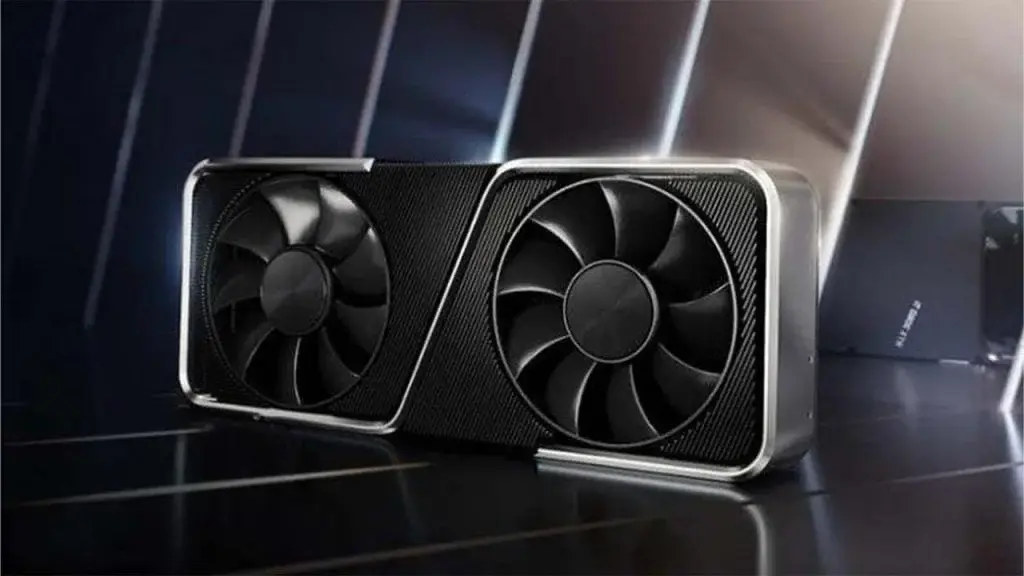
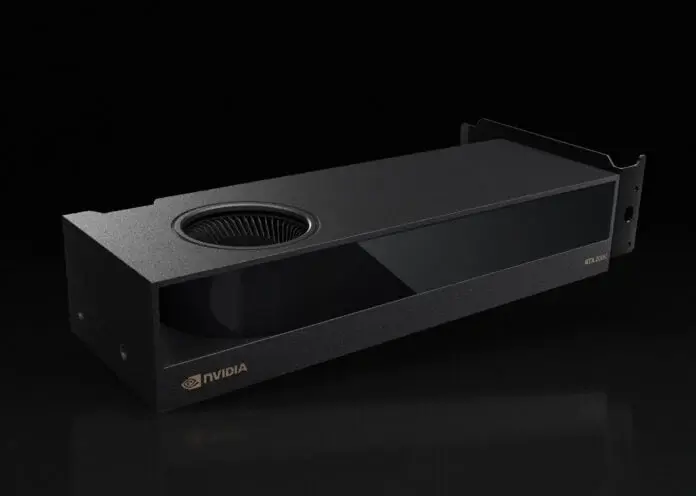
    NVIDIA’s latest GPU offering, the RTX 2000 Ada, is a pleasant surprise in the market. This compact yet powerful card is specifically designed for small form factor workstations, making it an ideal choice for those looking to upgrade their compact setups without compromising on performance. Priced at $625, it offers great value for money.

    Impressive Performance and Features

    The RTX 2000 Ada comes with significant upgrades compared to its predecessors. One standout feature is its substantial 16GB of GDDR6 memory, which is equipped with ECC for enhanced reliability. Despite its compact size, the GPU delivers solid performance with over 2800 CUDA cores, 88 Tensor cores, and 22 RT cores. NVIDIA claims impressive compute performance, including 12.0 TFLOPS of single-precision performance, making it suitable for a variety of tasks.

    Notable Physical Attributes

    The physical attributes of the RTX 2000 Ada also deserve recognition. It supports four mDP 1.4a display outputs, making it perfect for multi-monitor setups in space-constrained environments. Additionally, its efficient 70W power draw and utilization of a PCIe Gen4 x8 connection make it a great choice for systems where power and expansion slots are limited.

    AV1 Encode and Decode Capabilities

    One of the standout features of the RTX 2000 Ada is its AV1 encode and decode capabilities. This feature is increasingly in demand in modern GPUs due to its efficiency in video processing. With this capability, users can expect improved video processing performance and better overall efficiency.

    Ideal for AI Inference and Advanced Graphics

    While the RTX 2000 Ada may not be the go-to choice for high-end design work or AI research, it excels in bringing AI inference and advanced graphics capabilities to settings where larger and more power-hungry GPUs are not feasible. From multi-display workstations to AI-enhanced workflows, this GPU is expected to be a versatile and energy-efficient option for professionals and enthusiasts alike.

    In conclusion, the NVIDIA RTX 2000 Ada is a compact yet powerful GPU that offers impressive performance and features. With its affordable price tag of $625, it is an excellent choice for those looking to upgrade their compact setups without compromising on power. Whether you need it for multi-monitor setups or AI-enhanced workflows, this GPU is sure to make its mark in the market.

  • NVIDIA to Surpass Amazon in Market Value as AI Chip Technology Surges

    NVIDIA to Surpass Amazon in Market Value as AI Chip Technology Surges

    Nvidia’s Market Value Nears Amazon’s as AI Demand Soars

    Nvidia is on the verge of surpassing e-commerce giant Amazon in market value, marking a significant milestone after two decades. With its market value soaring to a staggering $1.73 trillion, a mere 3% shy of Amazon’s $1.77 trillion, Nvidia’s ascent underscores the remarkable surge of AI-driven technologies in today’s digital landscape.

    Nvidia’s Stock Performance and Optimistic Outlook

    The company’s stock performance has been nothing short of spectacular, surging by an impressive 40% in the year 2024 alone. Currently trading at $694.48, Nvidia’s shares witnessed a further uptick of 1.8% following an optimistic report from financial heavyweight Morgan Stanley. The renowned analyst firm raised Nvidia’s price target to $750, reflecting the sustained optimism surrounding the company’s trajectory.

    Fueling Growth: Insatiable Demand for AI Applications

    Fueling this remarkable growth is the insatiable demand for AI applications, pushing Nvidia to the forefront of innovation in the tech sector. As AI permeates various industries, from autonomous vehicles to healthcare diagnostics, Nvidia’s cutting-edge processors have become indispensable tools for developers worldwide. However, this surge in demand has led to significant wait times for AI developers seeking access to Nvidia’s processors through cloud-computing providers, although recent trends suggest a gradual improvement in availability.

    Nvidia’s Historical Trajectory: From Humble Beginnings to Market Dominance

    Reflecting on Nvidia’s historical trajectory, the company’s current valuation marks a stark departure from its humble beginnings. In 2002, Nvidia’s market value was under $6 billion, a fraction of today’s astronomical figures. The remarkable journey from relative obscurity to becoming the fifth most valuable company in the US stock market underscores the transformative impact of technological innovation.

    The Shifting Landscape of Corporate Titans

    Amidst Nvidia’s ascent, the landscape of corporate titans is undergoing a seismic shift. Microsoft’s recent ascent to become the world’s most valuable company, surpassing erstwhile leader Apple, exemplifies the dynamic nature of the market. Furthermore, Saudi Aramco’s formidable presence as the third most valuable publicly listed company globally, with a market capitalization of $2 trillion, underscores the diverse array of players vying for dominance on the global stage.

    Anticipated Quarterly Results and Bullish Outlook

    Looking ahead, Nvidia’s upcoming quarterly results, scheduled for release on February 21, are eagerly anticipated by investors and industry observers alike. Analysts remain bullish on Nvidia’s prospects, citing the relentless surge in AI demand as a key driver of future growth.

    Nvidia’s Challenge to Amazon’s Market Supremacy

    Nvidia’s imminent challenge to Amazon’s market supremacy symbolizes a pivotal moment in corporate history. With its pursuit of innovation, Nvidia will be a key player in reshaping the technological landscape for years to come.

  • Nvidia Challenges Huawei: Titans Clash in China’s AI Market

    Nvidia Challenges Huawei: Titans Clash in China’s AI Market

    Nvidia is introducing the H20, a graphics processing unit (GPU) designed specifically for the Chinese market. This move puts Nvidia in direct competition with Huawei Technologies, a major player in China’s tech industry. Both companies are offering products that not only have similar performance capabilities but also closely match in terms of pricing, indicating a fierce competition in the tech sector.

    Nvidia’s H20 Chip to Compete with Huawei’s AI Chip

    Nvidia’s H20 is a crucial component in the advancement of artificial intelligence (AI), with a price range of $12,000 to $15,000 per card. This pricing strategy puts it in direct competition with Huawei’s Ascend 910B, an AI chip that offers comparable capabilities and price points. In the midst of strict US trade sanctions that have disrupted the tech industry, Nvidia’s launch of the H20 is a significant move to maintain its presence in the highly profitable Chinese market.

    Catering to the Growing Demand for AI Training Tools in China

    Nvidia’s initiative goes beyond simply penetrating the market. With the H20, the company aims to meet the increasing demand for AI training tools in China, a country that has quickly become a hub for AI research and development. However, this strategic deployment comes with its own challenges. Previous US sanctions have hindered Nvidia’s ability to export its most advanced GPUs to China, leading to a shift in focus towards creating tailored solutions such as the A800 and H800 GPUs, and now, the H20.

    Performance and Compliance Concerns

    Despite the anticipation surrounding the market debut of the H20, there are lingering questions about its performance, particularly due to the constraints imposed to comply with US regulations. The tech community is closely watching to see if the H20 can live up to the legacy of its predecessors or if it will carve out a new niche for itself in the competitive landscape of AI technologies.

    Nvidia Challenges Huawei: Titans Clash in China's AI Market
    Nvidia Challenges Huawei: Titans Clash in China's AI Market
  • Official Release of NVIDIA RTX Remix Open Beta, Simplifying Ray Tracing and DLSS Integration in Supported Games

    Official Release of NVIDIA RTX Remix Open Beta, Simplifying Ray Tracing and DLSS Integration in Supported Games

    NVIDIA has recently introduced the public beta version of RTX Remix, a comprehensive platform that utilizes NVIDIA Omniverse to modify classic DirectX 8 and DirectX 9 games. With features like DLSS (Deep Learning Super Sampling) and ray tracing, users can now enhance games such as "Call of Duty 2" and "Garry's Mod" with RTX functions, all with just a single click.

    Introducing RTX Remix Platform

    The RTX Remix platform is equipped with a range of tools and features that streamline the modification process. One of its key functionalities is the extraction workflow, which allows users to convert various file formats into the Universal Scene Description (openUSD) format. This makes it effortless to open and edit files in Omniverse-connected applications, including RTX Remix itself.

    Enhancing Visual Experience

    One standout feature of RTX Remix is the ability to replace game models with high-polygon replacement assets, offering the same level of detail and fidelity found in modern games. NVIDIA has curated an extensive collection of high-quality USD materials that users can directly utilize or import into their mods. This significantly enhances the overall visual experience.

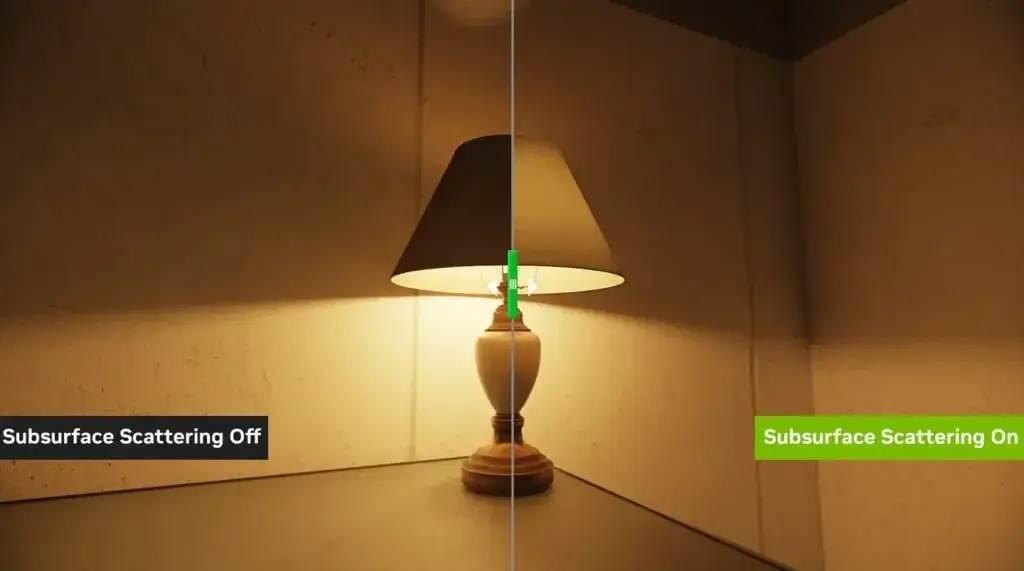
    Moreover, the platform supports a wide range of Physically Based Rendering (PBR) material maps, including reflection, metallicity, roughness, self-illumination, normal, subsurface scattering map channels, and height maps with Parallax Occlusion Mapping (POM) technology. These features contribute to the creation of realistic textured surfaces.

    Realism through Ray Tracing

    By utilizing panoramic ray tracing technology, RTX Remix enables the recreation of lifelike lighting effects. This means that basic lights can now be transformed into physically accurate dynamic lights that cast high-fidelity ray-traced shadows. When combined with enhanced textures featuring PBR properties, the overall gaming experience becomes even more immersive and realistic.

    Remastering Made Easy

    For users involved in remastering efforts, RTX Remix offers multiple views to aid in the modification process. Wireframe mode allows users to inspect polygonal details, while White Mode provides a neutral lighting environment for better observation. With these features, gamers and modders alike can reshape and enhance classic games, elevating them to the visual standards of contemporary titles.

    With the launch of RTX Remix, NVIDIA has provided a powerful platform that empowers users to breathe new life into older games. By incorporating DLSS and ray tracing, this end-to-end solution opens up endless possibilities for game modification and remastering.

  • Nvidia CEO Jensen Huang’s Timely Visit to China Amid Tech Turmoil

    Nvidia CEO Jensen Huang’s Timely Visit to China Amid Tech Turmoil

    Jensen Huang’s Return to China Signifies a Crucial Phase for Nvidia

    The recent visit of Nvidia’s CEO, Jensen Huang, to China marks a pivotal juncture for the giant U.S. chip company. After a four-year absence, Huang’s return highlights the significance of this moment as Nvidia grapples with the intricate dynamics of the Chinese market and the escalating tech tensions between the United States and China.

    Maneuvering Through the US-China Technology Standoff

    The tour undertaken by Huang, spanning key cities like Beijing, Shanghai, and Shenzhen, was not merely a routine excursion. It was a carefully calculated strategic move in response to the challenging environment shaped by stringent U.S. export policies. Embracing the local culture during his visit, Huang engaged in a vibrant Yangge folk dance, symbolizing unity and fortitude in the face of adversities.

    Declining Revenues in the Chinese Market

    Nvidia, a leading figure in the global tech realm, is currently witnessing a significant dip in revenues in China owing to fresh U.S. regulations restricting the export of specific graphics processing units (GPUs) intended for Chinese clientele. These GPUs play a critical role in sectors such as AI, automotive, gaming, and healthcare, where Nvidia has established deep-seated connections.

    Juggling Business Collaborations and US Restrictions

    Huang’s trip to China holds immense significance by exemplifying a delicate balance between nurturing business relationships in China and maneuvering through the complex web of U.S. regulations. Nvidia had already foreseen a substantial decrease in sales to China last November, which had hitherto been a major contributor to its data-center earnings.

    Crafting Products in Adherence to Regulations

    Nevertheless, Nvidia is far from passive in the face of these challenges. The company is actively engaged in the development of new products that align with Chinese market regulations. Huang recognizes the intricacy and time-consuming nature of this process but deems it vital for ensuring Nvidia’s enduring presence in China. Speaking at The New York Times’ DealBook conference, Huang emphasized Nvidia’s dedication to upholding both national security and global competitiveness.

    Nvidia’s Versatility and Forward-Thinking Strategy

    Huang’s collaboration with the U.S. government to fabricate regulation-compliant products underscores Nvidia’s adaptability and forward-thinking approach. Recent comments by U.S. Commerce Secretary Gina Raimondo shed light on a nuanced strategy, indicating that while Nvidia can still vend AI chips in China, they must withhold their most advanced semiconductors.

    Jensen Huang’s visit to China signifies a critical juncture for Nvidia, given the challenges in the Chinese market and the mounting tech tensions between the United States and China. The company’s proactive stance in developing regulation-compliant products underscores its commitment to maintaining a robust foothold in China.

  • CES 2024: NVIDIA’s RTX Remix Empowers Gamers to Remaster Games on Their Machines

    CES 2024: NVIDIA’s RTX Remix Empowers Gamers to Remaster Games on Their Machines

    Nvidia’s RTX Remix, set for its beta release this month, is generating excitement among gaming enthusiasts and modders. The tool promises to revolutionize classic games by incorporating advanced features like ray tracing, resulting in visually stunning experiences. At CES 2024, Nvidia’s GeForce Evangelist, Jacob Freeman, confirmed to IGN that this beta version is not just a teaser; it allows for a complete remastering of classic games from start to finish.

    RTX Remix: A Game-Changer for Modders

    The introduction of this technology in September 2022 has been a game-changer, particularly for those familiar with modding. Freeman emphasized that with the right modding skills, RTX Remix has the potential to completely overhaul classic titles. One notable example is the remastering of Half-Life 2 by Orbifold Studios, which showcased the capabilities of RTX Remix in enhancing game visuals and overall experience.

    Proof of Concept: Portal RTX and Half-Life 2 RTX

    Portal RTX and the in-development Half-Life 2 RTX, created using earlier versions of RTX Remix, provide a glimpse into the tool’s prowess. These projects have not only set a new standard for game remastering but also served as concrete evidence of the tool’s effectiveness. Nvidia’s confirmation further solidifies the tool’s capabilities, instilling confidence in both curious modders and gamers.

    Rejuvenating Classics: The Power of RTX Remix

    Introduced in September 2022, RTX Remix quickly caught the attention of the gaming community with its demo remaster of The Elder Scrolls III: Morrowind. This demonstration showcased how even older games could be revitalized, offering a modern visual experience while preserving their original charm. For gamers, RTX Remix is not just another modding tool; it is a gateway to rediscovering beloved classics in a new light, allowing old favorites to shine for a new generation of gamers.

  • Automated Driving Systems Collaboration: Nvidia Partners with Top Chinese EV Brands

    Automated Driving Systems Collaboration: Nvidia Partners with Top Chinese EV Brands

    Nvidia Makes Strides in China's EV Market with Leading Brands

    Nvidia, the renowned semiconductor company, has overcome previous challenges to establish a strong presence in China's rapidly growing electric vehicle (EV) market. At the recent CES technology conference in Las Vegas, Nvidia announced that four prominent Chinese EV brands, namely Li Auto, Great Wall Motor, Zeekr, and Xiaomi's new EV unit, will be integrating Nvidia's DRIVE technology for automated driving systems.

    Meeting the Demand for Advanced Semiconductors in China

    China's EV sector is evolving at a remarkable pace, with local manufacturers striving to enhance in-vehicle infotainment and automated driving capabilities. This competition has created opportunities for companies like Nvidia, Intel, and Qualcomm, who are eager to supply the necessary advanced semiconductors. However, US-based firms face the challenge of meeting the high demand for powerful chips in China while navigating the strict US export controls on advanced semiconductors.

    Nvidia's Involvement Goes Beyond Chip Supply

    Nvidia's presence in the Chinese EV market extends beyond chip supply. The company is collaborating with industry giants such as advertising firm WPP and carmaker Lotus, along with six others, to revolutionize online car shopping. Their joint efforts aim to develop shopping platforms that feature three-dimensional and lifelike graphics. Danny Shapiro, Nvidia's Vice-President for automotive, highlighted the potential of these platforms to enhance the car buying experience.

    Leveraging Nvidia's Chips for AI Development

    A growing trend in China involves non-tech Chinese firms leveraging the capabilities of Nvidia's chips, leading to positive impacts on their stock performance and advancements in artificial intelligence (AI) development. Nvidia's expansion in China, despite regulatory challenges, demonstrates its commitment to maintaining a significant role in the global semiconductor industry and its ability to adapt to a dynamic landscape.

    Nvidia's collaboration with leading Chinese EV brands and its efforts to revolutionize online car shopping highlight the company's commitment to innovation and its determination to remain at the forefront of technological advancements in the automotive industry. With its DRIVE technology and strategic partnerships, Nvidia is poised to shape the future of automated driving systems and redefine the car buying experience in China and beyond.

  • Nvidia Readies Its Most Affordable RTX 30 Series Card to Date

    Nvidia Readies Its Most Affordable RTX 30 Series Card to Date

    Nvidia Introduces 6GB Version of RTX 3050 Graphics Card

    Nvidia continues to expand its RTX 3000 series graphics card family with a new addition. Rather than releasing an entirely new model, the company is now working on a variation of the already-discussed RTX 3050. This new version will feature 6 GB of GDDR6 memory.

    Affordable Alternative to the RTX 3050 8GB

    In January 2022, Nvidia unveiled the RTX 3050 graphics card equipped with 8 GB GDDR6 memory and 3072 CUDA cores, priced at $249. Despite some debates about its performance, its affordable price made it a popular choice among consumers. However, Nvidia didn't stop there and began developing a more cost-effective alternative – the 6 GB RTX 3050.

    Product Listing Reveals Details

    A recent product listing for Palit RTX 3050 6GB models from a Russian retailer has unveiled some key specifications of the new GPU. According to the listing, the card will have a base clock of 1042MHz, which is significantly lower than the current RTX 3050 8GB (at 1,552MHz). However, the boost speed and CUDA Core count will remain the same, at 1,777MHz and 2,560 respectively.

    Considerations for Potential Buyers

    While affordability is a priority for many consumers, it's important to consider the trade-offs when opting for the 6 GB Nvidia RTX 3050. Despite having the same CUDA Core count, the lower base clock and vRAM may impact the performance in the games you want to play. It may not be able to deliver the desired level of performance in more demanding games.

    However, for less demanding games and tasks, the 6 GB version could offer significant savings. It's worth noting that some gaming laptops already come with the RTX 3050 featuring less vRAM. Checking performance tests on these models can provide a starting point for potential buyers.

    Overall, the introduction of the 6 GB Nvidia RTX 3050 provides a more affordable option for consumers who prioritize price over high-performance gaming. As Nvidia continues to expand its RTX 3000 series, it will be interesting to see how this new variation is received in the market.

  • NVIDIA Providing China with Latest RTX 4090 Variant for Export

    NVIDIA Providing China with Latest RTX 4090 Variant for Export

    Nvidia’s Response to Global Trade and Technology Regulations

    Nvidia, a well-known semiconductor manufacturer recognized for its cutting-edge graphics solutions, is adapting its product offerings to align with the constantly evolving landscape of worldwide trade and technology regulations.

    Tweaking for Regulatory Compliance

    In response to the newly implemented export control guidelines by the US government, Nvidia has rolled out a slightly modified variant of its RTX 4090 D graphics chip specifically tailored for the Chinese market. This strategic maneuver aims to address China’s rapid strides in the realm of artificial intelligence (AI).

    The recently revealed RTX 4090 D chip maintains its remarkable processing capabilities as a graphics chip while incorporating around a 10% reduction in processing cores compared to its global edition. Through this adjustment, Nvidia ensures adherence to the constraints set forth by the US government without significantly compromising the product’s appeal to Chinese gamers and tech aficionados.

    Adapting to International Regulations

    Nvidia’s choice exemplifies how technology firms are maneuvering through the intricate tapestry of international regulations. By customizing their offerings to meet distinct regional requisites, these corporations can uphold a robust presence in pivotal markets. For Nvidia, this entails fine-tuning its flagship products like the RTX 4090 D to harmonize with US export controls while still satisfying the needs of the Chinese market.

    Striking a Balance between Innovation and Geopolitical Realities

    This strategic decision by Nvidia also mirrors a broader trend in the tech sector, where companies are increasingly challenged with harmonizing technological strides with geopolitical realities. Nvidia’s approach signifies a practical response to these hurdles, ensuring the company’s enduring significance in the global semiconductor domain.

    Commitment to the Chinese Market

    Furthermore, Nvidia’s initiative to tailor its offerings for the Chinese market transcends mere compliance; it represents a strategic step to sustain engagement with one of the globe’s largest markets. Despite the limitations imposed by the US administration, Nvidia’s readiness to tweak its products for China underscores its dedication to a market pivotal for its continual expansion and triumph.

    In Conclusion

    Nvidia’s launch of a marginally less potent iteration of the RTX 4090 D graphics chip exclusively for the Chinese market underscores the company’s adeptness in navigating the complexities of international regulations. By effecting crucial adjustments to their flagship products, Nvidia ensures alignment with US export controls while effectively catering to the demands of the Chinese market. This move not only stresses the necessity for tech entities to juggle innovation and geopolitical considerations but also accentuates Nvidia’s pledge to preserving a formidable presence in the global semiconductor sector.