Tag: Intel Panther Lake

  • Khadas Mind Pro Mini PC Review: Core Ultra X7 358H Gaming Performance

    Khadas Mind Pro Mini PC Review: Core Ultra X7 358H Gaming Performance

    Key Takeaways

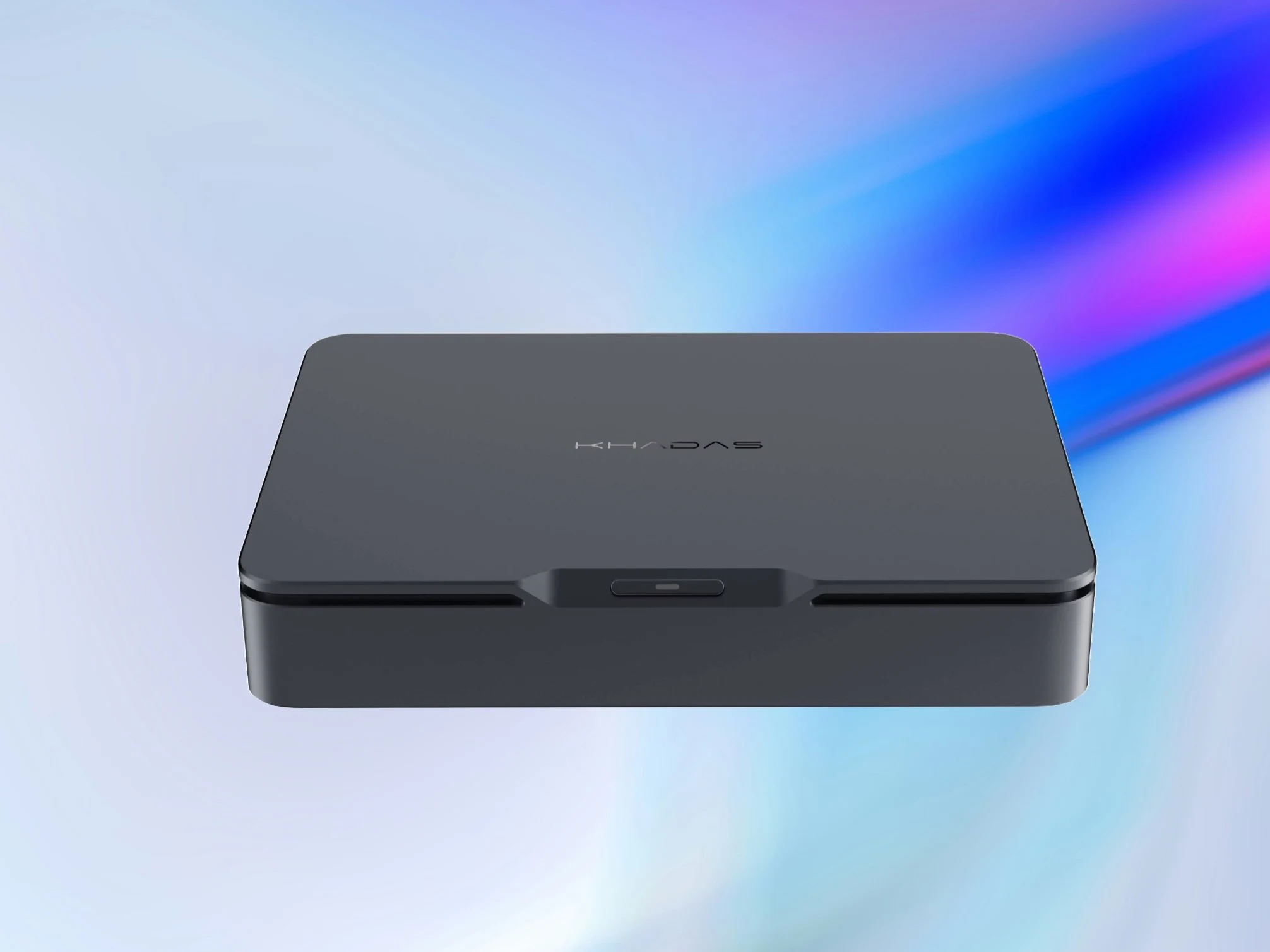
    1. The Khadas Mind Pro is the first mini PC powered by Intel’s Panther Lake, featuring a Core Ultra X7 358H APU with a TDP of 65 W, 64 GB RAM, and up to 4 TB of storage.

    2. Performance tests show the Core Ultra X7 358H’s single-core and multi-core results are comparable to the premium Core Ultra X9 388H.

    3. The integrated Arc B390 GPU scored 7,564 in 3DMark Time Spy, demonstrating strong graphics performance, particularly in gaming.

    4. The Khadas Mind Pro can achieve over 120 FPS in Black Myth Wukong and over 100 FPS in Cyberpunk 2077 using XeSS 3 Multi-Frame Generation.

    5. The mini PC can be enhanced with the Khadas Mind Graphics 2 Dock, which includes a desktop RTX 5060 Ti, transforming it into a powerful workstation for gaming and content creation.


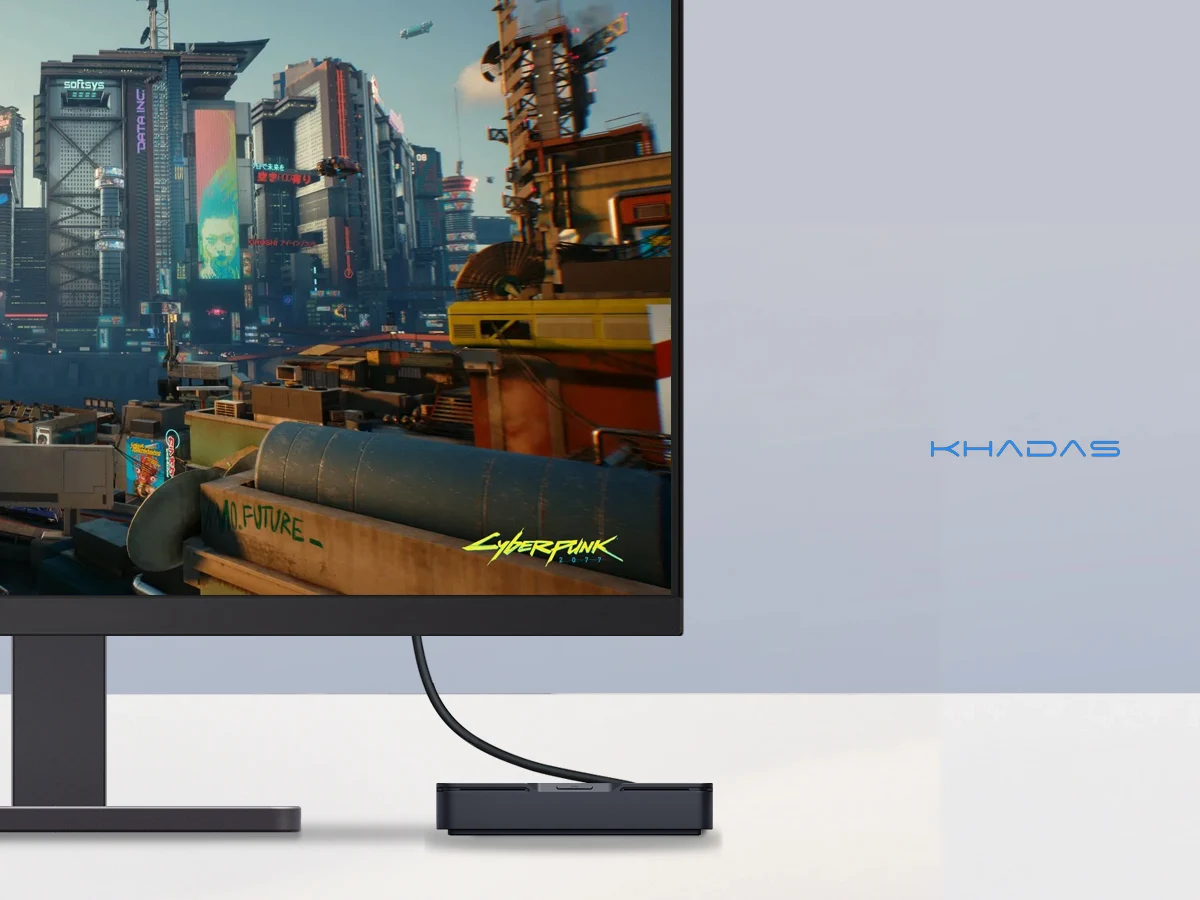
    Khadas has introduced the first-ever mini PC powered by Intel’s Panther Lake series at CES 2026. Named the Khadas Mind Pro, this compact device features a Core Ultra X7 358H APU with a thermal design power (TDP) of 65 W, along with the capability to support up to 64 GB of RAM and 4 TB of storage. Recently, ETA Prime conducted tests on the Khadas Mind Pro using synthetic benchmarks and AAA games, revealing some impressive outcomes.

    Performance Metrics

    In tests for performance, the Core Ultra X7 358H achieved noteworthy scores in Geekbench and Cinebench. The results for single-core and multi-core performance align with previous tests of the Core Ultra X7 358. This indicates that the Khadas Mind Pro’s performance is comparable to the high-end Core Ultra X9 388H model.

    Graphics Capability

    When it comes to graphics, the integrated Arc B390 iGPU of the Core Ultra X7 358H scored 7,564 on the 3DMark Time Spy benchmark, with a GPU score of 6,984. These figures match the top-performing Arc B390 samples recorded in our database, confirming that the 12 Xe-core iGPU operates efficiently within the Khadas Mind Pro.

    Gaming Experience

    As expected from the Arc B390, the Khadas Mind Pro showcases the gaming capabilities of Intel’s X-series Panther Lake APUs. During ETA Prime’s evaluations, the Mind Pro mini PC performed well in various games. Notably, with XeSS 3 Multi-Frame Generation enabled, the Core Ultra X7 358H can run Black Myth Wukong at over 120 FPS at 1080p on high settings, while Cyberpunk 2077 can also exceed 100 FPS with XeSS 3 MFG. A key advantage of XeSS 3 MFG is that Intel’s latency-reducing XeLL technology works effectively, allowing users to enable 4x MFG in supported games without concerns about latency issues.

    Expansion Options

    Additionally, the Khadas Mind Pro can be paired with the Khadas Mind Graphics 2 Dock, which includes a desktop RTX 5060 Ti with 16 GB. This eGPU dock connects to the Mind Pro via the specialized Mind Link PCIe Gen 5 connector. This setup transforms the Mind Pro from a mini PC with a mobile APU into a fully-fledged workstation suitable for gaming, content creation, and AI tasks.

    Khadas is currently taking pre-orders for both the Mind Pro mini PC and the Mind Graphics 2 Dock.

    Source:
    Link


  • Asus Zenbook S16 with AMD Ryzen 400: A Strong Intel Alternative

    Asus Zenbook S16 with AMD Ryzen 400: A Strong Intel Alternative

    Key Takeaways

    1. The Asus Zenbook S16 features upgraded Ryzen AI 400 series processors, specifically the Ryzen AI 9 465, enhancing overall performance.
    2. The laptop’s power limits have been increased, resulting in improved maximum performance, though fan noise can be noticeable in high-performance mode.
    3. Intel’s new Panther Lake processors provide solid performance, but don’t significantly outperform the Zen 5 chip in everyday tasks.
    4. Intel’s new Arc B390 iGPU shows a 70% improvement in GPU performance, making it more appealing for gaming users.
    5. The Zenbook S16 is recommended for users not focused on gaming, as it offers comparable features to Intel’s latest processors without significant differences.


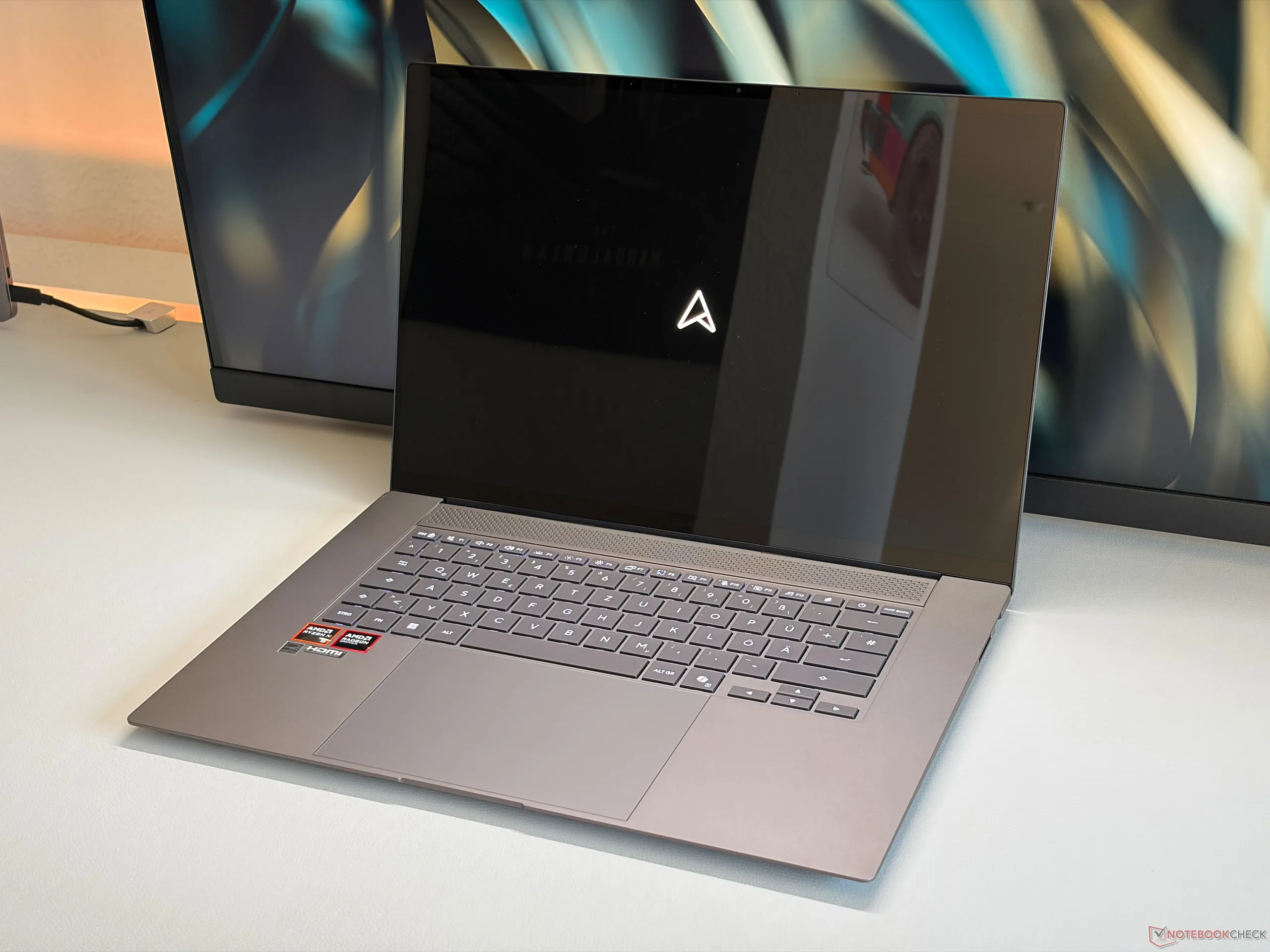
    The Asus Zenbook S16 is a sleek 16-inch laptop that boasts top-notch components. For the year 2026, Asus has upgraded the processors to the Ryzen AI 400 series from AMD. Our test model featured the speedy Ryzen AI 9 465, paired with the integrated Radeon 880M iGPU and 32 GB of RAM, which now performs at a higher speed than previous versions. In our evaluation of the new AMD chip (Gorgon Point), we noted that the overall architecture with the Zen 5 cores has not changed, but the clock speeds have seen a slight boost.

    Enhanced Performance

    Asus managed to boost the power limits, resulting in improved maximum performance when compared to the older model, which was equipped with either the Ryzen AI 9 HX 370 or the Ryzen AI 9 365. However, when you switch to performance mode and push the system to its limits, the fan noise becomes quite noticeable compared to the earlier version. In everyday usage, this high-performance scenario is rare, and the other two power settings operate much more quietly; for instance, silent mode produces just a faint hum.

    Intel’s Latest Offerings

    Recently, Intel released its new Panther Lake processors, which we’ve already evaluated. The two CPUs, Core Ultra X9 388H and Core Ultra X7 358H, also deliver solid CPU performance, but there isn’t a significant performance edge over the Zen 5 chip during daily tasks. The main distinction lies in the new Intel GPU. While AMD and Intel were fairly even last year, Intel has managed to enhance the GPU performance of its new Arc B390 iGPU by approximately 70%.

    Gaming and Recommendations

    This means that the latest Intel processors are particularly appealing for gaming. However, if gaming isn’t your focus, we can confidently suggest the Zenbook S16 with the Ryzen AI 400 processor, as there aren’t any substantial differences in features (both processors also fulfill the requirements for Microsoft’s Copilot+ certification).

  • Lenovo Launches Affordable ThinkBook 14 and 16 G9 IPL Laptops

    Lenovo Launches Affordable ThinkBook 14 and 16 G9 IPL Laptops

    Key Takeaways

    1. Intel’s Panther Lake focuses on high-end CPUs like the Core Ultra X9 and X7, but they may not dominate the market due to their placement in expensive laptops.

    2. Standard Panther Lake processors, such as the Intel Core Ultra 7 355, are aimed at budget-friendly laptops, making them more accessible to common users.

    3. Lenovo has launched new ThinkBook models (14 and 16 inches) featuring basic Panther Lake processors, targeting small and medium-sized businesses.

    4. The new ThinkBooks maintain a similar design to the previous generation but include an additional Thunderbolt 4 port and improved display options.

    5. Pricing for the latest ThinkBooks starts at €929 in Germany, making them significantly cheaper than previous Panther Lake laptops.


    When Panther Lake was introduced by Intel, the spotlight was on its high-end CPUs, especially the Intel Core Ultra X9 and X7. These premium processors attracted a lot of media attention, yet they might not capture a large portion of the market, as they’re likely to be used primarily in pricier laptops.

    Regular CPUs for Common Users

    At the lower end of the spectrum are the standard Panther Lake processors, such as the Intel Core Ultra 7 355. This eight-core chip features a less powerful integrated GPU, making it less thrilling, but it will be far more prevalent, powering budget-friendly laptops like Lenovo’s new ThinkBook 14 G9 IPL and ThinkBook 16 G9 IPL.

    Lenovo’s New Offerings

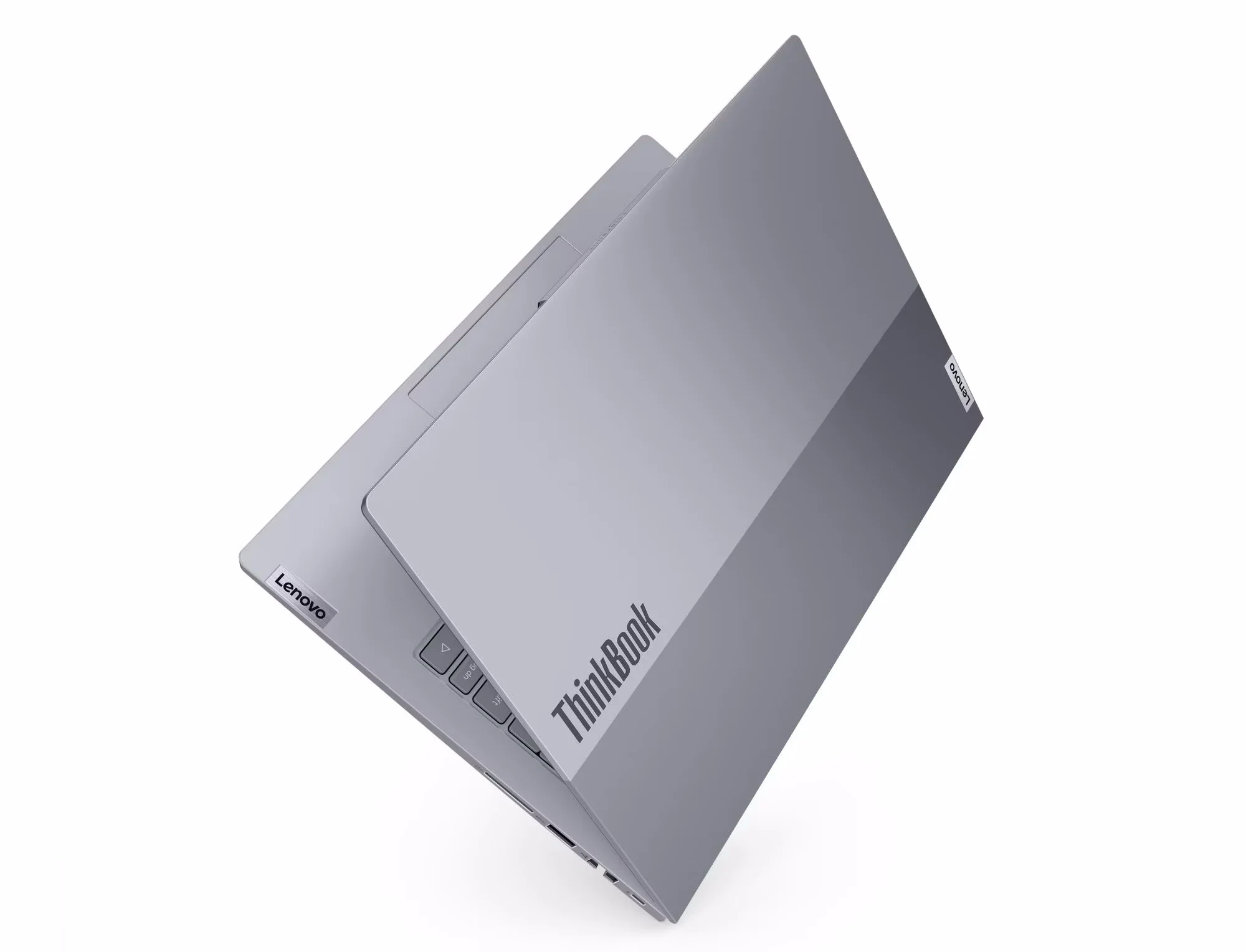
    Lenovo has quietly rolled out these two models via their PSREF database, without much publicity. These laptops are designed for small and medium-sized businesses, coming with 14- and 16-inch screens. The ThinkBooks are equipped with basic Panther Lake processors, which range from the Intel Core Ultra 5 325 to the Core Ultra 7 355.

    In comparison to the previous generation, the 8th-gen ThinkBooks, like the ThinkBook 14 G8 (available on Amazon), don’t show significant changes, as the design remains the same. Besides the updated CPUs, the new ThinkBooks now come with an extra Thunderbolt 4 port instead of a standard USB-C. The 14-inch version even offers a new WQXGA (2,560 x 1,600) IPS 120 Hz display option. Moreover, the battery capacity has increased from 60 to 64 Wh on the smaller model, and there’s a new 5 Mpix webcam option, up from the previous 1080p limit.

    Pricing Insights

    The pricing of the latest ThinkBooks is particularly noteworthy. In Germany, they are already listed with prices starting at €929, which is about €400 cheaper than the previously least costly Panther Lake laptop.

    Source:
    Link


  • Dell XPS 14 (2026) Boosts Battery Life 55% Over 2025 Model

    Dell XPS 14 (2026) Boosts Battery Life 55% Over 2025 Model

    Key Takeaways

    1. Dell has improved the XPS line with the new Dell XPS 14 for 2026, featuring significant upgrades over previous models.
    2. The Dell XPS 14 (2026) received an improved rating of 87%, up from 83% for the Dell 14 Premium.
    3. The 2026 model boasts an impressive battery life of 16 hours and 45 minutes, significantly better than the 2025 and 2024 versions.
    4. The Intel Core Ultra X7 358H Panther Lake APU contributes to a 55% longer battery life compared to the Dell 14 Premium and 216% longer compared to the 2024 Dell XPS 14.
    5. The performance of Intel’s Panther Lake APUs has enhanced GPU performance and battery longevity, but concerns remain about potential high pricing.


    After facing strong criticism from fans regarding the controversial redesign of the XPS in 2024 and the total rebranding to “Dell Premium” in 2025, it seems like Dell has regained its confidence. The new Dell XPS 14 for 2026 shows significant improvements compared to the 2025 Dell 14 Premium and the 2024 XPS 14. The standout feature of the Dell XPS 14 (2026) is the inclusion of an Intel Panther Lake APU, which makes a substantial impact.

    Improved Ratings

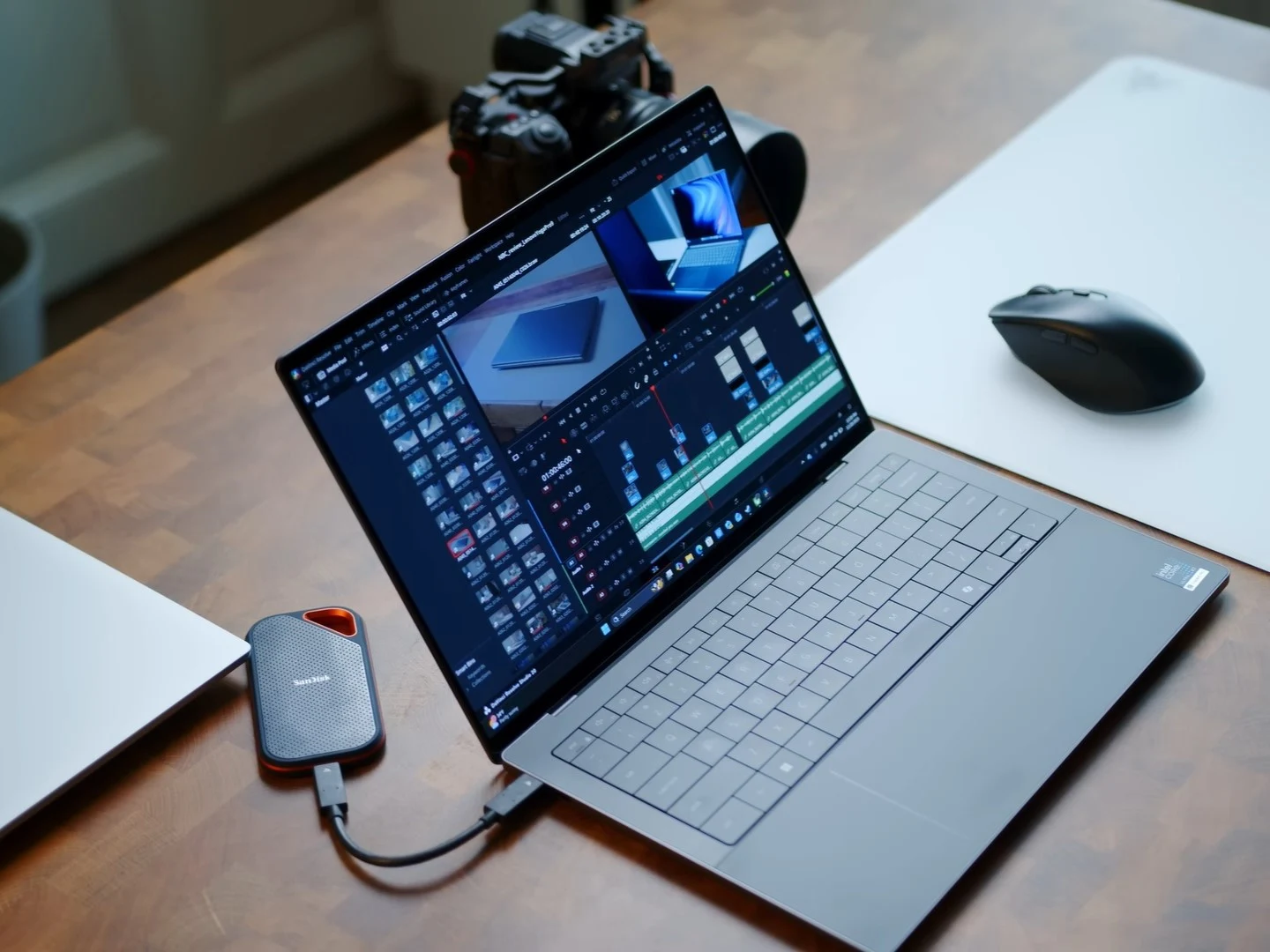
    In our comprehensive review of the Dell XPS 14 2026 equipped with the Core Ultra X7 358H, we awarded it a score of 87%, a notable increase from the 83% we gave the Dell 14 Premium last year. A major factor contributing to this excellent rating is the enhanced battery life. We are pleased to share that the Dell XPS 14 for 2026 achieved a remarkable 16 hours and 45 minutes in our WLAN test, conducted at 150 nits using the Balanced performance setting.

    Battery Life Comparison

    To give you some context, the Dell 14 Premium, which has a similar 69.5 Wh battery, only lasted 10 hours and 48 minutes during the same battery test. The comparison becomes even more striking when looking at the 2024 Dell XPS 14, which managed just 7 hours and 45 minutes with the same 69.5 Wh battery.

    In simpler terms, the Intel Core Ultra X7 358H Panther Lake APU offers an outstanding power efficiency, resulting in a 55% longer battery life for the 2026 Dell XPS 14 compared to the Dell 14 Premium. When comparing the latest Dell XPS 14 with Intel Panther Lake to the 2024 Dell XPS 14 with Intel Meteor Lake, the difference in battery life is an astonishing 216%.

    Conclusion and Pricing

    As we have noted with other laptops powered by Intel’s Panther Lake, the new Dell XPS 14 (2026) clearly shows that Intel has excelled with the Core Ultra 300 series APUs, especially regarding GPU performance and battery longevity. Now, we can only hope that the prices for Intel Panther Lake laptops don’t end up being as high as some leaks have suggested.

  • High-End Intel Panther Lake Laptops Priced Up to $2,400

    High-End Intel Panther Lake Laptops Priced Up to $2,400

    Key Takeaways

    1. Intel’s Panther Lake laptops feature the Core Ultra 300 series APUs, which offer strong graphics performance and energy efficiency.
    2. The price range for these laptops is between $1,400 and $2,400, with an average cost of around $2,100.
    3. High memory costs are significantly impacting the pricing of Panther Lake laptops, leading to recommendations to wait for the upcoming Lunar Lake models.
    4. Panther Lake’s high costs were anticipated due to advanced manufacturing processes used for the CPU and GPU components.
    5. Consumers should expect to invest around $2,000 for laptops featuring the Core Ultra X9/X7 APUs and Arc B390 GPU.


    With the reviews for Intel’s Panther Lake laptops now available, it’s clear that the company has made significant advancements with the Core Ultra 300 series APUs. The Core Ultra X9/X7 APUs, equipped with the Arc B390 integrated GPU, stand out for their remarkable energy efficiency and strong graphics performance. Nevertheless, the laptops that utilize these Panther Lake Core Ultra X9 and X7 chips are expected to come with a hefty price tag.

    Pricing Insights

    According to insights shared by Moore’s Law Is Dead, based on information from various retail and OEM channels, the price range for Intel Panther Lake laptops is between $1,400 and $2,400. The average cost hovers around $2,100. Furthermore, a major OEM indicated to MLID that the pricing for the top-tier Panther Lake models is comparable to AMD’s Strix Halo machines. This suggests that even though Intel claims its Core Ultra 300 series and AMD’s Ryzen AI Max+ Strix Halo APUs are not in direct competition, these leaked prices are likely to create a rivalry between Team Blue and Team Red.

    Factors Affecting Costs

    The same OEM source also pointed out that the high costs of memory are playing a significant role in the pricing of Panther Lake laptops. As a result, they recommended that consumers looking to save money should consider waiting for Lunar Lake laptops, which are expected to be released in 2026. Intel’s Lunar Lake APUs are expected to rival Panther Lake in terms of efficiency and single-core performance. Thus, if advanced graphics and multi-core performance offered by the Core Ultra X9/X7 APUs are not essential to you, laptops based on the Core Ultra 200 series might be sufficient (you can find one on amazon.com).

    Expectations vs. Reality

    While the pricing details from MLID may not be what some enthusiasts hoped for, the high cost of the Core Ultra 300 APUs was anticipated. The CPU components of the Intel Panther Lake APUs are manufactured using Intel’s cutting-edge 18A process node, which is costly. Additionally, Intel has opted for the TSMC N3E 3 nm node for the Arc B390 integrated GPU, which has also seen rising prices due to ongoing increases.

    So, if you’re interested in acquiring an Intel Panther Lake laptop, particularly one featuring the Arc B390, be ready to invest around $2,000.

    Source:
    Link


  • Core Ultra X7 358H vs. Core Ultra 7 255H: Panther Lake Performance

    Core Ultra X7 358H vs. Core Ultra 7 255H: Panther Lake Performance

    Key Takeaways

    1. Intel is launching Panther Lake-H with two new models: Core Ultra X7 358H and Core Ultra X9 388H, replacing the Arrow Lake-H series.
    2. The integrated Arc B390 GPU shows significant improvement over the previous Arc 140T/140V series.
    3. The Asus ExpertBook Ultra with Core Ultra X7 outperforms older 14-inch laptops, maintaining stable Turbo Boost clock rates during heavy use.
    4. Panther Lake CPUs, while performant, can reach high temperatures (around 89 C) under prolonged heavy loads, which is hotter than many competitors.
    5. More laptops with Panther Lake are expected in Q2, with the MSI Prestige series being a notable upcoming release.


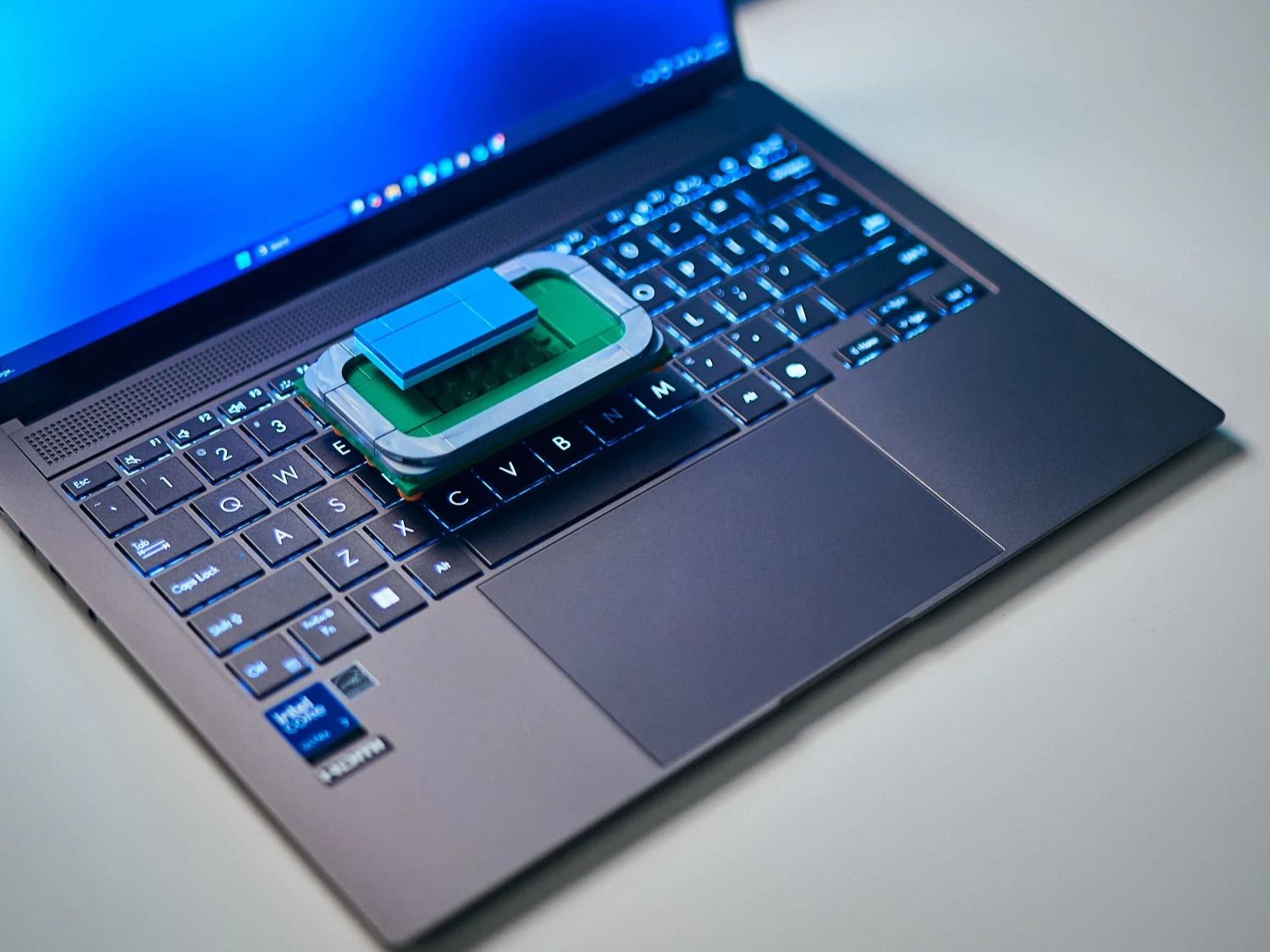
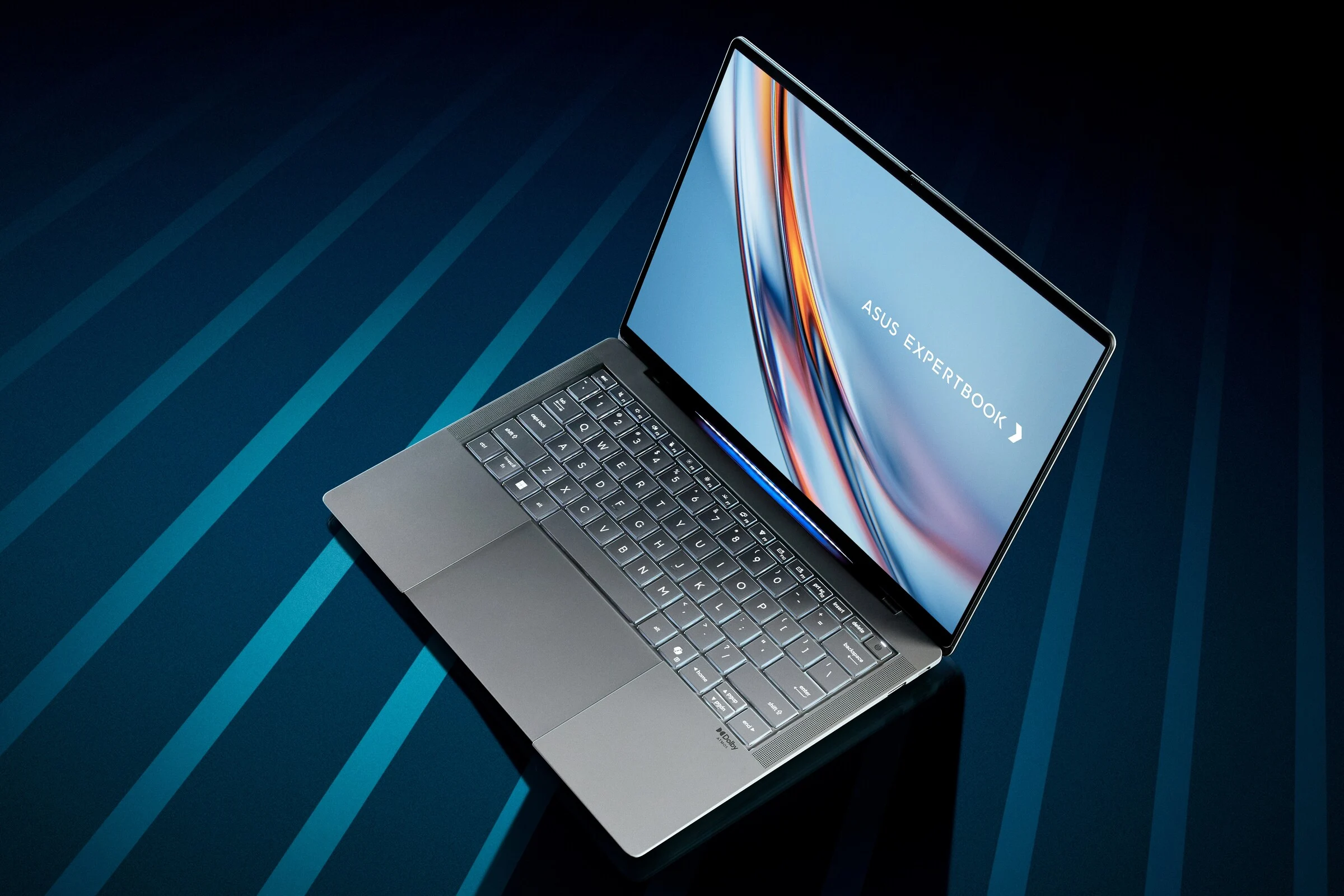
    Intel is launching Panther Lake-H with two strong SKUs: the Core Ultra X7 358H and the Core Ultra X9 388H. These are set to take the place of the previous Arrow Lake-H models, the Core Ultra 7 255H and Core Ultra 9 285H. Although the new integrated Arc B390 GPU is being praised for its significant improvement over the Arc 140T/140V series, the performance gains in the CPU department from one generation to the next are not as marked. Still, the immediate benefits are certainly noteworthy.

    Performance Comparison

    The graphs below demonstrate that the Asus ExpertBook Ultra equipped with the Core Ultra X7 outpaces and outperforms other 14-inch laptops that have the older Core Ultra 7 255H. This indicates that Turbo Boost clock rates remain stable for longer durations on the Asus, while they tend to decrease more quickly in Arrow Lake-H subnotebooks. For instance, when running CineBench R15 xT repeatedly, the Asus maintains relatively stable scores, in contrast to the Lenovo Yoga Book 9 14, which experiences a performance drop of nearly 25 percent.

    Heat Management Issues

    However, this improved and consistent performance comes at a cost. Under heavy loads for prolonged periods, the Panther Lake CPU in the Asus tends to stabilize at about 89 C, making it noticeably hotter than many other 14-inch laptops, which typically range from mid 70 C to mid 80 C. Moreover, there is no assurance that upcoming models featuring Panther Lake will maintain the same performance levels as the Asus, especially since the CPU is engineered to operate dynamically across various power envelopes to accommodate different screen sizes.

    Future Availability

    More laptops utilizing Panther Lake are anticipated to be released in the second quarter of this year, with the completely revamped MSI Prestige series being a significant highlight. Until then, users can explore our review of the ExpertBook Ultra for additional early benchmarks and comparisons.

  • Core Ultra X7 358H and Asus ExpertBook Ultra: A Perfect Match?

    Core Ultra X7 358H and Asus ExpertBook Ultra: A Perfect Match?

    Key Takeaways

    1. The Intel Panther Lake’s built-in Arc B390 GPU offers 1.5 to 2 times the graphics performance compared to previous models without AI upscaling.
    2. Thin-and-light laptops can achieve higher speeds with less noise and longer battery life due to the new GPU.
    3. The Asus ExpertBook Ultra requires mains power for optimal processor performance, resulting in a 10 to 15 percent drop when using battery.
    4. Many laptops with integrated GPUs do not experience significant performance loss on battery, unlike the ExpertBook Ultra.
    5. Despite battery performance limitations, the ExpertBook Ultra remains one of the fastest 14-inch laptops in its weight class.


    Arguably, one of the biggest advantages of moving to Intel Panther Lake is its new built-in Arc B390 GPU. This GPU operates within similar power limits as the prior Arc 140V/140T series or the competing AMD Radeon 890M, yet it delivers between 1.5 to 2 times the raw graphics performance, not even counting any AI upscaling. As a result, thin-and-light laptops can perform at higher speeds than before without needing noisier fans or shorter battery life.

    Dependence on Power Supply

    On the Asus ExpertBook Ultra, the highest processor performance comes with a specific requirement: it must be plugged into mains power. As indicated by the screenshots below, using battery power can reduce performance by about 10 to 15 percent. The MyAsus software even displays a red warning saying, “this performance mode is not supported when using the battery as the power source.”

    Performance Comparison with Other Laptops

    The performance reduction while on battery is notable, since most other laptops featuring integrated GPUs do not show such a significant decline. For instance, the Dell 14 Premium equipped with Arrow Lake-H has a much smaller performance gap between mains and battery operation.

    Despite this performance drop when not plugged in, the ExpertBook Ultra still stands out as one of the fastest 14-inch laptops in its weight category. We suggest taking a look at our comprehensive review of the Asus system for additional benchmarks and comparisons.


  • Lenovo IdeaPad Pro 5i Gen 11: 30+ Hour Battery Life Unveiled

    Lenovo IdeaPad Pro 5i Gen 11: 30+ Hour Battery Life Unveiled

    Key Takeaways

    1. The Intel Panther Lake APUs, like the Core Ultra X9 388H, offer strong integrated graphics, multi-core performance, and energy efficiency for multimedia laptops in 2026.

    2. The Lenovo IdeaPad Pro 5i Gen 11 shows a significant battery life improvement, lasting over 30 hours on a single charge during web browsing tests.

    3. Compared to its predecessor, the IdeaPad Pro 5i Gen 9, the Gen 11 features a larger battery but provides three times the battery life efficiency.

    4. The Gen 11 can play video for 23.5 hours at 200 nits brightness, outperforming the Gen 9’s video playback time while idling, though it still lags behind Apple M5 and Qualcomm Snapdragon X Elite in local media playback.

    5. Overall, Intel Panther Lake APUs demonstrate impressive energy efficiency, reducing concerns about battery life in Windows laptops.


    The Intel Panther Lake APUs are currently getting a lot of attention, and it’s easy to see why. With impressive integrated graphics performance, outstanding multi-core capabilities, and remarkable energy efficiency, processors such as the Core Ultra X9 388H can greatly enhance multimedia Windows laptops in 2026. A notable example is the Lenovo IdeaPad Pro 5i Gen 11, which was unveiled at CES 2026.

    Battery Life Breakthrough

    Lenovo appears to have made significant improvements in battery life with the IdeaPad Pro 5i Gen 1. Tests run by Hardware Canucks and Zip Tie Tech reveal that this laptop can operate for an astonishingly long time on a single charge. In Hardware Canucks’ web browsing test, conducted with the brightness set to 150 nits and a refresh rate of 60 Hz, the IdeaPad Pro 5i Gen 11 lasted an amazing 30 hours and 34 minutes.

    Impressive Comparisons

    To illustrate the advancement, our battery life assessment of the IdeaPad Pro 5i Gen 9, which uses the Intel Core Ultra 9 185H, showed that it only managed 10 hours and 39 minutes. While the IdeaPad Pro 5i Gen 11 features a 99.99 Wh battery compared to the Gen 9’s 84 Wh battery, it’s worth noting that the Gen 11 lasts three times longer on just a 19% larger battery.

    This is a remarkable leap forward by Intel in just two generations.

    Video Playback Efficiency

    Looking at the results from Zip Tie Tech, the Lenovo IdeaPad Pro 5i Gen 11 with the Core Ultra X9 388H managed to play video for 23.5 hours at a brightness level of 200 nits. In contrast, the IdeaPad Pro 5i Gen 9, when idling at the lowest brightness, lasted 22 hours and 18 minutes in our tests. This means that the latest IdeaPad Pro 5i Gen 11 can stream video for a longer duration at 200 nits than the older Gen 9 can do while idling.

    It’s important to note that the Apple M5 and Qualcomm Snapdragon X Elite outperform Intel’s Panther Lake in terms of battery life when it comes to playing locally stored media, as stated by Hardware Canucks. Whether this is due to superior media engines in the Apple M5 or the need for better optimization on Intel Panther Lake drivers is still unclear.

    In short, Intel Panther Lake APUs appear to be quite efficient in terms of energy use. We have reached a point where, if you’re using a Windows laptop with an Intel Panther Lake APU, it’s quite likely you won’t need to stress about battery life anymore.

    Source:
    Link


  • Khadas Mind Pro Mini PC with Panther Lake iGPU Early-Bird Discount

    Khadas Mind Pro Mini PC with Panther Lake iGPU Early-Bird Discount

    Key Takeaways

    1. The Khadas Mind Pro mini PC, featuring Intel Core Ultra X7 358H, is available for pre-order at a discount price of $1,799 until March 27, 2026.
    2. Future configurations may include a lower-priced 32GB/1TB version and a high-end model with 96GB RAM using the Core Ultra X9 388H, with no pricing details yet.
    3. The built-in Arc B390 GPU performs nearly as well as the Nvidia RTX 4050 Laptop GPU, allowing smooth gameplay for most AAA games at FHD to QHD resolutions.
    4. The Mind Graphics 2 Dock offers an external Nvidia RTX 5060 Ti GPU, but the Mind Pro’s PCIe 5.0 x4 bandwidth limits performance compared to the previous model’s x8 speeds.
    5. The Core Ultra X7 358H supports PCIe 4.0 x8, making the Mind Pro compatible for external GPU setups despite the bandwidth limitation.


    A few mini PCs were unveiled at CES 2026, and one standout is the Khadas Mind Pro. This Intel Panther Lake mini PC is now up for pre-order, and early customers can benefit from a special discount.

    Pricing and Availability

    Between January 27 and March 27, 2026, the mini PC featuring the Intel Core Ultra X7 358H, 64GB of LPDDR5x RAM, and a 2TB NVMe SSD can be purchased for $1,799. This represents a saving of $200 off the standard price of $1,999 for this setup.

    Future Configurations

    This may not be the only setup available for the Panther Lake Mind Pro. The company has indicated that they plan to release a 32GB/1TB version at a lower price later on. Additionally, there could be a high-end model with 96GB of RAM, using the Core Ultra X9 388H. However, there’s no information yet regarding the pricing of these configurations.

    Performance Insights

    Focusing on the Core Ultra X7 358H setup, this Panther Lake chip comes with the Arc B390 integrated GPU. Our tests show that this built-in GPU can perform nearly as well as the Nvidia RTX 4050 Laptop GPU, meaning the Khadas Mind Pro should be able to run most AAA games smoothly at FHD to QHD resolutions.

    If you require more GPU power, Khadas offers the Mind Graphics 2 Dock, equipped with the Nvidia RTX 5060 Ti 16GB desktop GPU (currently priced at $324.99 for the 8GB Gigabyte Aero on Amazon). This external GPU connects to the mini PC through the proprietary Mind Link. However, the interface on the Mind Pro is restricted to PCIe 5.0 x4 bandwidth, whereas the earlier Mind 2S model could handle PCIe 5.0 x8 speeds.

    Bandwidth Differences

    This limitation arises because the Core Ultra X7 358H supports fewer PCIe 5.0 lanes compared to the Core Ultra 255H used in the Mind 2S. Nevertheless, it does support PCIe 4.0 x8, making the Mind Pro suitable for an external GPU setup.

    Khadas via: Liliputing

    Source:
    Link


  • Intel Panther Lake Core Ultra X9 Beats AMD Strix Halo in 2026

    Intel Panther Lake Core Ultra X9 Beats AMD Strix Halo in 2026

    Key Takeaways

    1. The Intel Core Ultra X9 388H shows significant improvements in multi-core performance and power efficiency.
    2. The 12-core Arc B390 integrated GPU (iGPU) demonstrates exceptional performance, achieving over 30 FPS in Cyberpunk 2077 at 1080p on ultra settings with low power consumption.
    3. Intel’s Panther Lake APUs are set to dominate the handheld gaming market by 2026, outperforming competitors like AMD’s Radeon 8060S at lower power levels.
    4. At 15 and 20 watts, the Core Ultra X9 388H consistently outperforms the AMD Ryzen AI Max+ 395, achieving higher frame rates in games like Black Myth Wukong.
    5. The Intel Panther Lake APUs fully support XeSS 3 with Multi-Frame Generation, enhancing gaming performance compared to the AMD Strix Halo.


    First impressions of the Intel Panther Lake Core Ultra X9 388H APU have been released, and it looks like Intel has really outdone themselves. After thoroughly examining the Core Ultra X9 388H, we discovered that Intel has significantly improved both the multi-core performance and power efficiency of this new model.

    Impressive iGPU Performance

    One of the most remarkable features of the Core Ultra X9 388H is its 12-core Arc B390 integrated GPU (iGPU). This new iGPU shows exceptional performance improvements compared to the previous Arc 140V and AMD Radeon 890M. It performs especially well at low thermal design power (TDP) levels, up to 30 watts. For example, during our tests, the Arc B390 achieved over 30 FPS in Cyberpunk 2077 at 1080p on ultra settings without utilizing Frame Generation, and it was limited to just 20 watts. Reports indicate that the Arc B390 can compete effectively with the Radeon 8060S found in the Strix Halo at these lower TDP levels.

    Dominating Handheld Gaming

    Looking at The Phawx’s benchmarks for the Core Ultra X9 388H under lower power constraints, it’s evident that Intel’s Panther Lake APUs are poised to take over the handheld gaming market by 2026. In the game Black Myth Wukong, the Arc B390 in the Core Ultra X9 388H ran the game at 30 FPS at 720p on low settings while consuming only 10 watts.

    When we raised the TDP to 15 watts, the average frame rate increased to 46.6 FPS, with 1% lows sitting at 37 FPS. The Radeon 8060S could only reach an average of 39 FPS and 1% lows of 31.8 FPS at the same power level. Moreover, the Core Ultra X9 388H slightly outperformed the AMD Strix Halo at 20 watts.

    Performance Comparison in 1080p

    The results at 1080p for Black Myth Wukong followed a similar trend. The Core Ultra X9 388H clearly outperformed the Ryzen AI Max+ 395 at both 15 watts and 20 watts. At 15 watts, the Core Ultra X9 388H averaged 29.3 FPS, while the AMD Strix Halo was at 22.6 FPS. As we increased the power to 20 watts, both APUs saw significant performance boosts, but the Intel Panther Lake APU had a notable lead of 23%, achieving an average of 37.8 FPS compared to 30.7 FPS for the Ryzen.

    A comparable performance was observed in Cyberpunk 2077 using the Steam Deck preset, as well as in Deus Ex: Mankind Divided and Doom: The Dark Ages.

    In conclusion, at lower power limits, the Core Ultra X9 388H paired with the Arc B390 easily surpasses the AMD Ryzen AI Max+ 395 Strix Halo APU, which only starts to lead when power exceeds 30 watts. As things look right now, the Intel Panther Lake APUs with the Arc B390 seem to be excellent options for handheld gaming devices.

    This becomes even more apparent when considering that, unlike the Strix Halo, the Intel Panther Lake APUs fully support the latest XeSS 3 with Multi-Frame Generation, which greatly enhances average FPS, as we highlighted in our analysis of the Arc B390.

    Source:
    Link