Key Takeaways
1. The Asus ROG Xbox Ally X shows improved performance over the standard ROG Ally, with the Ryzen Z2 Extreme being 10-15% faster in gaming.
2. Intel’s Panther Lake iGPU may outperform the Ryzen Z2 Extreme by 72%, based on leaked benchmark results.
3. The Ryzen Z2 Extreme operates at a maximum TDP of 55 W, while the Panther Lake Core Ultra X9 388H has a limit of 45 W, suggesting potential efficiency benefits for Intel.
4. If Intel’s performance claims hold true, upcoming handheld consoles with Panther Lake APUs may compete strongly against AMD-based devices.
5. Final validation of Intel Panther Lake’s performance will come with retail samples, indicating potential advancements in handheld gaming technology.
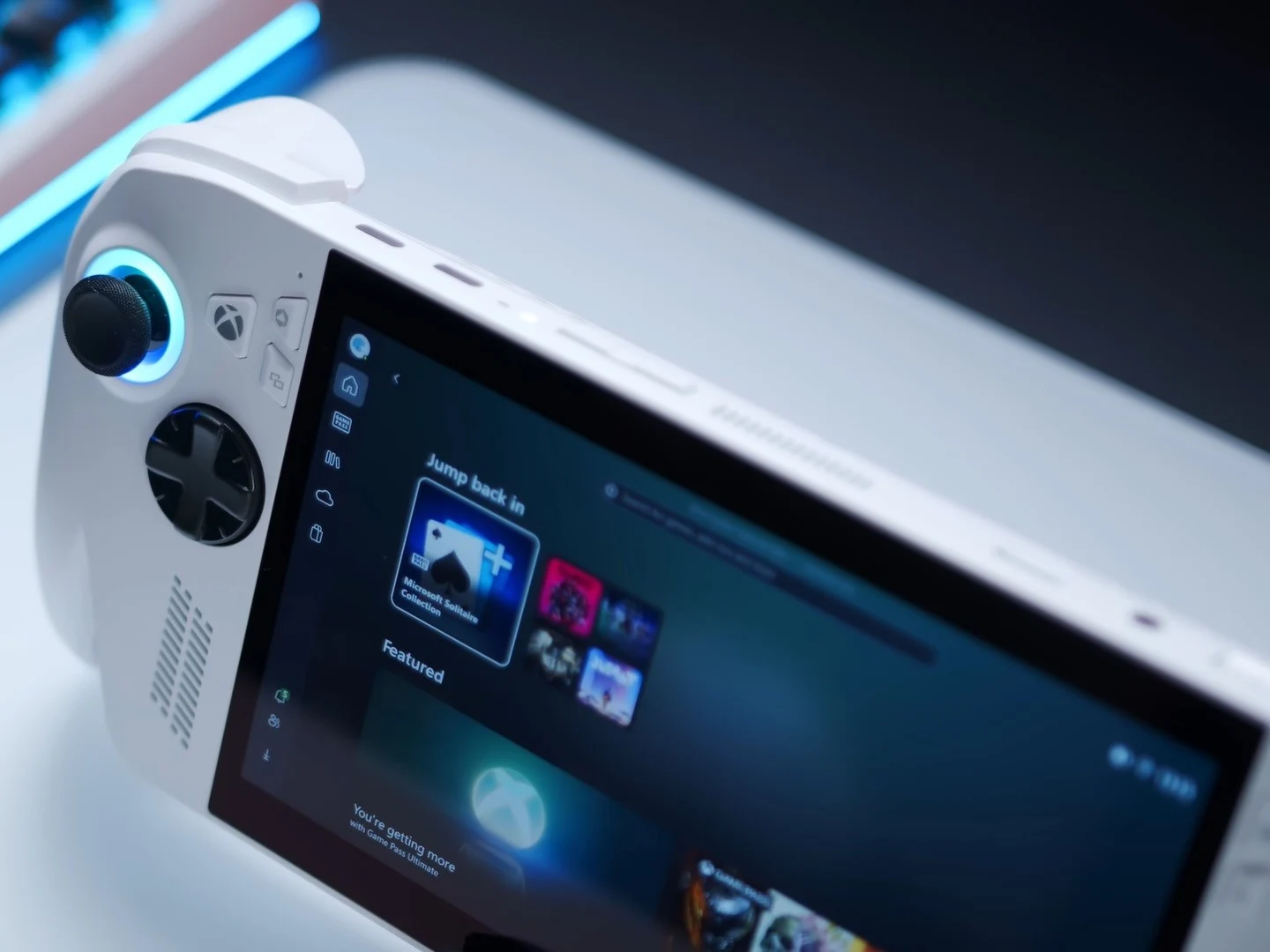
Initial impressions of the first Xbox-branded handheld gaming device, the Asus ROG Xbox Ally X, are now available. From our evaluations, this console shows enhancements over the standard Asus ROG Ally in nearly every noticeable aspect. This includes performance, with the Asus ROG Xbox Ally X featuring the Ryzen Z2 Extreme and its Radeon 890M being approximately 10-15% quicker in gaming compared to the ROG Ally X’s Z1 Extreme SoC.
Performance Comparison
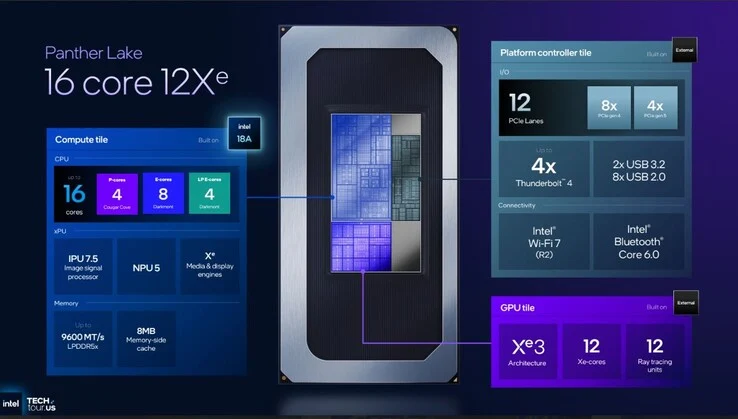
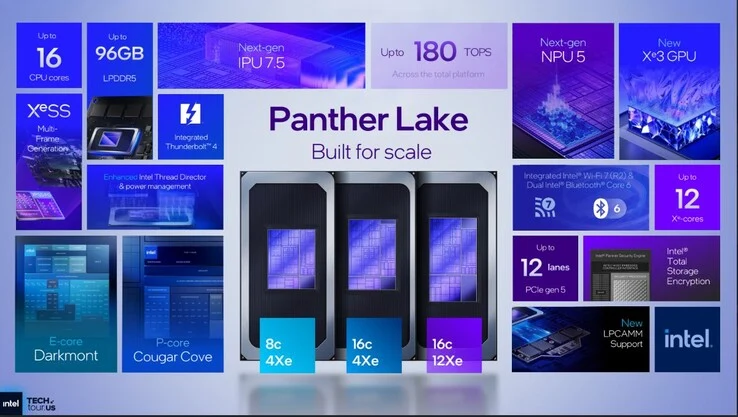
Even though this performance gap is promising, it appears that Intel’s latest Panther Lake iGPU could be significantly faster based on leaked 3DMark Time Spy Graphics results. In our review of the Asus ROG Xbox Ally X, we observed that the Ryzen Z2 Extreme, when in “Turbo” mode with a maximum TDP of 55 W, achieved a score of 3,620 points in the 3DMark Time Spy Graphics benchmark. According to the recently leaked scores from Intel’s Panther Lake, the 12 Xe-core Panther Lake iGPU leads by an impressive 72% over the Radeon 890M found in the Asus ROG Xbox Ally X. It’s important to mention that the Intel chip used in the test was paired with faster memory (8,533 MT/s compared to 8,000 MT/s), which likely contributes to its superior performance.
Power Consumption and Future Prospects
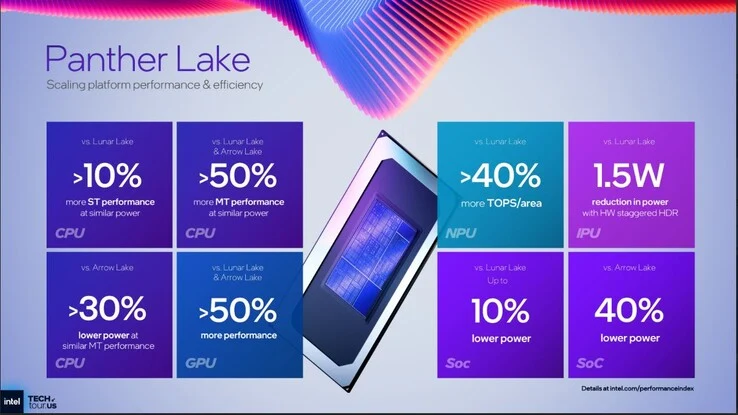
Additionally, we must remember that the Ryzen Z2 Extreme was allowed to use a maximum TDP of 55 W, while the top-tier Panther Lake chip, the Core Ultra X9 388H, is said to have a limit of 45 W. Thus, the Intel Panther Lake Core Ultra X9 388H may not only outperform the Ryzen Z2 Extreme in gaming but could also operate more efficiently in terms of power consumption. If these synthetic test results hold true for actual gaming scenarios, upcoming portable consoles featuring Intel Panther Lake APUs will likely compete strongly against AMD-based handheld devices.
In conclusion, we will need to wait for retail samples of Intel Panther Lake to validate these claims. As of now, Intel Panther Lake APUs might just be the handheld gaming processors that Team Blue has been promising us.
Source:
Link