Tag: Intel Panther Lake

  • Asus ROG Zephyrus Duo 16: Dual OLED Screens & Intel CPUs Upgrade

    Asus ROG Zephyrus Duo 16: Dual OLED Screens & Intel CPUs Upgrade

    Key Takeaways

    1. The ROG Zephyrus Duo 16 has been updated with Intel’s Panther Lake platform, featuring a 16-core CPU and enhanced Nvidia Blackwell GPU options (RTX 5070 Ti and RTX 5090).

    2. Memory and storage options are limited, with the RTX 5090 model offering 64 GB RAM and 2 TB storage, while the RTX 5070 Ti model has 32 GB RAM and 1 TB storage.

    3. Both models include a 90 Wh battery, 1080p webcam, multiple USB ports, HDMI 2.1, and a micro SD card reader.

    4. The new display features two 16-inch WQXGA OLED screens with a 120 Hz refresh rate, enhancing its gaming capabilities.

    5. The ROG Zephyrus Duo 16 will launch in Q2 2026, with pricing details to be announced later.


    The ROG Zephyrus Duo 16 was, without a doubt, one of the most fascinating devices introduced by Asus in 2023. Our thorough analysis praised its dual-screen feature and robust hardware. This laptop-tablet hybrid has just been updated at CES 2026. It now boasts considerable upgrades under the hood. The launch is set for Q2 2026, and the pricing details will be disclosed later.

    New Intel Platform

    In contrast to its 2023 predecessor, which utilized AMD Ryzen 7000 processors, the latest ROG Zephyrus Duo 16 is built on Intel’s cutting-edge Panther Lake platform. Asus hasn’t specified any SKU names but has indicated it incorporates a 16-core CPU, likely the anticipated Core Ultra X9 388H. The GPU has also received an enhancement to Nvidia Blackwell, with options limited to the GeForce RTX 5070 Ti and RTX 5090.

    Memory and Storage Limitations

    Regrettably, Asus does not provide much in terms of memory and storage options. The RTX 5090 model comes equipped with 64 GB of LPDDR5x RAM and 2 TB of storage, while the RTX 5070 Ti version is restricted to 32 GB of RAM and 1 TB of storage. Fortunately, the rest of the features are the same for both models, such as a 90 Wh battery, 1080p webcam, two Thunderbolt 4.0 ports, two USB 3.2 Gen2 Type-A ports, one HDMI 2.1 port, a 3.5 mm combo audio jack, and a micro SD card reader.

    Stunning Display Enhancements

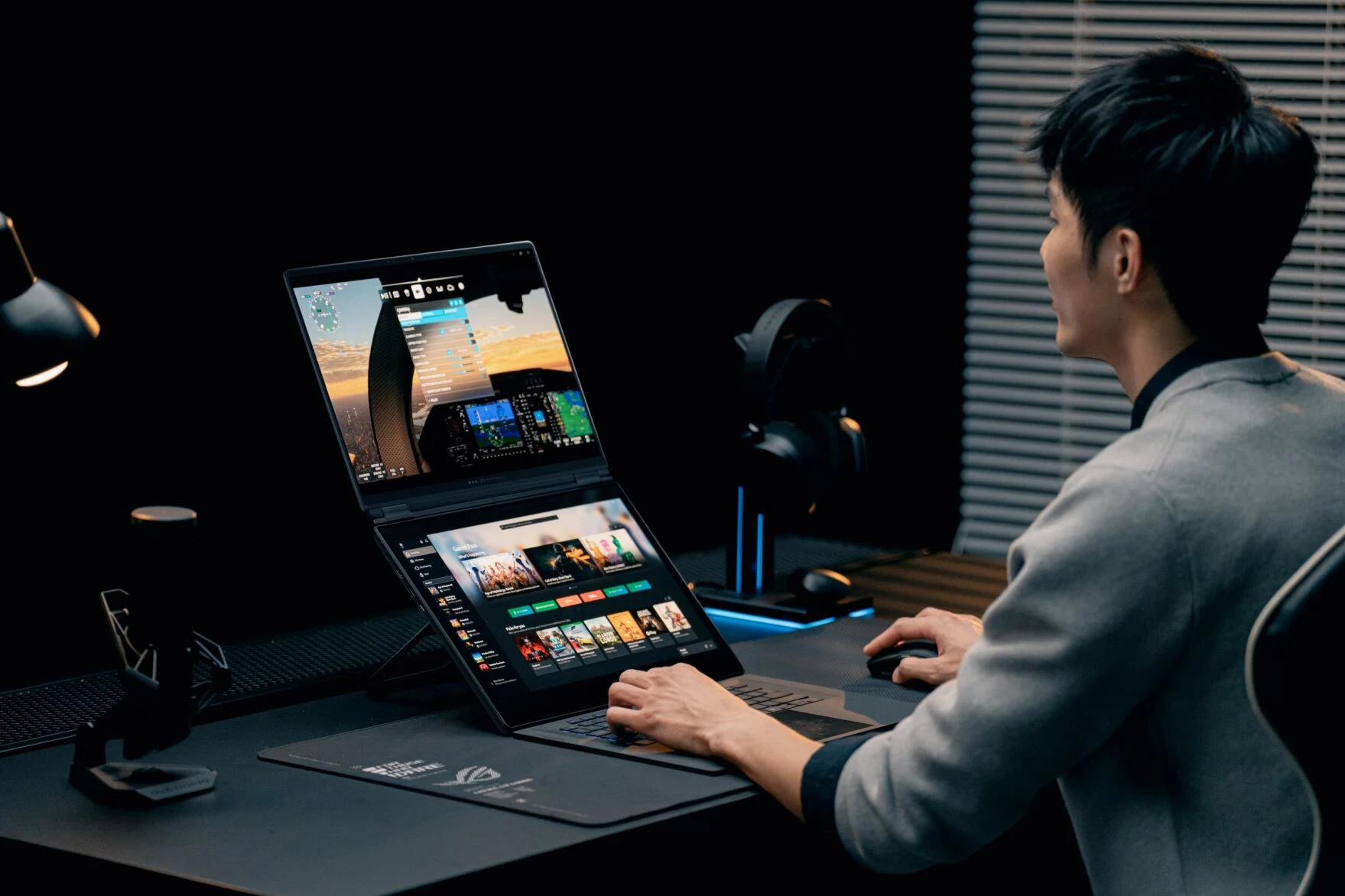
    The most remarkable upgrade, however, is its display. Rather than providing a small secondary screen to complement a bigger one, the new ROG Zephyrus Duo 16 truly lives up to its name, featuring two 16-inch WQXGA (2,880 x 1,880) OLED screens with a 120 Hz refresh rate. Essentially, it serves as a gaming-oriented version of the ZenBook Duo. Additional specifications include Wi-Fi 7 and Bluetooth 6.0. Weighing in at 2.80 kilograms, the ROG Zephyrus Duo isn’t the lightest laptop on the market, but this is a trade-off for having dual screens and high-performance components.
     

  • Dell XPS 14 and 16 Laptops Relaunched with Lightweight Design

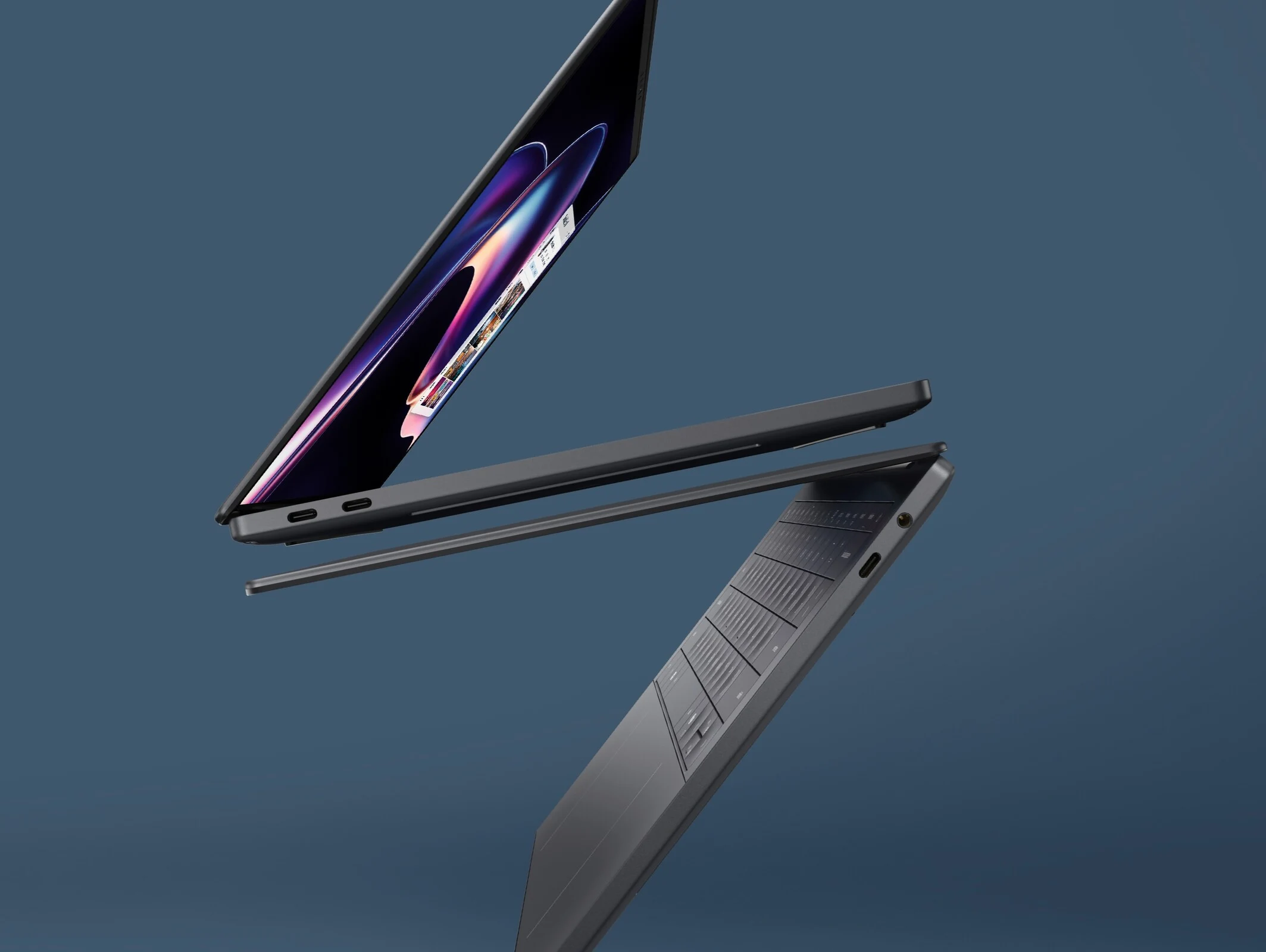
    Dell XPS 14 and 16 Laptops Relaunched with Lightweight Design

    Key Takeaways

    1. Dell is discontinuing all laptop sub-brands except Alienware and renaming the XPS series to “Dell Premium” in 2025.
    2. The XPS brand is making a comeback in 2026 with the introduction of Dell XPS 14 and XPS 16 models.
    3. Design updates include a more traditional look, physical function keys, and distinct edges for the touchpad.
    4. New models feature next-gen Intel Panther Lake CPUs, up to 64 GB memory, and up to 4 TB SSD storage, but lack dedicated GPUs.
    5. Pricing starts at $2,050 for the XPS 14 and $2,200 for the XPS 16, with availability beginning January 6th in the US and Canada.


    Dell kicked off 2025 with a significant announcement: It would be discontinuing all its laptop sub-brands, except for Alienware, putting the Dell name front and center. This meant even the highly regarded Dell XPS series was set to be renamed to “Dell Premium”.

    A Comeback for XPS

    Fast forward to 2026, and Dell is taking a different direction, bringing the XPS brand back to life. At CES 2026, the company unveiled two fresh models in the series: the Dell XPS 14 DA14260 and the Dell XPS 16 DA16260.

    Design Changes and Features

    With the return of the XPS name, Dell is also making some design changes to this premium prosumer laptop line, opting for a more traditional look. Among the updates are the reinstatement of physical function keys and distinct edges for the larger haptic touchpad.

    Powerful New Hardware

    As laptops in 2026, both the Dell XPS 14 and Dell XPS 16 are equipped with next-gen processors. They feature Intel’s Panther Lake CPUs, which come in basic 8-core options (Intel Core Ultra 5 325, Core Ultra 7 355) and more robust H class CPUs (Intel Core Ultra X7 358H, Core Ultra X9 388H). The latter models include Intel’s latest ARC Graphics, but don’t offer dedicated GPUs. Users can choose up to 64 GB of soldered LPDDR5X memory, while SSD storage can reach up to 4 TB.

    Premium Build and Weight Reductions

    These components are housed in cases made from high-quality materials, such as CNC Aluminum and Gorilla Glass on the palm rest. A notable change this year is the reduced weight of the Dell XPS 14 and XPS 16. Compared to the previous Dell 14 Premium and Dell 16 Premium found on Amazon, the weight has decreased from 1.7 kg to 1.4 kg for the 14-inch model and from 2.3 kg to 1.7 kg for the 16-inch model. While the lower weight comes at the cost of the dGPU option, it also affects the battery capacity of the 16-inch model, which now is 70 Wh, down from 99.5 Wh. The microSD card slot has been removed, and screen sizes have been adjusted from 14.5 inches and 16.3 inches to a more standard 14 and 16 inches. Both models offer options for WUXGA IPS screens along with 2.8K (14-inch) and 3.2K (16-inch) OLED screens. All displays support refresh rates of up to 120 Hz, with the IPS screens able to drop to a power-saving 1 Hz.

    Pricing and Availability

    The new Dell XPS series will be available starting January 6th in the US and Canada, with a starting price of $2,050 for the XPS 14 and $2,200 for the XPS 16 in the USA.

    Source:
    Link


  • HP HyperX Omen 15: Compact Gaming Laptop with Intel, AMD, RTX 5070

    HP HyperX Omen 15: Compact Gaming Laptop with Intel, AMD, RTX 5070

    Key Takeaways

    1. HP has introduced new models in the HyperX Omen gaming laptop lineup, including the Omen 16 Slim, priced at $1,340 on Amazon.
    2. The Omen 15 features Intel’s Panther Lake platform and supports up to the Core Ultra 9 386H processor, along with options for older Intel and AMD processors.
    3. It can be customized with RTX 5050, RTX 5060, and RTX 5070 GPUs, each with 8 GB of GDDR7 VRAM.
    4. The laptop can include up to 32 GB of DDR5-5600 RAM and a 1 TB PCIe Gen 5 SSD, with display options including a high-end 2.8K OLED screen.
    5. Connectivity features include multiple USB ports, a 3.5 mm audio jack, Gigabit Ethernet, and an HDMI 2.1 port, but limited rear ports.


    HP has refreshed its HyperX Omen gaming laptop lineup by introducing a variety of new models to take the place of last year’s versions, such as the Omen 16 Slim, which currently sells for $1,340 on Amazon. While the Omen 15 keeps the Nvidia GeForce RTX 50 series laptop GPUs found in the 2025 models, it also makes several changes from older versions. Notably, the Omen 15 is among the first gaming laptops to use Intel’s Panther Lake platform.

    Processor Options

    HP specifies that it can support up to the Core Ultra 9 386H, along with next-generation AMD Ryzen and various other Intel CPUs. On the other hand, the Omen 15 can also be customized with older Intel processors, which range from the Core 5 210H and Core i5-14450HX to the Core Ultra 9 275HX. To complement these processors, HP pairs them with RTX 5050, RTX 5060, and RTX 5070 laptop GPUs, each carrying 8 GB of GDDR7 VRAM.

    Memory and Storage

    Additionally, the Omen 15 can come equipped with as much as 32 GB of DDR5-5600 MT/s RAM and a 1 TB PCIe Gen 5 SSD. HP also offers options for a white or 4-zone RGB backlit keyboard, including a numeric keypad. For displays, there are four choices, the top one being a 2.8K OLED 15.3-inch screen with a 16:10 aspect ratio, 120 Hz VRR, 1,100 nits HDR brightness, and complete 100% DCI-P3 color space coverage.

    Connectivity Features

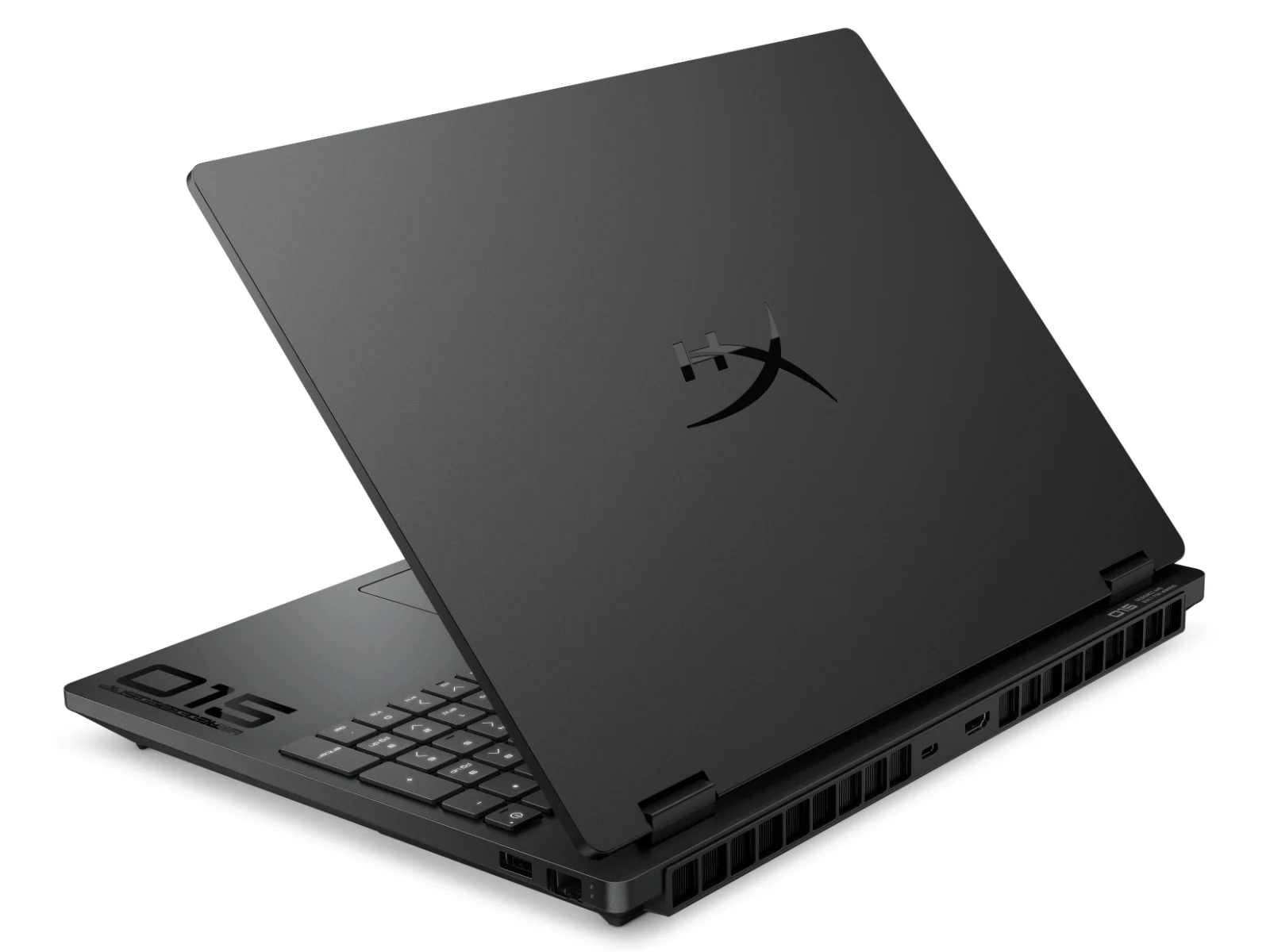
    As illustrated in the accompanying images, the Omen 15 is equipped with ports on the left, right, and rear sides. Interestingly, HP has limited the rear to just a 10 Gbps Type-C port and an HDMI 2.1 port, while the side panels host two USB Type-A ports, a 3.5 mm audio jack, Gigabit Ethernet, and a barrel connector for power. At the moment, HP has yet to announce pricing or availability details.

    Source:
    Link


  • HP OmniBook 14 Ultra: Compact Laptop with 1000 Nit OLED & 64GB RAM

    HP OmniBook 14 Ultra: Compact Laptop with 1000 Nit OLED & 64GB RAM

    Key Takeaways

    – HP has updated the OmniBook 14 Ultra, now featuring Intel and Qualcomm processors instead of AMD.
    – Processor options include Intel’s “Next Gen AI Processors” and various Snapdragon models.
    – The laptop includes a 70 Wh battery, a 2.8K OLED display with a 120 Hz refresh rate, and Wi-Fi 7 support.
    – Storage can be configured up to 2 TB of PCIe NVMe, with RAM options reaching 64 GB.
    – Design choices include different colors for Intel (Eclipse Grey, Silk Sand) and Qualcomm (Stone Blue) models, but pricing and availability are still unknown.


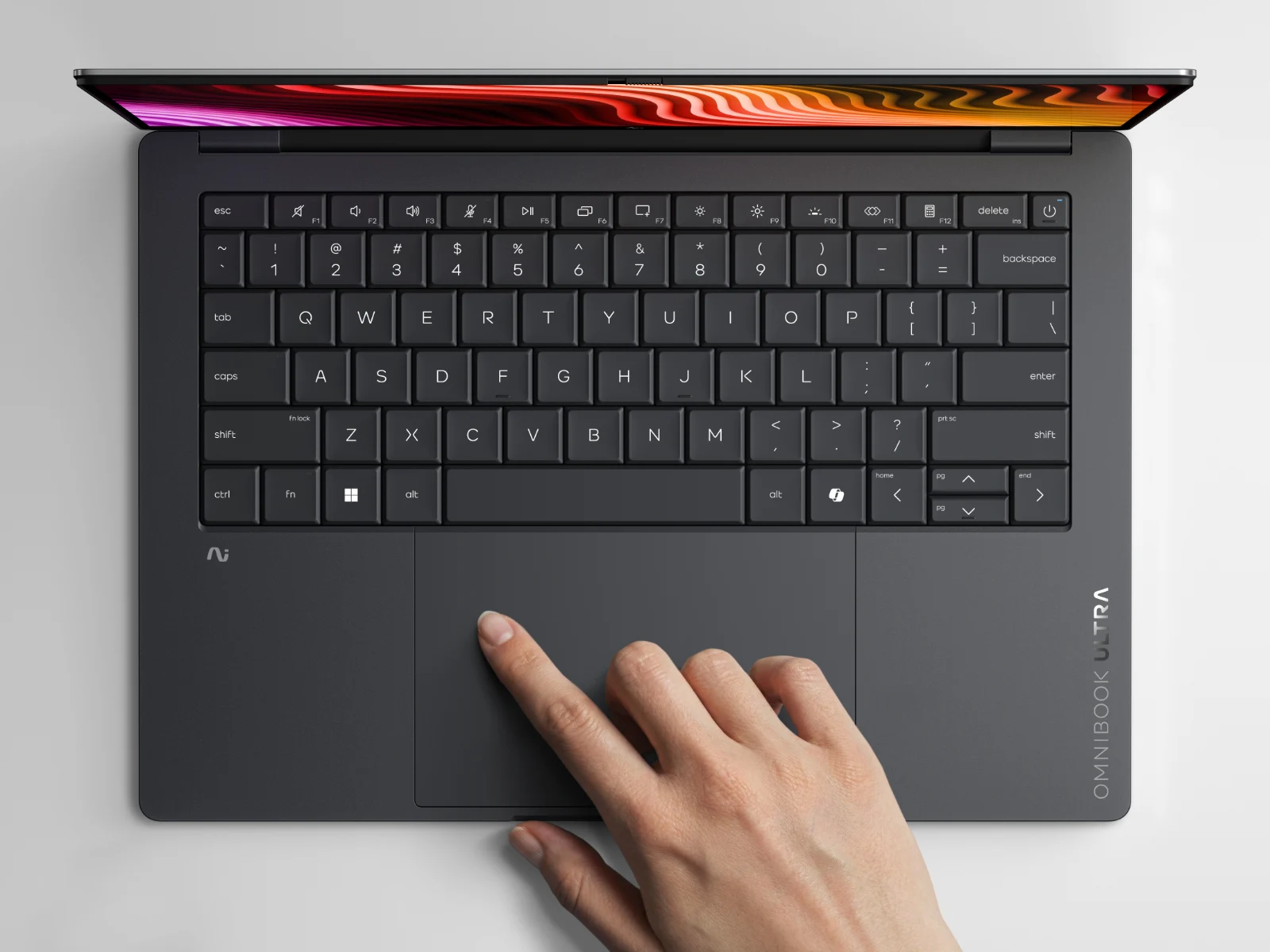
    HP has refreshed the OmniBook 14 Ultra during its CES 2026 presentation. Last year, the company presented a similar 14-inch laptop equipped with AMD Strix Point APUs, such as the Ryzen AI 9 365 and Ryzen AI 9 HX 375, priced at $1,449 on Amazon. This year, however, HP has shifted its focus to Intel and Qualcomm solutions, allowing for up to 64 GB of LPDDR5X RAM.

    Processor Options

    Currently, HP only refers to “Intel’s Next Gen AI Processors.” Many think these will be Panther Lake options, possibly the Core Ultra 5 338H or Core Ultra X7 356H. On the other hand, buyers can also choose Snapdragon X2 Plus (X2P-64-100), X2 Elite (X2E-84-100), and X2 Elite (X2E-90-100) processors for the OmniBook Ultra 14.

    Display and Battery Features

    No matter which processor you select, HP provides a 70 Wh battery supported by 65 W charging, together with a 2.8K OLED display featuring a 120 Hz variable refresh rate and a 16:10 aspect ratio. It also offers brightness levels of 500 nits SDR and 1,000 nits HDR peak. Additionally, all models of the OmniBook Ultra 14 come with three USB Type-C ports, a 3.5 mm audio jack, Wi-Fi 7 support, and a haptic trackpad that allows for gestures to control brightness and volume.

    Storage and Design Choices

    Furthermore, the OmniBook Ultra 14 can be configured with up to 2 TB of PCIe NVMe storage. In Qualcomm models, this is paired with 9,522 MT/s RAM, while Intel models feature 8,533 MT/s RAM that can increase to 9,600 MT/s for 64 GB versions. Both Intel and Qualcomm versions have identical hardware inside their 1.27 kg chassis, but HP sets them apart with Eclipse Grey and Silk Sand colors for Intel models and a Stone Blue finish for Qualcomm models. Sadly, HP has yet to reveal any details on pricing or availability.

    Source:
    Link


  • Core Ultra 7 365 Performance Issues: Intel Panther Lake 10% Slower

    Core Ultra 7 365 Performance Issues: Intel Panther Lake 10% Slower

    Key Takeaways

    1. Intel will unveil its Panther Lake CPU series at CES 2026, featuring advanced 18A manufacturing technology.
    2. The lineup includes a range of models, from the entry-level Core Ultra 5 322 with six cores to the high-end Core Ultra X9 388H with 16 cores.
    3. The Core Ultra 7 365 model has 4 performance cores and 4 efficient cores, with a maximum boost clock of 4.8 GHz, achieving notable Geekbench scores.
    4. The Core Ultra 7 365 shows slightly lower performance compared to its predecessor, the Core Ultra 7 258V, and also lags behind AMD’s Ryzen 7 260 in benchmarks.
    5. The performance of the Core Ultra 7 365 may improve with final drivers, and laptops featuring the Panther Lake series will soon be available for testing.


    Intel is gearing up to unveil its Panther Lake CPU series at CES 2026. Built using the advanced Intel 18A manufacturing process, this new lineup features a range of options, starting with the entry-level Core Ultra 5 322, which includes six cores, all the way up to the top-tier Core Ultra X9 388H that boasts 16 cores. However, most multimedia and everyday laptops from brands like Lenovo are expected to be equipped with mid-tier Panther Lake CPUs that balance efficiency with performance.

    Performance Insights

    One notable model in the Panther Lake lineup is the Core Ultra 7 365, which features 4 performance (P) cores and 4 efficient (LP-E) cores, reaching a maximum boost clock of 4.8 GHz. This CPU has been spotted in the Geekbench database within a “Lenovo 4810X90100” system. It achieved a single-core score of 2,451 and a multi-core score of 9,714 on Geekbench 6.

    Comparison with Other CPUs

    When we compare this latest Core Ultra 7 365 to other similar Intel processors, it appears to be about 11% slower than the Core Ultra 7 258V Lunar Lake CPU in single-core tasks and 10% behind in multi-core performance. The Core Ultra 7 365 seems to deliver results comparable to Intel’s 12th generation, with chips like the Core i7-1270P falling within the same performance tier.

    On the AMD front, the Core Ultra 7 365 does not quite hold up against the 8-core Ryzen 7 260, based on the latest Geekbench findings. The Intel chip lags behind by 8% in single-core performance and 23% in multi-core benchmarks. This underwhelming performance from the Core Ultra 7 365 is surprising, especially considering that the Ryzen 7 260 is built on the older Zen 4 architecture.

    Future Testing and Availability

    It’s important to note that the Core Ultra 7 365 was likely running on pre-release drivers, so its performance might not be fully indicative of its capabilities. Thankfully, laptops featuring the Panther Lake series are on the horizon. We won’t have to wait long to conduct comprehensive performance evaluations of the Panther Lake CPUs, including the Core Ultra 7 365.

    Source:
    Link


  • Thunderobot Zero Air: 16″ Gaming Laptop with Intel & RTX 50 GPUs

    Thunderobot Zero Air: 16″ Gaming Laptop with Intel & RTX 50 GPUs

    Key Takeaways

    1. Thunderobot has introduced the new gaming laptop named Zero Air ahead of CES 2026.
    2. The Zero Air is claimed to be one of the lightest gaming laptops, weighing about 1.6 kg.
    3. It features a 16-inch display with a built-in numberpad.
    4. The laptop includes advanced connectivity options with various ports and quad heat pipes for cooling.
    5. It will incorporate Nvidia GeForce RTX 50 series GPUs with Intel’s Panther Lake architecture.


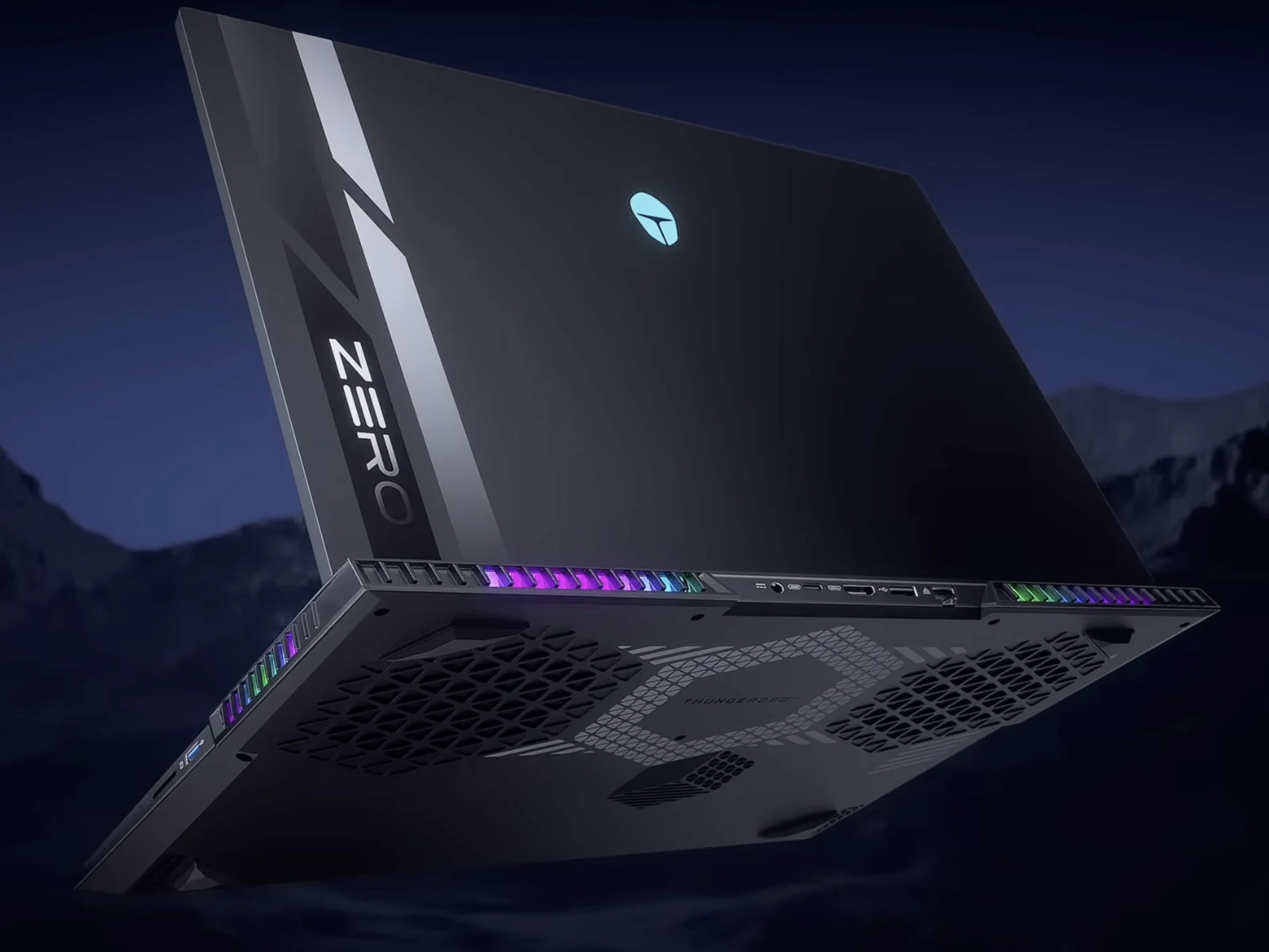
    Thunderobot has sneakily introduced a new gaming laptop before its full launch next month at CES 2026 in Las Vegas. The company has not revealed many specifics about the laptop in the video provided. Nevertheless, a press release states that the laptop will be named the Zero Air.

    Lightweight Design

    Supposedly, the Thunderobot Zero Air ranks among the lightest gaming laptops globally, weighing about 1.6 kg. While this might hold true for 16-inch models like the Zero Air, competitors such as the Triton 14 AI and ROG Zephyrus G14 (currently priced at $1,618 on Amazon) are even lighter. Setting that aside, the Zero Air features a 16-inch display that includes a built-in numberpad.

    Advanced Features

    In addition, we can see quad heat pipes in the video, along with rear-mounted Ethernet, HDMI, USB Type-A, and USB Type-C ports. Furthermore, the Zero Air will be among the first gaming laptops to merge Nvidia GeForce RTX 50 series laptop GPUs with Intel’s Panther Lake architecture. It is reported that this could include the Core Ultra 7 366H, while other options like the Core Ultra X7 358H will also be available to OEMs in the Panther Lake lineup.

    Source:
    Link


  • New OneXPlayer X1 Launches with Intel Panther Lake and 32GB RAM

    New OneXPlayer X1 Launches with Intel Panther Lake and 32GB RAM

    Key Takeaways

    1. New gaming handhelds are being developed using Intel’s Panther Lake processors, with the Arc B380 as the intended integrated GPU (iGPU).
    2. One-Netbook is working on the OneXPlayer X1, which will use the Core Ultra 5 338H processor and the Arc B370 iGPU.
    3. The Arc B370 iGPU is rumored to feature 10 Xe3 cores and a boost clock of 2.4 GHz, with a configuration of 4 Performance and 8 Efficient clusters.
    4. Early Geekbench tests show that the Panther Lake-based OneXPlayer X1 hasn’t yet outperformed previous models in single-core or multi-core benchmarks.
    5. The OneXPlayer X1 is expected to launch around CES 2026, with specifications like a TDP of 65-80 W and an option for 32 GB of RAM.


    Almost a month ago, there were rumors about new gaming handhelds being developed with Intel’s Panther Lake processors. To summarize, VideoCardz shared that the Arc B380, featuring 12 Xe3 cores, was the intended integrated GPU (iGPU). Earlier leaks suggested that the possible processors could be the Core Ultra X7 356H or the Core Ultra X7 358H, but VideoCardz thought that this might be a different processor specifically for handheld devices.

    New Developments in Panther Lake Handhelds

    Recent findings on Geekbench indicate that not all Panther Lake handhelds are following the earlier speculation. It looks like One-Netbook is in the process of creating its next OneXPlayer X1, which will use the regular Core Ultra 5 338H along with an Arc B370 iGPU. This iGPU is said to have 12 cores split into 4 Performance and 8 Efficient clusters, while the Arc B370 is rumored to have 10 Xe3 cores and a boost clock of 2.4 GHz.

    Previous Models and Performance Expectations

    For context, One-Netbook has previously launched OneXPlayer X1 series handhelds equipped with Intel’s Lunar Lake and Meteor Lake processors, in addition to AMD’s Hawk Point and Strix Point models (currently priced at $1,399 on Amazon). Up to now, the new Panther Lake-based OneXPlayer X1 hasn’t surpassed any of its earlier versions in Geekbench 6’s single-core or multi-core tests. Nevertheless, we are skeptical that this reflects the final performance, and it is unclear what wattage was used during these tests.

    Key Specifications and Future Release

    Putting the scores aside, the Core Ultra 5 338H is expected to have a thermal design power (TDP) of 65-80 W and can boost up to 4.7 GHz. Additionally, Geekbench notes that the upcoming OneXPlayer X1 will include 32 GB of RAM as a potential memory option. It’s likely that the first Panther Lake gaming handhelds will be officially revealed next month, during or just after CES 2026, which takes place from January 6 to January 9 in Las Vegas. Sadly, other specifics about the next OneXPlayer X1 are still not available at this time.

    Source:
    Link


  • MSI Prestige 13: Intel Panther Lake & OLED in 1kg Laptop

    MSI Prestige 13: Intel Panther Lake & OLED in 1kg Laptop

    Key Takeaways

    1. Introduction of Panther Lake Processors: The first laptops with Intel’s Panther Lake processors will be revealed at CES in January.

    2. Redesigned Aesthetics: The new MSI Prestige models feature a more advanced rounded design, with a new groove in the metal casing for improved Wi-Fi antenna placement.

    3. Lightweight Build: The laptops are made from a magnesium-aluminum alloy, with weights under 1 kg for the Prestige 13, 1.4 kg for the Prestige 14, and 1.6 kg for the Prestige 16.

    4. OLED Touchscreen: MSI plans to include an OLED touchscreen that supports stylus input, which is rare in the laptop market.

    5. Enhanced Display and Battery Life: The OLED display is expected to provide high frame rates and bright visuals, while the Panther Lake processors may offer battery life of up to 24 hours.


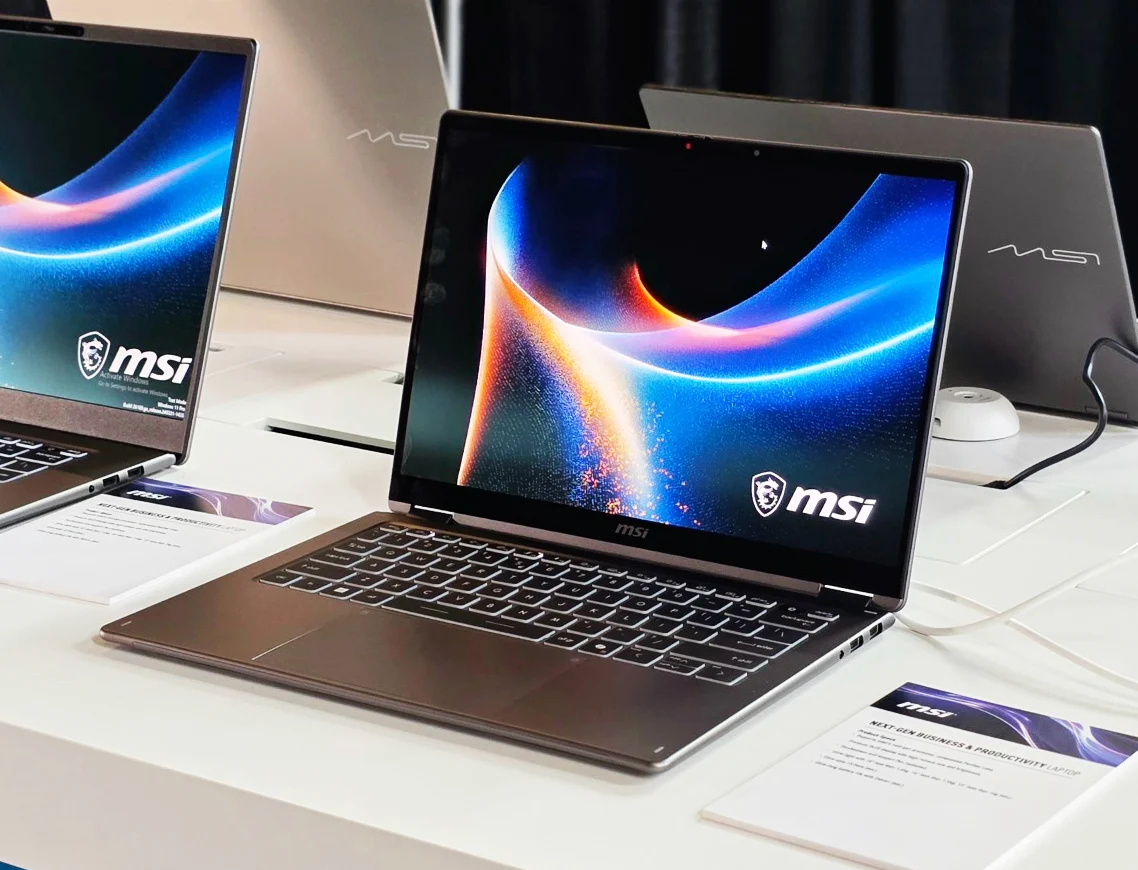
    The first laptops featuring Intel’s Panther Lake processors are set to be revealed at CES in January. YouTuber ETA Prime recently had a chance to preview the new MSI Prestige line. Although MSI hasn’t finalized the specs yet, the video showcases some intriguing features, starting with the overall design.

    Exciting Design Changes

    The current MSI Prestige 13 AI Evo sports a straightforward, angular design, but the upcoming models appear more advanced, with a significantly rounded case. They’ve also added a new groove in the metal casing at the front, likely intended for Wi-Fi antennas. The large trackpad and backlit keyboard remain consistent with the previous generation.

    Lightweight Construction

    Reportedly, the chassis is crafted from a magnesium-aluminum alloy, contributing to its lightweight nature. MSI claims that the new Prestige 13 weighs under one kilogram, the Prestige 14 is anticipated to be around 1.4 kilograms, and the Prestige 16 is expected to be about 1.6 kilograms. All three models maintain a thickness of 13.9 millimeters. MSI plans to include an OLED touchscreen that supports a stylus, which is quite uncommon in the laptop market.

    Impressive Display and Performance

    The OLED display is expected to deliver high frame rates and bright visuals, though MSI hasn’t provided any additional specifics yet. The Panther Lake chips are anticipated to enhance GPU performance significantly, as well as offer a battery life of up to 24 hours. Of course, the actual usage time will vary based on how the device is used and the brightness settings. More details about the next-generation MSI Prestige series will likely emerge during CES in January.

    Source:
    Link


  • New Gaming Handhelds Expected with Intel Panther Lake and Arc B380

    New Gaming Handhelds Expected with Intel Panther Lake and Arc B380

    Key Takeaways

    1. MSI’s Claw 8 AI+ gaming handheld, powered by Intel’s Lunar Lake technology, is priced at $1,199 and will launch in early 2025.
    2. Intel’s Lunar Lake handhelds may soon be succeeded by the Panther Lake series featuring the Arc B380 integrated GPU designed for gaming.
    3. The Arc B380 is expected to have 12 cores and a boost clock speed of 2.3 GHz, enhancing performance for gaming handhelds.
    4. The Arc B380 may integrate 4 Performance cores, 4 Efficient cores, and 4 Low Power Efficient cores for improved efficiency.
    5. The Arc B380 is projected to outperform the Arc 140V in the MSI Claw 8 AI+, while the Arc B390 is expected to be a higher-performing option.


    Well over a year ago, MSI unveiled its first gaming handheld powered by Intel’s Lunar Lake technology. The Claw 8 AI+ (currently priced at $1,199 on Amazon) won’t be available until early 2025, but it stands alongside other Lunar Lake devices like the Claw 7 AI+, OneXPlayer X1 Air, and the upcoming Abxylute 3D One.

    Potential Upgrades on the Horizon

    As reported by VideoCardz, it seems that Intel’s Lunar Lake handhelds might soon be succeeded by the Panther Lake series. The site hints that Intel plans to introduce processors featuring the Arc B380 integrated GPU specifically designed for gaming handhelds. As mentioned yesterday, a source on X, known as OneRaichu, claims that the Arc B380 will have 12 cores based on the Xe3 architecture, with a boost clock speed of 2.3 GHz.

    Uncertainty Surrounding New Processors

    At this point, we do not know what name Intel will give to the processor aimed at gaming handhelds. Meanwhile, Lonely City Hardware suggests that the Arc B380 might integrate 4 Performance cores, 4 Efficient cores, and 4 Low Power Efficient cores to enhance both performance and efficiency. Interestingly, prototypes of the Galaxy Book6 Pro have already shown the Arc B370 and Arc B390 integrated GPUs.

    Performance Expectations

    It’s clear that the Arc B380 is likely to underperform compared to the Arc B390, based on their hierarchy in Intel’s lineup. However, the recent Geekbench 6 OpenCL score for the Arc B390 suggests that the Arc B380 will surpass the performance of the Arc 140V found in the MSI Claw 8 AI+ and other Lunar Lake devices. With Samsung set to launch Panther Lake laptops in January at CES 2026, it wouldn’t be surprising if MSI also revealed a next-gen Claw gaming handheld during the same showcase.


    Source:
    Link


  • Samsung Galaxy Book5 Edge: New 5G Windows Laptop Launch

    Samsung Galaxy Book5 Edge: New 5G Windows Laptop Launch

    Key Takeaways

    1. Samsung is set to release the Galaxy Book6 models, featuring Intel’s Panther Lake processors and improved integrated graphics.
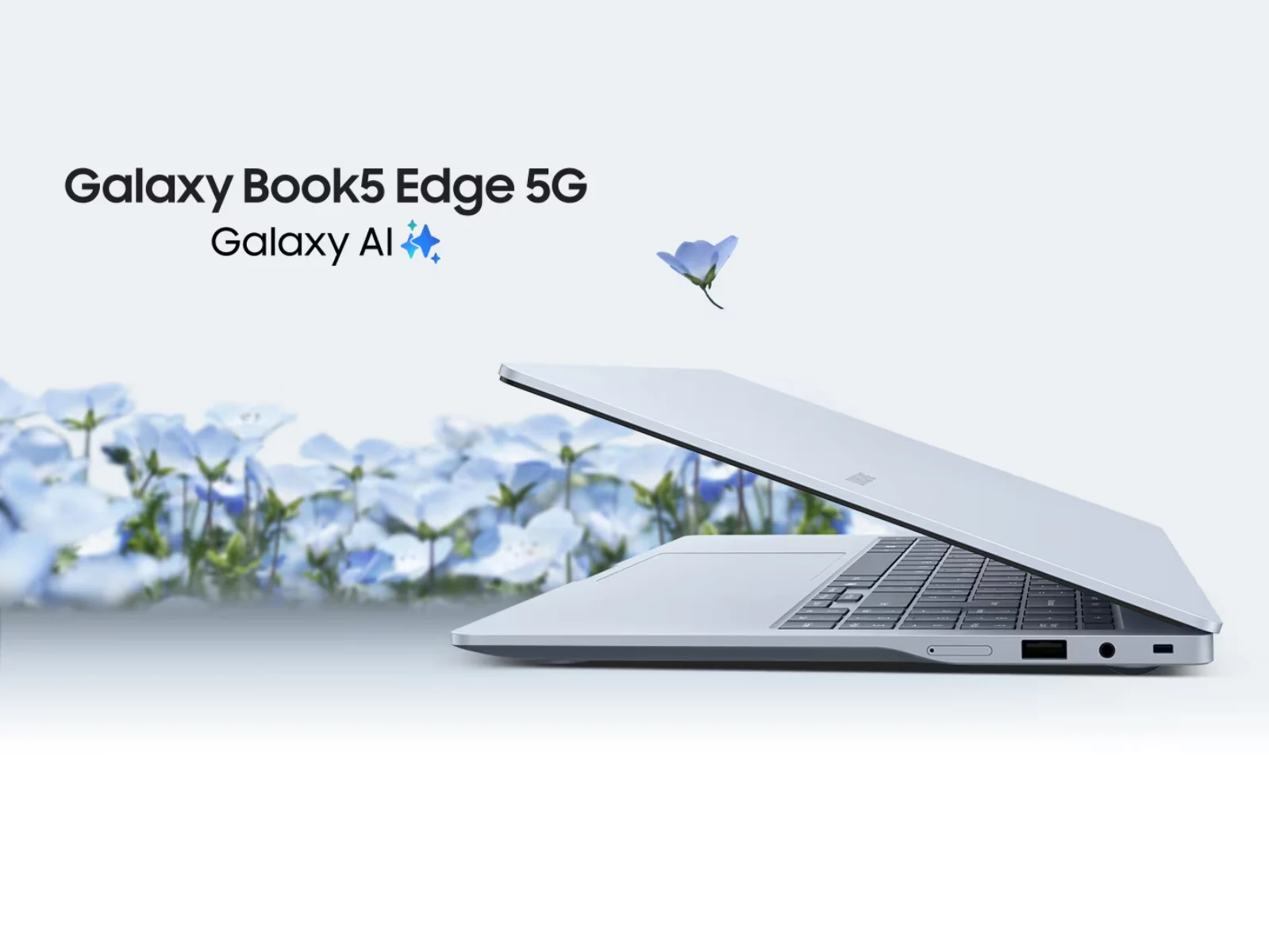
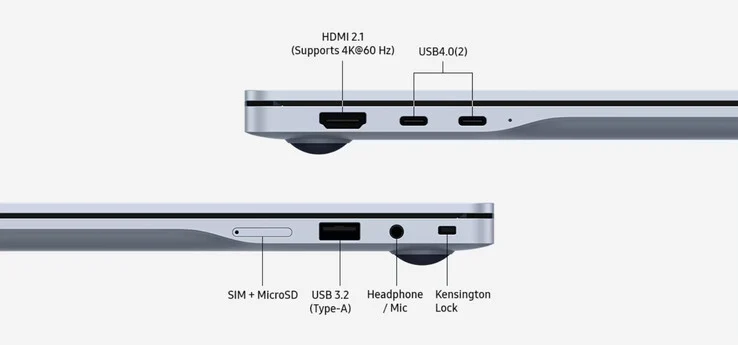
    2. The new Galaxy Book5 Edge 5G includes a 5G modem and replaces the microSD card slot with a Nano SIM card slot, while still allowing for microSD expansion.
    3. The Galaxy Book5 Edge retains HDMI 2.1, USB4, USB 3.2 Type-A ports, and a 15.6-inch 1080p IPS screen with anti-glare coating.
    4. The weight of the Galaxy Book5 Edge has increased by 160 grams, now weighing 1.66 kg, despite using a lower-power Qualcomm Snapdragon chipset.
    5. Currently, the Galaxy Book5 Edge is available only in the UK for £949 (around $1,247), with no information on its release in other regions.


    Samsung is looking to update its line of laptops with the new Galaxy Book6 models soon. It seems that the tech giant has chosen Intel’s Panther Lake processors for the Galaxy Book6 Pro, which is likely to also feature in the anticipated Galaxy Book6 Ultra, both boasting more powerful integrated graphics. Meanwhile, Samsung has made a quiet change by launching a new version of the Galaxy Book4 Edge.

    New Features of Galaxy Book5 Edge 5G

    The company has begun selling the Galaxy Book5 Edge 5G in the UK, which has some notable changes compared to the Galaxy Book4 Edge that came before it (currently priced at $699 on Amazon). True to its name, the Galaxy Book5 Edge 5G includes a 5G modem that the earlier model lacks. Additionally, Samsung has replaced the microSD card slot found in the Galaxy Book4 Edge with one that supports a Nano SIM card while still allowing for microSD card expansion.

    Ports and Display Specifications

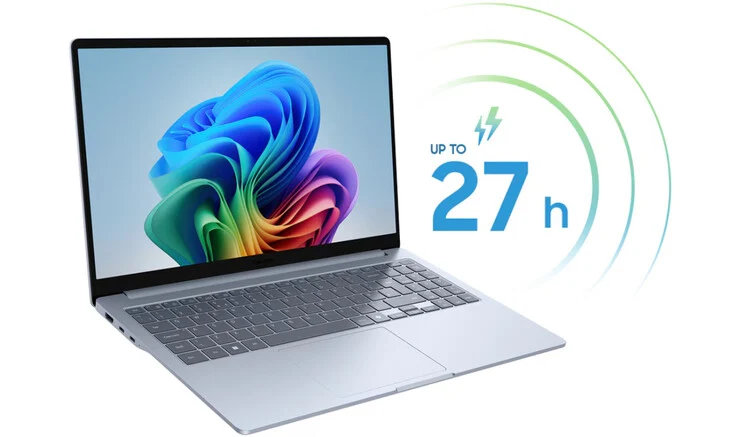
    On the flip side, the HDMI 2.1, USB4, and USB 3.2 Type-A ports from the Galaxy Book4 Edge are back, along with a Kensington lock slot and a 3.5 mm jack located on the right side of the laptop. The device also retains a 15.6-inch IPS screen that delivers 1080p resolution in a 16:9 aspect ratio and features an anti-glare coating. Similarly, the new laptop keeps the same 61.2 Wh battery capacity, supporting 65 W charging and maintaining dimensions of approximately 356.6 x 229.8 x 15.5 mm as its predecessor.

    Weight and Availability

    Strangely, the weight has actually gone up by 160 grams, bringing it to 1.66 kg, even though Samsung has opted for the lower-power Qualcomm Snapdragon X (X1-26-100) chipset. As of now, the Galaxy Book5 Edge is available only in the UK, where it is priced at £949 (around $1,247) with 16 GB of RAM and 512 GB of storage. It’s currently listed on eBay and Samsung’s official website, but it remains unknown when the Galaxy Book5 Edge will be available in other regions.

    Source:
    Link