Tag: Huawei

  • Huawei Mate XT Global Launch Date Confirmed: Details Inside

    Huawei Mate XT Global Launch Date Confirmed: Details Inside

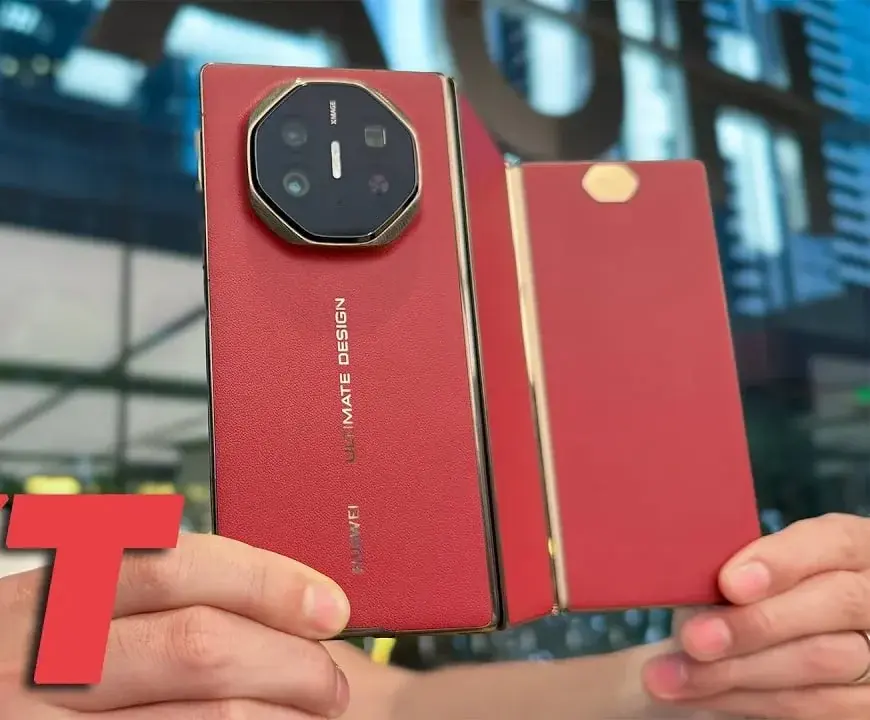
    Huawei recently introduced the Huawei Mate XT in China, marking it as the world’s first tri-foldable smartphone. While there was initial speculation that the device might only be available in China, a new report from Android Authority confirms that it will soon be available globally.

    Global Launch Plans

    According to the report, the Huawei Mate XT is expected to be officially launched in the global market in the first quarter of 2025. Although there is no specific information on the international pricing yet, it is likely to carry a high price tag. For reference, in China, the starting price for the device is 19,999 Yuan, which is approximately $2,835.

    Specifications and Pricing

    In single mode, the Huawei Mate XT features a 6.4-inch display with a resolution of 2232 x 1008 pixels, and it measures 156.7 x 73.5 x 12.8mm. When unfolded into dual-screen mode, the size increases to 7.9 inches with a resolution of 2232 x 2048 pixels and dimensions of 156.7 x 143 x 7.45mm/4.75mm. In its fully tri-folded state, the screen reaches an impressive 10.2 inches, boasting a resolution of 2232 x 3184 pixels, with dimensions of 156.7 x 219 x 3.6mm/3.6mm/4.75mm.

    The device is equipped with an OLED LTPO display that offers a 120Hz refresh rate, 1440Hz high-frequency PWM dimming, and a 240Hz touch sampling rate, ensuring a smooth visual experience. It is powered by the Kirin 9010 processor, comes with 16 GB of RAM, and offers storage options up to 1TB. The Mate XT includes a 5,600mAh battery supporting 66W wired charging and 50W wireless charging.

    Camera and Features

    Running on Harmony OS 4.2, the Huawei Mate XT has an 8-megapixel front camera and a versatile rear camera system. This includes a 50MP main camera with an f/1.4~f/4.0 variable aperture and OIS, a 12-megapixel ultra-wide lens, and a 12-megapixel periscope telephoto lens with OIS.

    Additional features of the Mate XT include a side fingerprint sensor, dual SIM support, an IR blaster, NFC, Wi-Fi, Bluetooth 5.2, and a USB-C (3.1 Gen1) port. The device weighs 298 grams and is available in Ruihong and Dark Black color options. Pricing in China is set at 19,999 Yuan (~$2,835) for the 16GB+256GB model, 21,999 CNY (~$3,119) for the 16GB+512GB variant, and 23,999 CNY (~$3,403) for the 16GB+1TB version.

  • Huawei MatePad Pro 12.2 (2024) Debuts with Tandem OLED Display

    Huawei MatePad Pro 12.2 (2024) Debuts with Tandem OLED Display

    Huawei has recently introduced the MatePad Pro 12.2 (2024) and the MatePad 12X at the Innovative Product Launch event in Barcelona, following its prior launch in China. This new flagship tablet targets professionals and creatives, offering advanced display technology and powerful productivity features that aim to enhance work and creativity on the move.

    MatePad Pro 12.2 (2024) Specifications

    The MatePad Pro 12.2 boasts a stylish and lightweight design, weighing merely 508 grams and measuring just 5.5 mm thick. It features a 12.2-inch Tandem OLED PaperMatte Display, delivering a resolution of 2800 x 1840 with a fluid 144Hz refresh rate. The display is capable of achieving a peak brightness of 2000 nits and offers a 92% screen-to-body ratio, providing an exceptional visual experience. It supports the P3 wide color gamut and has a color accuracy of ΔE < 1, ensuring that colors are vibrant and lifelike.

    For users requiring high performance, the MatePad Pro 12.2 is equipped with up to 16GB of RAM and offers 1TB of internal storage. The rear camera system consists of a 13MP main camera and an 8MP wide-angle camera, while the 8MP front camera is perfect for video calls and selfies.

    Battery and Audio Features

    This tablet is powered by a 5050mAh dual-cell battery (equivalent to 10,100mAh) and supports Huawei’s 100W SuperCharge technology, allowing for a full charge in just 55 minutes. For audio, the device is equipped with eight speakers that are optimized for both high and low frequencies, ensuring an immersive sound experience.


    Huawei MatePad Pro 12.2 (2024) Debuts with Tandem OLED Display
    Huawei MatePad Pro 12.2 (2024) Debuts with Tandem OLED Display
  • HarmonyOS NEXT Launching This Month Free from Android

    HarmonyOS NEXT Launching This Month Free from Android

    Huawei is on the cusp of a major advancement with its HarmonyOS. The company has confirmed via the South China Morning Post that HarmonyOS NEXT, a fully native version that does not rely on Android’s libraries, is set to debut by the end of the month.

    A Milestone Amid Sanctions

    This development is crucial for Huawei, especially after US sanctions limited its access to Google’s Mobile Services. HarmonyOS, which was first introduced in 2019, initially entered the smart TV market before expanding to smartphones the following year. Since its launch, the operating system has garnered millions of users and extended its reach to tablets, wearables, and IoT devices.

    Yet Huawei’s vision extends beyond merely swapping Android on its gadgets. Known in China as the “Pure Blood” OS, HarmonyOS NEXT aims for full autonomy. This involves a complete overhaul of the software, eliminating any dependency on Android code.

    Support from Major Developers

    Chen Xinxin, the general manager of HarmonyOS Industry Solutions, stated that the new mobile platform is “entirely independently developed and autonomous.” The transition is backed by major Chinese developers from sectors like software, gaming, entertainment, and e-commerce, who are committed to creating native HarmonyOS applications. JD.com, China’s e-commerce leader, has just finalized its native app, scheduled to launch with HarmonyOS NEXT.

    The Future with Huawei Mate 70

    The upcoming Huawei Mate 70 is poised to be the first smartphone featuring the native HarmonyOS NEXT, though its launch date remains uncertain. This positions the Mate 70 as not just a flagship device for Huawei, but also as a pivotal component of the HarmonyOS ecosystem.

    Whether HarmonyOS NEXT can effectively compete with Android’s dominance is still a question. However, Huawei’s commitment to developing an independent operating system is a daring strategy that might redefine the mobile landscape, particularly in China.

  • Huawei Tri-Fold: High Repair Costs Revealed

    Huawei Tri-Fold: High Repair Costs Revealed

    Huawei recently introduced the Mate XT Ultimate Design, marking a milestone as the globe’s first-ever tri-fold smartphone. This remarkable piece of technology showcases a groundbreaking design that sets it apart from any prior models.

    The innovation, however, comes with a substantial price tag. The phone’s base price is CNY 19,999, which equates to approximately $2,809 or €2,549.

    Repair Costs and Challenges

    The financial impact doesn’t end with the initial purchase. Repairing the Mate XT Ultimate also involves significant expenses. As per Huawei’s official repair costs, replacing a cracked screen will set you back CNY 7,999 ($1,123 or €1,019).

    There are some alternatives for those looking to save on repairs, although they are limited. A few screen replacements are available at CNY 6,999 ($983, €892), but these might be scarce. Additionally, screen replacement insurance can be purchased for CNY 3,499 or CNY 3,999 ($491-$561, €446-€509), covering one replacement during the first year.

    Additional Component Costs

    The high costs extend beyond just the screen. Replacing the motherboard is priced at a steep CNY 9,099 ($1,278, €1,160), which exceeds the price of numerous mid-range smartphones. Fortunately, a battery replacement is more affordable at CNY 499 ($70, €63).

    Due to the unique tri-fold design, there are multiple back covers. Replacing the back that includes the camera module costs CNY 1,379 ($193, €175), while each of the other two sections costs CNY 399 ($56, €50).

    Camera Repair Expenses

    Camera repairs are another cost to consider: the telephoto lens repair is CNY 578 ($81, €73), the selfie camera is CNY 379 ($53, €48), the main rear camera is CNY 759 ($106, €96), and the ultrawide camera is CNY 269 ($37, €34).

    For potential Mate XT Ultimate owners, the takeaway is straightforward: take extra precautions. The cutting-edge design comes with premium expenses, not only at the point of purchase but also over the course of its use.


    Huawei Tri-Fold: High Repair Costs Revealed
  • Wiko Hi Enjoy 70 5G: Budget Phone with 6.75″ Display, 5000mAh

    Wiko Hi Enjoy 70 5G: Budget Phone with 6.75″ Display, 5000mAh

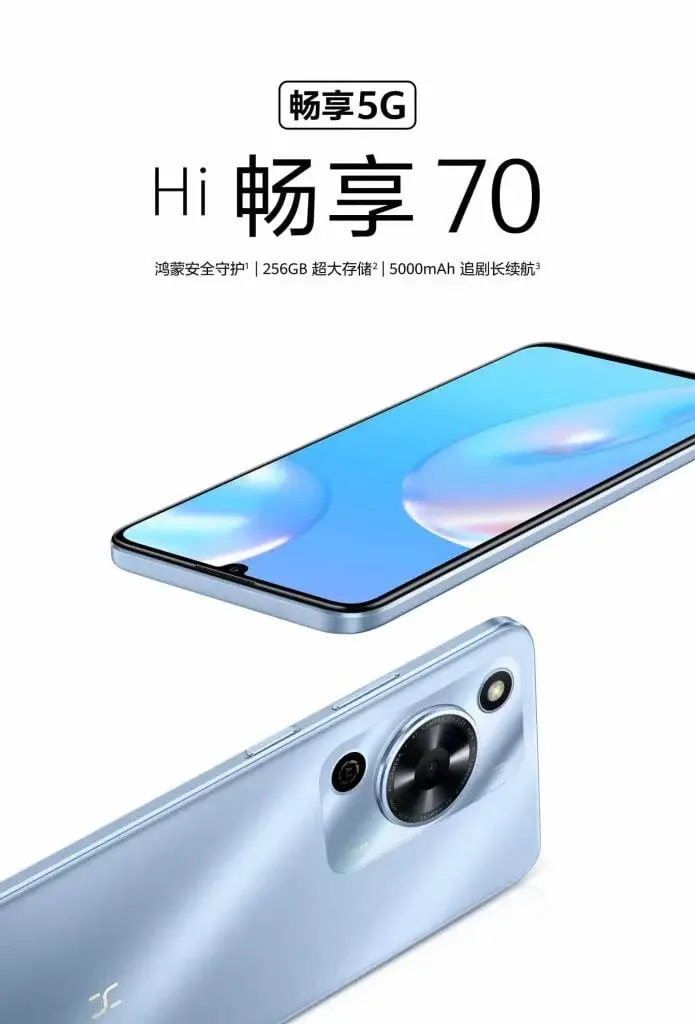
    Huawei’s subsidiary brand, Wiko, has unveiled the cost-effective Hi Enjoy 70 5G smartphone in China, following the earlier release of the Hi Enjoy 70 Pro 5G in March. Here are its main features.

    Key Specifications of the Wiko Hi Enjoy 70 5G

    The Hi Enjoy 70 is equipped with a 6.75-inch LCD display featuring a 90Hz refresh rate and a resolution of 720×1600. It includes an Always-On Display (AOD) capability, enabling users to view essential information like time, battery status, and notifications without fully activating the screen.

    Beneath its exterior, the Wiko Hi Enjoy 70 is driven by the Dimensity 700 processor, a chipset crafted using 7nm technology. This octa-core processor comprises two A76 cores operating at 2.2GHz and six A55 cores at 2.0GHz, aimed at delivering a balance between performance and power efficiency.

    The smartphone offers various storage and RAM configurations, including 6GB+128GB, 8GB+128GB, and 8GB+256GB, ensuring ample space for applications, media, and personal data.

    Software and Camera Features

    Operating on HarmonyOS, the device is also HarmonyOS Connect certified, allowing seamless integration with other HarmonyOS gadgets for a unified user experience.

    The camera system includes a 13MP AI-enhanced rear camera, featuring Super Night Mode, AI Beauty, and AI Snapshot to enhance photography, particularly in low-light scenarios.

    A robust 5000mAh battery powers the phone, which the company claims can sustain up to 13 hours of online movie streaming and 11 hours of short video browsing. Additionally, the battery benefits from intelligent charging protection to prolong its lifespan.

    Design and Availability

    In terms of design, the Hi Enjoy 70 measures 168.3mm in length, 77.7mm in width, and 8.98mm in thickness, with a weight of approximately 202 grams. It is available in three color choices: Ice Crystal Blue, Snow White, and Midnight Black.

    Pricing Details

    The Wiko Hi Enjoy 70 is priced at 999 Yuan ($140) for the 6GB+128GB model, 1199 Yuan ($169) for the 8GB+128GB model, and 1399 Yuan ($197) for the 8GB+256GB model. It is now open for pre-orders and will be available for purchase starting September 6th at 10:08 AM.

  • Huawei TruSense: Revolutionizing Smartwatch Respiratory Detection

    Huawei TruSense: Revolutionizing Smartwatch Respiratory Detection

    Huawei is pushing the boundaries of health technology within the realm of wearables. Earlier this month, a leak suggested that the company’s innovative blood pressure monitoring technology for wearables might debut in September. However, Huawei appears to be delving into other health tech advancements as well.

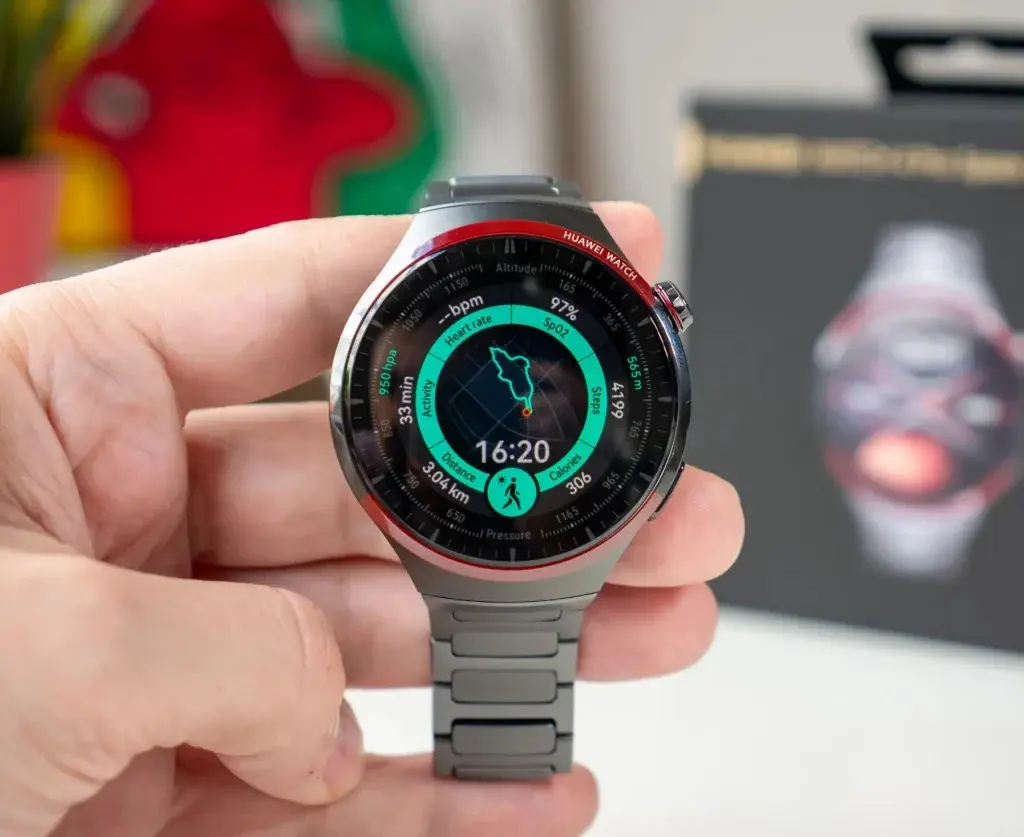
    Recently, Huawei unveiled improvements to its Trusense system, which include enhanced sensing modules, detection algorithms, and big data modeling. But what does this entail for consumers? Essentially, Huawei is developing technology that could diagnose respiratory issues by analyzing the sound of a cough. Here’s a brief look at what the future holds for wearables.

    Smartwatches May Soon Analyze Your Cough

    Huawei highlighted two significant advancements in wearable health technology. First, the company is pioneering research in respiratory health. The Chinese tech leader has gathered samples of various cough sounds and physiological metrics like respiratory rate and heart rate. These inputs are processed through their algorithm to identify potential lung infection risks. The system can also conduct screenings for chronic obstructive pulmonary disease and assess lung function. This capability is powered by Huawei’s Trusense technology on wearables, which can listen to coughs. The company assures the accuracy of respiratory health monitoring through its software and hardware innovations.

    New Vascular Health & Risk Screening Technology

    In addition to respiratory health innovations, Huawei is also focused on bridging the gap in cardiovascular health. It is developing advanced sensors alongside enhanced software to detect crucial vascular health indicators. By integrating state-of-the-art hardware and software, Huawei aims to identify cardiovascular risks users may encounter.

    What is the Huawei TruSense System?

    In essence, Huawei is redefining wearable health technology. This is evident through advancements in sensing modules, refined detection algorithms, and big data models for superior health monitoring. TruSense has expanded its exploration into areas such as coronary heart disease, mental health, blood pressure, and blood glucose monitoring.

    Collaborations with Industry Experts

    Huawei Wearables and the Huawei TruSense system are actively collaborating with the EU’s leading cardiovascular research initiative, iCARE4CVD. This partnership includes top industry academics and institutions and involves a total investment exceeding 20 million Euros over five years. Huawei is spearheading patient management discussions and is the exclusive wearable device manufacturer participating in the initiative.

  • Huawei Tri-Fold Phone Leaked: Camera Revealed, September Launch

    Huawei Tri-Fold Phone Leaked: Camera Revealed, September Launch

    Earlier this month, Huawei’s Consumer Business Group CEO, Yu Richard, was seen with the anticipated tri-foldable phone, offering a sneak peek at its expansive internal display. Recently, Yu Richard has been spotted again with the tri-foldable device, this time showcasing it in its folded form. Reputable source Digital Chat Station suggests that this phone will be launched alongside various other Huawei products in September.

    Huawei’s Tri-Foldable Phone Seen Once More

    The device’s tri-foldable design makes it appear thicker than standard flat-screen smartphones, yet it’s not excessively bulky. When unfolded, the thickness is anticipated to be around 5mm, and approximately 15mm when folded. The rear camera is designed with a circular, centered module, similar to the Mate 50 series, and is surrounded by Paris studs.

    Huawei Tri-Fold Phone Leaked: Camera Revealed, September Launch

    Earlier leaks have suggested that the phone includes an inward folding, outward folding, and dual-hinge configuration. The screen is projected to be about 10 inches, featuring a centrally located hole-punch camera on the far left. It will be powered by the Kirin 9 series platform and is expected to launch ahead of the Mate 70, which is likely to be released in the last quarter of this year.

    Upcoming Launch Events

    Per Digital Chat Station, Huawei might host a significant event in September in China. Alongside the introduction of the world’s first tri-foldable phone, the company could also unveil other products, such as the Nova 13 series and the Huawei Watch GT 5 series, which may include an Extraordinary Master Edition variant.

    Currently, the official marketing name for Huawei’s tri-foldable phone is unclear. It remains to be seen if it will be introduced as part of the Mate series.


  • Huawei Mate 80 Series: Under-Display 3D Face Recognition Rumor

    Huawei Mate 80 Series: Under-Display 3D Face Recognition Rumor

    While the Huawei Mate 70 series has yet to launch, speculation about the next Mate lineup is already circulating. A recent leak suggests that Huawei’s Mate 80 could feature an under-display 3D face recognition system.

    This development isn’t entirely unexpected. Huawei has been gradually advancing face recognition technology in its flagship devices, with rumors indicating the company’s ultimate goal is a fully under-display solution. A Weibo tipster, Fixed Focus Digital, recently posted a screenshot hinting that the Mate 80 series might incorporate this technology.

    Reasons for Delay

    However, don’t get too excited about seeing this tech in the Mate 70 just yet. According to Huawei Central, there are two main reasons why the under-display system might not debut with the upcoming phone. First, the Mate 70 series is said to be focused on integrating the HarmonyOS NEXT software and the new Kirin processor. It’s reportedly already in trial production and could be nearing mass production soon.

    Second, Huawei’s in-display 3D face recognition is still in its early phases. While initial testing has supposedly started, achieving a seamless user experience will likely take more time. Thus, the Mate 80 appears to be a more plausible candidate for this advanced feature.

    Historical Context and Future Prospects

    It’s important to remember that leaks can be unreliable, and there’s a considerable wait for official confirmation. However, Huawei’s dedication to 3D face recognition is well-known. Since its debut with the Mate 20 Pro in 2018, the company has consistently improved the technology in its flagship models.

    The under-display method promises a sleeker design by removing the need for notches or punch-hole cameras. How exactly Huawei plans to implement this technology remains to be seen.

    With the Mate 70 series, the company might finally offer 3D face recognition across all models, a step up from the Mate 60 lineup where the standard variant missed out on the feature. The year 2024 could mark Huawei’s achievement in providing uniform face recognition technology across its flagship devices.

  • Huawei’s Tri-Folding Phone Supports PC-Level Apps, Minimal Crease

    Huawei’s Tri-Folding Phone Supports PC-Level Apps, Minimal Crease

    Huawei has been developing a tri-folding device for some time now. The company has filed several patents related to its folding technology. A recent patent reveals a tri-folding phone featuring two hinges and a flexible screen that folds outward.

    The latest update indicates that the tri-folding display of the phone has successfully passed the 28μm test. This test assesses the durability and visibility of the crease formed on the screen after multiple folds. The "28μm" (28 micrometers) measurement likely refers to the depth of the crease that appears after numerous folds.

    Durability in Folding Displays

    Maintaining the integrity of folding displays over many folds without developing a noticeable crease is indeed a significant challenge. The tri-folding phone is rumored to have the capability to replace tablets and book-style foldable devices.

    Potential to Replace Tablets

    In addition to advancements in folding technology, the phone reportedly has the potential to replace tablets and book-style foldables. It is speculated that with the HarmonyOS NEXT operating system and a new Kirin processor, the phone will be capable of running many "PC-level applications," thereby enhancing the company’s ecosystem of products.

    However, according to a previous leak, the phone will be expensive and available in limited quantities. The leak suggests that it may serve more as a demonstration of technological prowess rather than a product aimed at capturing a large market share. Reports indicate that the dual-hinge phone will be powered by a Kirin 9 series chipset and will incorporate Huawei’s latest innovations in artificial intelligence. Mass production of the device is expected to commence in the fourth quarter of this year.

  • Kirin 9100 Leak: Energy Efficiency Matches Snapdragon 8 Gen 2

    Kirin 9100 Leak: Energy Efficiency Matches Snapdragon 8 Gen 2

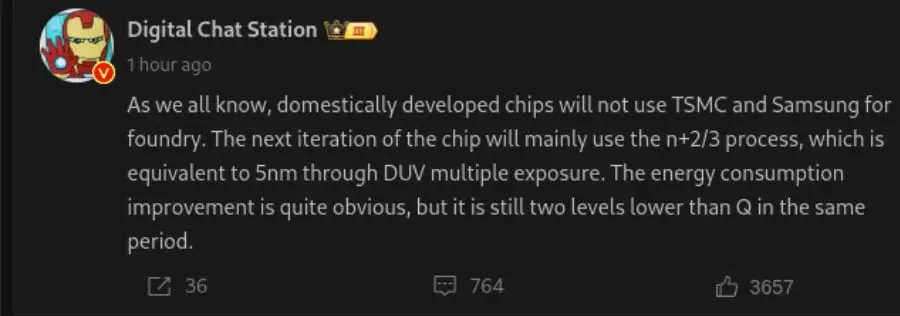
    Earlier this week, a leak from well-known tech tipster Digital Chat Station (DCS) hinted at the development of a new Kirin chip at Huawei. Today, DCS followed up on Weibo, China’s social media platform, unveiling some additional insights.

    The leak indicates that Huawei is likely to use a “domestically developed n+2/3 process” to produce its next Kirin chip, probably named the Kirin 9100. This suggests a 5nm node, with DCS explaining that it will utilize Deep Ultraviolet (DUV) lithography with multiple patterning for its production.

    Manufacturing Process

    Using this approach, Huawei will achieve transistor sizes similar to those produced at 5nm, but it won’t be the same as the leading-edge EUV (extreme ultraviolet) lithography utilized by TSMC and Samsung. Since DUV lithography requires multiple exposures to create the desired pattern on the chip, it can result in higher production costs and potentially lower chip yield compared to EUV, which can print more intricate designs with a single exposure.

    Efficiency and Performance

    Despite these challenges, DCS notes that the new chip will bring “quite obvious” improvements in energy efficiency over the previous Kirin chip. However, it may not completely match the efficiency of Qualcomm’s latest offerings. According to the tipster, the new Kirin chip is expected to be on par with the Snapdragon 8 Gen 2. If not, DCS asserts that it will still be more efficient than the Snapdragon 8+ Gen 1.

    It’s crucial to remember that these details are still leaks, and specific information such as the Kirin model number, core configuration, and the targeted release date remain unknown.

    Manufacturing Uncertainties

    Moreover, the leak does not specify which foundry will manufacture the chip. While DCS mentions that it will be domestically produced, since TSMC and Samsung are not options due to US restrictions, there is uncertainty about which Chinese foundry is capable of a 5nm DUV process. SMIC is a potential candidate, but it is under scrutiny from the US government regarding its ability to produce advanced chips.


    Kirin 9100 Leak: Energy Efficiency Matches Snapdragon 8 Gen 2