Tag: Huawei

  • Huawei Nova Series Flip Phone May Launch Early Next Month

    Huawei Nova Series Flip Phone May Launch Early Next Month

    Earlier, it was reported that Huawei is developing a Nova-branded foldable phone. According to a new report from “Science and Technology Innovation Board Daily,” insiders have confirmed the phone's existence. Initially, the phone was supposed to be launched last month, but the release was delayed for unspecified reasons. Now, Huawei insiders have disclosed that the Nova-branded flip phone will be released in early August this year. As the launch approaches, let's explore what makes this new product noteworthy.

    Huawei Pocket 2

    Nova Series Flip Phone to Be More Affordable Than the Huawei Pocket 2

    The Nova series flip phone is expected to feature an upgraded external screen compared to this year’s Huawei Pocket 2.

    In terms of pricing, the new flip phone will be more expensive than previous models in the Nova series. However, since it is part of the Nova lineup, it will be more affordable than the Pocket series devices.

    Although not much is known about the internal specifications, we can speculate based on the Huawei Pocket 2, which was released in February this year.

    The Pocket 2 boasts a quad rear camera setup (50MP + 8MP + 12MP + 2MP) with a circular external display within two circular rings. The 8MP camera features a 3x telephoto lens with an f/2.4 aperture and OIS. The Pocket 2 also has a water drop hinge, which reportedly reduces the crease by 62%.

    Performance and Battery

    Regarding performance, the phone is expected to be equipped with the in-house developed Kirin 9000s chipset, which supports two-way satellite connectivity. It also includes a 4520mAh battery that supports 66W wired fast charging and 40W wireless fast charging.
  • Huawei May Charge Developers 20% Commission for HarmonyOS Apps

    Huawei May Charge Developers 20% Commission for HarmonyOS Apps

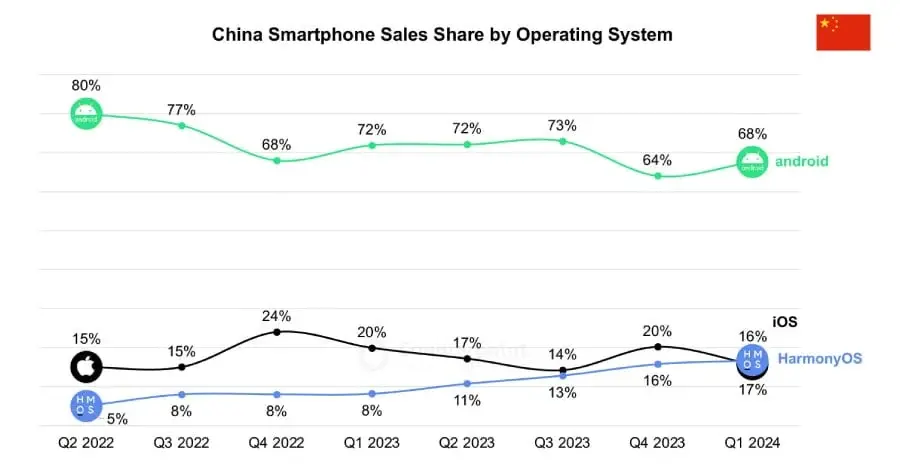
    Huawei’s homegrown operating system, HarmonyOS, is seeing swift growth in China. Launched in 2019 as an alternative to Android following U.S. sanctions that limited access to Google’s mobile OS, HarmonyOS now boasts the second-largest market share in China at 17%.

    This surpasses Apple’s iOS, which holds a 16% share, while Google’s Android remains the leader with a 68% share. Huawei’s rapid rise in its home market seems to be prompting a shift in its strategy toward app developers.

    Potential Commission Fee

    Currently, Huawei does not charge developers for using its HarmonyOS platform. However, a new Bloomberg report suggests that the company is contemplating a 20% commission fee on app revenue.

    Charging developers a commission is a common industry practice. Companies like Apple and Google charge between 15% and 30%. Huawei has not yet made an official statement regarding this potential change.

    Hardware-Driven Success

    Huawei’s recent achievements have been more hardware-focused than software-centric. The company’s smartphone business has seen significant growth since the launch of the Mate 60 series last year, which featured in-house Kirin chips with 5G capabilities despite ongoing U.S. sanctions.

    Their latest flagship, the Pura 70 series, also quickly sold out upon its April release. This resurgence appears to be impacting Apple’s market share in China, according to market research data. Looking ahead, Huawei is anticipated to unveil the Mate 70 between September and October.

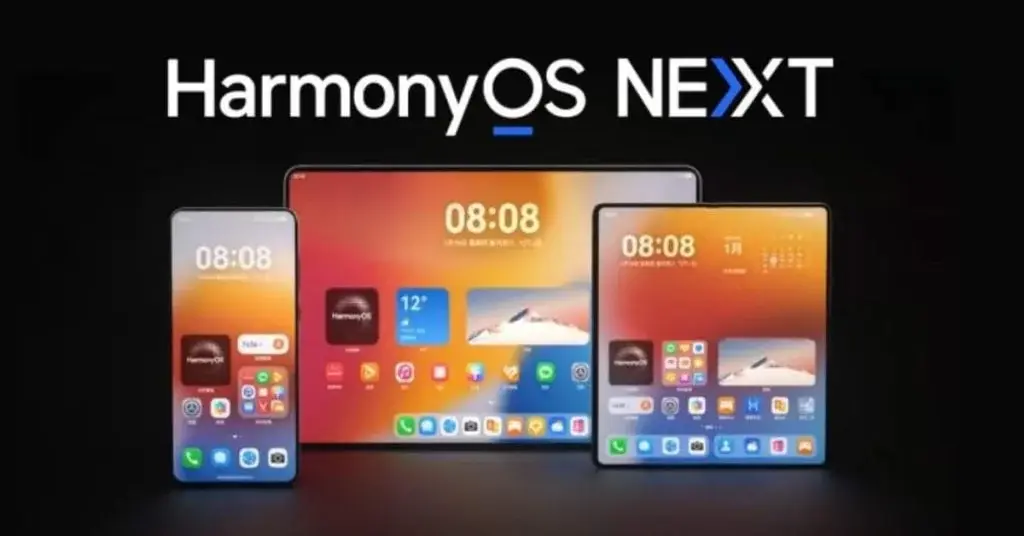
    HarmonyOS NEXT

    The Mate 70 is expected to be the first Huawei phone to feature the stable version of HarmonyOS NEXT, which will completely drop support for Android apps. HarmonyOS NEXT is currently in the testing phase, with recent reports indicating that the Developer Preview 2 offers better animation effects than Android.

    It remains to be seen whether Huawei will officially implement the rumored commission fee and how developers will react to this shift in the HarmonyOS ecosystem.

  • HarmonyOS Overtakes iOS in Market Share for the First Time

    HarmonyOS Overtakes iOS in Market Share for the First Time

    Huawei’s HarmonyOS operating system has marked a significant achievement in the Chinese market, as per data from Counterpoint Research. In the first quarter of 2024, HarmonyOS overtook Apple’s iOS for the first time, becoming the second-most popular mobile operating system in China.

    Market Share Surge

    The report indicates a notable rise in HarmonyOS’s market share, which increased from 8% in Q1 2023 to 17% in Q1 2024. Concurrently, iOS’s share dropped from 20% to 16%.

    This marks the first instance since Q1 2019 that iOS has experienced a reduction in market share during the first quarter in China. The decline is partly attributed to the release of new 5G smartphones by Huawei, which pose direct competition to Apple’s offerings.

    Global Expansion

    HarmonyOS’s growth extends beyond China. Globally, its market share doubled year-on-year, reaching 4% in Q1 2024. In contrast, both Android and iOS experienced minor drops from 78% and 20% in Q1 2023 to 77% and 19%, respectively.

    Despite this, Android saw a month-on-month recovery in Q1 2024, while iOS’s share fell from 23% in Q4 2023 to 19% in Q1 2024. Counterpoint attributes this decline to the seasonal variations typical of iPhone releases.

    HarmonyOS is witnessing strong 5G adoption. According to Counterpoint, the adoption rate increased from 9% in Q1 2023 to 50% in the first quarter of this year. The report also indicates that Huawei’s focus on localizing its supply chain is expected to sustain this growth trend.

    Counterpoint’s findings are consistent with a forecast report by TechInsights released in January 2024, which predicted that HarmonyOS would surpass iOS to become the second-largest smartphone operating system in China by year-end.


    HarmonyOS Overtakes iOS in Market Share for the First Time
  • Huawei MatePad SE 11: Affordable Tablet with Premium Metal Build

    Huawei MatePad SE 11: Affordable Tablet with Premium Metal Build

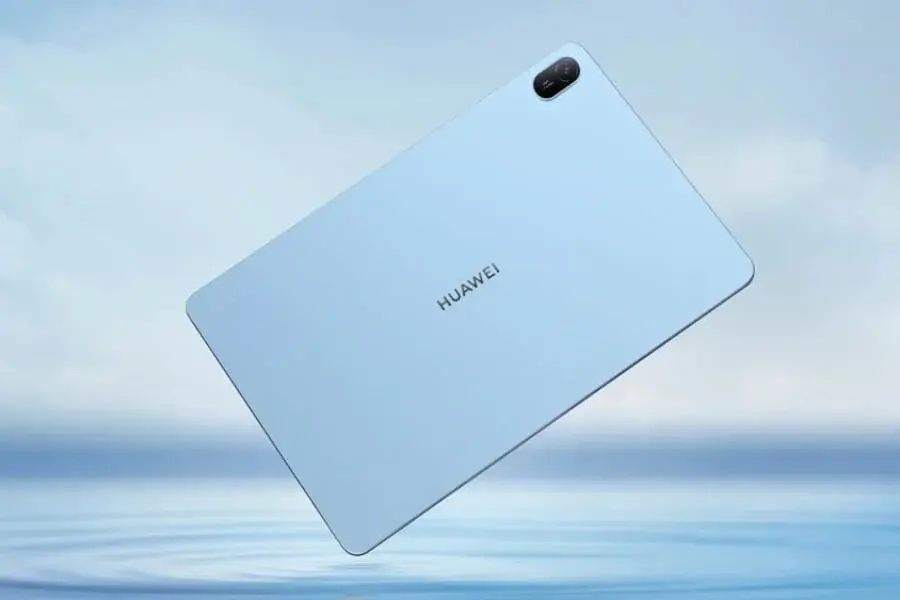
    Huawei has introduced a new cost-effective tablet, the MatePad SE 11, to the global market. This device aims to balance affordability with a suite of appealing features such as a large display, extended battery life, and stylus compatibility. Here’s a breakdown of its specifications, pricing, and availability.

    Huawei MatePad SE 11 Specifications

    The MatePad SE 11 boasts a sleek and lightweight metal design for a high-end feel. It is available in two color options, Crystal Blue and Nebula Gray, and has dimensions of 252.3 x 163.8 x 6.9mm, with a weight of 475 grams.

    The tablet sports an 11-inch TFT LCD (IPS) display with a Full HD+ resolution of 1920 x 1200 pixels and an 85% screen-to-body ratio. The screen offers 400 nits peak brightness, a 1400:1 contrast ratio, 16.7 million colors, 100% sRGB color gamut, and an eBook mode for comfortable reading.

    While Huawei has not officially confirmed the processor, it is speculated to be either a Kirin 710A or a Snapdragon 680 chipset. The device runs on HarmonyOS 2.0, which includes features like multi-screen collaboration for easy data transfer and screen sharing.

    Additional Features

    The MatePad SE 11 comes with multi-window functionality, a kid’s corner for safe usage, and MeeTime for video calls. Storage options are available in 64GB or 128GB, coupled with RAM options of 4GB, 6GB, or 8GB.

    Camera capabilities include an 8MP rear camera and a 5MP front-facing camera suitable for video calls and selfies. The tablet is powered by a 7700mAh battery that supports 22.5W fast charging.

    The tablet also supports the M-Pen Lite stylus, making it ideal for writing, drawing, and note-taking. Connectivity options feature Wi-Fi (2.4GHz and 5GHz), Bluetooth 5.1, and a USB Type-C port. Additional sensors include a gravity sensor, ambient light sensor, and a microphone. It also comes with quad speakers enhanced by Huawei Histen 9.0 audio and supports USB OTG.

    Pricing and Availability

    As of now, the pricing for the Huawei MatePad SE 11 has not been disclosed.


    Huawei MatePad SE 11: Affordable Tablet with Premium Metal Build
  • China Marks 5 Years of 5G, Huawei Eyes 5.5G (5G-A) Advancements

    China Marks 5 Years of 5G, Huawei Eyes 5.5G (5G-A) Advancements

    China's Ministry of Industry and Information Technology recently organized a forum to celebrate five years of 5G commercial use in the country. The event highlighted China’s achievements in 5G development, showcasing the world’s largest 5G network, which includes over 3.7 million base stations and 889 million users.

    5G-A: The Next Step in Mobile Communication

    A key focus was on 5G-A, also referred to as 5.5G, marking the next evolution in mobile communication. Huawei’s Cao Jibin stressed 5G-A’s potential to significantly enhance network capabilities, including speed, latency, and positioning.

    This advancement is driven by the increasing need for faster and more stable connections to support technologies like AI assistants and extensive data processing. 5G-A aims to deliver a tenfold increase in both bandwidth and latency, as well as sub-meter perception and centimeter-level positioning.

    Future Demand and Industry Collaboration

    Looking forward, Cao Jibin anticipates a surge in computing power requirements, especially for AI applications. He suggests integrating computing, storage, and networking to convert data centers into AI supercomputers. Despite challenges in chip manufacturing, he sees potential in optimizing network infrastructure through sector-wide collaboration.

    The forum wrapped up with a call for industry-wide cooperation to fully harness the potential of 5G-A. This includes policy support, ongoing innovation, and fostering partnerships across the technology chain.

    Achieving Full Connectivity

    The goal is to achieve “full connectivity” across various scenarios, potentially creating a trillion-dollar industry through applications in smart factories, connected cars, and the low-altitude economy. With numerous opportunities and challenges ahead, China’s 5G program appears robust. The coming years will be crucial in determining the country’s progress.

  • TSMC Faces No Immediate Competition from Huawei in Chipmaking

    TSMC Faces No Immediate Competition from Huawei in Chipmaking

    TSMC, the world’s leading chip manufacturer, minimized concerns about Huawei’s recent progress in chip development during its shareholder meeting. Highlighting a technological disparity and US export limitations, TSMC executives expressed confidence in retaining their market leadership.

    Chairman Mark Liu responded to a shareholder’s question about Huawei and other rivals, stating, “TSMC considers every competitor very carefully. We will always have competitors. But it has nothing to do with Huawei or not.” He downplayed the threat from Huawei, implying that both Huawei and China are significantly behind.

    TSMC's Confidence

    TSMC President Wei Zhejia also asserted that “it’s impossible” for Huawei to match their chip fabrication technology. This confidence stems from TSMC’s entrenched position at the cutting edge of the semiconductor industry.

    Huawei faces significant hurdles due to US government restrictions that limit its access to advanced chipmaking equipment, impeding its ability to compete at the highest level. Consequently, while TSMC plans to initiate 2nm chip production by next year, Huawei is still dealing with 7nm processors, with speculations that their 5nm SoC might launch soon.

    Huawei's Struggles

    Blacklisted by the US in 2019, Huawei has attempted a resurgence with the Mate 60 Pro and its new Kirin 5G processors. However, their 7nm technology places them at a disadvantage in terms of performance and efficiency compared to the latest chips from other manufacturers.

    While Huawei’s strides towards self-reliance are commendable, the technological gap and the constraints imposed by US sanctions remain significant obstacles. The question is whether any competitor, including Huawei, can bridge the gap and challenge TSMC’s dominance and strict export controls. Only time will reveal if a new contender can unseat the current leader in the chipmaking arena.

  • Huawei Unveils AI Health Sensor for Elderly: Fall Detection & Alerts

    Huawei Unveils AI Health Sensor for Elderly: Fall Detection & Alerts

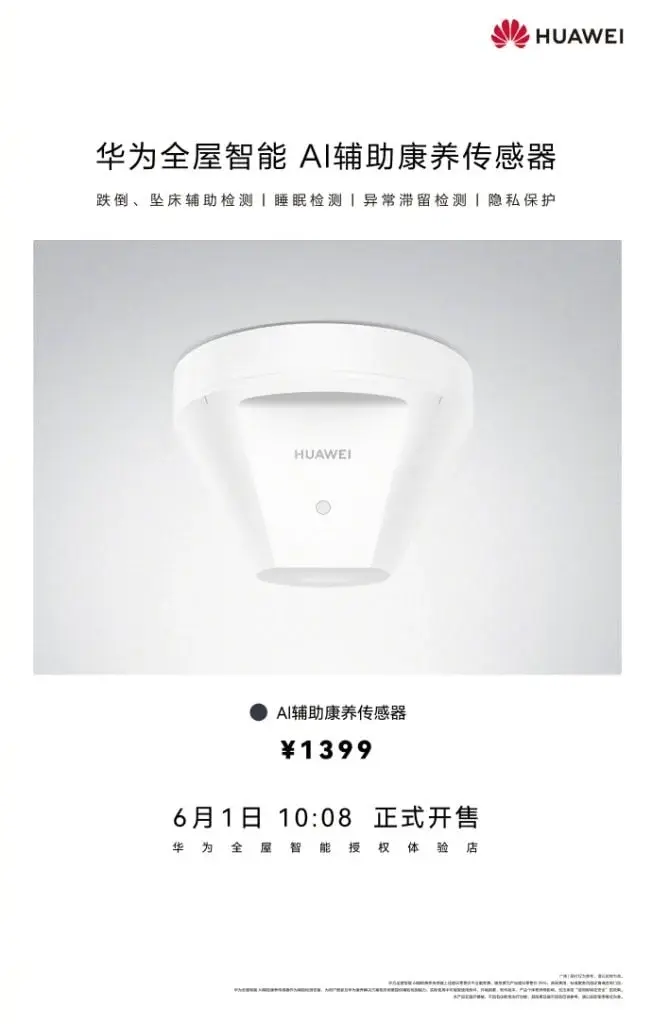
    Huawei has introduced a smart home device that leverages millimeter-wave radar technology to monitor health and well-being. Priced at 1399 yuan (approximately $196), this AI-assisted health sensor comes packed with features designed to provide safety and comfort within your home.

    Huawei Whole-house Smart AI-Assisted Health Sensor Specifications

    The device can detect falls, bed falls, and sleep patterns. It accurately identifies human posture, location, and respiratory rate, offering reassurance for those concerned about elderly family members or looking to improve their sleep quality.

    A standout feature is fall detection. The sensor can differentiate between falls in various rooms, such as bathrooms and bedrooms, and sends alerts through multiple channels (phone calls, SMS, and push notifications) to designated contacts. This feature ensures timely assistance during emergencies.

    Comprehensive Monitoring & Sleep Analysis

    Beyond fall detection, the sensor keeps track of sleep patterns and prolonged absences from bed, potentially flagging health issues. Users can set sleep schedules and get alerts if an elderly person sleeps unusually long or wakes up at odd times.

    The sensor integrates effortlessly with Huawei’s smart home solutions. It has micro-motion perception capabilities, enabling precise detection of human presence even during minimal movements like breathing. This facilitates automatic light adjustments based on room occupancy, promoting a comfortable and energy-efficient living space.

    Precision and Privacy

    The sensor effectively filters out interference from objects like robotic vacuums to ensure accurate detection, thereby minimizing false alarms. Huawei emphasizes user privacy; the millimeter-wave radar technology ensures no images or sounds are captured, making it a secure option for home installation.

    However, it’s important to highlight that the sensor is an auxiliary detection device and cannot guarantee complete safety. It is not a medical device and cannot diagnose or treat medical conditions.

    With a maximum coverage area of 25 square meters (269 square feet), the sensor is currently designed for single-person detection. Huawei cautions against using the sensor in homes with pets, as their movements might lead to false alarms.


    Huawei Unveils AI Health Sensor for Elderly: Fall Detection & Alerts

  • Huawei HiSilicon Ships 8M Kirin SoCs in Q1 2024, Beats Google Revenue

    Huawei HiSilicon Ships 8M Kirin SoCs in Q1 2024, Beats Google Revenue

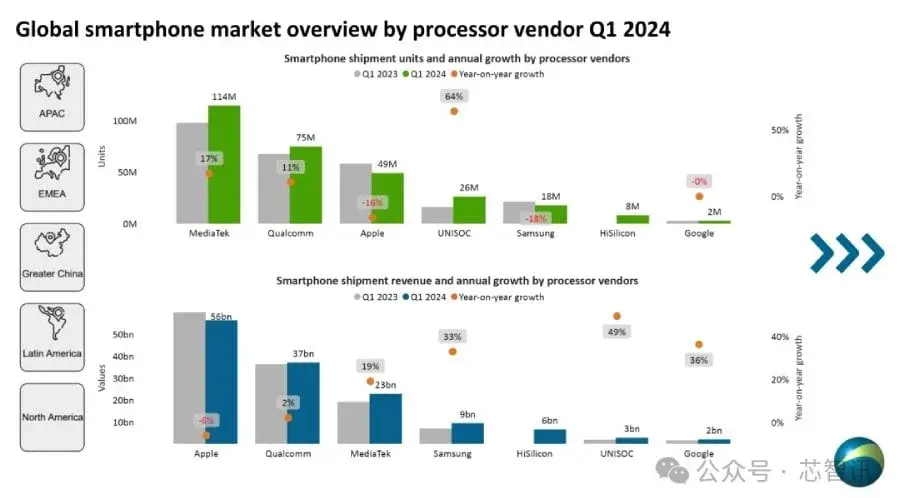
    Huawei's HiSilicon division, known for its Kirin chipsets, is experiencing a revival in the smartphone chipset market. According to Canalys data, the company managed to ship 8 million Kirin units in the first quarter (Q1) of 2024, generating a revenue of $6 billion.

    Competitive Landscape

    While this is a notable improvement from previous quarters, Huawei still trails behind its major competitors. However, the company did surpass Google's chipset shipments and revenue in Q1 2024. Google shipped only 2 million smartphone SoCs, earning $2 billion in revenue.

    In contrast, industry giants Samsung and MediaTek shipped significantly more units. Samsung shipped 18 million units, generating $9 billion, whereas MediaTek led the market with 114 million units but only secured $23 billion in revenue.

    Market Leaders

    Qualcomm also performed impressively, selling 75 million smartphone SoCs and earning $37 billion this quarter. Apple, the leader in chipset revenue, saw a decline in both shipments and revenue, with 49 million units shipped and $56 billion in revenue, compared to the same period last year.

    Despite holding a modest market share of 2.7% in Q1 2024, Huawei's resurgence is making waves in the market. Apple, in particular, is feeling the pressure on its chipset revenue and shipment momentum.

    Future Outlook

    The trend is anticipated to continue with the upcoming release of Huawei’s Mate 70 series in October and the HarmonyOS Next operating system in September. HarmonyOS, developed in-house by Huawei, aims to reduce reliance on Google’s Android platform.

    In summary, the data indicates a gradual comeback for Huawei in the chipset market. However, the company still faces a significant challenge in reclaiming its former market share against established players like Samsung, MediaTek, and Apple.

  • Huawei to Launch HarmonyOS NEXT Without Android in September

    Huawei to Launch HarmonyOS NEXT Without Android in September

    Huawei’s upcoming developer conference in June is anticipated to debut the Beta version of HarmonyOS NEXT, marking a crucial development for its proprietary operating system. Although specific details remain confidential, recent leaks indicate a broader release in September across multiple device segments.

    Expected Device Compatibility

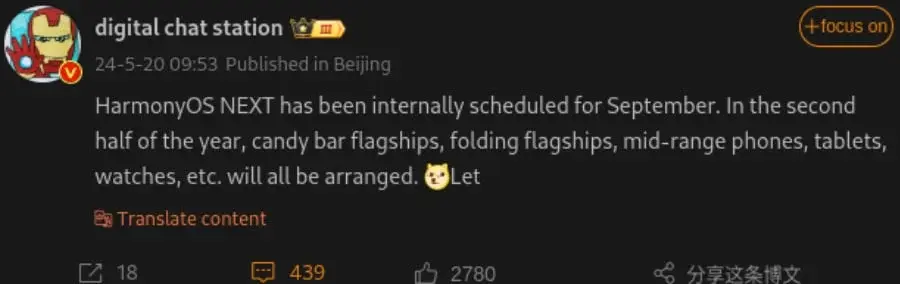
    According to the tipster Digital Chat Station, internal schedules point to a September release of HarmonyOS NEXT with support for “candy bar flagships, folding flagships, mid-range phones, tablets, and smartwatches” projected for the latter part of 2024.

    The candy bar flagship referred to in the leak is likely the forthcoming Huawei Mate 70 series, which, based on prior reports, is slated for an early September launch.

    A Shift from Android

    Technically, HarmonyOS NEXT signifies Huawei’s total departure from Android. It abandons the conventional Android Open Source Project (AOSP) codebase and is built solely on Huawei’s own Hongmeng kernel and system applications, rendering it incompatible with Android apps.

    Despite this major shift, Huawei has successfully persuaded thousands of companies and institutions to create native applications for HarmonyOS NEXT. The company has announced that over 4,000 native apps have already been developed for the new OS, with additional ones in progress. These applications cover a range of categories, including navigation, news, finance, and gaming.

    App Development and Market Adoption

    Huawei’s official target is to have 5,000 native apps available by the end of 2024, with a long-term objective of reaching 500,000. The success of this transition hinges significantly on app developer participation and the user experience within the new app ecosystem.

    The planned September launch sets an ambitious timeline for Huawei. Whether HarmonyOS can emerge as a credible competitor in the mobile OS market remains uncertain.


    Huawei to Launch HarmonyOS NEXT Without Android in September
  • Huawei HarmonyOS NEXT Mimics Apple with Internal App Distribution

    Huawei HarmonyOS NEXT Mimics Apple with Internal App Distribution

    For years, iPhone users have used enterprise certificates to install apps not approved by Apple’s App Store. Now, Huawei’s HarmonyOS NEXT seems to be adopting a similar strategy.

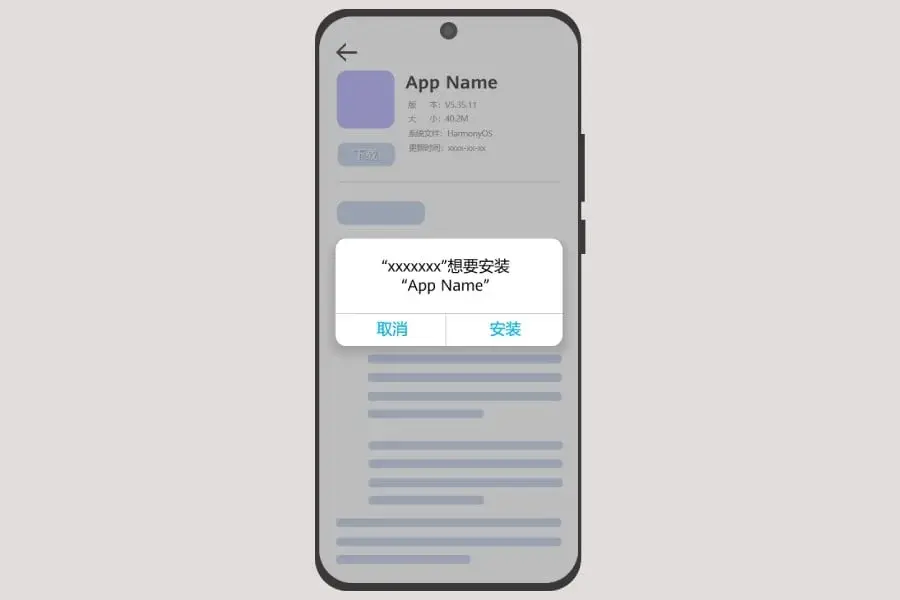
    Recently, Huawei introduced a new method for sideloading apps on its OS. Developers will compile and package their apps with certificates and profiles issued internally by their organization.

    Uploading and Installation

    The final package and a description file are then uploaded to a server or cloud storage for users to download and install directly. These apps are designed for specific user groups, such as internal enterprise tools or programs.

    Intended Use and Limitations

    Huawei states that this feature is meant for “HarmonyOS applications that are not suitable or do not want to be publicly released on Huawei App Market.” Developers can also use Huawei’s AppGallery Connect (AGC) for small-scale distribution through designated channels.

    However, this method has limitations. It currently supports only HarmonyOS apps built using the Stage model, and features like meta-services are not compatible yet. Users must manually enable the app by navigating to Settings > System > Enterprise Device and Application Management > Enterprise Application Management and granting permission.

    Flexibility and Security Concerns

    Huawei’s move isn’t surprising. Sideloading apps provides significant flexibility, especially for developers seeking to bypass App Market approval for specific use cases. However, it could also pose security risks. Unlike the curated App Market offerings, sideloaded apps lack official oversight, increasing the potential for malware or compromised software.