Tag: Dimensity 9500

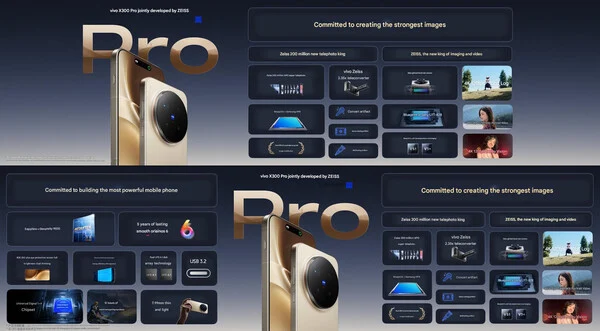
  • Vivo X300 Pro Launch: New Camera Flagship Priced from $939

    Vivo X300 Pro Launch: New Camera Flagship Priced from $939

    Key Takeaways

    1. The Vivo X300 Pro is priced at $934.99 and competes with the iPhone 17 Pro Max and Galaxy S25 Ultra.
    2. It features MediaTek’s Dimensity 9500 chip and offers significant improvements over the standard X300 model.
    3. The smartphone has a large 6,510 mAh battery with 40 W wireless and 90 W wired charging, and a 6.78-inch LTPO AMOLED display.
    4. Pricing for the X300 Pro starts at CNY 5,299 ($743) for the base model and goes up to CNY 8,299 ($1,164) for the highest variant with satellite connectivity.
    5. A global launch is expected next month, with some retailers already selling the Vivo X300 Pro internationally, albeit with potential limitations on software compatibility.


    The Vivo X300 Pro has been officially launched as the latest competitor to the iPhone 17 Pro Max and Galaxy S25 Ultra, which is currently priced at $934.99 on Amazon. This release comes ahead of the anticipated X300 Ultra expected next year. As anticipated, the X300 Pro is among the first smartphones to utilize MediaTek’s Dimensity 9500, which was revealed last month. For comparison, the regular X300 also features this chip, and we have previously discussed its launch details.

    Enhanced Features

    As expected, the X300 Pro offers several improvements over its non-Pro version. Vivo has equipped the Pro with a substantial 6,510 mAh battery that supports both 40 W wireless and 90 W wired charging. Additionally, it sports a 6.78-inch LTPO AMOLED display with a resolution of 1,260 x 2,800 pixels, which provides a variable refresh rate ranging between 1-120 Hz, and boasts an impressive 94.85% screen-to-body ratio.

    Camera and Dimensions

    The smartphone is packed with advanced camera technology and is housed in a sleek design weighing 226 g with dimensions of 161.98 x 75.48 x 7.9 mm.

    The base model of the Vivo X300 Pro starts at CNY 5,299 (approximately $743) and comes with 12 GB of RAM and 256 GB of storage. The price increases to CNY 6,699 (around $939) for the 16 GB RAM and 1 TB storage variant. For those interested in additional features, Vivo also offers a version priced at CNY 8,299 (about $1,164) that includes satellite connectivity and a Photographer Kit.

    Global Launch and Availability

    Interestingly, Vivo has hinted that the X300 Pro will be introduced globally next month alongside the X300 during a special launch event. However, detailed information about the event is still pending. Meanwhile, retailers like Giztop and Wondamobile are already selling the Vivo X300 Pro internationally as an imported device, starting at $939 and $949, respectively. It’s important to note that this model runs on the Chinese version of OriginOS 6, meaning it may have limitations, such as not being able to connect with a Wear OS smartwatch. However, it does support Google Play and Google Mobile Services, along with various global banking applications.

    Source:
    Link



  • Vivo X300 Global Launch: 200 MP Zeiss Camera for $769

    Vivo X300 Global Launch: 200 MP Zeiss Camera for $769

    Key Takeaways

    1. Vivo launched its first flagship phones, X300 and X300 Pro, powered by the Dimensity 9500 chip, aimed at photography enthusiasts.
    2. The X300’s pricing starts at $769 for the 12 GB RAM and 256 GB storage model, with a higher configuration (16 GB RAM and 1 TB storage) priced at $1,019.
    3. Imported models feature Chinese firmware, which may include region-specific apps and lack some global features like Android Auto; warranties may differ from official ones.
    4. The X300 has a 6.31-inch LTPO AMOLED display with a variable refresh rate of 120 Hz and impressive brightness levels, making it a solid upgrade from the Vivo X200 Pro mini.
    5. The device includes a 200 MP primary camera, a 50 MP ultrawide camera, a 50 MP telephoto lens, a 6,040 mAh battery with 90 W fast charging, and features like IP68/IP69 rating, WiFi 6, and Bluetooth 5.4.


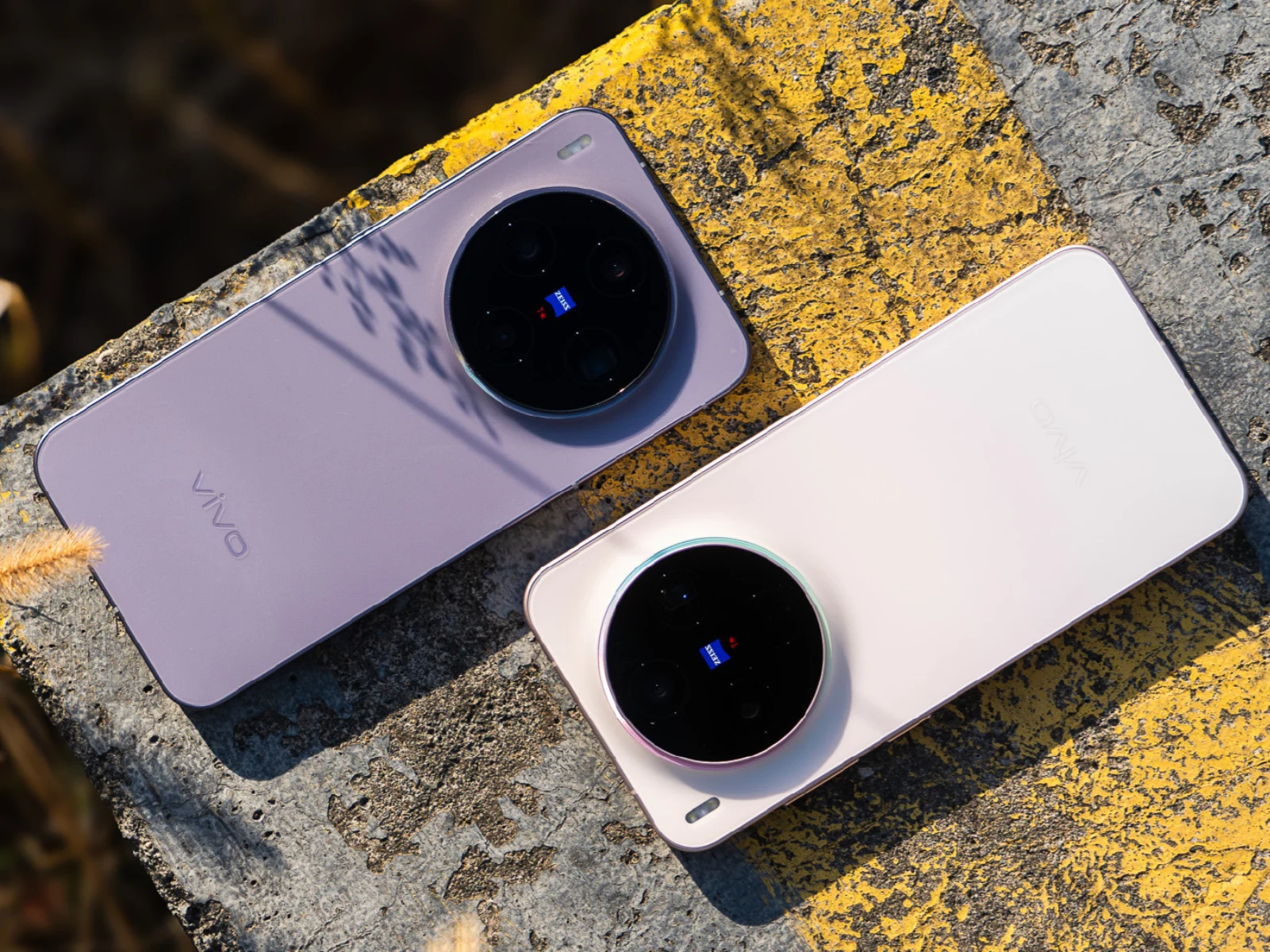
    Vivo has introduced its first flagship phones powered by the Dimensity 9500 chip, named the X300 and X300 Pro. These devices are among the initial Chinese flagships designed specifically for photography enthusiasts. Shortly after their launch event in China, the standard version made its way to import websites like Giztop and Wondamobile.

    Pricing and Availability

    The flagship model with a stunning 200 MP Zeiss camera is available for as low as $769 on Giztop and $770.68 on Wondamobile. These prices are for the configuration featuring 12 GB of RAM and 256 GB of storage. The highest version of this flagship, which includes 16 GB of RAM and 1 TB of storage, can also be found on both platforms, priced starting at $1,019.

    Important Considerations

    While these prices are quite reasonable compared to what they cost in China, there are important things to keep in mind. The imported Vivo X300 will come with the Chinese firmware. This means it will support various languages but will also include some apps that are specific to China. Additionally, features that are typically available on global versions, like Android Auto, may not work on these imported models. Furthermore, the warranty offered by these stores will not match the official warranty.

    Device Specifications

    Regarding the phone itself, it serves as a solid successor to the Vivo X200 Pro mini. Specifically, the X300 has a compact design with a 6.31-inch display. This LTPO AMOLED screen features a variable refresh rate of 120 Hz, a peak brightness of 4,500 nits, and a low brightness rating of just one nit.

    Camera and Battery

    This latest Dimensity 9500 flagship smartphone includes a 50 MP selfie camera on the front, while the back showcases a 200 MP primary camera featuring a 1/1.4-inch sensor size as its standout feature. This main camera is complemented by a 50 MP Samsung JN1 ultrawide camera and a 50 MP Sony LYT-602 APO telephoto lens with 3x optical zoom.

    Other standout features of the device include a powerful 6,040 mAh battery with 90 W fast charging (the 140 W Anker charger is currently priced at $79.99 on Amazon), along with 40 W wireless charging support, dual stereo speakers, an IP68/IP69 rating, WiFi 6, and Bluetooth 5.4. For more details, check out our launch coverage on the Vivo X300, linked above.


  • Vivo X300 Official Specs Reveal Major Upgrades from X200 Pro Mini

    Vivo X300 Official Specs Reveal Major Upgrades from X200 Pro Mini

    Key Takeaways

    1. The Vivo X300 series will not include a ‘Pro Mini’ variant, replacing it with the regular X300 model.
    2. The X300 features a 200MP main sensor, a Zeiss APO telephoto lens, and a 50MP front camera, significantly upgrading from the X200 Pro Mini.
    3. Enhanced video capabilities include 4K recording at 120fps with improved stabilization, compared to the X200 Pro Mini’s 4K 60fps.
    4. The X300 is powered by the new Dimensity 9500 chipset, offering better single-core and multi-core performance than the previous model.
    5. The X300 has a sleeker design at 7.95 mm thick, featuring a 6.31-inch display with minimal bezels and enhanced eye comfort features.


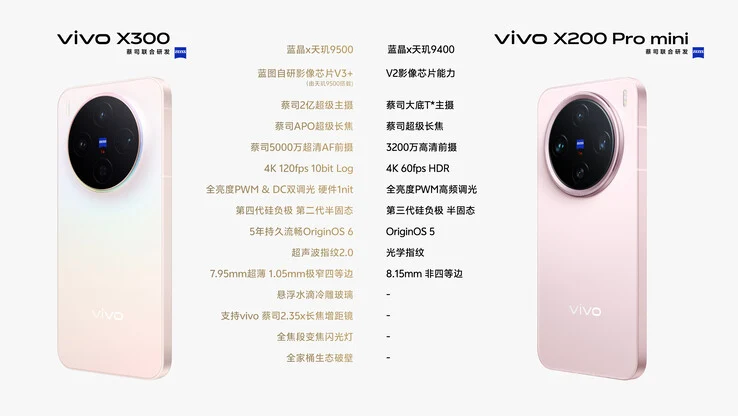
    The Vivo X series stands out as a premium range of smartphones celebrated for its Zeiss camera technology. Last year’s X200 series debuted with three versions: the standard X200, the X200 Pro Mini, and the X200 Pro. However, the company has announced that the new series will not include a ‘Pro Mini’ variant. Instead, Vivo is swapping out the X300 Pro Mini for the regular X300 model.

    Upcoming Features

    Before the official release, Vivo’s Vice President, Huang Tao, has shared some exciting features of the X300 and has drawn a comparison with last year’s X200 Pro Mini.

    In the realm of photography, the Vivo X300 is reported to come with a 200MP main sensor, a Zeiss APO telephoto lens, and a 50MP front camera. In contrast, the X200 Pro Mini was equipped with a 50MP main camera and a 32MP front camera. The X300 will also enable 10-bit Log recording, a significant upgrade.

    Enhanced Performance

    Vivo touts enhanced stabilization and smoother video recording on the X300, boasting support for 4K video at 120fps. On the other hand, the X200 Pro Mini maxes out at 4K 60fps video recording. Furthermore, the X300 is set to include a new in-house imaging chip, the V3+, as opposed to the V2 found in the X200 Pro Mini.

    The X300 is confirmed to house the latest Dimensity 9500 chipset. MediaTek claims this new chip can provide up to 32% faster single-core performance and around 17% better multi-core performance compared to the chip that powered the X200 Pro Mini.

    Sleek Design

    When it comes to design, the X300 is sleeker at 7.95 mm thick, whereas the X200 Pro Mini was slightly heftier at 8.15 mm. Both models sport a 6.31-inch display, but the X300’s screen features 1.05 mm symmetrical bezels. Additionally, it boasts a minimum brightness of 1 nit and incorporates dual PWM and DC dimming for eye comfort. Alongside the standard X300, Vivo is also set to introduce the X300 Pro.

    Source:
    Link


  • Vivo X300 Pro Review: Specs Confirmed & New Zeiss Camera Samples

    Key Takeaways

    1. The Vivo X300 Pro is expected to launch in multiple countries, including Malaysia, with potential availability through imports from Hong Kong.
    2. The phone features a Zeiss teleconverter that enhances the camera’s capabilities by converting an 85mm lens into a 200mm equivalent.
    3. Performance tests indicate the Vivo X300 Pro’s Dimensity 9500 chip scores significantly higher than its predecessor, the Vivo X200 Pro, with a nearly 40% increase in AnTuTu scores.
    4. The Vivo X300 Pro has a thickness of 7.99 mm and weighs 226 grams, with a larger battery of 6,510 mAh compared to the 6,040 mAh in the standard Vivo X300.
    5. Recent camera samples showcase the Zeiss camera’s capabilities, including striking telephoto macro images and night portraits from Chinese National Day celebrations.


    After Vivo shared a lot of details about its upcoming flagship camera with Zeiss back in September, and also released some official images, the tech media has shifted its attention to the Xiaomi 17 and Xiaomi 17 Pro, which are powered by the Snapdragon 8 Elite Gen 5, along with the OnePlus 15. But don’t forget about the Dimensity 9500 flagships, the Oppo Find X9 Pro and Vivo X300 Pro, which will also be hitting the market in just a few days, and the Find X9 Pro is anticipated to have a global launch shortly after that.

    Vivo X300 Pro Launch Details

    It looks like the Vivo X300 Pro might be launched in several countries beyond China this year, including Malaysia, where it was recently spotted at a certification agency. However, this doesn’t guarantee that the successor to the Vivo X200 Pro will be available in Europe in a few weeks, but hey, importing the global model from places like Hong Kong could be an option for those eager to get their hands on it.

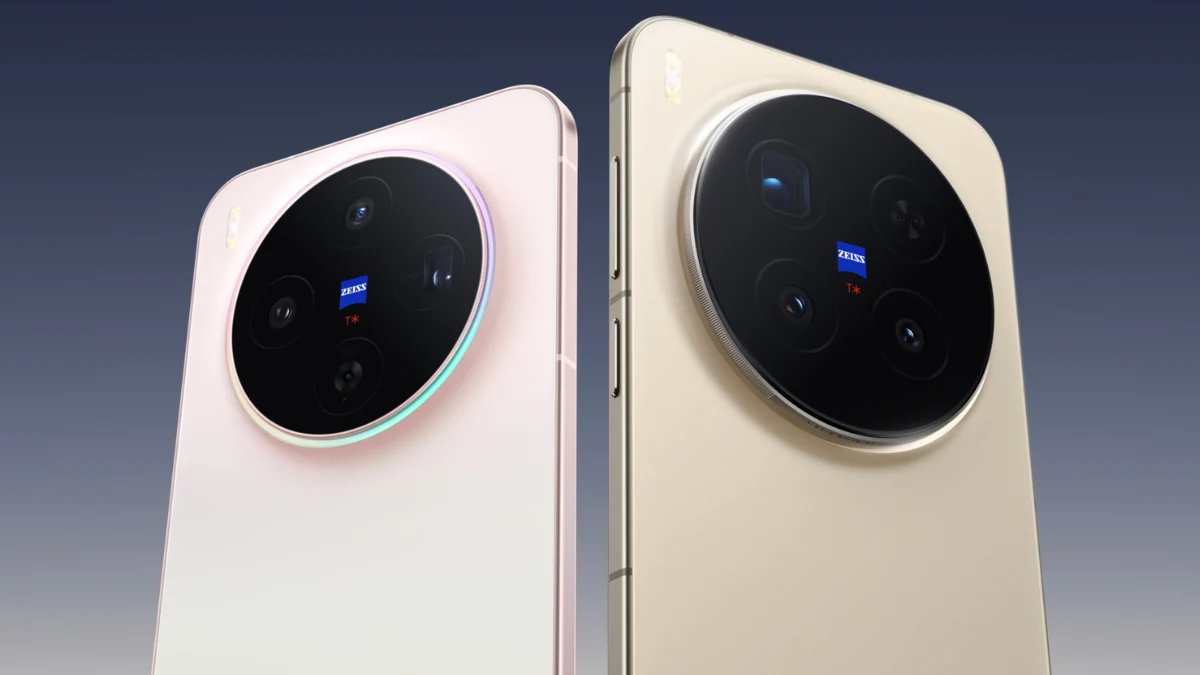
    For those looking for the Vivo X300 Pro on Weibo, you’ll find loads of camera samples (check them out below) and some hands-on pictures, as well as the first unboxing videos. One particular video reveals the full package, which includes the camera kit and the Zeiss teleconverter. Interestingly, this teleconverter seems to be the same as the one already available for the Vivo X200 Ultra, which changes the 85mm telephoto lens into a 200mm equivalent, ensuring better quality for faraway subjects compared to the standard AI-based digital zoom.

    Performance Insights

    Another video circulating on Weibo puts the Dimensity 9500 flagships to the test. We’ve also uploaded this video in 4K to YouTube, although it’s in Chinese and lacks subtitles. Still, many aspects are quite clear, such as the quick comparison with the Vivo X200 Pro at the start. Some specifications have been confirmed too, like the Vivo X300 Pro’s thickness of 7.99 mm and its weight of 226 grams. Early results from Dimensity 9500 tests show it scoring over 1 million points higher in AnTuTu v11 compared to the Vivo X200 Pro, marking an increase of nearly 40%.

    Testers are expecting significantly better scores of around 30 to 40% in Geekbench and 3DMark Steel Normal Light as well. Beyond that, various other tests that are crucial for gamers, alongside other test videos, reaffirm some of the specifications of the Vivo X300 and Vivo X300 Pro. The Vivo X300 is equipped with a 6,040 mAh battery, while the Pro version boasts a larger 6,510 mAh battery, both capable of being charged at a max of 90 watts via USB-C. However, similar to what we saw with its predecessor, the global version might once again have a smaller battery, especially for the European model.

    Recent Camera Samples

    New images captured with the Zeiss camera have also surfaced on Weibo. There are 21 photos that kick off with two striking telephoto macro images. Following that, the Chinese National Day festivities take the spotlight in a series of night portraits, which were likely taken using the new zoom flash. Lastly, several pictures were snapped around the reopening of the Huajiang Canyon Bridge, currently recognized as the highest bridge in the world. Interestingly, some of these images were taken using the Zeiss teleconverter, as noted on Weibo.

    Source:
    Link


  • Vivo X300 and X300 Pro to Feature Ultra Battery Technology

    Vivo X300 and X300 Pro to Feature Ultra Battery Technology

    Key Takeaways

    1. Vivo is launching the Vivo X300 and Vivo X300 Pro in China by the end of the month, featuring MediaTek’s new Dimensity 9500 chipset.
    2. Both Vivo models have larger battery capacities than the previous Vivo X200 series but are lower than Xiaomi’s latest flagship batteries (6,300 mAh to 7,500 mAh).
    3. The Vivo X300 has a 6,040 mAh battery with 90 W wired charging, while the Vivo X300 Pro includes a 6,510 mAh battery with the same charging speed.
    4. The battery capacities of the Vivo X300 series exceed those of Samsung’s Galaxy S25 series, which has a maximum of 5,000 mAh.
    5. Independent reviews are essential for assessing the actual battery performance of Vivo’s new devices compared to competitors.


    Vivo is set to launch the Vivo X300 and Vivo X300 Pro in China by the end of this month. These devices will be among the first smartphones to utilize MediaTek’s new Dimensity 9500 chipset. It’s worth noting that the Find X9 and Find X9 Pro are also debuting in China before October wraps up.

    Battery and Charging Insights

    Meanwhile, some early tests from influencers have shed light on more specifications regarding Vivo’s upcoming flagship devices. New Evaluation Technology has shared insights on the battery and charging features ahead of time. Both models have capacities that exceed those of the Vivo X200, Vivo X200 Pro, and even the Vivo X200 Ultra, but they do not quite match up to the latest Xiaomi 17 series. For comparison, Xiaomi’s newest flagships come with battery capacities ranging from 6,300 mAh to 7,500 mAh.

    In contrast, the Vivo X300 is paired with its Dimensity 9500 chipset and features a 6,040 mAh battery that allows for 90 W wired charging. On the other hand, the Vivo X300 Pro offers a larger 6,510 mAh battery while retaining the same wired charging speed. Both devices significantly outshine Samsung’s Galaxy S25 series, which only reaches a maximum of 5,000 mAh with the Galaxy S25 Ultra (currently priced at $1,049.99 on Amazon).

    Waiting for Reviews

    At the end of the day, it’s best to wait for independent reviews before forming an opinion on the battery performance of Vivo’s new flagships. For example, the Galaxy Z Fold7 performs much more comparably to the Honor Magic V5 and Vivo X Fold5 in our battery evaluations than what their respective battery capacities would indicate.

    Source:
    Link


  • MediaTek Dimensity 9500 Die Shot Reveals Bigger Chip and Upgrades

    MediaTek Dimensity 9500 Die Shot Reveals Bigger Chip and Upgrades

    Key Takeaways

    1. MediaTek’s Dimensity 9500 SoC features an all-P-core structure and an upgraded Mali C1 Ultra GPU with more cores than the Adreno 840.
    2. The Dimensity 9500 has increased its L2 cache to 16 MiB, up from 12 MB in the Dimensity 9400, while maintaining the same CPU layout.
    3. The size of the 5G modem has been reduced in the Dimensity 9500 to make room for its ISP and video processing engine.
    4. The NPU in the Dimensity 9500 has significantly increased in size, reflecting a growing emphasis on AI capabilities.
    5. The Dimensity 9500 is larger at approximately 140.79 mm², compared to the Snapdragon 8 Elite Gen 5 (126 mm²) and Dimensity 9400 (126 mm²), to achieve higher performance.


    Semiconductor teardown expert Kurnalsalts has shared a die image of MediaTek’s latest Dimensity 9500 SoC, just a few days after the Snapdragon 8 Elite Gen 5 was revealed. The Dimensity 9500 continues with MediaTek’s all-P-core structure. Furthermore, its Mali C1 Ultra GPU features significantly more cores and compute units compared to the Adreno 840.

    Comparison with Dimensity 9400

    Kurnalsalts also released a die shot of the Dimensity 9400 next to the Dimensity 9500, making it easier to identify the enhancements. For one, the CPU now has 16 MiB of L2 cache, which is an increase from the 12 MB found in the 9400. The CPU layout remains unchanged, with the fastest P-core located at the bottom right of the cluster. The Dimensity 9500 also reduces the size of its 5G modem to accommodate its ISP and video processing engine.

    NPU Enhancements

    On the flip side, the NPU has seen a considerable increase in size, which is not surprising given the growing focus on AI capabilities on devices. Overall, the Dimensity 9500 maintains a reliable and familiar design, likely sticking to this format until the Dimensity 9600, which is already in development on TSMC’s 2 nm N2 process.

    In terms of size, the Dimensity 9500 is larger at approximately 140.79 mm² compared to the Snapdragon 8 Elite Gen 5, which is around 126 mm², and the Dimensity 9400, also at roughly 126 mm². This increase in die area may have been necessary to meet the higher performance requirements that wouldn’t have been achievable by merely shifting from the N3E to the N3P node.

    Kurnalsalts on X.

    Source:
    Link


  • MediaTek Dimensity 9500 vs Snapdragon 8 Elite Gen 5: Benchmark Showdown

    MediaTek Dimensity 9500 vs Snapdragon 8 Elite Gen 5: Benchmark Showdown

    Key Takeaways

    1. Qualcomm and MediaTek launched new chipsets: Snapdragon 8 Elite Gen 5 and Dimensity 9500.
    2. Snapdragon 8 Elite Gen 5 outperformed Dimensity 9500 in Geekbench 6, with scores of 3,831 (single-core) and 12,459 (multi-core) versus 3,635 and 10,941, respectively.
    3. In graphics performance, Snapdragon 8 Elite Gen 5 scored 8,492 on the 3DMark WildLife Extreme test, while Dimensity 9500 scored 8,251.
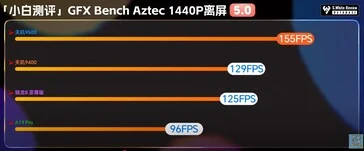
    4. Both chipsets had similar results on GFXBench’s 1440P Aztec test, with Snapdragon at 157 FPS and Dimensity at 155 FPS.
    5. Overall, Snapdragon 8 Elite Gen 5 shows superior performance over Dimensity 9500 in both CPU and GPU tests during evaluations on reference design devices.


    Qualcomm and MediaTek recently unveiled their top-tier chipsets for this generation, the Snapdragon 8 Elite Gen 5 and Dimensity 9500, just last week. Although only the Qualcomm chipset is currently available in a smartphone—the Xiaomi 17 series—both have been tested on reference design devices to evaluate their performance against each other.

    Performance Benchmarks

    According to tests done by Xiaobai’s Tech Reviews, the Snapdragon 8 Elite Gen 5 achieved a single-core score of 3,831 and a multi-core score of 12,459 on Geekbench 6. In contrast, the Dimensity 9500 managed to score 3,635 in single-core and 10,941 in multi-core tests, clearly showing its weakness.

    Graphics Performance

    When it comes to GPU performance, the Snapdragon 8 Elite Gen 5 scored 8,492 on the 3DMark WildLife Extreme test. The Dimensity 9500 is close behind with a score of 8,251. Interestingly, both chipsets showed similar results on GFXBench’s 1440P Aztec test, with the Qualcomm chipset reaching 157 FPS compared to MediaTek’s 155 FPS. Notably, both chipsets significantly outperform the Apple A19 Pro in these benchmarks.

    Conclusion

    In summary, Qualcomm seems to have the upper hand over MediaTek once more. The Snapdragon 8 Elite Gen 5 surpasses the Dimensity 9500 in both CPU and GPU tests, although it’s important to mention that all evaluations were done using OEM reference design devices.

    Source:
    Link


  • Oppo Reveals OnePlus 15 Lookalike Find X9 in New Photos

    Key Takeaways

    1. The Oppo Find X9 and X9 Pro will be among the first smartphones to feature the Dimensity 9500 processor, with a launch event on October 16, 2025, in China.
    2. The design of the Find X9 closely resembles that of the OnePlus 15, but the OnePlus device will not feature Hasselblad branding.
    3. The Find X9 and Find X9 Pro will be available in three color options: Frost White, Velvet Titanium, and a yet-to-be-named unique red.
    4. Oppo claims that the Find X9 Pro’s camera outperforms the iPhone 17 Pro, highlighting its “Danxia color reproduction lens” and Hasselblad tuning.
    5. The camera comparison information is provided by Oppo, so it’s advisable to approach these claims with skepticism.


    The Oppo Find X9 and X9 Pro are set to be among the very first premium smartphones featuring the newly launched Dimensity 9500. The company has confirmed that the unveiling event will take place on October 16, 2025, in China, followed by a global release shortly after the initial launch.

    Design Similarities

    In the weeks leading up to the event, Oppo revealed the design of the Find X9, which closely resembles the upcoming OnePlus 15. However, the OnePlus device, powered by the Snapdragon 8 Elite Gen 5, will not carry the Hasselblad branding seen on the Oppo, as OnePlus has transitioned to utilizing an in-house DetailMax camera technology.

    Color Options

    Oppo has released additional images of the Find X9, showcasing its OnePlus 15-like design in three color options: Frost White, Velvet Titanium, and a unique shade of red that has yet to be officially named. The company confirmed that these three color options will also be available for the Find X9 Pro.

    Camera Comparisons

    Regarding the Find X9 Pro, Zhou Yibao, the product manager, shared a portrait photograph taken with the flagship device. In his post, he emphasizes the camera’s superiority over the iPhone 17 Pro, providing a side-by-side comparison of images captured by both phones.

    The Oppo representative claims that the comparison image highlights the capabilities of the phone’s “Danxia color reproduction lens.” Specifically, the photograph taken with the Find X9 Pro exhibits vibrant colors and greater detail compared to the one shot with the iPhone 17 Pro.

    Yibao asserts that this alleged camera improvement stems from the Hasselblad tuning applied to the Find X9 series, which each device in the lineup will benefit from. While the comparison suggests that Oppo’s flagship outperform the iPhone 17 Pro, it’s crucial to remember that this information is provided by Oppo itself, and smartphone makers may not always be entirely truthful about pre-launch camera samples. Therefore, it’s wise to approach this information with a degree of skepticism.

    Source:
    Link


  • Snapdragon 8 Elite Gen 5 vs Apple A19 Pro: Benchmark Comparison

    Snapdragon 8 Elite Gen 5 vs Apple A19 Pro: Benchmark Comparison

    Key Takeaways

    1. The Snapdragon 8 Elite Gen 5 shows significant performance improvements, narrowing the gap with Apple’s A19 Pro in single-core performance and outperforming it in multi-core benchmarks.
    2. It is 18% faster in single-core and 19% faster in multi-core performance compared to the Snapdragon 8 Elite, despite the core count remaining unchanged.
    3. The chip is built on TSMC’s N3P node, with potential for exceeding the 4,000 single-core score in Geekbench 6.4 with future devices.
    4. The Adreno 840 GPU exhibits notable gains, with performance increases of 16% to 39% across various benchmarks, although not as strong in 3DMark.
    5. The competition from Dimensity 9500’s Mali G1-Ultra and potential new GPU from Exynos 2600 indicates that Snapdragon 8 Elite Gen 5 may face challenges in the market.


    Prior Geekbench listings have given us a glimpse into how the Qualcomm Snapdragon 8 Elite Gen 5 compares to its previous versions. The improvement in performance is significant, as Qualcomm has finally narrowed the gap with Apple’s silicon. Recently, the company has shared some first-party benchmarks that provide a clearer picture of the chip’s performance capabilities.

    Performance Comparison

    In Geekbench, the Snapdragon 8 Elite Gen 5 competes closely with Apple’s A19 Pro in single-core performance, a situation that hasn’t been seen in several generations. In multi-core benchmarks, it even outperforms Apple silicon, which is expected due to its higher core count. Still, Qualcomm does better than its Android rivals, like the Dimensity 9500 (3,394/9,974) and Exynos 2600 (3,309/11,256), in single-core tests. It’s worth noting that these results came from pre-launch devices, so it’s wise to hold off on final judgments until more information is available.

    Impressive Improvements

    On the whole, the Snapdragon 8 Elite Gen 5 is 18% quicker than the Snapdragon 8 Elite in single-core performance and 19% faster in multi-core performance. These are remarkable stats, especially since the core count hasn’t changed between generations. Furthermore, the SoC is built on TSMC’s N3P node, which doesn’t offer a substantial increase in transistor density compared to N3E (the node used for the Snapdragon 8 Elite). There’s a strong possibility that the Snapdragon 8 Elite Gen 5 could surpass the 4,000 single-core mark in Geekbench 6.4 once additional devices are released.

    GPU Performance Gains

    The Adreno 840 GPU in the Snapdragon 8 Elite Gen 5 shows notable improvements compared to its predecessors, boasting a 16% gain in GFXBench 3.1 Manhattan ES Offscreen, 34% in Aztec Ruins Normal Tier Offscreen, and 39% in Aztec Ruins High Tier Offscreen. However, its performance in 3DMark is not as striking.

    That being said, the Dimensity 9500’s Mali G1-Ultra might pose a significant challenge this time around, as shown by an earlier benchmark leak. It’s still too soon to predict how the Exynos 2600 will perform, as it may introduce Samsung’s proprietary GPU rather than one based on AMD’s RDNA 3 architecture.


  • MediaTek Dimensity 9500 Benchmarks: GPU Outperforms A19 Pro

    MediaTek Dimensity 9500 Benchmarks: GPU Outperforms A19 Pro

    Key Takeaways

    1. MediaTek launched the Dimensity 9500 chipset to compete with Apple’s A19 Pro and Snapdragon 8 Elite Gen 5.
    2. In benchmark tests, the Dimensity 9500 scored 3,635 in single-core and 10,941 in multi-core performance, showing competitive results against the A19 Pro.
    3. The Dimensity 9500 has a significant advantage in GPU performance, scoring 8,251 in the 3DMark Wild Life Extreme test compared to the A19 Pro’s 6,557.
    4. In GFXBench’s Aztec 1440P test, the Dimensity 9500 achieved 155 FPS, while the A19 Pro only reached 96 FPS.
    5. The Dimensity 9500 benchmarks were performed on a reference design device, with smartphones using this chipset expected to launch in October.


    MediaTek introduced the Dimensity 9500 yesturday. This new high-end chipset is set to compete with Apple’s A19 Pro and the soon-to-be-released Snapdragon 8 Elite Gen 5. It has gone through multiple benchmarks to assess its performance against Apple’s latest chip.

    Benchmark Performance

    According to Xiaobai’s Tech Reviews, the Dimensity 9500 achieved a single-core score of 3,635 and a multi-core score of 10,941. In comparison, the A19 Pro scores 3,981 in single-core and 10,798 in multi-core tests. This suggests a kind of balance between the two chipsets, with Apple’s A19 Pro having a 10% edge in the single-core benchmark, but falling slightly behind in multi-core performance.

    GPU Comparison

    When it comes to raw GPU power, the situation shifts significantly. The Dimensity 9500 reached a score of 8,251 on 3DMark’s Wild Life Extreme test, while the A19 Pro only managed 6,557—a notable 25% lead for the MediaTek chipset. Similar results appear in other GPU benchmarks too: in GFXBench’s Aztec 1440P test, the Dimensity 9500 performs at 155 FPS, whereas the A19 Pro lags at just 96 FPS. Even in more demanding tests like Solar Bay Extreme, the Dimensity 9500 outperforms with a score of 2,605 compared to the A19 Pro’s 2,411.

    Future Expectations

    It’s worth mentioning that these benchmarks were likely conducted using a reference design device for the Dimensity 9500, as there are currently no smartphones available that utilize this chipset. However, that is set to change in October, and it will be fascinating to observe how companies like Oppo and Vivo integrate MediaTek’s new chipset into their devices.

    Source:
    Link