Tag: Apple

  • Apple’s Smart Ring Launch Rumor: Closer Than Expected

    Apple’s Smart Ring Launch Rumor: Closer Than Expected

    Samsung recently teased something really cool called the Galaxy Ring, generating excitement within the tech community. Samsung’s Global Head of B2B Wearable/ IoT/ Accessory, Daniel Seung Lee, revealed on LinkedIn that the new health and wellness wearable product is set to launch in the second half of the year. Now, there are rumblings that Apple is gearing up to enter the smart ring arena as well.

    Apple’s Foray into Smart Rings

    Apple has been making moves in the wearable tech space, having previously filed patents for a ring-like wearable device. According to a report from ETNews, Apple is reportedly on the verge of unveiling its own smart ring. Following Samsung’s announcement, it appears that Apple is poised to join the competition. The tech giant has been exploring this concept for some time, evident from the numerous patents they have filed to emphasize their commitment to this new venture.

    Growth Potential of Smart Rings

    The market for smart rings may not be extensive currently, but projections indicate a significant uptick in the near future. Experts forecast that the market value could surge from $20 million in 2023 to a substantial $200 million by 2031. This anticipated growth is substantial. Smart rings offer unique advantages over smartwatches, mainly due to their compact and unobtrusive design. Their lightweight nature and discreet appearance make them comfortable for all-day and night wear, ensuring seamless health monitoring and sleep tracking without the bulkiness associated with traditional watches. Moreover, smart rings can house specialized sensors close to the skin for precise data collection, focusing on specific functionalities such as fitness tracking, notifications, and contactless payments.

    The Future of Wearable Tech

    While the exact release date of Apple’s smart ring remains uncertain, it is evident that the company has been contemplating this venture for quite some time. With the smart ring market poised for substantial growth, consumers can look forward to innovative offerings from Apple as they enter this evolving space.

  • Exciting Leak: New Colors Unveiled for Apple iPhone 16 Pro

    Exciting Leak: New Colors Unveiled for Apple iPhone 16 Pro

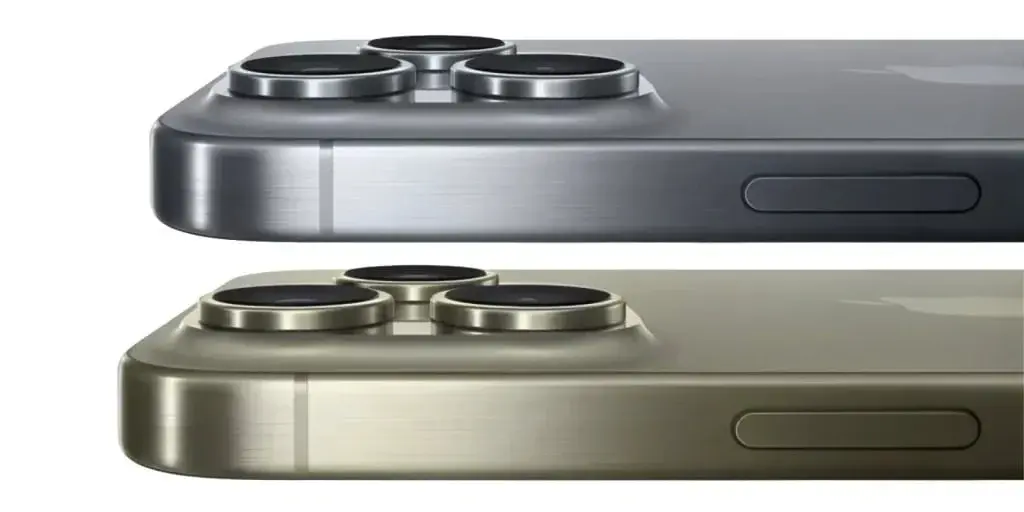
    We are still a fair number of months away from the launch of the next iPhone, that is, the iPhone 16. However, the rumor mill has already started churning out new information. Looks like Apple‘s iPhone 16 Pro might be getting some cool new colors. Word on the street (or rather, the internet) is that there could be a “Titanium Gray” and a “Desert Titanium” option soon. This tip comes from a social media post by Majin Bu, who’s known for sharing Apple rumors. But, keep in mind, their predictions are a bit of a mixed bag in terms of accuracy.

    New Color Options: 'Desert Titanium' and 'Titanium Gray'

    The new “Desert Titanium” color is said to be a deeper, more intense version of the iPhone 14 Pro‘s gold, while “Titanium Gray” could remind you of the iPhone 6‘s space gray. “Desert Titanium” does look like a pretty unique and striking color, and if the rumors are true, it will attract a lot of attention. It’s still up in the air if these colors will replace any of the current ones or if they’re just going to be new additions.

    Expansion of iPhone 16 Series

    Previously, it was revealed that the iPhone 16 series will introduce five distinct models to cater to various market segments. The lineup includes the iPhone 16 SE, 16 Plus SE, iPhone 16, 16 Pro, and 16 Pro Max. For the first time in a while, we can expect to see a strategic merge of the iPhone SE product line into the broader iPhone 16 portfolio, hinting at Apple’s intention to offer more options to consumers at different price points.

    As with all rumors, it’s good to wait for more confirmation before getting too excited. But it’s definitely interesting to think about these potential new looks for the iPhone 16 Pro. What’s your opinion on these rumored colors? Would you consider buying an iPhone in one of these new shades?

  • Gurman: Apple Vision Pro 2 Release Expected in Minimum 18 Months

    Gurman: Apple Vision Pro 2 Release Expected in Minimum 18 Months

    Apple’s venture into the mixed-reality domain with the Vision Pro headset has been met with acclaim for its diverse mixed-reality functionalities. However, the headset’s premium price and initial limitations have left some purchasers with feelings of remorse regarding their investment.

    Analyst Speculations on Vision Pro 2 Release

    Analyst Mark Gurman has hinted that a refined iteration, the Vision Pro 2, might not make its debut for at least another 18 months. According to Gurman’s “Power On” newsletter, Apple is projected to launch the second-generation Vision Pro around 2026.

    Reports have emerged of customers returning their Vision Pro headsets, raising concerns about the product’s early performance. Gurman acknowledges that returns are customary, occurring for various reasons. However, he notes that Vision Pro’s uniqueness might deter loyal Apple fans or tech enthusiasts from returning the product.

    Complaints about the Vision Pro headset typically revolve around its weight, limited app selection, and the hefty $3,500 price tag, which some users find disproportionate to the current user experience.

    Challenges Faced by Vision Pro

    Despite positioning itself as a luxury item with a premium price point, the Vision Pro is encountering challenges typical of first-generation technology. Mark Zuckerberg, CEO of Meta, has criticized its performance in comparison to Meta’s Quest 3, indicating the obstacles Apple may confront in a swiftly evolving market.

    Apple is renowned for its meticulous approach to new product categories, emphasizing quality over speed. Nevertheless, the current version of the Vision Pro seems to fall short of certain users’ expectations, signaling a need for enhancement.

    Gurman: Apple Vision Pro 2 Release Expected in Minimum 18 Months

  • Apple Faces $500M+ Fine by EU: Report

    Apple Faces $500M+ Fine by EU: Report

    Apple is facing the prospect of yet another substantial penalty from the European Union, with reports indicating a fine that could reach close to 500 million euros ($539 million). This development adds to the series of actions taken by the EU to enforce its laws rigorously, placing the tech giant in a challenging position within the regulatory landscape.

    The European Commission’s Concerns

    At the center of the issue lies Apple’s App Store, which has come under scrutiny for its policies, particularly in the music streaming sector. Last year, the European Commission raised concerns about the App Store’s rules, alleging that they unfairly constrain developers. These policies prevent developers from informing users about alternative purchasing options that might offer more competitive deals or additional features.

    Implications for Tech Giants

    This impending fine, although significant in its monetary value, serves as a broader reminder of the delicate balance that tech giants like Apple must maintain in meeting regulatory requirements. Apple’s traditionally stringent control over its ecosystem could necessitate a strategic shift to ensure alignment with the EU’s standards, potentially averting future penalties and fostering a smoother relationship with regulatory authorities.

    The Road Ahead

    The formal announcement of the fine is expected in the coming month, with both the European Commission and Apple yet to publicly respond. Apple’s response and subsequent actions will be closely monitored, reflecting the company’s ongoing struggle to navigate regulatory expectations while upholding its market-leading position. This looming penalty of $500 million serves as a costly cautionary tale, underscoring the challenges faced by major corporations in an environment of heightened regulatory scrutiny.

    This situation underscores the evolving landscape of tech regulation and the intricate dance that companies like Apple must perform to maintain compliance and innovation simultaneously. As the tech industry continues to evolve, the outcome of this fine will shed light on Apple’s ability to adapt to regulatory demands and uphold its prominence in the global market.

  • EU’s Progressive Web App Support by Apple to Come to an End

    EU’s Progressive Web App Support by Apple to Come to an End

    Apple has made a significant move that will affect how iPhone users in the European Union interact with progressive web apps. This decision comes after Apple ended support for these apps in its iOS 17.4 update, presenting a challenge for developers and users.

    Strict Requirements of EU’s DMA

    So why is Apple taking this stance? The company’s decision is a response to the strict requirements of the Digital Markets Act (DMA) in the EU. These requirements demand significant architectural changes to comply. Apple has stated that developing a new integration architecture to meet these demands is not currently feasible. As a result, this decision will impact how web apps, which previously functioned similarly to native apps with features like notifications and data storage, will operate on iOS devices.

    Shift to Bookmarks

    With the introduction of iOS 17.4, standalone web apps will now serve as bookmarks. This change is a response to the DMA’s mandate that allows third-party browsers to use their own engines instead of Apple’s WebKit. WebKit has been the foundation for web apps on iOS, ensuring they meet the platform’s security and privacy standards.

    Implications and Context

    This change has several implications. While Apple cites security concerns and the potential for malicious web apps to exploit these new freedoms, it’s hard to ignore the broader context. This includes the ongoing debate surrounding app store fees and how companies like Facebook Gaming have used web apps to bypass these costs.

    Apple believes that only a small number of users will be affected by this alteration, pointing to low adoption rates of home screen web apps. However, the company expresses regret over any inconvenience caused to developers and users due to this compliance-driven decision.

  • Expected Launch of Apple’s Affordable iPhone SE 4 with OLED Display in 2025″

    Expected Launch of Apple’s Affordable iPhone SE 4 with OLED Display in 2025″

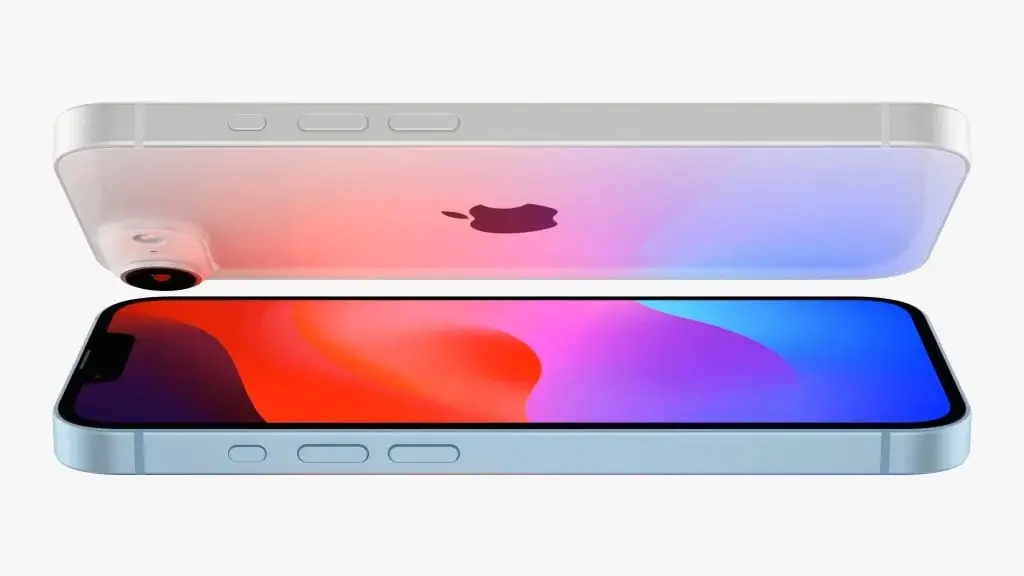
    According to a report by The Elec, Apple might upgrade its budget-friendly iPhone SE line with an OLED display by 2025. Currently, the SE is the only iPhone still using LCD technology, so this change would bring it in line with Apple’s more premium models.

    OLED displays offer brighter colors, deeper blacks, and better overall image quality compared to LCDs. Despite this, Apple’s main focus seems to be on keeping costs down for the iPhone SE 4. Two major display manufacturers, Samsung and BOE, are reportedly competing to supply Apple with the new screens.

    OLED Upgrade for iPhone SE 4

    Even though OLED panels generally cost more to manufacture, Apple could potentially maintain the SE’s affordability due to the intense competition between suppliers. Samsung, rumored to have offered the lowest price, might secure the majority of the orders.

    Competitive Pricing for OLED Panels

    If you talk about numbers, Samsung and BOE have reportedly provided quotes ranging from $30 to $40 for the low-cost model, with Samsung allegedly offering the most affordable price at $30 per unit, while BOE’s limit is $35.

    Tienma, a Chinese display manufacturer, has reportedly offered the most expensive price for the iPhone SE 4 component at $40. Given Samsung’s history with Apple and its supposed lowest quote, it’s likely to receive most of the orders, followed by BOE.

    Cost Considerations and Potential Margins

    The prices quoted by each company for OLED panels are up to one-third less than the panel used in the iPhone 15, giving Apple enough room to generate a decent margin for each iPhone SE 4 sold.

    Apple has not yet finalized a production partner and is reportedly seeking even cheaper prices in the mid-20s range.

     Future Launch Date

    While the exact launch date remains uncertain, rumors suggest a 2025 timeframe for the iPhone SE 4.

  • Release of Apple’s foldable iPhone/iPad hangs in uncertain progress

    Release of Apple’s foldable iPhone/iPad hangs in uncertain progress

    The saga of Apple’s foldable iPhone continues, with new information suggesting both progress and hurdles on the mysterious device. While competitors like Samsung and Huawei have become established players in the foldable market, Apple’s long-awaited entry remains shrouded in mystery.

    Apple’s Foldable Phone Development

    According to Weibo tipster Fixed Focus Digital, Apple is indeed actively developing its foldable phone, even going so far as to dismantle competitor devices for analysis. However, the report throws a wrench in expectations by revealing delays due to “unsatisfactory results in screen testing.” This indicates Apple’s uncompromising standards, potentially delaying the device further.

    Apple’s Patient Approach

    While competitors race to release new foldable iterations, Apple appears unfazed. Its dominance in the traditional smartphone market, bolstered by the recent success of the Apple Vision Pro, allows the company to play a patient hand. For Apple, a foldable might be more of a strategic diversification than a core necessity. They don’t need to rush into a market they haven’t perfected.

    Potential Prototypes

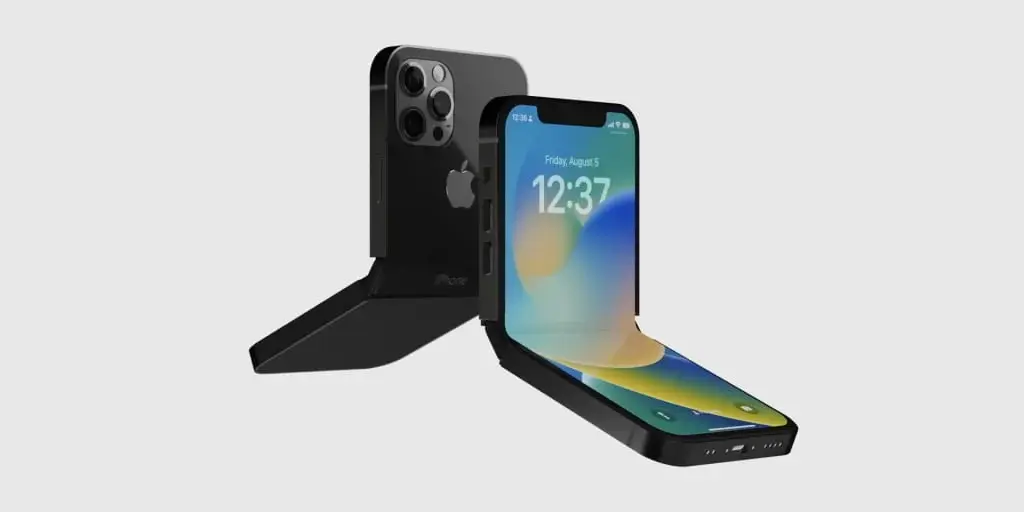
    According to earlier reports, Apple is considering two prototypes: the first is a clamshell phone like the Galaxy Z Flip, while the other is an inward-folding iPad with an 8-inch screen. Most experts believe Apple will go for the larger form factor due to its thicker design which addresses fewer durability concerns.

    Apple’s Potential Advantage

    The report also highlights Apple’s potential advantage despite the delay. Years of experience with high-resolution displays could translate well to foldables, allowing them to leapfrog the existing competition in terms of quality.

    Potential Launch Date

    So, when can we expect to see the foldable iPhones or iPads? While rumors previously pointed to 2025, the latest leak suggests a potential delay. The Information and The Elec now predicts a 2026 launch, suggesting Apple won’t compromise on its signature quality standards.

  • The Reasons Behind Some Buyers Returning their Apple Vision Pro Headsets

    The Reasons Behind Some Buyers Returning their Apple Vision Pro Headsets

    Just weeks after its launch, the Apple Vision Pro is seeing some buyers change their minds. With a return policy of 14 days, it’s not surprising that a number of users are sending back their $3,500 headsets. The reasons range from comfort issues to doubts about its usefulness in everyday life.

    Comfort Issues and Design Criticisms

    Many have complained that the headset is uncomfortable to wear, causing headaches and even motion sickness for some. The design, which puts most of its weight at the front, has also been called out. These kinds of issues are not exactly new in the world of wearable tech, but they’re especially noticeable given the high price of the Vision Pro.

    Questioning the Usefulness

    But it’s not just about how it feels to wear it. People are also talking about whether the Vision Pro is really useful. Some users have found that it doesn’t help much with work tasks and doesn’t offer enough fun or games to be worth keeping. This has led to a lot of second-guessing, especially when you consider the hefty price tag. It’s definitely far from affordable.

    The Future of Wearable Technology

    These early experiences are a wake-up call about the challenges facing wearable technology. They show that making these devices comfortable and genuinely useful is key. And while the Vision Pro might not have hit the mark for everyone right out of the gate, the feedback from these early adopters could help shape better versions in the future.

    The Vision Pro’s story is just beginning, and it’s clear that there’s a lot to learn about what people really want from their wearable tech. With some adjustments and more attention to user feedback, the next version from Apple could win over those who were hesitant the first time around.

  • The iPhone 16 will redefine Apple’s revolutionary smartphone

    The iPhone 16 will redefine Apple’s revolutionary smartphone

    Exciting new details continue to surface about the iPhone 16 series. In addition to the previously leaked design and battery upgrades, Apple seems ready to make a splash with artificial intelligence enhancements. Rumors suggest iOS 18 will debut a suite of AI powered features for the iPhone 16 lineup. If this is true, performance should be blistering, thanks to the cutting-edge Neural Engine reportedly included in these new devices. Here are the details…

    iPhone 16 to offer ultra-fast AI performance thanks to new Neural Engine

    Apple’s A and M series processors consistently deliver powerful performance. Recent claims suggest the upcoming A18 and M3 will raise the bar even higher, with significant advances in AI capabilities. This means faster existing AI features, new functionality across Apple devices, and an overall smoother user experience.

    Advancements in Apple’s Neural Engine

    Apple’s Neural Engine, the core of their custom AI processing, will see significant advancements. These enhancements will power even more demanding AI applications on the iPhone 16 and other Apple devices. Expect smoother performance in facial recognition, Siri, augmented reality, and AI-driven camera features.

    Competition in the Smartphone Market

    Artificial intelligence is rapidly becoming a key feature in the smartphone market. Samsung, for example, based its entire sales strategy for the S24 series on Galaxy AI, highlighting its capabilities beyond those of a standard phone. Chinese manufacturers are following suit, putting pressure on Apple to innovate in this area.

    A Radical Shift for Apple?

    In our introduction, we noted that Apple seems to be making significant changes this year. A departure from the company’s usual approach. Typically, Apple avoids radical shifts and hesitates to introduce cutting-edge features like artificial intelligence so early. With this in mind, and since we only have unconfirmed claims, it’s possible that the upcoming iPhone won’t be so different after all. However, if the rumors prove true, this could represent the most dramatic change in iPhone history.

  • Major design overhaul of all iPhone 16 models leaked: Here are the revealed models

    Major design overhaul of all iPhone 16 models leaked: Here are the revealed models

    Apple’s highly anticipated iPhone 16 series is set to bring about significant changes in design and features compared to its predecessors. The latest leak from Majin Bu reveals that Apple is shifting from the traditional horizontal camera setup to a more streamlined vertical alignment. This change not only offers a sleek and minimalist aesthetic but also brings the iPhone 16 series closer to the design sensibilities of contemporary Android devices.

    Potential Design of iPhone 16 Models

    According to the leaked information, the iPhone 16 series is expected to introduce five distinct models, expanding its range to cater to various market segments. The lineup will include the iPhone 16 SE, 16 Plus SE, iPhone 16, 16 Pro, and 16 Pro Max. This expansion suggests that Apple intends to merge the iPhone SE product line into the broader iPhone 16 portfolio strategically, providing consumers with more options at different price points.

    Entry-Level iPhone 16 SE and 16 Plus SE

    The entry-level iPhone 16 SE and 16 Plus SE models are anticipated to feature a dynamic island, a single camera setup, a 60Hz display, and a slightly reduced battery capacity. These models are expected to target the budget-conscious segment of the market.

    Standard iPhone 16

    Moving up the range, the standard iPhone 16 model is rumored to enhance the user experience with a 120Hz display, a dual-camera system, and improved battery life. This positioning makes it an attractive option for the mid-range market.

    iPhone 16 Pro and Pro Max

    At the top of the series, the iPhone 16 Pro and Pro Max models are expected to incorporate premium features, setting new benchmarks for performance and innovation in Apple’s smartphone offerings. Additionally, all models (except the SE models) are expected to come with larger batteries this time.

    Apple has stuck with the same iPhone design for several years, leading to dissatisfaction among consumers. The lack of significant design refresh was evident during last year’s launch. With global sales soaring, Apple likely sees now as the perfect moment to unveil a new design. The company anticipates that this move will not only meet consumer expectations but also drive further revenue growth.

    The leakster also mentioned an iPhone model in testing, with a design similar to the iPhone XR. It includes a dynamic island and a color scheme resembling the iPhone 15. Initially, it was thought to be the iPhone SE, but now there is uncertainty surrounding its identity.