Tag: Apple

  • Apple Car reportedly scrapped for AI preference

    Apple Car reportedly scrapped for AI preference

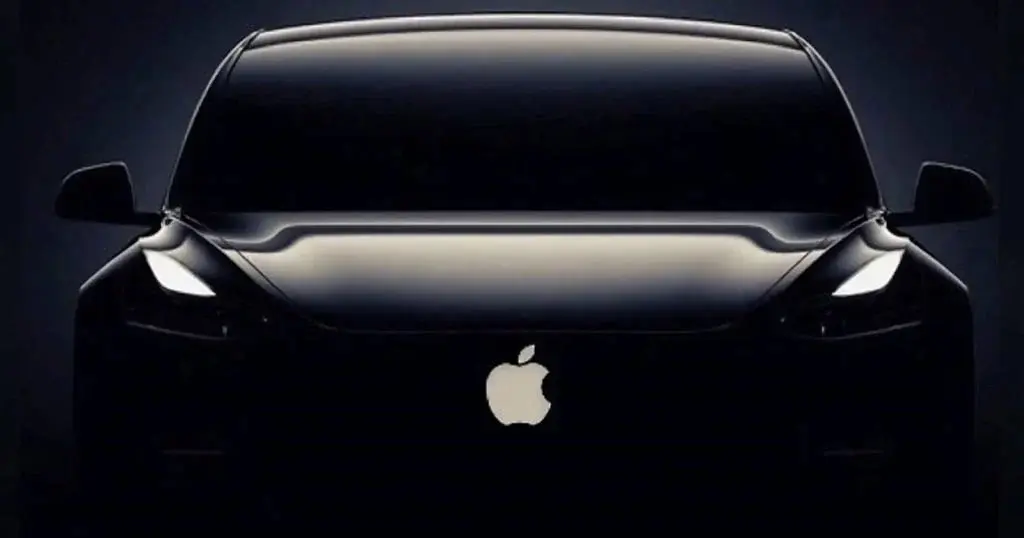
    Apple has reportedly abandoned its plans for the highly anticipated electric car. Despite actively working on self-driving technology and more for its Apple Car over the years, the project has now been halted, with AI (Artificial Intelligence) being cited as the reason behind this decision.

    Apple Car Canceled, Focus Shifts to AI

    The news of the cancellation comes from Bloomberg’s Mark Gurman. Apple’s ambitious plans had encountered difficulties in recent months, but progress appeared to be steady. However, earlier this week, a surprising announcement stunned nearly 2,000 employees when Chief Operating Officer Jeff Williams and Vice President Kevin Lynch, who oversaw the project, revealed that the Apple Car was no longer in development.

    Employees who were part of the Special Projects Group (SPG) working on the car project are said to be redirected to a new focus area—artificial intelligence. This shift in direction aligns with the increasing demand for AI and its significant growth in recent times. The team is reportedly transitioning to work on generative AI. Given that the SPG comprises engineers and vehicle designers, their future within the company remains uncertain, with potential layoffs looming on the horizon.

    Market Shift: From Project Titan to AI

    If the reports are accurate, Project Titan, Apple’s electric car initiative, is now being abandoned in favor of AI development. This move is not entirely unexpected, especially considering the challenges faced by electric vehicle manufacturers due to production issues and declining demand. It is essential to note that this information is currently speculative, so it is advisable to approach it with caution until further details emerge.

  • Apple Set to Introduce 120Hz ProMotion Display to iPhone 17 and 17 Plus, Report Indicates

    Apple Set to Introduce 120Hz ProMotion Display to iPhone 17 and 17 Plus, Report Indicates

    Another Apple report has emerged, potentially bringing good news for fans of both the plus and non-pro versions of the company’s iPhones. This time, the focus is on bridging the gap between Apple’s high-end and more affordable iPhone models. The talk of the town revolves around the upcoming iPhone 17 and 17 Plus, which are expected to entice a broader audience with their 120Hz ProMotion displays, a feature previously exclusive to the pricier variants.

    Promising Features Ahead

    The shift to LTPO OLED panels within the forthcoming iPhone 17 series signifies a significant advancement. These panels offer more than just smoother scrolling and enhanced visuals; they pave the way for the introduction of an Always-on display feature. By leveraging the panel’s capability to finely adjust the refresh rate to as low as 1Hz, Apple aims to provide a display that showcases vital information continuously while conserving battery life.

    Collaboration with BOE

    The transition to LTPO OLED panels hinges on Apple’s collaboration with BOE, a prominent player in the display manufacturing industry. Despite encountering some challenges and meeting Apple’s stringent quality standards, the partnership is anticipated to yield results by 2025. BOE faces the daunting task of ramping up production to meet the demands of the upcoming iPhone 17 lineup, a critical yet formidable endeavor.

    Democratizing High-End Features

    Apple’s strategic decision to introduce high-end features in more affordable models reflects a commitment to making premium functionalities accessible to a wider audience. While this move signals Apple’s intent to attract more consumers, the question remains: Will the prices of the budget-friendly models see an increase in tandem with these enhancements? The answer to this query remains uncertain. Moreover, Apple is rumored to enhance the selfie camera on the iPhone 17, promising an improved user experience. The future trajectory of the iPhone 17 lineup remains a mystery, with Apple keeping its plans under wraps.

  • Future Apple Wearables: AirPods with Cameras, Smart Rings, & Smart Glasses by Gurman

    Future Apple Wearables: AirPods with Cameras, Smart Rings, & Smart Glasses by Gurman

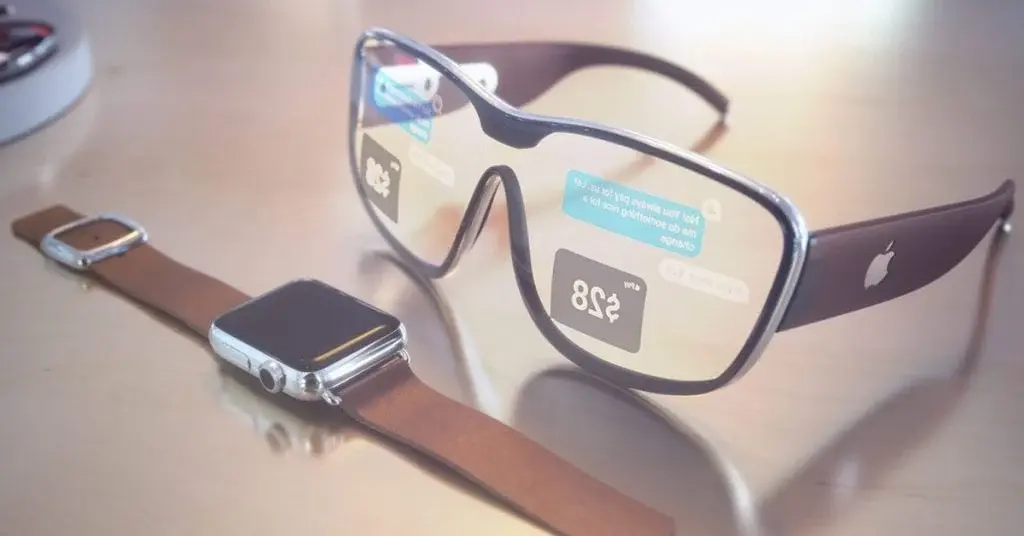
    Apple is rumored to have significant plans in store for its upcoming wearable products. According to reports, the tech giant is delving into the realm of new wearable gadgets and potentially revamping its existing AirPods hearables. Here’s a breakdown of what you should know.

    Exploring New Wearable Horizons

    Mark Gurman’s latest Power On newsletter sheds light on Apple’s potential ventures into innovative wearable technologies. The report suggests that Apple, headquartered in Cupertino, might be venturing into the creation of new wearable devices. These could potentially include smart glasses, drawing comparisons to the Amazon Echo Frames. For the uninitiated, the Echo Frames offer smart audio capabilities, AI features, and the possibility of incorporating some of the augmented reality functionalities seen in Vision Pro.

    Potential Design Overhaul for AirPods

    In addition to exploring entirely new wearable products, Apple is also reportedly considering a major redesign for its popular AirPods hearables. While specifics on the redesign are scarce at the moment, this move signals Apple’s commitment to staying at the forefront of wearable technology innovation.

    Implications and Expectations

    The prospect of Apple delving into smart rings, smart glasses, or other groundbreaking wearables hints at a future where technology seamlessly integrates into everyday life. With the company’s track record of sleek design and cutting-edge features, these potential developments are generating considerable anticipation among tech enthusiasts and consumers alike.

    Conclusion

    As Apple continues to push the boundaries of innovation, the world eagerly awaits any official announcements regarding these speculated wearable products. Whether it’s smart glasses, revamped AirPods, or entirely new devices, Apple’s foray into the realm of wearables promises to be an exciting journey for both the company and its customers. Stay tuned for more updates as Apple’s wearable roadmap unfolds.

  • iPhone 16 Pro Leak: New Electric Razor-Style Camera Module Hint

    iPhone 16 Pro Leak: New Electric Razor-Style Camera Module Hint

    Apple’s product development process often involves exploring a multitude of design options. Rumors suggest that the iPhone 16 Pro and Pro Max are undergoing a similar experimental period, with some particularly unusual camera configurations among the prototypes.

    A leak from last week hinted at a peculiar feature for the iPhone 16 Pro: a camera module resembling a fidget spinner.

    Triangular Rear Camera Module

    Now, a new leak suggests that the upcoming Pro iPhones might sport a triangular rear camera module, giving the device a distinctive appearance reminiscent of an electric razor.

    Reliable tipster Majin Bu, citing unnamed sources, shared the potential design for the iPhone 16 Pro on X/Twitter.

    Strategic Design Choice

    As for why Apple may be considering this design, the tipster says the triangular form factor could be a strategic choice to accommodate either larger camera sensors or an increased number of lenses altogether.

    Aside from potential camera bump variations, the iPhone 16 Pro is also anticipated to include an upgraded telephoto lens. The iPhone 16 Pro Max may even boast a larger primary sensor compared to the iPhone 15 Pro Max.

    Details:

    • Likely candidate: Sony’s Exmor IMX903
    • Maximum camera resolution: 48MP (rumored)

    Variety of Prototypes

    It’s important to note that Apple tests a wide range of prototypes before finalizing a design. Previous rumors about a punch-hole front camera for the iPhone 16 did not come to fruition, and this triangular camera bump may meet the same fate.

    Even the tipsters themselves acknowledge that there’s no way to verify the accuracy of this information. Therefore, it’s advisable to take this leak with a grain of salt.

  • Apple’s First Foldable Device Might Not Be iPhone but Something Bigger: Report

    Apple’s First Foldable Device Might Not Be iPhone but Something Bigger: Report

    Recent reports have disclosed Apple's intention to introduce a foldable iPhone, marking a significant stride in the evolution of the foldable phone sector. While Samsung spearheaded this trend back in 2019, Apple has lagged behind in this competitive arena. Contrary to expectations, Apple's inaugural foray into the foldable market may not be an iPhone, as per a report from DigiTimes.

    Apple's First Foldable Device: A Departure from Tradition

    DigiTimes, drawing insights from sources within the supply chain, has revealed that Apple has been diligently crafting its maiden foldable gadget for over five years. Surprisingly, indications suggest that this innovative device might not be a foldable iPhone. Rather, speculations hint at a larger-scale device, potentially diverging from the conventional smartphone format. This strategic move could see Apple venturing into the realm of foldable tablets or even notebooks. The report further unveils that the design phase is nearing completion, propelling the project closer to the threshold of mass production.

    Exploring New Horizons: Apple's Diversification in the Foldable Market

    The exclusive DigiTimes report solely alludes to Apple's foldable endeavor as a larger device, prompting speculation that it could be integrated within the iPad series or introduce a novel product category altogether. Emphasizing Apple's unwavering commitment to foldable technology, the report reaffirms that the development has not been halted. Moreover, it substantiates prior claims of temporary halts to address screen-related challenges and the reallocation of resources from the Vision Pro team towards the foldable initiative.

    Anticipated Launch and Quality Assurance

    Anticipations loom over Apple's projected debut of a foldable phone in 2025 or potentially later, adhering to the company's characteristic precision in product launches. Given the intrinsic complexity of the hinge mechanism pivotal to foldable devices, Apple's meticulous approach underscores its dedication to upholding quality standards. While the prospect of a foldable Apple device is enthralling, it is prudent to approach this report with a tempered sense of optimism, considering the intricate nature of such innovative ventures.

  • Apple Vision Pro Users Report Overnight Cracks on Headsets: What’s Happening?

    Apple Vision Pro Users Report Overnight Cracks on Headsets: What’s Happening?

    Recently, a small number of Apple Vision Pro users have encountered a puzzling issue where the glass on their devices cracked overnight, without any apparent cause. These incidents, shared by users on Reddit, reveal a surprising development for Apple’s high-tech headset. Some of the photos posted showcase a clean split across the glass, particularly around the nose bridge area, stirring conversations about the durability of these devices.

    Concerns and Speculations

    The cases, though few, have caught the attention of tech enthusiasts and raised questions about potential manufacturing flaws. One particular user highlighted that when they reached out to Apple regarding the damage, they were informed about a hefty $800 repair cost, which could be reduced to a $300 deductible under AppleCare.

    Image Credits: u/inphenite on Reddit

    Mixed Reactions and Apple's Response

    This situation presents a dual-edged sword for Apple. On one hand, the number of reports is minuscule compared to the estimated 200,000 units sold, suggesting that this might not be a widespread issue. On the other hand, it underscores the importance of robust quality control and the need for a fair and accommodating customer service response to unforeseen problems.

    Conclusion and Future Steps

    It’s crucial to approach such reports with a balanced perspective, recognizing the significance of each complaint while also considering the overall reliability of the product based on the vast majority of user experiences. For now, these reports serve as a reminder of the complexities and challenges in manufacturing cutting-edge technology. As more information comes to light, it will be interesting to see how Apple addresses these concerns and whether any steps will be taken to prevent such incidents in the future.

  • Apple iPad Pro to Potentially Slim Down with OLED Upgrade

    Apple iPad Pro to Potentially Slim Down with OLED Upgrade

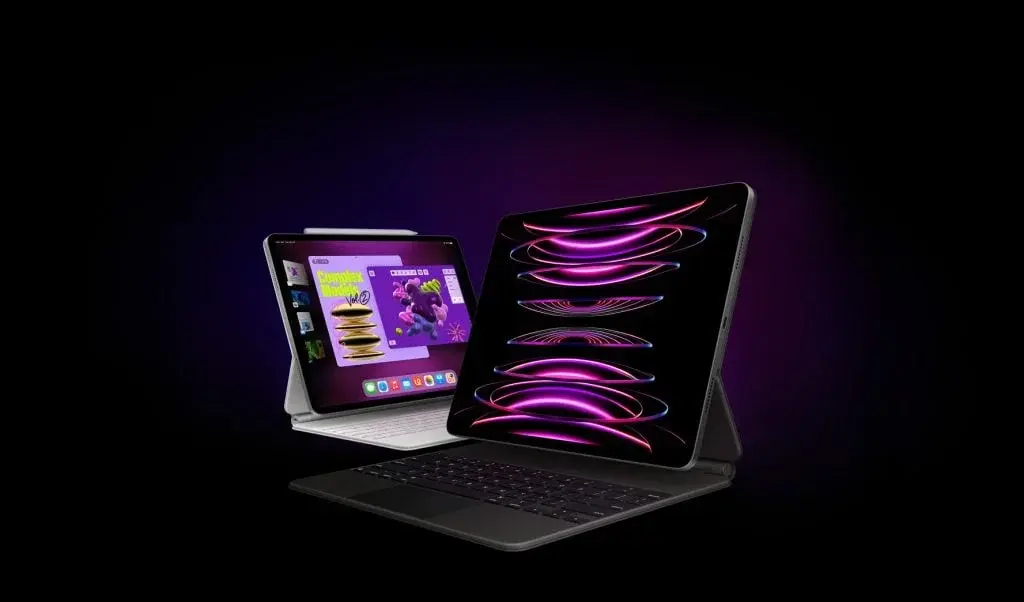
    Apple is gearing up to enhance its iPad Pro line with significant upgrades, with the most notable change being the introduction of OLED displays. This shift is expected to result in thinner tablets, according to a recent report.

    Thinner and Sleeker Design

    Details from 9to5Mac indicate that the redesigned OLED iPad Pro models will be more than 1mm thinner than the current versions. For instance, the existing 12.9-inch iPad Pro, which is 6.4mm thick, could be slimmed down to as thin as 5mm.

    Redesigned Dimensions

    The 11-inch OLED iPad Pro is projected to have a thinner profile as well, measuring 5.1mm compared to the 5.9mm thickness of its predecessor. Moreover, both models may see slight increases in height and width compared to their current counterparts.

    Introduction of New iPad Air Sizes

    Apple is rumored to introduce two sizes of iPad Air for the first time. One variant will be similar to the existing model, while another might match the size of the current 12.9-inch iPad Pro in terms of dimensions and screen size.

    Estimated Dimensions for Apple’s Upcoming Tablets

    • 11-inch iPad Pro (current): 247.6 mm x 178.5 mm x 5.9 mm
    • 11-inch iPad Pro (new): 249.7 mm x 177.5 mm x 5.1 mm
    • 12.9-inch iPad Pro (current): 280.6 mm x 214.9 mm x 6.4 mm
    • 12.9-inch iPad Pro (new): 281.5 mm x 215.5 mm x 5.0 mm
    • 12.9-inch iPad Air (new): 280.6 mm x 214.9 mm x 6.0 mm

    Additional Upgrades

    Apart from the OLED display enhancement, Apple may integrate MagSafe technology into the iPad Pro lineup for the first time. The updated tablets are expected to be powered by Apple’s new M3 chip, utilizing a 3nm architecture, potentially leading to better performance and battery efficiency.

    While the exact launch date for these new models remains uncertain, some reports suggest that the OLED iPad Pro could make its debut as early as next month.

  • Apple Boosts iPhone 15 Battery Life Sans Updates or Hardware Changes

    Apple Boosts iPhone 15 Battery Life Sans Updates or Hardware Changes

    Apple’s Unique Control Over iPhone Design and Performance

    Apple stands out in the smartphone market due to its distinctive approach of exercising complete control over both the hardware and software of its devices. While competitors like Samsung customize Google’s Android operating system and source components from various manufacturers, Apple takes a different route by designing a significant portion of the iPhone’s hardware and software in-house.

    Apple’s Exclusive Control

    This method grants Apple exclusive control over its devices, setting it apart from other smartphone manufacturers. The company’s recent statement, however, has sparked curiosity and raised eyebrows among consumers and tech enthusiasts alike.

    Apple recently made an intriguing revelation regarding the battery life of the iPhone 15. The company claims that the phone’s battery now offers double the originally promised lifespan without any alterations to its hardware or software.

    Apple Updates iPhone 15’s Battery Lifespan Information

    In a surprising move, Apple updated the information regarding the iPhone 15’s battery lifespan on its support page. The company now asserts that these phones will retain up to 80% of their original capacity over 1000 charge cycles, a significant increase from the previous estimate of 500 cycles. Notably, Apple did not introduce any hardware or software updates to achieve this improvement.

    The company conducted further testing on the iPhone 15 series to validate this claim and subsequently adjusted the information provided to consumers.

    Apple’s Strategic Move

    The timing of this alteration in battery lifespan specifications has prompted some to question Apple’s motives. While many would prefer to trust in Apple’s integrity, the timing coincides suspiciously with the impending EU regulations concerning energy ratings assigned to smartphone batteries.

    The European Union is set to implement new regulations that will assign energy efficiency ratings ranging from A to G to smartphones, akin to the system used for household appliances like refrigerators and washing machines. These ratings will reflect a phone’s battery life and overall energy efficiency.

    Apple’s decision to update the iPhone 15’s battery lifespan specifications appears to align with the upcoming EU standards, indicating the company’s effort to ensure compliance with the regulations. Importantly, these changes are not expected to have a significant impact on users of previous iPhone models, as the 80% battery capacity expectation after 500 charge cycles remains applicable to the iPhone 14 series and earlier models.

  • Apple Surpasses Samsung in EU Smartphone Market, Secures Top Position

    Apple Surpasses Samsung in EU Smartphone Market, Secures Top Position

    The landscape of the European smartphone market has undergone a significant shift with Apple emerging as the new leader, surpassing Samsung after a prolonged period of competition. Apple's success in the holiday quarter of 2023, where it shipped 12.4 million units, marked a crucial milestone, breaking Samsung's seven-quarter streak at the top.

    Market Dynamics and Performance

    This change in leadership not only highlights Apple's achievements but also signifies broader market trends. Despite an overall 3% decline in smartphone shipments to 37.8 million units in Europe during the fourth quarter of 2023, Samsung managed to maintain its position with 10.8 million units shipped, even though it faced a 12% decrease. This resilience can be attributed in part to Samsung's popular S-series and A-series offerings.

    Emerging Competition and Growth

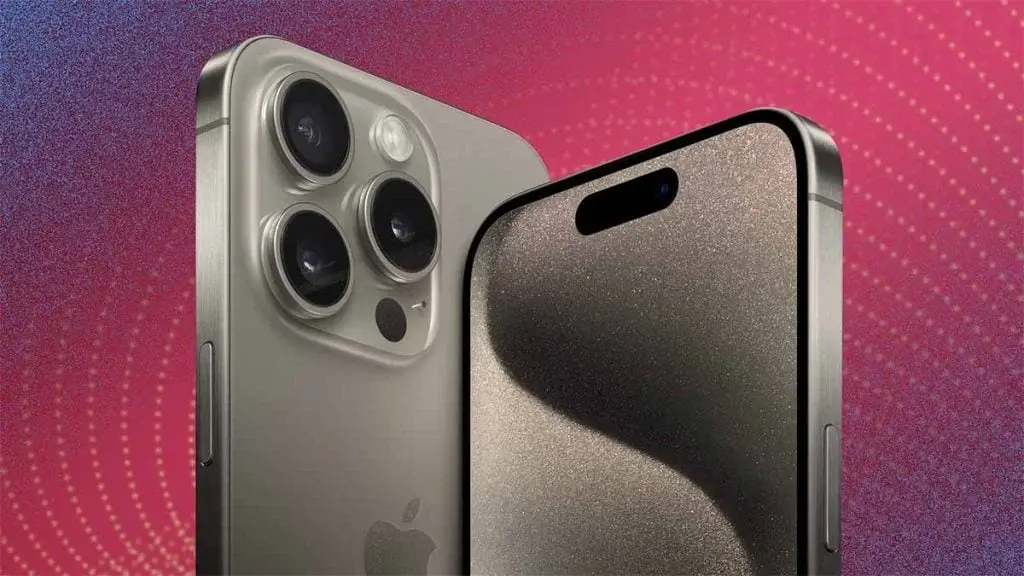
    The competitive landscape extends beyond Apple and Samsung, with players like Xiaomi, Motorola, and Honor making notable strides. Motorola and Honor, in particular, showcased impressive year-on-year growth rates of 73% and 116% respectively. However, it was Apple's premium models, particularly the iPhone 15 Pro, that dominated the market, capturing almost 40% of the share—a remarkable achievement for high-end smartphones in Europe.

    Analysts point to a rising preference for high-end devices and commend Apple's strategic initiatives to leverage upcoming refresh cycles. Collaborations with financial institutions like Santander in Spain exemplify Apple's efforts to expand its market presence. As forecasts predict single-digit growth for the European smartphone market in 2024, the focus is shifting towards enhancing user experiences through on-device AI, personalized services, and seamless ecosystem integration.

    'Price and Specifications:'

    • Apple iPhone 15 Pro: Starting at €999
    • Samsung Galaxy S-series: Starting at €799
    • Samsung Galaxy A-series: Starting at €399

    This shift in leadership underscores the dynamic nature of the European smartphone market, with Apple's rise to the top symbolizing a new era of competition and innovation.

  • Apple to Double Down on Foldable iPhone with Vision Pro Team Joining Development

    Apple to Double Down on Foldable iPhone with Vision Pro Team Joining Development

    Rumors have long swirled around Apple‘s potential development of a foldable iPhone, met with both skepticism and anticipation. However, a recent report from the Korean website Alpha Biz has brought new excitement to these rumors, suggesting Apple is not just exploring but actively pursuing this innovative idea.

    According to the report, Apple may be eyeing a release as soon as September 2026, with an ambitious target of shipping 50 million units in the first year alone. This target far exceeds the current market size for foldable devices, indicating Apple’s confidence in the project.

    Vision Pro Team Joins Foldable iPhone Development

    To achieve this, Apple is reportedly drawing on the expertise of key personnel from the Apple Vision Pro team, known for their advanced knowledge in display technology. This internal collaboration, especially with a team that’s not due for another product release for at least 18 months, highlights Apple’s strategic approach to overcoming previous hurdles, such as display durability concerns. The report notes that advancements in foldable display durability, like Samsung’s recent achievement of MIL-STD 810G certification, provide a positive outlook for the project’s success.

    Two Types of Foldable Prototypes

    The speculation includes two types of foldable prototypes: a clamshell design akin to the Galaxy Z Flip and an inward-folding device resembling a compact iPad with an 8-inch screen. The inclination might be towards the larger, inward-folding model due to its potentially greater durability, thanks to a thicker design.

    Challenges Ahead

    However, the journey to a foldable iPhone is not without challenges. Persistent rumors of display issues and the high costs associated with foldable technology could make pricing a significant hurdle. Despite facing obstacles, the report indicates that Apple is fully committed to releasing a foldable iPhone. Although the suggested 2026 launch date may appear ambitious compared to earlier reports.

    Apple‘s cautious yet innovative approach to technology suggests it aims to refine the foldable concept thoroughly before its launch. By addressing the industry’s current challenges, Apple may offer a unique and premium foldable experience, positioning itself as a major player in this emerging market segment.