Tag: Apple

  • Apple Cuts Vision Pro Production to 1,000 Units Daily Amid Demand Drop

    Apple Cuts Vision Pro Production to 1,000 Units Daily Amid Demand Drop

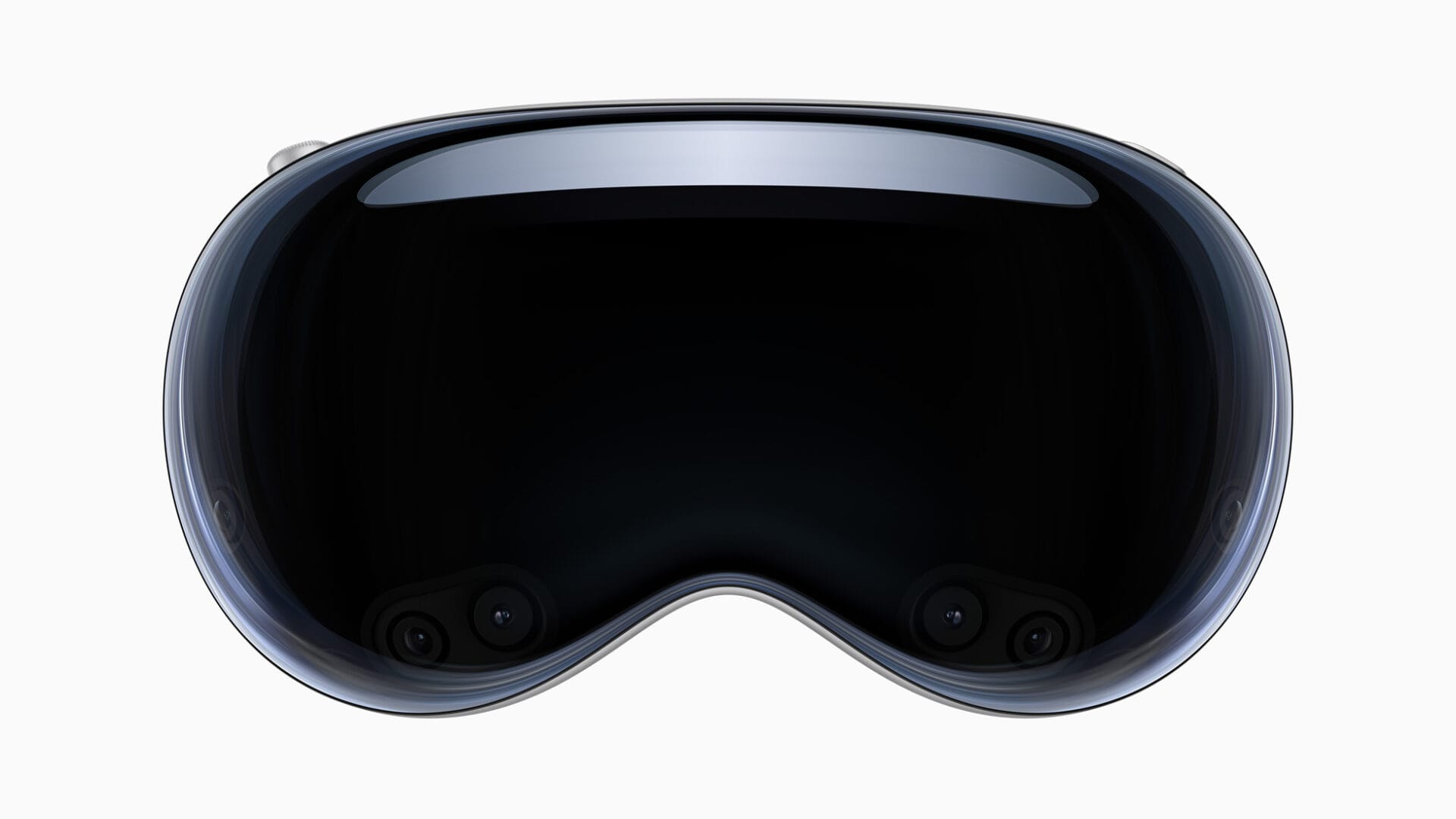
    According to The Information, Apple has made a decision to reduce the production of its Vision Pro headset, and there are indications that they might even halt production by November 2024. Several suppliers responsible for creating the headset’s components have noted a decline in activity since the summer season.

    Decreased Production Rate

    At Luxshare, Apple’s partner in China that manages final assembly, the daily production of headsets has fallen to around 1,000 units, a significant decrease from the previous output of 2,000 per day. Currently, there’s a surplus of components, indicating a production capacity of between 500,000 and 600,000 headsets.

    Aligning with CEO’s Remarks

    This slowdown in production reflects the comments made by Apple CEO Tim Cook not long ago. He mentioned that the Vision Pro, which is priced at a base of $3,500, is primarily targeted at early adopters while the overall ecosystem is still under development.

    Despite the praise for the Vision Pro’s display quality, gesture controls, and the absence of controllers, it seems to be facing challenges in attracting developers. Major platforms such as Netflix and YouTube have not yet embraced the technology; instead, they are directing users to their websites rather than developing dedicated applications.

    Future Prospects

    The production system remains adaptable, allowing Apple to increase output if demand rises. Additionally, the components could be repurposed for future versions, perhaps featuring upgraded processors or a more budget-friendly variant. There are discussions suggesting that Apple is now focused on creating a more affordable Vision Pro model, which could potentially capture a wider audience and stimulate greater interest from developers.
  • Apple iPhone SE 4 Set for Mass Production with Exciting Upgrades

    Apple iPhone SE 4 Set for Mass Production with Exciting Upgrades

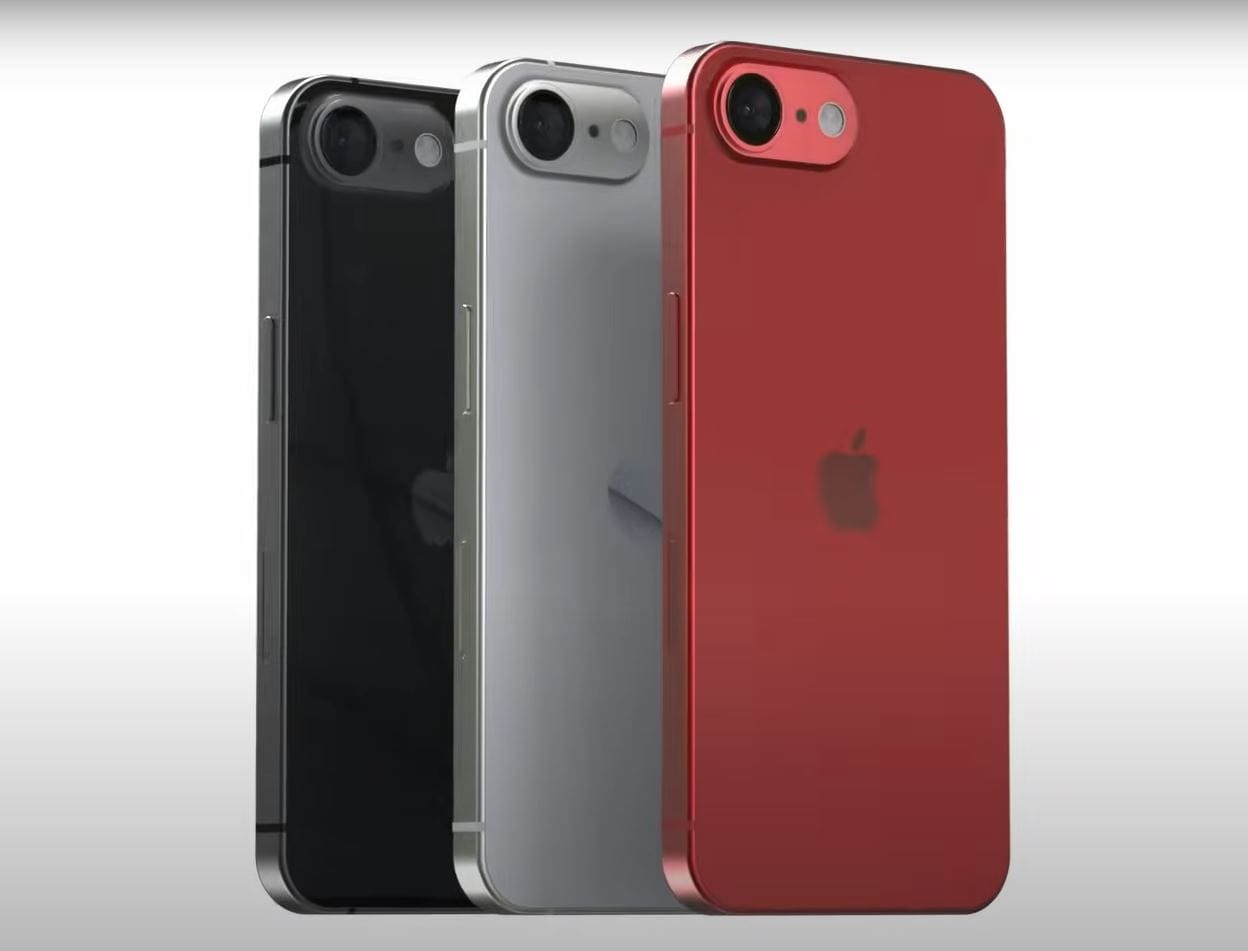
    Apple’s iPhone SE 4 has been in the spotlight due to a flurry of leaks and speculation over the last few months. This next version of Apple’s budget-friendly iPhone is anticipated to launch in the upcoming spring, bringing many enhancements that took many by surprise.

    Mass Production Insights

    As per a recent blog entry from the well-known industry expert Ming-Chi Kuo, Apple is set to kick off mass production of the iPhone SE 4 as soon as this December. Taking into account the widely talked about launch window of April-March, Kuo’s information seems to be quite reliable.

    Anticipated Features

    For those who haven’t been following closely, the iPhone SE 4 is expected to feature a bigger 6.1-inch OLED screen, USB-C connectivity, a new A-series chip, and a 48 MP single rear camera. It’s also no surprise that the iPhone SE 4 will include support for Apple’s AI capabilities, making its collection of AI tools standard across future devices. With all these exciting features, a rise in price may be on the horizon.

    Ming-Chi Kuo, via Medium

  • Apple Announces Unique Week-Long Mac Event Starting October 28

    Apple Announces Unique Week-Long Mac Event Starting October 28

    We knew that M4-powered MacBooks were on the horizon, and it seems that the wait is almost over. The company just announced that new Macs will be unveiled next week.

    Exciting News from Apple

    Greg Joswiak, Apple’s marketing chief, shared this information on X (previously known as Twitter). However, his announcement is a bit vague, lacking a specific date for the launch. He simply stated, “We have an exciting week of announcements ahead, starting on Monday morning. Stay tuned…”

    What to Look Forward To

    From what we can gather, the new Mac announcements will take place over the course of an entire week. While the teaser visuals don’t give away too much, they hint that the new Mac line will emphasize Apple’s AI capabilities. This aligns with the recent promotion of the iPhone 16 series and the iPad mini 7.

    What can we anticipates from the upcoming MacBook event? The M4 chip made its first appearance earlier this year in the new iPad, showcasing enhancements in AI processing and overall CPU performance.

    Early Insights

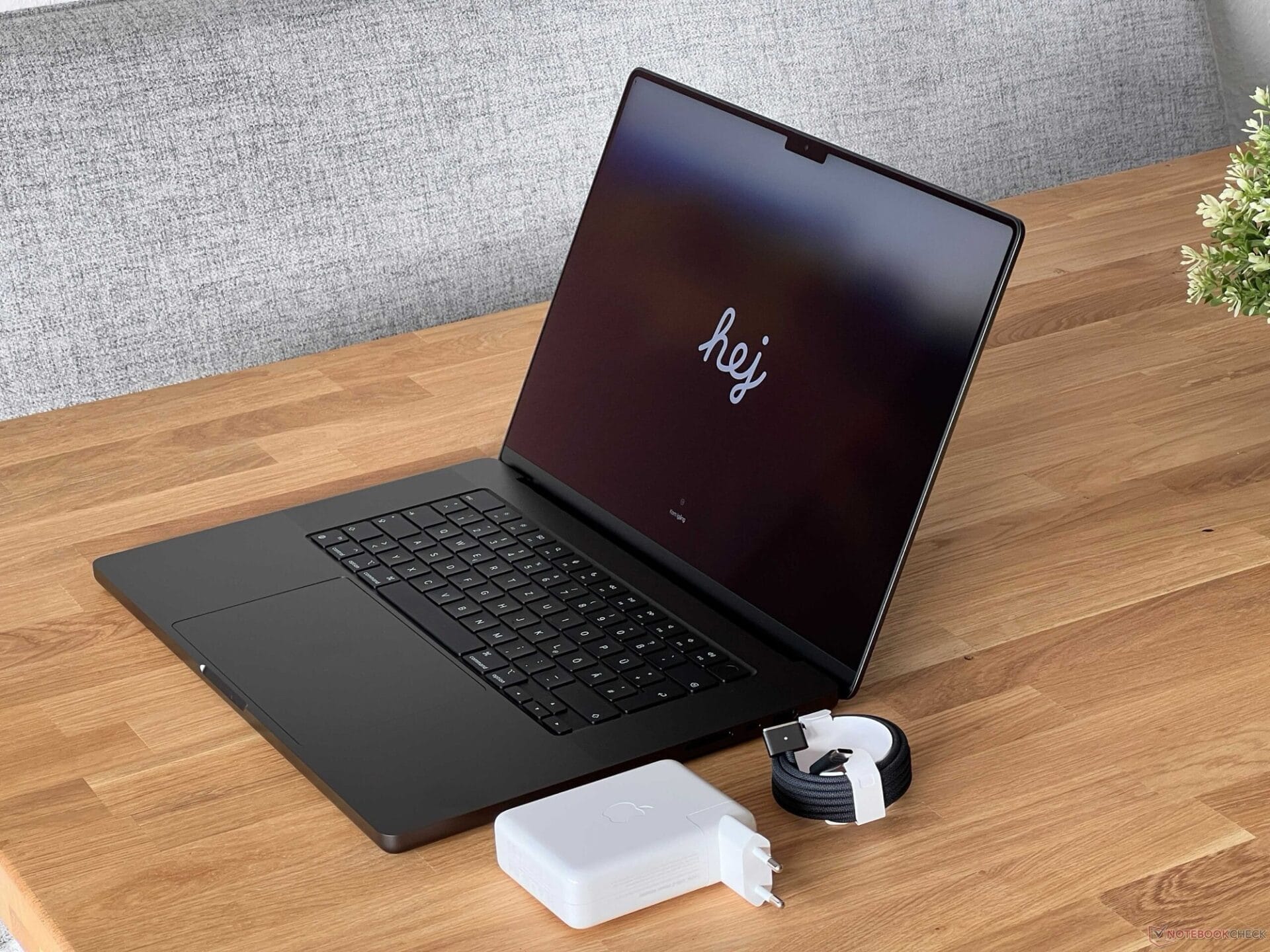
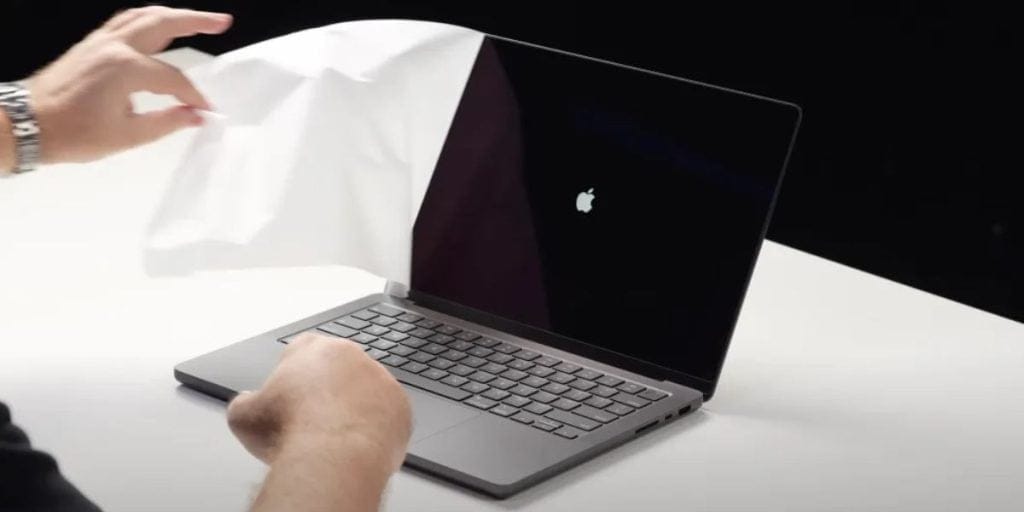
    Interestingly, a Russian YouTuber managed to unbox and run benchmark tests on the M4 MacBook Pro ahead of time. The design appears to stay consistent, boasting numerous ports, bright and fluid displays, and a responsive keyboard.

    The MacBook Pro is expected to be available in both 14-inch and 16-inch models. In addition, there are rumors of an M4 Mac Mini, a 24-inch iMac, plus accessories like the Magic Keyboard 2, Magic Mouse 2, and Magic Trackpad 2.

    Powerful Upgrades Ahead

    There’s also a chance we might see Apple’s stronger M4 chips, including the M4 Pro and M4 Max. However, it seems that other Mac models won’t be making their debut anytime soon. The M4 MacBook Air probably won’t launch until early 2025, and updates for the Mac Studio and Mac Pro may take even longer. The latter is rumored to feature the M4 Ultra chip. So, if you’re looking forward to Apple’s latest tech, the M4 MacBook Pro might be your best bet in the near future.

  • Apple Critiques AI Photos: iPhone Should Capture Reality, Not Fantasy

    Apple Critiques AI Photos: iPhone Should Capture Reality, Not Fantasy

    Apple’s software chief, Craig Federighi, recently shared insights with the Wall Street Journal about Apple Intelligence and the upcoming AI features that will be launched next week for users in the US with the release of iOS 18.1. European users can expect to see these features at a later time. Initially, Apple Intelligence will provide just a handful of features, utilizing the GPT-4o AI model, the same one that powers ChatGPT, for some functionalities.

    Limited Features in iOS 18.1

    This cautious approach towards AI, particularly in image processing, appears to be a deliberate choice. In the iOS 18.1 update, Apple introduces just one AI capability in the Photos app called "Clean Up." As demonstrated in the video below, this feature lets users easily erase unwanted items from their photos with a simple tap, much like Google’s Magic Eraser has offered for some time. Federighi mentioned that there were extensive internal debates at Apple about whether the "Clean Up" feature might go too far, as removing objects could mean that a photo no longer accurately represents reality.

    Comparison with Competitors

    In contrast, Google and Samsung are pushing the boundaries of AI in image editing much more aggressively. Google’s Magic Editor not only has the ability to eliminate objects but can also insert new elements, zoom in on subjects, rearrange them, or even replace the sky to alter the image’s atmosphere. Federighi voiced his worries that such capabilities may lead people to see pictures less as truthful representations and more as imaginative creations. As a result, differentiating between authentic photography and AI-generated images could become increasingly challenging in the future.

    Addressing Authenticity in Photography

    Adobe has proposed a potential answer with its Content Credentials, a system designed to confirm the authenticity of photos and track their editing history. However, the limitation is that only images taken with cameras compatible with this platform are eligible for verification, including models like the Leica M11-P, Sony A1, A7S III, and A9, as well as the Nikon Z6 III. Some of these camera models will receive support only after a future firmware upgrade.

  • Apple MacBook Air M1 Now Only Rs 56,990 – Best Price Available

    Apple MacBook Air M1 Now Only Rs 56,990 – Best Price Available

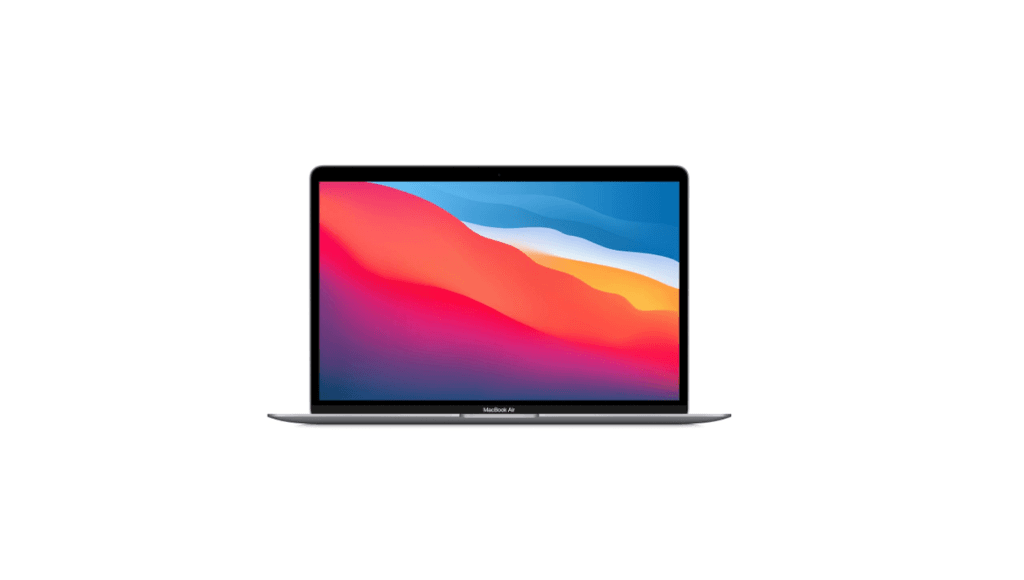
    Apple’s MacBook Air is once again available at a discount this Diwali on Amazon India. Currently, the MacBook Air M1 is priced at an effective Rs 50,603 for the model with 256GB storage and 8GB RAM. The listed price is around Rs 57,000, but with a bank discount of Rs 6,386 for ICICI card users on a 6-month no-cost EMI plan, the final price drops to Rs 50,603.

    Limited-Time Offer

    This is the best price for the Apple MacBook Air M1 in India at the moment. The offer appears to be for a short period, so those who are interested should act quickly to take advantage of this deal.

    Specifications and Features of MacBook Air M1

    The Apple MacBook Air M1 is equipped with a 13.3-inch Retina Display and includes an Apple M1 chip with an 8-core CPU. This setup offers a performance enhancement of up to 3.5 times compared to the previous model, making it suitable for various tasks, from professional editing to gaming. With 8GB of unified memory, it provides smooth multitasking, while the Retina display ensures vibrant and clear visuals. The MacBook Air is crafted for productivity and creativity right from the start, featuring an easy setup and user-friendly interface.

    two Thunderbolt/USB 4 ports

  • Rumored Launch Date for MacBook Pro, iMac, Mac mini with M4

    Rumored Launch Date for MacBook Pro, iMac, Mac mini with M4

    Bloomberg’s Mark Gurman, known for his accurate leaks about unreleased Apple items, has reported that Apple will host a hands-on event for its new products in Los Angeles on Wednesday, October 30.

    Event Details

    This event is meant to let the media test the new devices, meaning they should be ready for this date. This suggests a launch on October 30, though an announcement could also happen the day before. Gurman mentions that Apple is likely to unveil the new Macs through a livestream while simultaneously releasing press materials. The following products are anticipated to be announced at the event:

    Product Expectations

    The MacBook Pro and iMac are not expected to undergo significant changes, except for the new processor. In contrast, the Mac mini is rumored to feature a complete redesign with a smaller case and USB-C ports at the front, completely omitting USB-A ports. New Mac accessories are also expected to come with USB-C port enhancements. Our benchmarks (included below) indicate that the cooling system of the Apple M4 in the iPad Pro is much quicker than that of the Apple M3 Pro, meaning Mac users can look forward to a meaningful upgrade.

    Mark Gurman (X)

  • M4 MacBook Pro May Offer Up to 28GB Unified Memory

    M4 MacBook Pro May Offer Up to 28GB Unified Memory

    The internet is buzzing with rumors about Apple’s next M4-powered MacBook Pro models. While the typical insights from market experts are expected, the recent unboxing videos of the M4 MacBook Pro on YouTube have raised some serious concerns about the supply chain.

    Early Look at Upgrades

    These unboxing clips offered a sneak peek at various enhancements that the refreshed base-model 14-inch MacBook Pro will feature, such as double the base memory and an extra Thunderbolt port for connecting additional displays. Additionally, a user on Reddit shared a screenshot that seems to show the purchase page for the upcoming M4 MacBook Pro, potentially revealing more details about the laptop.

    Memory and Storage Specs

    From the screenshot, it appears that the M4 MacBook Pro will kick off with 16 GB of unified memory for the base model, along with 512 GB of storage. Interestingly, higher-tier versions of this base model come equipped with 1 TB of storage and 28 GB of memory, which seems like a strange configuration.

    In contrast, the M3 Pro-equipped MacBook Pro was launched with 18 GB of memory through a triple-channel setup. The 28 GB memory option raises eyebrows, and it will be intriguing to find out how Apple reached that figure. However, there’s a significant concern regarding this rumor—the unboxing video suggested that the M4 MacBook Pro would be available in a Space Black color, which does not appear in the Reddit screenshot.

    Confusion and Speculation

    Honestly, it has become very difficult to discern what’s true and what’s not at this point. The sight of a retail version of an unreleased MacBook Pro being unboxed and benchmarked nearly a month before its actual launch is something nobody anticipated. Yet, here we are again, caught up in the whirlwind of speculation.

    Of course, there’s a chance that the screenshot is merely a result of someone using the ‘Inspect Element’ feature on Apple’s website. Yet, this does not clarify the evident pre-release aspect of the webpage. Furthermore, if that were the case, it would be reasonable to assume that the individual would have opted for a more standard memory configuration like 32 GB, right?

    Awaiting Confirmation

    Overall, it is tough to verify the authenticity of the screenshot at this time. We’re less than two weeks from the projected launch of the M4 MacBook Pro, which means we won’t have to wait long to discover what Apple is preparing for us.

    Reddit.


    Image 1
  • Apple Study Shows AI Language Models Can Drop Accuracy 65%

    Apple Study Shows AI Language Models Can Drop Accuracy 65%

    A new research conducted by a group of experts at Apple is changing our perspective on the intelligence behind large language models (LLMs) such as ChatGPT. The investigation, headed by Iman Mirzadeh, introduced a fresh assessment known as GSM-Symbolic to evaluate the performance of these AI frameworks in math and logical reasoning tasks.

    Findings Reveal Limitations

    The results weren’t impressive for the AI systems. When researchers included random additional information in the questions, the accuracy of the models plummeted significantly—sometimes by as much as 65 percent—even though the main question remained untouched. This indicates that these AI entities do not truly comprehend the tasks they’re assigned.

    Understanding vs. Appearing Intelligent

    The research highlights a crucial distinction between seeming intelligent and truly understanding concepts. Many responses generated by AI might appear correct at first glance, but upon closer inspection, they often unravel. This underscores the fact that speaking like a human does not equate to thinking like one.

    Rethinking Our Trust

    Due to these findings, the study encourages us to reconsider the level of trust and reliance we place on these AI systems. While they are capable of performing remarkable feats, they also exhibit considerable weaknesses, particularly with complex or challenging problems. Acknowledging these shortcomings is vital for the responsible use of AI technologies.

    In conclusion, this research serves as a reminder that, even though AI can provide assistance, we must remain vigilant about its capabilities and limitations. As these technologies increasingly integrate into our daily routines, understanding their boundaries will be essential for using them wisely and ethically.

  • Apple Car’s Custom BYD LFP Blade Battery: A Game Changer

    Apple Car’s Custom BYD LFP Blade Battery: A Game Changer

    Apple has been involved in the creation of the highly regarded BYD Blade battery technology, which it intended to incorporate into its electric vehicle.

    Early Interest in LFP Batteries

    The Cupertino team recognized the advantages of iron phosphate (LFP) batteries regarding safety and affordability quite early on, but they sought a specially designed battery pack that could also offer a greater range per charge.

    Partnership with BYD

    BYD is known as the world’s second-largest manufacturer of electric vehicles and batteries. Apple initiated its collaboration with BYD’s R&D team back in 2017. The tech giant invested around $10 billion into its electric car project named Titan, but ultimately concluded that sustaining good profit margins in the electric vehicle market would be challenging.

    Consequently, Apple abandoned the project earlier this year, reallocated the team to other areas, and pulled back its self-driving test licenses from the California DMV just before Tesla’s Robotaxi launch.

    Contributions from Both Companies

    Reports suggest that Apple approached BYD leveraging its knowledge in custom battery designs and thermal management, while BYD provided its LFP production technology. The BYD Blade battery technology has become crucial in the company’s aggressive quest for EV market dominance, enabling a structural battery pack that is more affordable, safer, and possesses a higher energy density compared to older cell packing methods.

    This was the initial reason behind Apple’s interest, although they were shown a fairly basic version of the BYD Blade battery. The LFP cells use widely available iron phosphate instead of costly metals like nickel or cobalt, which are prevalent in the battery packs of today’s high-performance electric vehicles.

    Adoption Across the Industry

    LFP batteries have been embraced by nearly all automakers, including Tesla, even with their slightly lower energy density and less effective charging performance in colder climates. On the upside, LFP packs can be fully charged without significantly accelerating battery wear, while CATL and BYD, the top producers of these cells, have introduced newer generations with energy density nearing that of traditional chemistries and improved charging speeds in cold weather.

    Moreover, LFP cells are extensively utilized in energy storage solutions and portable power stations or power banks that necessitate economical cells with extended lifespans.

    In addition to the iron phosphate chemistry, Apple’s car investments also covered nickel and alkaline cells. The Project Titan team quickly recognized the promise in so-called structural battery packs, which facilitate fitting more cells within the same space, a feature that the BYD Blade technology ultimately delivered to the market.

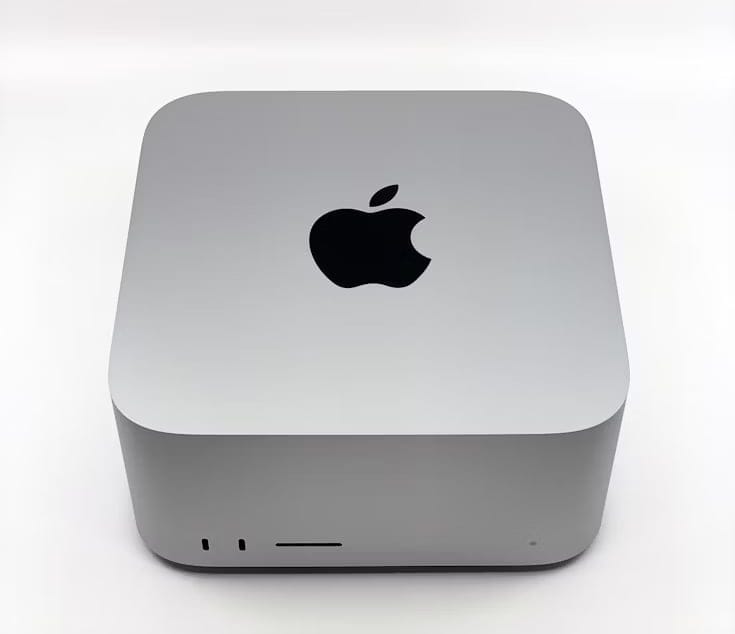
  • Apple Mac Studio Storage Upgrades Now on Kickstarter

    Apple Mac Studio Storage Upgrades Now on Kickstarter

    Apple is planning to showcase new devices later this month at a special launch event. Interestingly, one of the products, the iPad mini 7, was revealed earlier today. Currently, it looks like Apple will also introduce a new iMac and Mac mini, along with refreshed MacBook Pro 14 and MacBook Pro 16 laptops, which are priced at $2,899 on Amazon.

    New Mac Studio Delays

    On the other hand, it appears that a new version of the Mac Studio might take some time to be officially announced. Meanwhile, a French repair center has unveiled what seems to be the first third-party SSD storage option for Apple’s first and second-generation Mac Studios. To put things into perspective, while the Mac Studio can be customized at the time of purchase, Apple does not offer its own storage drives for sale afterward.

    Polysoft’s Innovative Solution

    In contrast, Polysoft Services has successfully reverse engineered a product known as Studio Drive, which can be purchased either as a blank card or with storage options of 2 TB and 4 TB, with a maximum of 8 TB using two cards. Polysoft not only claims to be the first to duplicate Apple’s NAND flash drive, but it also asserts that it has enhanced Apple’s design by incorporating overvoltage protection. Right now, PolySoft is marketing its Studio Drive SSDs at various price points through Kickstarter, with the first deliveries anticipated for January 2025.