Tag: Apple

  • Apple Developing WiFi 7 Chips for iPhone 17 and Later Models

    Apple Developing WiFi 7 Chips for iPhone 17 and Later Models

    Apple is developing its own Wi-Fi 7 chips for future devices, including the much-anticipated iPhone 17 series, which is expected to launch in the latter half of 2025.

    New Manufacturing Process

    Analyst Ming-Chi Kuo from Tianfeng International disclosed that these chips will be produced using TSMC’s N7 process. This is an important advancement in Apple’s plan to improve integration across its products and lessen its dependence on outside suppliers. Kuo suggests that in the next three years, Apple intends to shift its entire range of products to utilize its own Wi-Fi chips. This move is not just about cutting costs; it also aims to enhance the overall synergy of Apple devices. DigiTimes has also mentioned that some of Apple’s new iPads set to launch in 2025 may include these self-created Wi-Fi chips, highlighting the company’s dedication to designing components in-house, a project that has been ongoing since 2021.

    Reducing Supplier Dependence

    The drive towards self-made Wi-Fi technology fits into Apple’s larger goal of minimizing reliance on external suppliers. At present, Apple depends on Broadcom for its Wi-Fi chips, and a successful switch could lead to better performance and efficiency in its devices. While it is still uncertain what specific benefits consumers will gain from Apple-designed Wi-Fi chips, this transition implies potential upgrades in connectivity and compatibility throughout Apple’s ecosystem.

    Exciting Features in the iPhone 17

    Turning our attention back to the iPhone 17 series, it is rumored to include several exciting new features. Reports indicate that the iPhone 17 Pro will adopt a new button layout, replacing the traditional volume buttons and Action button with a single button. Recently, Apple has introduced a Capture Button across the iPhone 16 series to enhance camera accessibility. This change is significant, as Apple’s innovations typically debut on the Pro models for a few years before making their way to base and Plus models. This change in approach indicates a major hardware redesign for the iPhone 17 lineup. Furthermore, a new ‘Air’ or ‘Slim’ model is also expected, which will offer a slimmer design, catering to users who prefer lightweight devices without compromising on performance.

  • Apple Tests New Blood Sugar Monitoring Features in Secret App

    Apple Tests New Blood Sugar Monitoring Features in Secret App

    Apple has been quietly working on new features for blood glucose monitoring. They have tested two tools through an app that lets users track what they eat and record changes in their blood sugar levels, which are measured using conventional devices. Users of the Apple Watch can monitor their blood sugar levels with compatible devices like the new Dexcom G7 CGM.

    Focusing on Prediabetes

    This new app from Apple is reportedly aimed at individuals with prediabetes—those with elevated blood sugar levels who are at risk for Type 2 diabetes. By keeping track of these two key data points, users can learn how various foods impact their blood sugar. According to a report by Mark Gurman in his Power On newsletter for Bloomberg, Apple has been testing this app throughout the year, but the testing phase has now ended. A limited group of Apple employees was allowed to use the tools after a blood test verified their prediabetic condition.

    No Public Release Planned

    It seems that Apple does not intend to launch this app for the general public; it was mainly a research project, aiming to find ideas for future user tools. It’s unclear if a meal logging feature might eventually make its way into the Apple Health app as a result of this testing. Additionally, there does not appear to be any connection between this study and the non-invasive blood sugar monitoring device that Apple is developing.

  • Apple Mac Mini with M4 Chip: Compact Design and Powerful Performance

    Apple Mac Mini with M4 Chip: Compact Design and Powerful Performance

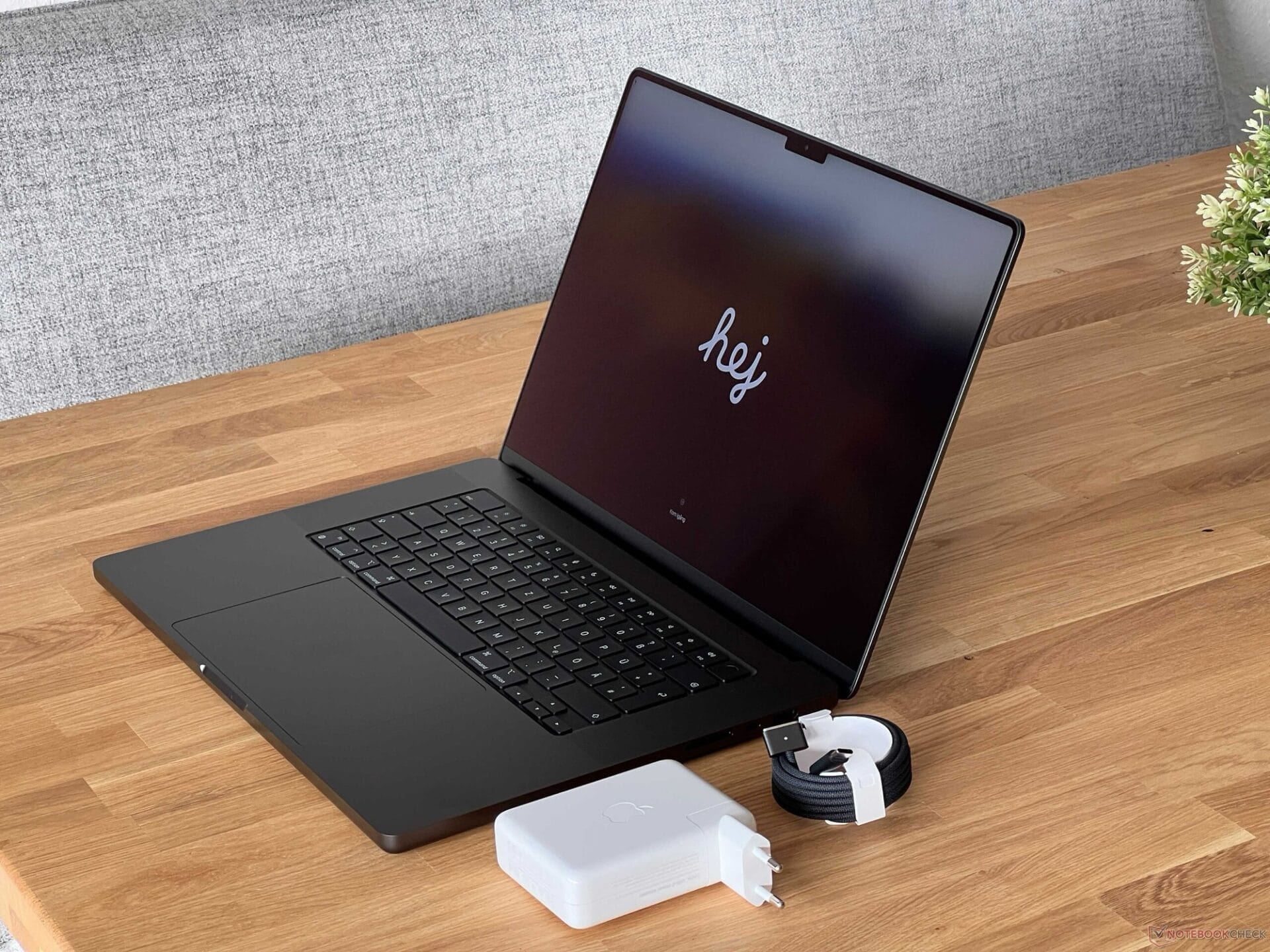
    Following the announcement of the M4 iMac yesterday, Apple has shifted its focus back to the Mac lineup with a significant update to the Mac Mini. The latest version comes equipped with the new M4 chip and enhanced Apple Intelligence features, all packed into a notably smaller design. Let’s dive into the specifics.

    Design and Specifications

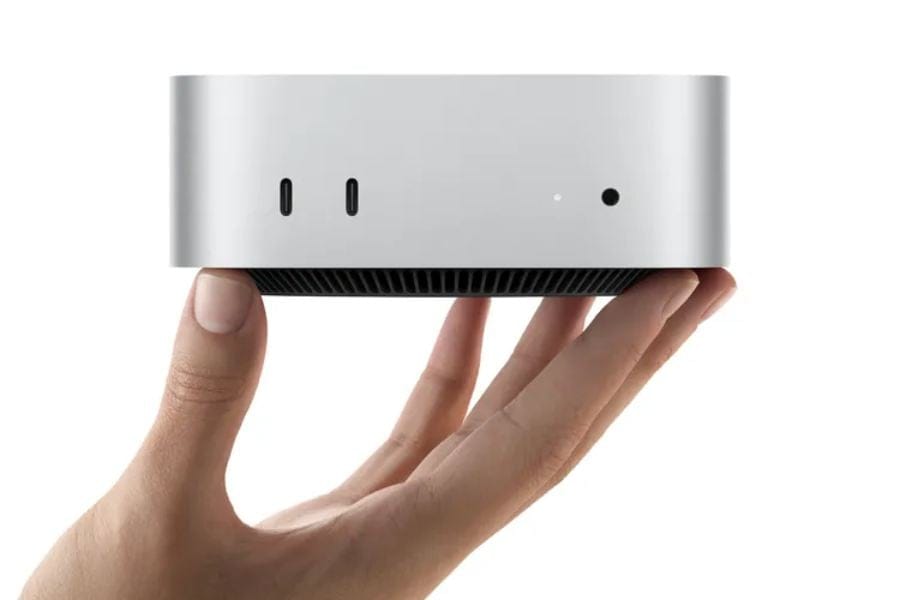
    The most striking alteration is the revamped design. As anticipated, Apple has considerably minimized the already compact Mac Mini. Now measuring just five inches on each side, this model is astonishingly tiny.

    To manage heat in such a compact space, the M4 Mac Mini employs "an innovative thermal architecture" that effectively directs airflow throughout the system, with ventilation solely through the base.

    Ports and Performance

    Even with its reduced size, the Mac Mini still offers a good range of ports. On the front, there are two USB-C ports alongside a 3.5mm headphone jack. The back includes ethernet, HDMI, and three USB-C ports, all supporting Thunderbolt connections.

    Interestingly, the USB-A ports found in earlier models have been removed. However, the layout remains similar, as the base M4 Mini replaces the two USB-A ports with an additional Thunderbolt port, bringing the total to five.

    The performance of these ports varies depending on the version of the M4 processor. The standard M4 includes Thunderbolt 4, while the M4 Pro comes with the newer Thunderbolt 5, which offers quicker read and write speeds.

    Performance and Configuration

    As expected, the M4 Pro outperforms with its 14-core CPU and 20-core GPU setup. In contrast, the base M4 chip features a 10-core CPU and 10-core GPU.

    For the first time, the latest chip architecture supports ray tracing, and Apple provides the computer with a default RAM of 16GB, likely to enhance the Apple Intelligence features. Users have the option to upgrade RAM to 32GB with the M4 and up to 64GB with the M4 Pro.

    Storage options are impressive, reaching up to 8TB, making the small Mac Mini a surprisingly robust machine for those ready to spend. The familiar 10-gigabit ethernet is also available as an optional upgrade for users desiring faster wired connections.

    Pricing and Availability

    Despite Apple’s efforts to enhance the portability and functionality of the new Mini, the pricing remains largely unchanged. The base M4 model starts at $599, while the more powerful M4 Pro edition is priced from $1,399. Both configurations are now available for pre-order and will hit stores on November 8th.


    Image 1
    Image 1
  • M4 MacBook Pro Launching with 10-Core CPU; M4 Mini Versions Available

    M4 MacBook Pro Launching with 10-Core CPU; M4 Mini Versions Available

    Last week, Apple announced that it would reveal the complete M4 range, which will include new MacBook Pros, Mac Minis, and iMacs. One significant improvement is the increase to at least 16 GB of RAM across all versions, which is double the RAM available in the previous generation models. This upgrade is essential since on-device AI tasks, such as Apple Intelligence, require a lot of memory. There is also a small enhancement in the CPU area.

    MacBook Pro Enhancements

    According to Bloomberg’s Mark Gurman, each MacBook Pro model will be equipped with a 10-core M4 variant. Previously, this was exclusive to the highest-spec iPad Pro models that had at least 1 TB of storage, while the lower-end versions came with a 9-core CPU. Due to the introduction of 3 GB RAM modules, various memory configurations are now possible, including some unusual options like 28 GB.

    New Mac Mini Design

    Gurman further states that the new Mac Mini will be significantly smaller than the previous generation and will come with several new I/O options. It can be purchased with the base (9-core) M4 chip or the Apple M4 Pro. On the other hand, the 24-inch iMac will have to stick with the 9-core M4 chip as well. Interestingly, this is the only reference to the M4 Pro, and there has been no mention of the M4 Max. Ideally, the upcoming MacBook Pro models should also feature Pro and Max versions, but this has not been clearly confirmed yet.

    Performance Expectations

    In terms of performance, the Apple M4 currently outperforms all other Arm-based chips, although the Snapdragon 8 Elite can surpass it in certain benchmarks. We have seen a preview of a M4-equipped MacBook Pro’s performance through Geekbench results. Apple is expected to continue leading in single-core performance, but the multi-core performance arena is more competitive.

  • Apple iPhone 16 Banned in Indonesia: What You Need to Know

    Apple iPhone 16 Banned in Indonesia: What You Need to Know

    Infused with smart tech, the iPhone 16 series made its debut last month, but in some regions, buyers will have to wait until next year to access all the features. Unfortunately, Apple enthusiasts in Indonesia are unable to purchase these new devices locally due to a sales ban linked to noncompliance with specific regulations. On a positive note, they can still obtain any iPhone 16 models from international sources, either online or in physical stores, and pay any applicable import duties.

    Statement from Officials

    In a statement released on Friday, Febri Hendri Antoni Arief, a spokesman for the ministry, mentioned:

    “Imported iPhone 16 devices aren’t allowed to be sold here because Apple Indonesia hasn’t met its investment obligations to obtain a local content certification.”

    Given this situation, it’s unlikely that Apple will make the necessary adjustments. As reported by Statista, Apple holds over 12% market share in Indonesia, with approximately nine million units sold locally in the fourth quarter of last year.

    Features and Sales Performance

    With its specially designed A18 chip, improved camera capabilities, and subtle design tweaks, the iPhone 16 series garnered a mixed reception from both consumers and critics. This lukewarm response has led to diminished demand, which is concerning for Apple and its investors. Morgan Stanley reported that the standard and Plus versions sold about 37 million units during their opening weekend. In terms of lead times—the duration between placing an order and receiving it—the iPhone 16 lineup is performing the worst in the last five years, showing similar results to the iPhone 12 series.

  • iPhone SE 4 Specs, Price, and Launch Date Leaks Revealed

    iPhone SE 4 Specs, Price, and Launch Date Leaks Revealed

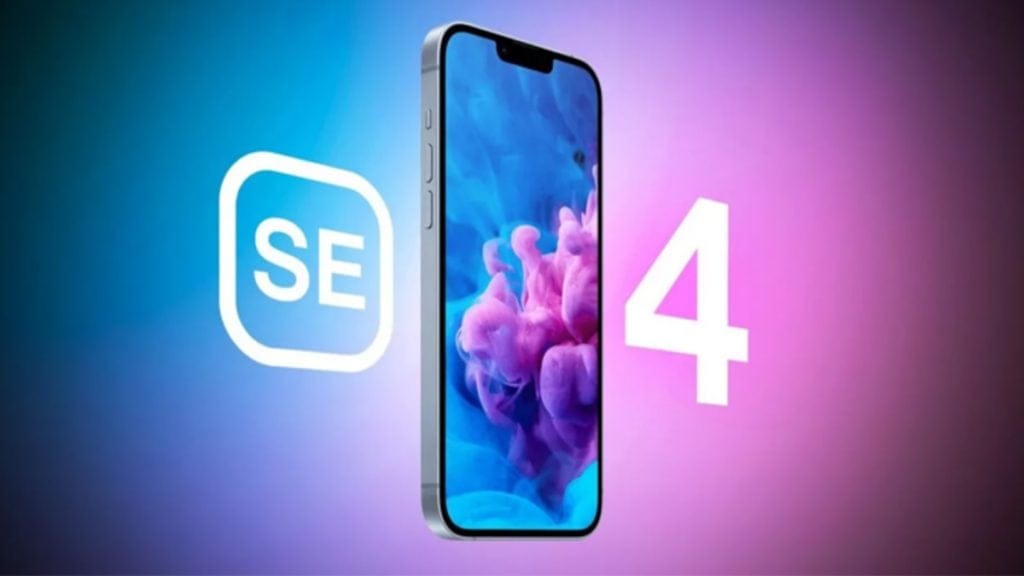
    Apple is set to unveil its more affordable iPhone SE 4 in the first quarter of 2025, and buzz around the device is already making the rounds. A recent leak has shown off the phone’s design via an image of its case, and now tipster Jukanlosreve has shared some important specifications and the anticipated price bracket for the iPhone SE 4.

    Expected Specs for iPhone SE 4

    One of the most significant upgrades could be Apple’s new 5G modem, codenamed “Centauri.” This in-house development might enhance efficiency and lessen Apple’s need for outside suppliers when it comes to modems.

    Display and Durability Features

    In terms of the display, the SE 4 is rumored to replace the LCD with a 6.06-inch LTPS OLED screen, boasting a resolution of 2,532 x 1,170 and a peak brightness of 800 nits. The durability of the device could also improve with the inclusion of Ceramic Shield, which is the same protective material found on the iPhone 14 range.

    Performance Expectations

    For performance, it seems likely that Apple will equip the SE 4 with the same A18 chip that powers the iPhone 16 and 16 Plus models. It could come with 8GB of LPDDR5X RAM and may even support Apple Intelligence features.

    Camera performance is expected to stay on the simpler side, as leaks indicate that the device will feature a single 48MP Sony Exmor IMX904 sensor on the back, along with a 12MP camera on the front.

    Dimensions and Battery Life

    In terms of size, the iPhone SE 4 is anticipated to measure 146.7 x 71.5 x 7.8mm and include a 3,279mAh battery. Although it’s smaller than some rivals, this is a significant improvement over the iPhone SE 3’s rather small 2,018mAh battery—an increase of over 62%.

    Additional Features and Pricing

    Modern features like Face ID, IP68 dust and water resistance, and support for wired charging (up to 20W), Qi2, and MagSafe wireless charging (up to 15W) are also likely to be included.

    Lastly, the leak hints that the iPhone SE 4 could be priced between $499 and $549, although this is still unverified. The official reveal is expected in March 2025, at which point all details will be confirmed.

  • New Entry-Level iPad Expected in 2025, Insider Reports

    New Entry-Level iPad Expected in 2025, Insider Reports

    While Apple has introduced new iPad Pro, iPad Air, and a revamped iPad mini this year, the entry-level iPad hasn’t seen an update in two years. However, recent reports suggest that a new version is on its way, possibly arriving next year.

    New Developments in iPad Design

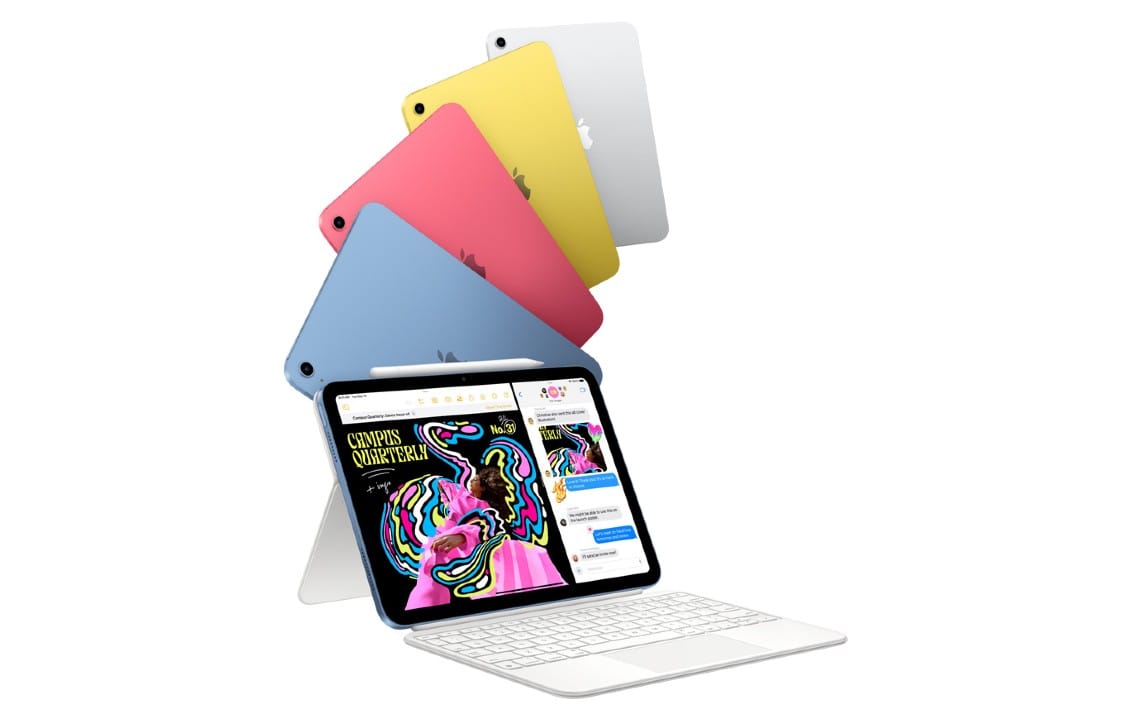
    In his latest weekly newsletter, Mark Gurman from Bloomberg has indicated that Apple is deep into the development of a new entry-level iPad model, which is expected to be called the iPad (11th Gen). He mentions that this upcoming iPad, with the internal codenames J481 and J482, will mostly keep the design of the 2022 version, featuring uniform yet thick bezels and a single rear camera.

    Performance Upgrades Expected

    The new iPad will likely see a performance enhancement, suggesting it will be equipped with a better chipset than the older A14 Bionic chip found in the 2022 model. Although it is not anticipated to use the Apple A18 chip, which powers the new iPhone 16, Apple may aim to install a chipset that aligns with its Artificial Intelligence capabilities.

    Launch Timeline and Pricing Insights

    Mark Gurman has shared that the iPad (11th Gen) or iPad 11 is set to debut next spring, likely alongside a new iPhone SE and refreshed iPad Air models. As for the pricing, details are currently unclear. The iPad (10th Gen), which is available on Amazon for $298, saw a price reduction, now starting at $349 instead of $449. The new model will probably not be priced below $400.

  • Samsung and Apple Rumored to Acquire Intel

    Samsung and Apple Rumored to Acquire Intel

    Earlier this month, news surfaced that Qualcomm was considering acquiring Intel due to its disappointing performance. The company reportedly missed out on a multi-billion dollar deal with PlayStation. The underwhelming Arrow Lake launch and the cancellation of certain architectures may have further complicated matters for the chip giant. Now, according to Moore’s Law is Dead, referencing industry insiders, it seems other companies have shown interest in Intel too.

    Potential Buyers for Intel

    Apple and Samsung are two firms that are rumored to be interested in merging with or acquiring Intel. Tom suggests that both companies might be targeting Intel for its foundry services. This strategy could help Apple lessen its dependency on TSMC for high-end chips. Moreover, producing chips within the US would be a significant advantage. However, this plan could be thwarted if Intel opts to spin off its foundry division into a distinct entity.

    Samsung’s Strategic Interest

    In a similar vein, Samsung could leverage Intel Foundry’s intellectual property to enhance its own manufacturing capabilities. Recent reports indicate that Samsung Foundry’s latest nodes are struggling, with yields as low as 20% on its cutting-edge 3GAP process. While it’s possible that this figure has improved, it’s still not at a commercially viable level, as seen in the delays or possible cancellations surrounding the Exynos 2500.

    Caution Advised

    As always, these discussions should be regarded as mere speculation until more evidence emerges. Additionally, Intel has recently collaborated with AMD to create the x86 EAG. Furthermore, it has secured significant contracts from the United States Department of Defense for military-grade chips, along with Amazon Web Services as a client for Intel 18A. This could provide Intel with the financial boost it needs to remain operational in the short term.

    Despite some setbacks in the desktop sector, Intel has seen success with Lunar Lake, and the Arrow Lake laptop is also appearing to be quite competitive. Looking ahead, Panther Lake, set to release next year, has the potential to challenge Apple in terms of performance-per-watt, thanks to improvements in 18A like RibbonFET and backside power delivery.

    Moore’s Law is Dead on YouTube.

  • Survey Reveals What Smartphone Users Want Beyond AI

    Survey Reveals What Smartphone Users Want Beyond AI

    In the past few years, top smartphone companies have really focused on adding artificial intelligence into their devices. A clear example is Apple’s advancements in AI technology. Google’s Pixel phones stand out, now featuring the Gemini AI platform. This platform offers a language model that supports natural conversations, real-time translations, text generation, and various AI-driven photography tools. Samsung and Xiaomi have also entered the competition with their own AI systems, named Galaxy AI and MiLM, respectively. Despite these innovations, it seems that many consumers are not particularly interested in AI features, indicating that they might not be a priority for most people.

    Consumer Preferences

    A large survey conducted by CNET (Computer Network) asked 2,484 Americans about what features they consider most important when buying a smartphone. The results showed that 61% preferred a big battery, while 46% looked for sufficient storage space, and 38% focused on camera quality. In contrast, only 18% of those surveyed placed importance on AI features in their purchasing decisions. Nearly half of the respondents even said they would not pay more for smartphones with AI capabilities.

    The Limits of AI Interest

    While artificial intelligence can be beneficial in daily life, the general interest seems low. One reason for this could be worries over personal data security, as 34% of participants expressed concerns in this area. Additionally, some critics claim that AI is primarily a marketing gimmick, used to create a sense of advancement without real hardware improvements. Although this critique wasn’t directly addressed in the survey, it might contribute to the overall lack of enthusiasm for AI features in smartphones.

    CNET

    Image source: Tim Dougles/Pexels

  • Vivo and Huawei Outpace Apple in Chinese Smartphone Market

    Vivo and Huawei Outpace Apple in Chinese Smartphone Market

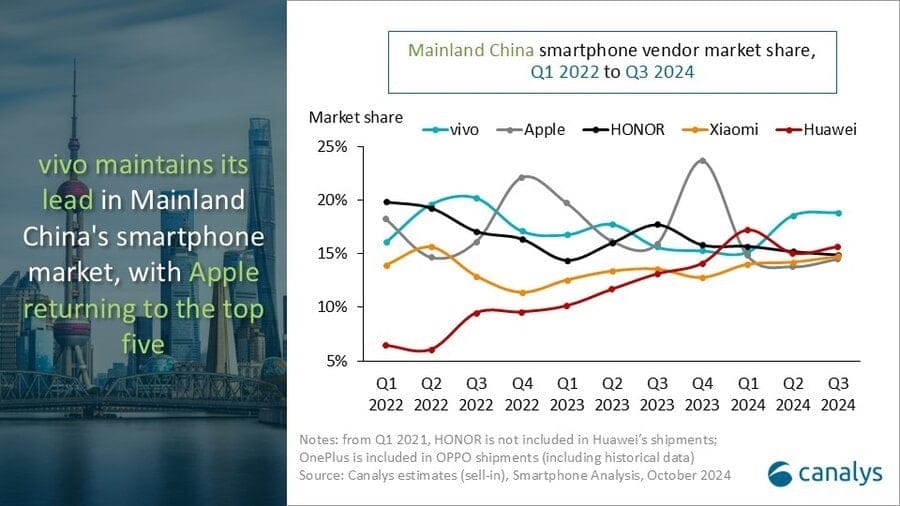
    The summer shopping period in China has been good for the smartphone industry, with shipments increasing by 4% compared to the previous year, reaching 69.1 million units in Q3 2024, as stated in a Canalys report.

    Market Dynamics Shift

    The more significant news is the changing landscape of market leadership. Homegrown brands like Vivo and Huawei have improved their standings, pushing Apple down to the bottom of the top five rankings.

    Vivo’s Continued Success

    For Q3 2024, Vivo has once again taken the lead in smartphone shipments, recording a 3% increase from the last quarter. Canalys attributed this rise to the launch of mid-range products that enhanced both online and offline sales. Their shipments rose 25% year-on-year, totaling 13 million units and capturing a strong 19% market share.

    Huawei’s Resurgence

    Meanwhile, Huawei has made a notable comeback, moving up to second place with 10.8 million units shipped, which gives them a 16% market share. This marks a 24% growth from the previous year, credited to a proactive channel strategy that effectively supported their flagship products.

    Honor Faces Challenges

    On the other hand, Honor, despite the buzz around its new foldable devices, encountered difficulties and experienced a 13% drop in shipments from last year, placing them in third with 10.3 million units.

    Xiaomi’s Performance

    Xiaomi managed to clinch fourth place with 10.2 million units shipped and a 15% market share, thanks to their “Human x Car x Home” ecosystem approach, as indicated in the report.

    Apple’s Decline

    Apple, however, saw a 6% decrease in shipments year on year. They maintained their fifth position, but Canalys warns that the absence of Apple Intelligence services in the iPhone 16 series may hinder future growth.

    Global Trends

    Furthermore, Apple seems to be falling behind globally as well. In Canalys’ report for smartphone shipments in India for Q3 2024, Vivo topped the list, while Apple didn’t even make it into the top five.


    Image 1