Tag: Apple

  • Apple’s Smart Glasses Project Begins, But Release Date Is Unclear

    Apple’s Smart Glasses Project Begins, But Release Date Is Unclear

    Earlier this year, Apple introduced its highly awaited Vision Pro, but it didn’t quite meet expectations as a successful product. Now, new reports indicate that Apple is focusing on a groundbreaking smart glasses project, with the goal of transforming the wearable technology market.

    Apple’s Hidden Smart Glasses Initiative

    Although Apple has not shared many details, recent information reveals that the company is conducting internal focus groups under the code name “Atlas” to gather insights about smart glasses. The initiative is led by its Product Systems Quality team. This research began last week and involves collecting feedback from employees about consumer preferences and market trends, with additional studies expected in the near future.

    This strategic action mirrors Apple’s earlier tactics with products such as AirPods, HomePod, and the newly launched Vision Pro. By grasping user expectations and needs, Apple is aiming to create an authentic AR experience that exceeds what is currently available.

    Challenges Ahead for Apple

    However, achieving Apple’s dream for smart glasses will be quite a journey. Competitors like Meta and Snap have already rolled out consumer smart glasses, and their advanced AR glasses are currently in the development phase with prototypes being worked on. Apple’s high standards for quality and its quest for innovative tech might delay the product’s launch to at least five years from now. Despite the obstacles, Apple continues to invest significantly in research and development to navigate technical challenges and provide a smooth, user-friendly experience.

    The envisioned approach includes designing a lightweight, fashionable pair of glasses that can easily connect with the iPhone, using the phone’s processing power to create an engaging AR experience. This strategy could help speed up the development timeline and ensure a better experience for users.

    Future Plans and Expectations

    In the meantime, Apple is believed to be planning the release of the Vision Pro 2 by 2025 or early 2026. This new version is set to be powered by a robust M5 chip to enhance its augmented reality features, while plans for a more budget-friendly Vision Pro have been put on hold due to worries about demand. The upcoming Vision Pro model will keep the sleek aesthetics of its predecessor but is designed to offer a more enriched and immersive user experience.
  • Apple Set for First Full Mac Lineup Update in Over 10 Years

    Apple Set for First Full Mac Lineup Update in Over 10 Years

    Apple seems poised to do something it hasn’t accomplished in more than ten years—refresh its complete Mac range using a single chip generation. Although it’s been four years since the M1 chip was introduced, Apple hasn’t yet updated all its models at the same time.

    A History of Staggered Updates

    When the M1 was launched, Apple did not include the Mac Pro, and the M2 update missed the iMac as well. This pattern of staggered updates is not something new for the tech giant from Cupertino; it’s a trend that goes back before the M-series chips were even thought about.

    For instance, Apple updated various Macs with Intel’s latest SoC at the time but left out the iMac Pro and the Mac mini. The last time there was a truly synchronized Mac update was in 2013 with the “trashcan” Mac Pro. So, if the rumors about the M4 chip are correct, it would be a landmark moment for both Apple and Mac enthusiasts.

    M4 Chip Expected by 2025

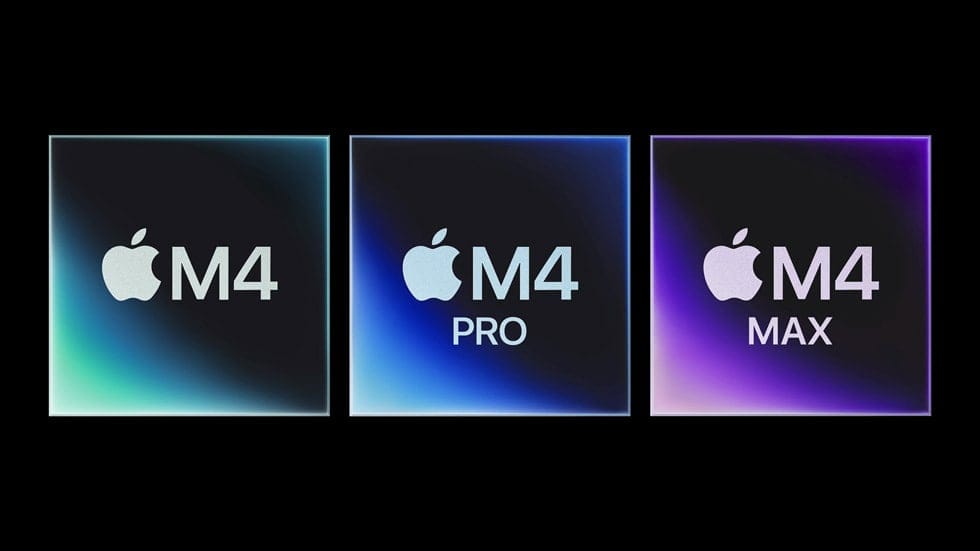
    Now, industry insider Mark Gurman predicts that by mid-2025, Apple will incorporate the M4 chip into the MacBook Air, Mac Studio, and Mac Pro, aiming to harmonize the entire lineup. The company has already refreshed the MacBook Pro, iMac, and Mac mini, adding several impressive upgrades, including faster Thunderbolt ports, options for nano-texture displays, and improvements to the Center Stage camera.

    The highlight of these new devices is the performance enhancement from the M4 chip. In the MacBook Pro, for instance, the M4 chip provides significant speed boosts, running 1.8 times quicker than the 13-inch M1 MacBook Pro in gigapixel photo editing and 3.4 times faster for rendering complex scenes in Blender. Additionally, it features a 16-core Neural Engine that works three times faster than the M1.

    The Power of M4 Pro Chip

    Discussing the more robust M4 Pro chip, it offers a substantial increase in both single-core and multi-core performance. The Mac mini equipped with the M4 Pro is now the fastest desktop Mac that Apple has, even exceeding the M2 Ultra in terms of CPU capabilities.


    Image 1
  • Apple Reveals Reasons for 2024 Mac Mini’s Bottom Power Button

    Apple Reveals Reasons for 2024 Mac Mini’s Bottom Power Button

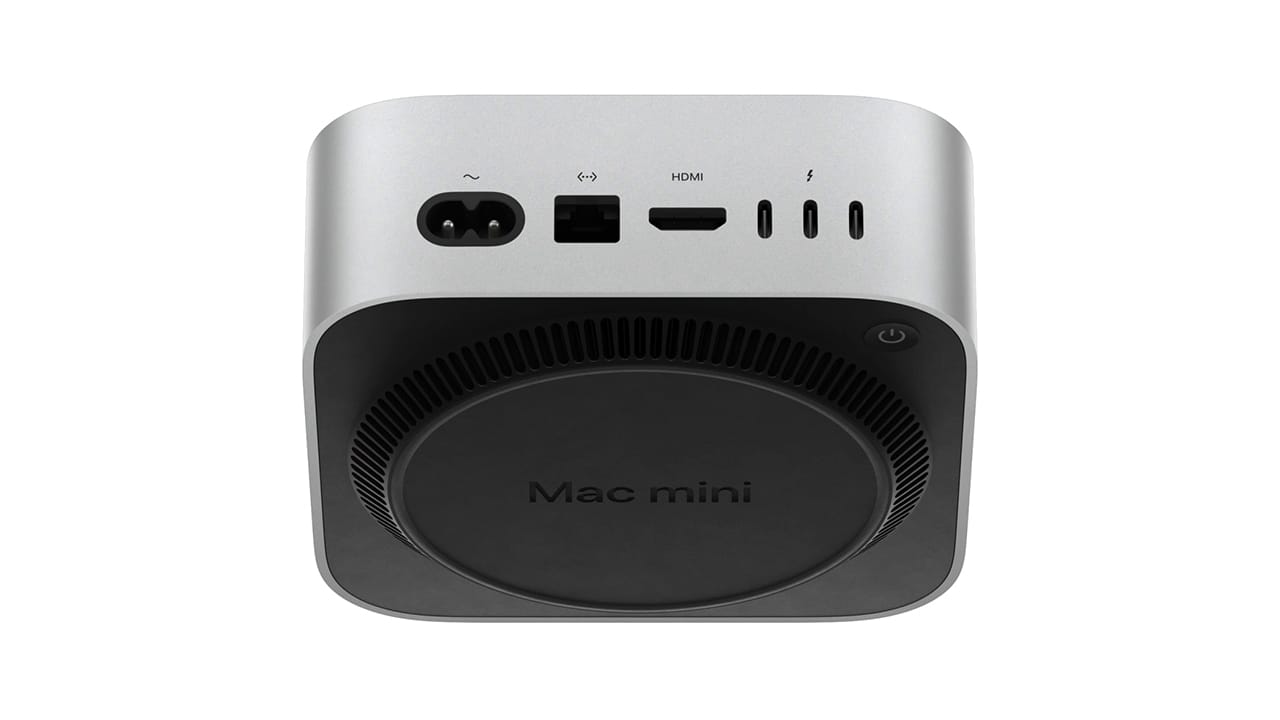
    Apple has introduced the 2024 Mac mini, which comes with enhanced hardware and can be equipped with up to the M4 Pro chip. In addition to better performance, this new mini PC is also more compact than the previous model, boasting a footprint that’s less than 50% of its forerunner. One notable design change is the placement of the power button at the bottom, which has stirred some discussion.

    Design Decisions Explained

    In a recent interview, Apple’s senior vice presidents, Greg Joswiak and John Ternus, discussed the reasoning behind moving the power button. They mentioned that the smaller size of the new Mac mini necessitated finding an optimal position for the button, leading to the choice of placing it at the bottom.

    User Experience Considerations

    Some initial feedback regarding the design noted that pushing the relocated power button could be inconvenient when the device is sitting on a table. However, the two executives pointed out that users rarely need to use the power button. This is another justification for its bottom placement on the 2024 Mac mini.

    Most users typically keep their Mac devices powered on, opting for sleep mode instead. Therefore, the power button is mainly used for force restarts or shutdowns. According to the Apple vice presidents, accessing the button in these situations is simple; you just have to “tuck your finger in there.” The weight of the top-tier model is also quite manageable, at only 1.6 lbs (approximately 0.72 kg), making it easy to lift.

    Potential Installation Issues

    Nevertheless, having the power button on the bottom could pose challenges when the 2024 Mac mini is installed behind a monitor or TV, such as the AOC CQ27G3Z gaming monitor, which is currently priced at $249.99 on Amazon. The vice presidents did not address this scenario, suggesting that Apple might not have considered this particular setup when designing the new model.


    Image 1
  • Apple and Foxconn Team Up for Custom AI Servers in Taiwan

    Apple and Foxconn Team Up for Custom AI Servers in Taiwan

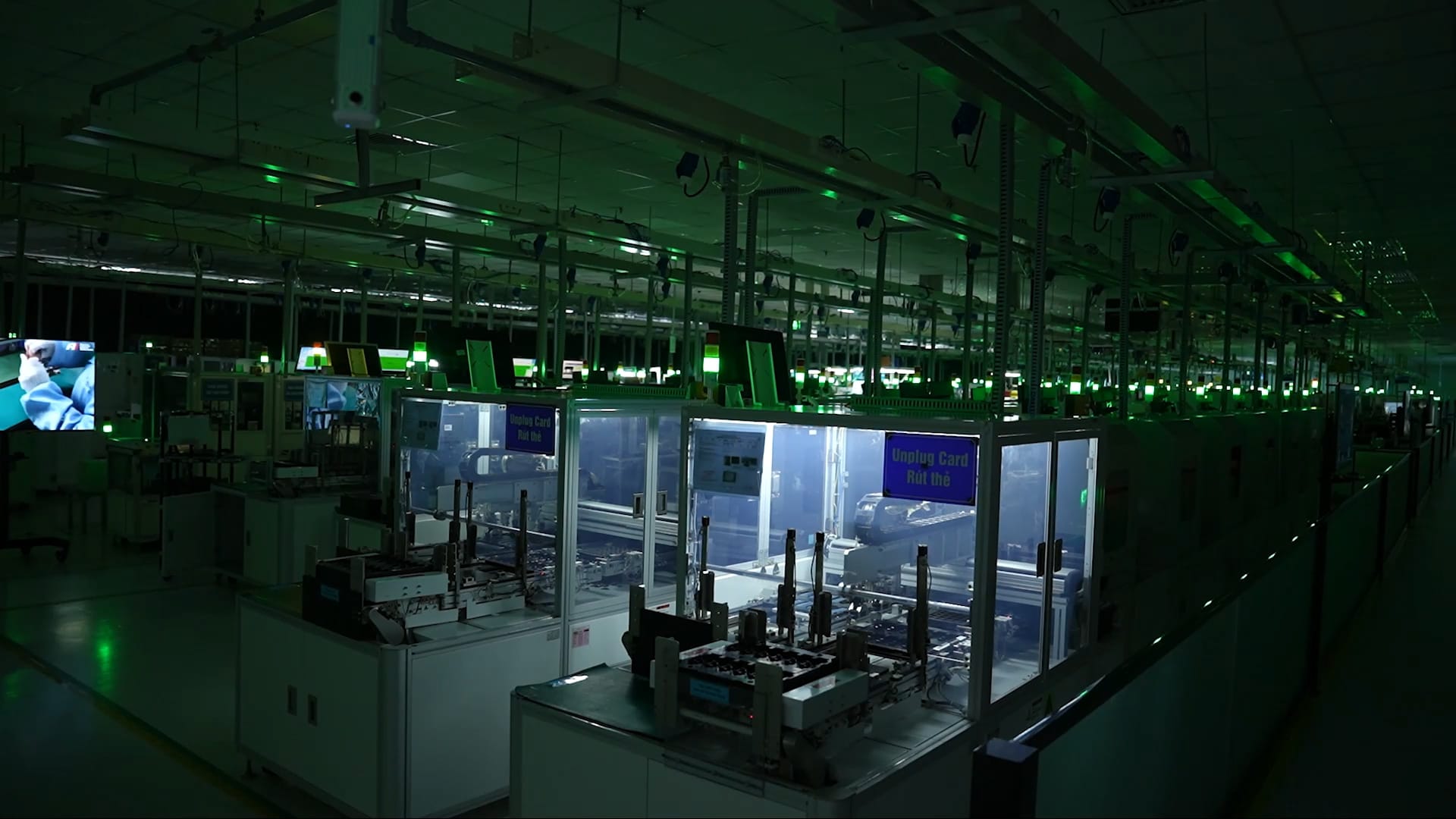
    Apple is teaming up with Foxconn and LCFC, a Lenovo subsidiary, to create its own AI servers powered by Apple Silicon in Taiwan. This strategy is designed to enhance Apple’s data center capabilities for their upcoming Apple Intelligence services and reduce their dependency on Chinese manufacturers.

    The Reason for Choosing Taiwan

    Sources suggest that Apple chose Taiwan primarily to benefit from Foxconn’s extensive expertise in constructing AI servers. Foxconn is already producing servers equipped with Nvidia’s H100 and H200 GPUs and is preparing to collaborate on new Blackwell-based chips.

    Focus on AI Inference Management

    Unlike its rivals such as Amazon, Google, and Microsoft, Apple’s server strategy focuses more on managing AI inference instead of developing large language models. These servers are intended for internal operations, indicating that production volumes will be lower compared to typical data center configurations.

    Collaboration and Design Support

    This partnership goes beyond just server production; it also involves engineering and design assistance from Foxconn and LCFC. Although Apple may not have a lot of experience in designing data center servers, the development is expected to progress rapidly since these servers are less complex than Nvidia’s GB200 systems.

    Foxconn has AI research facilities in Hsinchu, Taiwan, and San Jose, California, where they are currently collaborating with Nvidia on upcoming GB300 server initiatives. Moreover, additional manufacturing partners like Universal Scientific Industrial may also join to further diversify the production process.

  • Apple’s $1.5B Globalstar Deal Boosts Satellite Messaging Services

    Apple’s $1.5B Globalstar Deal Boosts Satellite Messaging Services

    Apple has invested a whopping $1.5 billion in satellite communications, marking a significant step towards enhancing its satellite messaging capabilities. This investment in Globalstar grants Apple a 20 percent share in the company, along with financial support for upgrading infrastructure to enable messaging that goes beyond just emergency use.

    Investment Breakdown

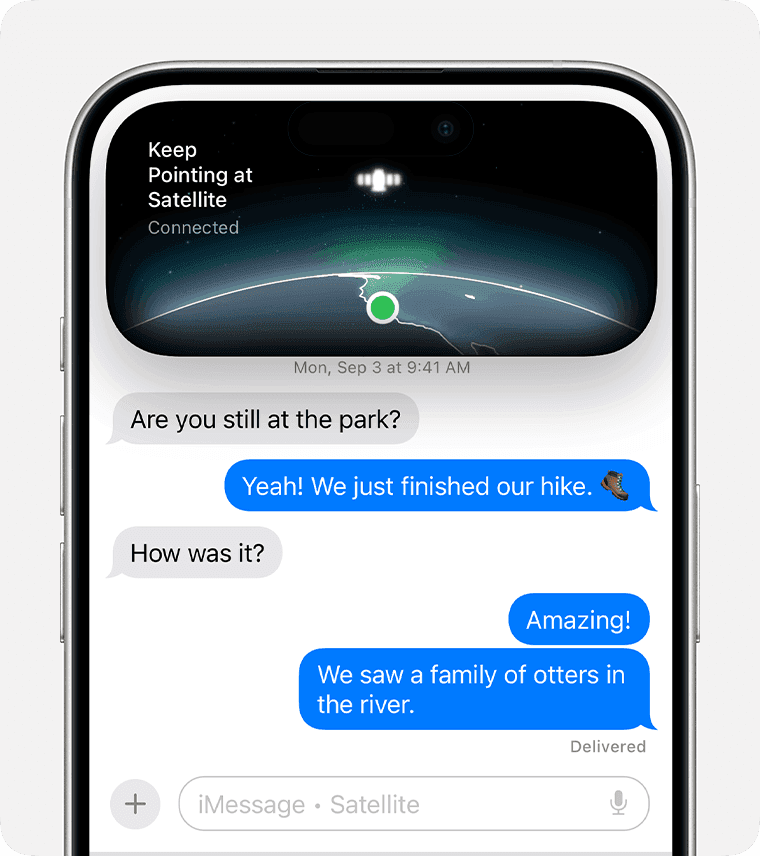
    Of the total investment, Apple allocated $1.1 billion for developing satellite infrastructure and an additional $400 million to acquire its stake in Globalstar. This collaboration began in 2022, allowing iPhone 14 users to utilize emergency satellite messaging. However, with the rollout of iOS 18, the services are expanding—users can now send texts, emojis, and tapbacks through both SMS and iMessage via satellite, ensuring end-to-end encryption for iMessages.

    Enhancing Satellite Services

    The funding will aid Globalstar in launching numerous new satellites and improving its ground network. They plan to introduce up to 26 additional satellites to their current fleet of 31 low Earth orbit satellites. Moreover, over $200 million of the investment will be directed towards reducing some of Globalstar’s existing debt.

    Competitive Landscape

    Apple retains an impressive 85 percent of Globalstar’s network capacity, providing ample opportunity to grow its satellite services. Apple isn’t the only player in this market; competition is intensifying, as Google has recently partnered with Skylo to provide emergency SOS messaging for its Pixel 9.

    This agreement is anticipated to be completed by early November 2024. Currently, Apple is offering these satellite services at no cost to iPhone users. However, the addition of features beyond just emergency communications suggests that Apple might consider charging for the service in the future.


    Image 1
    Image 1
  • Apple iPad Air, iMac & Studio Display Upgrades Revealed in Leak

    Apple iPad Air, iMac & Studio Display Upgrades Revealed in Leak

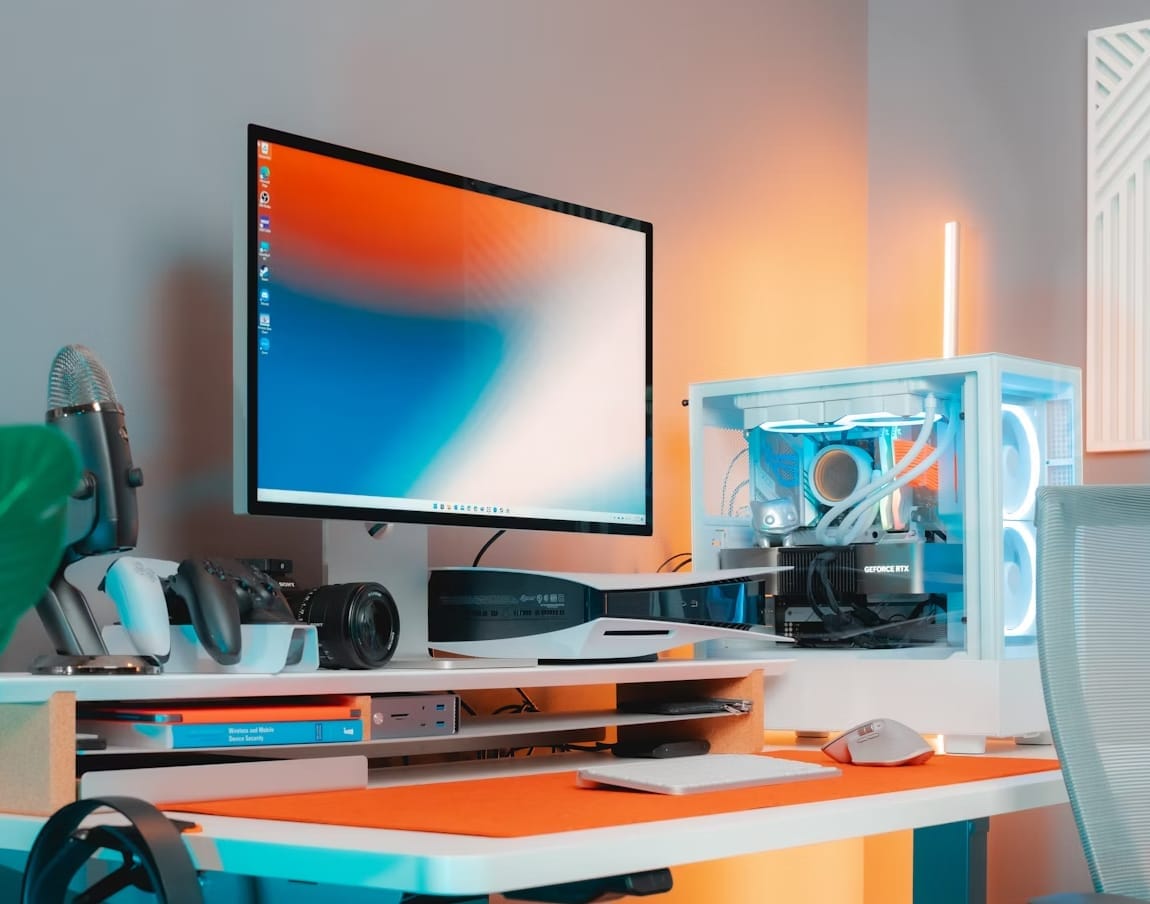
    Apple keeps setting its Pro devices apart from the regular ones in a way that many other brands don’t. For example, while companies like Google, Samsung, and Xiaomi provide 90 Hz or even 120 Hz screens in their phones, Apple sticks to a maximum refresh rate of 60 Hz for all its non-Pro products. This includes the expensive 24-inch iMac, which currently costs $1,299 on Amazon.

    Upcoming Changes in Display Technology

    There are whispers that the iPhone 17 series, set to release next year, will finally bring 120 Hz screens to non-Pro iPhones. Additionally, a new rumor hints that at least three upcoming Apple products could soon feature faster display technology. However, it’s important to keep in mind that none of this is confirmed yet. The Upgrade podcast mentioned an unnamed source, as highlighted by 9to5Mac.

    Potential Upgrades for Other Devices

    According to reports, Apple may introduce 90 Hz displays in future versions of the iPad Air, the 24-inch iMac, and even the Studio Display. Earlier reports suggest that the iPad Air will get an update early next year. On the other hand, the timeline for updating the Studio Display or the 24-inch iMac is still uncertain, especially since the Apple M4 version has not yet started shipping.

    Upgrade Podcast via 9to5Mac, Jaime Marrero & Unsplash – Image credits

  • Apple Pencil Faces EU Scrutiny Over Third-Party Pen Rules

    Apple Pencil Faces EU Scrutiny Over Third-Party Pen Rules

    The European Union has pushed Apple into making several modifications in recent years. As a result, the iPhone 16 now comes equipped with a USB-C port. Additionally, users can download applications from third-party stores and designate alternative browsers and camera apps as their default options. In April 2024, iPadOS was also included as a gatekeeper under the Digital Markets Act, joining iOS in this classification.

    Changes on iPadOS

    Apple has transferred many of the adjustments made for iOS over to iPadOS, but more modifications seem to be forthcoming. Interestingly, Apple’s compliance report from November 1 fails to mention any alternatives to the Apple Pencil offered by other companies. The European Commission has clearly stated in a press release that the iPadOS features should also be accessible to styluses from different manufacturers.

    Compatibility Issues

    Even though there are many third-party styluses that work with the iPad and iPad Pro, Apple does not recognize industry standards like MPP 2.0. Certain features are only compatible with the Apple Pencil. For instance, the hover feature displays the stylus’s position when it is just a few millimeters away from the screen. Additionally, users can magnetically attach the stylus to the tablet for charging. The European Commission is currently examining Apple’s most recent compliance report and will soon determine if the changes made thus far are enough to meet the Digital Markets Act’s standards or if further adjustments are needed.

    Future Developments

    As the EU continues to scrutinize Apple’s practices, the tech giant may face even more pressure to comply with regulations. The emphasis on third-party stylus compatibility could lead to a more open environment for developers and users alike. As these developments unfold, the landscape of Apple’s products and services may experience significant transformation.

  • iPhone 14 Plus Rear Camera Repair Program for Affected Models

    iPhone 14 Plus Rear Camera Repair Program for Affected Models

    Introduced on September 7, 2022, alongside its regular version, the Apple iPhone 14 Plus hit the market one month later for $899. This model features an impressive 6.7-inch display and shares its camera system with its sibling. The camera setup includes a 12 MP front-facing camera and a dual rear camera arrangement that has both 12 MP wide and ultra-wide sensors. Unfortunately, there have been reports of issues with some units, leading Apple to initiate a recall for repairs.

    Apple’s Recall Announcement

    Apple has found that a small fraction of the iPhone 14 Plus devices might show a blank preview from the rear camera. These affected devices were produced between April 10, 2023, and April 28, 2024.

    This information was shared by Apple Canada on their support website titled "iPhone 14 Plus Service Program for Rear Camera Issue." This page allows users to determine if their device is among those affected by simply entering the serial number.

    Repair Options Available

    Once a device is confirmed to be eligible for repair, its owner has three options to get it fixed. If visiting an Apple Authorized Service Provider or scheduling a visit to an Apple Retail Store is not possible, they can contact Apple Support to arrange a mail-in repair via the Apple Repair Center.

    It’s also important to note that, according to the webpage, any device with "damage that hinders the repair, like a cracked back glass," must have that issue resolved before proceeding. However, addressing these problems will likely incur additional costs.

    Discounts on Cases

    For those in search of a protective case, there’s currently a 14% discount on the OtterBox Commuter Series Case for both the iPhone 15 Plus and iPhone 14 Plus, which now starts at $34.32, depending on the color selected.

    AppleInsider

  • US Government Considers Intel AMD Merger Proposal

    US Government Considers Intel AMD Merger Proposal

    A recent speculation has emerged suggesting that both Apple and Samsung are interested in purchasing Intel. Prior to this, Qualcomm was also thought to be in the market for a similar acquisition. The idea of Intel merging with another firm seems more plausible now, especially given its reported net losses of $16.6 billion this quarter. Interestingly, it appears that the U.S. government also sees potential in this scenario.

    Government’s Involvement

    According to Semfor, the U.S. Commerce Department is exploring various methods to assist Intel. While a direct financial boost through the CHIPS Act could provide some relief, it may not be sufficient. The department might “suggest” a merger with competitors like AMD or Marvell. Although not specifically named, Apple seems like a likely option due to its significant cash reserves and its role in producing high-end chips. Furthermore, being an American company adds to its appeal.

    Intel’s Current Standing

    For the time being, Intel seems to be in a relatively stable position after securing a large order from the U.S. Department of Defense and Amazon Web Services. The company is pinning its hopes on the success of its 18A node technology to aid in its recovery. However, it’s perhaps premature to guess what the future holds for Intel with government involvement, but we shouldn’t have to wait too long for answers.

  • iPhone 17 Non-Pro Models Expected to Receive Display Upgrade

    iPhone 17 Non-Pro Models Expected to Receive Display Upgrade

    Since the launch of the iPhone 13 series, only the Pro models have had a 120 Hz display. The same pattern continues with the new iPhone 16 series. However, things might change for the upcoming iPhone 17 lineup, as rumors indicate that both the standard iPhone 17 and iPhone 17 Plus could come with high refresh rate screens.

    Details from Industry Sources

    According to an anonymous source in the industry, ET News has revealed that every iPhone 17 model is likely to have LTPO displays. This not only means that the regular phones may support a 120 Hz refresh rate but also that they could lower the refresh rate significantly when necessary.

    This precise control over the refresh rate can aid in prolonging battery life, a feature already available in the iPhone 16 Pro models. It’s worth noting that this isn’t the first time we’ve heard about LTPO screens for all iPhone 17 variants. A previous report by Ross Young also suggested this, and another South Korean source, The Elec, has echoed the same sentiment.

    Pro vs. Non-Pro Models

    If these claims are accurate, it would reduce the differences between the non-Pro and Pro models of the iPhone 17. Nevertheless, Apple is rumored to enhance the appeal of the Pro Max version for users seeking more features. Analyst Ming-Chi Kuo mentioned in August that the top-tier model may have a whopping 12 GB of RAM.

    With this increase in RAM, the iPhone 17 Pro Max could become better suited for on-device AI functionalities, which Apple is aiming to emphasize with its Apple Intelligence platform. However, it’s important to remember that all of this information is based on speculation, so it’s wise to approach it with skepticism.