Tag: Apple

  • Apple Faces Lawsuit Over Lack of CSAM Detection in iCloud

    Apple Faces Lawsuit Over Lack of CSAM Detection in iCloud

    In 2021, Apple unveiled a contentious iCloud feature intended to search iMessage and iCloud photos for Child Sexual Abuse Material (CSAM), but they swiftly retracted it.

    Privacy Issues Arise

    This system would have allowed Apple to examine images on devices belonging to children. However, the company faced significant backlash from privacy advocates and experts, which led them to abandon the project. Apple stated they would “take additional time over the coming months to collect input and make improvements before releasing these critically important child safety features.”

    Lawsuit Emerges

    Since then, Apple has been silent regarding any developments related to CSAM. Recently, a lawsuit from a victim in the US District Court for Northern California claims that Apple’s lack of safety measures has allowed inappropriate circulation of her images online. First covered by The New York Times, a 27-year-old woman revealed that she and her mother have been inundated with notifications about various individuals charged with possession of such material. The lawsuit seeks financial restitution for 2,680 victims whose images have been shared without consent.

    Apple’s Response

    An Apple representative, Fred Sainz, communicated to Engadget that CSAM “is abhorrent, and we are committed to fighting the ways of predators put children at risk.” He emphasized that the company is “urgently and actively” seeking methods “to combat these crimes without compromising the security and privacy of all our users.”
  • Apple Considers PlayStation VR 2 Controller Support for Vision Pro

    Apple Considers PlayStation VR 2 Controller Support for Vision Pro

    Sony’s virtual reality (VR) branch has built up a lot of skills in headset design and development, especially shown in the PlayStation VR (PSVR) 2, which is currently priced at $499.99 on Amazon. Despite this expertise, reports suggest that the division is in urgent need of support.

    Apple’s Involvement

    Interestingly, Apple, another player facing challenges with VR through its first-generation Vision Pro and its lukewarm reception, may be lending a helping hand. Mark Gurman, a well-respected tech contributor from Bloomberg, notes that Apple’s approach to marketing the Vision Pro as a “spatial computer” with a cutting-edge gesture-based interface has limited its success. Instead of harnessing the potential for accessories like controllers, Apple has focused on this unique positioning.

    Issues with Vision Pro

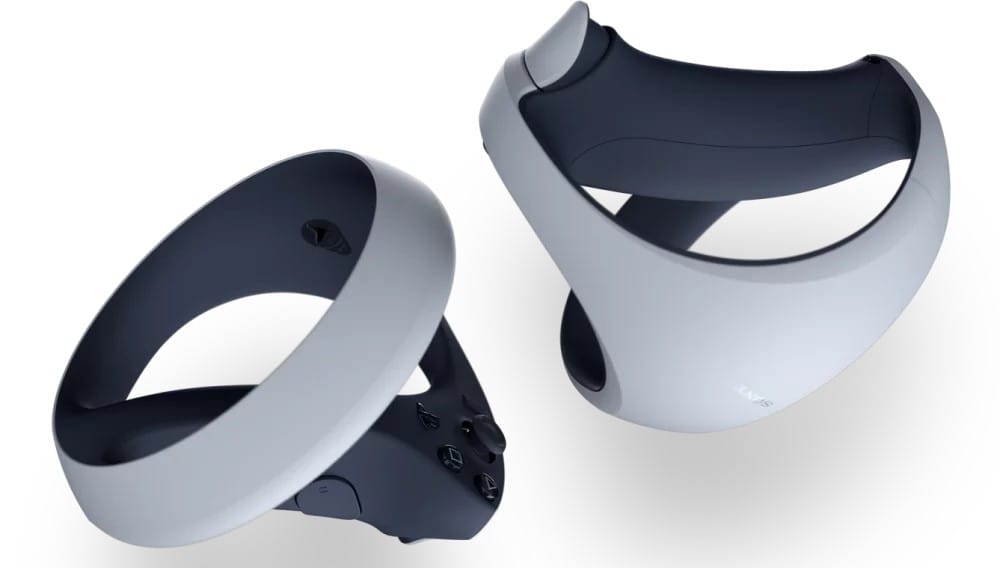
    This strategy has led to an unusual setback for Apple, making it difficult to profit from optional purchases that are officially licensed. This has also diminished the Vision Pro’s potential as a next-gen gaming system. Nevertheless, reports indicate that Apple is contemplating an upgrade to visionOS that would incorporate support for the PSVR 2’s existing Sense Controllers.

    Future Developments

    Typically, these controllers aren’t available for separate sale, but Sony might decide to change that by offering them through Apple Stores as part of this collaboration. Still, this initiative has reportedly faced delays and could potentially be halted altogether before it comes to fruition. Meanwhile, Apple is also exploring the creation of other accessories, like its version of Sony’s Motion Controller, which is designed to be more of a wand-like tool for standard PlayStation and PSVR devices. However, it appears this product is aimed more at enhancing productivity for Vision Pro, similar to the Apple Pencil, rather than serving as a gaming tool.

  • iPhone 17 Air: Apple’s Thinnest iPhone Yet, Says Analyst

    iPhone 17 Air: Apple’s Thinnest iPhone Yet, Says Analyst

    Apple’s upcoming iPhone 17 Air is generating quite a buzz. New information hints that this new model might be the thinnest iPhone yet, although there are some mixed messages about its specifications.

    Sleeker Design

    Mark Gurman’s recent newsletter indicates that the iPhone 17 Air could be approximately 2 mm slimmer than the iPhone 16 Pro. Given that the iPhone 16 Pro measures 8.25 mm in thickness, this suggests the iPhone 17 Air might be around 6 mm thick, potentially making it Apple’s slimmest smartphone to date. However, the 2024 iPad Pro, which is currently listed at $899 on Amazon, will still hold the title of the thinnest Apple product. Gurman hasn’t elaborated on additional features of the device, but he did mention it would include Apple’s custom modem, which is anticipated to debut in the iPhone SE 4.

    Size and Pricing Speculations

    Reports suggest that the iPhone 17 Air will have a display size of about 6.6 inches, placing it between the iPhone 17 Pro and Pro Max models. There are also rumors that this new variant may have a higher price tag than the Pro Max, which could make its supposed 48 MP single-lens camera configuration quite hard to digest for consumers. Other rumored specifications include an A19 SoC, along with 8 GB of RAM and a 24 MP front camera.

    A Word of Caution

    As is common with pre-release rumors, it’s wise to take this information with a grain of skepticism. The launch of the iPhone 17 is still roughly 10 months away, meaning there’s plenty of time for changes to occur. If you’re interested in the recently unveiled iPhone 16, be sure to check out our detailed review of that model.

  • Xiaomi Plans to Bring HyperOS to Apple Devices

    Xiaomi Plans to Bring HyperOS to Apple Devices

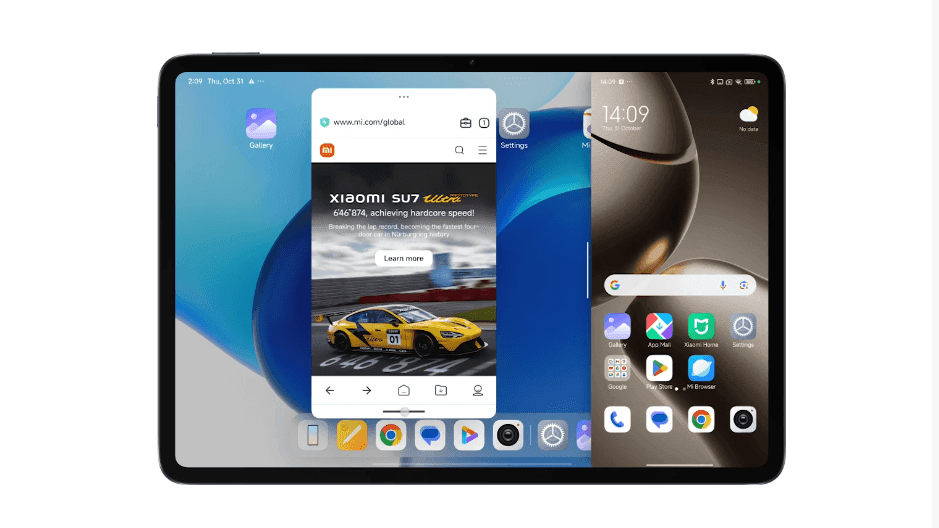
    The current update to HyperOS is being promoted as a superior method for Xiaomi smartphones to sync and share files with their own tablets, speakers, and various smart devices. Recently, the company is said to be exploring ways to integrate Apple products into this ecosystem as well.

    Potential Changes Ahead

    A recent leak from the well-known source Digital Chat Station might have seemed unlikely just a while ago. However, with Apple facing increasing pressure from global regulators to reduce its restrictive ecosystem, Xiaomi’s plans may actually gain some relevance as we near the end of 2024.

    New Software Developments

    In addition, Xiaomi has introduced its new open-source Vela software suite, which aims to enhance compatibility across IoT devices. This could potentially allow devices like the Apple Watch, AirPods, and HomePods to function similarly to Xiaomi’s own wearables, Buds, and Sound Pro speakers.

    The latest HyperOS update is also compatible with Link to Windows, enabling Xiaomi smartphone users to make calls, search through files on their devices, and even display their screen content on their PC monitors.

    Product Availability

    The Redmi Buds 6 Active are now available for purchase on Amazon, offering users a new audio experience.

  • Apple Leads Q3 2024 China Sales; Huawei Remains Top Local Rival

    Apple Leads Q3 2024 China Sales; Huawei Remains Top Local Rival

    In a fresh report from Canalys, Apple’s stronghold in China’s smartphone market has become even more clear. The tech leader now holds half of the top 10 best-selling smartphone models in Mainland China for Q3 2024.

    Apple’s Strong Sales in China

    Leading the pack is the iPhone 15 Pro Max, followed closely by its relatives: the iPhone 16 Pro Max, iPhone 16 Pro, iPhone 15 Pro, and iPhone 15. This outstanding performance highlights Apple’s powerful brand attraction and the appeal of its high-end features.

    Domestic brands like Honor, Oppo, Xiaomi, Vivo, and Huawei have also made it into the top 10, but their share of the market is small when compared to Apple’s. Once a major player in the Chinese market, Huawei now finds it difficult to keep up, with only one model, the Huawei Pura 70, appearing on the list.

    Huawei’s Market Position

    Even with its challenges, Huawei remains strong in the 4,000-6,000 yuan ($550-$825) pricing range, where it is still the leading Chinese competitor against Apple. However, the company’s standing in the premium sector has been heavily affected by ongoing US trade restrictions. Because of this, Huawei has had to depend on less powerful, domestically made chips, which limits its competitiveness in the high-end market.

    Despite these obstacles, Huawei keeps a dedicated customer base in China, with many people seeing the brand as a source of national pride. By buying Huawei products, they feel they are supporting local technology and cutting down on dependence on foreign companies.

    New Launches and Future Challenges

    Last month, Huawei introduced its new Mate 70 series, featuring its entirely self-developed HarmonyOS Next operating system. This new OS, which does not include any Android code, aims to compete with iOS and Android in China, with prices for the Mate 70 series starting at 5,499 yuan ($756). They also presented the Mate X6 foldable smartphone, emphasizing AI features as a key advantage.

    However, as Apple’s presence expands and Chinese consumers become more selective, Huawei’s future in the smartphone industry is still unclear. The company will need to innovate fiercely and discover creative strategies to overcome the restrictions set by US sanctions in order to reclaim its previous status.

    Source: Link


    Image 1
  • Future iPad Air and MacBook Air OLED Release Roadmap

    Future iPad Air and MacBook Air OLED Release Roadmap

    Rumors about Apple planning to use OLED screens in its iPad and MacBook lines have been circulating for quite some time. There have been indications that OLED versions of the iPad Air and iPad Pro were in development since the start of this decade. However, global supply-chain problems have been mentioned as one of the factors delaying the launch of these OLED iPads.

    Apple’s Progress with OLED

    Recently, Apple has taken a step forward in what Hyundai Motor Securities refers to as its anticipated OLED strategy. As shown in the image below, the company made progress in the spring by launching the new iPad Pro 11 and iPad Pro 13 (currently priced at $1,099 on Amazon). Sadly, Hyundai Motor Securities suggests that Apple isn’t likely to introduce OLED displays in upcoming iPads and MacBooks any time soon.

    Future OLED Models

    In line with the latest rumors, the South Korean investment firm predicts that the iPad mini and MacBook Pro will be the next devices to get OLED upgrades, but not until 2026. Following these releases, the long-awaited iPad Air may arrive in 2027, with the MacBook Air possibly coming the year after. Interestingly, including the MacBook Air in this timeline conflicts with another recent report from South Korea, which we have discussed in a different piece.

    Source: Link


    Image 1
  • iPhone 17 Air Rumored Thickness: Just 5-6mm

    iPhone 17 Air Rumored Thickness: Just 5-6mm

    Apple is said to be gearing up to launch its thinnest iPhone yet, named the iPhone 17 Air. The Information reports that this upcoming model aims to set a new standard for thinness in smartphones, showcasing a notably slimmer profile than earlier versions. If these reports are accurate, the iPhone 17 Air might create a new high mark in Apple’s offerings, though it may come with design compromises necessary to achieve its sleekness.

    iPhone 17 Air may come close to the iPad Pro 13’s thickness

    Formerly known as the iPhone 17 Slim, the iPhone 17 Air is expected to take the place of the iPhone 16 Plus in Apple’s offerings. Initial reports hinted at a thin design, but new updates suggest an even more reduced profile, measuring around 5-6 mm thick. For comparison, the iPhone 16 is already seen as slim at 7.8 mm, meaning the new model would be as much as 35% thinner. This would make it Apple’s slimmest iPhone ever, surpassing the iPhone 6 Plus, which has maintained its title since 2014 with a 7.1 mm thickness.

    Changes in features alongside the ultra-slim profile

    In addition to its thin design, the iPhone 17 Air might come with various other modifications. Reports claim it will eliminate mmWave 5G support and the traditional physical SIM card slot. The latter has been a standard feature for U.S. iPhones since the iPhone 14, while the absence of mmWave support might impact network performance in areas where it’s commonly used. Apple is also anticipated to include its own 5G modem in the iPhone 17 Air, though this modem is rumored to provide slower speeds than the Qualcomm chips found in the iPhone 17 Pro and Pro Max. Another possible removal could be the downward-firing speaker, which might further enhance the design.

    Concerns over durability with the new design

    With such a slim profile, durability could be an issue for the iPhone 17 Air, especially considering that Apple’s similarly thin iPads have had structural issues previously. This raises concerns about how well this new iPhone will handle daily wear and tear. Interestingly, Samsung is also developing a version of a slim Galaxy flagship as part of the S25 series, which is also rumored to be considerably thinner than current models. More information about Samsung’s version of the ‘Slim’ phone can be found through various sources.

    Source: Link

  • Apple Expands eSIM Usage: Plans to Eliminate SIM Card Trays

    Apple Expands eSIM Usage: Plans to Eliminate SIM Card Trays

    Apple has shown a strong preference for eSIM technology in the past, emphasizing its advantages, particularly for international travelers. These benefits include enhanced security, the convenience of not needing physical cards, and simplified roaming capabilities. Nevertheless, eSIM remains a developing technology that hasn’t achieved global acceptance yet.

    iPhone 16 and eSIM Adoption

    Users of iPhones in the United States are already accustomed to the absence of SIM card trays, as the iPhone 16 has been launched as eSIM only. In contrast, many iPhone models sold in other countries still offer the option of physical SIM trays. Unfortunately, as Apple pushes to promote eSIM, they have begun to implement design choices that eliminate the possibility of including a SIM tray. A notable example of this is the expected thickness of the iPhone 17 Air.

    The Slimmer Design of iPhone 17 Air

    With a rumored thickness of just 5 mm, the iPhone 17 Air is set to be the slimmest iPhone ever produced. Given the limited space available internally and Apple’s preference for eSIM, it’s understandable that the iPhone 17 Air will not feature a SIM tray by design. This lack of a SIM tray might not pose a problem for many countries, but it presents challenges in China. Statista reports that China holds a significant share of the iPhone market, with nearly 20 percent of iPhones sold there. Although the adoption of eSIM in China is possible, the relationship between Apple and China has been rocky, with rumors of a ban on iPhones in circulation. Only time will reveal if Apple’s nearly 40 billion dollar investment in China’s eSIM adoption will yield positive results.

    Market Dynamics and Future Implications

    Sources like Mac Rumors, Statista, and Apple provide insights into these shifts in the smartphone landscape. Apple’s strategic decisions regarding eSIM technology and the design of future iPhones will undoubtedly impact its market presence, especially in crucial regions like China.

    Source: Link,Link,Link


    Image 1
  • Apple’s Future MacBook Pros May Feature OLED Screens Again

    Apple’s Future MacBook Pros May Feature OLED Screens Again

    Apple’s move to upgrade its MacBook Pro lineup to OLED has been a topic of speculation among many analysts for quite some time. A latest report from TrendForce suggests that Apple is pushing its suppliers to increase investments in larger OLED panels suitable for laptops. As mentioned in earlier reports, the transition to OLED is anticipated to happen by 2026 at the earliest.

    Benefits of OLED Displays

    There’s no denying that OLED screens come with numerous advantages compared to traditional LED displays. With their per-pixel dimming feature, OLED panels deliver outstanding black levels, resulting in almost infinite contrast ratios and a fantastic HDR experience. Additionally, they offer rapid response times, which is especially appealing for gaming enthusiasts.

    Drawbacks of OLED Technology

    Nonetheless, there are some downsides to OLED technology. The ongoing risk of burn-in could be a worry for professionals who often deal with static images on their screens for long durations. Moreover, OLEDs generally have lower brightness levels compared to the current Mini LED panels that Apple uses. However, it seems that the company’s innovative tandem OLED technology might adequately address this issue.

    TrendForce’s report indicates that Apple is indeed serious about integrating OLED technology into its products.

    Source: Link

  • Apple’s Budget iPhone Set to Launch in March 2025, Analysts Say

    Apple’s Budget iPhone Set to Launch in March 2025, Analysts Say

    According to a recent research note from well-known industry analysts obtained by MacRumors, it looks like Apple is gearing up to launch the next version of the eagerly anticipated iPhone SE budget smartphone as soon as March 2025.

    Analyst Insights

    This note, which came from the analysts’ recent visit to Asia where they gathered intel directly from Apple’s suppliers and manufacturers, suggests that the iPhone SE 4 featuring an Apple-designed 5G modem is expected to debut around the end of Q1 2025, aligning with what earlier reports have hinted at.

    Expected Features

    From the various leaks and speculations floating around about the iPhone SE 4, it seems the upcoming budget smartphone will boast a 6.1-inch OLED display, a modern A-series chip with 8 GB of RAM, a single 48 MP rear camera, and a USB-C port. If these rumors are accurate, the specifications would make the iPhone SE 4 quite a feature-rich smartphone and a strong competitor in the mid-range market, provided Apple sets the right price.

    Pricing Considerations

    The current model of the iPhone SE has been on the market for over two years and sports an outdated design with thick bezels and a home button, currently priced at $429. The next-gen iPhone SE is shaping up to be a significant improvement, which could suggest that a price increase is on the horizon. However, it’s still too early to make any definitive claims.

    Source: Link,Link