Tag: Apple

  • Apple Vision Pro 2 with M5 Chip and Apple Intelligence Coming 2H25

    Apple Vision Pro 2 with M5 Chip and Apple Intelligence Coming 2H25

    The Vision Pro has marked Apple’s entry into the world of augmented and virtual reality (AR/VR). However, the reception to the device’s mixed reality features has been varied, and many view it as akin to a public beta. Despite its premium price of $3,500 plus taxes, sales have been low, and the return rate is notably high.

    Potential for a Cheaper Alternative

    There are ongoing rumors that Apple might pivot towards a more affordable version of the Vision Pro, while a Vision Pro 2 could also be on the horizon. Analyst Ming-Chi Kuo has shared insights into what this next iteration might offer.

    Kuo suggests that the Vision Pro 2 could begin mass production in the second half of 2025. This new headset is expected to be powered by the M5 chip, an upgrade from the current M2 system-on-chip, and will integrate Apple Intelligence into spatial computing.

    Enhancements in Human-Computer Interaction

    Kuo anticipates that most of the hardware will remain consistent with the existing model to maintain similar pricing. The introduction of Apple Intelligence is expected to significantly improve human-computer interaction (HCI) capabilities, enhancing features like eye tracking and gesture control, contributing to a more seamless spatial computing experience. Kuo believes that the integration of Apple Intelligence in the Vision Pro 2 will provide a more concrete experience than currently found on the iPhone.

    He also mentions the potential for collaboration with OpenAI’s Sora, which could facilitate immersive text-to-video experiences that surpass what is feasible on smartphones and other gadgets.

    Supply Chain and Competitive Landscape

    Kuo expects the supply chain for the M5 Vision Pro 2 to remain similar to that of its predecessor, including suppliers like Zhaowei, which provided the electric focus adjustment system for the Vision Pro’s inter-pupillary distance (IPD).

    Ultimately, the success of the Vision Pro will depend on factors such as affordability, availability, and comprehensive app support. Apple faces a tough competition from Meta, which recently unveiled several intriguing products at Meta Connect, such as the Quest 3S starting at $299, the Orion AR glasses prototype, new AI features for Ray-Ban Meta smart glasses, and a permanent price reduction for the Quest 3.
  • M4 14-inch MacBook Pro Box Leaks: Memory Upgrade & 10-Core CPU

    M4 14-inch MacBook Pro Box Leaks: Memory Upgrade & 10-Core CPU

    Over the last few months, there has been a flood of leaks and speculation about what Apple might unveil at its anticipated October event. While the company in Cupertino hasn’t officially announced the event, recent information and industry experts suggest it is likely, with M4-equipped MacBook Pros and entry-level iPads expected to be the highlights.

    New MacBook Pro Packaging

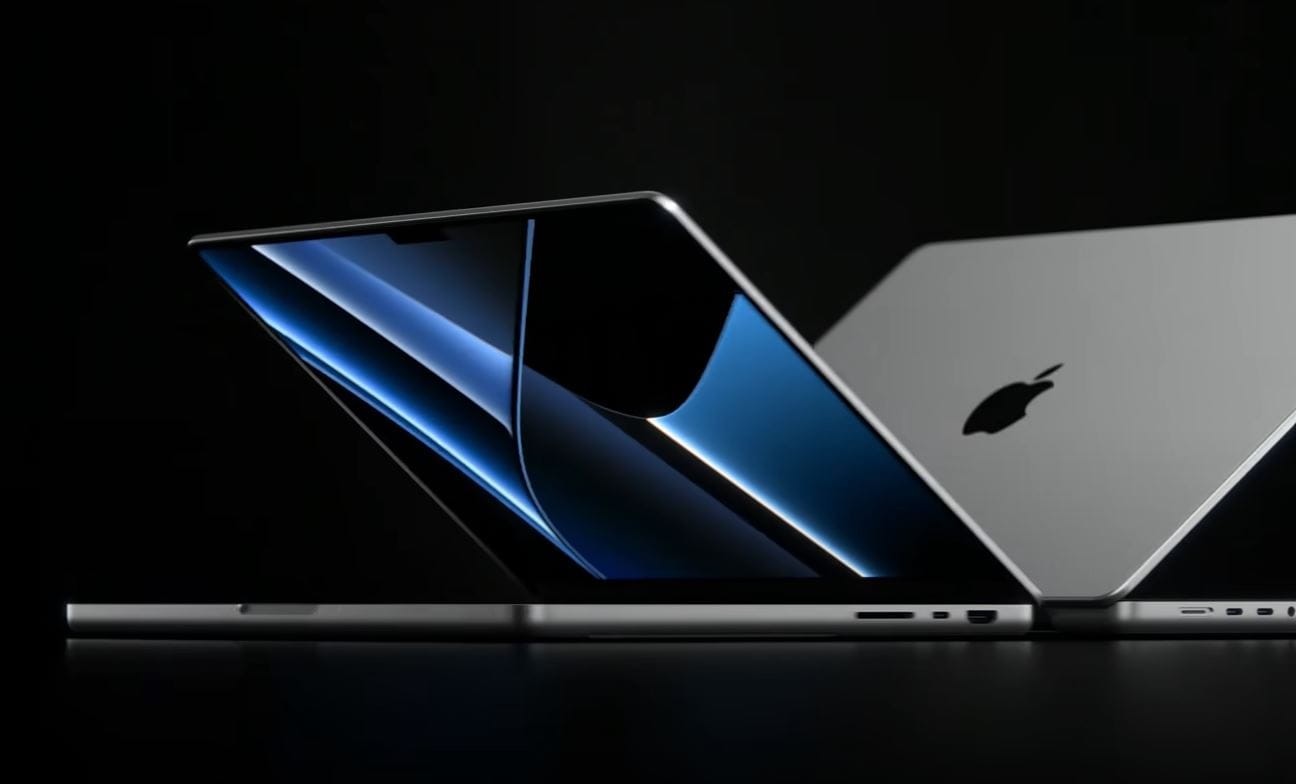
    Recently, a tweet from ShrimpApplePro featured an image that seems to show the packaging for the upcoming 14-inch MacBook Pro, which will include the M4 system on chip (SoC), 16 GB of RAM, and 512 GB of storage. The authenticity of the image is still uncertain, but there hasn’t been any strong evidence to dispute it.

    Upgraded Specifications

    The packaging appears to confirm that Apple will increase the base model’s RAM to 16 GB. While it’s possible this box could belong to a customized version, that’s unlikely, as Apple typically doesn’t list the details for built-to-order (BTO) models on the outer packaging.

    Additionally, prior reports indicated that the M4 MacBook Pros began mass production at the end of last month, making it plausible that they have already been packaged and could be ready to ship if the event occurs as expected.

    Expected Lineup

    The new M4 MacBook Pro lineup is rumored to include 14-inch and 16-inch models available in M4, M4 Pro, and M4 Max configurations. With the rise of powerful processors from AMD and Intel, the anticipation for Apple’s M4 series is high among Apple enthusiasts. If the rumors about their upcoming release are accurate, we will soon see if Apple’s latest chips can outperform their x86 rivals or fall short.


    M4 14-inch MacBook Pro Box Leaks: Memory Upgrade & 10-Core CPU
  • iPhone 16 Teardown: High Scores for Quick-Remove Battery

    iPhone 16 Teardown: High Scores for Quick-Remove Battery

    The iPhone 16 and its Plus version have been launched, lacking the new battery shield found in the higher-end 16 Pro and Pro Max models. However, the standard versions of this flagship series offer a unique feature that may compensate for this absence.

    New Battery Repair Guide

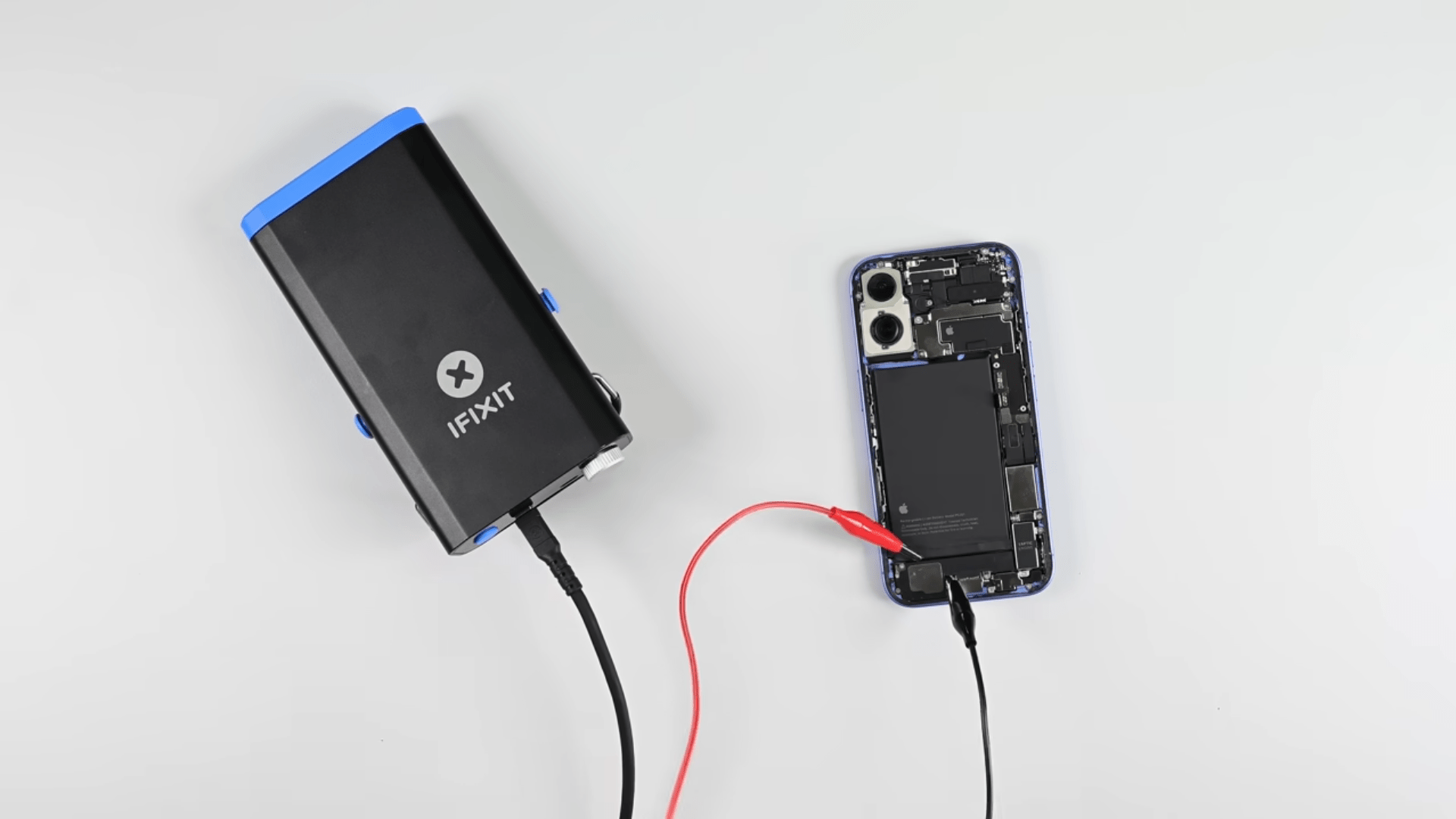
    Apple has introduced a fresh iPhone 16 Battery Repair Guide, which reveals that the battery is secured with electrically-induced adhesive instead of the usual pull-tabs. According to Apple, users can effectively "hot-wire" this adhesive using just a simple 9V battery and red and black crocodile clips.

    To perform this process, one clip must connect to a new silver tab on the battery, while the other should attach to a grounding screw located on the nearby speaker array.

    iFixit Confirmation

    iFixit has validated this method through its latest iPhone 16 teardown video, indicating that it can also work with other power sources up to 30W, including certain power banks. The innovative battery adhesive, believed to be provided by Tesa, is notably difficult to remove without utilizing its electrochemical properties, as noted by Phone Repair Guru in another teardown of the 16 series.

    Repairability Score

    Despite these challenges, the new feature has granted the iPhone 16 series an iFixit repairability score of 7 out of 10. The 16 Pro and Pro Max have yet to match this score due to their conventional pull-tabs, making it unlikely for them to achieve a similar rating for ease of repair in the near future.


  • iPhone 17 and 17 Air to Include 120Hz LTPO Displays, Goodbye 60Hz

    iPhone 17 and 17 Air to Include 120Hz LTPO Displays, Goodbye 60Hz

    In a notable development, Apple is said to be moving away from 60Hz displays in its upcoming iPhone 17 series. Industry expert Ross Young (his tweet has since been deleted) claims that both the standard iPhone 17 and the new ultra-thin iPhone 17 Air will come equipped with 120Hz high refresh rate displays. This decision signifies a significant change as Apple transitions its entire iPhone range into the high refresh rate domain, a feature previously exclusive to Pro models.

    Apple’s Standard iPhones Embrace 120Hz Displays

    At present, the standard models from Apple operate on a 60Hz refresh rate, while only the Pro variants boast the 120Hz ProMotion display, which can adjust its refresh rate down to as low as 1Hz. With the introduction of the iPhone 17 series, both the iPhone 17 and iPhone 17 Air are expected to utilize LTPO OLED panels. These panels provide variable refresh rates and enhanced battery efficiency, and they are anticipated to be supplied by BOE, a Chinese display manufacturer.

    Changes in the iPhone Lineup

    Along with the display advancements, the iPhone 17 series will also undergo a lineup transformation. The Plus model, which has struggled with sales, will be replaced by the iPhone 17 Air. This new Air model is predicted to start at a price point similar to the iPhone 15 Plus, around $899, and will focus on a new, ultra-slim design.

    The iPhone 17 Air is designed not as a flagship but as a fashionable alternative that sits between the standard iPhone 17 and the Pro models. It aims to attract users who value style without requiring the advanced features found in the Pro versions.

    Further Upgrades for the Pro Models

    Meanwhile, the iPhone 17 Pro and iPhone 17 Pro Max are rumored to undergo additional display enhancements. There are speculations about the inclusion of an under-display Face ID system, which would minimize the front camera cutout size, mirroring features found in premium Android devices.

    The iPhone 17 series is expected to launch in late 2025, continuing Apple’s pattern of gradual yet significant upgrades across its range of devices.

  • Q2 2024: Global Smartphone Shipments Surge 12% to 288.9 Million

    Q2 2024: Global Smartphone Shipments Surge 12% to 288.9 Million

    Global smartphone shipments surged by 12% year-over-year, reaching 288.9 million units in the second quarter of 2024. This marks the third consecutive quarter of growth. Canalys, a market research firm, attributes this resurgence to innovative product launches and improving economic conditions.

    Samsung Solidifies Lead as Market Exceeds Expectations

    Samsung maintained its market leadership with an 18% share, shipping 53.5 million units. The company’s high-end devices continue to drive revenue growth. Apple held onto the second spot, shipping 45.6 million units, showcasing strong performance in North America and the Asia-Pacific region.

    Xiaomi is catching up with Apple, securing third place by shipping 42.3 million units. The Chinese tech giant’s competitive product lineup has fueled its rapid growth. Xiaomi also reclaimed the top spot in India’s smartphone market in Q2 2024, with an 18% market share. Vivo took the fourth spot with 25.9 million units, while Transsion, the maker of Tecno and Infinix branded smartphones, rounded out the top five with 25.5 million units shipped.

    Component Shortages and Future Challenges

    Despite the overall market’s upward trend, challenges remain. Component shortages, particularly for high-end features like large displays and advanced cameras, are impacting production costs. This could pressure brands targeting the mass market. Additionally, maintaining a competitive edge will become more difficult as the market matures.

    To stay ahead, industry leaders are differentiating their offerings. Samsung and Apple are prioritizing long-term strategies in established markets while emphasizing generative AI features in their flagship devices. Chinese brands are also heavily investing in AI technology to compete in the high-end segment.

    As the smartphone market continues to evolve, consumers can expect more AI-powered features, advanced camera systems, and larger, more immersive displays. However, the rising cost of components could lead to higher prices for premium devices.


    Q2 2024: Global Smartphone Shipments Surge 12% to 288.9 Million
  • Apple Slips in China, Drops from Top Five Smartphone Vendors

    Apple Slips in China, Drops from Top Five Smartphone Vendors

    Apple has slipped from the ranks of the top five smartphone vendors in China for the first time since it surged in popularity there. According to Canalys, a market research firm, iPhone shipments in China saw a 6.7% year-on-year decline in the second quarter of 2024.

    Rise of Domestic Brands

    Analysts credit this decline to the resurgence of domestic brands. Leveraging advanced, locally manufactured components, Chinese companies such as Huawei, Vivo, Oppo, Honor, and Xiaomi have experienced substantial growth. Notably, Huawei has made a robust return to the high-end market, challenging Apple's premium market position.

    Market Growth and Competition

    The Chinese smartphone market grew by 10% year-on-year, with over 70 million units shipped in Q2. Vivo led the market with a 19% share, equivalent to 13.1 million units shipped. Oppo, Honor, and Huawei followed, each shipping around 10 million units. Xiaomi, which had been facing difficulties, saw a 17% year-on-year increase, re-entering the top five with 10 million units shipped.

    Conversely, Apple's shipments fell to 9.7 million units, resulting in a reduced market share of 14%. Despite offering discounts of up to 23%, the company struggled to maintain its position. Domestic competitors capitalized on localized supply chains and strong brand loyalty among Chinese consumers.

    Strategic Moves

    In light of this decline, Apple’s Chief Operating Officer Jeff Williams recently visited China to meet with officials and reiterate the company’s commitment to the market. Analysts, including Lucas Zhong of Canalys, suggest that Apple needs to localize its “Apple Intelligence” platform for China within the next year to recapture market share. The forthcoming iPhone 16 lineup also offers an opportunity to stimulate demand and improve Apple's market position.

    Nevertheless, the competition remains intense. Domestic brands offer appealing features at competitive prices, and it remains uncertain whether Apple can adapt and regain its former dominance in China.

  • Why Apple’s Foldable Phone Hasn’t Been Released Yet, Says Honor CEO

    Why Apple’s Foldable Phone Hasn’t Been Released Yet, Says Honor CEO

    Android users now have a plethora of choices when it comes to selecting a foldable smartphone from various manufacturers. However, Apple has yet to release a foldable device. Recently, Honor CEO Zhao Ming shared his insights on this matter.

    During the launch event for the Honor Magic V3 and Magic Vs3, Zhao Ming mentioned in an interview that Honor aims to meet consumer demand by producing foldable phones. Consumers typically worry about the thickness, weight, and durability of the folding mechanism and the foldable screen. Zhao revealed that Honor is actively addressing these issues.

    Apple’s Foldable Phone Challenge

    When questioned about Apple’s delay in launching a foldable phone, Zhao suggested that Apple might be grappling with the technical challenges of the foldable form factor. He stated, “If (Apple) launched it in 26 years, it means that they are optimistic about this track, so why not launch it now? It should be that they are not capable of making a good foldable screen. This is an obvious logic,” (translated).

    Honor’s Development Focus

    Discussing Honor’s product development, Zhao noted that if their foldable phones match the thickness and weight of competitors, consumers would likely prefer them. He stressed that reliability issues would be resolved through advancements in material science.

    The goal is not only to manufacture thin and light foldable phones but also to add value for users. Zhao highlighted that a foldable phone with seamless integration between the inner and outer screens offers an experience unattainable by traditional candy-bar phones. The inclusion of AI can further enhance the multitasking capabilities of foldable phones.

  • Apple Approves Rival App Store: New Era of Competition Begins

    Apple Approves Rival App Store: New Era of Competition Begins

    Apple is undoubtedly one of the world’s most profitable companies. However, if you think the tech giant’s revenue comes solely from hardware sales like iPhones, iPads, Macs, and AirPods, you’re mistaken. The company also generates substantial income from its App Store, which technically offers alongside these products.

    However, this revenue has been under threat due to the European Union requiring Apple to open its ecosystem to third-party app marketplaces. The situation is so dire that Apple has had to allow marketplaces from adversaries it has been in legal battles with, such as Epic Games. Here are the details…

    Apple Approves Epic Games’ App Store

    The battle between Epic Games and Apple continues at full speed. This rivalry, which made headlines in the past with events like the removal of Fortnite from the App Store and Epic’s lawsuit against Apple, has recently resurfaced with the third-party app marketplace issue. Allegedly, Apple has been intentionally delaying the approval needed for Epic Games to launch its own app store in the EU region.

    Apple has been using excuses like the store’s close resemblance to the original App Store during this process. Epic Games made the following statement regarding the issue:

    Apple has rejected our Epic Games Store notarization submission twice now, claiming the design and position of Epic’s “Install” button is too similar to Apple’s “Get” button and that our “In-app purchases” label is too similar to the App Store’s “In-App Purchases” label. We are using the same “Install” and “In-app purchases” naming conventions that are used across popular app stores on multiple platforms, and are following standard conventions for buttons in iOS apps. We’re just trying to build a store that mobile users can easily understand, and the disclosure of in-app purchases is a regulatory best practice followed by all stores nowadays.

    However, according to Apple, Epic Games is being a bit “dramatic.” The company states that the rejection is not due to a personal vendetta but simply because Epic Games did not meet the high standards required. In fact, Epic Games’ third-party app marketplace has been approved.

    The Real Competition Begins

    The real competition is just beginning. Unlike other App Store alternatives, Epic Games is a sizable company. With its connections, disdain for Apple, and vast resources, Epic Games has the potential to undermine App Store revenues in Europe. However, we can only wait and see if this will actually happen.

  • Apple Joins OpenAI Board as Observer, Gaining AI Future Insights

    Apple Joins OpenAI Board as Observer, Gaining AI Future Insights

    In a major development revealed last month, Apple will assume an observer role on OpenAI’s board. This collaboration aims to enhance Apple’s AI capabilities and its standing in the technology sector. Phil Schiller, who heads Apple’s App Store and is the former marketing chief, will take on this role later this year.

    Phil Schiller will participate in OpenAI’s board meetings, gaining crucial insights into their decision-making processes, though without the authority to vote or influence decisions. This position will allow Apple a closer look at OpenAI’s strategies and innovations.

    Competitiveness in AI

    This move aligns Apple with Microsoft, OpenAI’s largest backer and primary AI technology supplier, enabling Apple to remain competitive in the swiftly advancing AI field.

    However, this alliance could introduce complications due to the long-standing rivalry between Microsoft and Apple. Microsoft might prefer Schiller to be excluded from discussions about future AI projects involving both companies.

    Phil Schiller, an Apple Fellow, manages the App Store and oversees product launches. Although he stepped down as head of marketing in 2020, he is still a key figure at Apple. He also holds a director position at the medical technology company Illumina.

    Integration of ChatGPT with Apple Devices

    During the WWDC 2024 event in June, Apple announced that ChatGPT would be integrated into iPhones, iPads, and Macs as part of its AI feature suite. The forthcoming iOS 18 will introduce enhanced AI capabilities on Apple devices. ChatGPT will manage complex tasks, while on-device AI models will handle simpler tasks.

    This partnership is not financially driven. OpenAI gains access to millions of Apple users, and Apple benefits from integrating ChatGPT, potentially offering a paid version of ChatGPT that could generate revenue through App Store fees.

    Future AI Collaborations

    Apple is also negotiating with other AI developers, including Google, start-up Anthropic, Baidu, and Alibaba Group Holding, to explore further chatbot integrations. The new AI features, branded as “Apple Intelligence,” will first launch in American English, with plans for a global rollout.

    OpenAI has faced several controversies, such as the temporary removal of CEO Sam Altman and criticisms regarding AI safety. For Apple, securing an observer role with a high-profile partner like OpenAI is a rare occurrence, underscoring the importance of this alliance.

    This observer role for Apple on OpenAI’s board, coupled with the integration of ChatGPT into its devices, marks a significant step in Apple’s AI strategy. This partnership not only enhances AI capabilities on Apple devices but also paves the way for future advancements in artificial intelligence.


    Apple Joins OpenAI Board as Observer, Gaining AI Future Insights
  • Apple Sued by Ex-Employees Over Gender Pay Disparity

    Apple Sued by Ex-Employees Over Gender Pay Disparity

    Two women have initiated a class-action lawsuit against Apple in California, alleging that the tech company has been systematically underpaying female employees for the past four years. The lawsuit, which could include up to 12,000 current and former female employees, claims that Apple's compensation and performance evaluation systems discriminate against women.

    Nearly 12,000 Female Employees Represented

    Central to the complaint is Apple’s past practice of determining starting salaries based on previous salary history, a method that was discontinued in late 2017. The lawsuit contends that this practice perpetuated existing gender pay disparities, as women generally earn less than men in the tech industry.

    This method was replaced by asking job applicants for their salary expectations, which the lawsuit argues also has a discriminatory impact. Research has indicated that employees often base their salary expectations on their current or past earnings, which can lead women to undervalue themselves during salary negotiations.

    Allegations of Bias in Performance Evaluations

    Beyond the issue of pay disparity, the lawsuit alleges bias within Apple’s performance evaluation system. The complaint suggests that subjective criteria like "teamwork" and "leadership" are applied differently to men and women. According to the lawsuit, behaviors rewarded in men might be penalized when exhibited by women, thereby affecting their earning potential.

    The plaintiffs are seeking financial compensation for damages linked to alleged pay discrepancies. They are also asking for "declaratory relief," which would be a court order mandating Apple to revise its pay and evaluation practices to ensure fairness. Additionally, they are requesting a jury trial to hear the case.

    Previous Allegations Against Apple

    These accusations follow similar reports from 2022, where female Apple employees spoke out about experiences of sexual harassment, bullying, and retaliation after filing complaints with HR. One alarming case involved a former legal director who claimed a colleague hacked her devices and issued death threats. Despite reporting the incident to HR, she alleges that no action was taken and that she was ultimately fired.

    With this lawsuit, Apple faces significant pressure to address potential systemic gender bias within the company. It remains to be seen how the company will navigate these legal challenges.