Tag: Apple

  • iOS 26: Android Features Coming to iPhones You Need to Know

    iOS 26: Android Features Coming to iPhones You Need to Know

    Key Takeaways

    1. Apple is adopting features from Android, with iOS 26 introducing many long-awaited capabilities.
    2. The new Visual Intelligence feature allows users to capture screenshots and search for visible content within apps.
    3. Visual Intelligence is similar to Google Lens and Circle to Search found on Android devices.
    4. The feature is powered by ChatGPT, enhancing the AI capabilities of recent iPhone models.
    5. Apple’s focus on improved software is seen as a response to competition from Android brands.


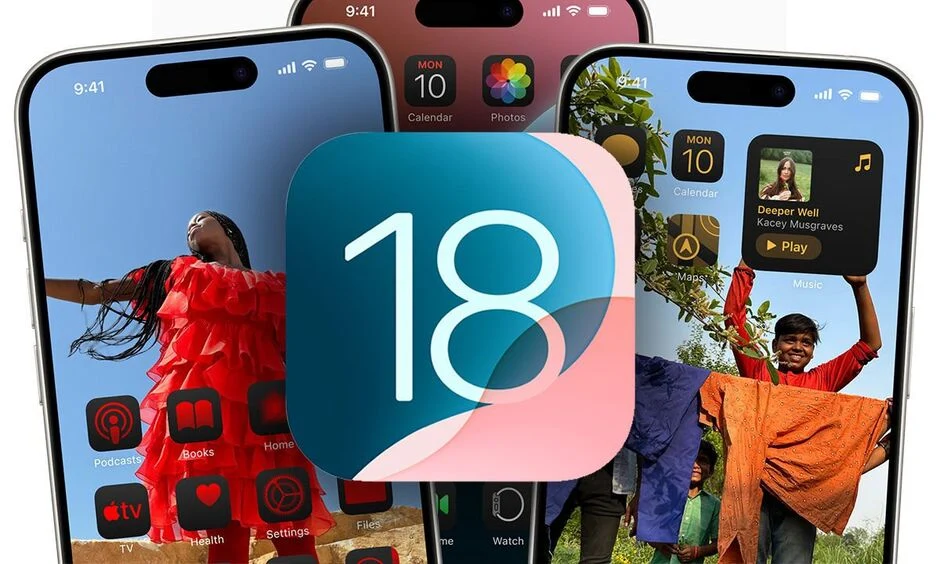
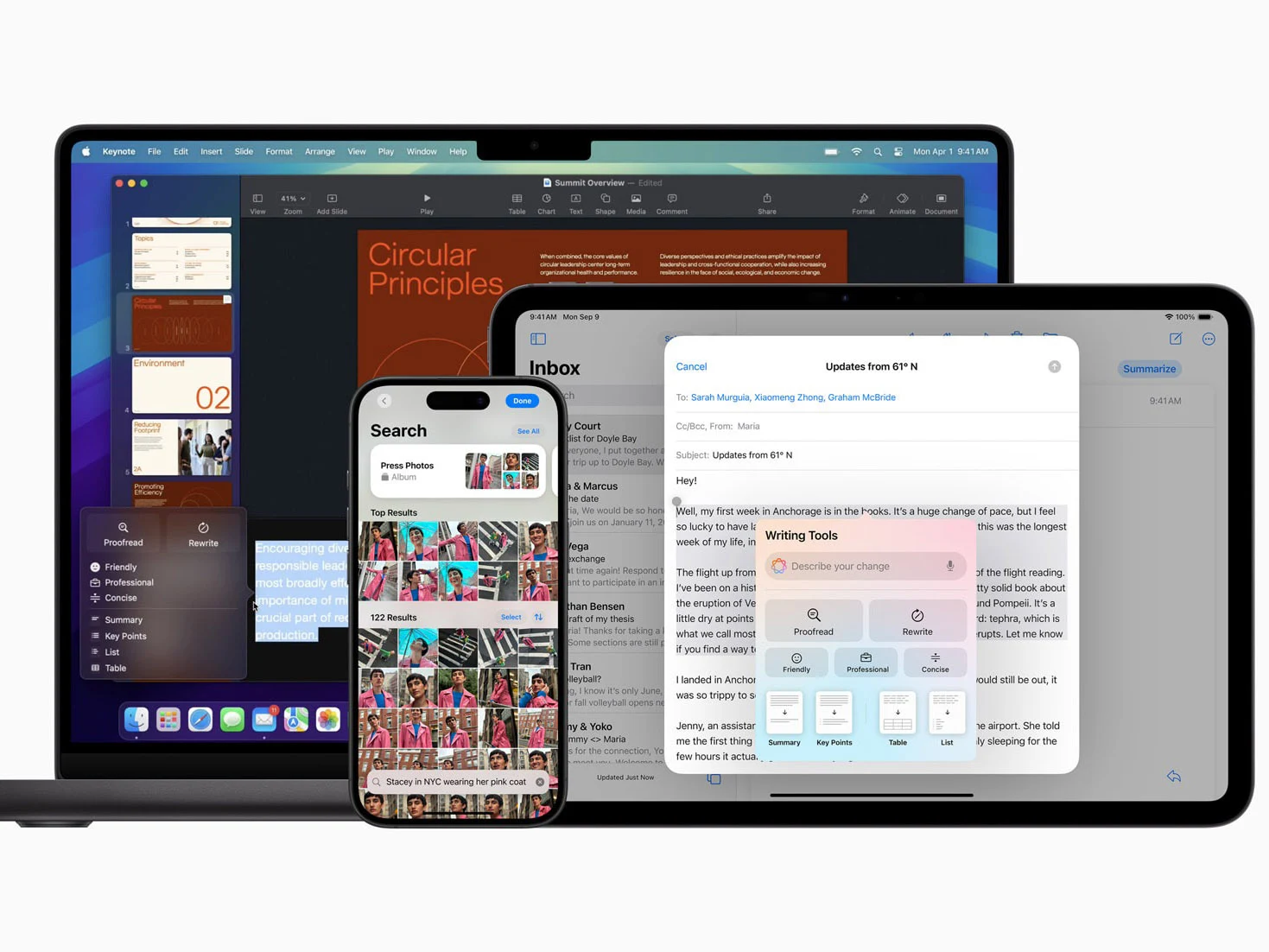
    Smartphone companies are always looking at each other for ideas. Android brands often borrow design concepts from the iPhone, but Apple tends to lag behind when it comes to software capabilities. The recent WWDC 2025 event showcased its latest software suite for its devices, including the new iOS 26. Apple is finally adding many much-anticipated Android features to the iPhones, so let’s take a look at what’s on the way.

    New Feature Unveiling

    1. Visual Intelligence: Also Known as Circle to Search
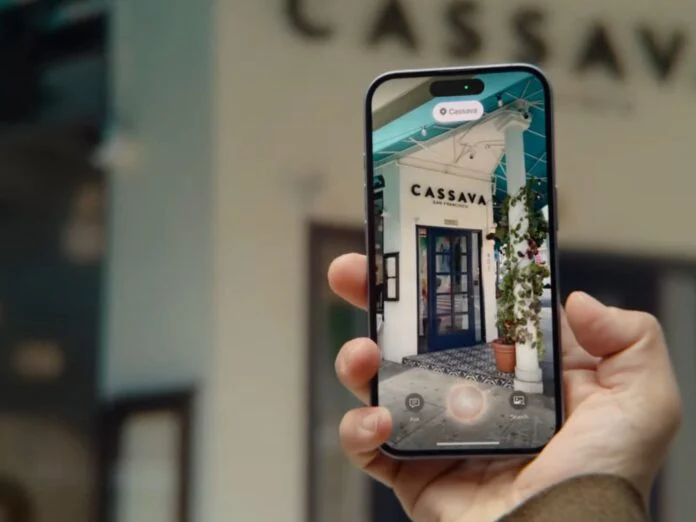
    Apple’s Visual Intelligence
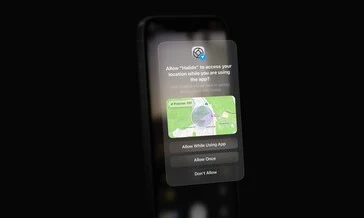
    If you’ve tried Google Lens or the well-known Circle to Search function on Android, this new feature will seem familiar. With iOS 26, Apple is introducing a fresh Visual Intelligence, which, as the name indicates, acts as an on-screen search tool. It enables users to capture a screenshot and look up anything visible within any app. This can include text, objects, locations, or even unfamiliar products.

    Enhanced Capabilities

    While Apple has been promoting its Apple Intelligence alongside the iPhone 16 series, the new Visual Intelligence takes things a step further, as it is driven by ChatGPT. Therefore, recent iPhones like the iPhone 15 Pro models, as well as the entire iPhone 16 series, will be capable of executing more intricate tasks and answering inquiries through AI.

  • Snapdragon 8 Elite 2 Leak: Impressive Multi-Core Performance Revealed

    Key Takeaways

    1. The Apple A19 Pro chipset may outperform the existing 10-core M4 in single-core performance.
    2. Qualcomm’s Snapdragon 8 Elite 2 is expected to outperform the A19 Pro, achieving over 4,000 in single-core scores and over 11,000 in multi-core scores.
    3. The Snapdragon 8 Elite 2 could see a 30% increase in single-core performance and a 20% boost in multi-core performance compared to its predecessor.
    4. The A19 Pro is anticipated to achieve around 4,000 in single-core tests but may only reach about 10,000 in multi-core performance.
    5. The Adreno 830 GPU in the Snapdragon 8 Elite is currently better than the A18 Pro’s GPU, a trend expected to continue with the next chipsets.


    A leak emerged yesterday shedding light on the potential performance of Apple’s A19 Pro chipset. It seems that this new chip may surpass Apple’s existing 10-core M4 in terms of single-core capabilities. However, reports suggest that Qualcomm’s Snapdragon 8 Elite 2 might actually perform even better.

    Snapdragon 8 Elite 2’s Dominance

    According to Digital Chat Station, Qualcomm’s upcoming flagship chipset, the Snapdragon 8 Elite 2, is poised to take the lead over the A19 Pro when it debuts later this year. The anticipated performance metrics suggest it could achieve a single-core score exceeding 4,000 on Geekbench 6, with a multi-core score exceeding 11,000.

    Performance Comparison

    To put this into context, the current Snapdragon 8 Elite averages around 3,000 in single-core performance and roughly 9,200 in multi-core tests, according to our database. This points to a potential increase of about 30% in single-core performance for the next-generation chipset, while multi-core performance might see an improvement of around 20%.

    Regardless, it looks like the Snapdragon 8 Elite 2 could finally surpass its Apple competitor this year. The A19 Pro is rumored to achieve a similar score of about 4,000 in single-core tests, but it may only reach around 10,000 in multi-core performance. Furthermore, in terms of GPU performance, the Snapdragon 8 Elite’s Adreno 830 currently outshines the A18 Pro, and this trend is expected to continue with their next iterations.

    Source:
    Link

  • iOS 26 Liquid Glass UI Criticized for Poor Readability Issues

    iOS 26 Liquid Glass UI Criticized for Poor Readability Issues

    Key Takeaways

    1. User Feedback on Readability: Many users, including a notable response on X, criticize the new Liquid Glass UI design for negatively impacting readability, suggesting it may not meet user needs.

    2. Apple’s Vision: Apple aims to create a visually appealing and dynamic UI with Liquid Glass that enhances user focus on content, as highlighted during the WWDC25 keynote.

    3. Achievements in Design: The updated iOS 26 UI showcases impressive animations and sleek design, but the visual effects are causing readability challenges, particularly in the Lock Screen.

    4. Proposed Solutions: Suggestions for improvement include using a more intense background blur, adding color tints to UI elements, and incorporating features like drop shadows to enhance visibility.

    5. Opportunity for Improvement: With iOS 26 still in Beta, Apple has time to address user feedback and make necessary adjustments to enhance the user experience before the full release.


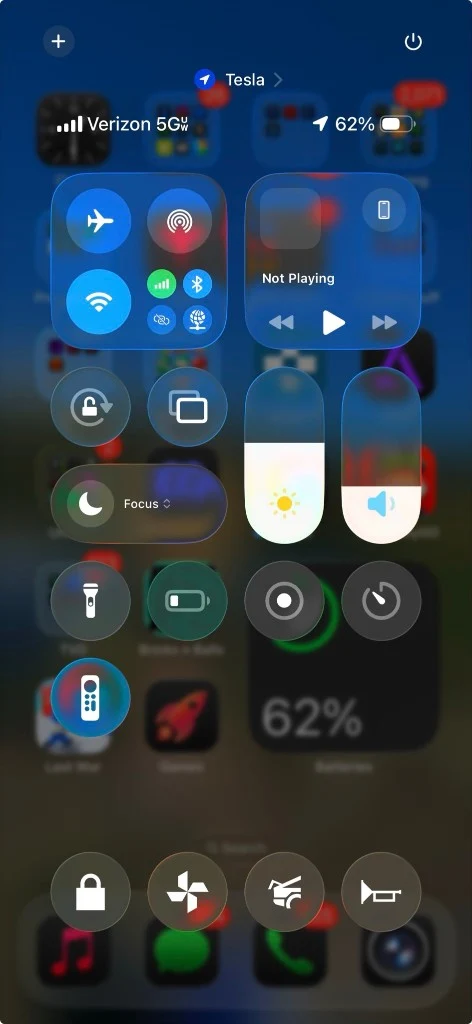
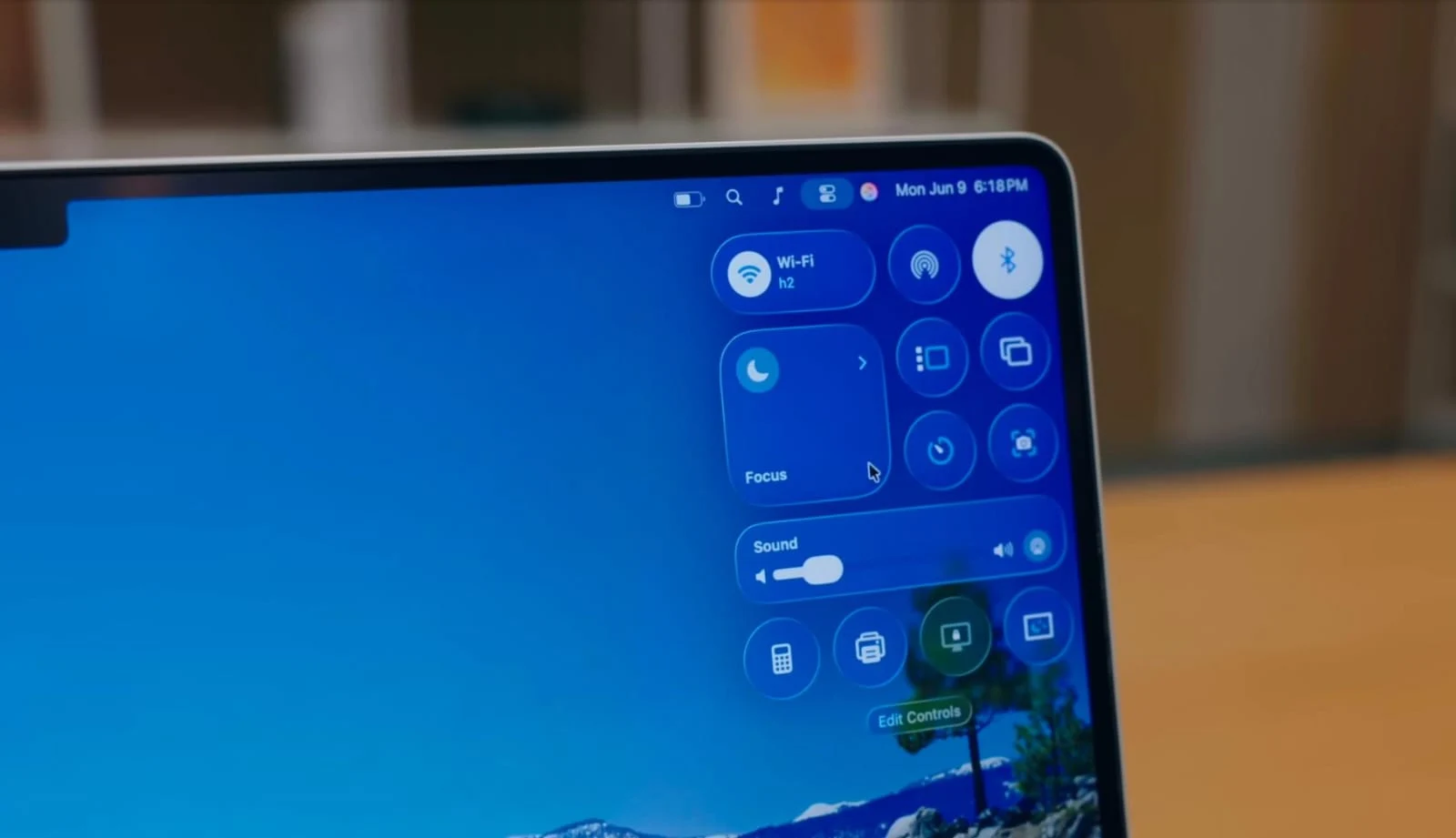
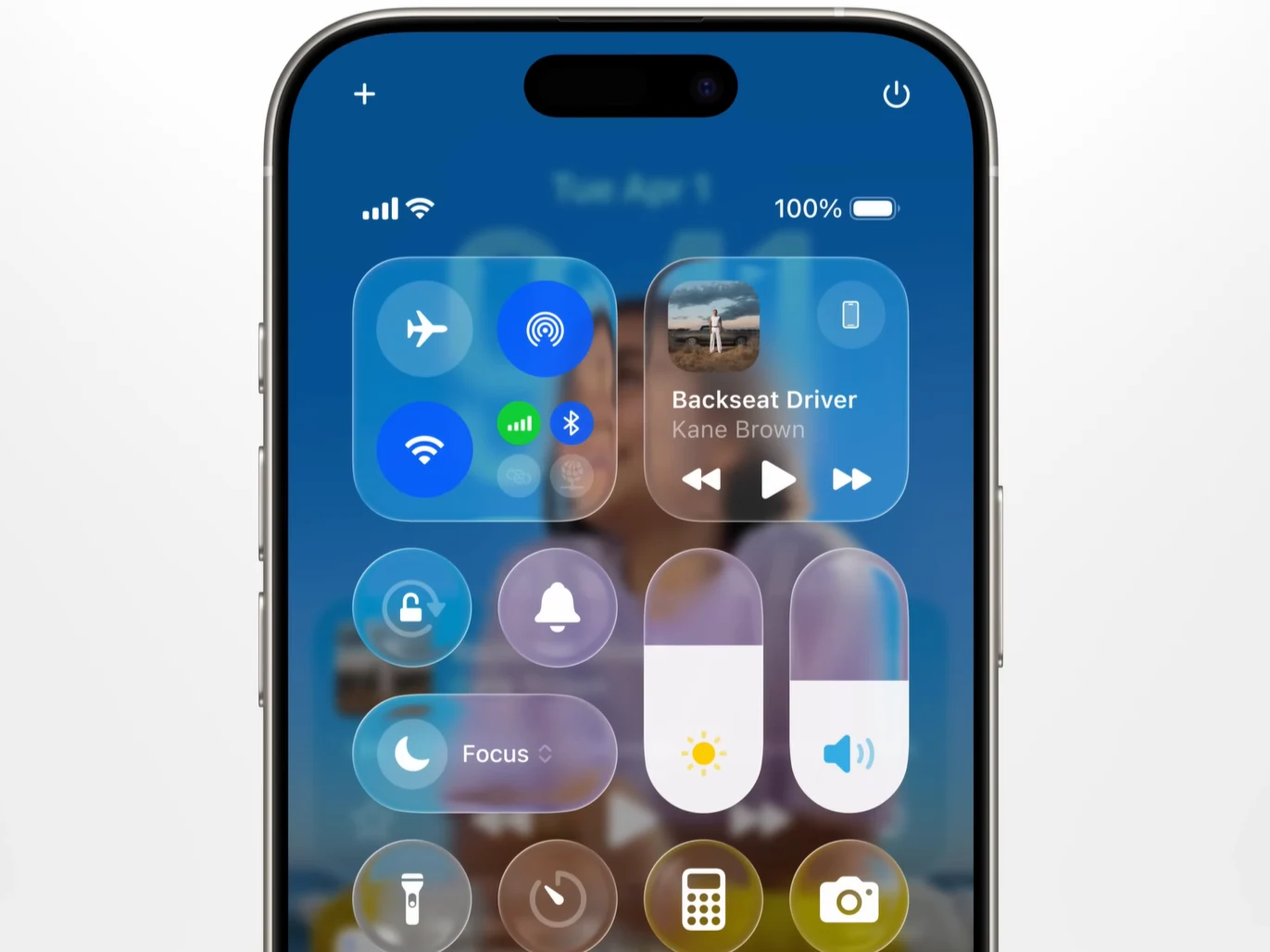
    “Steve Jobs would have fired everyone” was the response of a user on X after witnessing Apple’s innovative “Liquid Glass” software design in use. This post has racked up over 18.5 million views on X, pointing out that the iOS Control Center with the new user interface (UI) design reveals how the transparent quality and gentle blur can negatively impact readability.

    Apple’s Vision for Liquid Glass

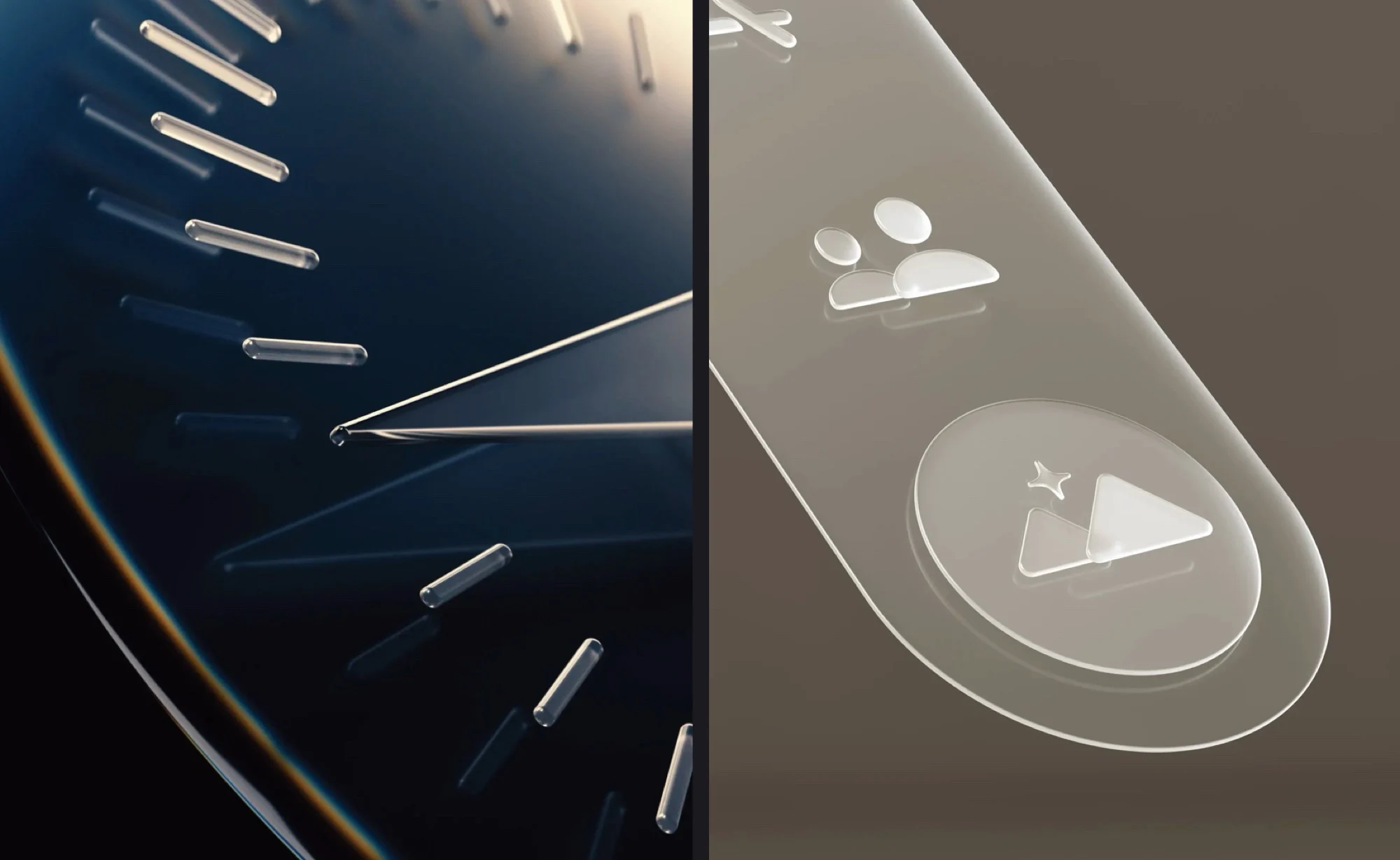
    During the WWDC25 keynote, Apple highlighted that the UI components made from Liquid Glass are designed to be “more expressive and delightful,” and they “dynamically transform to help enhance focus on content.” It’s evident that Apple’s goal with this new UI, which spans its ecosystem from macOS 26 to TVOS 26, is to create a modern, visually appealing UI redesign that doesn’t sacrifice functionality.

    Achievements and Challenges

    Overall, Apple has made significant strides. For example, the updated iOS 26 UI is impressively sleek, featuring some of the industry’s finest animation techniques. The individual UI elements seem to come alive with a gentle bounce and responsive interactions. Yet, the visual aspects of the Liquid Glass design appear to be the source of most issues.

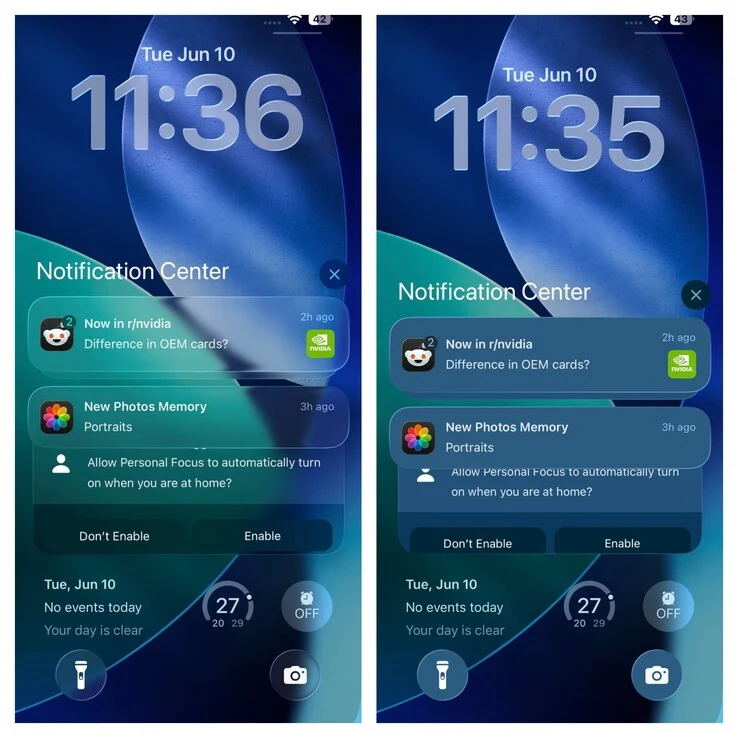
    Consider the iOS Lock Screen, where our own Vaidyanathan S. demonstrates on X that the iOS 26 Lock Screen looks much clearer and simpler to read when transparency is disabled.

    Readability Issues

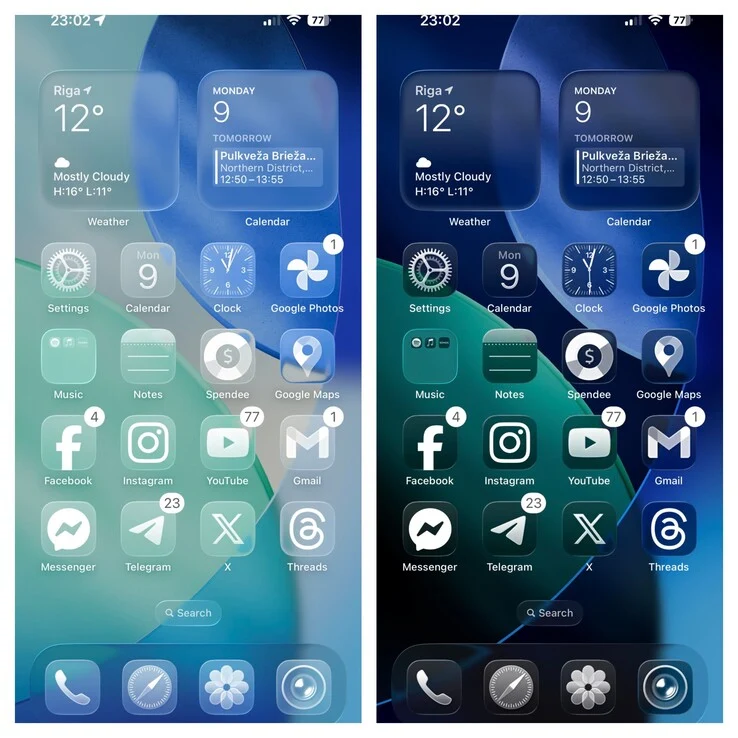
    Readability takes a hit when the UI is set to the new “Clear Light” mode. Thanks to the translucent effects of Liquid Glass, iOS 26 is more visually appealing when displayed in “Clear Dark” mode.

    One straightforward solution would be for Apple to apply a more intense background blur, allowing the foreground UI elements to pop. Right now, the background blur is somewhat too soft, making information-dense elements like the Control Center harder to read.

    Another potential solution could be to add a color tint to the Liquid Glass material, which would help clear UI elements stand out against a bright background.

    Additionally, @XorDev, a graphics programmer, proposes enhancements like Drop Shadows, Tone Mapping, and more as possible improvements.

    Looking Ahead

    Fortunately, iOS 26 remains in Beta and won’t be fully released for several more months. This gives Apple ample time to consider this feedback and make necessary adjustments.

    Source:
    Link


  • Samsung’s Reaction to Apple’s WWDC Announcements 2023

    Samsung’s Reaction to Apple’s WWDC Announcements 2023

    Key Takeaways

    1. Apple revealed new software updates with a Liquid Glass design, generating excitement and criticism.
    2. Samsung openly mocked Apple’s design choices and AI capabilities on social media, highlighting similarities to their own products.
    3. The Liquid Glass design has been compared to Windows Vista’s Aero UI, raising concerns about app visibility and readability.
    4. Samsung showcased its advanced Galaxy AI features, claiming superiority over Apple’s offerings in real-time translations and smart capabilities.
    5. Apple adopted a cautious approach regarding AI at WWDC 2025, focusing on user privacy and mentioning Siri only twice during the presentation.


    Apple has just revealed its newest software updates, which include fresh names and a Liquid Glass design. These innovations have not only intrigued Apple fans but have also drawn the ire of Samsung, Apple’s main competitor in the Android space. Rather than remain silent, Samsung decided to poke fun at Apple’s offerings, criticizing the “familiar” designs and lackluster AI capabilities.

    Samsung’s Response to Apple’s Announcements

    Samsung’s reaction to Apple’s announcements at WWDC 2025 was quite vocal. A tweet from Samsung Mobile US on X stated, “Customizable apps? Floating bars? That sleek glass UI? Looks… familiar.” The Liquid Glass design has been compared to the Aero UI from Windows Vista, while the new app icons in iOS 26 and macOS 26 arguably make it more difficult to identify apps or read text clearly.

    Flexing Galaxy AI

    In addition to calling out Apple, Samsung took the chance to showcase its Galaxy AI, which has been delivering features that Apple is just starting to test out. Posts from Samsung’s X account included remarks like, “New to live translations? Welcome aboard! We’ve been translating text and speech in real-time for a while now… #GalaxyAI,” and “AI is coming to your watch? Cute. Ours already knows when you’re too tired to care #GalaxyAI.”

    Apple Treads Carefully

    Unlike recent AI-focused presentations from Google and Samsung, Apple’s WWDC was notable for its minimal mention of AI. Siri was only mentioned twice throughout the 90-minute duration. It seems that Apple is being cautious, prioritizing user privacy while gradually incorporating AI features, which gives Samsung (and Google) some leeway to boast about their advancements, at least for the time being.


  • Xiaomi Set to Launch iOS 26-Like Features in Upcoming Update

    Xiaomi Set to Launch iOS 26-Like Features in Upcoming Update

    Key Takeaways

    1. Apple is expected to announce iOS 26 at WWDC 2025, shifting its versioning system to match the release year.
    2. Other brands, like Xiaomi, may follow Apple’s lead in versioning their software by year.
    3. Xiaomi’s HyperOS is evolving and aims to unify the user interface across its devices, including smartphones and smart home products.
    4. The upcoming Xiaomi “16” and “16 Pro” models will run on Android 16 and feature HyperOS 26.
    5. These flagship models are expected to include Qualcomm’s Snapdragon 8 Elite 2 processor by October 2025.


    Apple is expected to unveil its upcoming software for iPhones as iOS 26. This might sound strange since the current version, which is operating on devices like the 16 Pro Max, is 18.5.

    Upcoming Changes at WWDC 2025

    However, this shift is anticipated to occur in less than 24 hours at WWDC 2025. The choice by the company in Cupertino to link its iOS (along with iPadOS and MacOS) versions to the year they are released could be quickly followed by other brands, starting with Xiaomi, based on new information.

    Xiaomi’s HyperOS Evolution

    HyperOS has only been in existence for two generations so far, having emerged from the remnants of the original MIUI for Xiaomi’s Android devices. Now, it appears to be up for yet another major rebranding.

    It is known as a cross-platform user interface designed for Xiaomi products, which includes its smart home devices and wearables. Interestingly, the version meant for smartphones such as the forthcoming “16” and “16 Pro” is expected to be built on Android 16.

    Future Flagships and Specifications

    As a result, the new flagship models could potentially be the first devices running HyperOS 26 in the world. Additionally, they are anticipated to be the first to feature Qualcomm’s new Snapdragon 8 Elite 2 processor by October 2025.

    Source:
    Link

  • Apple May Disable AirDrop in EU Due to DMA Rules

    Apple May Disable AirDrop in EU Due to DMA Rules

    Key Takeaways

    1. AirDrop is exclusive to Apple devices, limiting cross-platform file sharing.
    2. The convenience of AirDrop comes with restrictions due to its closed ecosystem.
    3. The EU’s new regulations may require changes to Apple’s interface and file-sharing methods.
    4. Apple argues that EU interoperability rules may compromise user privacy and security.
    5. Potential restrictions on AirDrop in the EU could impact Apple’s customer base and sales.


    AirDrop stands out as one of the most recognizable ways to share files, but it has been designed to function solely among a limited range of devices, specifically those crafted by Apple, including iPhones, iPads, and Macs.

    Convenience vs. Limitations

    The ease of use and user-friendly design of AirDrop comes with a downside—it exists within a closed ecosystem where there’s only one way to share files, and it’s the Apple way. This lack of options limits users who may want to share files across different platforms.

    EU’s New Rules

    Recently, the European Union (EU) has shaken things up with new regulations that are set to change the typical Apple interface in several ways, including the possibility of utilizing the internet for application purchases on iOS devices.

    In response to these “interoperability” requirements, Apple has claimed that they are “unreasonable, costly, and stifles innovation,” arguing that such changes could harm the privacy and security of its users.

    Future Outlook

    In a recent statement, Apple warned that these changes may “lead to an inferior user experience for our European customers,” which hints that features like AirDrop could be restricted for users in the EU in the near future.

    However, if Apple is as insightful as they claim to be, they should recognize that customers in Europe might find fewer reasons to continue purchasing their products moving forward.

    Source:
    Link

  • iOS 26 Design Changes for Apple iPhone: Stunning Visuals Revealed

    iOS 26 Design Changes for Apple iPhone: Stunning Visuals Revealed

    Key Takeaways

    1. Major redesign of iPhone’s user interface expected with iOS 26, inspired by visionOS.
    2. Mockups reveal potential changes, including app icons designed with frosted glass and glowing edges.
    3. New menu bar design appears to hover above content, illuminated from the top left.
    4. Transparent pop-up windows allow background visibility, enhancing user experience.
    5. Dynamic visuals with glass materials may create effects like reflection, refraction, and blurring in the interface.


    For several months, there have been whispers suggesting that Apple’s iPhone is set to undergo a major redesign of its user interface with the arrival of iOS 26. This update is rumored to take inspiration from visionOS. Sebastiaan de With, a co-founder of Lux, has now shared a collection of mockups that showcase potential changes to the user interface in the upcoming software update for iPhones.

    Rumored Designs

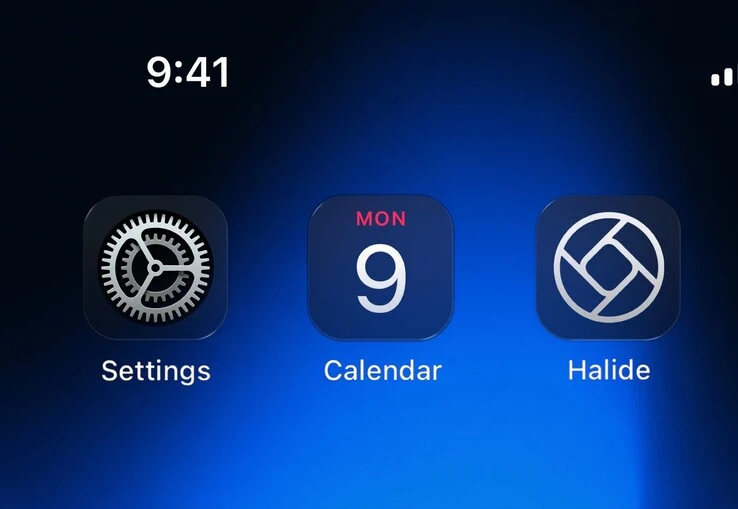
    It’s important to note that these mockups are based on speculation, so there’s no confirmation that they will represent the final look of iOS 26. We can expect the official version to be revealed during the WWDC press event on Monday, June 9. Regardless, these visuals suggest that iOS 26 might introduce a greater sense of depth and transparency. The app icons appear to be crafted from frosted glass, with softly glowing edges that give a three-dimensional appearance.

    Menu Bar Changes

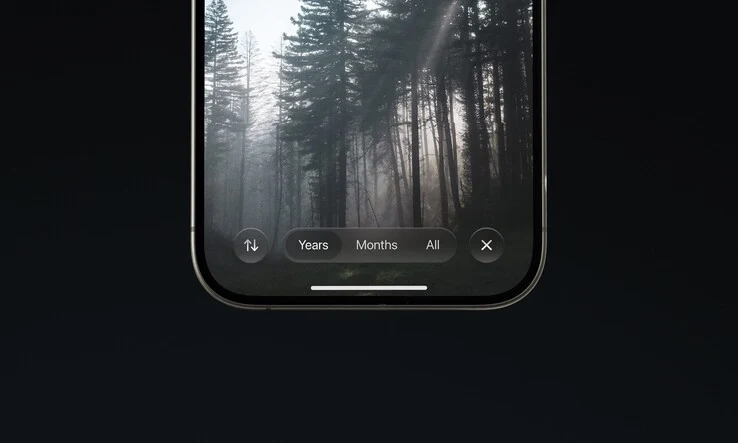
    The familiar menu bar at the bottom of the screen seems to detach from the device’s edge, now hovering above the content instead. The buttons are illuminated from the top left, casting shadows that help them stand out from the background. Additionally, pop-up windows are designed to be transparent, ensuring that the background remains visible through them.

    Dynamic Visuals

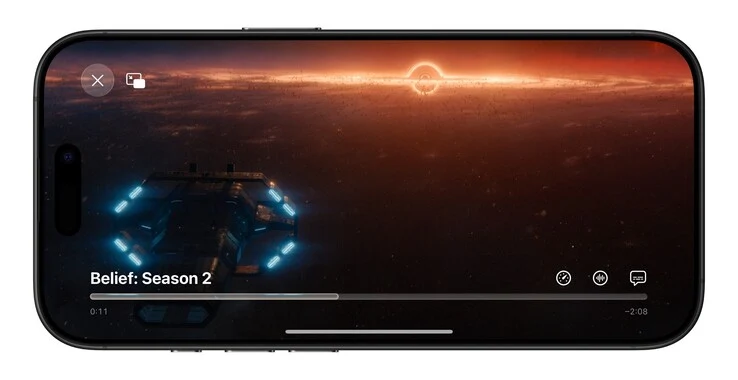
    The use of glassy materials aims to create a more dynamic user interface. For instance, a video player image displays a glass progress bar that reflects the colors of the video playing. Designers have the ability to use glass to reflect, refract, or blur light, allowing for a range of visual effects, all of which could be integrated smoothly into iOS 26.

    Source:
    Link


  • Galaxy S26 Series to Feature Perplexity AI in Software

    Galaxy S26 Series to Feature Perplexity AI in Software

    Key Takeaways

    1. Apple’s integration of OpenAI’s ChatGPT may shift the technology landscape significantly.
    2. Samsung has partnered with Perplexity, moving away from reliance on Google for AI solutions.
    3. The Galaxy S26 will feature a pre-installed Perplexity app and set it as the default assistant.
    4. Samsung plans to enhance its virtual assistant Bixby with features powered by Perplexity.
    5. An announcement about the integration of OneUI with Perplexity is expected before the Galaxy S26 launch.


    Apple’s move to add OpenAI’s ChatGPT into its software might have triggered a significant shift in the technology industry. Samsung, which used to depend on Google for its artificial intelligence solutions, has now teamed up with another tech giant from Silicon Valley: Perplexity.

    New Developments in AI

    According to Mark Gurman from Bloomberg, the Galaxy S26 will come with the Perplexity app pre-installed and will set its assistant as the default choice. Moreover, the search assistant will be integrated into Samsung’s browser. This could lead to new features in Galaxy AI. But that’s not all; both companies aim to create an “AI-enhanced operating system” too.

    A Fresh Start for Bixby

    Even more exciting, Samsung’s often overlooked virtual assistant, Bixby, could receive a revival thanks to Perplexity. Although it has some good features, like Bixby Routines, this emerging tool hasn’t really made waves. It will be interesting to see what a version powered by Perplexity can achieve.

    Upcoming Announcements

    The integration of OneUI with Perplexity is likely to be revealed before the Galaxy S26’s release. With this information now public, Samsung may tease it during July or August when they showcase the Galaxy Z Fold 7 and Galaxy Z Flip 7.

    Source:
    Link

  • Apple Updates Naming for iOS, iPadOS, and macOS in 2023

    Apple Updates Naming for iOS, iPadOS, and macOS in 2023

    Key Takeaways

    1. Apple is shifting to a year-based naming convention for its operating systems, moving away from the traditional numbering system.
    2. The new naming system will apply to iOS, iPadOS, macOS, watchOS, tvOS, and visionOS, simplifying updates for users and developers.
    3. A significant design update, codenamed Solarium, is in the works, marking the most substantial visual change since iOS 7 in 2013.
    4. Expected features for iOS 26 include support for external displays and a redesigned Camera app, while iPadOS 26 will introduce a new menu bar for improved productivity.
    5. Anticipation is building for Apple’s WWDC 2025, where these changes and updates are expected to be officially announced.


    Apple is preparing for a significant shift in the way it names its operating systems. Recent reports suggest that the company is stepping away from its usual numbering system for iOS, iPadOS, macOS, and others. Instead, it’s adopting a year-based naming convention, which could simplify things for users. With a major visual overhaul also on the horizon, Apple’s next big announcement at WWDC 2025 promises to be transformative. Here’s what we’ve learned so far.

    A New Approach to Naming

    Bloomberg News (behind a paywall) reports that Apple intends to name its upcoming operating systems after the year they are released. This means this fall, we might see iOS 26 instead of iOS 19. This change, likely to be officially announced at the Apple Worldwide Developers Conference (WWDC) on June 9, will affect iPadOS, macOS, watchOS, tvOS, and visionOS as well. The goal is to make it easier for users and developers to follow updates, similar to how some car models are named for the year they’re released. Therefore, we can expect names like iPadOS 26 and macOS 26, all coming with a similar naming style.

    Major Design Changes Ahead

    But it’s not only about renaming—Apple is also working on a substantial design update, codenamed Solarium, which will affect all its operating systems. Reports indicate that this could be the most significant visual update since the launch of iOS 7 in 2013, offering a new look for everything from the iPhone to the Apple Vision Pro.

    For iOS 26, there are whispers of new features, including support for external displays and a revamped Camera app. Meanwhile, “iPadOS 26” is set to take inspiration from macOS with a new menu bar aimed at enhancing productivity for tablet users. Although information regarding watchOS, tvOS, and visionOS remains limited, the Solarium update is expected to deliver a unified and contemporary aesthetic across Apple’s product line.

    Anticipation for WWDC

    With WWDC just around the corner—scheduled from June 9 to June 13—anticipation is building around Apple’s new direction. Will iOS 26 and its counterparts meet expectations? We’ll discover soon enough, but for the moment, it appears that Apple is dedicated to refreshing its software and making it more user-friendly.

    Source:
    Link

  • Apple Follows Tesla and Samsung in Numbering iOS and macOS by Year

    Apple Follows Tesla and Samsung in Numbering iOS and macOS by Year

    Key Takeaways

    1. Apple is changing its software naming convention to reflect the release year, similar to how car manufacturers label models.
    2. This new naming system will apply to all operating systems, with upcoming versions referred to as iOS 26, macOS 26, etc.
    3. Other companies, like Samsung and Microsoft, have experimented with similar naming strategies, but results have varied.
    4. It’s still unclear if Apple will also adopt this naming convention for its iPhones, potentially transitioning to iPhone 26.
    5. The anticipated iOS 26 is expected to feature a significant visual redesign and new features, to be revealed at WWDC 2025.


    Apple is aiming to clear up the confusion surrounding its software versioning by naming its various operating systems according to the year they are released.

    Naming System Change

    This approach mirrors how car manufacturers designate the model year of their vehicles, keeping them relevant in consumer minds for a consecutive two years. For instance, just like Tesla labeled its latest update as the 2026 Model Y, Apple is likely to refer to its upcoming iPhone software as iOS 26.

    Consistent Across Platforms

    This naming strategy will extend to all of its operating systems. Instead of using names like iOS 19, macOS 16, iPadOS 19, watchOS 13, macOS 15, or visionOS 3, Apple is expected to unveil iOS 26, macOS 26, and others during the WWDC 2025 event.

    Industry Trends

    In the past, Samsung adopted a similar strategy for its flagship smartphones, transitioning from the Galaxy S10 in 2019 to the Galaxy S20 in 2020. This change was made to name its devices based on the release year, making them seem more advanced than Apple’s iPhones, which are currently on their 16th iteration.

    Microsoft also tried naming its Windows operating system by the year it launched, but eventually switched back to sequential numbering.

    Future Speculations

    It remains uncertain whether Apple will implement this new naming convention for its iPhones as well, meaning the shift from the current iPhone 16 Pro Max to a hypothetical iPhone 26 Pro Max running iOS 26 could occur this coming September.

    The upcoming iOS 26 is forecasted to showcase a significant visual redesign, promising a lot of new features to look forward to at WWDC 2025.

    Source:
    Link