Tag: Galaxy AI

  • Samsung Galaxy S26: Innovative Smart Camera Features Explained

    Samsung Galaxy S26: Innovative Smart Camera Features Explained

    Key Takeaways

    1. Samsung’s focus on Galaxy AI introduces new smartphone features, but their real-life effectiveness, particularly in camera functions, is questioned.
    2. The Galaxy S26 series promises the brightest camera system yet, but hardware changes are minimal and unlikely to significantly improve photo and video quality.
    3. The front camera will see a 10 MP sensor upgrade, but users shouldn’t expect advanced features like those found in competitors’ devices.
    4. Samsung is enhancing photo and video editing capabilities, including features like transforming daylight photos to nighttime and merging multiple images.
    5. Core camera hardware remains largely unchanged, with older components still used in the latest models, despite the introduction of new software features.


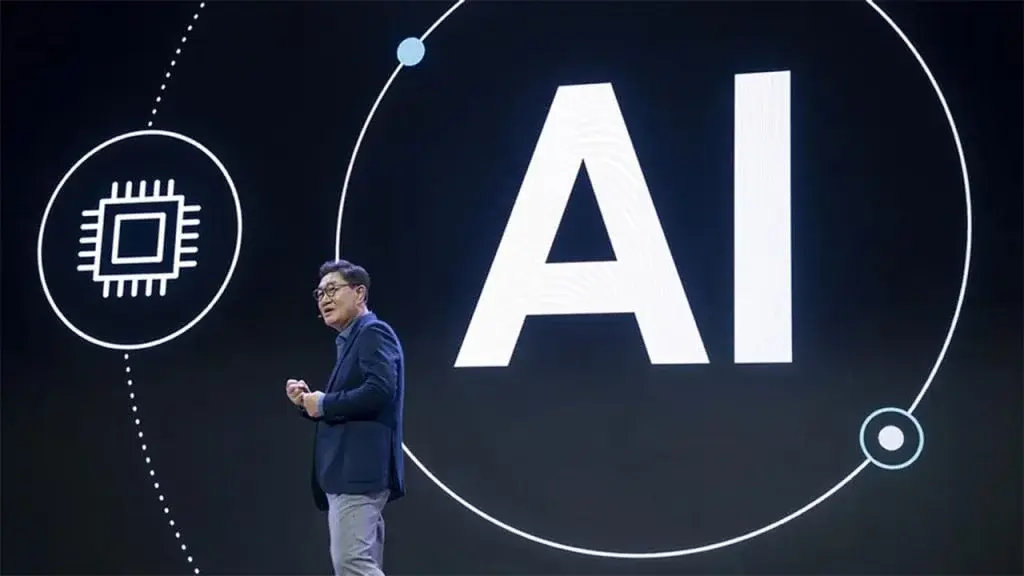
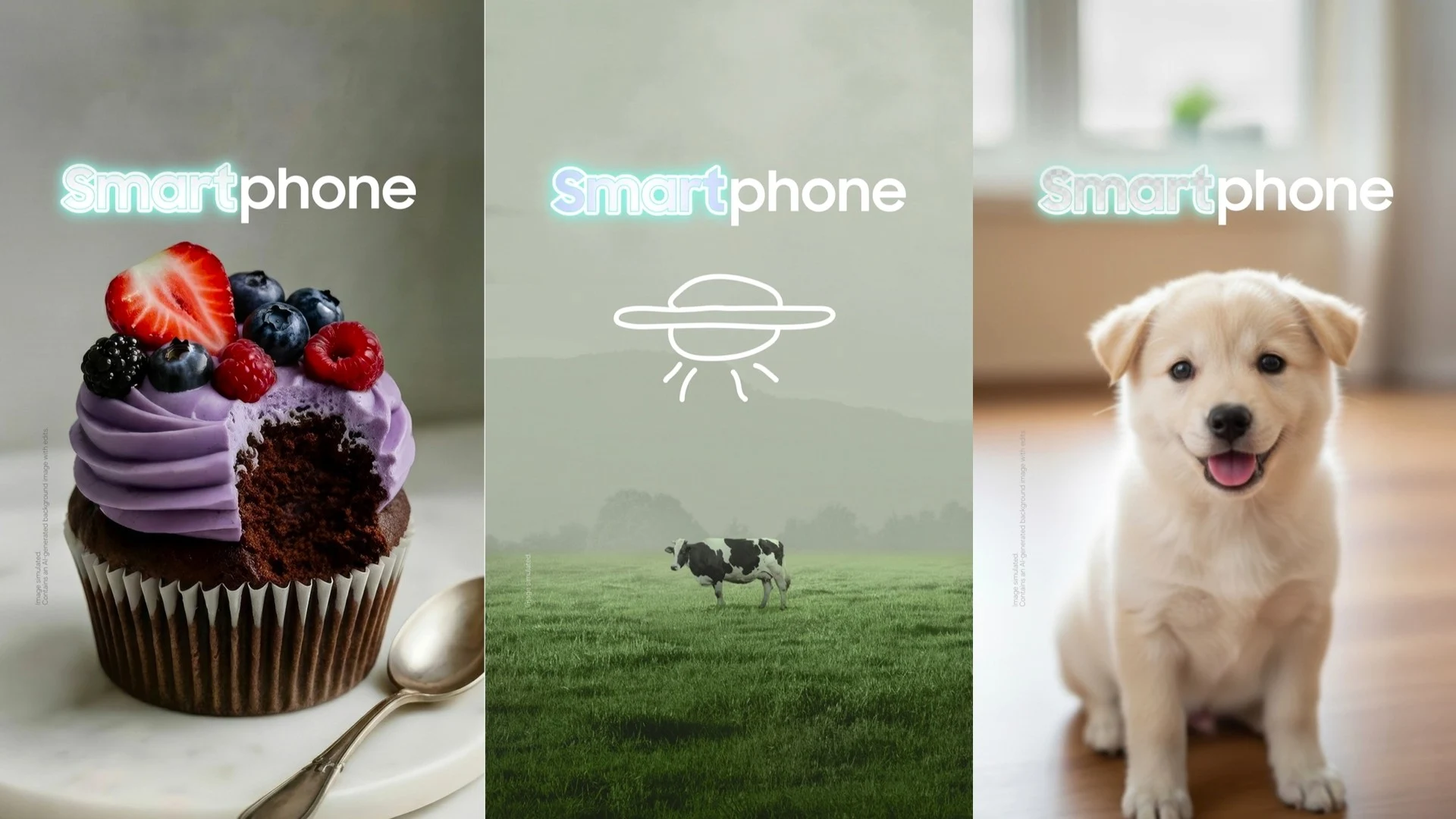
    Since the Galaxy S24 was released two years ago, Samsung has been all about one main idea for its smartphones: Galaxy AI. The features powered by generative AI, represented by four stars, are supposed to showcase all kinds of new technology. However, how effective these features are in real life is up for debate. This is especially true for the camera, where some functions seem more like gimmicks—like drawing a spaceship in a photo that then magically becomes real, as seen in a recent promotional video for the new Galaxy S26 series.

    Camera System Updates

    In a recent teaser for the Galaxy S26 series, Samsung claims it will have “the brightest Galaxy camera system ever,” thanks to larger aperture values on two out of the five cameras. However, leaks suggest that the actual changes to the camera hardware will be minimal. It has been confirmed that two of the five camera sensors in the Galaxy S26 Ultra will be switched out, but this is unlikely to significantly enhance photo and video quality, as the new sensors do not improve pixel size or quantity.

    Front Camera Expectations

    As we move into 2026, a 10 MP sensor with an impressively small 1/3.94-inch size will still handle the 3x portrait mode on this flagship smartphone. The selfie camera is also set for a replacement, but users shouldn’t anticipate a “smarter” front camera like the Centerstage found in Apple’s iPhone 17, nor should they expect a 50 MP front camera or innovative 200 MP zoom cameras with adjustable focal lengths similar to those on the Xiaomi 17 Ultra.

    Focus on Editing Features

    Samsung seems to be putting more emphasis on improved editing features for photos and videos taken with the camera app. The new Galaxy AI feature that allows users to turn a daylight picture into a nighttime one sounds really handy. Additionally, the ability to add missing details to an image, like parts of a bitten cupcake, could come in useful. Samsung also points out that users can merge multiple photos into one, likely just by tapping a button in the camera app. It’s unfortunate, though, that the hardware has not changed much over the years. The 10 MP 3x telephoto lens has been around since the Galaxy S21 Ultra, the 200 MP sensor has remained the same since the Galaxy S23 Ultra, and the 5,000 mAh battery of the same size has powered devices since the Galaxy S20 Ultra.

    Source:
    Link


  • Samsung Internet Browser Now Available for PCs

    Samsung Internet Browser Now Available for PCs

    Key Takeaways

    1. Samsung Internet browser for Windows launches on October 30 in beta for U.S. and Korea, after 13 years on mobile.
    2. It is compatible with Windows 10 (version 1809 or later) and Windows 11, as well as ARM devices.
    3. Features include Smart anti-Tracking to block cookies and a Privacy dashboard to manage tracking.
    4. Galaxy AI integration offers Browsing Assist for summarizing and translating web pages.
    5. Supports data synchronization between Windows and Android for bookmarks, history, tabs, and Samsung Pass.


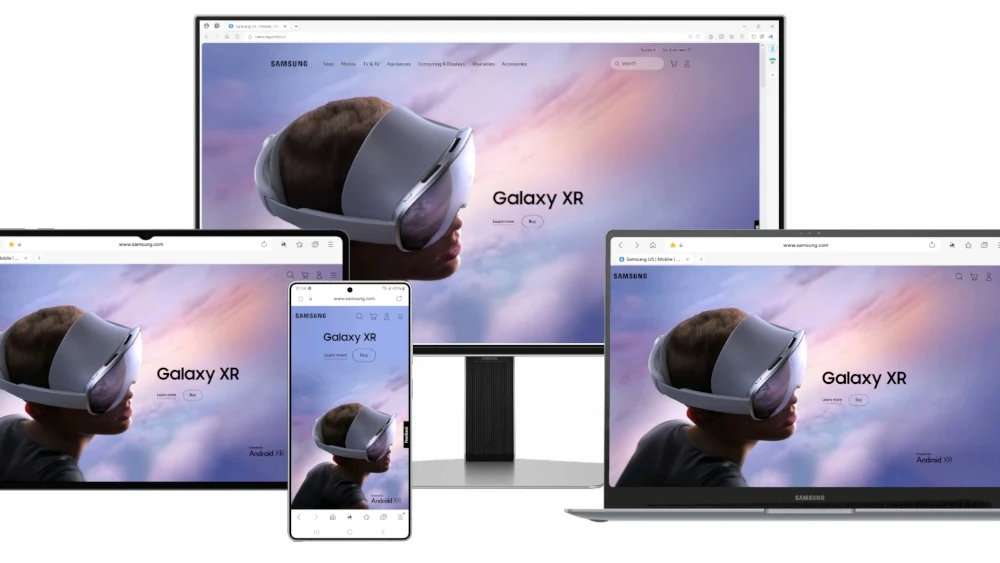
    Samsung has revealed that it is launching the Samsung Internet browser for Windows, marking a significant milestone 13 years after its introduction on mobile devices. The beta version will be available starting October 30, specifically for users in the U.S.A. and Korea, with a broader rollout planned for the near future. This new browser is compatible with Windows 11 and Windows 10 version 1809 or later, as well as devices powered by ARM.

    Features of Samsung Internet for PC

    Samsung Internet for PC brings along a variety of features that are similar to those found in the mobile version. Notably, it includes Smart anti-Tracking, which helps to block cookies and tracking software, along with a Privacy dashboard that allows users to manage disruptions and see how many trackers have been blocked daily. Another important aspect of this browser is the integration of Galaxy AI through the Browsing Assist feature, enabling the summarization and translation of web pages into different languages.

    Seamless Synchronization Across Devices

    Additionally, the browser supports data synchronization between Windows and Android, which means users can easily access their bookmarks, browsing history, open tabs, and Samsung Pass login credentials across multiple devices. With these capabilities, Samsung Internet for PC aims to enhance the browsing experience for Galaxy users seeking a smooth transition between their smartphones and computers—something many have anticipated for over a decade now.

    Source:
    Link


  • Samsung’s Reaction to Apple’s WWDC Announcements 2023

    Samsung’s Reaction to Apple’s WWDC Announcements 2023

    Key Takeaways

    1. Apple revealed new software updates with a Liquid Glass design, generating excitement and criticism.
    2. Samsung openly mocked Apple’s design choices and AI capabilities on social media, highlighting similarities to their own products.
    3. The Liquid Glass design has been compared to Windows Vista’s Aero UI, raising concerns about app visibility and readability.
    4. Samsung showcased its advanced Galaxy AI features, claiming superiority over Apple’s offerings in real-time translations and smart capabilities.
    5. Apple adopted a cautious approach regarding AI at WWDC 2025, focusing on user privacy and mentioning Siri only twice during the presentation.


    Apple has just revealed its newest software updates, which include fresh names and a Liquid Glass design. These innovations have not only intrigued Apple fans but have also drawn the ire of Samsung, Apple’s main competitor in the Android space. Rather than remain silent, Samsung decided to poke fun at Apple’s offerings, criticizing the “familiar” designs and lackluster AI capabilities.

    Samsung’s Response to Apple’s Announcements

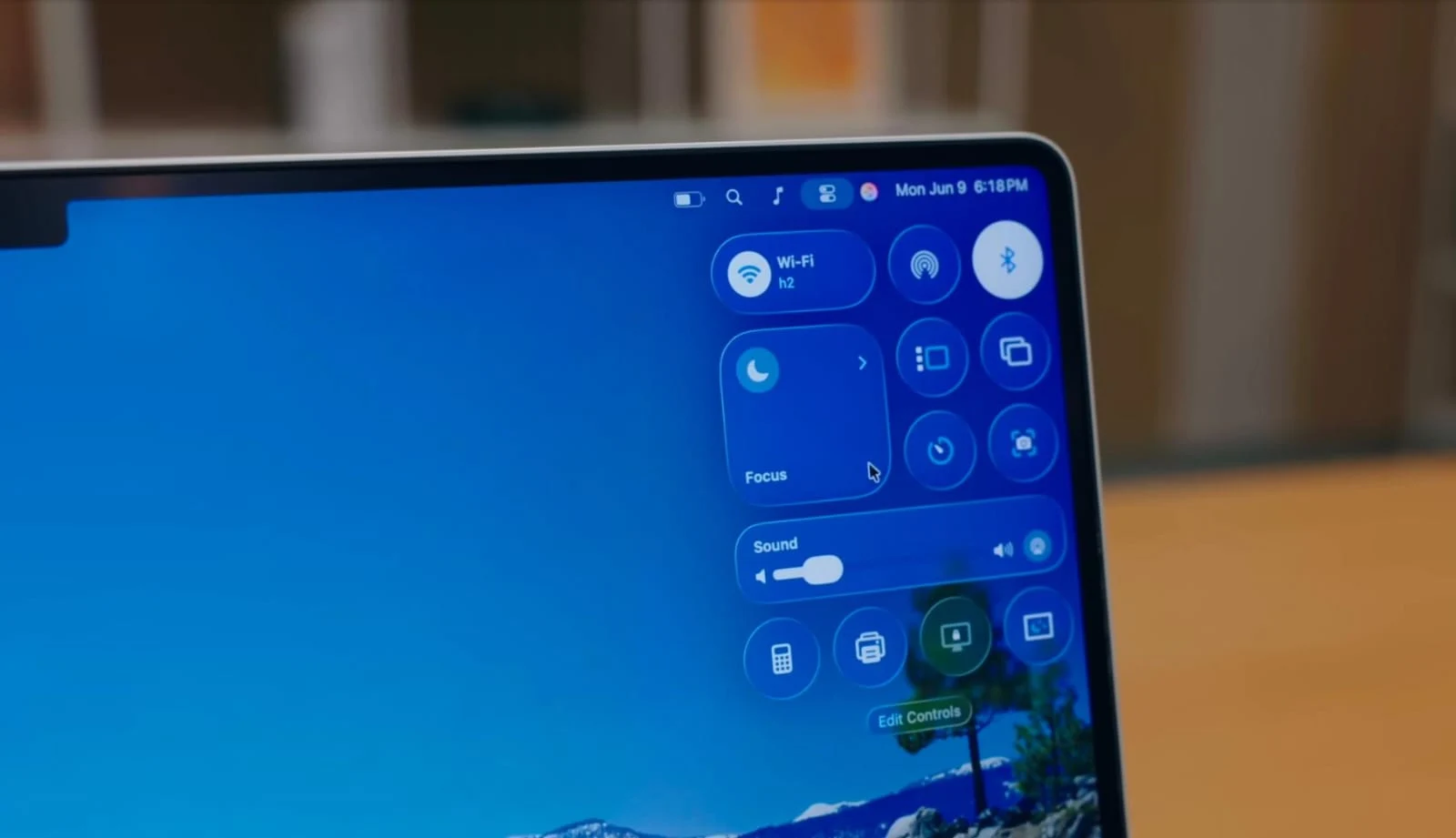
    Samsung’s reaction to Apple’s announcements at WWDC 2025 was quite vocal. A tweet from Samsung Mobile US on X stated, “Customizable apps? Floating bars? That sleek glass UI? Looks… familiar.” The Liquid Glass design has been compared to the Aero UI from Windows Vista, while the new app icons in iOS 26 and macOS 26 arguably make it more difficult to identify apps or read text clearly.

    Flexing Galaxy AI

    In addition to calling out Apple, Samsung took the chance to showcase its Galaxy AI, which has been delivering features that Apple is just starting to test out. Posts from Samsung’s X account included remarks like, “New to live translations? Welcome aboard! We’ve been translating text and speech in real-time for a while now… #GalaxyAI,” and “AI is coming to your watch? Cute. Ours already knows when you’re too tired to care #GalaxyAI.”

    Apple Treads Carefully

    Unlike recent AI-focused presentations from Google and Samsung, Apple’s WWDC was notable for its minimal mention of AI. Siri was only mentioned twice throughout the 90-minute duration. It seems that Apple is being cautious, prioritizing user privacy while gradually incorporating AI features, which gives Samsung (and Google) some leeway to boast about their advancements, at least for the time being.


  • Most Galaxy AI Features May Stay Free Forever, But There’s a Catch

    Most Galaxy AI Features May Stay Free Forever, But There’s a Catch

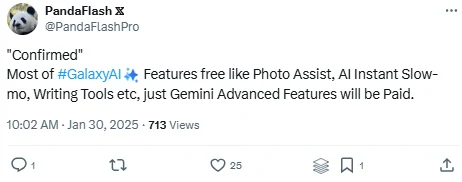
    Most of the updates in the Galaxy S25 lineup are focused on Galaxy AI. There were rumors that Samsung might start charging for Galaxy AI features in 2026. However, tipster PandaFlash X suggests that key features like Photo Assist, AI Instant Slow-mo, and Writing Tools will likely remain free.

    Free Features for Now

    Initially, it was stated that these features would be “free until 2025,” but the new information does not specify a time limit, implying that they could be free indefinitely. This seems logical when you look at the improvements: Galaxy AI along with only minor hardware changes.

    Pricing and Subscription Details

    We are uncertain about how much Samsung will charge for Galaxy AI or how its plans will be structured. However, we do know that the Gemini Advanced subscription, which is complimentary for the first six months for Galaxy S25 series users, costs $20 per month. The tipster also noted that features within Gemini Advanced will require payment.

    There has been no clarity on which specific features will rely on the Gemini Advanced subscription.

    What’s Next After Six Months?

    What will you have to pay for or lose after the six-month free trial? Samsung has been just as vague about this as it was regarding the Galaxy S25 Edge. They highlighted the AI functionalities and the improvements in user experience that the S25 series offers, but did not detail which functions will need the Gemini Advanced subscription.

    The VP of ‘Google Gemini Experiences’ mentioned at the Galaxy Unpacked event, “Gemini Advanced comes with our most capable AI models and priority access to the newest features. It will also include ‘Screen Sharing’ and ‘live video viewing’ in the future.”

    Most of the AI features, like summarization, leverage the latest model available. Even if you don’t subscribe, these features will still work but with somewhat lower quality results.

    According to the Google Store, Gemini Advanced is particularly good at solving complex issues due to its improved reasoning skills. Some of the more challenging queries may not perform as effectively after the first six months, or they might cease to work entirely. It’s unfortunate that Samsung left so many questions open for speculation on the internet instead of clarifying them at the launch.


  • Benefits of Using Bixby Routines on Your Samsung Galaxy Phone

    Benefits of Using Bixby Routines on Your Samsung Galaxy Phone

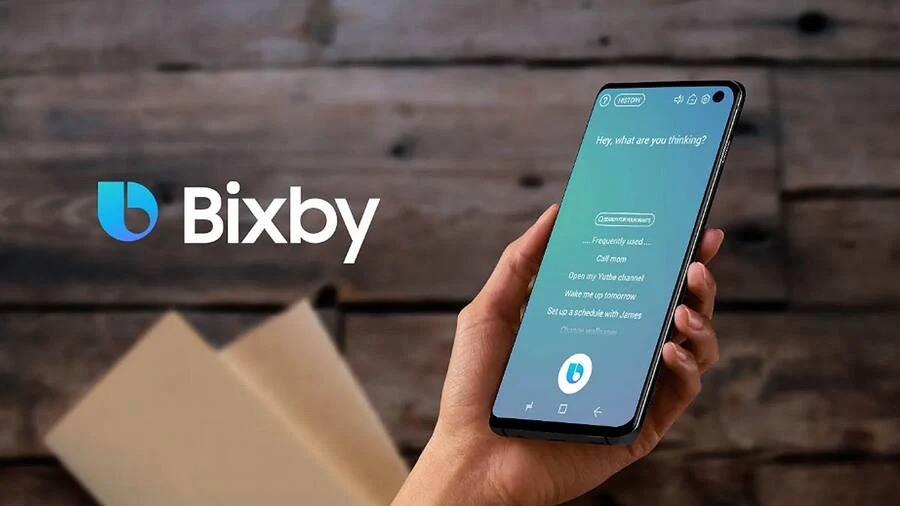
    Artificial Intelligence is now a part of our daily lives, providing helpful tools for users on their computers and, more recently, on smartphones too. Samsung has introduced several AI-driven features such as Galaxy AI and Bixby. Although Bixby isn’t very well-known among users, it does offer some cool functions, including Bixby Routine. Here’s why you might want to make use of Bixby Routine on your Galaxy device.

    Understanding Bixby Routine

    Bixby Routines is an impressive tool that enables you to set up a series of actions that happen automatically when certain conditions are met. These conditions can be activated based on various factors, like the time of day, where you are, what apps you’re using, and your connection state, among other things. When any of these situations occur, Bixby Routines springs into action and executes a list of pre-set tasks. This might involve turning on WiFi, opening a specific application, or sending a text message. Let’s explore how it can be beneficial.

    Benefits of Using Bixby Routine

    By automating tasks, Bixby Routine saves you time and effort, allowing you to focus on other important things. Imagine a scenario where your phone automatically switches to silent mode during your work hours or connects to your home WiFi as soon as you step inside. These small conveniences can greatly enhance your device experience, making it feel more personalized and effective.

    In conclusion, Bixby Routine is an excellent feature for Galaxy phone users who want to streamline their daily tasks. By leveraging this tool, you can enjoy a more tailored and efficient smartphone experience, all while relying on the smart technology Samsung provides. So don’t miss out on Bixby Routine’s potential.

  • Samsung to Launch Apple Vision Pro Competitor in 2025

    Samsung to Launch Apple Vision Pro Competitor in 2025

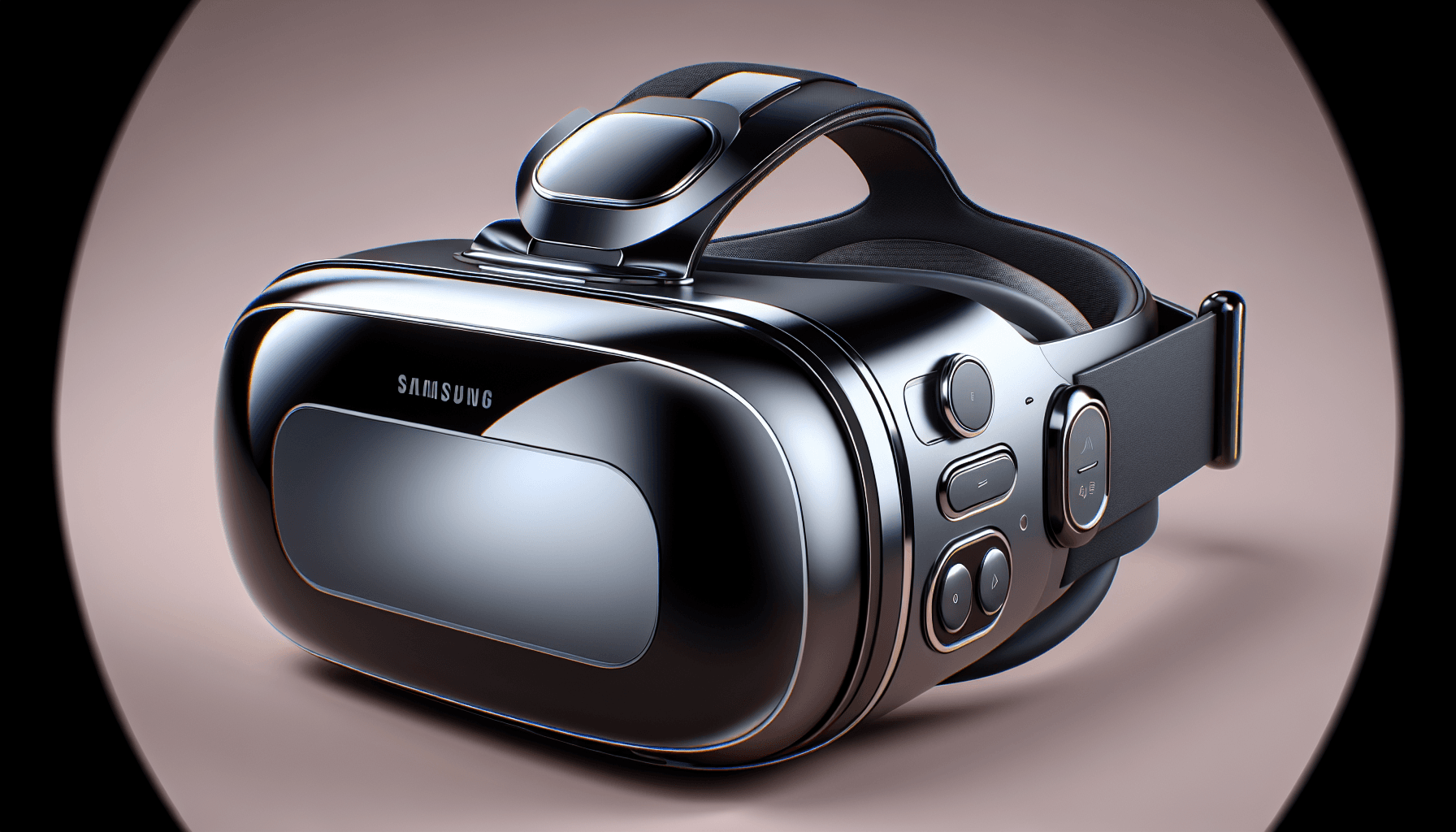
    According to a recent presentation aimed at its investors, Samsung has identified key goals for 2025. These goals include expanding Galaxy AI, increasing mobile device sales, and venturing into XR. Thus, the company plans to launch its upcoming headsets by next year.

    Enhancing Device Compatibility

    Additionally, Samsung is committed to improving its wearable devices, like the Galaxy Watches, to ensure better integration with current flagship devices such as the Galaxy S24 and the Tab S10 series of smartphones and tablets. There’s even speculation that the Galaxy Ring could serve as a controller for Samsung’s headsets.

    Collaborations for Development

    On a related note, it is believed that Samsung will collaborate with Google to develop the software for their new hardware, similar to what was done with the latest Galaxy Watches. They are also expected to team up with Qualcomm to acquire XR-series chips for their headsets, akin to Meta’s approach.

    Premium Features Ahead

    Samsung’s future XR devices might include options with micro-OLED displays, potentially positioning them as a more high-end alternative to the Quest 3S, which starts at $299 on Amazon. Consequently, the South Korean giant may soon compete with Apple’s Vision Pro or its future iterations.

  • Samsung Integrates AI with Smart Home Products

    Samsung Integrates AI with Smart Home Products

    Samsung is extending its AI capabilities beyond smartphones into smart home products. According to Businesskorea, the company may launch AI-integrated home appliances as soon as next year. This move aims to establish a "super-connected ecosystem," enhancing Samsung's competitive edge against rivals like Apple and Google.

    On-Device Processing for Enhanced Privacy

    The appliances set for a 2025 release are expected to run large language models (LLMs) directly on the devices, which benefits user privacy. Samsung plans to integrate Bixby voice assistant controls into its smart home products by July this year. Initially, the company will use cloud-based solutions to run the LLMs.

    First AI-Enabled Products

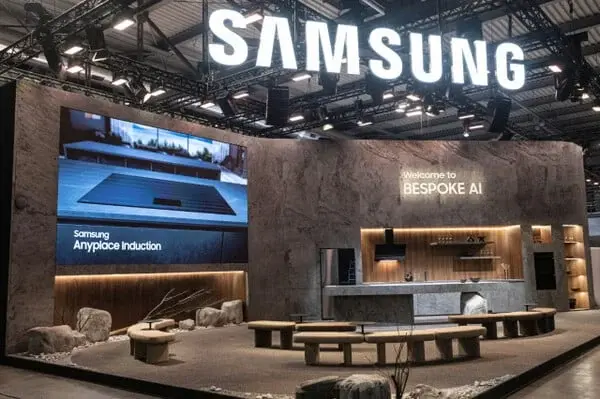
    Samsung's first AI-enabled smart home products will include Family Hub refrigerators, washing machines, and induction cookers from the Bespoke AI line, which features LCD screens. These appliances will possess AI capabilities, such as translation, that are currently limited to smartphones.

    Enhanced by the latest large language models, Bixby voice assistant will enable smart home products to understand more intricate commands and offer a more natural user experience. Additionally, these products will reportedly remember past conversations, providing further benefits.

    The number of smart home products connected to Samsung SmartThings has already exceeded 20 million, doubling from around 10 million in 2022. This figure is expected to climb to 30 million by next year.

  • Samsung Introduces Galaxy AI for Galaxy S22 Series & More Devices

    Samsung Introduces Galaxy AI for Galaxy S22 Series & More Devices

    Samsung is set to expand its AI capabilities to a wider range of Galaxy devices. Initially introduced in January 2024 with the launch of the Galaxy S24 series, the Galaxy AI feature is now making its way to the Galaxy S22 series and other Galaxy products.

    Devices Receiving the Galaxy AI Update

    The Galaxy AI feature will be included in older devices through the One UI 6.1 update. This update is planned for various Samsung smartphones and tablets that have been previously released. The eligible devices include:

    • Galaxy Z Fold 4
    • Galaxy Z Flip 4
    • Galaxy S22 Ultra
    • Galaxy S22+
    • Galaxy S22
    • Galaxy Tab S8 Ultra
    • Galaxy Tab S8+
    • Galaxy Tab S8

    The company had initially shared this information, which was initially thought to be specific to the South Korean market. However, there is now official confirmation that these devices will receive the update globally in early May 2024, aligning with the earlier reports.

    Enhanced Features with Galaxy AI

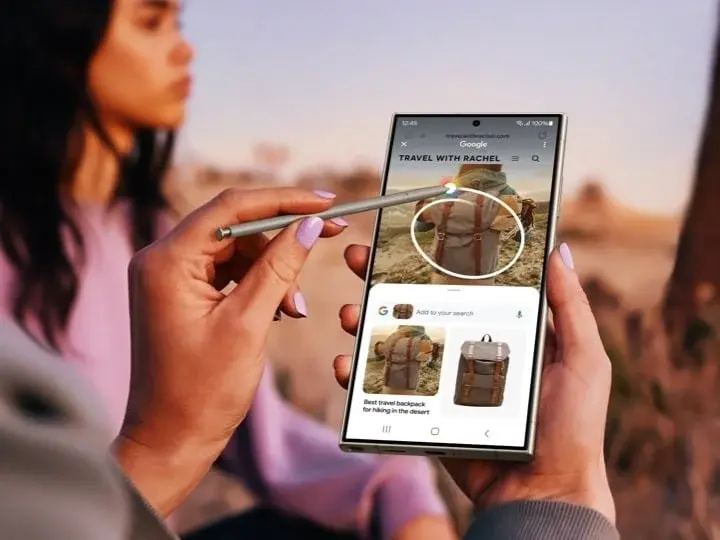
    With the integration of Galaxy AI through the One UI 6.1 update, users can expect a range of new features. These include Circle to Search with Google, Chat Assist, Interpreter, Live Translate, Note Assist, Browsing Assist, Transcript Assist, Generative Edit, Edit Suggestion, and AI-powered wallpapers. Stay tuned for further updates as more information becomes available on this topic.

  • Galaxy S22: Samsung Confirms AI Love Coming

    Galaxy S22: Samsung Confirms AI Love Coming

    Samsung has unveiled a new set of AI functionalities for the Galaxy S24 series under the Galaxy AI umbrella. These capabilities are set to arrive with the One UI 6.1 update for users of the Galaxy S23 series, Galaxy S23 FE, Fold 5, Flip 5, and Tab S9 series.

    Hope for Galaxy S22 Series

    Recent reports indicated that the Galaxy S22 lineup, Samsung's flagship for 2022, might miss out on this AI enhancement. However, Samsung executives' recent comments suggest a glimmer of hope for the S22 range.

    TM Roh, the President of Samsung's Mobile Division, revealed during a shareholders' meeting that the company is actively exploring ways to extend Galaxy AI features to older devices.

    Challenges and Efforts

    One of the main hurdles appears to be the differing hardware capabilities required for various Galaxy AI functions, some reliant on cloud processing while others on on-device processing. The Galaxy S22 series may face limitations in supporting these features due to its hardware setup.

    Despite sharing chipsets with the S22 lineup, the S23 FE is anticipated to receive Galaxy AI features through the One UI 6.1 update. This indicates that chipset compatibility may not be the primary issue for the Galaxy S22 series, although specific details were not discussed by Roh.

    Roh emphasized the substantial effort needed to overcome these obstacles, reaffirming Samsung's dedication to allocating resources to make this a reality.

    Future Prospects

    The prospect of the Galaxy S22 series eventually gaining these AI features remains uncertain. However, the acknowledgment that Samsung is not entirely discarding this possibility brings a ray of hope.

    In a related development, TM Roh also confirmed Samsung's ongoing work on innovative foldable and rollable devices. His statements suggest that Samsung is evaluating the viability of these form factors and securing the necessary patents to advance their development.

  • Uncertainty Looms for Samsung’s Free Galaxy AI Features beyond 2025

    Uncertainty Looms for Samsung’s Free Galaxy AI Features beyond 2025

    Samsung’s Galaxy AI: What Comes Next?

    Samsung’s mobile chief, T.M. Roh, recently discussed the future of Galaxy AI, the company’s suite of AI features that debuted with the Galaxy S24 series. While he confirmed that Galaxy AI will remain free until 2025, the question of what happens after that remains unanswered.

    Investment in Galaxy AI

    Samsung has made significant investments in Galaxy AI, which is currently available on the latest Galaxy S24 series. While the service remains free for now, Roh admitted that they have not yet determined the future of Galaxy AI beyond 2025. However, he hinted at the possibility of introducing more advanced AI features for paying subscribers.

    Different Needs for Mobile AI

    Roh emphasized that there are varying needs for mobile AI. Some consumers may be satisfied with using the AI capabilities for free, while others may desire more powerful features and be willing to pay for them. Samsung will consider all these factors when making future decisions about Galaxy AI.

    No Immediate Update on the Paid Model

    With over a year remaining until the free period ends, there is no immediate update on the potential paid model for Galaxy AI. Samsung has previously remained silent on the matter when questioned by Android Authority. It seems that the company is taking its time to carefully consider its options.

    Optimism for Galaxy AI’s Future

    Despite the uncertainty surrounding Galaxy AI’s future beyond 2025, Samsung remains optimistic. The company aims to bring this technology to over 100 million devices worldwide by 2024. This includes older flagship phones like the Galaxy S23 series and upcoming foldable phones like the Z Fold 6 and Flip 6.

    A Bet on Potential

    Samsung is clearly betting big on the potential of Galaxy AI. Whether it continues to offer the service for free or adopts a paid model for advanced features, only time will tell. As of now, Samsung is committed to providing users with AI capabilities and will continue to evaluate the best path forward.

    In conclusion, while Samsung’s Galaxy AI will remain free until 2025, there is still uncertainty about what comes next. Samsung acknowledges the different needs of consumers and is considering the introduction of more advanced AI features for paying subscribers. With ambitious plans to expand Galaxy AI to millions of devices worldwide, Samsung is demonstrating its confidence in the technology. Whether Galaxy AI remains free or adopts a paid model, Samsung’s commitment to providing AI capabilities remains unchanged.