Tag: Apple

  • iPhone 19 Pro with Dynamic Island: Release Timeline Leaked

    iPhone 19 Pro with Dynamic Island: Release Timeline Leaked

    Key Takeaways

    1. Apple is expected to launch a new smartphone design for the 20th anniversary of the iPhone in 2027, featuring a bezel-less screen with a curved design.
    2. The iPhone 19 Pro may include Face ID and the front camera underneath the display, but a completely hole-free design may take longer to achieve.
    3. By 2026, some Face ID components might be integrated beneath the display, resulting in a smaller cutout rather than a full elimination.
    4. All 3D facial recognition sensors could be hidden under the display by 2028, but the front camera may remain in a punch-hole format until 2030.
    5. The delay in achieving a hole-free design could be due to current limitations in under-display camera quality.


    For several months, various speculations have suggested that Apple is gearing up to launch a smartphone featuring a whole new design to mark the 20th anniversary of the iPhone in 2027. This upcoming device might boast a virtually bezel-less screen that is subtly curved on all sides. Paired with a rounded frame and a glass back, the iPhone 19 Pro is expected to present a futuristic appearance.

    Design Features

    Earlier reports hinted that both the Face ID system for facial recognition and the front camera would be seamlessly placed beneath the AMOLED display, allowing for a screen free from any punch-hole. However, Ross Young, an analyst and CEO of Display Supply Chain Consultants, now suggests that creating a “hole-free” iPhone may take longer than initially thought. More specifically, he predicts that Apple could start incorporating some Face ID components beneath the display by 2026, which would result in a smaller pill-shaped cutout, though it won’t completely vanish in the near future.

    Future Expectations

    It has been reported that all 3D facial recognition sensors could be concealed under the display by 2028. Nonetheless, Young claims the front camera will still exist in a punch-hole format until 2030, when Apple is expected to finally unveil an iPhone free of any cutouts for cameras or sensors. One possible reason for this postponement might be the relatively low quality of under-display cameras, as demonstrated by our assessment of the Nubia Z70 Ultra. As always, it’s important to approach these early speculations cautiously, as Apple’s plans may still evolve.

    Source:
    Link

  • Apple Slams EU Energy Label for Low iPhone and iPad Ratings

    Apple Slams EU Energy Label for Low iPhone and iPad Ratings

    Key Takeaways

    1. All smartphones and tablets sold in the EU must now display energy labels, similar to household appliances.
    2. A total of 603 devices have received energy labels, with 142 achieving the top “A” rating; none are Apple products.
    3. The iPhone 16 Pro received a “B” rating, while most iPad models received a “G” rating, reflecting poor durability and lack of waterproof features.
    4. Apple has criticized the EU’s testing standards, claiming their products should have received higher ratings due to ambiguous specifications.
    5. The EU’s testing criteria are seen as vague, allowing for varied interpretations that can significantly affect product ratings.


    Since June 20, all smartphones and tablets that are sold in the European Union must now have an energy label that is attached to them. This is similar to what is done with household appliances, and all retailers, including online stores, are required to display these labels. As we mentioned earlier, a total of 603 smartphones and tablets have received energy labels, with 142 of them achieving the top rating of “A.” However, none of these top ratings have gone to any Apple products.

    Ratings Overview

    The iPhone 16 Pro has managed to secure a “B” rating, but most of the iPad models have only earned a “G” rating, which is the worst possible rating as per EU standards. When comparing the ratings between the iPhone and iPad, it’s clear that the iPad suffers due to its poor durability and lack of waterproof features. The current iPad Pro has a repairability rating of “C,” which is considered rather generous when you look at the teardown from iFixit. Additionally, there’s a deduction in ratings due to Apple’s lack of guarantees for software updates.

    Apple’s Response

    In light of the EU Energy Label’s introduction, Apple has released a 44-page document that explains its testing methods and criticizes the specifications set by the European Union. Apple claims that their test results should have allowed the iPhone 16 Pro to receive a higher rating in both energy efficiency and drop resistance. However, due to ambiguities in the EU’s testing standards, Apple chose to lower its ratings by one level in these areas.

    This situation highlights a key issue with the EU Energy Label: manufacturers conduct the tests themselves, and the EU only checks a few of them. Apple’s main concern is that the specifications can be unclear and open to different interpretations, which can lead to varied testing methods and ratings across different brands. This is not unusual for the EU, as these specifications are labeled as “preliminary” and are expected to be revised as more data and feedback from manufacturers come in.

    Vague Specifications

    Moreover, Apple points out that some specifications are so unclear that they hardly make any sense at all. For instance, the rating for how well a product withstands drops can be inflated by as much as three levels, depending on how the test parameters are understood. The EU mandates a drop onto a steel plate but fails to specify the hardness or texture of that surface, both of which could drastically affect the results. Additionally, only five drops are required for testing, which, according to Apple, is not enough to yield reliable outcomes.

    Source:
    Link


  • Apple shareholders sue for misleading AIM progress updates

    Apple shareholders sue for misleading AIM progress updates

    Key Takeaways

    1. Shareholders believe the company misled them about the impact of Apple Intelligence on iPhone 16 sales, feeling features were intentionally delayed.
    2. The lawsuit claims potential losses could reach hundreds of billions of dollars by June 9, 2025, due to these delays.
    3. Expected improvements to Siri were not delivered, with upgrades postponed to 2026, despite earlier assurances at WWDC.
    4. Apple’s share value has dropped nearly 25% since December 26, 2024, resulting in a market value loss of about $900 billion.
    5. The lawsuit names CEO Tim Cook, CFO Kevan Parekh, and former CFO Luca Maestri for misleading investors and committing securities fraud.


    Shareholders have expressed their belief that the company misled them into thinking that Apple Intelligence would have a greater impact on the sales of the iPhone 16. This led Eric Tucker’s group to feel that the company intentionally minimized the time needed to roll out the promised features.

    Potential Financial Impact

    The lawsuit claims that this delay could result in potential losses amounting to hundreds of billions of dollars for the fiscal year ending June 9, 2025. In 2024, the tech giant made several announcements about changes, aiming to offer a more personalized experience to its users.

    Changes and Delays

    While some of these changes did happen, the anticipated improvements to the integrated virtual assistant Siri did not materialize as expected. During WWDC, the company had assured a more personalized and improved Siri, but it was noticeably absent. The launch was postponed in March, with upgrades now set for 2026. At WWDC 2025, the company simply stated they were still in development.

    Share Value Decline

    As reported by Reuters, shares have dropped nearly a quarter in value since December 26, 2024, which translates to a market value loss of about $900 billion. Some of this decline is attributed to tariff changes introduced during the Trump administration.

    The lawsuit names CEO Tim Cook, CFO Kevan Parekh, and former CFO Luca Maestri as defendants, accusing them of misleading investors and committing securities fraud.

    Source:
    Link

  • iPhone 17 Leaks: Slimmer Premium Design and New Color Options

    iPhone 17 Leaks: Slimmer Premium Design and New Color Options

    Key Takeaways

    1. The iPhone 16 is the most compact and least powerful model in Apple’s 2024 lineup.
    2. It features vibrant colors like Pink, Teal, and Ultramarine, with a Renewed Premium version priced under $720.
    3. Apple may retire at least one color for the iPhone 17, which might introduce a new Lavender option.
    4. The rumored purple tint for the iPhone 17 may only be available in the non-Pro version.
    5. The iPhone 17 is expected to be a gradual upgrade over the iPhone 16, potentially lighter and slimmer.


    The iPhone 16 stands out as the most compact and least powerful model in Apple’s 2024 flagship lineup. Nevertheless, it boasts some of the most striking colors available, including Pink, Teal, and Ultramarine. This model is currently offered in a Renewed Premium version with 128GB of internal storage, priced at just under $720, and is SIM-unlocked.

    Potential Color Changes

    Even though these colors are vibrant, Apple might be retiring at least one of them for the upcoming iPhone 17, as suggested by recent rumored renders. The leaks suggest that the design of the new smartphone will closely resemble the 16 on the back but will feature a new Lavender color option.

    Exclusive Shades

    The purple tint depicted in the latest image may not exactly reflect the actual colors of the future iPhone 17. The leaks imply that this hue could be specific to the non-Pro version, potentially absent from other models like the innovative Air variant that could be released.

    What to Expect

    It is anticipated that the new device will mark a gradual upgrade over the iPhone 16 when it launches in 2025. There are talks that it may be a bit lighter and slimmer compared to the current standard flagship device from Apple.

    Source:
    Link

  • Apple iPhone Fold Expected Next Year with Limited Availability

    Apple iPhone Fold Expected Next Year with Limited Availability

    Key Takeaways

    1. Production Timeline: Mass production of Apple’s foldable iPhone is expected to start in the second half of 2026, likely alongside the iPhone 18 series.

    2. Display Sourcing: The foldable display will likely come from Samsung Display, with plans to produce 7 to 8 million panels annually.

    3. Initial Orders: Apple has ordered parts for 15 to 20 million foldable iPhones, intended for the device’s entire lifespan, though only 3 to 5 million units are expected to ship in 2026.

    4. Pricing and Sales Projections: The foldable iPhone is rumored to cost between $2,000 and $2,500, with lower initial sales expectations compared to standard iPhone models.

    5. Key Features: Expected features include a 5.5-inch outer display, a 7.8-inch inner display, two rear cameras, two selfie cameras, and a sleep/wake button with a built-in fingerprint sensor for Touch ID.


    Analyst Ming-Chi Kuo has shared fresh insights about the timeline and production for Apple’s debut foldable iPhone. Foxconn, which partners with Apple for manufacturing, is said to begin prepping for mass production in the latter part of 2025, although the precise specifications for certain parts, including the hinge design, are still not nailed down.

    Production Timeline and Expectations

    The anticipated Apple iPhone Fold is likely to start mass production in the second half of 2026, hinting that it could be unveiled alongside the iPhone 18 and iPhone 18 Pro. The foldable display is probably going to be sourced from Samsung Display, which is planning to produce between 7 and 8 million panels each year. Reports indicate that Apple has already placed orders for enough parts to make 15 to 20 million foldable iPhones from its vendors. However, this figure is intended to sustain the device throughout its entire lifespan rather than being just for its initial release. The company is projected to ship only 3 to 5 million units in 2026.

    Sales Projections and Pricing

    It’s not shocking that Apple expects much lower sales figures for its first foldable compared to its standard iPhone variants, since the device is rumored to be priced between $2,000 and $2,500. There are claims that the iPhone Fold might sport a 5.5-inch outer display and a 7.8-inch inner screen. According to Ming-Chi Kuo, the device will be only about 4.5 to 4.8 mm thick (roughly 0.18 to 0.19 inches). It is also expected to feature two rear cameras and two selfie cameras – one for each of the main and secondary displays. Additionally, the sleep/wake button is rumored to include a built-in fingerprint sensor for Touch ID.

    Summary of Features

    Ming-Chi Kuo (X) has been a reliable source of information regarding Apple’s upcoming innovations. As we await more details, it will be interesting to see how this foldable iPhone shapes up in the competitive smartphone market. The combination of advanced features and a premium price point could make it a unique offering for Apple enthusiasts.

    Source:
    Link

  • Foldable iPhone Expected in 2026, Early Production Starts Soon

    Foldable iPhone Expected in 2026, Early Production Starts Soon

    Key Takeaways

    1. Production Timeline: Foxconn is expected to start production of the foldable iPhone in late September or early October 2025, with a public launch planned for autumn 2026 as part of the iPhone 18 series.

    2. Display and Design: The device will feature a foldable display, provided by Samsung Display, with a 5.5-inch screen when closed and a 7.8-inch screen when opened, designed similarly to the Galaxy Fold.

    3. Hinge Engineering: Apple has engineered the hinge to minimize crease visibility and may include under-display cameras, while opting for Touch ID due to space constraints.

    4. Pricing Strategy: The expected price range for the foldable iPhone is between $2,000 and $2,500, targeting the ultra-premium market segment.

    5. Limited Production Volume: Apple plans to produce 15 to 20 million units for a lifecycle of 2 to 3 years, indicating a niche launch strategy rather than a broad market release.


    Apple’s anticipated foldable iPhone seems to be edging closer to being real. Analyst Ming-Chi Kuo has indicated that Apple has hit a significant development milestone and is gearing up for the initial phases of production. Kuo has provided fresh details about when Apple might begin making the device, its design features, and expected production volumes.

    Production Timeline

    Kuo mentions that Apple’s partner Foxconn is likely to kick off production of the foldable iPhone around late September or early October 2025. The company aims for a public launch in the autumn of 2026, positioning the new device as part of its iPhone 18 series. Even though production is just months away, some internal parts, such as the hinge, still need to be finalized, highlighting Apple’s commitment to ensuring long-lasting quality.

    Display and Design

    The foldable display has been confirmed as a key feature of the phone. Samsung Display is expected to provide between 7 to 8 million screens, offering a 5.5-inch display when closed and a larger 7.8-inch screen when opened. The design is said to be similar to the Galaxy Fold, featuring a book-style inward fold. Apple has engineered the hinge to minimize crease visibility and might even include under-display cameras. Due to space constraints, the device would likely utilize Touch ID instead of Face ID. It is anticipated to be around 4.5mm thick when opened and 9–9.5mm when folded.

    Pricing and Market Strategy

    According to Kuo, the expected price range for the foldable iPhone will be between $2,000 and $2,500, placing it in the ultra-premium segment. Apple is estimated to have ordered between 15 to 20 million units, which would cover a projected lifecycle of 2 to 3 years. This approach indicates a limited, niche launch instead of a broad market release. Kuo also points out that Apple’s plans might still change before the device enters mass production.

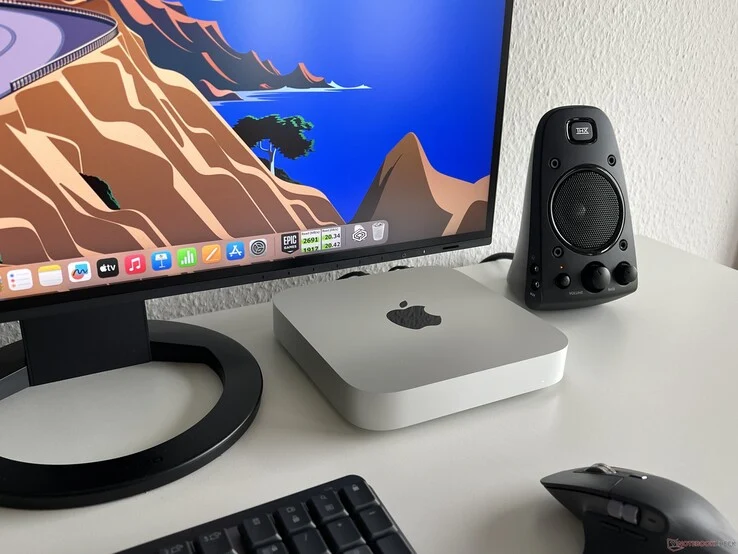
  • Apple Provides Free Repairs for M2 Mac Mini No Power Issue

    Apple Provides Free Repairs for M2 Mac Mini No Power Issue

    Key Takeaways

    1. Apple has launched a service program for M2 Mac minis that may experience a “no power” issue, offering free repairs for qualifying models.
    2. The issue affects a small percentage of Mac minis produced between June 16 and November 23, 2024, with some units failing to power up.
    3. Repairs are free and can be performed at Apple Stores or authorized service centers, covering eligible devices for three years from the original purchase date.
    4. Users can check eligibility by entering their serial number on Apple’s support site, and they should back up their data before visiting for repairs.
    5. Community reactions are mixed, with some praising Apple’s response while others question how the issue occurred, but the initiative may help maintain customer trust.


    If your M2 Mac mini won’t turn on, Apple may be able to help. The tech giant has quietly introduced a new service program to fix a rare “no power” issue impacting certain models from 2024, offering complimentary repairs for devices that qualify.

    Details of the Issue

    Apple has stated that this problem affects a “very small percentage” of Mac minis produced between June 16 and November 23, 2024. While the specific cause remains unclear, the company indicates that affected units may simply fail to power up. Even if your Mac mini appears to be functioning normally, it could still be eligible for service under this program.

    Repair Process

    Repairs will be done at no cost and can be conducted at Apple Stores or authorized service centers. The program will cover qualifying devices for three years from the original purchase date, giving owners ample time to get help.

    To check if your Mac mini qualifies, head over to Apple’s support site and input your serial number. Apple also advises that you back up your data before visiting, and if your Mac has other unrelated damages—such as a cracked case—you might need to fix that first (which may come with a fee) before they can address the power issue.

    Community Reactions

    Online reactions have been mixed. Some social media users praised Apple for their quick response, while others questioned how such a problem slipped through production. Regardless, this service initiative could help Apple retain trust among its Mac user base.

    This isn’t the first time Apple has rolled out a repair program—past efforts have tackled issues like MacBook keyboard problems and iPhone battery concerns. If you’ve recently purchased an M2 Mac mini, it’s a good idea to verify your serial number to see if you qualify for a free fix.

    Source:
    Link

  • iOS 26: New Apple Games App for All Your Gaming Needs Coming Soon

    iOS 26: New Apple Games App for All Your Gaming Needs Coming Soon

    Key Takeaways

    1. Apple is launching a new dedicated gaming app called Games for iPhone, iPad, and Mac users this fall.
    2. The Games app will combine Game Center and the gaming section of the App Store, enhancing user experience.
    3. The app is currently in developer beta, with a public beta set to start next month.
    4. Users will enjoy social features like friend lists and chat options without interrupting gameplay.
    5. Upcoming game titles for the app include Crimson Desert, InZOI, Cyberpunk 2077, Lies of P: Overture, and Hitman: World of Assassination.


    Apple is taking a significant step in the gaming world by introducing a new dedicated gaming app this fall for its iPhone, iPad, and Mac users. The app, named Games, is designed to combine the existing Game Center with the gaming section of the App Store.

    New Features Coming This Fall

    Currently, the app is in developer beta and is expected to officially launch this fall on systems running iOS 26, iPadOS 26, and macOS 26. As per the Apple Newsroom, a public beta for the Games app will kick off next month. This app will enable users to access friend lists, chat options, and other social features without pausing their gameplay. Exciting titles like Crimson Desert and InZOI, which is similar to Sims, will be available on Mac later this year, in addition to other games such as Cyberpunk 2077, Lies of P: Overture, and Hitman: World of Assassination. Apple’s efforts to create a more inviting environment for gamers have been noticeable over the past few years, and Games may eventually rival Microsoft’s Xbox apps that are pre-installed with every Windows 10 and Windows 11 system.

    Join the Public Beta

    You can enroll in the public betas for Apple’s upcoming operating systems and get the chance to experience the new Games app firsthand by visiting beta.apple.com.

    Source:
    Link

  • New CarPlay Feature in iOS 26 Brings Video Playback Support

    New CarPlay Feature in iOS 26 Brings Video Playback Support

    Key Takeaways

    1. Video playback on CarPlay screens will be allowed in iOS 26, but only when vehicles are parked.
    2. This is the first official allowance for video playback on CarPlay since its launch in 2014.
    3. Car manufacturers can choose whether to enable the new AirPlay video feature for specific models.
    4. iOS 26 will also include updates like new icon designs, appearance options, widget support, and improvements to Music and Messages.
    5. The availability of the AirPlay video option may vary by location, and car manufacturers need to integrate support before it becomes accessible.


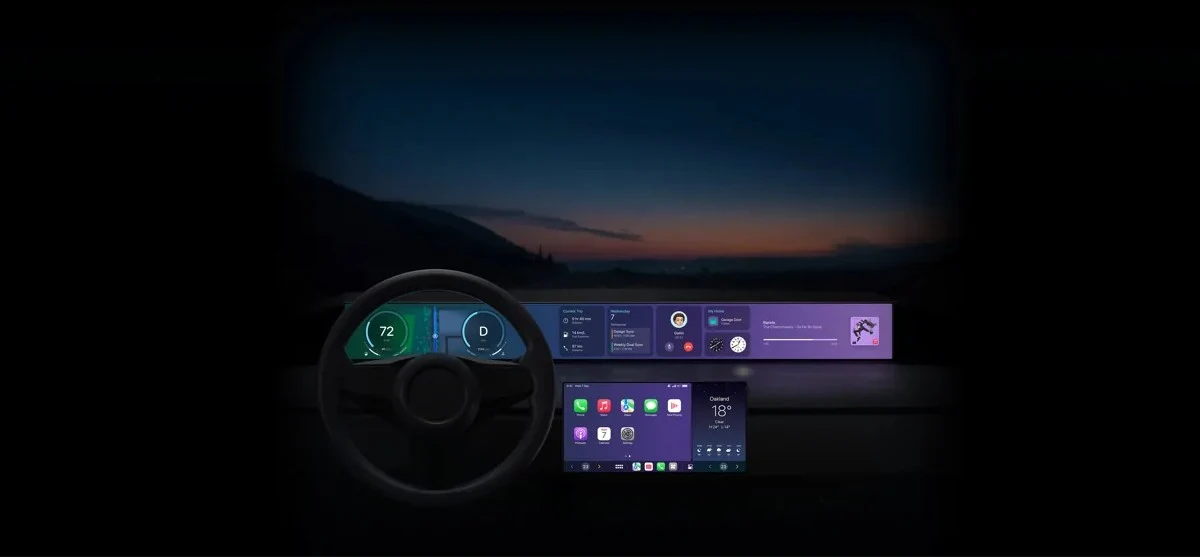
    Apple is preparing to let apps show videos on connected CarPlay screens in iOS 26, but only when the vehicle is parked. This significant update to CarPlay comes after a prolonged period where Apple limited video playback. The new feature will be accessible through the “video in the car” menu, as mentioned on Apple’s developer site for CarPlay.

    First Time for Video Playback

    For the first time since CarPlay was introduced in 2014, video playback will be officially permitted. Each car manufacturer will have the choice to enable the AirPlay video feature on specific car models or not. Alongside this, Apple is making substantial changes to CarPlay in iOS 26, including new icon designs, appearance options, widget support, and enhancements to Music and Messages.

    Enhanced Entertainment Experience

    Cars with CarPlay provide drivers and passengers with entertainment options that can be better than what standard infotainment systems offer. However, some electric vehicle manufacturers have competing features; for instance, Tesla has a Theater app that allows users to watch videos from platforms like Netflix, Hulu, YouTube, and Twitch on the dashboard display when parked.

    Apple hasn’t released more specifics or images regarding the new AirPlay video option, and it won’t be available right away since car manufacturers need to integrate support for it first, according to Apple. Users of both regular CarPlay and CarPlay Ultra should eventually get access to it. It’s important to keep in mind that the availability of this feature may vary based on your location.

    Source:
    Link

  • iPads with macOS: Apple Exec Says It Will Diminish Their Uniqueness

    iPads with macOS: Apple Exec Says It Will Diminish Their Uniqueness

    Key Takeaways

    1. Recent updates to iPadOS introduced true window management and resizing options, enhancing multitasking capabilities.
    2. Apple has no plans to release a full version of macOS for iPad, as iPadOS is designed for touch functionality.
    3. Craig Federighi emphasized that running macOS on iPads would detract from the iPad’s unique features.
    4. iPadOS balances user-friendliness with more advanced features for users who want to explore complex workflows.
    5. Apple aims to keep iPad and Mac distinct, catering to different user needs and experiences.


    Apple iPad lovers have long voiced their frustrations about the absence of desktop-level software features. Recently, many of these users felt a surge of excitement during last week’s WWDC, where significant enhancements to iPadOS multitasking were unveiled. For the first time, iPad users can enjoy true window management and resizing options, thus narrowing the divide between macOS and iPadOS just a bit more.

    Why No macOS on iPad?

    Nonetheless, some individuals might be curious about why Apple hasn’t rolled out a full version of macOS for the iPad, especially since both systems share similar architecture. In a recent conversation with Rafael Zeier, Craig Federighi, Apple’s software chief, shed light on this topic. He explained that iPadOS is specifically crafted for touch functionality, whereas macOS simply isn’t suited for that. He also mentioned that running macOS on iPads would “take away what makes iPad special.”

    Keeping It Simple Yet Complex

    The design of iPadOS preserves the device’s user-friendly nature while also offering those who seek more sophisticated features the ability to explore them at their own speed, maintaining a balance between simple and complex workflows.

    Since Apple has never indicated a desire to make macOS work with touch input, Craig’s comments are quite logical. For the foreseeable future, iPads will stick to touch operation, whereas Macs will keep using traditional input methods. The revamped window management system in iPadOS does a commendable job of bridging the gap. Furthermore, it appears that Apple is keen on keeping the two platforms distinct enough to justify their separate identities, each catering to different types of users.

    Source:
    Link