– 20% discount brings Casio LF-20W-8A to $22.44, near its lowest-ever price.
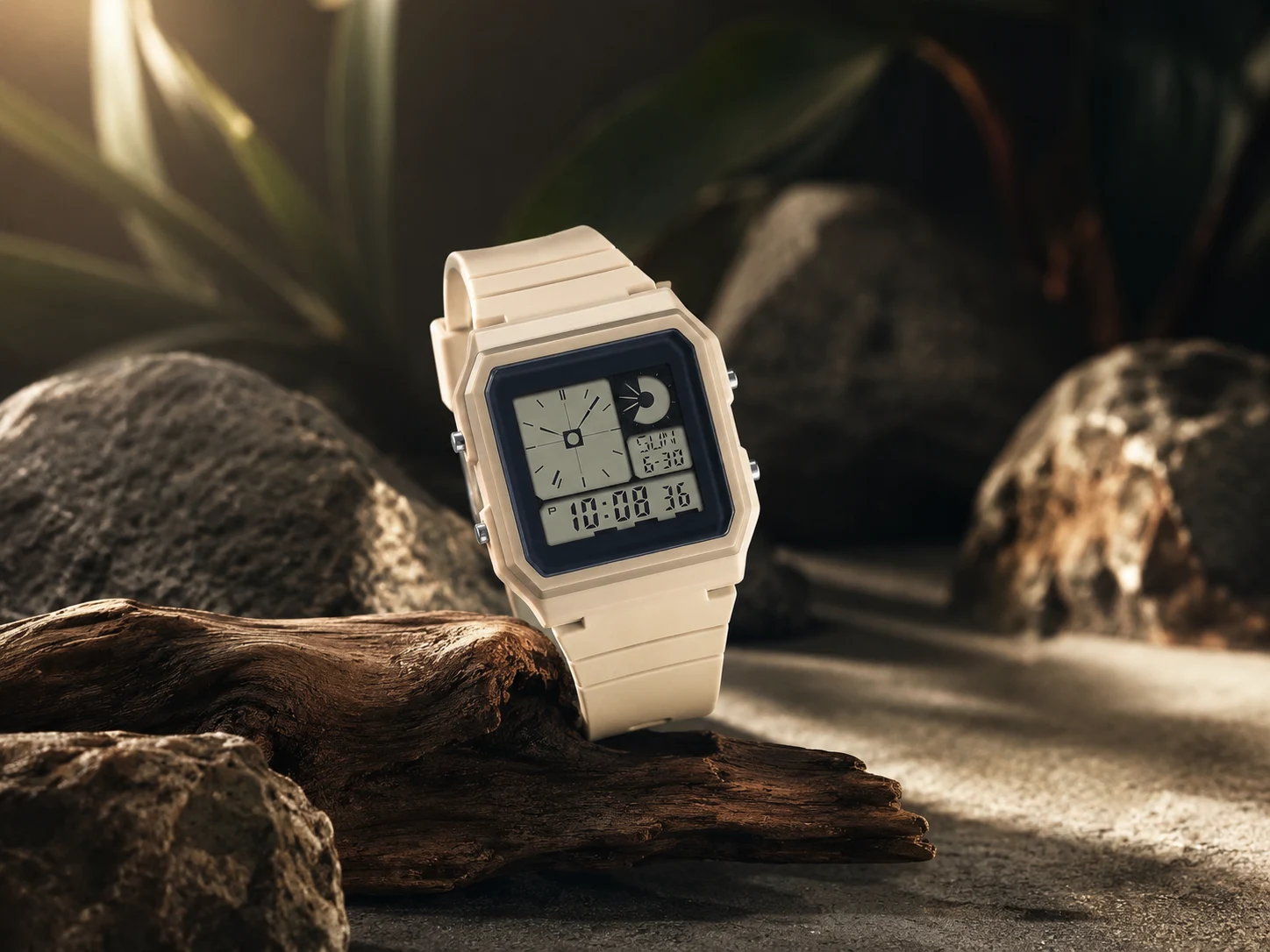
– Features a unique hexagonal-shaped bezel with a compact, lightweight vintage design.
– Amber backlight with afterglow for low-light readability.
– Offers world time (48+ cities), 5 alarms, 24-hour countdown timer, and stopwatch.
– 30m water resistance suitable for swimming/snorkeling, with a 3-year battery life.
Watch deal for vintage style fans
Watch enthusiasts looking for an affordable Casio digital watch with a vintage aesthetic should check out this solid deal. Currently, the Casio Amazon storefront has slashed the price of the LF-20W-8A watch by 20%, bringing the price down from $28.20 to just $22.44. According to Camelcamelcamel’s price history, this is the second-lowest price recorded for this model. Though, there’s just a $1 difference between the lowest ever and the second lowest.
Unique hexagonal design
With a vintage-style design, the watch features a durable resin case, bezel, and band. Unlike other Casio digital watches, it has a hexagonal-shaped bezel, giving it a unique look. The watch is quite compact and lightweight, measuring just 8.6 mm (0.33 inch) thin and weighing only 23 grams (0.05 lbs).
Display and battery life
The digital display of the watch is adorned with an analog-style clock, hour, minute, second, date, PM, month, and day sections. On top of this, there’s an amber backlight with afterglow that helps you read the dial in low lighting. On the functional side, the watch has a 3-year battery life, which is decent. Furthermore, the digital watch supports world time with the ability to view the current time in 48+ cities across 31 time zones. Other practical features include a countdown timer up to 24 hours, a 1/100-second stopwatch, five daily alarms, and a fully automatic calendar that extends up to 2099.
Water resistance rating
This model is rated at 30 m (3 bar), making it suitable for light water activities such as swimming and snorkling but not diving. All told, if you are looking for a retro-style compact yet lightweight digital watch from Casio, you can’t go wrong with the LF-20W-8A watch. You can learn more about it in the review video attached below.