Category: Phones

Stay updated with the latest phone news, reviews, and trends. Discover cutting-edge smartphones, features, and innovations in our Phones category at GizNewsDaily

  • Lava Yuva Star 3: Affordable Phone Launches with Android 15 Go

    Lava Yuva Star 3: Affordable Phone Launches with Android 15 Go

    Key Takeaways

    1. The Lava Yuva Star 3 is a budget-friendly smartphone expected to launch in March 2026, priced around ₹7,499 (approximately $90).
    2. It features a 6.75-inch HD+ display with a 90Hz refresh rate and runs on an older Unisoc SC9863A octa-core processor.
    3. The phone offers 4GB of RAM (with an additional 4GB virtual RAM) and 64GB of internal storage, expandable up to 256GB or potentially 512GB with a microSD card.
    4. It has an IP64 rating for dust and water resistance, along with a standard camera setup of a 13 MP rear camera and a 5 MP front camera.
    5. The Yuva Star 3 runs on Android 15 Go Edition, optimizing performance for lower RAM devices to enhance the user experience.


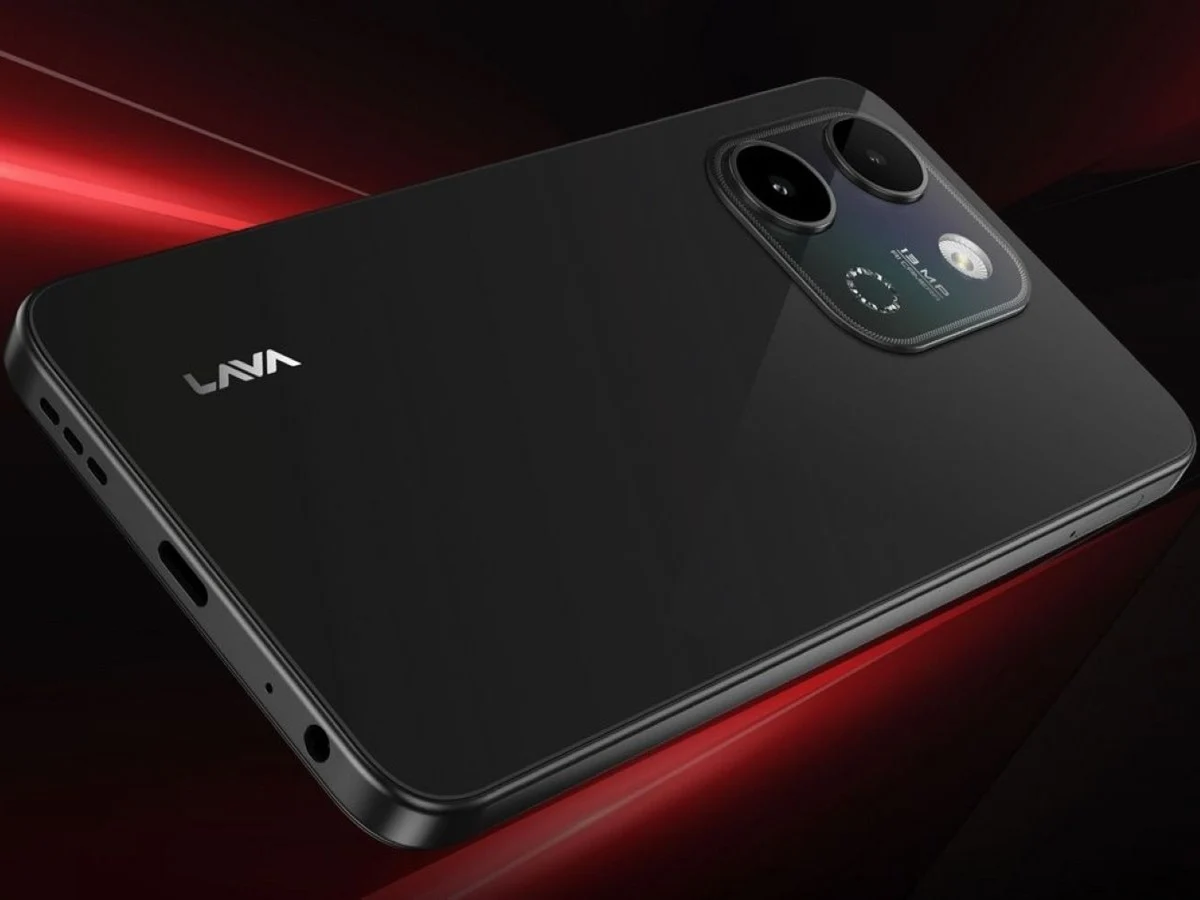
    Lava has made it known that the Yuva Star 3, a new budget-friendly smartphone, is set to hit the Indian market. The company is promoting key features like Android 15 Go Edition, an IP64 rating, and a sizable 90Hz display as its main attractions. Although Lava hasn’t provided pricing details on their official website, various third-party sources suggest that the Yuva Star 3 will be priced at ₹7,499 (approximately $90 at the time of writing) for a single configuration of 4GB RAM and 64GB storage, with an expected release in March 2026.

    Display and Performance

    The Yuva Star 3 boasts a 6.75-inch HD+ (720 x 1600) LCD screen, featuring a 90Hz refresh rate, which is quite impressive for a smartphone in this price range. Nevertheless, the internal specifications are quite basic. The phone runs on a Unisoc SC9863A, an octa-core processor that is several years old and is typically known as a 28 nm component.

    Storage and Memory

    This device comes with 4GB of physical RAM and an additional 4GB of virtual “RAM expansion,” together with 64GB of built-in storage. According to Lava’s specifications, the storage can be expanded up to 256GB using a microSD card. However, some reports from third-party sources mention the possibility of expanding it to 512GB, so it’s wise to treat that number as tentative unless confirmed by Lava.

    Durability and Camera Features

    In a somewhat rare feature for smartphones under ₹8,000, the Yuva Star 3 is equipped with an IP64 rating, offering protection against dust and water splashes. The camera setup is quite standard, including a 13 MP rear camera and a 5 MP front camera placed in a waterdrop notch.

    The addition of Android 15 Go Edition is significant for the device’s configuration. Android (Go edition) aims to optimize the user experience on devices with lower RAM, making smart adjustments to improve overall speed and performance. By choosing the Go version, Lava indicates that the Yuva Star 3 is designed to operate smoothly on its basic hardware, instead of attempting to run a more demanding full Android system on the SC9863A chipset.

     

  • Xiaomi 17 Ultra vs Apple iPhone 17 Pro: Camera Test Results

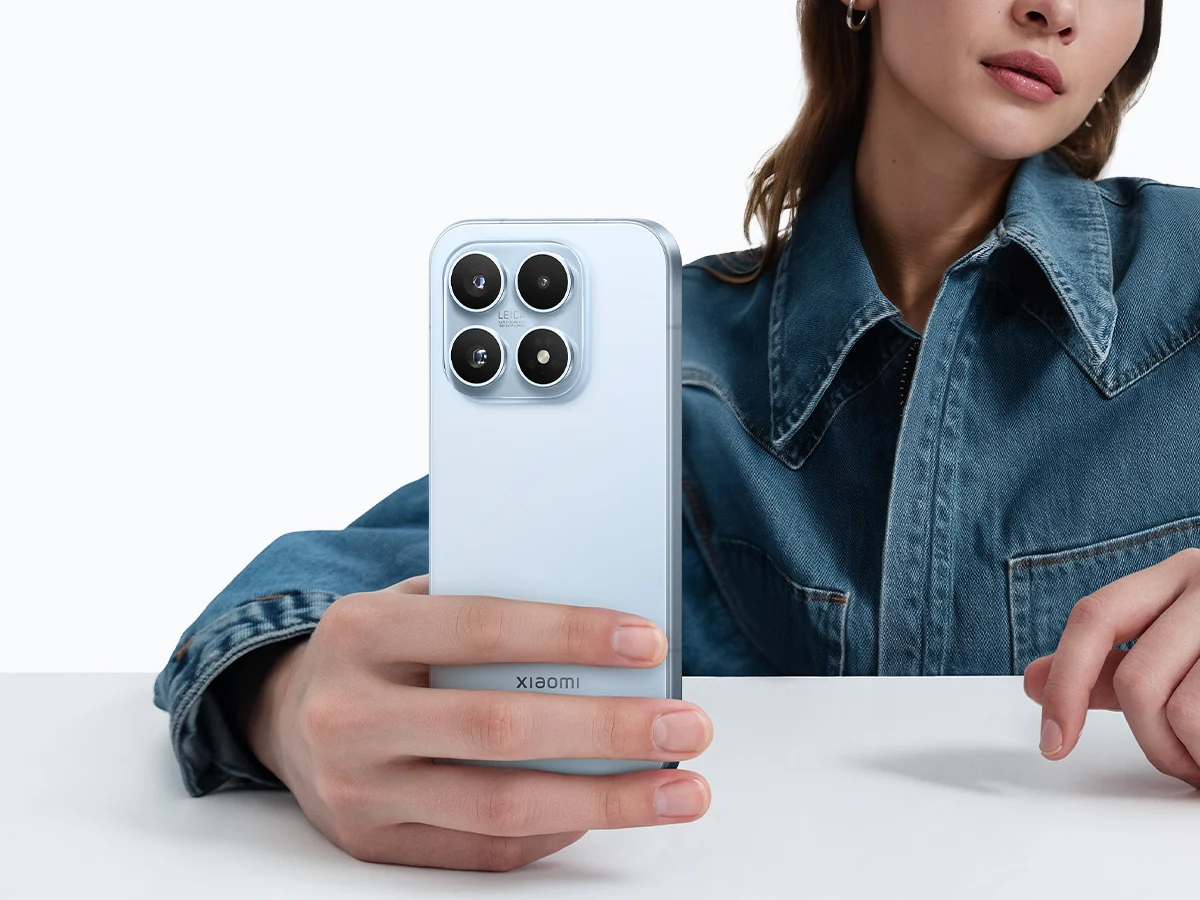
    Xiaomi 17 Ultra vs Apple iPhone 17 Pro: Camera Test Results

    Key Takeaways

    1. The Xiaomi 17 Ultra is set to launch in Europe in March and features a strong camera but has some shortcomings.
    2. It received a rating of 166 points from DxOMark, placing it sixth in smartphone rankings, behind the Apple iPhone 17 Pro and Huawei Pura 70 Ultra.
    3. The camera struggles with auto exposure, white balance fluctuations, and autofocus issues, leading to inconsistent image quality.
    4. Group photos often lack sharpness due to a shallow depth of field from its 50MP main camera, which lacks a variable aperture.
    5. Despite its drawbacks, the camera performs well overall, producing detailed images with natural colors and impressive telephoto capabilities from its 200MP periscope lens.


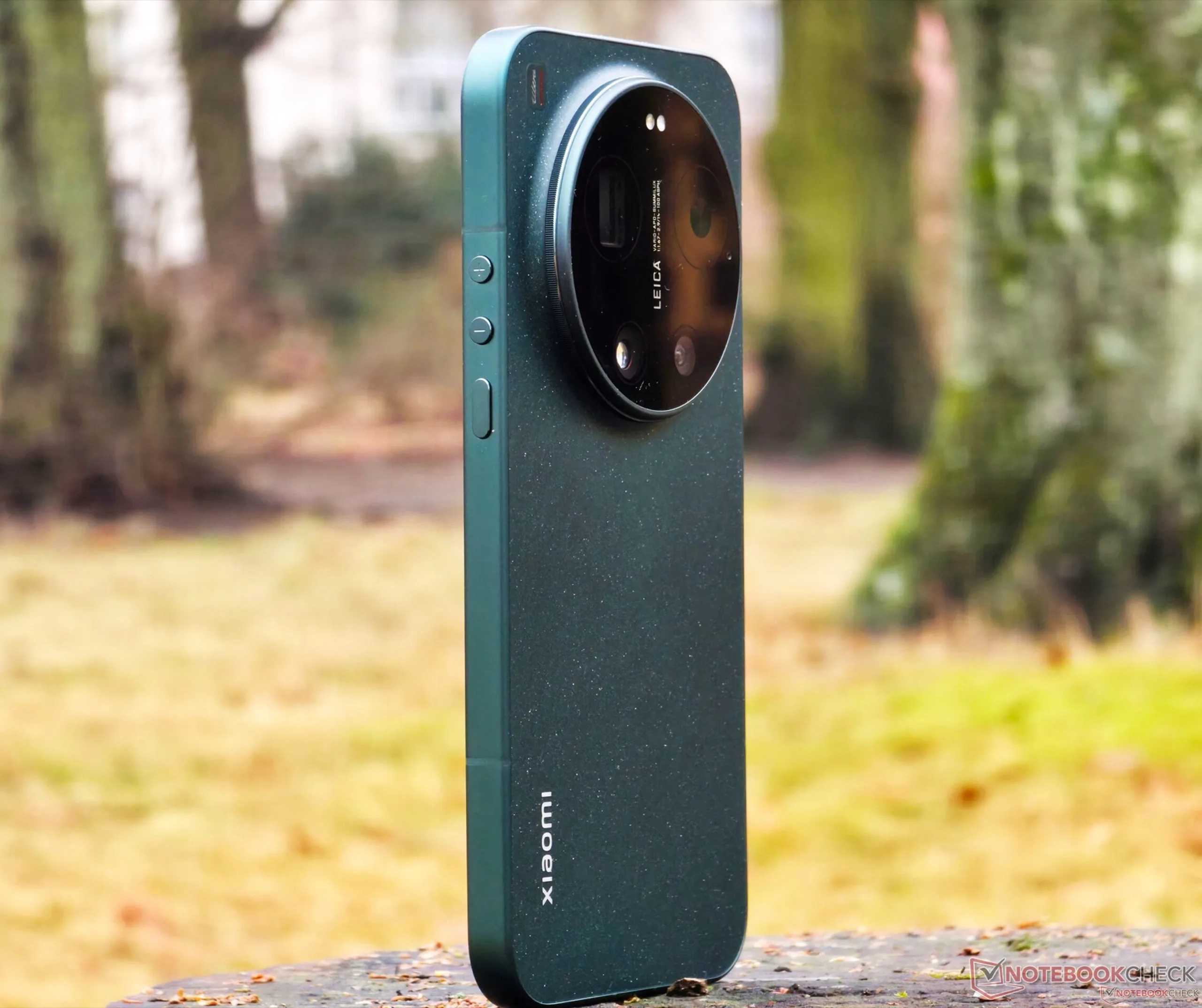
    The Xiaomi 17 Ultra is anticipated to debut in Europe come March. In our thorough analysis, the smartphone impressed with its capable camera, although it did reveal a few shortcomings. DxOMark has conducted its own review and assessment of the phone’s triple-camera setup. The final rating of 166 points is decent, yet it does not set a new high.

    Rankings Overview

    This score places the device in sixth position among the current smartphone rankings, trailing behind the Apple iPhone 17 Pro, which holds fourth place with 168 points, and significantly behind the Huawei Pura 70 Ultra, which leads with a score of 175 points. Notably, Xiaomi did not achieve a top score in any specific category. The iPhone 17 Pro mainly outperforms it due to video performance issues found in the Xiaomi 17 Ultra.

    Camera Performance Insights

    The auto exposure and white balance can fluctuate between different frames, and the autofocus does not allow for smooth transitions, making images sometimes appear jittery. Additionally, DxOMark points out that group photos often have issues with focus, where not everyone is sharp. This is largely because of the shallow depth of field created by the 50MP f/1.7 main camera that features a large 1-inch sensor. Implementing a variable aperture could address this issue, but Xiaomi chose not to include that feature.

    Overall Impression

    In spite of these slight drawbacks, the camera on the Xiaomi 17 Ultra performs admirably in most scenarios. The images captured exhibit fine details with minimal noise, colors appear natural, and the bokeh effect in Portrait mode is quite convincing. The 200MP periscope telephoto lens is also commendable, as its continuous zoom range from 75mm to 100mm, along with the relatively large 1/1.4-inch sensor, yields exceptional telephoto images within that focal-length range.

    Source:
    Link


  • Samsung Tests One UI 9 on New Galaxy Fold, Z Fold 8, Z Flip 8

    Samsung Tests One UI 9 on New Galaxy Fold, Z Fold 8, Z Flip 8

    Key Takeaways

    1. Samsung has not launched One UI 8.5 yet, but rumors about One UI 9 and new devices are surfacing.
    2. The Galaxy S26 series will be revealed later this month, followed by new foldable phones in September.
    3. Leaks indicate that One UI 9 is in testing for the Galaxy Z Flip 8 and Galaxy Z Fold 8.
    4. An additional foldable device is in development, rumored to have a square-like aspect ratio and codename SM-F971U.
    5. The Galaxy S26 series may see price increases due to rising DRAM costs, with higher pricing expected in both Korea and the US.


    Samsung has not yet launched One UI 8.5 for its current range of Galaxy phones, but rumors about upcoming devices and the next operating system have already begun to emerge. The Galaxy S26 series is set to be revealed later this month, followed by the announcement of new foldable phones in September. These new models are expected to feature One UI 9, and a well-known leaker has provided evidence of this.

    Leaked Information

    This information was shared by Tarun Vats on X, who is known for accurately leaking details about Samsung smartphones. The posts highlight test versions of One UI 9 for the Galaxy Z Flip 8, which is believed to have the codename SM-F776U, and the Galaxy Z Fold 8, which is thought to be identified as SM-976U. The build numbers observed include F776USQU0AZB1/F776UOYN0AZB1/F776USQU0AZB1 (usually for various regions) and F976USQU0AZB1/F976UOYN0AZB1/F976USQU0AZB1. This indicates that One UI 9 is currently under testing for the new foldable models.

    Another Foldable in Development

    Furthermore, Samsung is said to be developing an additional Fold device to compete with Apple’s first foldable phone. This new device is rumored to have a wider and more square-like aspect ratio and is believed to carry the codename SM-F971U. A build related to this device, F971USQU0AZB1, has also been spotted.

    This is the first instance of these builds appearing, suggesting that Samsung’s production and development processes are advancing smoothly. However, it was recently reported that the Galaxy S26 series might face price increases due to soaring DRAM costs. Leaks regarding the Korean pricing for the series reveal that all three models are priced higher than their predecessors, and similar trends are expected in the US market as well.

    Tarun Vats on X (1,2), Sammobile.

    Source:
    Link


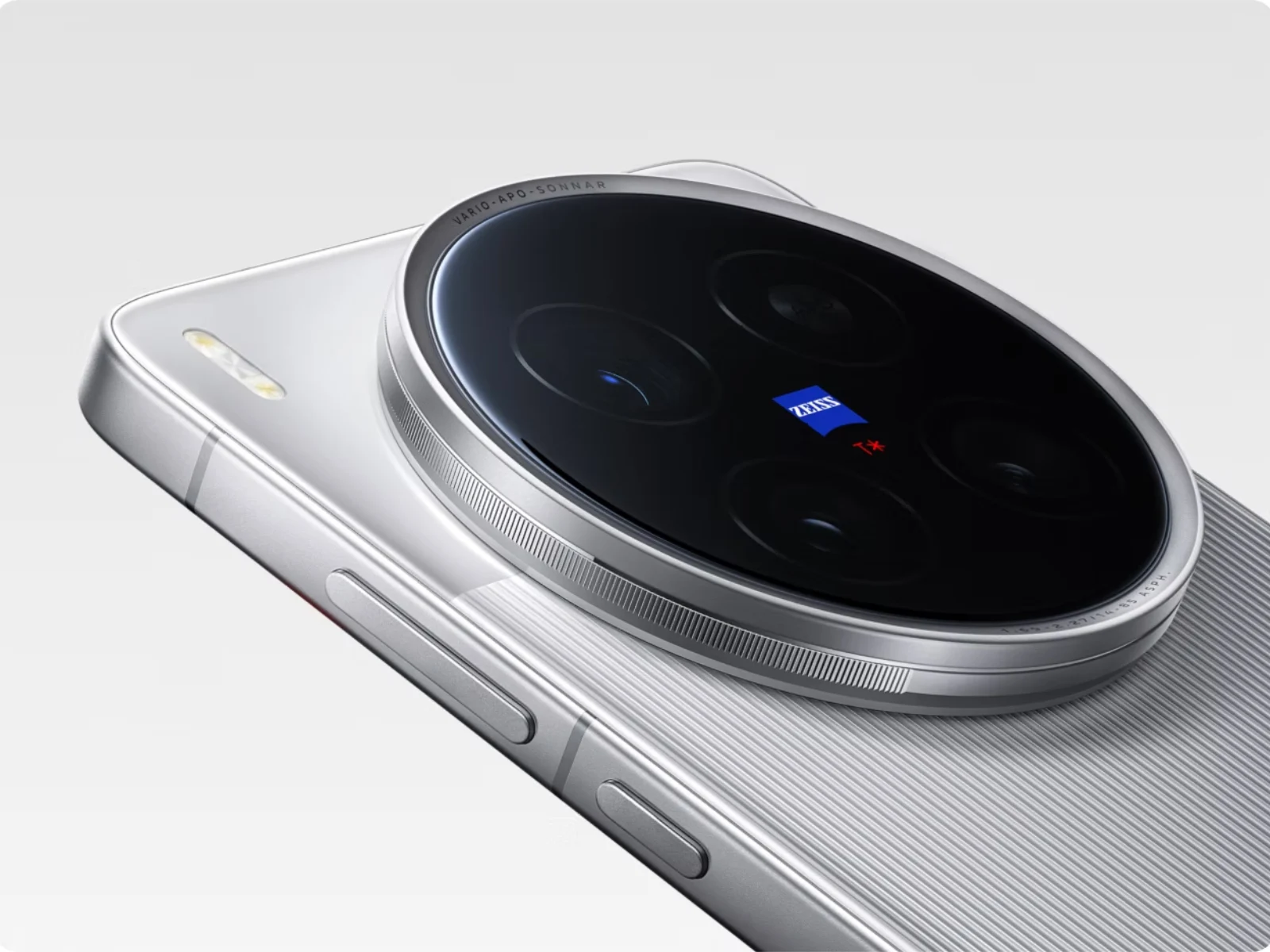
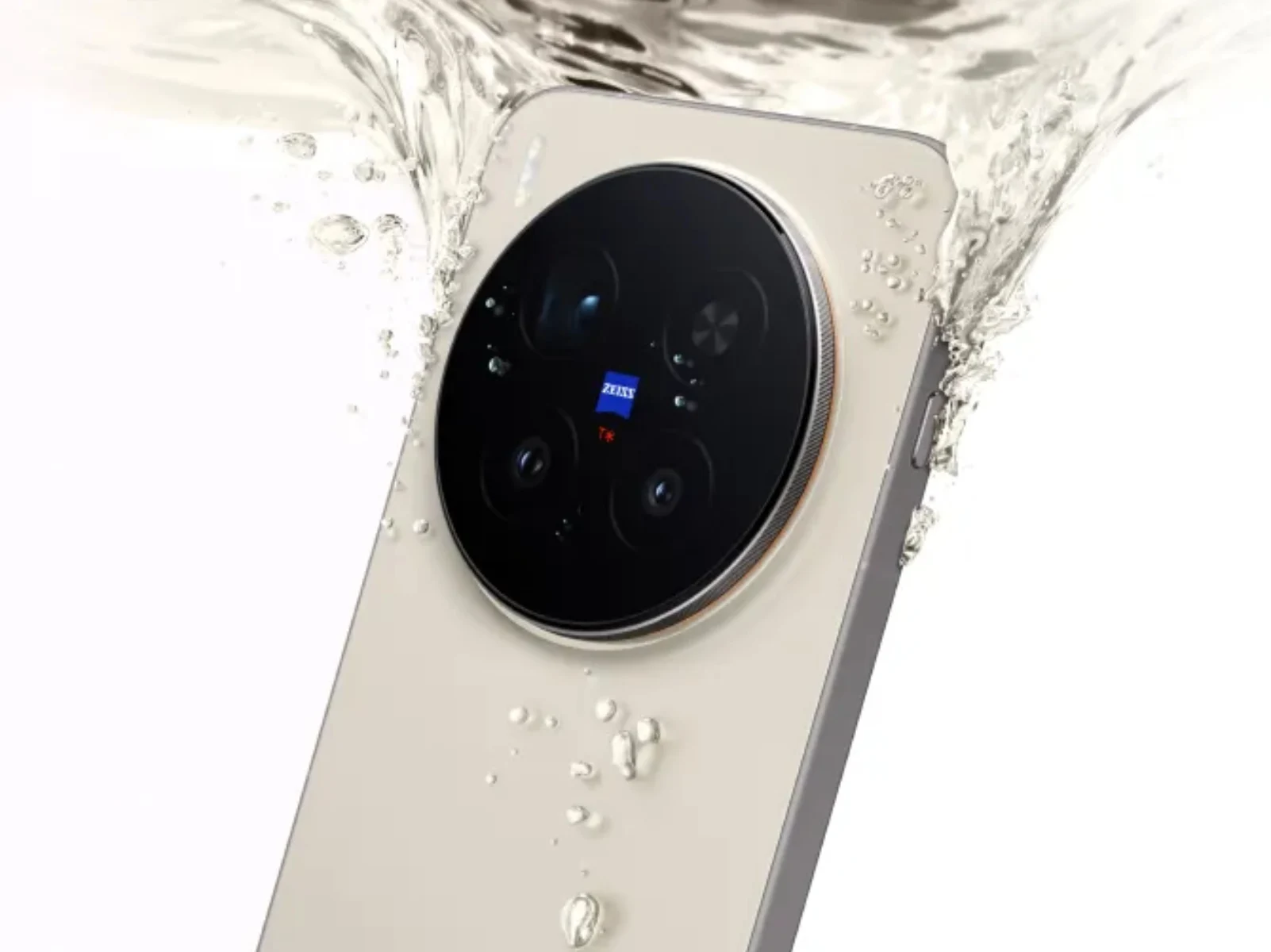
  • Vivo X300 Ultra Smartphone Launching with Satellite Connectivity

    Vivo X300 Ultra Smartphone Launching with Satellite Connectivity

    Key Takeaways

    1. The Vivo X300 Ultra is set to compete with the Xiaomi 17 Ultra, Find X9 Ultra, and Galaxy S26 Ultra.
    2. Two versions of the X300 Ultra have been certified: the standard model (V2547A) and a special BeiDou Edition (V2547DA).
    3. The standard X300 Ultra supports charging speeds of up to 100 W, a 10 W increase from the previous model.
    4. The BeiDou Edition includes satellite connectivity, but its global availability is uncertain.
    5. The Galaxy S26 Ultra is expected to launch on February 25, replacing the Galaxy S25 Ultra, which is currently priced at $759 (renewed).


    The Vivo X300 Ultra, a device many have been eager to see, has shown up in a new leak. To summarize, Vivo plans to market this phone as a competitor to the Xiaomi 17 Ultra and the Find X9 Ultra. Additionally, the X300 Ultra is also set to compete with the Galaxy S26 Ultra, which is set to take the place of the Galaxy S25 Ultra on February 25 (currently priced at $759 – renewed on Amazon).

    Details on Certification

    According to a fresh 3C certification, Vivo is preparing two versions of the X300 Ultra for its local market. First up, the regular X300 Ultra has been certified with the model number V2547A. Earlier, there were thoughts that the X300 Ultra was linked to the model number V2536A, but recent findings have contradicted that idea.

    Charging and Variants

    The 3C certification confirms that the V2547A can handle charging speeds of up to 100 W, which is a 10 W boost compared to the X200 Ultra. In addition, Vivo has also certified another model, the V2547DA. This model is a variant of the V2547A, labeled as the BeiDou Edition, and it is noted by the 3C for having satellite connectivity. It remains unclear whether this special edition will be available worldwide, similar to the standard Vivo X300 Ultra.

    3C via Zions Anvin

    Source:
    Link


  • Samsung Galaxy S26 Price Leak: Details on S26, S26 Plus, Ultra

    Samsung Galaxy S26 Price Leak: Details on S26, S26 Plus, Ultra

    Key Takeaways

    1. Samsung will unveil the Galaxy S26 series, including the Galaxy S26, S26 Plus, and S26 Ultra, in under two weeks.
    2. There may be price increases for the Galaxy S26 lineup due to financial pressures in the memory market.
    3. The Galaxy S26 series is expected to debut at approximately 9% higher prices than last year’s models in South Korea.
    4. Samsung plans to offer enhanced storage options, with the Galaxy S26 launching with 512 GB of storage during the pre-order phase.
    5. Pricing details are becoming clearer, with the Galaxy S26 priced around $875 or €999 during the pre-order period.


    Samsung is just under two weeks away from unveiling the Galaxy S26, Galaxy S26 Plus, and Galaxy S26 Ultra (currently priced at $759 for refurbished models on Amazon). Meanwhile, numerous leaks have surfaced regarding the Galaxy S26 lineup. Recently, Evan Blass has released several images showcasing the Galaxy S26, Galaxy S26 Plus, and Galaxy S26 Ultra in their four main launch colors.

    Price Increases Ahead

    In a separate report, ET News suggests that there may be an increase in prices for Samsung’s premium smartphones. The report points to ongoing financial pressures in the memory market, stating that the Galaxy S26, Galaxy S26 Plus, and Galaxy S26 Ultra will be more expensive than the previous models. This information aligns with earlier leaks about pricing in the Eurozone.

    Storage Upgrades

    To summarize, the Galaxy S26 series is expected to debut at roughly 9% higher than last year’s versions in South Korea. Nevertheless, Samsung aims to mitigate this price hike by providing enhanced storage options in many regions. Consequently, the Galaxy S26 will effectively launch with 512 GB of storage for KRW 1,254,000 (about $875) or €999 in the Eurozone during the pre-order phase. Not only is the pricing information becoming clearer, but so are the complete specifications for Samsung’s forthcoming flagship devices. For further details, please refer to the table below.

    ETNews’

    Source:
    Link


  • Vivo X300 Max Leaks: Confirmed Hardware Details Inside

    Vivo X300 Max Leaks: Confirmed Hardware Details Inside

    Key Takeaways

    1. Vivo is launching the X300 series, including the X300 Max, X300, and X300 Pro, with rumors about an X300 Ultra.
    2. The X300 Max has received certification in China and will be positioned between the X300 and X300 Pro in the lineup.
    3. The X300 Max supports 90 W fast charging and features a large 7,000 mAh battery.
    4. It will include a 6.78-inch 1440p LTPO OLED display and Zeiss optics.
    5. The release date for the X300 Max is still uncertain.


    A new smartphone from Vivo, known as the X300 series, is getting closer to an official launch. Vivo has already made the X300 and X300 Pro available in China and other parts of the world. However, there have been persistent rumors about the release of an X300 Ultra, which is expected to compete with the Galaxy S25 Ultra (currently priced at $759 on Amazon) and the soon-to-be-released Galaxy S26 Ultra.

    Certification in China

    Recently, Vivo has secured certification for the X300 Max in China just before its launch in the company’s home market. Its model number is V2548A, and it is anticipated to sit above the X300 and the rumored X300e, while being positioned below the X300 Pro and X300 Ultra. According to Digital Chat Station, there may also be another variant of the X300 Max, but specifics about this model are not available at this time.

    Features and Specifications

    The leaker has shifted their attention to the X300 Max, which the 3C certification reveals will support 90 W fast charging, similar to what the X300 and X300 Pro offer. Furthermore, Digital Chat Station mentions that Vivo has paired this charging feature with an approximately 7,000 mAh battery and the MediaTek Dimensity 9500 chipset. Other notable aspects include a large 6.78-inch 1440p LTPO OLED display, Zeiss optics, and IP certification. As for the release date, it remains uncertain for the moment.

    Digital Chat Station & 3C via Zions Anvin

    Source:
    Link


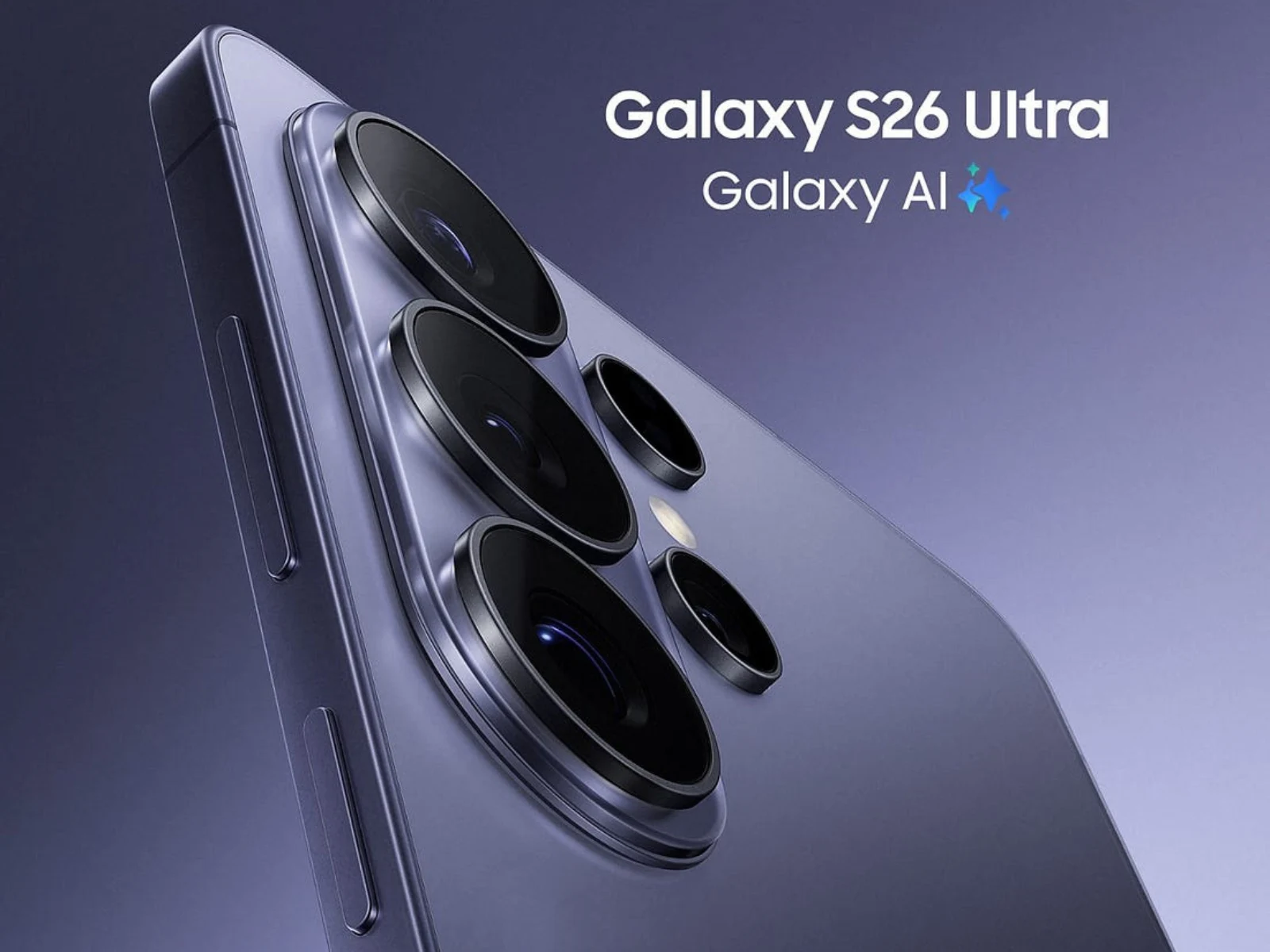
  • Samsung Galaxy S26, S26 Plus, S26 Ultra Leak Ahead of Release

    Samsung Galaxy S26, S26 Plus, S26 Ultra Leak Ahead of Release

    Key Takeaways

    1. The Galaxy S26 series will launch on February 25, with pre-order offers starting in several countries.
    2. High-quality images of the Galaxy S26 lineup have been leaked, confirming no new Edge or Pro models.
    3. The new models will replace the Galaxy S25 series and feature similar designs across all three variants.
    4. Color options for the Galaxy S26, S26 Plus, and S26 Ultra include Black, White, Cobalt Violet, and Sky Blue, with potential Online Exclusive versions.
    5. Excitement is building for the Galaxy S26 series as the launch date approaches, with fans eager to see the new devices in action.


    The Galaxy S26 series is just around the corner, with less than two weeks until its launch. To celebrate this event, Samsung has begun to disclose various pre-order offers in several countries. Additionally, pricing details have surfaced for one of its major markets.

    Product Renders Revealed

    In a related update, leaker Evan Blass has released high-quality, watermark-free images of the complete Galaxy S26 lineup that Samsung plans to unveil on February 25. As anticipated, the new models are set to replace the Galaxy S25, Galaxy S25 Plus, and Galaxy S25 Ultra (currently priced at $759 for renewed versions on Amazon), without introducing any previously speculated Edge or Pro models.

    Color Options and Variants

    According to the leak, Samsung plans to make all three models available in Black, White, Cobalt Violet, and Sky Blue colors. There’s also speculation about Online Exclusive versions that haven’t been showcased yet. Still, these images give us the best view of the primary colors for the Galaxy S26, Galaxy S26 Plus, and Galaxy S26 Ultra. Ultimately, the three devices appear more similar to each other than past generations, with the Galaxy S26 Ultra showing slight differences from its counterparts.

    Final Thoughts

    Evan Blass’ insights have shed light on the upcoming series, building excitement for the imminent release. As the launch date approaches, fans are eager to see how these new models will perform in the market.

    Source:
    Link


  • Xiaomi 18 Leak: Major Hardware Upgrades Without Snapdragon Pro

    Xiaomi 18 Leak: Major Hardware Upgrades Without Snapdragon Pro

    Key Takeaways

    1. Xiaomi is expected to introduce smartphones with the Snapdragon 8 Elite Gen 6 series, but not all models in the Xiaomi 18 series will have this high-end processor.
    2. The Snapdragon 8 Elite Gen 6 Pro will likely be exclusive to the Xiaomi 18 Ultra, Pro, and Pro Max versions, while the standard model may use a different processor.
    3. The new standard model is rumored to feature a slightly larger 6.4-inch display, compared to the 6.3-inch display of the Xiaomi 17.
    4. The entire Xiaomi 18 series is expected to include a 200 MP periscope telephoto camera, significantly improving photography capabilities over the previous model’s 50 MP camera.
    5. The series is anticipated to launch in September 2026, with potential enhancements in battery size and cooling system due to the increased size of the standard model.


    Xiaomi is likely to be one of the first brands to introduce smartphones with the new Snapdragon 8 Elite Gen 6 series. However, not every model in the Xiaomi 18 series is expected to feature the high-end SoC. According to a recent report from the reliable source Digital Chat Station, the standard variant of the series might utilize a different, non-Pro processor.

    Ultra, Pro, and Pro Max Models

    In contrast, the Snapdragon 8 Elite Gen 6 Pro is rumored to be exclusive to the Xiaomi 18 Ultra, Pro, and Pro Max versions. While the standard model may not have the Pro SoC, there’s some positive news from Digital Chat Station. It is said to come with a slightly larger screen compared to its predecessor.

    Display Enhancements

    To give you some context, the Xiaomi 17 has a 6.3-inch display, while the new model is expected to feature a 6.4-inch screen. The source believes this adjustment is likely due to the inclusion of “more advanced components.” Notably, the entire series is planned to include a 200 MP periscope telephoto camera.

    Photography Capabilities

    Looking back, the basic Xiaomi 17 (12/256 GB currently priced at $710.97 on TradingShenzhen) includes a 50 MP telephoto camera that offers 2.6x optical zoom. The new base model, with the 200 MP sensor, should be a far superior choice for photography, particularly for zoom shots.

    Digital Chat Station hasn’t released any additional specifications for the Xiaomi 18, but with an increased size, it might accommodate a larger battery and improved cooling system. The launch of the series is anticipated in September 2026, with more information likely to emerge soon.

    Source:
    Link


  • Arm Confirms Exynos 2600 Will Feature SME2 at Launch

    Arm Confirms Exynos 2600 Will Feature SME2 at Launch

    Key Takeaways

    1. The Exynos 2600 SoC will launch with the Galaxy S26 lineup on February 25, aiming to compete with Qualcomm’s Snapdragon 8 Elite Gen 5.
    2. Arm’s SME2 (scalable matrix extensions) will enhance AI applications, potentially improving tasks like object detection by up to 70%.
    3. The Exynos 2600 is expected to have a 10-core CPU, likely utilizing a mix of Lumex C1-Ultra, C1-Premium, and C1-Nano cores.
    4. The integration of SME2 aims to improve AI efficiency and responsiveness, making it suitable for real-time tasks without relying on separate accelerators.
    5. Samsung must carefully consider core selection to avoid thermal limitations, as the Exynos 2600’s success is vital for its future chip manufacturing capabilities.


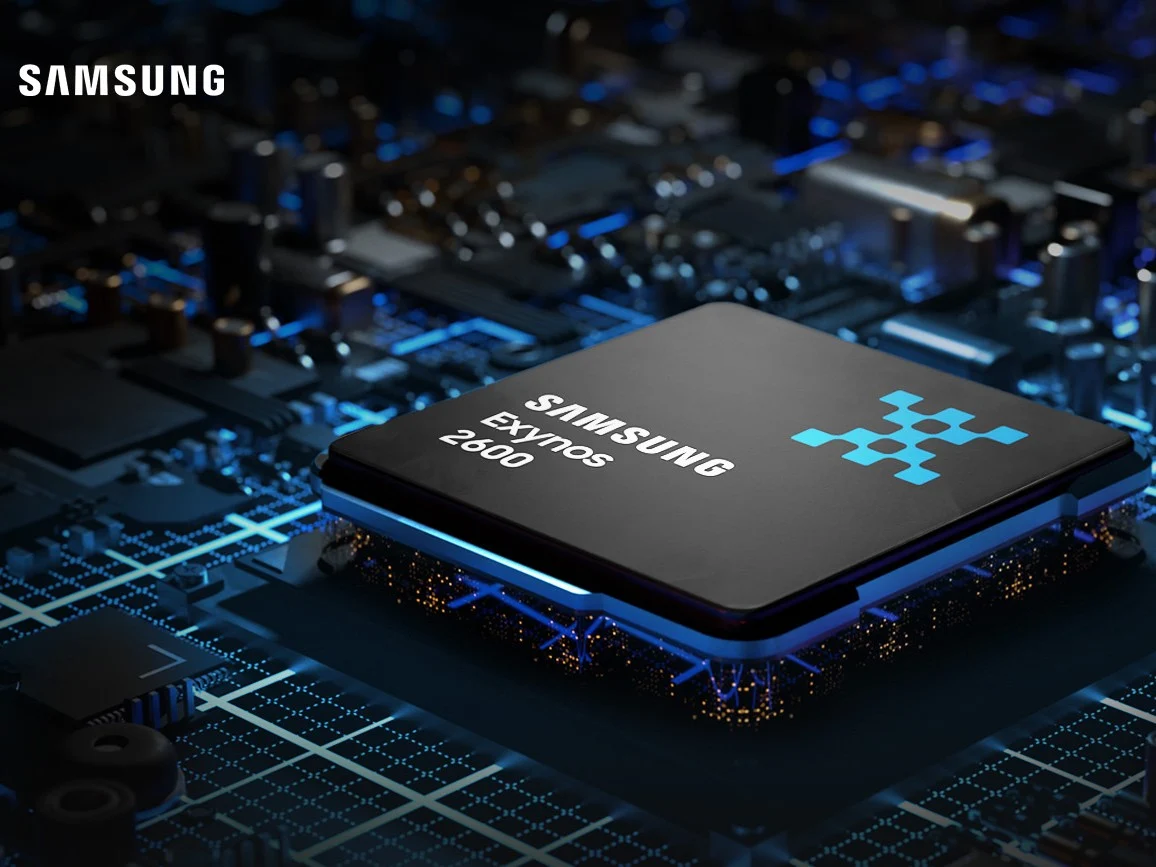
    Samsung’s new Exynos 2600 SoC is set to launch with the Galaxy S26 lineup on February 25. Earlier information suggested that it would compete closely with Qualcomm’s Snapdragon 8 Elite Gen 5 for Galaxy, and in some cases, even surpass it. Recently, Arm confirmed that the Exynos 2600 will incorporate SME2 (scalable matrix extensions), giving us a peek into its hardware capabilities. According to Arm, this advancement could enhance AI applications, such as object detection, by as much as 70%.

    Core Configuration Insights

    Arm also showcased SME2 alongside its latest CPU cores: Lumex C1-Ultra, Lumex C1-Premium, Lumex C1-Pro, and Lumex C1-Nano. Hence, it’s likely that the Exynos 2600 will utilize a combination of these cores. Various Geekbench listings reveal a 10-core CPU, and based on trends from previous Exynos chips, it may include one Lumex C1-Ultra core, three Lumex C1-Premium cores, and six Lumex C1-Nano cores. Stefan Rosinger from Arm strengthens this idea with his remarks:

    As AI on devices becomes increasingly important for mobile users, both efficiency and responsiveness are becoming more vital. Built on Arm compute subsystems with SME2-enabled C1-Ultra and C1-Pro, Exynos 2600 takes advantage of SME2 to enhance the possibilities for CPU-based AI, lowering the delays that come from relying on separate accelerators, making it ideal for quick, interactive, and real-time AI tasks.

    Considerations for Performance

    While the statement specifically mentions only the C1-Ultra and C1-Pro, it subtly suggests that the Exynos 2600 may be limited to these cores. This could be reasonable, as using Lumex C1-Premium cores might exceed the already tight thermal limits. Samsung will likely be cautious, as the success of the Exynos 2600 is crucial for the future of Samsung Foundry’s SF2 node and its capacity to draw in OEMs like Qualcomm and Nvidia.

    Source:
    Link


  • Apple iPhone and Samsung Galaxy: Used by Over 1 Billion People

    Apple iPhone and Samsung Galaxy: Used by Over 1 Billion People

    Key Takeaways

    1. Apple iPhones have the largest active user group, accounting for nearly 25% of all smartphones in use.
    2. Samsung follows with about 19% market share, representing over a billion active users.
    3. Chinese manufacturers are rising, with Xiaomi leading at 12%, followed by Oppo (8%) and Vivo (7%).
    4. Transsion is gaining popularity in developing regions, focusing on budget-friendly smartphones.
    5. Smaller brands like Motorola and Google are struggling, with Google holding less than 1% market share and consumers keeping their phones longer before upgrading.


    Smartphone sales provide a quick look at the market, but the count of active devices for each brand shows trends over time. A recent survey by Counterpoint Research indicates that Apple iPhones have the largest active user group. Almost 25% of all smartphones in use are iPhones. Samsung is the only other brand with over a billion active users, holding about 19% of the market. This means that roughly one in five smartphones currently in use is from the Samsung Galaxy line.

    Chinese Manufacturers on the Rise

    The top six smartphone makers from China each boast more than 200 million users. Xiaomi leads this pack, commanding a market share of about 12%. Oppo and Vivo follow behind, making up approximately 8% and 7% of the global market, respectively. Transsion, which owns Tecno and Infinix, ranks just above Huawei and Honor. In recent years, Transsion has gained a significant user base, especially in the Middle East, Africa, and Southeast Asia, where there is a strong demand for budget-friendly smartphones that deliver good value.

    Smaller Players Struggling

    Motorola and Realme phones are used by just under 200 million people globally. Google’s smartphone presence is minimal, barely appearing in Counterpoint Research’s statistics, with a market share of less than 1%, and trailing Realme significantly. The forthcoming Google Pixel 10a is not expected to change that situation much, as this mid-range phone will likely offer few enhancements compared to the Pixel 9a (priced from $399 on Amazon). Counterpoint Research notes that consumers are keeping their smartphones for longer periods before deciding to upgrade to a new model.

    Source:
    Link