
Key Takeaways
1. The Exynos 2600 SoC will launch with the Galaxy S26 lineup on February 25, aiming to compete with Qualcomm’s Snapdragon 8 Elite Gen 5.
2. Arm’s SME2 (scalable matrix extensions) will enhance AI applications, potentially improving tasks like object detection by up to 70%.
3. The Exynos 2600 is expected to have a 10-core CPU, likely utilizing a mix of Lumex C1-Ultra, C1-Premium, and C1-Nano cores.
4. The integration of SME2 aims to improve AI efficiency and responsiveness, making it suitable for real-time tasks without relying on separate accelerators.
5. Samsung must carefully consider core selection to avoid thermal limitations, as the Exynos 2600’s success is vital for its future chip manufacturing capabilities.
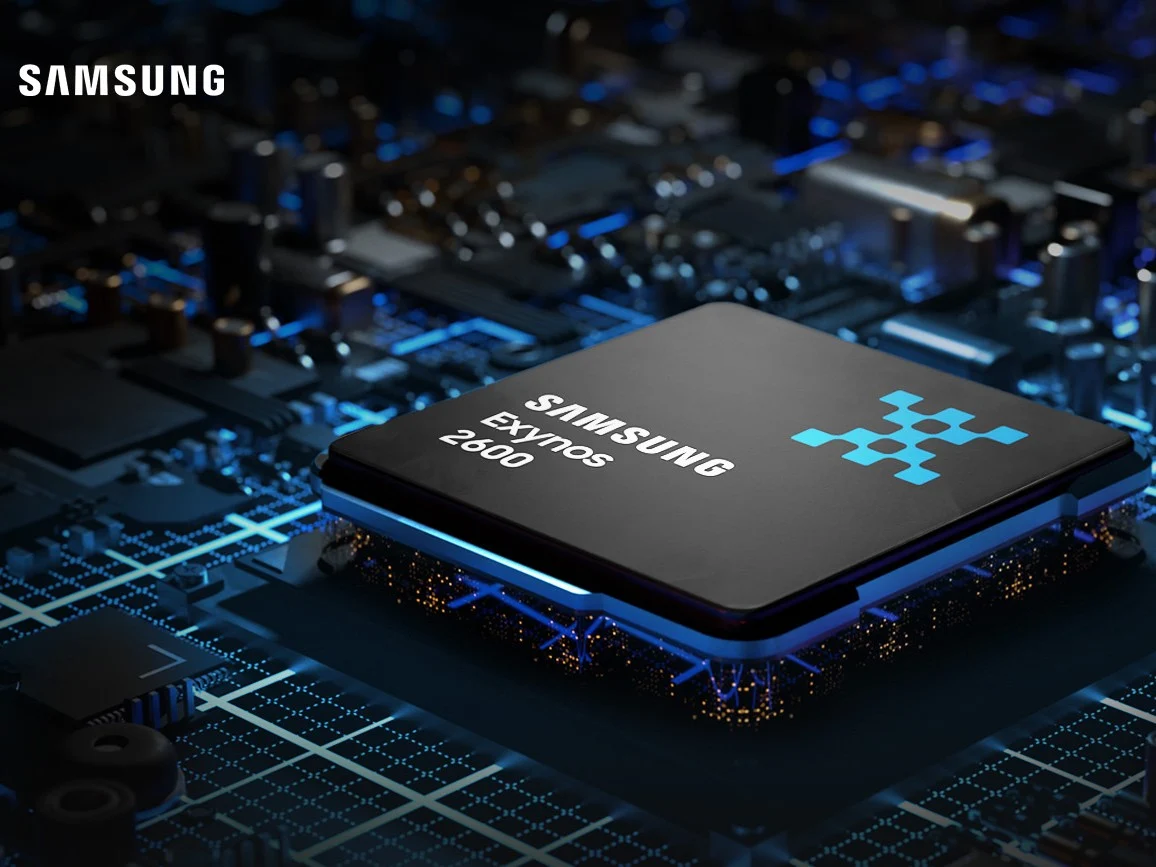
Samsung’s new Exynos 2600 SoC is set to launch with the Galaxy S26 lineup on February 25. Earlier information suggested that it would compete closely with Qualcomm’s Snapdragon 8 Elite Gen 5 for Galaxy, and in some cases, even surpass it. Recently, Arm confirmed that the Exynos 2600 will incorporate SME2 (scalable matrix extensions), giving us a peek into its hardware capabilities. According to Arm, this advancement could enhance AI applications, such as object detection, by as much as 70%.
Core Configuration Insights
Arm also showcased SME2 alongside its latest CPU cores: Lumex C1-Ultra, Lumex C1-Premium, Lumex C1-Pro, and Lumex C1-Nano. Hence, it’s likely that the Exynos 2600 will utilize a combination of these cores. Various Geekbench listings reveal a 10-core CPU, and based on trends from previous Exynos chips, it may include one Lumex C1-Ultra core, three Lumex C1-Premium cores, and six Lumex C1-Nano cores. Stefan Rosinger from Arm strengthens this idea with his remarks:
As AI on devices becomes increasingly important for mobile users, both efficiency and responsiveness are becoming more vital. Built on Arm compute subsystems with SME2-enabled C1-Ultra and C1-Pro, Exynos 2600 takes advantage of SME2 to enhance the possibilities for CPU-based AI, lowering the delays that come from relying on separate accelerators, making it ideal for quick, interactive, and real-time AI tasks.
Considerations for Performance
While the statement specifically mentions only the C1-Ultra and C1-Pro, it subtly suggests that the Exynos 2600 may be limited to these cores. This could be reasonable, as using Lumex C1-Premium cores might exceed the already tight thermal limits. Samsung will likely be cautious, as the success of the Exynos 2600 is crucial for the future of Samsung Foundry’s SF2 node and its capacity to draw in OEMs like Qualcomm and Nvidia.
Source:
Link
Leave a Reply