Category: Phones

Stay updated with the latest phone news, reviews, and trends. Discover cutting-edge smartphones, features, and innovations in our Phones category at GizNewsDaily

  • Huawei Pura 80 Ultra Launch Date Revealed in Latest Leak

    Huawei Pura 80 Ultra Launch Date Revealed in Latest Leak

    Key Takeaways

    1. The Pura 80 Ultra is designed to compete strongly in the smartphone market, particularly with its standout camera design.
    2. The camera features a first-gen SmartSens SC5A0CS 1-inch sensor, promising significant improvements in videography and photography.
    3. Huawei is likely developing the camera technology in-house, with a potential upgrade of the color temperature sensor to 2MP.
    4. Pre-orders for the Pura 80 series are expected to start after the Dragon Boat Festival, which runs from May 31 to June 2, 2025.
    5. The official launch of the Pura 80 Ultra and its variants is anticipated to occur after the festival, possibly in July 2025.


    The Pura 80 Ultra is said to be ready to take over the smartphone market, especially with its camera design expected to stand out on its back panel, as reported by the usually trustworthy leaker, Fixed Focus Digital.

    Impressive Camera Features

    The capabilities of the Ultra’s camera are described as “intimidating” by the source, and this could be linked to its upgrade featuring the first-gen SmartSens SC5A0CS 1-inch sensor. This enhancement is anticipated to significantly improve both videography and photography.

    In-House Innovations

    It is believed that Huawei has developed the camera in-house, and there are hints about a possible upgrade for the color temperature sensor to 2MP, compared to 1.6MP in the previous Pura 70 Ultra version, despite earlier rumors suggesting a 5MP upgrade.

    Pre-Order and Release Timeline

    Fixed Focus Digital also claims that Huawei will likely start accepting pre-orders for the Pura 80 series after the upcoming public holiday in China, which is the Dragon Boat Festival. This festival begins today, May 31, 2025, and goes on until June 2.

    The Pura 80 Ultra and its variants are expected to be officially launched following this period, although the exact release date might not occur until July 2025.

    Source:
    Link


  • Samsung Galaxy S25 Edge Surprises in New Bend Test Video

    Samsung Galaxy S25 Edge Surprises in New Bend Test Video

    Key Takeaways

    1. The Galaxy S25 Edge is the slimmest Samsung phone ever at 5.8 mm thick and weighs only 163 g.
    2. It is available for a price similar to the flagship S25 Ultra but lacks features like the S Pen and an extra rear camera.
    3. The phone features a titanium frame and Gorilla Glass Ceramic 2 display, offering IP68-rated dust and water protection.
    4. It has shown durability comparable to thicker smartphones powered by Snapdragon 8 Elite.
    5. The Galaxy S25 Edge passed durability tests without issues, dispelling concerns about bending.


    The Galaxy S25 Edge has been revealed as “the slimmest Samsung phone ever created,” measuring just 5.8 millimeters (mm) thick, and it might also be the lightest in its category at only 163 grams (g).

    Pricing and Availability

    Even with its seemingly minor size, it’s currently available on Amazon for nearly the same price as the flagship S25 Ultra. However, it misses out on some features such as the S Pen, an additional rear camera, and even an anti-glare screen.

    Features and Durability

    The higher price tag can be attributed to its frame, which is enhanced with titanium, and the new Gorilla Glass Ceramic 2 display. These materials provide impressive IP68-rated protection against dust and water, making this smartphone surprisingly robust despite its delicate appearance.

    Performance Tests

    Interestingly, it has shown durability similar to other smartphones powered by Snapdragon 8 Elite, which are of a more “normal” thickness. It successfully passed the JerryRigEverything tests for scratches, burns, and bends with the same ease as the 8.8mm Oppo Find X8 Ultra.

    Thus, those expecting a dramatic “Bendgate” situation with the Galaxy S25 Edge might be left feeling a bit let down.

    Source:
    Link

  • Vivo T4 Ultra Launch: Premium Camera Android Smartphone Coming Soon

    Vivo T4 Ultra Launch: Premium Camera Android Smartphone Coming Soon

    Key Takeaways

    1. The T4 Ultra may be a re-branded Vivo S20 Pro, featuring a 1.5K display and powered by the Dimensity 9300+.
    2. The camera is expected to have a 50MP resolution with optical image stabilization (OIS), phase-detection autofocus (PDAF), and 3X optical zoom.
    3. The T4 Ultra will not have the premium Zeiss branding but will include AI features similar to the X200 Pro.
    4. Vivo has not announced an official launch date for the T4 Ultra, but it will be available on Flipkart and other select stores.
    5. The T4 is re-branded as the Y300 Pro+, with a starting price of INR 21,898 and a 7,300mAh battery.


    Yogesh Brar, a known leaker, recently shared some interesting insights suggesting that the T4 Ultra might be a re-branded Vivo S20 Pro, featuring a 1.5K display and powered by the Dimensity 9300+. This speculation appears to be supported by a fresh teaser released by the company.

    Camera Capabilities

    The device is said to feature a design reminiscent of the V50, boasting an “ultra-powerful zoom” lens that promises “clear clicks.” If these rumors hold up, the camera will have a resolution of 50MP, include optical image stabilization (OIS) along with phase-detection autofocus (PDAF), and support 3X optical zoom.

    Comparing Specifications

    The S20 Pro shares many of its zoom capabilities with the X200 Pro. However, the new teaser from Vivo indicates that the T4 Ultra will not carry the premium Zeiss branding found on that flagship model, although it will include AI features.

    Availability and Pricing

    Currently, Vivo hasn’t announced a launch date for the T4 Ultra, but it has mentioned that the device will be available on Flipkart, its official website, and in select physical stores. In the meantime, the T4, which is essentially a re-branded Y300 Pro+ with a 7,300mAh battery, is now listed on Amazon starting at INR 21,898.

    Source:
    Link

  • Sony Xperia 1 VII Made by OEM: Future Models to Follow

    Sony Xperia 1 VII Made by OEM: Future Models to Follow

    Key Takeaways

    1. Sony’s Xperia 1 VII for 2025 is manufactured by an OEM, not by Sony itself.
    2. Many smartphone companies, including Sony, now rely on OEMs for device production instead of in-house manufacturing.
    3. Sony’s recent website update removed smartphones from its list of products made at its facilities.
    4. This change suggests that Sony has fully shifted to using OEMs for all its smartphone models, including flagships.
    5. The move may indicate that Sony has found an OEM capable of meeting the quality standards for its premium Xperia smartphones.


    Sony has recently unveiled the Xperia 1 VII, its top-tier smartphone for 2025. However, it has come to light that, similar to its other models that are not flagships, this phone is actually made by an OEM rather than by Sony itself.

    OEMs and Smartphone Production

    A lot of smartphone companies rely on OEMs (Original Equipment Manufacturers) to create their devices instead of handling the manufacturing in-house. They typically design the phone but contract out the actual building process to an OEM, which constructs the smartphones to fit their guidelines and quality standards. Although Sony was once recognized for making its own smartphones, this seems to have changed.

    Changes in Manufacturing

    As reported by the Japanese outlet, Sumahodigest, a recent update to Sony’s website in mid-May has led to the removal of smartphones from the list of products produced at its facilities. This is quite a shift, as its factories in Chonburi and Bang Kadi in Thailand, along with the one in Wuxi, China, were previously known for manufacturing smartphones.

    The exclusion of smartphones from its production list reportedly backs up speculations that Sony has moved away from making its own devices and is now relying on an OEM. This suggests that this is not just a temporary change and that upcoming models will also be produced by OEMs.

    Implications for the Future

    This situation is significant because Sony had been known to use OEMs for its non-flagship smartphones, but not for its flagship line, which demanded a higher quality. With the absence of smartphone production from its factory’s product list, it indicates that Sony now has an OEM capable of manufacturing its premium Xperia smartphones up to its expected standards.

    Source:
    Link

  • Motorola Razr 60 Ultra Review: Unleashing Maximum Power

    Motorola Razr 60 Ultra Review: Unleashing Maximum Power

    Key Takeaways

    1. Design and Materials: The Motorola Razr 60 Ultra offers a choice of Alcantara, wood-inspired materials, and a smooth pink finish, with a strengthened hinge for improved durability.

    2. Waterproofing: The phone is fully waterproof for shallow swimming but lacks full dust protection, particularly around the folding mechanism.

    3. Battery and Charging: It features a larger battery providing over 15 hours of life, with improved charging capabilities of 68 watts wired and 30 watts wirelessly.

    4. Processor Upgrade: The Razr 60 Ultra uses the full Snapdragon 8 Elite processor, enhancing performance compared to its predecessor.

    5. Performance Issues: The phone can overheat during intensive tasks, leading to shut-offs and discomfort when held, making it less suitable for demanding applications.


    Users who like well-made smartphones will find the Motorola Razr 60 Ultra appealing. The back of the phone features either Alcantara or a wood-inspired material, and there’s also a smooth pink option. The hinge has been strengthened, so users can trust its durability. However, there haven’t been any modifications to the display crease; it’s still noticeable, but not too obvious.

    Durability and Water Resistance

    The Razr 60 Ultra is fully waterproof, allowing users to even take it for a swim in shallow waters. However, it does not guarantee total protection against dust; the folding mechanism is particularly vulnerable in this aspect.

    Battery and Charging Features

    The battery is now larger and a tad heavier than its predecessor, providing over 15 hours of life in our Wi-Fi test. Charging has also improved: it can go up to 68 watts with a cable and 30 watts wirelessly. Another standout feature is the choice of processor; unlike last year’s model, which had a trimmed-down version of the Snapdragon 8s Gen 3, this year’s version comes with the full Snapdragon 8 Elite. This upgrade places the Razr 60 Ultra at the forefront of high-performance flip smartphones.

    Performance Limitations

    Nevertheless, this processor upgrade has its downsides, as the Razr lacks sufficient surface area for proper cooling of the SoC. This quickly shows up during more intensive tasks; in our benchmark tests, the Razr 60 Ultra consistently showed overheating alerts, leading to the termination of tests. There are also times when the smartphone may shut off due to excessive heat. Furthermore, holding the Razr 60 Ultra during high-demand situations can become uncomfortable, with the frame and casing reaching temperatures of 60°C.

    For those who don’t usually use demanding applications on their phones and are just looking for a stylish flip phone with excellent battery life, the Motorola Razr 60 Ultra is a solid option.

    Source:
    Link

  • HMD Skyline 2 and GT Specs Leak: Powerful SoCs and Bright Displays

    HMD Skyline 2 and GT Specs Leak: Powerful SoCs and Bright Displays

    Key Takeaways

    1. Display Features: Both HMD Skyline 2 and Skyline 2 GT have a 6.55-inch FHD+ pOLED display with a 144Hz refresh rate; however, the Skyline 2 GT offers a brighter display at 2000 nits compared to 1200 nits for the Skyline 2.

    2. Performance Specifications: The Skyline 2 GT is powered by the Snapdragon 7 Gen 3 with 12GB of RAM, while the Skyline 2 uses the Snapdragon 7s Gen 3, with RAM details still unknown.

    3. Camera Systems: The Skyline 2 maintains a 108MP main camera setup, while the Skyline 2 GT features an enhanced camera system with a 50MP ultrawide lens and a 3D ToF sensor.

    4. Battery and Charging: Both models include a 5,000mAh battery with wireless charging; the Skyline 2 charges at 33W, while the Skyline 2 GT supports faster 45W charging and has a higher IP67 water resistance rating.

    5. Software and Updates: Both smartphones will run on Android 15 and are expected to receive three years of OS updates, with the Skyline 2 allowing for user-repairable components.


    Last month, some details about future smartphones from HMD were leaked. It was disclosed that there will be an HMD Skyline 2 and a second model known as the HMD Skyline 2 GT. Recently, the same source has shared important specifications for these upcoming Skyline devices.

    Similarities and Differences

    Posted on X by HMD-Meme’s (@smashx-60), both the HMD Skyline 2 and HMD Skyline 2 GT will feature some comparable specs, although the GT version will be the superior option overall. Both smartphones will sport a 6.55-inch FHD+ pOLED display with a smooth 144Hz refresh rate, similar to the original HMD Skyline (currently listed on Amazon for $499.99). However, the latest Skyline models will come with brighter displays — peaking at 1200 nits for the Skyline 2 and an impressive 2000 nits for the Skyline 2 GT, which is twice as bright as last year’s version.

    Performance Details

    The Skyline 2 GT will be driven by the Snapdragon 7 Gen 3, similar to the new Honor 400, while the Skyline 2 will replace the Snapdragon 7s Gen 2 from the previous model with the Snapdragon 7s Gen 3. The GT variant will be equipped with 12GB of RAM, but there’s no information about the RAM size for the standard Skyline 2 or the storage options available.

    Camera Specifications

    In terms of cameras, the Skyline 2 will keep the same camera setup as the HMD Skyline, featuring a 108MP main rear camera, a 50MP telephoto lens, and a 13MP ultrawide angle camera. It will also include a 50MP front camera. Conversely, the Skyline 2 GT will launch with a 108MP main camera, a 50MP telephoto lens, a 50MP ultrawide angle camera, and a 3D ToF sensor. The front camera for the GT will also be a 50MP.

    Additional Features and Battery Life

    The HMD Skyline 2 GT will include a specific camera button along with a quick button. It’s unclear if these will be two distinct buttons besides the volume and power buttons, or if it’s just one button that serves both functions. The HMD Skyline has an extra custom button on the left side that can be programmed for various actions based on whether you long press or double-press it. Both models will come with stereo speakers and support magnetic wireless charging.

    Both devices will feature a 5,000mAh battery that supports Qi 2.0 wireless charging. However, while the Skyline 2 will charge up to 33W using a wired charger, the Skyline 2 GT will enable 45W fast charging. The GT model will also boast an IP67 rating for dust and water resistance, while the Skyline 2 will have an IP54 rating.

    Software and Launch Timeline

    Both phones will run on Android 15 right out of the box, and according to the source, the Skyline 2 is set to receive three years of OS updates. There’s also Gen2 repairability, allowing users to fix broken components on their own without needing to visit a repair shop. The HMD Skyline 2 is anticipated to debut in July, but it remains uncertain whether it will be revealed alongside the Skyline 2 GT or if they will be announced separately.

    Source:
    Link

  • Xiaomi 15S Pro Outperforms iPhone 16 Pro Max in Multi-Core Speed

    Xiaomi 15S Pro Outperforms iPhone 16 Pro Max in Multi-Core Speed

    Key Takeaways

    1. Xiaomi officially launched the Xring O1, featured in the Xiaomi 15S Pro and Xiaomi Pad 7 Ultra, claiming impressive performance figures over 3 million on Antutu.
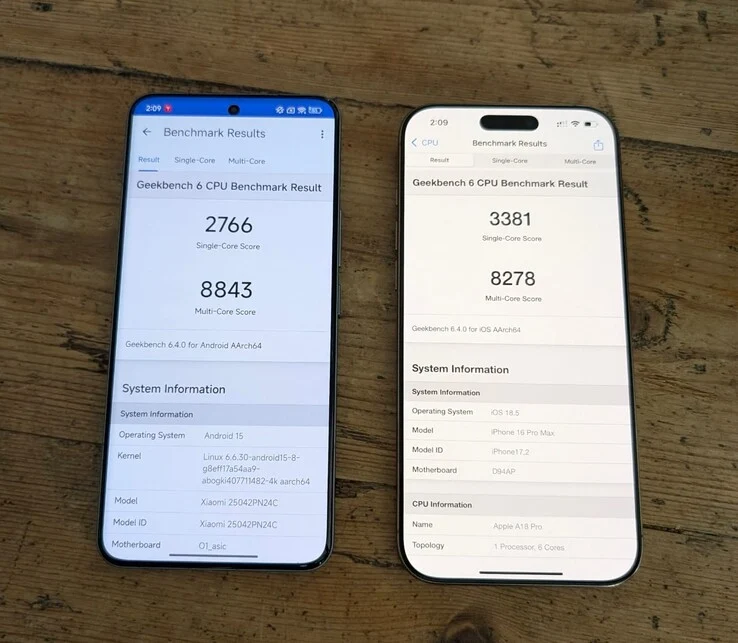
    2. Performance tests show the Xring O1 scored 2,766 in Single-Core and 8,843 in Multi-Core on Geekbench 6, which is lower than the Snapdragon 8 Elite.
    3. The Xring O1 outperforms the Apple A18 Pro in Multi-Core tests by 7% but is 18% slower in Single-Core tests.
    4. The Xring O1 is Xiaomi’s first in-house System on Chip (SoC), with potential implications for the company’s future reliance on MediaTek and Qualcomm.
    5. The Xiaomi 15S Pro is not yet available in global markets, limiting extensive reviews from Western outlets.


    After making a big impression with its remarkable performance leaks, Xiaomi has officially launched the Xring O1 last week, included in the Xiaomi 15S Pro and the Xiaomi Pad 7 Ultra. The company boasts some significant performance figures for the Xring O1, claiming it can achieve over 3 million on Antutu. However, we can’t completely trust these first-party statistics for obvious reasons.

    Testing the Performance

    Fortunately, Max Weinbach tested the Xiaomi 15S Pro equipped with the Xring O1 using Geekbench 6 and compared the results against the Apple iPhone 16 Pro Max. This comparison gives us a clearer view of what the Xiaomi Xring O1 can do.

    The performance results indicate that the Xring O1 in the Xiaomi 15S Pro scored 2,766 in Single-Core and 8,843 in Multi-Core tests on Geekbench 6. According to our records, these scores fall short of the Snapdragon 8 Elite, which averages about 9% and 4% faster than the Xring O1 in Single-Core and Multi-Core benchmarks, respectively.

    A Favorable Comparison

    When comparing it to the Apple A18 Pro, the Xring O1 performs better. The side-by-side Geekbench 6 results from Max Weinbach show that the Xiaomi 15S Pro is actually 7% quicker in the Multi-Core test. This is not surprising since the Xring O1 has a 10-core CPU, while the A18 Pro has only 6 cores. However, in the Single-Core test, the Xring O1 is 18% slower than the A18 Pro.

    All things considered, this is a strong performance for Xiaomi, as the Xring O1 marks the company’s first in-house System on Chip (SoC). If the chip also delivers on efficiency, as Xiaomi claims, it could lead to the company completely moving away from MediaTek and Qualcomm SoCs in their high-end products.

    Availability Issues

    Unfortunately, the Xiaomi 15S Pro is not yet accessible in global markets, which means extensive reviews from various Western outlets are unlikely to surface anytime soon. We are eager to test the Xring O1 thoroughly as soon as we can get our hands on the Xiaomi 15S Pro or the Pad 7 Ultra.

    Source:
    Link


  • Oppo’s N5 Flip: A New Clamshell Rival to Galaxy Z Flip and Razr

    Oppo’s N5 Flip: A New Clamshell Rival to Galaxy Z Flip and Razr

    Key Takeaways

    1. The Oppo Find N5 is the first ultra-slim foldable phone with a Snapdragon 8 Elite processor, launched in late February.
    2. Oppo is exploring the clamshell foldable market again after an 18-month gap, as indicated by a recent patent.
    3. Approval of a patent does not guarantee product launch, but it shows Oppo’s design direction.
    4. The design of the new clamshell foldable includes a larger outer display while maintaining a vertical layout.
    5. Oppo has added three rear cameras in a vertically-aligned housing to compete with brands like Samsung and Xiaomi.


    The Oppo Find N5 has been available for some time now. To summarize, Oppo launched its ultra-slim foldable back in late February, making it the first device of its type to feature a Snapdragon 8 Elite processor. Usually, the company would have also introduced a clamshell foldable by this point, similar to their previous releases, the Find N2 Flip and Find N3 Flip.

    Clamshell Foldable Market

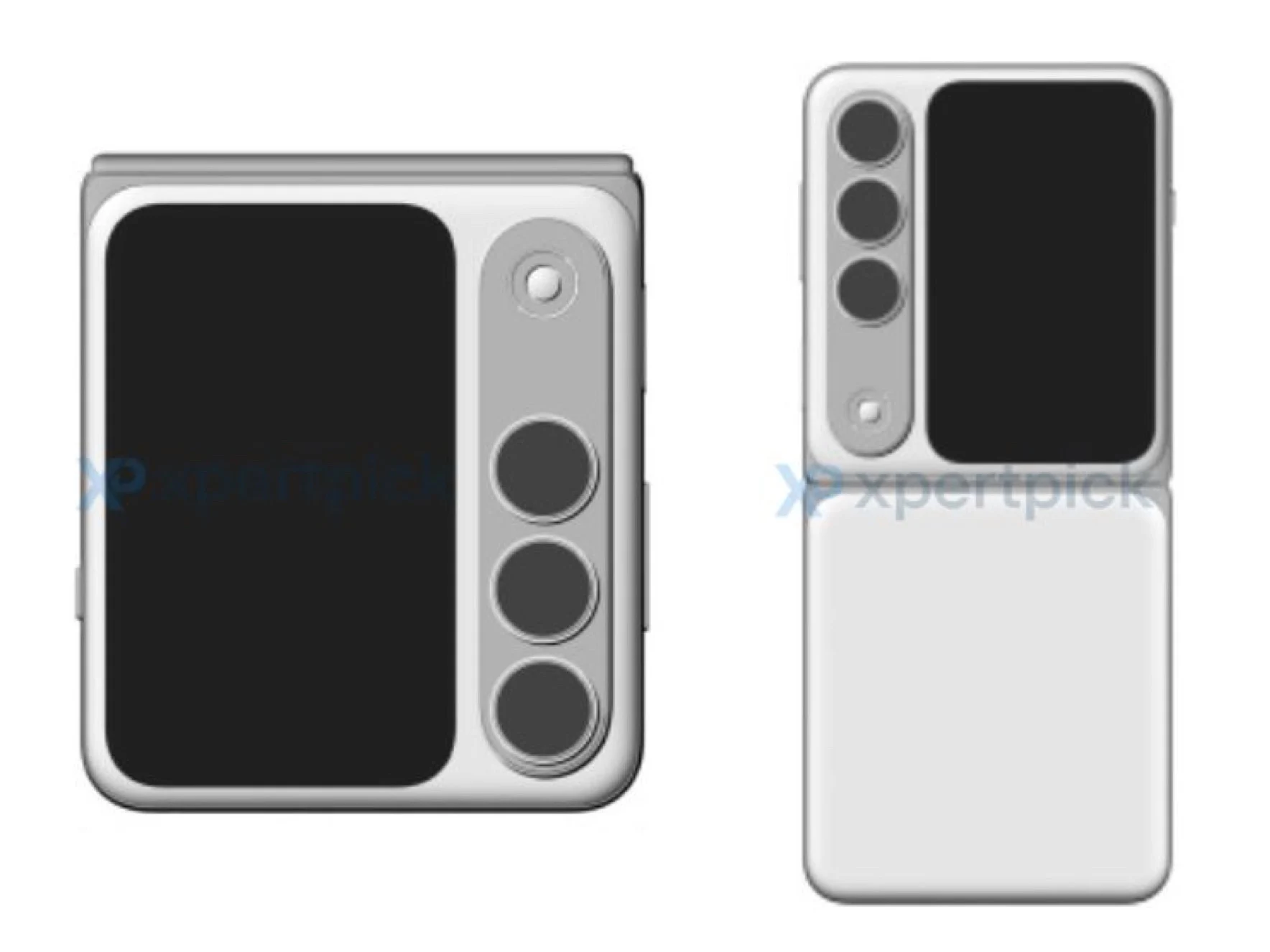
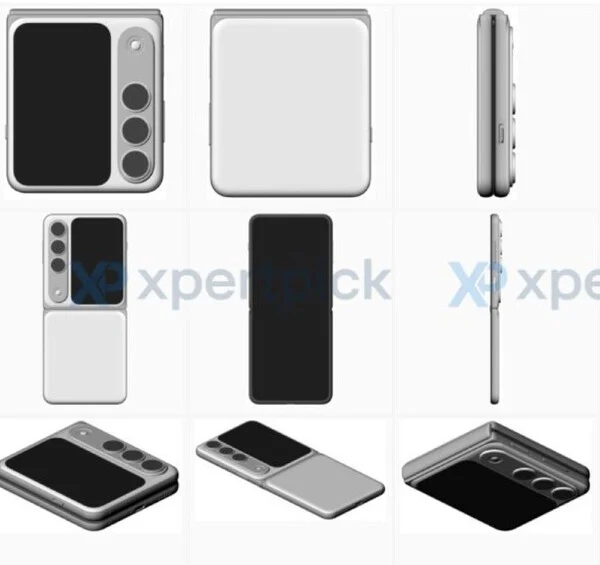
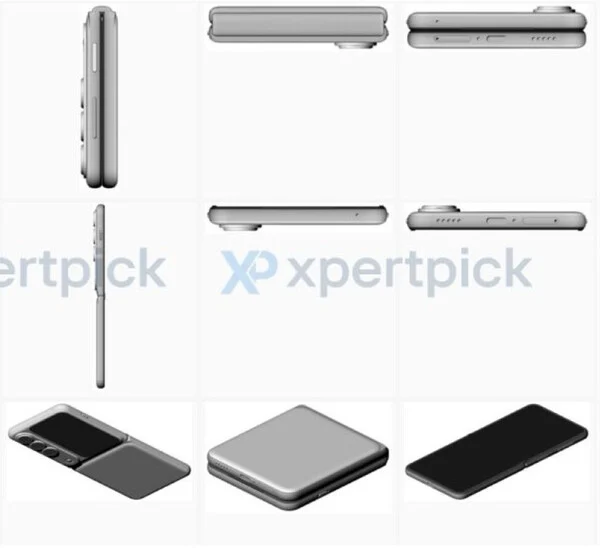
    A recent patent from the World Intellectual Property Organization (WIPO) suggests that Oppo is still looking into the clamshell foldable market, even after a gap of 18 months. It’s important to understand that just because a patent is approved, it doesn’t guarantee that a company will actually launch such a product. However, it does shed light on the direction of Oppo’s design team, much like the earlier developments from Samsung Display’s Flex Gaming prototype.

    Design Changes and Features

    In this regard, Oppo has increased the size of its outer display while keeping the vertical layout. In response to competitors like Samsung and Xiaomi, who have adopted designs inspired by the Motorola Razr Ultra 2025 (currently priced at $1,299 on Amazon) and its earlier models, Oppo has also integrated three rear cameras in a standard vertically-aligned housing. Other than that, not much is unexpected in terms of design; for more details, check out the images below.

    Source:
    Link


  • Oppo Find X8 Ultra Review: A High-End Smartphone for Everyone

    Oppo Find X8 Ultra Review: A High-End Smartphone for Everyone

    Key Takeaways

    1. Exceptional Camera Technology: The Oppo Find X8 Ultra features a Hasselblad-branded camera setup with four 50-MP lenses and significantly larger sensors compared to competitors like the Samsung Galaxy S25 Ultra and Apple iPhone 16 Pro Max.

    2. Superior Photo Quality: The primary camera, with a 1-inch Sony sensor, ensures high-quality photos with natural background blur and impressive sharpness, outperforming rivals in detail capture.

    3. Strong Low-Light Performance: The Find X8 Ultra excels in low-light conditions due to its large sensor, capturing more ambient light and producing clearer images than the iPhone 16 Pro.

    4. Value for Features: Priced around $1080, the Find X8 Ultra offers excellent value with its high-end camera features and performance, but buyers should consider import conditions.

    5. Powerful Hardware: The smartphone is powered by a Snapdragon 8 Elite processor and 12 GB of LPDDR5X RAM, ensuring high performance and a smooth user experience.


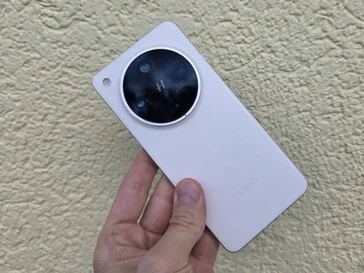
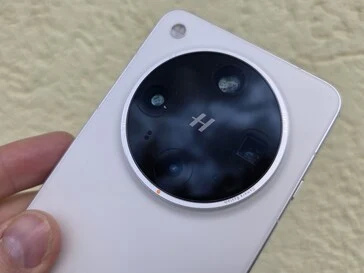
    The Oppo Find X8 Ultra got a really high score in our evaluation, mainly due to its camera technology, which has Hasselblad branding and is remarkable overall. At first glance, it might look like the camera setup of the Pro model, but the flagship’s four 50-MP lenses come with different sensors that are significantly larger than the 15mm one. When compared to rivals in the premium market, like the Samsung Galaxy S25 Ultra or the Apple iPhone 16 Pro Max, the sensor sizes of the Find X8 Ultra are clearly in a whole different category.

    Excellent Camera Performance

    The primary camera, which has a focal length of 23 mm and a large 1-inch sensor from Sony (LYT-900), guarantees top-notch photo quality. This oversized sensor produces a natural background blur, often making the portrait mode unnecessary and creating lovely bokeh effects. The Find X8 Ultra showcases outstanding sharpness and dynamics. When placed side-by-side, the iPhone 16 Pro shows noticeable blur, while the Oppo flagship captures a wealth of detail. You can check out the test photos here.

    Impressive Low-Light Capabilities

    The Oppo device also excels in low-light conditions. The 1-inch sensor is capable of capturing a significant amount of ambient light and texture. A side-by-side comparison with the iPhone 16 Pro reveals a clear quality advantage for the Find X8 Ultra.

    Cost vs. Features

    The two telephoto cameras and the ultra-wide-angle lens are also worth the high price, as shown in our review. Speaking of cost, the Find X8 Ultra has a starting price of approximately $1080 from our supplier, Trading Shenzhen, which seems quite appealing for the performance it delivers. However, potential buyers should also consider the importing conditions.

    In our assessment of the Oppo Find X8 Ultra, this flagship smartphone offers many impressive features beyond its cameras. Equipped with a powerful Snapdragon 8 Elite and 12 GB of LPDDR5X RAM, it guarantees exceptionally high performance. Read here to determine if this performance is stable or if we faced any severe throttling issues.

    Conclusion of the Review

    Overall, the Oppo Find X8 Ultra stands out in its category, combining excellent camera technology with strong hardware for a compelling user experience.

    Source:
    Link


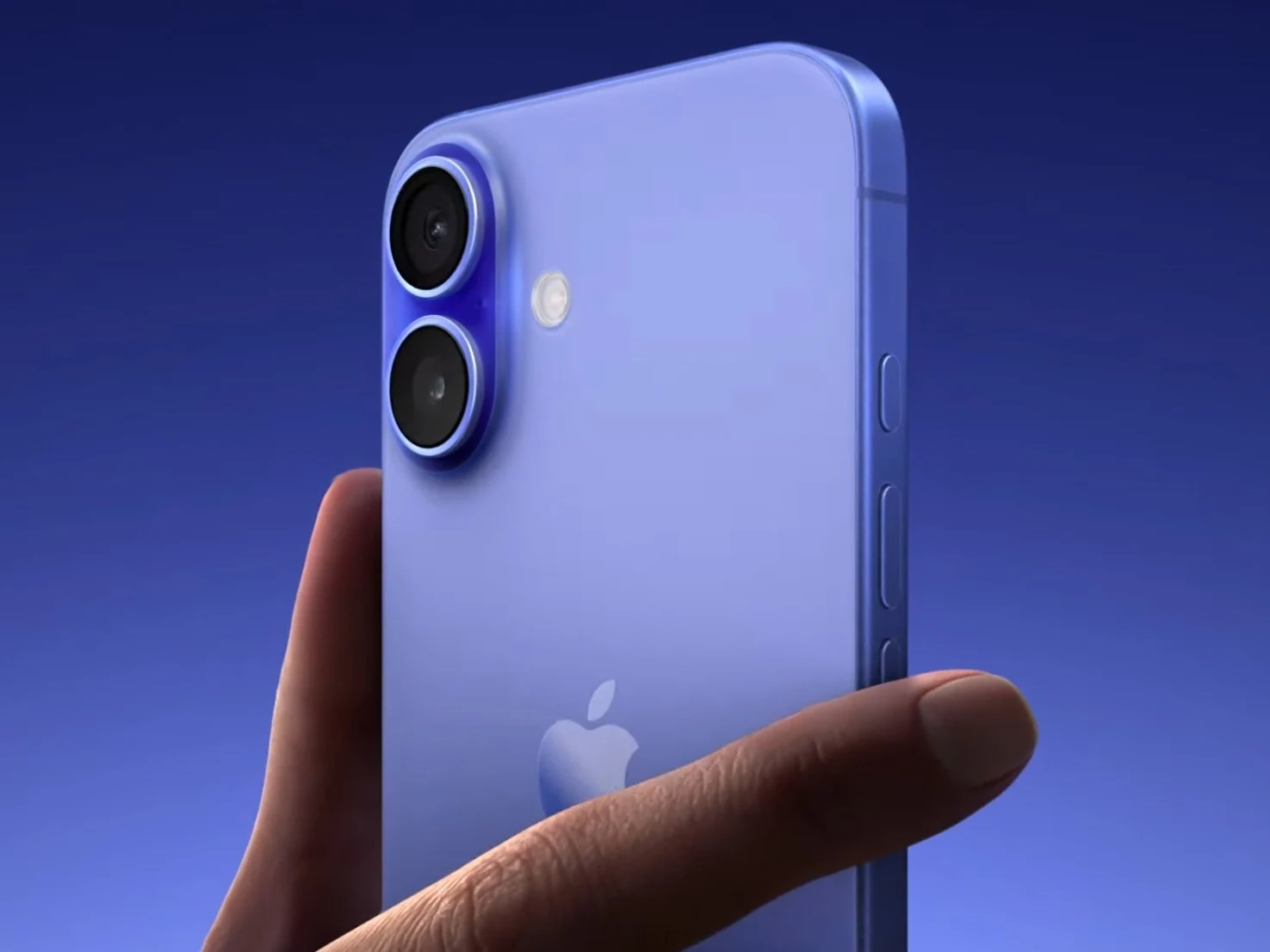
  • Apple iPhone 17 Expected: Dual 48 MP Cameras and 120 Hz Display

    Apple iPhone 17 Expected: Dual 48 MP Cameras and 120 Hz Display

    Key Takeaways

    1. The iPhone 17 series will likely have a larger display, increasing from 6.1 inches to approximately 6.27 inches.
    2. The iPhone 17 is expected to introduce a 120 Hz refresh rate for non-Pro models.
    3. The new iPhone 17 will be slightly taller than its predecessor but may have thicker bezels.
    4. It will feature a second 48 MP rear camera, likely for ultra-wide-angle photography.
    5. Pro models of the iPhone 17 are also expected to receive enhancements to their telephoto cameras.


    The iPhone 17 series is probably a few months away from its official reveal. Right now, Apple is anticipated to have a gap of about seven months between the iPhone 16e (currently priced at $584 – refurbished on Amazon) and the upcoming flagship models. However, Digital Chat Station claims to have some important information about the standard iPhone 17 ahead of its launch.

    Display Size Increase

    As per the leaker’s insights, Apple is planning to provide its basic iPhone with a display that is larger than the current 6.1-inch screen found in the iPhone 16. It’s expected that this year’s standard iPhone will increase to roughly 6.27 inches, while the iPhone 16 Pro will have a display of 6.3 inches. Notably, this new screen is likely to finally introduce a 120 Hz refresh rate for Apple’s non-Pro models as well.

    Consequently, the iPhone 17 is expected to be slightly taller than its predecessor. It might even reach the height of the iPhone 16 Pro, despite having a smaller display size. While the exact measurements are still not clear, it’s worth mentioning that Apple’s non-Pro iPhones typically have thicker display bezels compared to the Pro versions. Therefore, this small difference of 0.03 inches might be compensated for by the width of the bezels.

    Camera Upgrades

    Furthermore, Digital Chat Station indicates that the iPhone 17 will feature a second 48 MP rear camera. Although they didn’t specify the purpose of this new sensor, it’s likely that it will serve as an ultra-wide-angle camera instead of a telephoto one. Regardless, the same source suggests that Apple will enhance the telephoto cameras in this year’s Pro models as well.

    Digital Chat Station has shared these details about the iPhone 17, providing insight into what users can expect from the next generation of iPhones.

    Source:
    Link