Category: Phones

Stay updated with the latest phone news, reviews, and trends. Discover cutting-edge smartphones, features, and innovations in our Phones category at GizNewsDaily

  • Vivo X300 Global Launch: 200 MP Zeiss Camera for $769

    Vivo X300 Global Launch: 200 MP Zeiss Camera for $769

    Key Takeaways

    1. Vivo launched its first flagship phones, X300 and X300 Pro, powered by the Dimensity 9500 chip, aimed at photography enthusiasts.
    2. The X300’s pricing starts at $769 for the 12 GB RAM and 256 GB storage model, with a higher configuration (16 GB RAM and 1 TB storage) priced at $1,019.
    3. Imported models feature Chinese firmware, which may include region-specific apps and lack some global features like Android Auto; warranties may differ from official ones.
    4. The X300 has a 6.31-inch LTPO AMOLED display with a variable refresh rate of 120 Hz and impressive brightness levels, making it a solid upgrade from the Vivo X200 Pro mini.
    5. The device includes a 200 MP primary camera, a 50 MP ultrawide camera, a 50 MP telephoto lens, a 6,040 mAh battery with 90 W fast charging, and features like IP68/IP69 rating, WiFi 6, and Bluetooth 5.4.


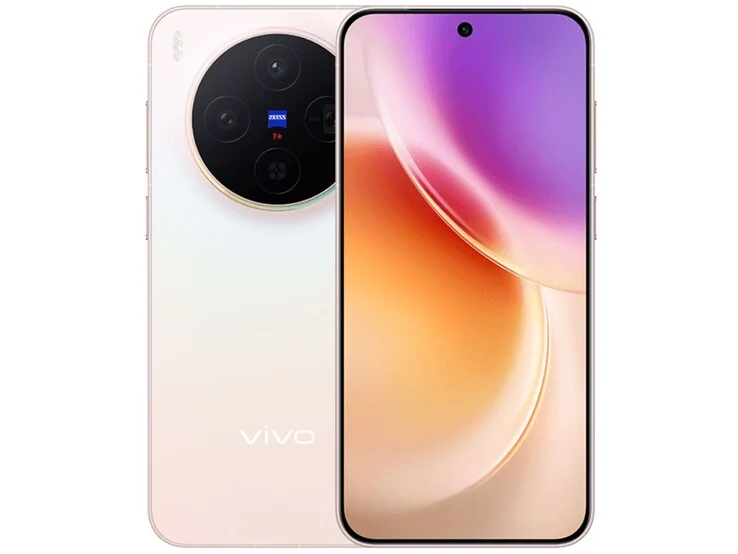
    Vivo has introduced its first flagship phones powered by the Dimensity 9500 chip, named the X300 and X300 Pro. These devices are among the initial Chinese flagships designed specifically for photography enthusiasts. Shortly after their launch event in China, the standard version made its way to import websites like Giztop and Wondamobile.

    Pricing and Availability

    The flagship model with a stunning 200 MP Zeiss camera is available for as low as $769 on Giztop and $770.68 on Wondamobile. These prices are for the configuration featuring 12 GB of RAM and 256 GB of storage. The highest version of this flagship, which includes 16 GB of RAM and 1 TB of storage, can also be found on both platforms, priced starting at $1,019.

    Important Considerations

    While these prices are quite reasonable compared to what they cost in China, there are important things to keep in mind. The imported Vivo X300 will come with the Chinese firmware. This means it will support various languages but will also include some apps that are specific to China. Additionally, features that are typically available on global versions, like Android Auto, may not work on these imported models. Furthermore, the warranty offered by these stores will not match the official warranty.

    Device Specifications

    Regarding the phone itself, it serves as a solid successor to the Vivo X200 Pro mini. Specifically, the X300 has a compact design with a 6.31-inch display. This LTPO AMOLED screen features a variable refresh rate of 120 Hz, a peak brightness of 4,500 nits, and a low brightness rating of just one nit.

    Camera and Battery

    This latest Dimensity 9500 flagship smartphone includes a 50 MP selfie camera on the front, while the back showcases a 200 MP primary camera featuring a 1/1.4-inch sensor size as its standout feature. This main camera is complemented by a 50 MP Samsung JN1 ultrawide camera and a 50 MP Sony LYT-602 APO telephoto lens with 3x optical zoom.

    Other standout features of the device include a powerful 6,040 mAh battery with 90 W fast charging (the 140 W Anker charger is currently priced at $79.99 on Amazon), along with 40 W wireless charging support, dual stereo speakers, an IP68/IP69 rating, WiFi 6, and Bluetooth 5.4. For more details, check out our launch coverage on the Vivo X300, linked above.

     

  • Nothing Phone (3a) Lite Leaked, Launching This Year

    Nothing Phone (3a) Lite Leaked, Launching This Year

    Key Takeaways

    1. The Nothing Phone (3a) Lite will be introduced despite the initial announcement that the Phone (3) series was complete.
    2. The new model is expected to launch globally this year, including in India, and will come in Black and White.
    3. It will feature a single variant with 8GB of RAM and 128GB of storage, likely without a MicroSD card slot.
    4. The pricing for the Phone (3a) Lite is anticipated to be lower than the Nothing Phone (3), which launched at $379.
    5. There are concerns about the need for the Phone (3a) Lite, given the existing CMF Phone 2 Pro priced at $279.


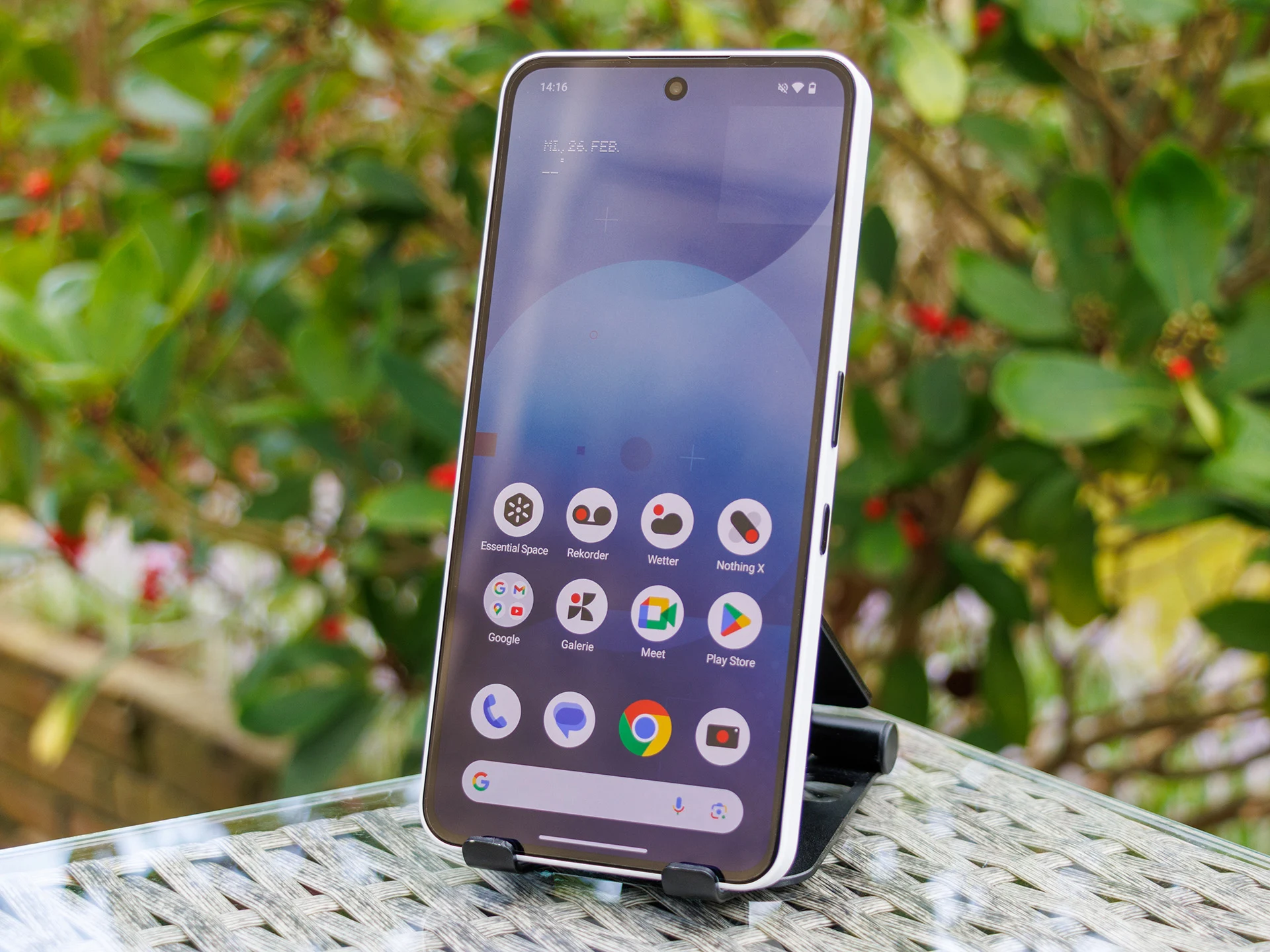
    Shortly after the Nothing Phone (3) was launched, Carl Pei, who is the CEO and the founder of Nothing, announced that this flagship would be the final model of the Phone (3) series. However, a new report indicates that Nothing is not finished with the Phone (3) lineup; it has plans to introduce a new version called the Nothing Phone (3a) Lite.

    New Model on the Way

    As per Xpertpick, shared by Sudhanshu Ambhore, the Nothing Phone (3a) Lite is expected to be unveiled this year and will have a global launch, including in India. Details about the phone’s appearance are not yet available, but it is confirmed to come in Black and White. Most specification details remain undisclosed, with the exception of the RAM and storage options.

    Specifications and Features

    The Nothing Phone (3a) Lite is said to come in a single variant featuring 8GB of RAM and 128GB of storage. Unlike smartphones from its CMF sub-brand, the Nothing phones typically do not include a MicroSD card slot, which suggests that the Phone (3a) Lite might follow this trend as well.

    Pricing Expectations

    The Nothing Phone (3a) Lite is expected to be priced lower than the Nothing Phone (3), which launched at $379 (and is currently listed on Amazon for $399). However, a lower price might mean buyers will encounter some trade-offs. There is a question about the necessity of the Nothing Phone (3a) Lite, especially since the $279 CMF Phone 2 Pro already serves that purpose quite well.

    Source:
    Link


  • Samsung Patents Self-Healing Screen Technology for Foldable Phones

    Samsung Patents Self-Healing Screen Technology for Foldable Phones

    Key Takeaways

    1. Samsung’s new patent introduces a self-repair system for cameras and fingerprint sensors in foldable devices.
    2. The system includes tiny wires and sensors that monitor for stress or cracks in the display layers.
    3. Upon detecting a threat, the system activates reinforcement processes to seal and fortify affected areas.
    4. This technology addresses durability issues, making in-display fingerprint sensors more reliable for future Galaxy Z Fold and Flip devices.
    5. The patent is still in development, and it remains uncertain when or if this technology will be implemented in products.


    For a long time, makers of foldable phones have faced a big challenge: figuring out how to safely put things like cameras and fingerprint sensors beneath the flexible screens. If they cut a hole for these sensors, it weakens the structure of the layered display, making it vulnerable to tiny cracks and water damage. Because of this hidden flaw, devices such as the Galaxy Z series continue to use side-mounted fingerprint sensors.

    Samsung’s Innovative Patent

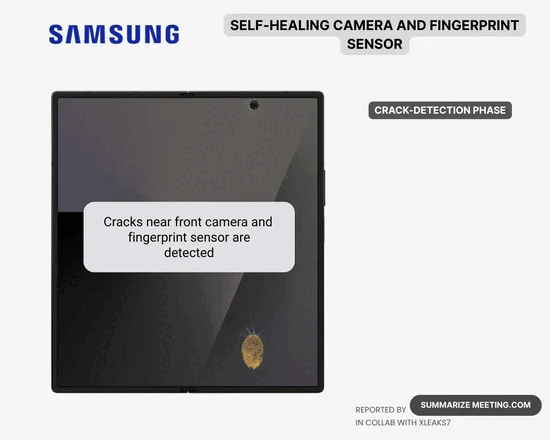
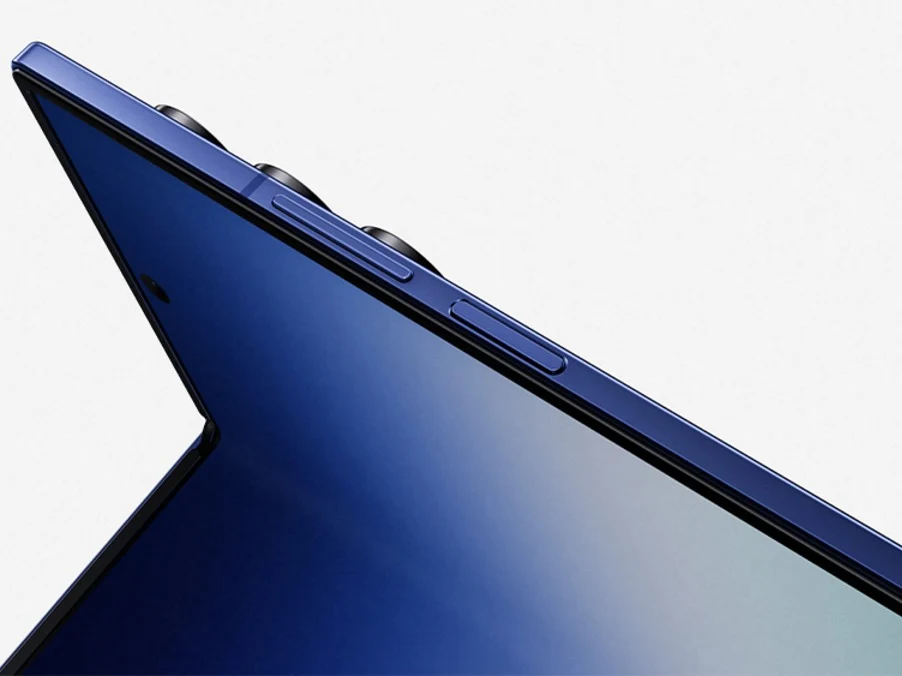
    A new patent from Samsung presents an exciting solution: a built-in protection and “self-repair” system for cameras and fingerprint sensors in foldable devices, including the new Galaxy Z Fold 7 and Z Flip 7. This technology changes the game by enhancing how the screen can protect itself, shifting from just being durable to actively monitoring itself.

    How It Works

    The key part of this patented system is the embedding of tiny wires and sensors—a “sensing loop”—around the display cutouts. These wires function like an immune system for the screen, promptly identifying even the tiniest stress or crack in the layers beneath.

    Once a threat is detected, the system kicks off a special reinforcement process. It activates “dummy metal patterns” that automatically seal and fortify the affected area. Imagine the screen swiftly applying a small, unseen patch over the defect, preventing the crack from growing larger. Additionally, the design features unique grooves and sealants that help protect the OLED layers from moisture and oxygen.

    A Solution for the Future

    This three-part strategy—sensing, sealing, and reinforcing—addresses the long-standing issues with durability. By ensuring that the regions around the camera and sensors are as secure as the rest of the display, Samsung clears a major obstacle for introducing reliable in-display fingerprint sensors in upcoming Galaxy Z Fold and Flip devices.

    It’s important to note that this is just a patent, so we can’t be sure when or if it will be used in products. Nonetheless, the patent indicates that Samsung is seriously exploring this area. It would be great if they could find a dependable and cost-effective way to implement this technology, as it would make foldable phones much stronger for daily use.

    Source:
    Link


  • Poco F8 Ultra Features: Redmi K90 Pro vs. Xiaomi 17 Series

    Poco F8 Ultra Features: Redmi K90 Pro vs. Xiaomi 17 Series

    Key Takeaways

    1. Xiaomi is set to launch the Redmi K90 series soon in China, with the Redmi K90 Pro expected to be released globally as the Poco F8 Ultra.
    2. The Redmi K90 Pro will feature the Qualcomm Snapdragon 8 Elite Gen 5 processor and offer impressive battery life with 100 W fast charging.
    3. The phone aims to connect the Redmi K-series with Xiaomi’s flagship models, targeting a premium device experience.
    4. A high-end camera system is anticipated, including a top main camera sensor and a periscope zoom lens.
    5. The Redmi K90 Pro is expected to include advanced features like haptics, an under-display fingerprint scanner, and superior audio quality.


    By many people’s view, Xiaomi is getting ready to launch the Redmi K90 series very soon in China. The Redmi K90 Pro is likely to be released globally under the name Poco F8 Ultra, and a fresh leak has just revealed some of the phone’s main features.

    Key Features Revealed

    According to Digital Chat Station on Weibo, the Redmi K90 Pro will connect the Redmi K-series with Xiaomi’s primary flagship models, aiming to be a genuine premium device similar to the Xiaomi 17 series smartphones. Like those devices, the Redmi K90 Pro will run on Qualcomm’s latest Snapdragon 8 Elite Gen 5 and boast impressive battery life along with 100 W fast charging capabilities.

    Premium Camera Expectations

    As mentioned earlier, the Redmi K90 Pro, and by extension the Poco F8 Ultra, is anticipated to be the first in the lineup to come with a truly top-notch camera system. There are rumors about a high-end main camera sensor and a periscope zoom lens. Furthermore, the source suggests that the phone will include “flagship-level peripherals,” which likely points to advanced features such as haptics and an under-display fingerprint scanner, along with superior audio quality.

    Source:
    Link


  • Nubia Z80 Ultra: Specs and Sample Photos of 35mm, 18mm, 70mm Camera

    Key Takeaways

    1. The Nubia Z80 Ultra will be officially revealed on October 22, featuring a design similar to the Nubia Z70S Ultra.
    2. The smartphone includes a dedicated shutter button and an under-display camera, eliminating notches and punch-holes.
    3. The camera setup features a 35 mm main camera, a telephoto lens with a brighter f/2.4 aperture, and a new ultra-wide-angle camera with an 18 mm f/1.8 lens and a larger sensor.
    4. Initial sample photos emphasize natural colors and high contrast, though some images may appear slightly blurry and colors muted.
    5. The Nubia Z80 Ultra offers a 50x zoom capability, relying on a 12x digital zoom, which may impact image quality, with sample photos showing a maximum of 2x digital zoom.


    The Nubia Z80 Ultra is set to be officially revealed on October 22. Over the past weekend, Nubia shared several images that highlight the smartphone’s design intricacies. The overall appearance is quite similar to the Nubia Z70S Ultra.

    Design and Build

    Nubia has made minor tweaks to the camera module, while the device maintains a gently rounded frame. It features a dedicated shutter button and a display that incorporates an under-display camera, removing the need for notches or punch-holes. New teaser images confirm that the Z80 Ultra will come with three cameras:

    The main camera is the same 35 mm f/1.7 with a 1/1.3-inch OV990 sensor found in the Nubia Z70S Ultra. The telephoto lens continues to have a 70 mm focal length, but it now has a brighter aperture of f/2.4. Details regarding the sensor for this camera are still awaited. The most notable improvement is with the ultra-wide-angle camera, which sees Nubia replacing the 13 mm f/2.0 camera and its 1/2.88-inch sensor with an 18 mm f/1.8 camera and a larger 1/1.55-inch sensor.

    Camera Performance

    The initial sample photos taken with the Nubia Z80 Ultra’s 35 mm main camera aim to highlight the camera’s “natural perspective.” Nubia adopts a subtle approach to image processing, prioritizing natural colors over oversaturation and maintaining a relatively high contrast ratio. While some sample images seem slightly blurry, it’s important for viewers not to jump to conclusions about the low resolution of the images shared.

    Though the ultra-wide-angle camera features a significantly larger sensor, its 18 mm focal length does not provide as expansive a field of view compared to its predecessor. The sample images are not particularly revealing, as they were taken in relatively easy conditions. The skin tones in the model vary across the pictures, suggesting a moderately accurate white balance, but the photos also exhibit muted colors and a natural contrast.

    Zoom Capabilities

    As per the labeling on the camera module, the Nubia Z80 Ultra offers a 50x zoom, which requires Nubia to utilize a 12x digital zoom—likely affecting image quality. In the sample photos, Nubia restricts itself to a maximum of 2x digital zoom, demonstrating an even greater contrast ratio compared to the ultra-wide-angle and main camera.

    Nubia (Weibo)

    Source:
    Link


  • Honor Magic8 Pro: Big Battery & 200 MP Periscope Camera Details

    Honor Magic8 Pro: Big Battery & 200 MP Periscope Camera Details

    Key Takeaways

    1. The Honor Magic8 Pro will launch on October 15, featuring the Qualcomm Snapdragon 8 Elite Gen 5 processor and a 7,200 mAh battery.
    2. The device supports fast charging via USB-C at 120 watts and wireless charging at 80 watts, though the European version may have a smaller battery.
    3. The AMOLED display can achieve a peak HDR brightness of up to 6,000 nits.
    4. The camera setup includes a 200 MP periscope telephoto camera, a 50 MP main camera, and a 50 MP ultra-wide-angle camera, with the telephoto offering 3.5x optical zoom.
    5. The fingerprint sensor is integrated into the 6.71-inch display, and more features will be announced during the launch event.


    The Honor Magic8 Pro is set to be officially revealed on Wednesday, October 15. Recent teaser images from the company have confirmed several key details about the device’s features ahead of its launch. These images indicate that Honor will be using the latest Qualcomm Snapdragon 8 Elite Gen 5 processor combined with an impressive 7,200 mAh battery.

    Charging Capabilities

    Rumor has it that this battery can be charged through USB-C at speeds of up to 120 watts, or wirelessly at a maximum of 80 watts. However, it is likely that, similar to the Honor Magic7 Pro, the European version of the flagship will feature a smaller battery. The teaser images also imply that the AMOLED display of the Honor Magic8 Pro can achieve a remarkable HDR peak brightness of up to 6,000 nits.

    Camera Features

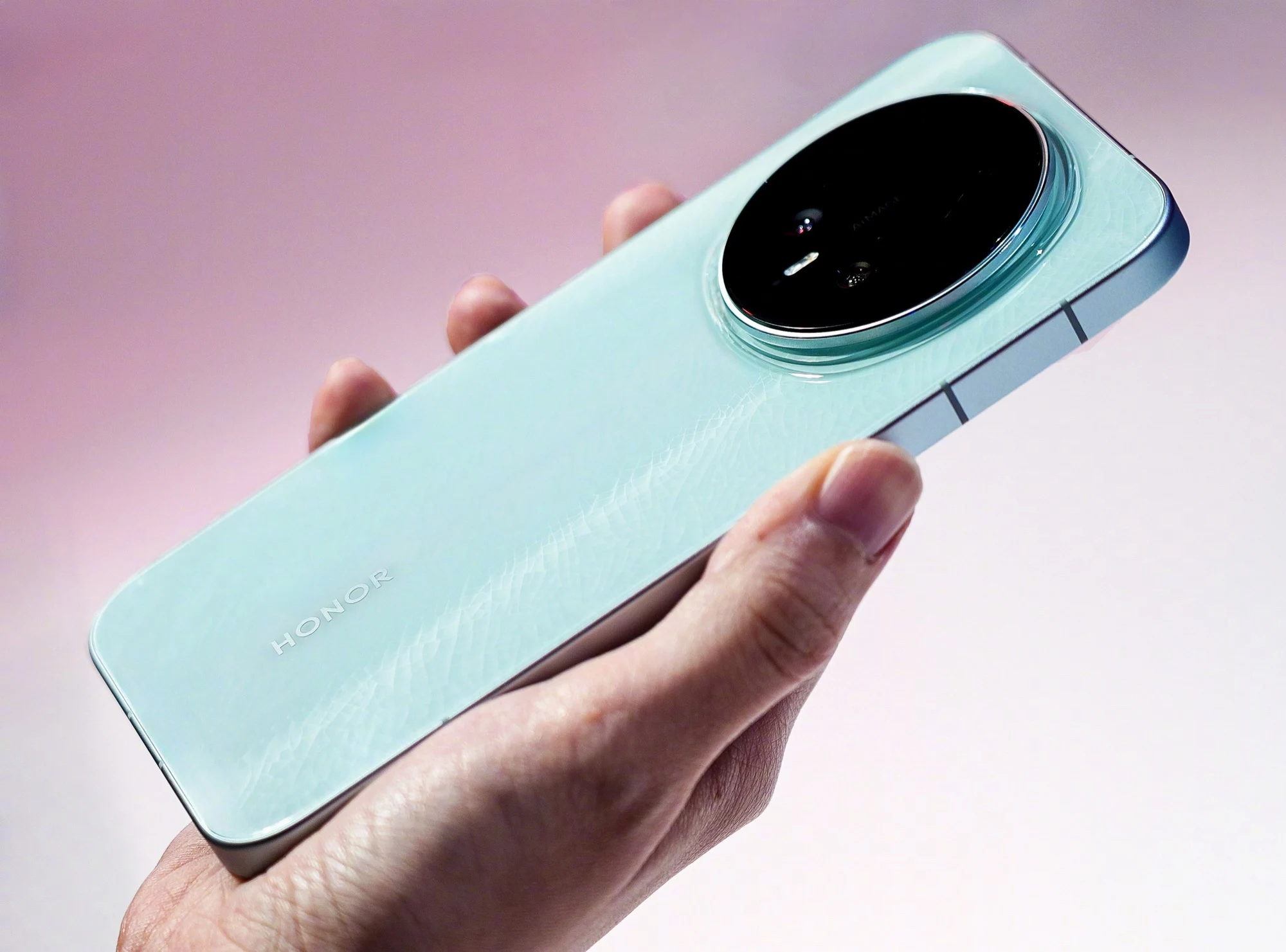
    In design, Honor is adopting a pill-shaped punch hole, reminiscent of the Apple iPhone 17 Pro, to accommodate two selfie cameras. On the back, a round camera module includes a 200 MP periscope telephoto camera that utilizes a 1/1.4-inch sensor paired with a relatively quick f/2.6 lens.

    There are indications that Honor will also feature a 50 MP f/1.6 main camera with a 1/1.31-inch sensor alongside a 50 MP ultra-wide-angle camera. The telephoto camera is rumored to have an equivalent focal length of 85 mm, providing approximately 3.5x optical zoom. Additionally, the fingerprint sensor is believed to be subtly integrated into the 6.71-inch display. More features are expected to be revealed during the launch event on Wednesday.

    Honor (Weibo)

    Source:
    Link


  • Vivo X300 Launches in China: 200 MP Camera, Dimensity 9500, $605

    Vivo X300 Launches in China: 200 MP Camera, Dimensity 9500, $605

    Key Takeaways

    1. Camera Enhancements: The Vivo X300 features a 200 MP main camera and a 50 MP ultra-wide lens, while the X300 Pro includes improved night-mode and larger glass components.

    2. Video Capabilities: Both models have a 50 MP front camera with 4K video recording at 60 FPS, motion-tracking autofocus, and quick video burst options.

    3. Performance Specifications: The series runs on MediaTek’s Dimensity 9500 chipset with LPDDR5X RAM and up to 1 TB UFS 4.0 storage, featuring a 6,040 mAh battery and advanced thermal management.

    4. Cross-Device Ecosystem: The X300 series supports seamless interaction with Apple devices, including features like iCloud access and cross-device mirroring, limited to users with a Chinese Apple ID.

    5. Availability and Colors: The Vivo X300 will be available in four colors in China, with a global launch expected in November 2025.


    Vivo has launched the X300 series in China, showcasing significant camera enhancements and unmatched compatibility across platforms. Both the X300 and X300 Pro are equipped with MediaTek’s Dimensity 9500 SoC, which is constructed using a 4 nm process. They also come with the proprietary Blueprint V3+ imaging chip and operate on OriginOS 6, which is based on Android 15.

    Impressive Camera Features

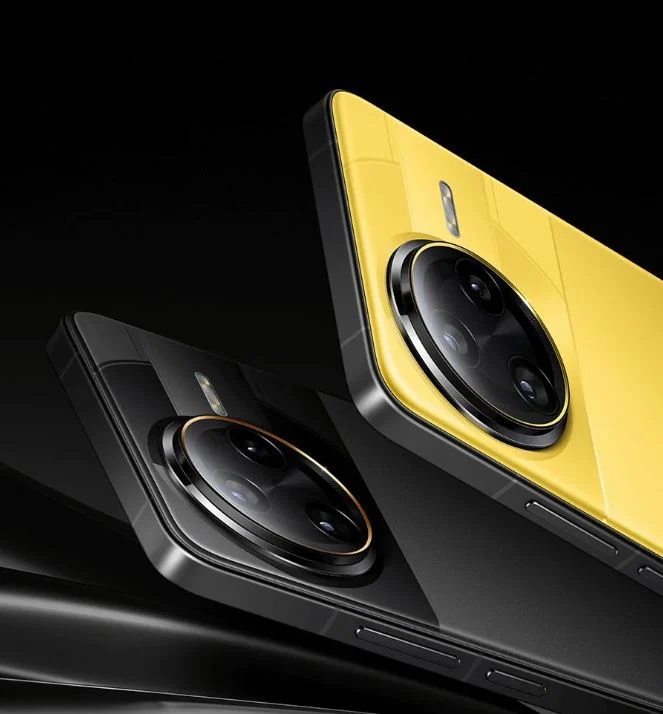
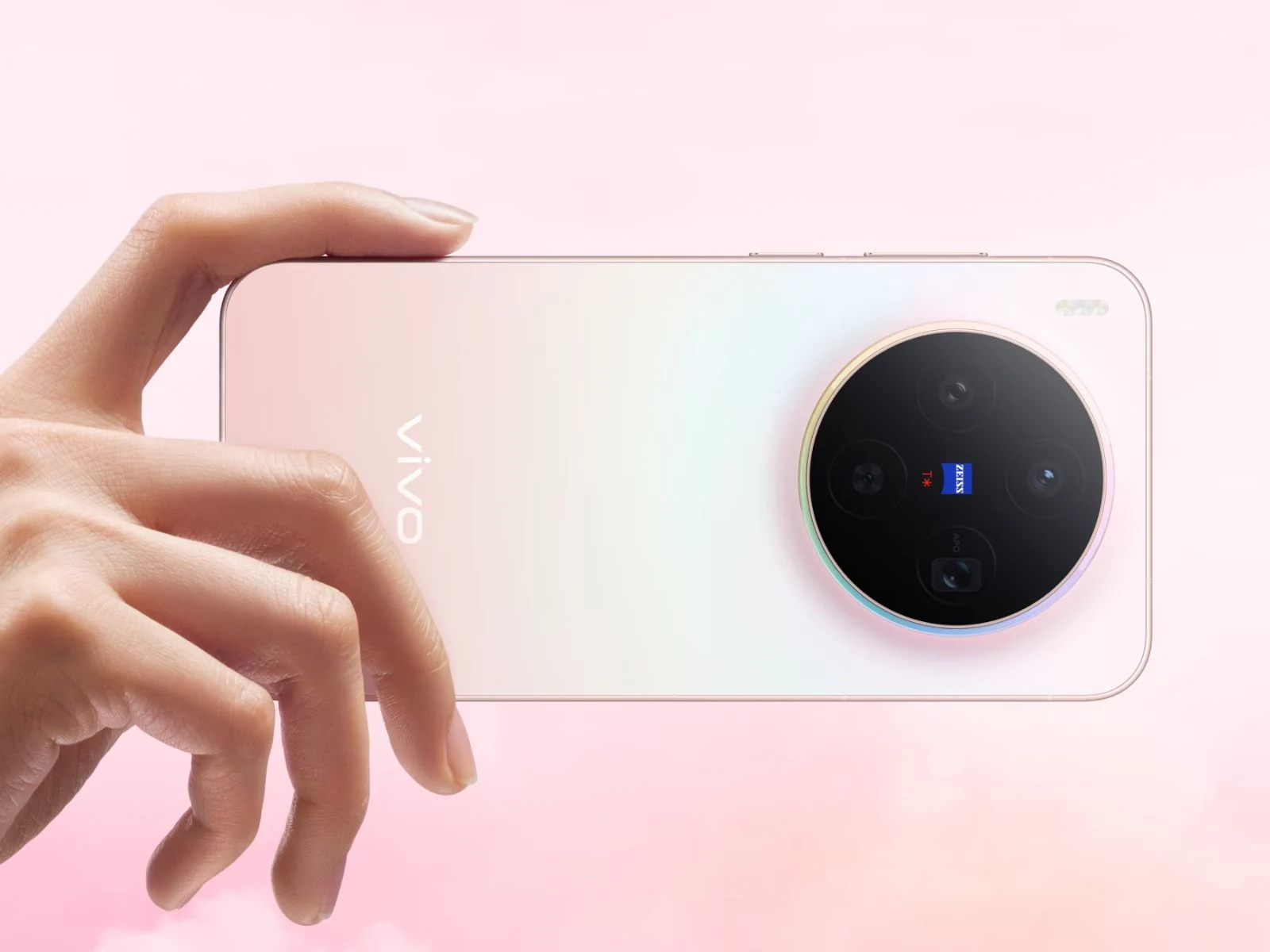
    The Vivo X300 boasts a 200 MP Zeiss Super Main Camera protected by Zeiss T* glass. This is complemented by a 50 MP ultra-wide lens and a Zeiss APO telephoto lens that provides optical zoom capabilities. The X300 Pro takes things a step further with larger glass components and enhanced night-mode functionality.

    Front Camera and Video Capabilities

    For selfies, both devices feature a 50 MP autofocus camera specifically calibrated for Zeiss Natural Color imaging. The Blueprint V3+ NPU allows for 4K 60 FPS portrait video recording and motion-tracking autofocus, along with Vivo’s “Zero-Additive” Natural Portrait Mode. Users can also take quick 4K video bursts that can be transformed into still sequences via Live Photo.

    Display and Performance

    The X300 series showcases a 6.78-inch BOE Q10 Plus LTPO AMOLED display that offers adaptive refresh rates and TÜV-certified eye protection. The thickness of the device measures 7.95 mm, while it weighs in at 190 g.

    It runs on the MediaTek Dimensity 9500 chipset, combined with LPDDR5X RAM and UFS 4.0 storage that goes up to 1 TB. Vivo has also integrated an upgraded thermal management system aimed at sustaining performance during extended AI or gaming tasks. The phone is powered by a 6,040 mAh Blue Ocean battery and includes USB 3.2 connectivity.

    Cross-Device Ecosystem

    A standout feature is Vivo’s “Cross-Device Ecosystem” (破壁生态), which facilitates smooth interaction between the X300 series and Apple devices.

    The X300 series enhances Vivo’s commitment to cross-platform functionality, building upon the Vivo X Fold 5. This model is said to support Apple Watch features, iCloud access, and cross-device mirroring; however, these features currently only operate with an Apple ID registered in China. Similarly, Huawei has provided limited cross-compatibility through its HarmonyOS ecosystem, enabling basic connections between wearables and simple file sharing.

    Availability and Color Options

    The Vivo X300 will be offered in four configurations in China: Fortune Pink, White Blue, Sea Blue, and Graphite Black. Global launch is anticipated to take place in November 2025.

    Source:
    Link


  • Samsung One UI 8 Update for Galaxy XCover 7 and M54 Devices

    Samsung One UI 8 Update for Galaxy XCover 7 and M54 Devices

    Key Takeaways

    1. Samsung has released One UI 8, based on Android 16, for the Galaxy XCover7 and Galaxy M54 mid-range smartphones.
    2. The update for Galaxy XCover7 has firmware version G556BXXUBDYIA, while Galaxy M54’s update has version M546BXXU9EYI4, available in several regions.
    3. Users can manually check for the update by going to Settings > Software Update > Download and Install, preferably on a stable Wi-Fi connection.
    4. Samsung plans to complete the One UI 8 rollout before starting the One UI 8.5 beta program in late November 2025.
    5. Some users are experiencing connectivity issues post-update, with suggested fixes including resetting network settings and clearing the system cache.


    Samsung has started the stable release of One UI 8, which is based on Android 16, for two mid-range smartphones: the durable Galaxy XCover7 and the widely-used Galaxy M54. This update comes as a bit of a shock, since it brings features usually found in high-end devices to phones that aren’t in the premium category, ahead of some flagship models set to receive the update in 2025.

    Update Details for Galaxy XCover7

    The One UI 8 stable update for the Galaxy XCover7 is being distributed with firmware version G556BXXUBDYIA and is rolling out in several regions, such as Thailand, the Philippines, Vietnam, New Zealand, and Malaysia. On the other hand, the Galaxy M54 is getting the update via firmware version M546BXXU9EYI4, which is available for users in Thailand, Vietnam, New Zealand, Myanmar, and Malaysia.

    How to Check for the Update

    If users haven’t seen the One UI 8 notification yet, they can manually look for the update by going to Settings > Software Update > Download and Install. Samsung suggests connecting to a reliable Wi-Fi network before starting the download because of the update’s large file size.

    The company aims to finish the One UI 8 rollout for all eligible devices prior to starting the One UI 8.5 beta program, which is expected to kick off in late November 2025.

    Troubleshooting Connectivity Issues

    Some users have noticed potential internet connection issues after installing One UI 8 on different Samsung devices. Typical problems include random Wi-Fi dropouts, reduced data speeds, and difficulties maintaining solid network connections.

    Samsung and community specialists propose several steps to help these users. The main fix is to reset network settings by going to Settings > General Management > Reset > Reset Network Settings. Other solutions can include clearing the system cache partition, restarting the device, and toggling airplane mode on and off.

    For ongoing issues, users can perform a full reset of Wi-Fi and Bluetooth settings, but this will require entering saved network passwords again and re-pairing Bluetooth devices.

    Samsung

    Source:
    Link


  • Oppo Find X9 Pro Outperforms Xiaomi 17 Pro Max in Battery Tests

    Oppo Find X9 Pro Outperforms Xiaomi 17 Pro Max in Battery Tests

    Key Takeaways

    1. Xiaomi’s 17 Pro Max has a 7500 mAh battery but only slightly outperforms its Apple competitor in battery drain tests.
    2. Oppo’s upcoming Find X9 Pro shows strong potential for superior battery performance, currently leading in endurance tests.
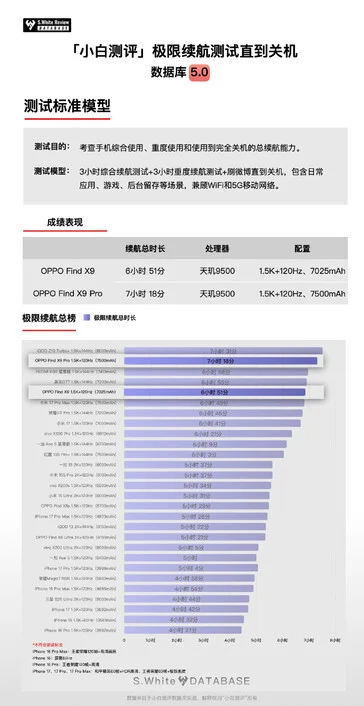
    3. In recent tests, the Find X9 Pro lasted 7 hours and 18 minutes, while the iQOO Z10 Turbo+ ran for 7 hours and 31 minutes with an 8000 mAh battery.
    4. The standard Find X9 outperformed the Xiaomi 17 Pro Max despite having a smaller 7025 mAh battery, lasting 6 hours and 51 minutes compared to Xiaomi’s 6 hours and 49 minutes.
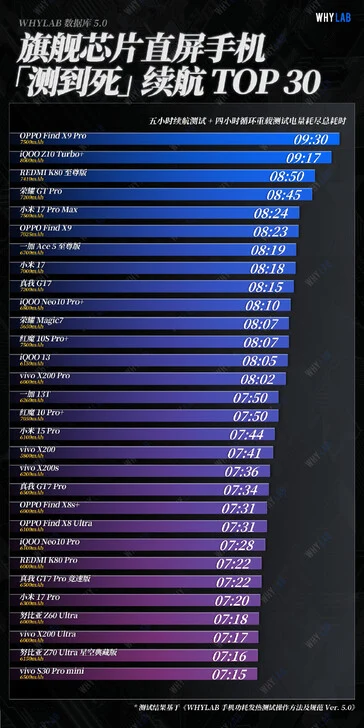
    5. Additional tests by WhyLab confirm the Find X9 Pro’s lead, with a runtime of 9 hours and 30 minutes versus Xiaomi’s 8 hours and 24 minutes.


    In a recent battery drain test, Xiaomi’s new 17 Pro Max, despite having a battery that is 55% larger, just barely surpassed its Apple competitor. The Xiaomi flagship is currently leading its category, boasting an impressive 7500 mAh battery, but this might soon change.

    Testing the Competition

    According to Novice Evaluation, Oppo’s Find X9 Pro might present superior battery performance compared to other flagship devices available now. Although the Find X9 series has not officially launched yet, both the Find X9 and Find X9 Pro are undergoing testing in China. The Find X9 Pro has emerged as the leader in battery endurance tests.

    Impressive Results

    In these tests, the Find X9 Pro achieved a total of 7 hours and 18 minutes, narrowly missing out to the iQOO Z10 Turbo+, which runs for 7 hours and 31 minutes. The Oppo phone features a 7,500 mAh battery, similar to that of the Xiaomi 17 Pro Max, while the iQOO includes an 8,000 mAh battery. To further highlight Xiaomi’s questionable battery performance, the standard Find X9 lasts 6 hours and 51 minutes compared to the 6 hours and 49 minutes of the Xiaomi 17 Pro Max, even though it has a smaller 7,025 mAh battery. It’s important to point out that the Find X9 is also the smaller of the two devices. For reference, the iPhone 17 Pro Max only lasts 5 hours and 26 minutes.

    Consistent Findings

    A similar series of tests conducted by WhyLab confirms the earlier results. The Find X9 Pro leads again, with a total run time of 9 hours and 30 minutes, while the Xiaomi 17 Pro Max only manages 8 hours and 24 minutes.

    Source:
    Link


  • Poco X8 Pro: Redmi Turbo 5 Launch and Rumored Features Leak

    Poco X8 Pro: Redmi Turbo 5 Launch and Rumored Features Leak

    Key Takeaways

    1. The Poco X8 Pro is expected to be launched soon, following the trend of releasing X-series smartphones at the beginning of the year.
    2. The Redmi Turbo 5 has received certification in China and is likely to be unveiled in November, with an international release as Poco X8 Pro in January.
    3. The Redmi Turbo 5 may feature MediaTek’s new Dimensity 8500 chip and is rumored to have 100 W wired charging.
    4. The device is expected to have a display size of around 6.6 inches and a battery capacity exceeding 7,000 mAh, possibly up to 8,000 mAh.
    5. The Poco X7 Pro is currently available for purchase on Amazon.


    Xiaomi’s Poco brand is known for launching its X-series smartphones at the beginning of each year, and this trend appears to continue with the Poco X8 Pro. Recent updates suggest that this performance-oriented mid-range device might be released sooner than expected this time around.

    Certification and Launch Timeline

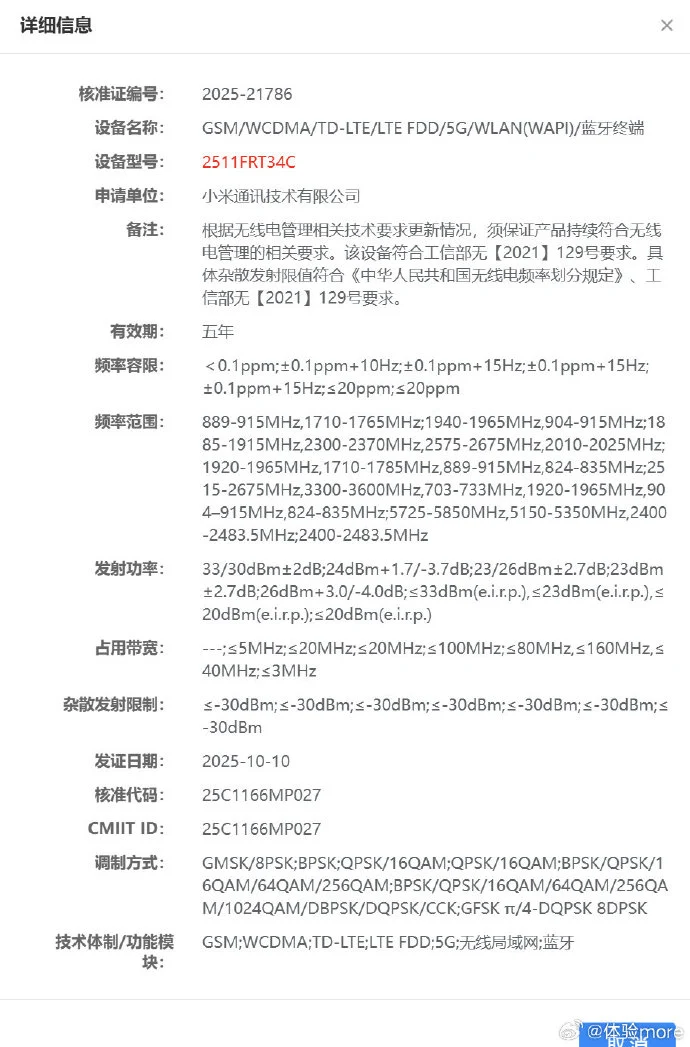
    The Redmi Turbo 5 has received certification in China before its official release, being listed on the 3C website with the model number “2511FRT34C”. According to various sources, it looks like Xiaomi plans to unveil the Redmi Turbo 5 in November. For reference, the Redmi Turbo 3 was launched in April, while the Redmi Turbo 4 came out in January. Following the anticipated November launch of the Turbo 5 in China, it is likely to be renamed as the Poco X8 Pro for the international market, probably in January.

    Expected Features and Specs

    Leaker Experience More has suggested that the Redmi Turbo 5 might be the first smartphone to feature MediaTek’s new Dimensity 8500. Other rumored specifications include 100 W wired charging, a metal frame, and a display that may be around 6.6 inches diagonally. Previous rumors indicated that the Redmi Turbo 5 might come equipped with an enormous 8,000 mAh battery; though that isn’t confirmed, it seems quite likely that it will have a battery capacity exceeding 7,000 mAh.

    Source:
    Link